
Reviewed · FOOD & DRINK
Best of Shibuya Food Tour
Shibuya tastes better after dark. I love how this tour steers you into off-the-main-path side streets with guides praised like Seika, Clara, and Ray, not just the usual neon traps. I also like the practical payoff: 3 hours, 5 food stops plus dessert, and one included drink that keeps the whole thing moving. One thing to consider, though, is the price at $217, so you will want to show up hungry and be on-time at the Hachiko meeting spot.
This is a small-group walk (max 10 people) in the Shibuya area from about 4:00 pm, when the crowds thin and restaurants feel more relaxed. You will start at Hachiko, get local context along the way, and then bounce between places that Tokyo residents actually use for meals and snacks.
The route does include some walking through busy streets and back alleys, and the tour can swap stops due to weather, schedules, or public holidays. If you hate surprises in general, plan on flexibility here.
Key things that make this tour worth your time
- Small group, max 10 means more attention from your guide and less time waiting around.
- Night timing in Shibuya helps you see the neighborhood when it feels less like a theme park.
- 5 food stops plus dessert turns one wandering evening into a full meal plan.
- One included drink is part of the pacing, and the guide uses it to keep everyone together.
- Local storefronts, not just big-name brands like Shibuya 109 and MEGA Don Quijote along the route.
- Depachika-style food hall wandering gives you a window into how Tokyo shops for snacks.
Shibuya Food at 4 pm: When the Neon Turns Friendly
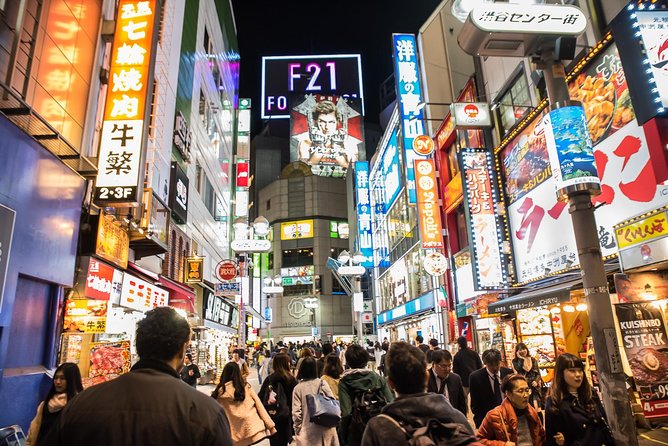
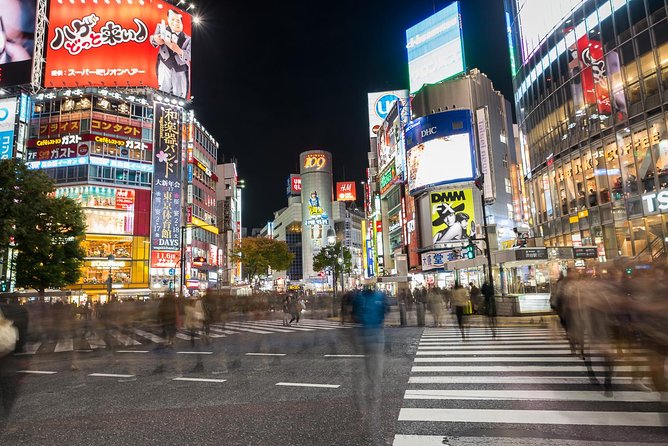
Shibuya is loud in every way, day and night. But the vibe changes fast after late afternoon. That is exactly when this tour starts, about 4:00 pm, so you get the best of both worlds: some neon on the edges, then calmer lanes that let you actually hear your guide explain what you are eating.
I like that the tour is built around the idea of eating where locals go. You begin with orientation right near Hachiko, then you move into side-street restaurants and tucked-away spots that you would likely miss if you were only following the main pedestrian flow. A big theme here is Japan through food, but also Japan through habits, like how people snack, queue, and order without making a production of it.
Guides matter, and the praise for this company’s guides shows up again and again. Names like Seika, Clara, Ray, Saika, Jane, Jacob, Melissa, and Yu show up in the tour feedback as people who keep things fun and who connect food to local context. That is not just small talk. When your guide explains what a dish is, what the restaurant is known for, and how locals eat it, the tastings land harder.
More Food Tours in Tokyo
- Tokyo: Shinjuku Food Tour (13 Dishes at 4 Local Eateries)
★ 5.0 · 6,603 reviews - Tokyo Tsukiji Fish Market Food and Culture Walking Tour
★ 5.0 · 3,184 reviews - Tokyo: Shinjuku Food Tour (15 Dishes and 4 Eateries)
★ 4.9 · 2,033 reviews
Price and Value: What $217 Buys in Real Meals
At $217 per person for about 3 hours, this is not a budget snack crawl. So you should judge it by results, not by promises. The “results” here are clear: 5 food stops plus dessert and one included drink.
If you are trying to build an entire dinner out of separate purchases, Shibuya can drain your wallet quickly. A few casual meals plus a drink can reach this range fast, especially if you end up in the most tourist-heavy pockets. This tour aims to compress that cost into one plan where tastings come in a sequence, and you do not waste time deciding.
Still, price sensitivity is real. Some feedback flags that the experience did not feel worth it for what was eaten, or that certain stops felt average. That is why I think your best bet is to go in with the right mindset: treat it as guided sampling plus street-level food culture, not a guaranteed “perfect restaurant lineup” every time. Restaurant schedules and conditions can shift, and the tour notes that substitutions can happen due to weather, holidays, or timing.
If you want a safe bet for value, go hungry, pace yourself, and be open to the guide steering you toward whatever is freshest that night.
Starting Point Mastery: Hachiko First, Then the Back Lanes
You meet in front of the Wall Mural of Hachiko at Hachiko Exit, right outside the station. This is one of those spots that sounds simple until you arrive and the crowd looks like a living map. The practical move: arrive early enough to find your guide without stress.
From there, the early portion is part “get your bearings” and part “learn how Shibuya works.” You do a quick walk through Shibuya backstories and customs, which matters because Shibuya food is not only about what is on the menu. It is also about how the neighborhood is laid out, how streets connect, and where people go when they want something fast or special.
One standout from the feedback is how guides slow the walking pace for the group. That is huge for older travelers, for people with lighter shoes, and for families. I would still keep expectations realistic: this is a walking tour. You will be on your feet.
Stop-by-Stop: What Each Area Adds to the Meal Plan
Here is what you experience as you move through Shibuya, and what each area does for the tour experience.
Same corner of Japan, a different kind of day:
- Mt Fuji and Hakone 1-Day Bus Tour Return by Bullet Train
★ 5.0 · 26,383 reviews - 1-Day Tokyo Bus Tour
★ 5.0 · 14,250 reviews - Tokyo: TOKYO SKYTREE® Admission ticket
★ 4.5 · 11,192 reviews - Tokyo: teamLab Planets TOKYO Digital Art Museum Entry Ticket
★ 4.6 · 9,779 reviews
Hachiko and the immediate orientation
Starting at Hachiko gives you an easy visual anchor in a complex city. It also sets the tone, because Shibuya is famous for its crowds, but the tour’s goal is to show you the texture behind the crowds.
You also get quick context about the area right away. That helps when you later see streets and signage that look like scenery, but actually matter for where locals eat.
Myth of Tomorrow (a quick cultural beat)
You make a short stop at Myth of Tomorrow, described as family-friendly. Even when the stop is brief, it helps break up the walk. Think of it as a small “Tokyo moment” so the tour feels like more than just food stops in a line.
Shibuya Center-gai, where food choice feels endless
Center-gai is a major shopping and pedestrian corridor, and it is exactly the kind of place where you might otherwise wander aimlessly for snacks. On the tour, it works like a launch pad. Your guide points out how the streets function as a foodie corridor and then steers you toward side streets where the food feels less mass-produced.
This is also where the tour starts feeling like Shibuya is its own world. You are surrounded by neon, signage, and constant motion, but the guide keeps you moving with purpose.
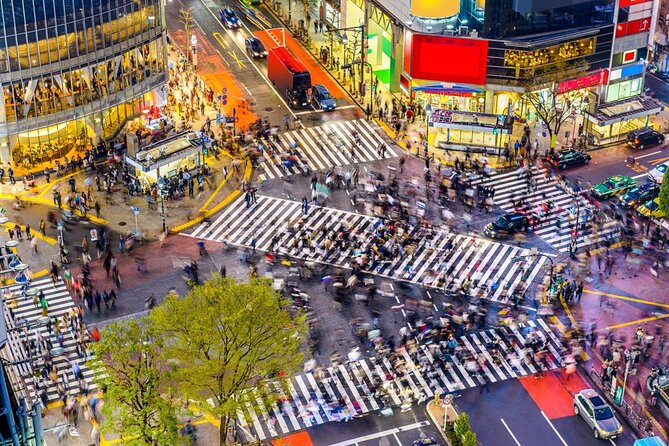
Shibuya Crossing, plus the chance to see it from above
Shibuya Crossing is the obvious stop, but it is not pointless. It is a reference point. Once you see it from street level, it is easier to understand why food choices cluster around high-traffic areas.
Some guides have been praised for making space to view the crossing from above. That kind of moment adds “wow” without swallowing the evening. If it happens during your tour, it is worth paying attention to, because it turns Shibuya from a meme into a real place.
Shibuya 109 and MEGA Don Quijote, for the neighborhood’s shopping pulse
These stops are more than sightseeing checkboxes. Shibuya 109 and MEGA Don Quijote represent the shopping energy and late-day buzz. Even if your main goal is food, these landmarks help you understand why Shibuya works as a snack-and-dinner destination for Tokyo.
You also get a natural pause built into the walk. Big stores tend to have better visibility and clear points for regrouping.
Nonbei Yokocho: the back-alley atmosphere
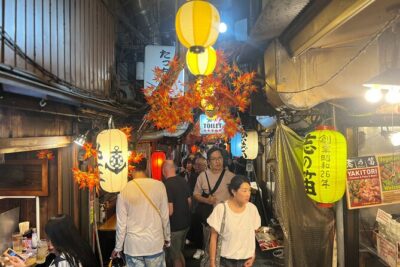
Nonbei Yokocho is where the tour shifts gears. This is the area that feels like a small-world of narrow lanes and casual eating. When a tour says hidden back alleys, this is the kind of place that makes that promise believable.
The payoff is that you start associating Shibuya with texture, not just volume. Back alley eating in Japan has a distinct rhythm: smaller signs, more local foot traffic, and a sense that the restaurant is part of daily life.
Tokyu Department Store Food Show, and the end inside the basement
You finish at the Tokyu Department Honten Store, with the ending point in the basement level under the station. This matters for practicality. Getting to the final stretch inside a major transit hub means you are close to your next move, whether that is hopping on a train or grabbing one more snack.
The “Food Show” basement setting also matches Japan’s obsession with food shopping. Even if you are full, it is hard not to look at what people are buying.
What You’ll Eat: From Sushi and Ramen to Depachika Snacks
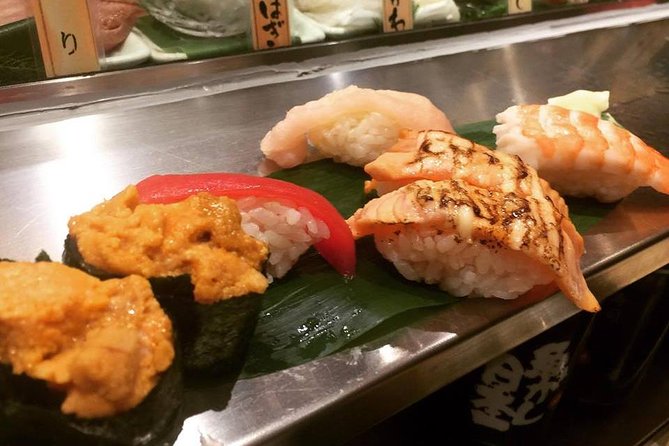
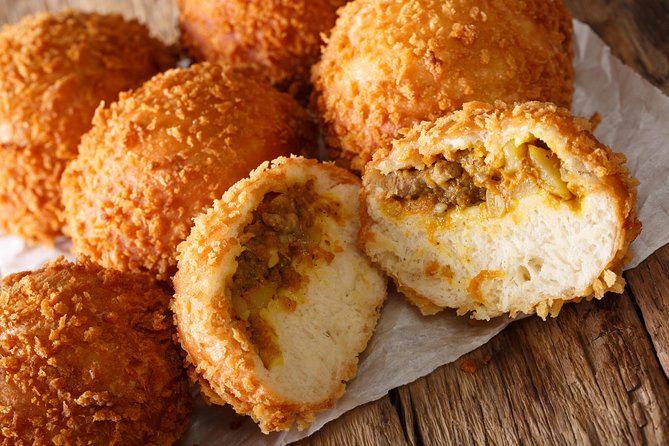
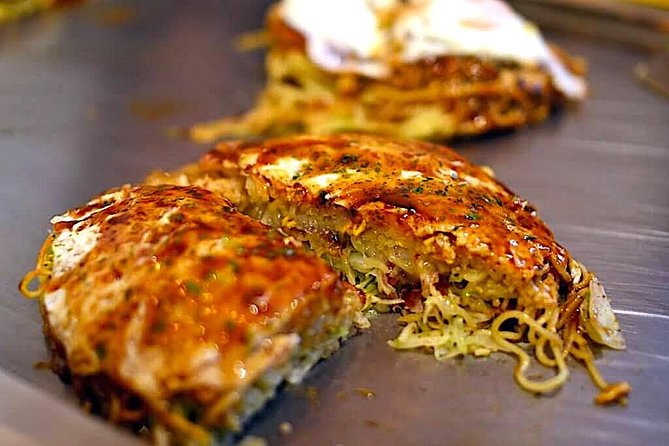
This is a “variety” tour, not a single-cuisine obsession. The food range can include Hiroshima-style okonomiyaki, different kinds of sushi, Wagyu beef yakitori skewers, and dessert. You may also wander through a depachika style underground food hall, where Tokyo people go to buy small treats for tonight and beyond.
From the tour feedback, the most common “anchor” foods include ramen and sushi, and often in generous portions. One described spread includes ramen plus nigiri, along with items like a vegetable egg dish topped with bacon, chicken wings, gyoza, and sliced cucumber. That is not guaranteed for every group, but it shows the typical range you should expect: warm comfort food, handheld bites, and something to reset your palate.
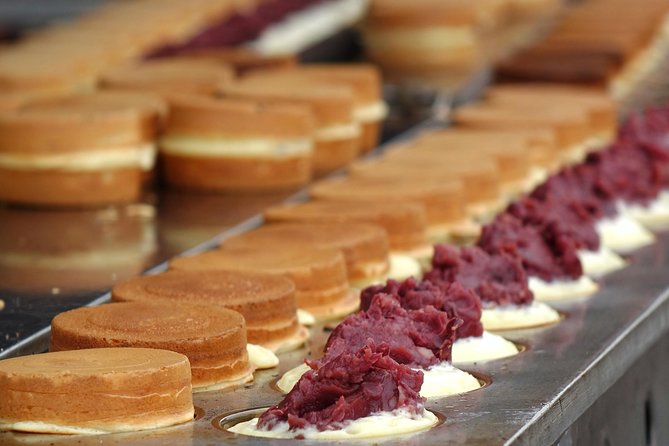
The tour also includes dessert. That can sound like a token until you realize depachika desserts and Japanese sweets do not always taste like the Western version of dessert. Even a small finish can feel like a proper end to dinner.
My practical advice: do not plan a big dinner right after. You are likely leaving the tour full, and the neighborhood has enough snack temptation that you can spend the rest of the evening eating anyway.
Dietary Needs, Kids, and the Drink Rules That Actually Matter
The tour notes that dietary restriction flexibility is available for Vegan and Vegetarian-friendly needs. That is a helpful signal. Still, Japan’s kitchens often use pork or fish-based ingredients, so I strongly suggest you message your needs clearly at booking.
There is also a specific note for kids: children get chicken skewers instead of beef. That is good to know if you are traveling with family and want the menu to make sense for everyone.
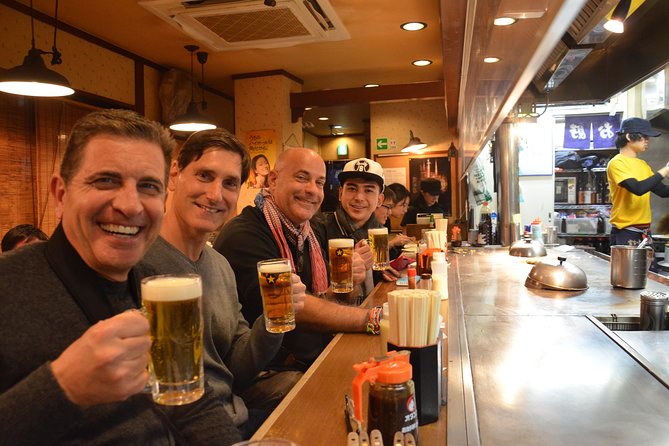
For drinks, the tour includes one beverage, and the minimum drinking age is 21 years. That matters because some food tour drinks can be scheduled in a way that feels awkward if you are with younger travelers. Here, the guidance is clear about the age rule.
If you are traveling with dietary restrictions or with kids, you can also ask your guide what they are swapping in that night, especially for anything that might commonly include pork.
Pacing, Group Size, and Why a Good Guide Changes Everything
This tour caps at 10 travelers, and that affects the whole experience. Smaller groups move faster between stops, wait times tend to be shorter, and guides can tailor pace and attention.
The guide role here is not just logistics. Multiple feedback comments praise guides for explaining food significance and restaurant personality. People also mention guides adjusting the walking pace for slower members, which is a detail that can make or break a 3-hour city walk.
The included drink adds another kind of pacing benefit. It gives you a moment to sit, toast, or regroup before the next food stop. Even if your drink choice is simple, it keeps the tour from feeling like a sprint.
Finally, there is a note that karaoke after party may be available. That is optional energy if your group wants to keep the fun rolling, and it is the kind of Tokyo add-on that fits Shibuya’s personality.
Logistics You Should Plan Around (So You Don’t Lose Time)
There is no hotel pickup or drop-off, so you are meeting and ending at specific points. You start at Hachiko Exit and end at Tokyu Department Store basement level under the station.
The route needs moderate physical fitness, and it is outdoors for much of the time. That means comfortable shoes are not a suggestion, they are the difference between enjoying the food stops and feeling cranky during the walk.
Also note that the tour requires good weather. If weather is poor, you will be offered another date or a full refund. Since the tour runs in afternoon into evening, you might want to bring a small rain layer just in case.
One more practical note from the experience details: changes can happen due to schedules, holidays, or restaurant availability. So if you have your heart set on a specific item, do not. Let the guide work the night.
Who This Tour Is Perfect For (and Who Might Prefer Solo Food Plans)
This works best if you want a guided way to taste Shibuya and understand what you are eating. It is ideal if you:
- Want a structured evening that turns Shibuya into a food map
- Enjoy walking through neighborhoods and learning the local habits
- Like variety, not just one cuisine
- Appreciate meeting a small group and a guide who adds context
It might be less satisfying if you:
- Are extremely price sensitive and want a la carte value only
- Hate walking or crowded streets
- Need very strict dietary guarantees without swaps (you can ask, but the tour only guarantees flexibility for certain categories)
If you are the type who loves planning your own restaurant route, Shibuya can absolutely reward solo exploration. The tour is for people who want to skip the guesswork and eat a planned mix with someone local keeping you on track.
Quick Tips Before You Book
- Arrive a bit early for the Hachiko meeting spot so you start relaxed, not frantic.
- Go with an appetite. This is designed to leave you stuffed, not just entertained.
- If you have dietary needs, send details early and confirm how pork or fish is handled.
- Keep your plan open after the tour, because you will likely want a walk, not a full dinner.
- Wear comfortable shoes for an evening of city walking.
Should You Book This Shibuya Food Tour?
Yes, I think you should book it if you want an easy win: a small-group night walk that feeds you across multiple Japanese favorites, with a guide who can explain the why behind the bites. The strongest reason to book is the combination of 5 food stops plus dessert and the way the tour pushes you into side streets, not just famous landmarks.
I would pause before booking if $217 feels like a stretch for you, or if you need guaranteed menu specifics without any possible substitutions. Since the stops can change for weather and restaurant schedules, this tour is best for people who trust the guide to adapt and who care about the experience as much as the checklist.
If you are ready to eat first and plan later, this is a very solid way to experience Shibuya after dark.
FAQ
How long is the Shibuya Best of Shibuya Food Tour?
The tour runs for about 3 hours.
Where do I meet and start the tour?
You meet in front of the Wall Mural of Hachiko at Hachiko Exit.
What time does the tour start?
The listed start time is 4:00 pm.
How much does the tour cost?
The price is $217.00 per person.
What is included in the price?
The tour includes a local guide, 5 food stops, dessert included, and one drink included.
What is not included?
Food and drinks are not included unless specified, and hotel pickup and drop-off are not included. Transportation costs are also not included.
Is the tour family-friendly?
Yes, it is described as family-friendly, and children must be accompanied by an adult.
Are there any drink age rules?
Yes. The minimum drinking age is 21 years.
What happens if the weather is bad?
The tour requires good weather. If it is canceled due to poor weather, you will be offered a different date or a full refund.
Does the tour accommodate vegetarian or vegan diets?
The tour notes flexibility for Vegan and Vegetarian-friendly dietary needs.
Fresh options around Tokyo
- Tokyo: Nagano Snow Monkeys and Zenkoji Tour with Temples★ 4.9 · 19 reviews
- Yokohama Port: Private Customizable Tour with Transfer★ 5.0 · 19 reviews
- Sushi Making with Interactive Samurai Experience at JIN-ASAKUSA★ 5.0 · 19 reviews
- Explore Unique Tokyo Streets / Learn with a Pro Photographer★ 5.0 · 19 reviews
- DAIKOKU excursion by car DRIFT automobile encounter★ 4.5 · 19 reviews
- Official Street Go Kart Tour Akihabara 2nd★ 5.0 · 19 reviews
- Cosplay Experience with Professional Makeup and Photo Shoot!★ 5.0 · 19 reviews
- Tokyo: Name Seal & Pouch or Tote Bag Making Experience★ 4.5 · 19 reviews
Food & Drink, compared.
Shinjuku Food Tour (13 Dishes at 4 Local Eateries)
Read our review →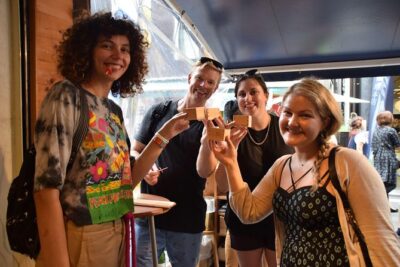
Tokyo Tsukiji Fish Market Food and Culture Walking Tour
Read our review →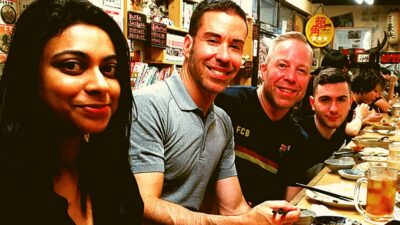
Shinsekai Food Tour with 13-15 Dishes at 5 Eateries
Read our review →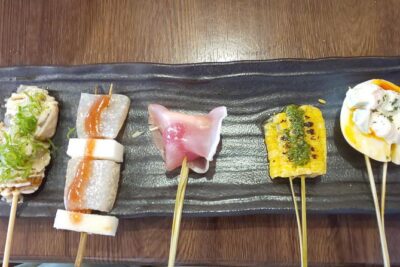
Osaka Food Tour: 13 Dishes at 5 Local Eateries
Read our review →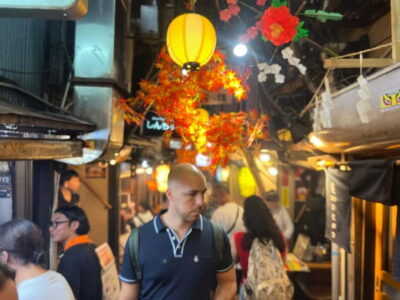
Shinjuku Food Tour (15 Dishes and 4 Eateries)
Read our review →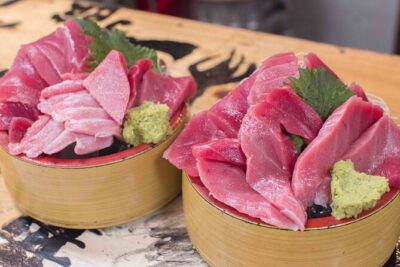
Best of Shinjuku: Izakaya Food Tour (4 Stops, 14+ Tastings)
Read our review →
Kyoto Night Foodie Tour in Gion (9+ dishes + 6 Sake tastings)
Read our review →
Hungry Osaka Street Food Tour:15 Tastings & 3 Drinks with a Local
Read our review →Browse the lists this tour appears in