Reviewed · TOKYO TOURS
JDM Itasha trip to famous car meet up spot Daikoku Parking
Tokyo feels different at speed. This private ride in an iconic 86 lets you see Shinjuku and Shibuya from the elevated highway, and I love that you get views you cannot get by train. It is also a smart way to reach Daikoku without wrestling with late-night navigation.
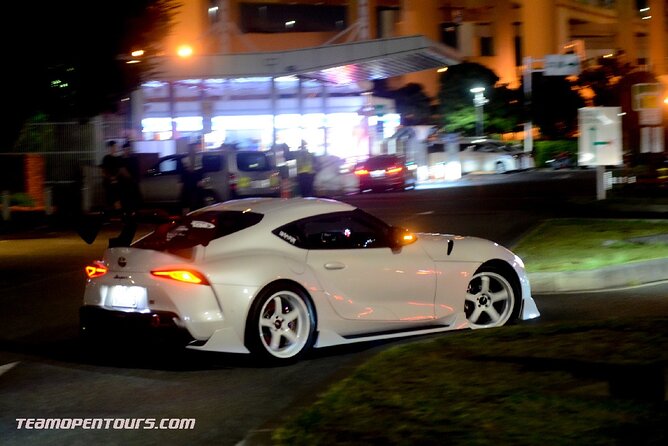
You start in the neon streets of Shinjuku, then your trained driver handles the route while you take in Tokyo from a racecar window seat. The big payoff is the night drive, crossing Rainbow Bridge, and landing at Daikoku Parking Area, where Japanese car culture turns into a full-on outdoor meet.
One consideration: the car can feel tight for tall riders, and this experience is weather dependent, so you may not see as many cars if the night turns rough.
Key points I’d plan around
- Private up to 3 guests: intimate pace, your group stays together.
- Elevated highway views: Tokyo Tower, Skytree, and skyscrapers from above the streets.
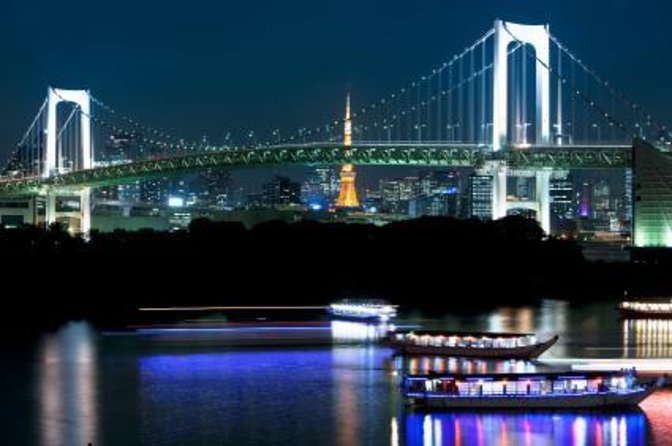
- Rainbow Bridge at night: Tokyo skyline reflections on a proper photo moment.
- Daikoku Parking Area time: you arrive in style and get expert commentary on what you are seeing.
- Itasha and JDM focus: tuned cars mixed with the broader Japanese enthusiast scene.
- Free Daikoku admission: once you arrive, you do not hit an extra ticket barrier.
The real appeal of an Itasha 86 run to Daikoku
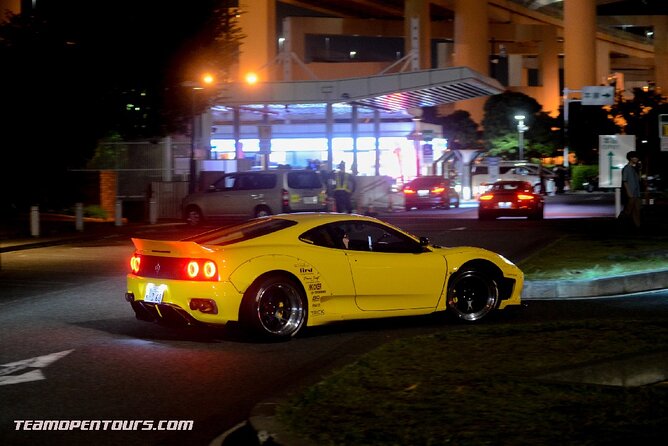
Daikoku is famous for a reason. It is not just a car park, it is a place where the whole Japanese tuning culture shows up, lights on, conversations going, and people proud of their builds. The best part of doing it by car meet tour is how you get there. You do not arrive as a random person with a phone and a vague plan. You arrive in an iconic car, with your guide ready to explain what you are actually looking at.
This tour leans hard into the Tokyo speed fantasy in a way normal sightseeing does not. You spend real time passing the big names, Shinjuku and Shibuya, then you climb onto the elevated highways where the city spreads out underneath you. That changes the whole feel of Tokyo. You get angles that do not exist from the street, and you do not have to squeeze through crowded train platforms while carrying camera gear and trying to time connections.
I also like the way the ride is structured for a group of up to three. It is intimate. You can ask questions without feeling like you are competing for attention. And if your partner is less into cars, the skyline and Rainbow Bridge parts still land. Even the car people tend to remember the night views most.
A few more Tokyo days worth comparing
- Mt Fuji and Hakone 1-Day Bus Tour Return by Bullet Train
★ 5.0 · 26,383 reviews - 1-Day Tokyo Bus Tour
★ 5.0 · 14,250 reviews - Tokyo: TOKYO SKYTREE® Admission ticket
★ 4.5 · 11,192 reviews
Meeting in Shinjuku, and settling into the car
Your meeting point is at 5-8 Funamachi, Shinjuku City, Tokyo 160-0006. The activity ends back at the same meeting point, so you do not have to worry about getting stuck on the far side of the city after a late-night meet.
This tour uses a mobile ticket, and the meeting point is near public transportation. That is a big deal, because Shinjuku is busy and confusing if you have never been there. You want a starting point that is not in the middle of nowhere, and this one is.
The car experience is part of the attraction. You are going to ride in an iconic 86 racecar, and you might even see an Itasha theme as part of the experience. From the reviews, the vibe is that you show up with style. People often snap photos as you pull through, which means you get some of that fun local energy right away, before you even reach Daikoku.
Now the practical note. The car is not described as spacious. One review specifically warned that the car is not made for tall people, citing riders around 5’10 and 6’4. If you are tall, wear clothes that do not restrict movement and consider bringing a small cushion. The ride itself is worth it, but it is better to go in with your expectations set.
Shinjuku, Shibuya, and the elevated highway route you miss
Once you start, the tour moves quickly from neon street energy into something Tokyo-specific: elevated highway driving. The route is designed for big-city sightlines, not slow city wandering.
You begin in Shinjuku, which is a great opener. It sets the tone immediately, all signs and screens and people. Then the ride pushes you toward the highway sections where you can look down at Tokyo’s vertical grid. The highlights include glimpses of major landmarks like Tokyo Tower and Skytree, plus a backdrop of tall skyscrapers that looks different at night.
Why this matters: Tokyo’s train network is excellent, but it is still a ground-level or platform-level perspective. From a highway you get a sense of scale. Streets turn into flowing lines. Neighborhoods connect visually. And you can frame shots in a way that looks more like a film than a postcard.
Your guide is also part of the reason this route feels more meaningful than just riding. The driver provides commentary along the way, and car enthusiasts often end up chatting about the tuning scene in Japan, not just naming car models. If you are the kind of person who likes context, you will get it here.
Rainbow Bridge to Odaiba, the night skyline moment
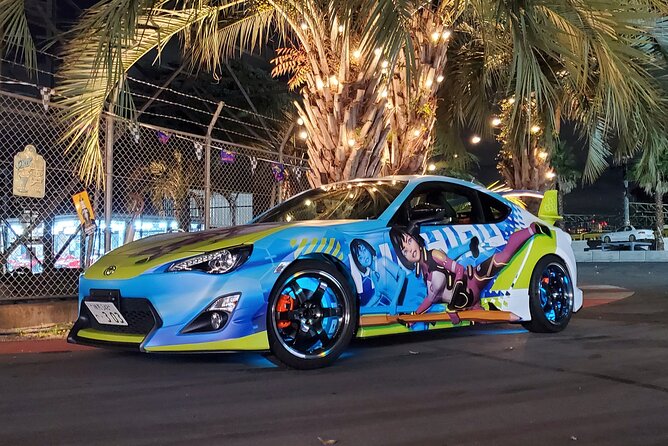
The Rainbow Bridge crossing is a centerpiece of this tour. This is the stop that takes it from car-meet transport to a full Tokyo night experience.
The timing is built for nightfall. You drive over Rainbow Bridge and head toward the futuristic Odaiba area, and the payoff is the skyline plus reflections on the bridge. This is the kind of photo moment where you do not have to fight crowds for a single angle. You are moving, so you can capture a few different looks as the city stretches behind you and the lights start popping.
There is also a psychological shift here. After Shinjuku and the elevated highways, the bridge moment feels like Tokyo exhaling. You go from dense city textures to a bigger horizon view. Even if you are not a car person, this part reads as proper sightseeing done the fast way.
One more small advantage, and it is not flashy. Getting to Odaiba and the bridge by private car is much less stressful than trying to stitch together trains and buses at night. You keep your energy for the meet itself.
Same corner of Japan, a different kind of day:
- Tokyo: teamLab Planets TOKYO Digital Art Museum Entry Ticket
★ 4.6 · 9,779 reviews - Mt Fuji & Hakone Cruise, Drum Show Bullet Train 1 Day from Tokyo
★ 4.0 · 7,413 reviews - Tokyo: Sumo Show Experience with Chicken Hot Pot and a Photo
★ 4.8 · 6,678 reviews - Tokyo: Shinjuku Food Tour (13 Dishes at 4 Local Eateries)
★ 5.0 · 6,603 reviews
Daikoku Parking Area: how to enjoy the car culture
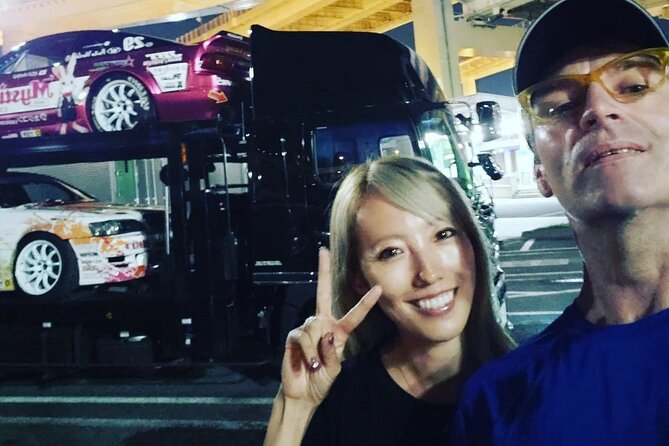
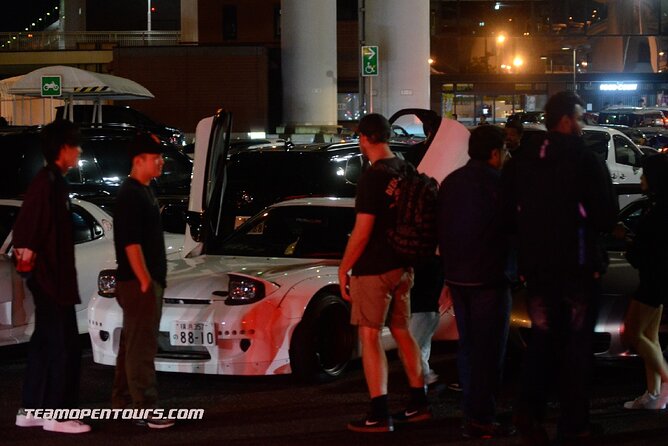
This is the main event: Daikoku Parking Area, where Japanese car culture runs at full volume. You enter Daikoku in style, with the night lighting and the color and flashing atmosphere that car meet places in Japan are known for.
What you do once you arrive is part of the value. The tour includes expert commentary about what you are seeing. The guide is not just pointing at cars. They help you understand the scene: what kinds of builds show up, what to look for, and how the culture works.
A very practical detail from the experience flow: you can spend time looking around on your own after the guide helps you orient first. One review described the driver driving around the meet and letting participants know what they were looking at before you venture out. That is smart, because Daikoku can feel like sensory overload when you arrive. Orientation reduces the time you spend aimlessly walking and increases the time you spend appreciating.
You will likely see a mix of tuned Japanese cars, plus some Italian sports cars and other exotics depending on the night. Multiple reviewers mentioned seeing models like Nissan GT-Rs and JDM icons such as Skylines and RX-7s, plus Subarus and Silvias. Another highlight described the meet as having hundreds of cars on at least one night, and the area can feel packed.
This is also where you get to talk. People at Daikoku tend to be friendly, especially if you show genuine curiosity. If you love cars, this is your chance to ask owners what changed, what they value, and why they chose their specific setup. If you do not love cars as much, the meet is still fun because the people and the energy are the entertainment.
Facility comfort is not ignored. One review noted that the parking lot has shops, vending machines, and toilets. That matters when you stay out late and want a simple reset.
The guide and the conversations that make it more than transport
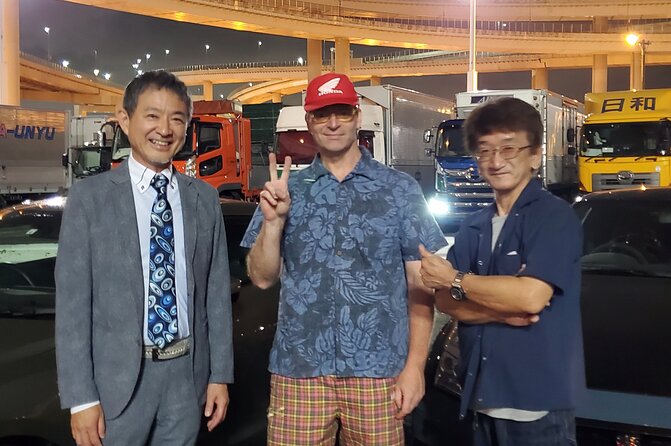
The car ride is fun, but the guide is what turns it into a real experience. The reviews consistently mention guides who share details about cars and life in Japan, not just a list of landmarks.
You might meet drivers like Graham, Jeremy, Alistair, or Hawk, depending on your date and assignment. Across names, the pattern is the same. The driver is described as professional, friendly, and willing to answer questions. That matters at Daikoku, where car culture has its own language. You can stand there recognizing shapes, but a good guide helps you recognize meaning.
A few specific moments that show why this matters:
- You can get suggestions for what to do next in Tokyo, beyond the meet itself.
- Some guides let you take plenty of photos and videos, instead of treating it like a strict tour script.
- You often get informed conversation time during the ride, including why certain builds are common in Japan and what the scene is like.
Also, the meet arrival can feel like a mini celebrity moment. Some participants described being lined up for photos as the car pulls through. When that happens, the driver and guide make sure you are not just collecting photos, you are also understanding what you are seeing.
Timing, comfort, and photo tips for your best night
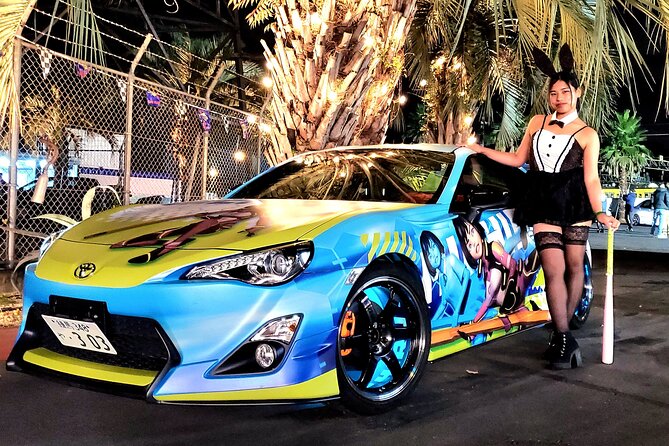
This tour is about 2 to 3 hours long, with a noticeable chunk of time centered on Daikoku. One data point states about 1 hour 30 minutes at the Daikoku location, and that fits how these meets work. You want enough time to see a lot of cars, talk to people, and still breathe before heading back.
The drive from Shinjuku to the meet can be around 35 to 40 minutes, based on a review describing pickup to Daikoku as about that range. That timing matters because it keeps the tour efficient. You reach the scene while it is still lively, without the fatigue of a half-day transit plan.
Photo wise, you have three good moments to plan for:
- The night neon and screens as you start in Shinjuku.
- The elevated highway stretches when landmarks like Tokyo Tower and Skytree appear in the backdrop.
- Rainbow Bridge and Odaiba reflections, where you can shoot multiple angles while the car moves.
Comfort wise, plan for a tighter fit if you are tall. Also wear layers. Daikoku is an outdoor meet. One review mentioned visiting when it was cold, and the point is simple. Dress for weather, bring a warm layer, and think about gloves if you are shooting with a phone in your hand.
And here is the honest reality: this experience requires good weather. If conditions are bad, the tour can be canceled due to poor weather. The good news is you can be offered a different date or a full refund.
Price and value for up to three people
The price is $191.60 per group, up to 3 guests. That is the key number because it changes how you should think about value.
If you are traveling as a pair or a small group, it can feel like a bargain compared to the alternative of cobbling together late-night trains, taxis, and then dealing with arrival stress. You are also paying for a specific kind of value: being driven in an iconic 86 racecar, getting guided commentary, and arriving at Daikoku with the right timing and the right orientation.
Another cost factor is simple: Daikoku admission is listed as free for the tour. That means you are not paying an extra entry fee once you arrive, and the tour price is mainly covering the private ride and guide experience.
Also, the tour is private. Only your group participates. In practice, that is what lets the conversation go deeper. You are not stuck listening to generic facts while you wait your turn.
For car enthusiasts, this feels like one of the more direct ways to experience a famous Tokyo-area meet without turning your whole evening into logistics.
Who this tour fits best
This tour is ideal if you love cars, especially Japanese tuning culture and you want to see Daikoku the way it is meant to be seen. It is also great for couples or small groups because up to three guests means you get that intimate feel.
If you are more of a night-view seeker, you still get value. The elevated highway route and Rainbow Bridge to Odaiba are legit Tokyo highlights. Even some participants who were not hardcore car people still liked the experience because the city views are a major part of the ride.
If you are very tall, you should think carefully. The car is not described as friendly to tall frames. And if you get caught by bad weather, your night could be quieter or the tour could be rescheduled.
Should you book the Daikoku by Itasha 86 tour?
If your goal is Daikoku, and you want to do it with less stress and more style, I think this is an easy yes. You get a private ride in an iconic 86 racecar, guided navigation with car-scene commentary, and three standout Tokyo moments that you cannot replicate by train alone, Shinjuku night, Rainbow Bridge reflections, and arrival at Daikoku with the right setup.
Book it if:
- you want the famous Daikoku experience without figuring out night transit
- you like night photos from the car and from Rainbow Bridge
- you are traveling as a small group, up to three, to maximize value
Skip it or plan carefully if:
- you are tall and worried about fit in a tight car
- your trip dates are inflexible, since the experience requires good weather
Overall, with a 4.7 rating from 175 reviews and 93% recommendation, this is a tour built for people who want Tokyo at night with a dose of car culture that feels real, not staged.
FAQ
How many people can join per booking?
This is a private experience for a max of three guests per group.
What does the tour cost?
It costs $191.60 per group (up to 3 guests).
How long is the tour?
The duration is approximately 2 to 3 hours.
Where do we meet, and where does it end?
The tour starts at 5-8 Funamachi, Shinjuku City, Tokyo 160-0006, Japan, and it ends back at the same meeting point.
Is the Daikoku Parking Area admission included?
Yes, the admission ticket for the Daikoku Parking Area is listed as free.
What if the weather is poor?
The experience requires good weather. If it is canceled due to poor weather, you will be offered a different date or a full refund.
Fresh options around Tokyo
- Private Harajuku Omotesando Architecture Tour★ 4.9 · 18 reviews
- Tokyo Shopping Street Hopping Private Tour with Government Licensed Guide★ 5.0 · 18 reviews
- Tokyo: Private Mount Fuji and Hakone Day Trip with Guide★ 4.5 · 18 reviews
- Small-Group Osaka-Style Okonomiyaki Cooking Class★ 5.0 · 18 reviews
- Hakone Private One Day Tour From Tokyo: Mt Fuji, Lake Ashi, Hakone National Park★ 5.0 · 18 reviews
- Shinto Shrine Tour: Explore Japanese Culture in Tokyo★ 5.0 · 18 reviews
- PERFECT 1 Day Tokyo Highlights Tour with a Private Car★ 5.0 · 19 reviews
- Tokyo: Shinjuku Bar Hopping & Karaoke Night Tour★ 4.9 · 19 reviews
Tokyo Tours, compared.
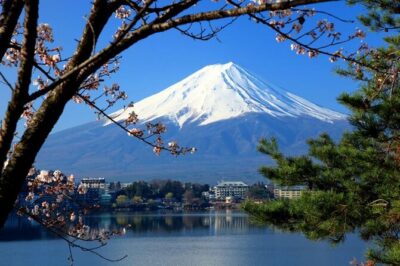
Mt Fuji and Hakone 1-Day Bus Tour Return by Bullet Train
Read our review →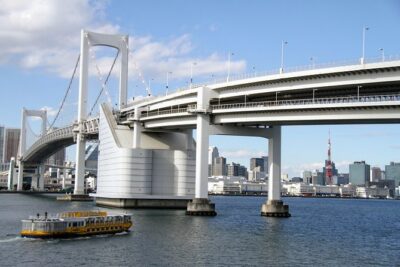
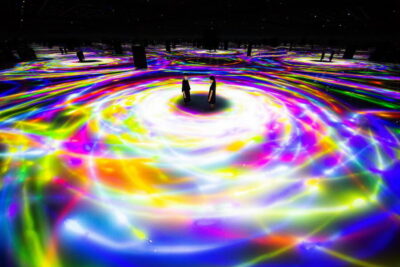
teamLab Planets TOKYO Digital Art Museum Entry Ticket
Read our review →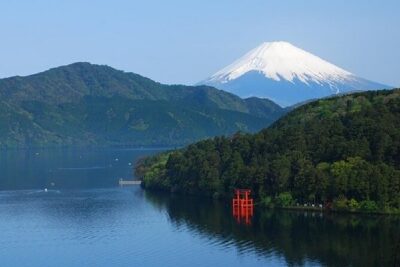
Mt Fuji & Hakone Cruise, Drum Show Bullet Train 1 Day from Tokyo
Read our review →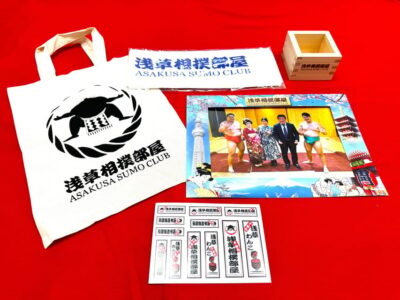
Sumo Show Experience with Chicken Hot Pot and a Photo
Read our review →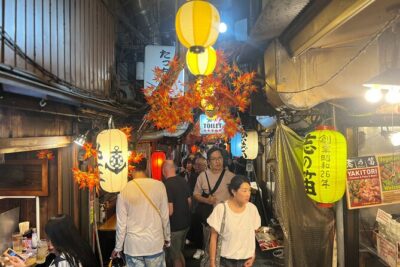
Shinjuku Food Tour (13 Dishes at 4 Local Eateries)
Read our review →