Reviewed · TOKYO TOURS
Tokyo’s Scariest Shitamachi Ghost Tour
Night ghosts in Tokyo with a local guide. This tour turns the Shitamachi backstreets of Asakusa into story stops with real-world bite, and I love the small-group format that keeps the experience personal and easy to talk through. The one drawback: if you want nonstop, full-on supernatural scares, the spooky moments can feel lighter than the grim history and folk tales.
I also like that it is built as an evening outing that includes snacks, so you are not starting hangry at the 6:00 pm start. Expect a walking-heavy 3 hours, and wear comfortable shoes, because the route is part of the experience and not a hop-on, hop-off ride. I have seen guides like Joris, Maik, and Melissa praised for making the stories land, whether you are there for a fright or for Edo-era context.
Key things to know before you go
- Small group up to 8 travelers for a calmer, more interactive vibe
- 6:00 pm start and about 3 hours means it is timed for night atmosphere, not late-night chaos
- One local snack included so you can focus on the route, not dinner logistics
- Public transport costs extra (cash needed), about 400 yen per person during the tour
- Three main areas: Otemachi, Minamisenju, and Asakusa, ending in Asakusa
Entering Shitamachi After Dark, With Just Enough Eerie
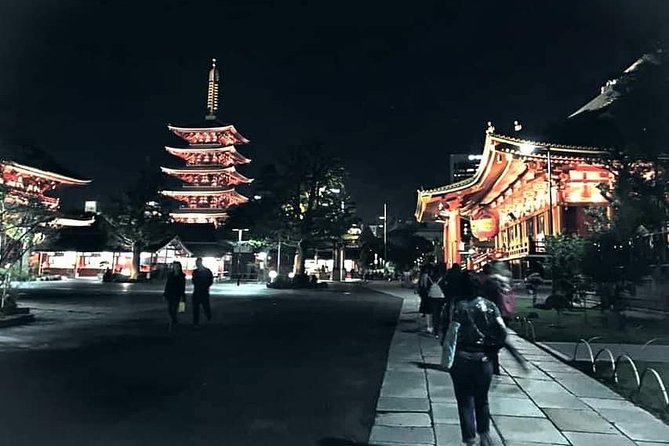
Tokyo can feel polished and bright after sunset, so this tour’s best trick is mood. You move from one dark corner of the city to another, with guides linking shrines, street layouts, and tragic local legends into a single night story.
The “scariest ghost tour” label can set expectations, and it is fair to flag that the experience often mixes ghost lore with cultural and historical context. That blend is part of the value. Japanese haunting tales make more sense when you understand why people built certain shrines where they did, and why specific locations carry fear.
What I like most is the way the tour uses small, specific places rather than generic tourist scenery. You are not just looking at famous buildings. You are learning how locals and office workers relate to these sites at night, including ideas like refusing to turn your back toward a haunted shrine area.
A few more Tokyo days worth comparing
- Mt Fuji and Hakone 1-Day Bus Tour Return by Bullet Train
★ 5.0 · 26,383 reviews - 1-Day Tokyo Bus Tour
★ 5.0 · 14,250 reviews - Tokyo: TOKYO SKYTREE® Admission ticket
★ 4.5 · 11,192 reviews
Price and Logistics: What $114.95 Gets You
At $114.95 per person, this is not a bargain tour. The upside is what is included: snacks for an evening walk, a mobile ticket, and no paid admissions called out for the stops because the sites are treated as free during the tour.
The main extra cost is transit. The tour notes public transport fees around 400 yen per person during the evening. Bring cash for that part, since you will be paying on the move.
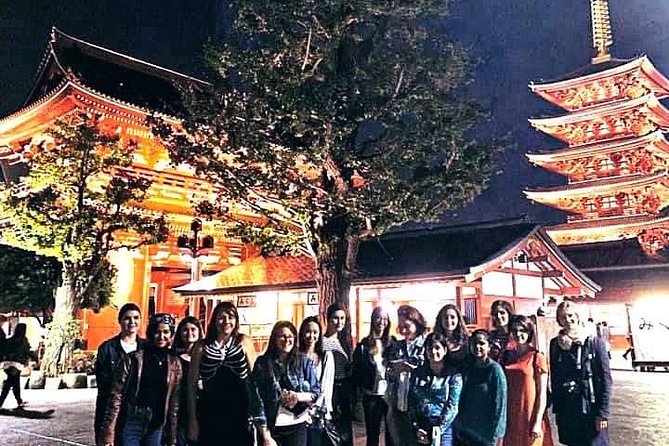
Also note that the tour is capped at 8 travelers. Paying more makes sense when you care about guiding quality and group size. When a guide can manage a small crew, you tend to get better pacing, clearer storytelling, and more chances to ask questions.
Your Route in Order: Otemachi, Minamisenju, Then Asakusa
This is a three-stop arc that gradually shifts from office-district haunting to residential temple lore, then lands in the most famous part of the story at Asakusa. The format is structured, but the experience still feels like you are wandering with a purpose.
You start in the Marunouchi area of Tokyo Station, then head toward Otemachi, later Minamisenju, and finish in Asakusa. The end point matters, because the guide can drop you in a nearby restaurant or bar, or at the metro station entrance if you want to keep moving.
Time-wise, you are looking at about 3 hours total. You also want to plan dinner before you go. The tour is built around that early evening window and includes only one snack, not a full meal break.
Stop 1, Otemachi Shrine: Fear as a Daily Habit
Otemachi starts the night with a very specific kind of spooky: the idea that local workers still do not want to turn their backs. This is not a jump-scare kind of haunting. It is fear-as-routine, the sort of detail that makes folklore feel grounded.
The stop is listed at about 20 minutes, with the shrine experience treated as free. Even in a short window, the story has room to connect to the surrounding area, which helps you understand how a legend can live in the layout of real streets.
If you like hauntings that come with social behavior, this is a strong opener. It is also a good place for the guide to set tone early so you know what kind of stories you will be hearing for the rest of the night.
Same corner of Japan, a different kind of day:
- Tokyo: teamLab Planets TOKYO Digital Art Museum Entry Ticket
★ 4.6 · 9,779 reviews - Mt Fuji & Hakone Cruise, Drum Show Bullet Train 1 Day from Tokyo
★ 4.0 · 7,413 reviews - Tokyo: Sumo Show Experience with Chicken Hot Pot and a Photo
★ 4.8 · 6,678 reviews - Tokyo: Shinjuku Food Tour (13 Dishes at 4 Local Eateries)
★ 5.0 · 6,603 reviews
Stop 2, Minamisenju: Tragic Worship Sites and Reported Paranormal Activity
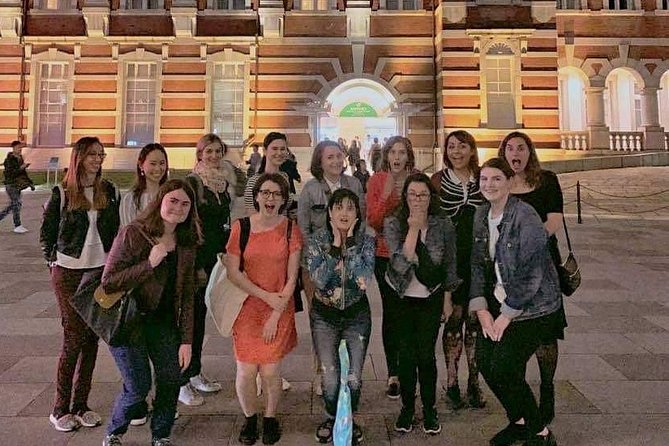
Minamisenju is the emotional middle of the route. This area includes two places of worship tied to tragic history, plus locations linked with reports of paranormal activity.
The stop runs about 40 minutes and stays admission-free as part of the tour. That longer time matters because the guide needs room to explain why the history is tragic and how the folklore connects to those sites.
This is where the tour’s “ghost” side often leans more into story and atmosphere than into spectacle. Some people come expecting heavy supernatural plotlines. If that is you, manage expectations now. If you enjoy grim legends tied to real places and real suffering, Minamisenju is one of the points that can feel most impactful.
Stop 3, Asakusa: Sensoji, Old Hag’s Pond, and Kappabashi
Asakusa is where the tour turns from local mystery to recognizable landmarks, while still keeping the route feeling off the usual map. In this final stretch, you get a viewpoint, then Sensoji, then the surrounding temple streets.
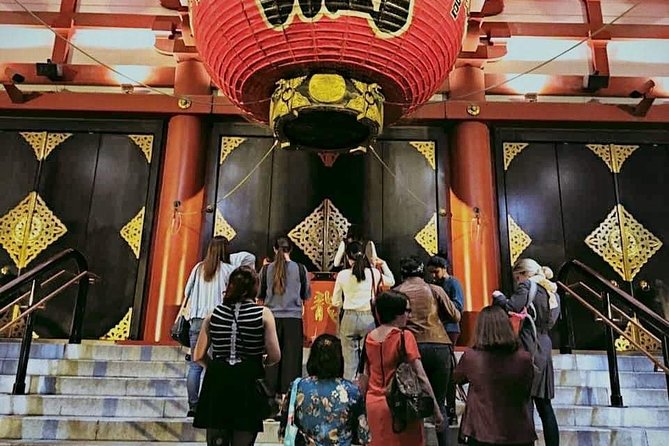
You also pass by the Old Hag’s Pond and head toward Kappabashi, the tools-and-kitchenware street area. This combo is useful. It gives you classic Asakusa sights but also adds the folklore layer that explains why certain corners feel ominous at night.
The Asakusa portion is about 1 hour 20 minutes, and that longer block helps the story settle into something you can remember later, even after the adrenaline fades. You also finish here in the neighborhood, not at a random back-of-beyond stop.
One practical note: since the tour ends in Asakusa, you are close to plenty of post-walk options. The guide can drop you near a restaurant or bar, or at the metro entrance depending on your preference.
The Guide Makes or Breaks It: Joris, Maik, Mike, Frank, Haruka, Melissa
A big reason people rate this tour highly is guide performance. Names that come up include Joris, Maik, Mike, Frank, Haruka, and Melissa, and the consistent theme is engaging storytelling and strong English delivery.
What gets praised is not just factual information. It is the way guides connect the city to the legend, and how they keep the conversation flowing. Some guides are described as funny and attentive to comfort. Others are highlighted for being deeply knowledgeable and personable, with the ability to answer questions as you walk.
Still, there is also a clear pattern in the lower ratings: some people feel the number of supernatural stories is too small, or that the tour is more history and folklore than ghost-horror. That mismatch usually comes down to expectation. If you want terror in every minute, this might feel uneven. If you want a guided night walk that explains why people believe what they believe, the guide quality can make it feel worth every step.
Walking Intensity: Bring Shoes and Expect a Real Pace
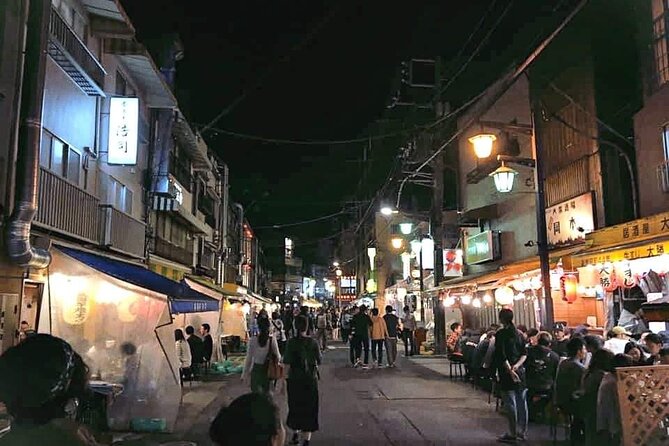
This tour is not built around sitting. You should plan for a walking-heavy night. Reviews repeatedly emphasize that comfortable sneakers are a must, and that there are times with little resting space.
At the same time, that walking is part of how the tour works. The route moves through different neighborhood textures, from office-adjacent shrines to temple streets and then into Asakusa’s high-energy area. If you are the type who gets restless without frequent stops, you may find the pace a test.
My advice: go in fed (at least a real meal before 6:00 pm), bring a water bottle if you like, and wear shoes you can handle on uneven sidewalks. If you can handle a good city walk, the experience will feel smoother.
Family-Friendly, But Not Always Kid-Friendly
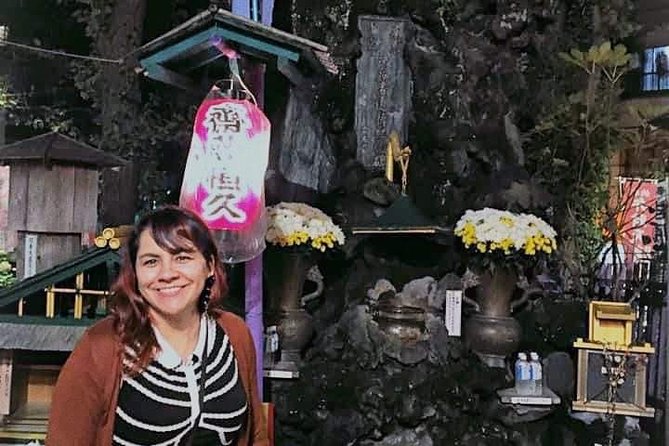
The tour is marketed as potentially family-friendly, and some stories can work well for older kids. But the darker tone is real, and at least one comment flags that some material may be too dark for younger audiences.
So think about age and temperament. If your child enjoys myths, ghost stories, and history, this can be a fun way to add meaning to Tokyo landmarks. If your child does not handle grim legends well, you might prefer a lighter night tour instead.
Should You Book This Tokyo Ghost Tour?
Book it if you want:
- a small-group night walk with time for conversation
- stories connected to shrines and neighborhood history, not just generic scares
- an Asakusa outing that goes beyond the postcard route
Skip or rethink if you want:
- wall-to-wall ghost action and heavy supernatural plotlines
- a tour with lots of resting time or frequent breaks
- a cheap experience, because the price plus extra transit cash adds up
If you are on the fence, one smart move is to decide what kind of “scary” you want. Some people want horror moments. Others want eerie atmosphere and folklore that feels plausible because it is tied to real places.
FAQ
Is this tour family-friendly?
The tour is described as potentially family-friendly. That said, some of the stories can be dark, so it may fit better for older kids who are comfortable with grim folk tales.
Where do I meet the guide, and what time does it start?
You start at the Yamato Transport Tokyo Station Marunouchi North Exit Baggage Service Counter, with a 6:00 pm start time.
How long is the tour, and how big is the group?
The tour is about 3 hours. It has a maximum group size of 8 travelers, which helps keep the experience more personal.
What is included in the price?
You get a mobile ticket and snacks during the evening. The stops listed include free admission tickets, but public transport fees are not included.
Do I need cash for public transport?
Yes. You are advised to bring cash for public transport, which costs about 400 yen per person during the tour.
Where does the tour end?
The tour ends in Asakusa. The guide can either drop you off in a nearby restaurant or bar, or drop you at the entrance of the metro station.
Can I change or get a refund if my plans change?
No. This experience is non-refundable and cannot be changed for any reason.
Fresh options around Tokyo
- Tokyo: Private Customized Hidden Gems Tour with Local Guide★ 5.0 · 30 reviews
- Private Drifting Lesson w/ OG Instructor Tokyo Drift Japan★ 5.0 · 30 reviews
- Tokyo: Hidden Gems Guided Bike Tour with Lunch★ 4.5 · 30 reviews
- Private Memorable Tokyo Tour with English Speaking Driver★ 5.0 · 30 reviews
- Asakusa’s Historic Treasures★ 5.0 · 30 reviews
- Full Day Private Tour in Mt. Fuji and Hakone★ 4.5 · 30 reviews
- Tokyo: Asakusa Kimono Rental Experience★ 5.0 · 30 reviews
- GINZA: Go Kart Experience with NEO GINZA★ 4.9 · 30 reviews
Tokyo Tours, compared.
Mt Fuji and Hakone 1-Day Bus Tour Return by Bullet Train
Read our review →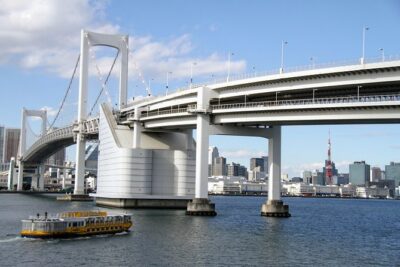


teamLab Planets TOKYO Digital Art Museum Entry Ticket
Read our review →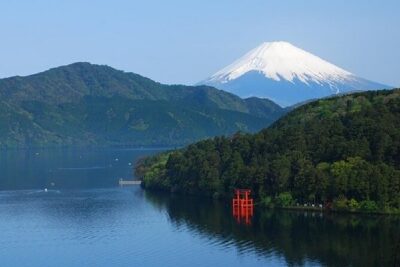
Mt Fuji & Hakone Cruise, Drum Show Bullet Train 1 Day from Tokyo
Read our review →
Sumo Show Experience with Chicken Hot Pot and a Photo
Read our review →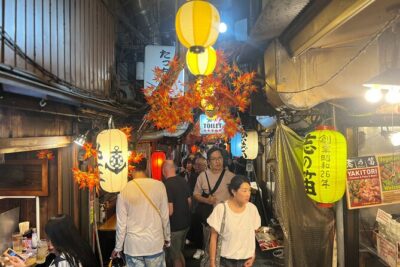
Shinjuku Food Tour (13 Dishes at 4 Local Eateries)
Read our review →