Reviewed · TOKYO TOURS
Craft Your Own Elegant Handmade Chopsticks from Scratch
A short workshop lesson with real craft results. I love that you carve hinoki cypress with an artisan’s guidance, and that the class includes English support so the why behind each step lands clearly. The one watch-out is that you are working with wood tools and a strong lacquer smell if you choose that option.
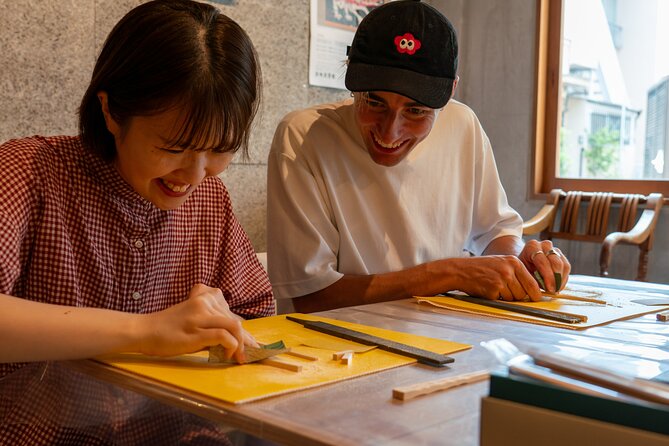
You meet at Sasazuka Station and within minutes you are in a calm, local shop environment called Kakehashi. The session runs about two hours, max group size is 6, and the vibe is hands-on, patient, and surprisingly fun.
Key takeaways before you go
- Small group, hands-on attention: Max 6 people, so you are not just watching from the sidelines.
- Your chopsticks are truly yours: Shape the pair to fit your hand and the foods you actually eat.
- Tools, shaping, and finishing: Carving, sanding, then finishing with camellia oil.
- Optional lacquer coating inside a normally restricted workshop: You get to see lacquer work in action.
- English support that keeps pace: Explanations are clear enough to understand craft history and food-focused chopstick design.
Sasazuka Start Point, Then a Quiet Workshop at Kakehashi
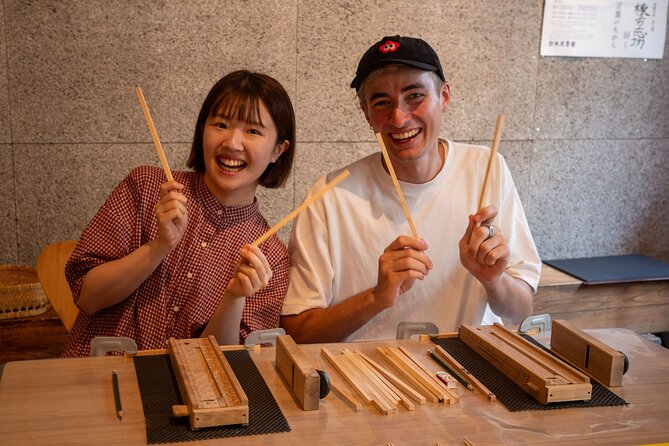
This experience is set up to be easy to reach, but still feel like a real local workshop rather than a big tourist machine. You start at Sasazuka Station, then take a short ride to the store and workshop at Kakehashi with a guide. That first transfer is brief, which matters because you want most of your time actually making something.
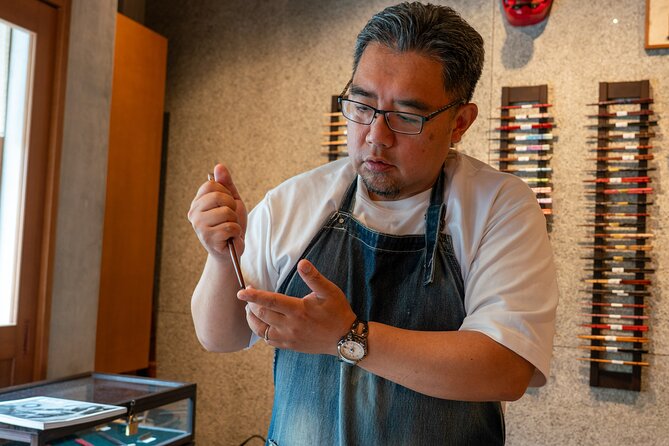
The workshop setting is part of the appeal. It sits in a residential area, so the class feels like you slipped into a working craft space, not a theme room. In that kind of quiet, you can focus on small hand skills, like shaving wood cleanly or getting comfortable with how the tools feel.
And yes, the group size is limited. With a maximum of 6 people, the artisan can correct your grip and shape without rushing you. If you like learning step-by-step and getting practical feedback, this setup is a big deal.
A few more Tokyo days worth comparing
- Mt Fuji and Hakone 1-Day Bus Tour Return by Bullet Train
★ 5.0 · 26,383 reviews - 1-Day Tokyo Bus Tour
★ 5.0 · 14,250 reviews - Tokyo: TOKYO SKYTREE® Admission ticket
★ 4.5 · 11,192 reviews
Carving Your Chopsticks: Hinoki Cypress, Tools, and Your Own Grip
The core of the workshop is carving your chopsticks from cypress wood, specifically hinoki. You will start with rough shaping, then refine the form through sanding, and finish the pair with camellia oil. Those steps sound simple on paper, but in the workshop, they become a calm, detailed process.
What I like about this style of craft class is that it balances structure and creativity. You are not left alone with a chunk of wood. You get guidance from a chopstick artisan, and that guidance helps you avoid the classic mistakes, like uneven thickness or grips that feel awkward later.
At the same time, you are encouraged to shape the chopsticks to your own preferences. You can tailor the feel so they work better for how you eat. For example, if you are used to certain grip styles, you will likely appreciate being able to adjust the shape rather than settling for whatever mass-produced chopsticks feel like.
Also, you are not just making chopsticks because it is cute. You learn what each step affects. The sanding stage matters because it determines how smooth the finish feels in your hand. The oil stage matters because it changes both the look and the feel of the wood.
The result, after about 55 minutes of carving work, is a set you can take home, made by your own hands.
Beyond Chopsticks 101: Food Types and the Craft Logic Behind Each Shape
This class does not treat chopsticks like a single universal tool. It explains how chopsticks in Japan come in different types, and how those types match different foods. That matters because you start to understand why your shape choices are not random.
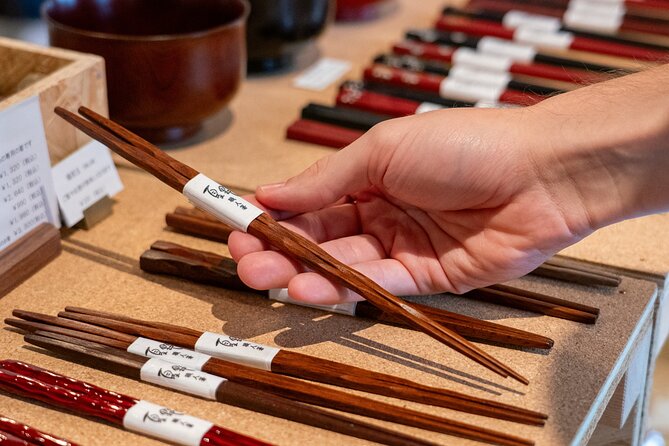
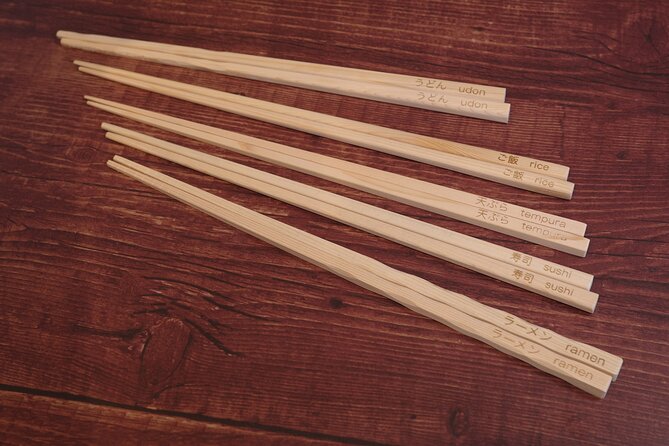
In the shop, you can also see different chopstick styles on display. That visual comparison helps you connect what you are carving with what you might actually choose later for sushi, tempura, or ramen. When you make your own pair, you stop thinking of chopsticks as a generic item and start thinking of them as a utensil with job-specific details.
You also get some historical and background context. The tone is practical, not academic. Instead of memorizing dates, you learn the “why” in a way that connects to daily life, where chopsticks are used at home and at meals like they have been for a long time.
That blend is one reason the experience earns top scores. It turns a hands-on souvenir into something more meaningful, because it changes how you look at what is already part of everyday meals.
Optional Lacquer Coating in a Normally Restricted Workshop
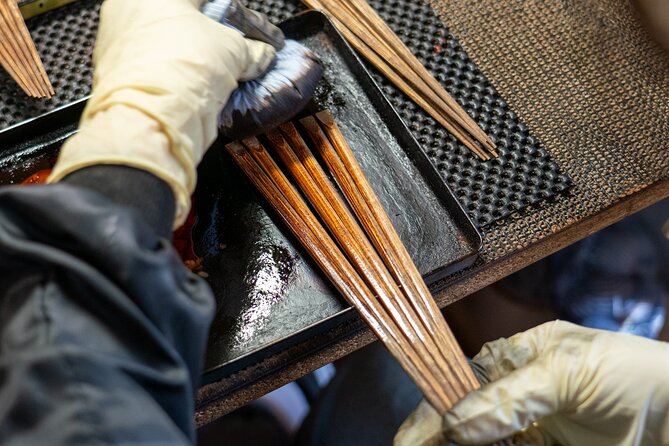
If you want the rare, sensory part of Japanese craft culture, take the optional lacquer coating experience. This is where the workshop shows you how lacquer work fits into everyday items beyond chopsticks.
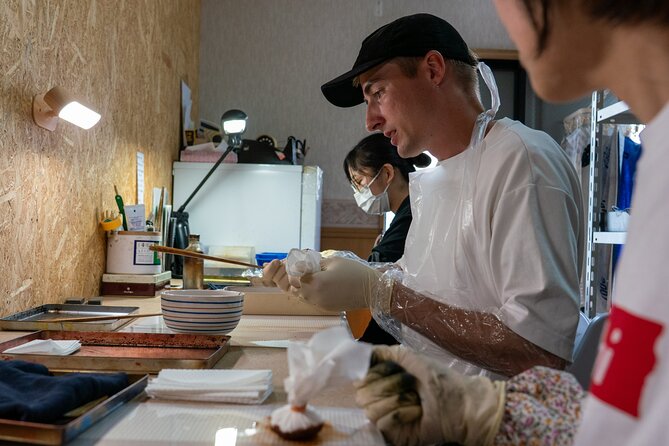
You spend about 25 minutes on lacquer coating, and you also get a tour of a lacquer workshop that is normally off-limits. That behind-the-scenes access is not something you get at most craft demos, and it adds real value if you are the type who loves seeing how things are made by people who do this for a living.
During the lacquer part, you can feel the distinctive scent that comes with lacquer work. That smell sticks in your memory because lacquer is chemical and aromatic at the same time, and it is tied to traditional tools used in shrines, temples, and daily life. You are not just learning the steps. You are getting an actual sensory introduction to the material culture behind them.
A practical note: if you are sensitive to strong smells, you may want to think carefully before choosing lacquer coating. The experience is optional for a reason.
Same corner of Japan, a different kind of day:
- Tokyo: teamLab Planets TOKYO Digital Art Museum Entry Ticket
★ 4.6 · 9,779 reviews - Mt Fuji & Hakone Cruise, Drum Show Bullet Train 1 Day from Tokyo
★ 4.0 · 7,413 reviews - Tokyo: Sumo Show Experience with Chicken Hot Pot and a Photo
★ 4.8 · 6,678 reviews - Tokyo: Shinjuku Food Tour (13 Dishes at 4 Local Eateries)
★ 5.0 · 6,603 reviews
What You Take Home, and How to Think About Your Handmade Pair
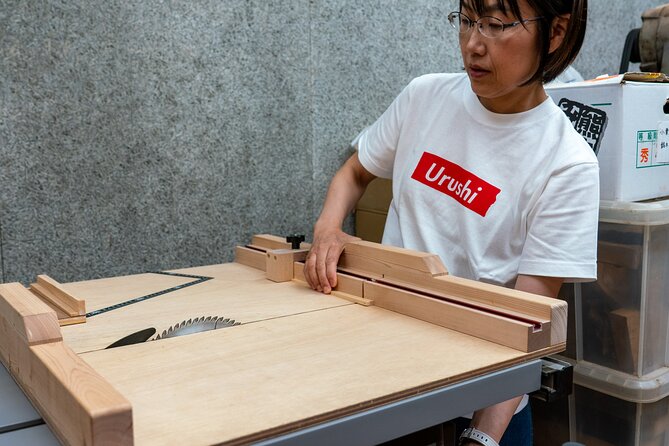
You leave with custom made chopsticks made from the hinoki cypress you worked on in class. That matters for two reasons.
First, it is a true keepsake. A lot of souvenirs are cheap to produce and hard to connect with. These are harder to forget because you shaped them with your hands and adjusted the feel to suit your own use.
Second, it is a useful souvenir. You can actually eat with them. When you make chopsticks designed for your grip and habits, they feel more natural than a random souvenir pair. And because you learn the logic of different chopstick types, you will likely be more interested in trying other styles later, instead of buying chopsticks without a plan.
One small drawback to accept ahead of time: you are making a functional utensil, so there will be a learning curve. You may not produce factory-perfect symmetry, and that is part of the charm. The goal is personal comfort and a real handmade result, guided by an artisan who helps you get it right.
Timing, Group Size, and Who This Workshop Fits Best
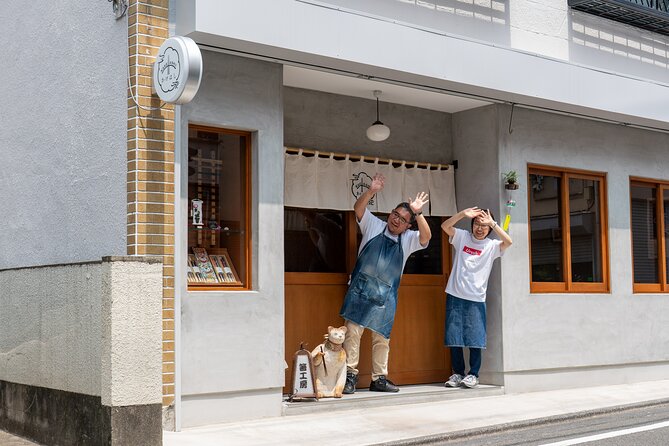
This experience runs about 2 hours total, starting at 1:00 pm. You meet at Sasazuka Station and return to the meeting point at the end. That simple loop is helpful if you have other plans later in Shinjuku or central Tokyo.
You also have a small group size, up to 6 participants, and that makes the experience smoother. You get more direct attention, and it is easier to ask questions without waiting your turn.
Who I think this suits best:
- You like craft that is hands-on, not just watching demonstrations.
- You want a Tokyo activity that feels local and quiet rather than loud and commercial.
- You eat with chopsticks daily and would enjoy making a pair that matches your grip.
- You appreciate clear English instruction, since English-speaking support is available.
Who might hesitate:
- If you want a purely sightseeing-heavy day with lots of walking and photos, this is more workshop-focused than tour-bus focused.
- If lacquer scents are an issue for you, consider whether you want the optional lacquer coating portion.
Price and Value: Is $97.98 Worth It?
At $97.98 per person, this is not a budget activity. But the value comes from what you actually do and take home.
You are paying for:
- Hinoki cypress chopsticks made with your own customization
- Artisan guidance with tools and shaping
- Finishing with camellia oil
- English support to understand both craft process and context
- The option for the lacquer workshop experience with behind-the-scenes access
Compared with many “make a souvenir” classes that result in something decorative or low-skill, this one pushes you through a full process that ends with a functional utensil. You also get more than one component of craft culture. The wood work is one story, and the lacquer work is another. That makes the session feel longer and more complete than the clock suggests.
One more practical value point: because it is limited to 6 people and runs a tight 2-hour window, you get a lot of direct instruction per minute. If you care about learning something properly, that attention is part of the price.
Finally, consider timing. The average booking window is about 58 days in advance, which signals it is popular. If you are traveling at busy times, booking earlier is smart.
How to Make the Most of Your 2 Hours
Go in with a simple mindset: you are learning a craft skill for your hands, not performing a test. The artisan-led steps are there to guide your comfort and your final shape.
Here are a few practical tips that help:
- Wear sleeves you are okay getting a little dusty from wood shaping.
- If you choose lacquer coating, be prepared for a strong material scent.
- Bring curiosity. Ask why certain chopstick types fit certain foods. That context makes your finished pair feel more intentional.
- Plan your day so you have time to enjoy the result after class, especially if you will use the chopsticks right away for lunch or dinner later.
Also remember that meals are not included. This is a workshop, not a restaurant stop, so plan food around it. The upside is you can stay flexible and build the rest of your Tokyo day without feeling boxed into a set menu.
Should You Book This Chopstick-Making Workshop?
Book it if you want a hands-on, high-skill Tokyo craft that ends with something you will actually use. The best part is the combination: custom chopsticks plus clear English guidance, plus the option to see lacquer work in action inside a workshop that is not usually open.
Skip or reconsider if you are very smell-sensitive due to lacquer, or if you only want big-picture sightseeing and photos. This experience is about working, learning, and creating, not chasing landmarks.
If your idea of a great day is a small group, patient instruction, and a real handmade keepsake, this one is a strong match.
FAQ
Where do I meet for the chopstick-making experience?
You meet at Sasazuka Station (Sasazuka, Shibuya, Tokyo 151-0073, Japan). The activity ends back at the meeting point.
How long does the experience take?
The experience is about 2 hours in total.
Is the lacquer coating experience included, or is it optional?
The lacquer-coating experience is described as an optional add-on. You can opt to experience the lacquer-coating process.
What do I make during the workshop?
You make a pair of custom made chopsticks from hinoki (cypress) wood, shaped to your preferences, with finishing using camellia oil.
Is there an English-speaking guide?
Yes, an English-speaking guide is available.
How large are the groups?
The tour has a maximum of 6 travelers, and there is a minimum number of participants of 2.
What is included in the price?
Included: the custom made chopsticks. Not included: meals and food and drinks, and personal transportation costs.
What is the cancellation policy?
Free cancellation is available up to 24 hours in advance for a full refund. If you cancel less than 24 hours before the start time, the amount paid is not refunded.
Fresh options around Tokyo
- Tokyo: Nikko Kegon Falls Lake Chuzenji Toshogu Temple & More★ 4.9 · 12 reviews
- Tokyo: Samurai History Walking Tour★ 5.0 · 12 reviews
- Harajuku: Kawaii Fashion and Pop-Culture Tour★ 4.7 · 12 reviews
- Tokyo: Mt. Fuji & Lake Kawaguchi Instagram Full Day Trip★ 4.1 · 12 reviews
- Shibuya Tokyo: Modern Kintsugi Workshop in Shibuya★ 5.0 · 12 reviews
- Tokyo: GTR Guided Daikoku Experience at Night★ 5.0 · 12 reviews
- Tokyo: Daikoku JDM Car Culture Tour★ 4.6 · 12 reviews
- Mt Fuji Private Day Trip from Tokyo with English speaking driver★ 5.0 · 13 reviews
Tokyo Tours, compared.
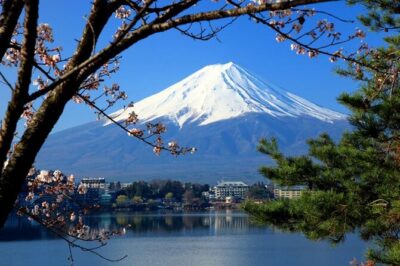
Mt Fuji and Hakone 1-Day Bus Tour Return by Bullet Train
Read our review →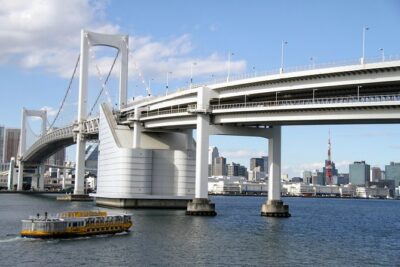


teamLab Planets TOKYO Digital Art Museum Entry Ticket
Read our review →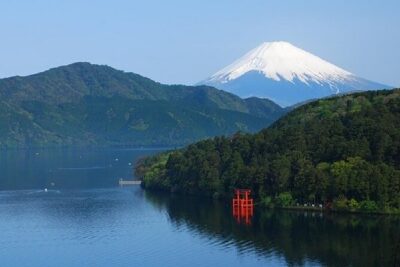
Mt Fuji & Hakone Cruise, Drum Show Bullet Train 1 Day from Tokyo
Read our review →
Sumo Show Experience with Chicken Hot Pot and a Photo
Read our review →
Shinjuku Food Tour (13 Dishes at 4 Local Eateries)
Read our review →