
Reviewed · RAMEN TOURS IN TOKYO
Professional Ramen & Gyoza with Ramen Chef in a restaurant!
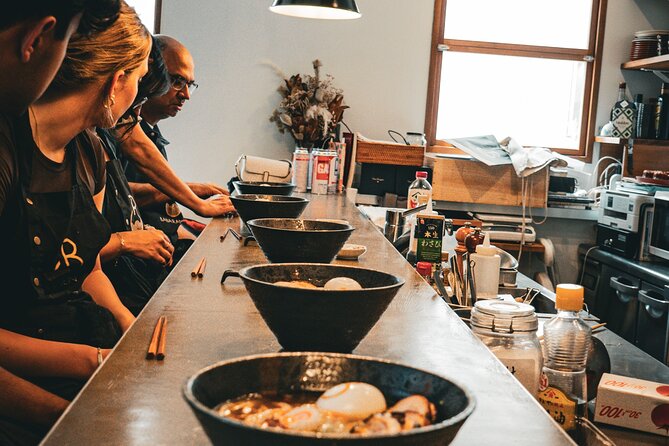
Ramen in Tokyo, but you make it. This small-group class is different because it happens in a real restaurant kitchen with restaurant-grade gear, not a demo setup. You learn techniques you can’t really copy at home, then sit down and eat what you made with broth choices and gyoza on the side.
What I love most is the hands-on pace. You’re kept busy the whole time, from noodle work to gyoza, so the class feels like real cooking, not watching. I also really like the small group size and bilingual coaching, which makes it easier to get specific help when your dough or dumpling folding goes sideways.
One consideration: this is a working kitchen class. You should expect heat, motion, and a fair amount of effort, so it may not be the best fit if you want a laid-back food stop.
Key points to know before you book
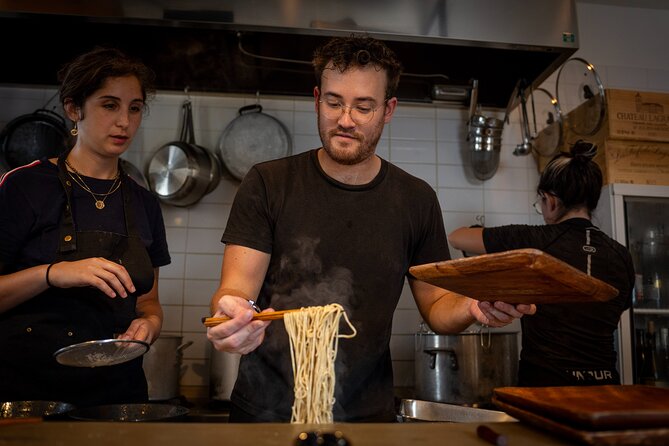
- Restaurant kitchen setting: you cook like staff, using kitchen-grade tools rather than home-style gadgets.
- Small group limit (max 6): faster feedback and less waiting around.
- Noodles from scratch: you make ramen noodles, not just assemble a bowl.
- Gyoza included: you learn dumpling-making, then eat the results.
- Broth choice (two options): you can steer your flavor direction from the start.
- Take-home e-book and recipes: you get a way to recreate the ramen after the trip.
A Tokyo ramen class that actually feels like real cooking
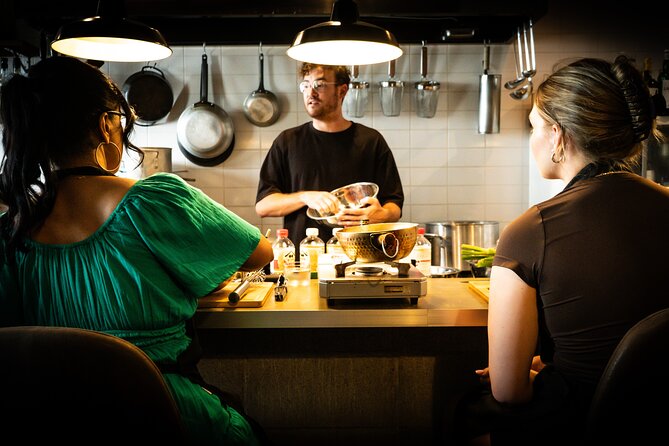
Tokyo has no shortage of ramen experiences. The trick is finding one where you’re not just a spectator with chopsticks. This class is held at Baba Ramen Cooking Meguro, and it’s set up like a functioning restaurant kitchen. That matters because you learn with the right workflow, tools, and timing.
You start in the morning at 9:00 am, and the whole session runs about 4 hours. In that time, you’ll do enough steps that your brain switches from tourist mode to cook mode. Also, the staff is bilingual, English and Japanese, which helps if your food questions get specific.
The setting is part of the appeal. One review even pointed out how the same small spot can transform later into an Italian-style restaurant at night, which says a lot about the space and its liveliness. In the class, though, it’s all ramen and gyoza energy.
More Ramen Tours in Tokyo
- Eat and Drink Like a Local: Tokyo Ueno Food Tour-Taverns&Ramen
★ 5.0 · 957 reviews - Ramen & Gyoza Cooking Class in Tokyo with Local Supermarket Visit
★ 5.0 · 823 reviews - Tokyo: Ramen Tasting Tour with 6 Mini Bowls of Ramen
★ 4.9 · 432 reviews
Price and value: what $159.18 buys you in the real world
At $159.18 per person, this isn’t a cheap snack lesson. But in Tokyo terms, it’s priced like what it is: a guided, hands-on cooking session with pro equipment, ingredients, and a full meal.
Here’s how I think about the value:
- You get instruction plus the meal you helped make. You’re not paying just for a recipe card.
- You learn multiple parts of ramen culture, including how seasoning and broth choices affect the final bowl.
- You leave with a cooking e-book and recipes, so the experience can keep paying off after you’re home.
- The group is capped at six people, which usually means more attention per person than you get in larger classes.
Could you learn ramen from a YouTube binge and a grocery run? Sure. But most home cooks struggle with two things: proper texture control for noodles and getting flavor balance right for broth and tare. That’s exactly where the restaurant kitchen and chef coaching earn their keep.
Meeting at Baba Ramen Cooking Meguro, then getting organized fast
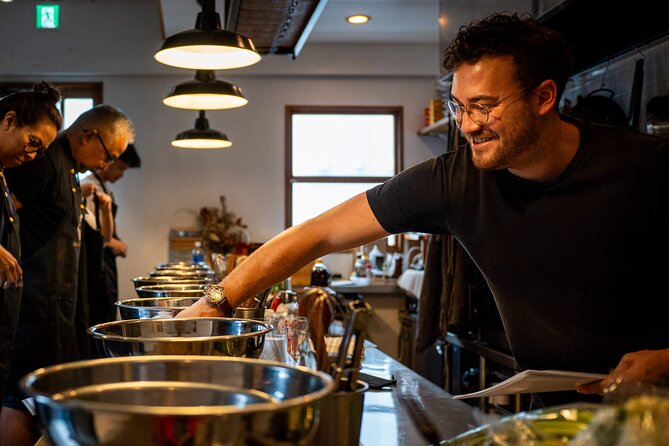
You meet at Baba Ramen Cooking Meguro101, 3-chōme-7-32 Shimomeguro, Meguro City, Tokyo 153-0064. The good news is that this area is served by public transport, so you’re not stuck on a far-flung edge with only taxis to save you.
Once you’re inside, the tone is practical. You get set up, then the chefs shift you through the station work. Multiple reviews praised how organized the team is, and that matters because cooking classes can turn chaotic fast when everyone is waiting on the same equipment.
The staff also brings a bit of ramen culture into the mix. You’ll learn not just how to do steps, but the why behind them, plus some etiquette. That turns the class from pure skill-building into something you can talk about while you’re eating in Japan.
Broth choices and ramen flavor basics you can actually use
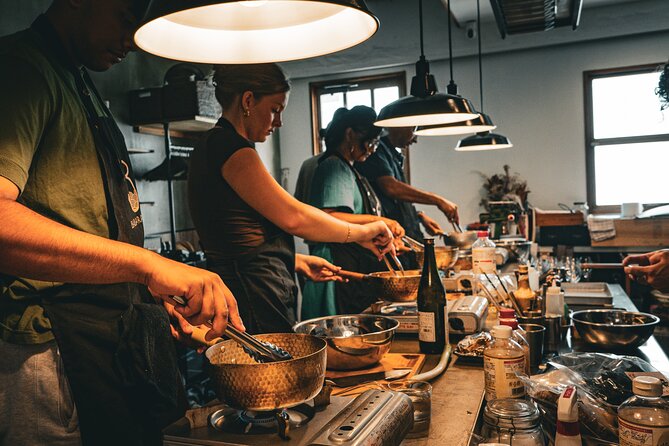
Before you go deep into hands-on work, you’ll make an important decision: choose between two broth options. That’s a smart design because it forces you to pay attention early. In ramen, broth style changes everything, from how the tare tastes to how the noodles feel in the bowl.
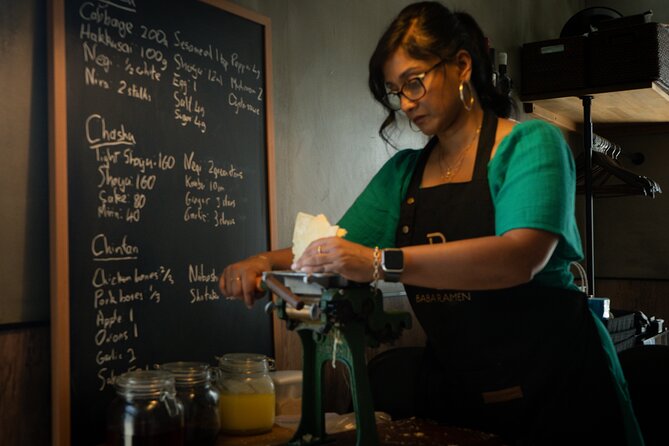
From what you’re taught, you’ll also get a clearer view of tare, including shoyu-tare. In other words, you’re not just learning ramen as a single flavor. You learn it as a system: noodles, seasoning, and broth working together.
This is one of the best parts of the class for serious food lovers. Tokyo can overwhelm you with choices, but ramen is also full of small decisions. Once you understand the building blocks, you start ordering with more confidence.
A few more Tokyo days worth comparing
- Tokyo: Easy Ramen Cooking Experience in Kabukicho, Shinjuku
★ 4.6 · 321 reviews - Ramen and Sushi Cooking Class with Sake Pairing Set in Tokyo
★ 5.0 · 291 reviews - Shibuya: Ramen Dojo Tokyo | Make All 3 (Tonkotsu/Shoyu/Miso)
★ 5.0 · 214 reviews - Shibuya: Ramen Dojo Tokyo | Make All 3 (Tonkotsu/Shoyu/Miso)
★ 4.8 · 207 reviews
Making ramen noodles from scratch in a working kitchen
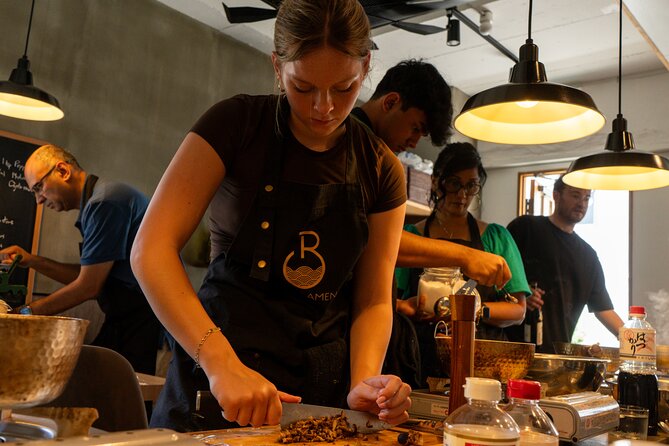
Let’s talk noodles. This is the headline activity: you make ramen noodles from scratch. That’s not a gimmick. It changes the whole experience because you experience the texture firsthand, not just the final bowl.
Expect serious hands-on time. One review highlighted that they learned how to scratch-make all the layers, including the noodles. Even if your own noodle journey looks different in the moment, the class clearly focuses on technique, not just final shapes.
Using restaurant tools helps a lot. The dough needs to be handled at the right stage, and the kitchen setup lets the chefs keep things moving without long downtime. You’ll also learn timing, because noodle quality depends on what happens before cooking, not only what happens during.
Practical takeaway for you: when you try this again at home, you’ll be more patient. You’ll also notice where noodle texture comes from, not just that it worked or didn’t.
Gyoza time: you’re wrapping, cooking, and eating the proof
Ramen is the star, but gyoza is the side quest that turns into a full win. You’ll make gyoza during the class, and you’re not just filling dumplings while someone else handles the rest.
Dumplings are also a great skill to learn in a small group. With max six people, you can get corrections quickly. If your wrapper tears, or your folds look messy, you can adjust without feeling lost.
What you end up with matters because the class is built around results. You’ll eat the gyoza alongside your ramen, so you get immediate feedback from your own work. That’s one reason people leave raving about how much food they ate, even with the hard work.
And yes, expect it to be satisfying in a very practical way. Gyoza in Japan can be simple on paper, but the wrapper thickness and folding technique change the bite a lot. Here, you learn the part that usually gets skipped in casual tutorials.
Learning the ramen process as a sequence, not a mystery
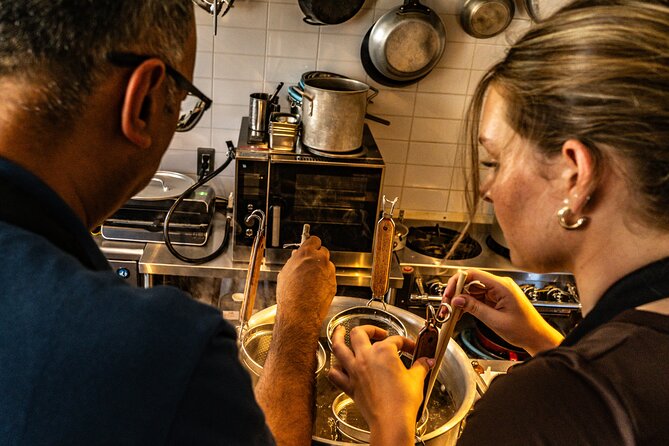
What makes this class feel different from some cooking tours is the way it teaches the flow. You aren’t handed a single recipe and told to follow along. Instead, you move through the ramen process like a professional line, with the chefs guiding each stage.
Multiple reviews praised how much you do during the session, including work that sounds like serious kitchen prep, such as handling ingredients used for the broth base. One review specifically mentioned breaking chicken bones. I can’t guarantee every guest does that exact step, but it does signal the style of the class: you can expect real prep work, not just plating.
You also get cultural context. Expect short lessons on ramen history and varieties, plus etiquette. This combination is valuable because it connects the cooking steps to the food identity. When you understand why a ramen style behaves the way it does, you’ll be able to recreate the flavors more accurately later.
The best part: your meal at the end tastes like you earned it
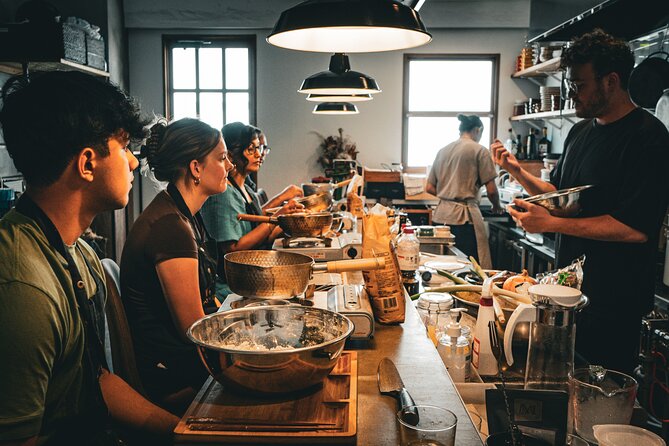
At the end, you sit down and eat restaurant-quality ramen and gyoza. That might sound like the usual promise, but the class structure is what makes the meal land.
Because you made noodles and dumplings, you notice details. You can taste the effect of broth choice. You can sense the tare balance. You also appreciate the texture differences that happen when noodles are handled properly.
Reviews consistently mention that the food is superb and that you eat a lot, to the point of feeling full. That’s exactly what you want from a cooking class, especially in Tokyo where food costs add up quickly. Here, part of what you’re paying for is the meal you helped build.
Take-home e-book and recipes: how to bring Tokyo ramen to your kitchen
A major value-add is that you leave with a cooking e-book. That helps a ton because ramen instructions are easy to misunderstand when you only hear them once. Having written recipes makes it realistic to try again.
Some reviews also noted that recipes are sent after the class. Even if your format is the e-book and/or follow-up recipes, the goal is the same: you get enough detail to recreate the dish without guessing.
Practical suggestion: before you leave, snap a quick note to yourself about what part you found hardest. Maybe it was noodle texture, tare balance, or dumpling folding. When you get home, start with that component first. You’ll learn faster, and you’ll avoid the classic problem where you make everything and improve nothing.
Dietary options in a restaurant class, not an afterthought
If you have dietary needs, this class is worth a careful look. The experience states that vegetarian and vegan options are available, and gluten free and pork free options are also available if you comment in advance. It also says availability depends on the request.
That’s important. In many cooking classes, dietary changes get treated as a last-minute scramble. Here, the requirement to provide advance notice suggests they plan for it, which is exactly what you want.
If you have allergies, take comfort but still be thorough. One review praised how the team communicated and made sure the alternative options did not feel like a burden. You should still confirm what’s possible for your specific needs when booking or afterward, but the overall tone seems supportive.
Who should book this ramen and gyoza workshop
This class fits best if you like food you can taste and skills you can practice. If you’re the kind of person who reads ramen menus like other people read maps, you’ll enjoy the structure.
It also seems to work well for:
- English-speaking visitors who want clear instruction in addition to the food
- Solo travelers who want a group experience that still feels personal
- Families, since the chefs appear used to guiding guests of different ages and energy levels
- Food nerds who care about broth and tare, not just noodles
If you’re traveling with friends, the small group size helps. You’ll talk, cook, and eat together without the awkward waiting that comes in bigger tours.
A few things to watch for before you go
First, expect to work. Multiple reviews use words like hands-on and prepare to work hard. That usually means hot surfaces, fast motion, and enough kitchen heat that you should wear comfortable clothes.
Second, bring a realistic expectation about time. It’s four hours. That’s long enough to do serious noodle work and gyoza, and it passes quickly because you’re kept busy.
Third, the experience requires good weather. If conditions are poor, it can be canceled due to weather, with an offer of a different date or a full refund. Tokyo weather can change fast, so if you’re booking near a forecasted storm window, check updates.
Should you book Baba Ramen Cooking Meguro?
I’d book it if your dream Tokyo day includes two things: learning a real cooking skill and eating a meal that proves it. The restaurant setting, the small group limit of max six, and the noodle-from-scratch focus make this a stronger choice than classes that feel like crafts or demos.
Skip it if you want a sit-down, low-effort experience. This is a kitchen session, and you’ll be moving, wrapping, mixing, and handling the process with guidance.
One smart way to decide: if you plan to try ramen at home later, this class gives you the tools and the framework through the e-book and recipes. If you just want to eat, you’ll still get a great meal, but you might feel the cost more than the learning.
If you love ramen and you’re ready to roll up your sleeves, this one is a top pick in Meguro.
FAQ
What time does the class start, and how long is it?
The start time is 9:00 am, and the duration is approximately 4 hours.
How many people are in the group?
The experience has a maximum of 6 travelers.
Where is the meeting point?
The meeting point is Baba Ramen Cooking Meguro101, 3-chōme-7-32 Shimomeguro, Meguro City, Tokyo 153-0064, Japan.
Does the class happen in a restaurant?
Yes. It takes place in a restaurant setting using professional kitchen-grade equipment.
Can I choose between broth options?
Yes. You can choose from two broth options.
Are vegetarian or vegan options available?
Vegetarian and vegan options are available if you comment in your request, subject to availability.
Is there a gluten free or pork free option?
Yes. Gluten free and pork free options are available if you comment in your request, subject to availability.
What happens if the weather is bad?
The experience requires good weather. If it is canceled due to poor weather, you are offered a different date or a full refund.
More Dining Experiences in Tokyo
- Tokyo Bar Hopping Tour in Shinjuku (All-You-Can-Drink + Dinner)
★ 5.0 · 3,587 reviews - Tokyo: Sumo Show and Dining Experience
★ 4.8 · 2,742 reviews - Tokyo: Samurai Restaurant Show Ticket with 2 Drinks
★ 4.5 · 1,307 reviews - Sumida River: Japanese Traditional Yakatabune Dinner Cruise
★ 4.6 · 779 reviews
Fresh options around Tokyo
- Tokyo: Nagano Snow Monkeys and Zenkoji Tour with Temples★ 4.9 · 19 reviews
- Yokohama Port: Private Customizable Tour with Transfer★ 5.0 · 19 reviews
- Explore Unique Tokyo Streets / Learn with a Pro Photographer★ 5.0 · 19 reviews
- Sushi Making with Interactive Samurai Experience at JIN-ASAKUSA★ 5.0 · 19 reviews
- DAIKOKU excursion by car DRIFT automobile encounter★ 4.5 · 19 reviews
- Official Street Go Kart Tour Akihabara 2nd★ 5.0 · 19 reviews
- Cosplay Experience with Professional Makeup and Photo Shoot!★ 5.0 · 19 reviews
- Japanese Traditional Sweets making★ 4.1 · 19 reviews
Ramen Tours in Tokyo, compared.
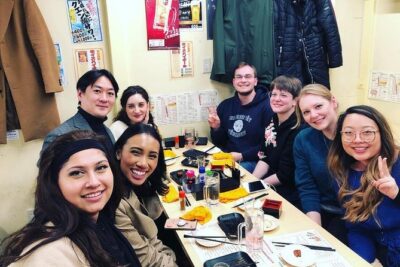
Eat and Drink Like a Local: Tokyo Ueno Food Tour-Taverns&Ramen
Read our review →
Ramen & Gyoza Cooking Class in Tokyo with Local Supermarket Visit
Read our review →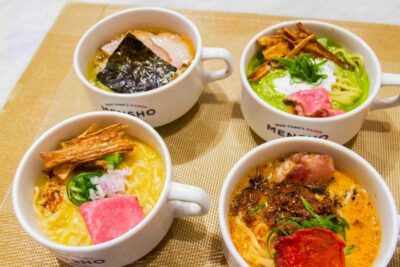
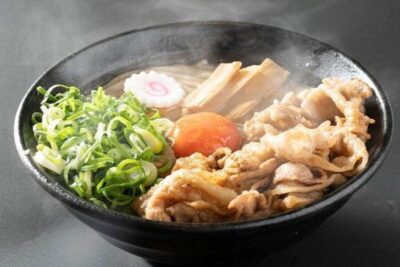
Easy Ramen Cooking Experience in Kabukicho, Shinjuku
Read our review →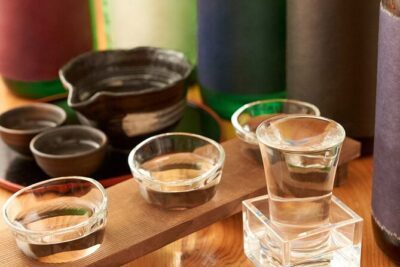
Ramen and Sushi Cooking Class with Sake Pairing Set in Tokyo
Read our review →
Shibuya: Ramen Dojo Tokyo | Make All 3 (Tonkotsu/Shoyu/Miso)
Read our review →Shibuya: Ramen Dojo Tokyo | Make All 3 (Tonkotsu/Shoyu/Miso)
Read our review →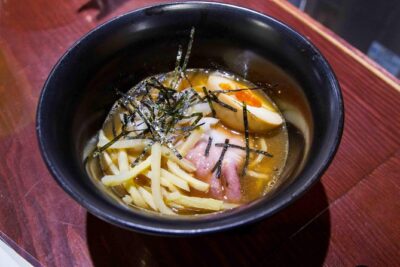
Browse the lists this tour appears in