Reviewed · FULL-DAY
Private Tokyo Custom Full-Day Tour by Chartered Vehicle
Tokyo rewards you when you move at your pace. This private full-day tour trades crowded group logistics for a chartered vehicle and a guide who adjusts as you go. You also get a clean, simple lineup of iconic areas, from the Tsukiji scene to Shibuya crossing, without the stress of figuring out every transfer.
Two things I really like: first, the custom itinerary promise, so you are not locked into one-size-fits-all timing. Second, hotel pickup and drop-off in central Tokyo, which makes a full day actually feel like a full day. A small drawback to plan around is that food and drinks are not included, and you will want to budget for those plus any parking fees that come up.
If you want Tokyo’s big sights with breathing room, this is a strong option. If your idea of a perfect day is wandering totally alone with zero structure, you might feel the guide is too helpful, not too little.
Key things to know before you go
- Private charter vehicle for just your group (up to 4), so you set the rhythm
- Hotel pickup and drop-off from central Tokyo, saving you time and hassle
- Guide + driver included, so navigating and timing is handled
- A packed but manageable route across Tsukiji, Meiji Jingu, Asakusa, Harajuku, Omotesando, and Shibuya
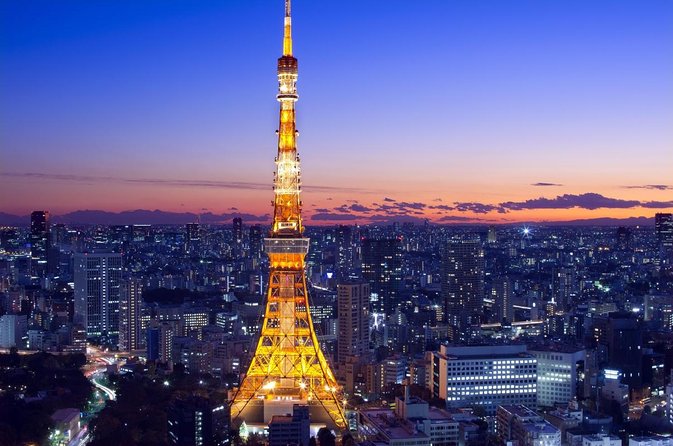
- Customization is part of the deal, with options like Tokyo Tower, the Imperial Palace, and Edo Castle depending on what you choose
- Admission tickets for listed stops are free, so you can focus on the experience, not paperwork
Private van, small group, and a guide who can pivot
The best part of a chartered day is control. You and your group can ask for a slower stop, more photos, or an extra lap through a street, and you do not have to wait on a coach full of strangers. The day runs about 8 hours, starting at 9:00am, which is long enough to feel like you saw Tokyo, but not so long that you are cooked by late afternoon.
The “private” piece matters even more in Tokyo. With just up to 4 people, your guide can tailor the flow to your energy level and interests, instead of forcing everyone through the same checklist. You also get a driver in the mix, which helps you use the time you paid for.
One detail that stands out from what I’ve heard about this kind of service is how seriously they take flexibility. Guides such as Yutaka are described as patient with questions, and even when you change plans mid-day, the staff can work with it. A cheerful driver like Tetsuo also makes a big difference on a long day, because you are spending a lot of time together in transit.
The route is not “random,” either. It is built around major neighborhoods and landmarks, so you get classic Tokyo contrasts without losing your bearings. And if you want to swap in other historic options mentioned in the tour description, like the Imperial Palace or Edo Castle, that customization is part of the value proposition.
A few more Tokyo days worth comparing
- Mt Fuji and Hakone 1-Day Bus Tour Return by Bullet Train
★ 5.0 · 26,383 reviews - 1-Day Tokyo Bus Tour
★ 5.0 · 14,250 reviews - Tokyo: TOKYO SKYTREE® Admission ticket
★ 4.5 · 11,192 reviews
Tsukiji Fish Market area, then Meiji Jingu Shrine
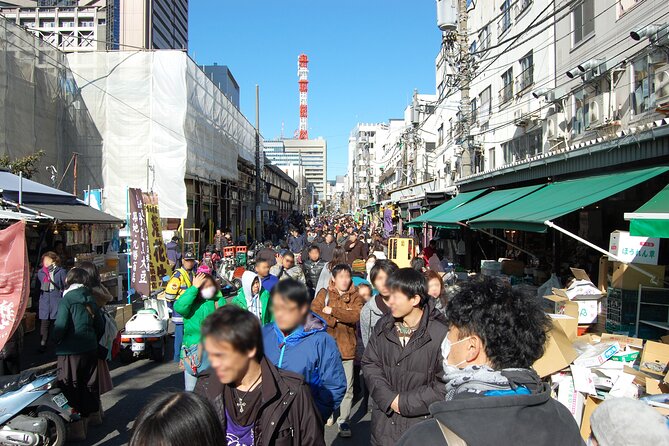
You start with a Tsukiji area stop with 1 hour on the schedule. The tone here is sensory: market streets, quick looks, and the feeling of Tokyo doing what it does best, moving with purpose. Since the tour lists admission as free for this stop, you can spend your hour focusing on browsing and deciding what you actually want to do, rather than budgeting time for ticket procedures.
What I like about putting Tsukiji early is the energy. You are at the start of the day, so the crowds and foot traffic feel more manageable than if you hit the same areas after you’ve been touring for hours. Even if you do not buy anything, just watching how people move through a famous food district can tell you a lot about the city.
Then you head to Meiji Jingu Shrine for another 1 hour. Here the experience flips. The tour description highlights the two large gates framing the entrance and notes that it is dedicated to Emperor and Empress Meiji. Even if you are not the type who reads every plaque, this is a nice change of pace from shopping streets and market alleys, and it gives your day some breath.
You should think of this half as “contrast time.” A market area can be fast and a shrine can be calmer. Having both on the schedule means you are not stuck feeling like you’re rushing from one loud spot to the next.
Practical note: because the tour does not include food and drinks, your Tsukiji hour is a good time to decide your breakfast strategy. You can plan to eat before you meet up, or you can treat this stop as the start of your day’s food breaks. Either way, you will need to cover what you eat yourself.
Asakusa and the Kaminarimon Thunder Gate approach
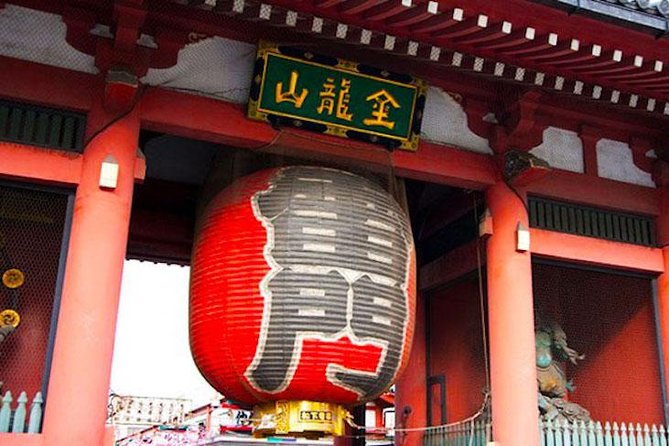
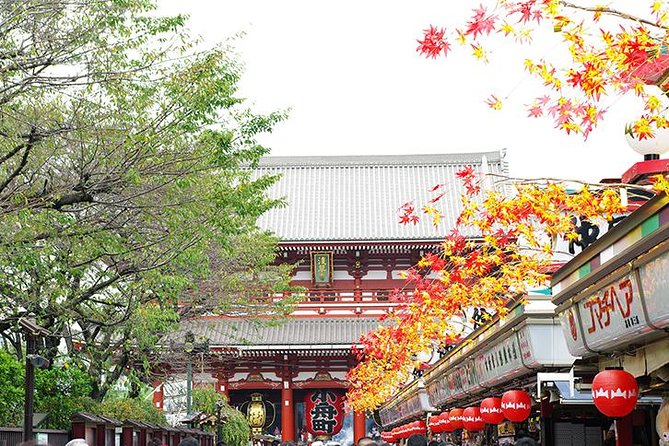
Next comes Asakusa, with 1 hour given for the area. This stop is built around the big temple experience in traditional Tokyo. The tour description makes it clear what you will see first: you enter through the Kaminarimon (Thunder Gate), the outer gate of Senso-ji.
That matters because it sets expectation. You are not just arriving at a temple and taking a random photo. You are walking through a specific, iconic approach, which is part of why Asakusa works so well for first-timers and repeat visitors alike. If you want to understand Tokyo’s old-and-new mix, this is a clean place to do it.
I also like that your guide can shape your Asakusa time to your interest. Some people want the temple approach plus nearby streets. Others just want the highlights and a photo loop, then move on. Since this is private, you can spend your hour where you actually care.
One small drawback to consider: Asakusa is popular. That does not ruin it, but it does mean your best photos might take a little patience. If you want less crowd stress, you can use your hour to focus on the entry approach and the surrounding street scenes, then step away for a quieter moment when the crowd flow shifts.
Asakusa is also a good checkpoint in the day. By now, you have done market, shrine, and gates. After this, the day turns more youth-oriented and shopping-focused.
Harajuku Station, Takeshita Street, and Omotesando shopping
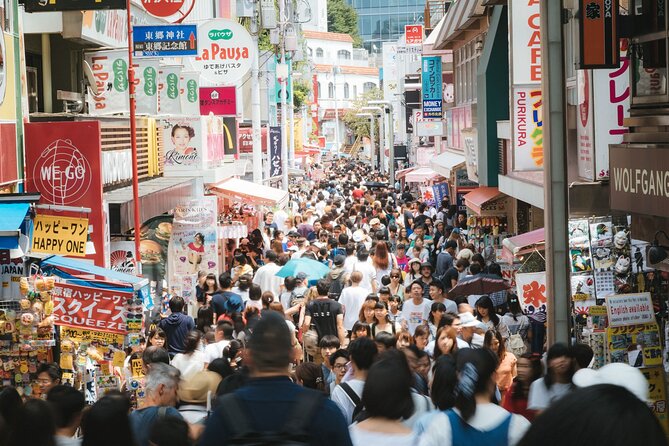
After Asakusa, the tour moves to Harajuku Station and spends 1 hour here, with a focus on Takeshita street. This is Tokyo’s fun-house energy, where trends show up in full color and you can see fashion and street style in motion. Even if you are not shopping, Takeshita Street is a strong people-watching stop.
Then you continue to Omotesando for another 1 hour. Omotesando is described as a shopping area, which is exactly how you should treat it: a walkable district where you can browse at your own pace and use the time for photos and side streets. If you want a change from Harajuku’s more chaotic vibe, Omotesando often feels like a different kind of Tokyo shopping experience.
I like that these two are on the same day, because they help you compare neighborhoods in real time. It turns your day into more than a checklist. You start noticing Tokyo’s zoning of style and attitude. You can also use your guide’s suggestions to decide what deserves your feet and what does not.
Keep in mind: shopping districts are where your time can evaporate. The tour gives you a hard stop time for each location, which is good. But you should still decide ahead of the day how you want to spend your hour. If you want to buy things, set a rough budget. If you just want to browse, aim to do it with intention so you do not end the day feeling like you only drifted.
Also, because parking fees are not included, if your day ends up including any extra stops beyond the planned route, it can affect logistics. The guide can handle the plan, but you might want to avoid adding very “far-flung” extras unless you are sure you want them.
Same corner of Japan, a different kind of day:
- Tokyo: teamLab Planets TOKYO Digital Art Museum Entry Ticket
★ 4.6 · 9,779 reviews - Mt Fuji & Hakone Cruise, Drum Show Bullet Train 1 Day from Tokyo
★ 4.0 · 7,413 reviews - Tokyo: Sumo Show Experience with Chicken Hot Pot and a Photo
★ 4.8 · 6,678 reviews - Tokyo: Shinjuku Food Tour (13 Dishes at 4 Local Eateries)
★ 5.0 · 6,603 reviews
Shibuya crossing, plus the value of a guided full-day loop
The last scheduled highlight is Shibuya, with 1 hour for the Shibuya crossing. This is one of those places where you understand why it became famous only after you stand in the flow and look around. Since this stop is clearly defined, you can do a lot with one hour: get to the crossing, take photos from a couple of angles if possible, then step back to let the crowd movement settle.
I like ending here for a simple reason. If you end in a major public landmark area, you have an easier time orienting yourself for later. Even if you plan dinner elsewhere, you can usually find your way from Shibuya without too much stress.
Another quiet value: the guide is with you through the transitions. A full day of Tokyo landmarks can get frustrating when you have to keep checking train connections and walking routes. Here, you are in a private vehicle, so your energy stays focused on seeing things, not tracking transfers.
And the “private” promise really shows up at the end of the day. When you are tired, you can ask for the quickest route back or for one last short photo stop near your final drop-off area. If you had a fixed group schedule, you would lose that flexibility.
How customization works in the real world
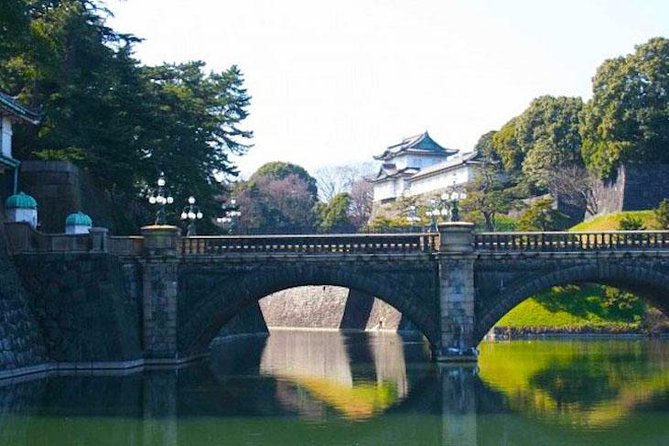
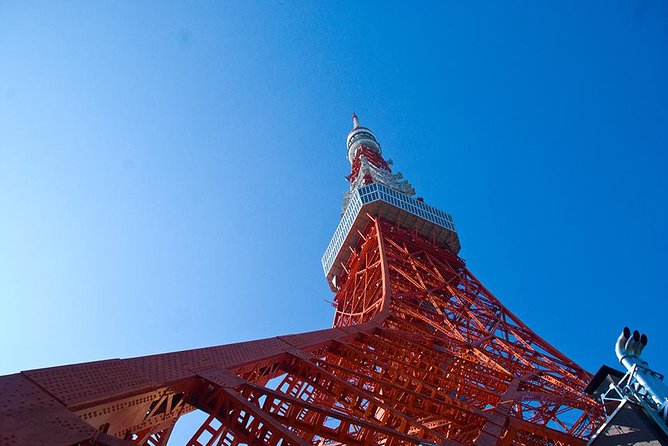
The tour description is clear: you get a customized itinerary suited to your interests. It also lists example attractions you might choose, including Tokyo Tower, the Imperial Palace, and Edo Castle, plus Senso-ji Temple in Asakusa and Tsukiji Market.
Here is how to think about customization without overcomplicating it. Your tour day already has a strong backbone: Tsukiji, Meiji Jingu, Asakusa, Harajuku, Omotesando, and Shibuya. So the customization likely means swapping emphasis. For example, you could trade time in one shopping district for a stronger historic stop, or adjust how long you linger in a place like Asakusa.
A tip: choose one “must feel” for your day. Maybe it is traditional Tokyo at Asakusa. Maybe it is shrine calm at Meiji Jingu. Maybe it is modern street culture at Harajuku and Shibuya. Then let the guide shape the rest around that theme. It is a lot easier than trying to squeeze in everything you see on social media.
You will also want to consider crowd timing. One of the realities of Japan is that the calendar can change how busy temples and streets feel. If your travel dates line up with big national holidays, popular sites can get packed. In that situation, a guide who can flex your plan is a major advantage.
Finally, remember the basics of what is not included. Food and drinks are on you, and parking fees are not included. If you plan to spend money at markets or cafés during the day, build that into your budget now so it does not surprise you later.
Price, inclusivity, and what this day costs you per person
At $1,273.75 per group for up to 4 people, the price looks high until you translate it into what you actually receive. You are not paying for one ticket and a generic walking route. You are paying for a private vehicle, a driver, a guide, and hotel pickup and drop-off from central Tokyo.
If you fill the group to four, the effective cost is about $318 per person. If you have only two people, it is closer to $637 per person. So this tour is at its best value when you are traveling with a small group who can share the cost.
What you are buying is time and stress reduction. Tokyo can be easy, but it is also big. A charter day removes a chunk of planning work. It also gives you a guide who can explain what you are seeing, and who can manage pacing across multiple areas in a single day.
What helps justify the price further is that the core stops list admission as free for each location. That means your spending goes to experiences, transit convenience, and local food decisions, not constant ticket fees.
To be fair, this is not the best choice if you want to spend the day on a low budget and already know how to route yourself around Tokyo. You can absolutely build a DIY day for less. But if you value a smooth ride, a dedicated guide, and an itinerary that hits major areas with minimal friction, the charter format is doing real work.
Who this full-day private tour fits best
This tour fits best if you fall into one of these categories:
- You are a first-time Tokyo visitor who wants a structured day but not a cattle-call vibe.
- You are traveling with up to three others and want one plan that moves you between neighborhoods efficiently.
- You like big-name sights but also care about asking questions and adjusting your pace.
- Your group has mixed interests, and you want the guide to find a balance.
It can also work for people who just do not want to think about logistics. With pickup and drop-off in central Tokyo, you can start your day already settled. You can keep your phone charged for photos instead of using it for route math.
One more practical point: the meeting point is described as near public transportation. So if your hotel is slightly outside the pickup zone, you still likely have options. But you will want to confirm the pickup arrangement when you book.
Should you book this chartered full-day Tokyo tour?
If you want Tokyo’s highlights across multiple neighborhoods, with private transport and a guide who can pivot, this is a strong yes. The price is best when your group fills up to four, and the included pickup and drop-off make the day feel less like an exhausting project.
Book it if you want a guided mix of classic landmarks and modern city energy, from Tsukiji to Meiji Jingu to Asakusa’s Kaminarimon approach, then on to Harajuku, Omotesando, and Shibuya. Skip it if you are traveling solo and trying to keep costs low, or if you prefer totally independent wandering with no set stops.
FAQ
What time does the tour start?
The tour start time is 9:00am.
How long is the private Tokyo full-day tour?
The duration is 8 hours (approx.).
How many people can join the private tour?
It is a private tour for only your group, with pricing listed for up to 4 people.
Are hotel pickup and drop-off included?
Yes. Hotel pickup and drop-off from central Tokyo are included for ease.
What is included in the price?
The price includes hotel pickup and drop-off, a driver, transport by private vehicle, and a guide. Food and drinks are not included, and parking fees are not included.
Can I get a refund if I cancel?
Yes. You can cancel up to 6 days in advance for a full refund. If you cancel 2–6 days before, you receive a 50% refund, and if you cancel less than 2 days before, the amount paid is not refunded.
Fresh options around Tokyo
- Tokyo: Nikko Kegon Falls Lake Chuzenji Toshogu Temple & More★ 4.9 · 12 reviews
- Tokyo: Samurai History Walking Tour★ 5.0 · 12 reviews
- Harajuku: Kawaii Fashion and Pop-Culture Tour★ 4.7 · 12 reviews
- Tokyo: Mt. Fuji & Lake Kawaguchi Instagram Full Day Trip★ 4.1 · 12 reviews
- Shibuya Tokyo: Modern Kintsugi Workshop in Shibuya★ 5.0 · 12 reviews
- Tokyo: GTR Guided Daikoku Experience at Night★ 5.0 · 12 reviews
- Tokyo: Daikoku JDM Car Culture Tour★ 4.6 · 12 reviews
- Mt Fuji Private Day Trip from Tokyo with English speaking driver★ 5.0 · 13 reviews
Full-Day, compared.
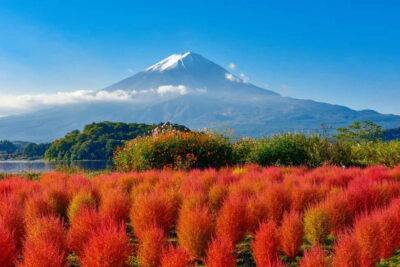
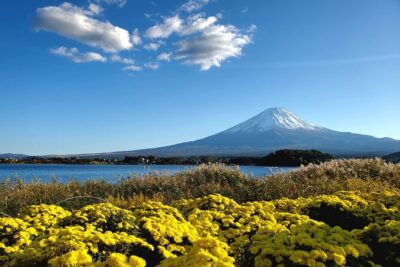
Mount Fuji Full-Day Private Tour from Tokyo (Customizable)
Read our review →
Hiroshima / Miyajima Full-day Private Tour with Government Licensed Guide
Read our review →
Tokyo Private Full-Day Tour by Car or Van
Read our review →

5 Top Highlights of Kyoto Full Day Bike Tour (E-bike option)
Read our review →
Full Day Biking Tour Exploring the Best of Kyoto
Read our review →