
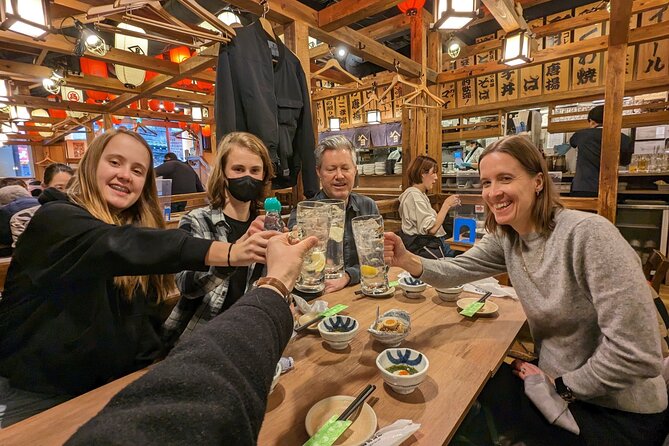
Reviewed · FOOD & DRINK
Private Tokyo Food Tour – A Journey Through Time Through Food
Tokyo food has layers, and this tour shows them fast. You start in Nihonbashi with Edo-era ingredients like dashi and katsuobushi, then glide through postwar commuting culture and finish in Akihabara with forward-looking fusion desserts. I love that this is a true private outing, so your guide can pace things for your group, and I love the sheer amount of tasting, 14 stops worth of flavors, drinks, and lunch. One thing to consider is that you will be eating fish-based and seafood-adjacent items early on, so if you have allergies or strict dietary needs, plan to flag them before you go.
The route also moves you through three very different districts in about 5.5 hours, with two short subway rides you pay for separately. If you prefer long, sit-down meals with downtime, this may feel like a nonstop sample-and-walk day.
Key highlights to know before you go
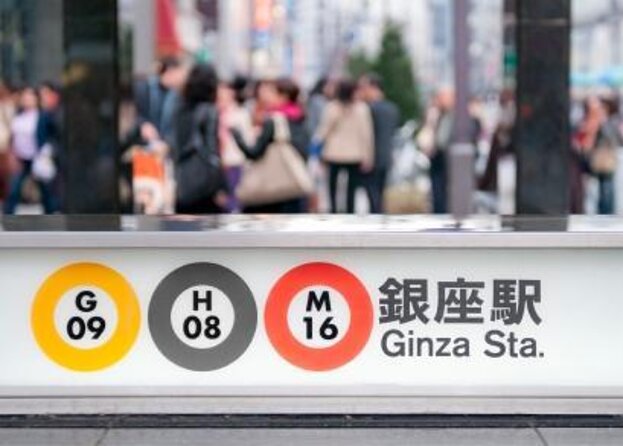
- 14 tastings across three districts, from Edo staples to commuter classics and Akihabara fusion
- Private format means you can ask questions and set a comfortable pace for your group
- Pickup is available, which makes the start in Nihonbashi less stressful
- Lunch is built in, with options like yakitori, tempura soba, tamagoyaki, and fruits sando
- One included alcoholic drink (a Lemon Sour) adds to the izakaya-style vibe
- Your guide ties food to time periods, so every bite comes with context, not just menus
A half-day Tokyo circuit that tells a food story across eras
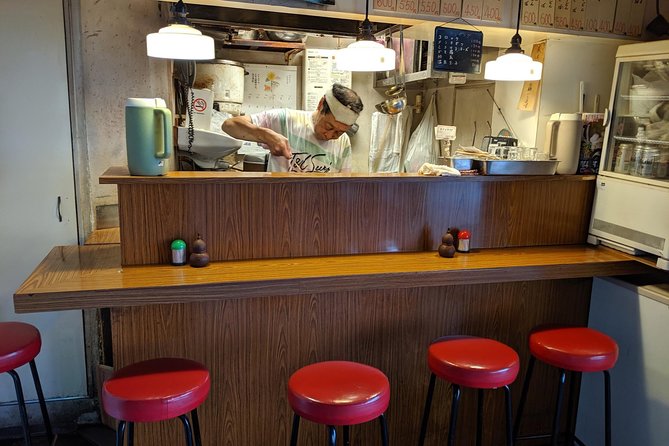
This is the kind of tour I think first-time visitors to Tokyo enjoy most, because it gives you a fast, human map of how Japanese food connects to place and time. You are not just sampling snacks. You are walking through neighborhoods that shaped what people ate, whether they were eating for tradition, for speed after work, or for the next new thing.
The tour runs about 5 hours 30 minutes and is structured around three districts: Nihonbashi, Ginza (and Yurakucho), and Akihabara. It ends at Akihabara Station, so the day naturally lands you right near one of Tokyo’s most famous tech and pop-culture zones.
Value-wise, the price (listed as $327.75 per person) is not cheap compared with casual group tastings. But you are paying for a private guide, pickup offered, a packed schedule, 14 tastings, and lunch plus an included drink. For groups that want food direction and history context without planning a route, it can feel like good spend.
More Food Tours in Tokyo
- Tokyo: Shinjuku Food Tour (13 Dishes at 4 Local Eateries)
★ 5.0 · 6,603 reviews - Tokyo Tsukiji Fish Market Food and Culture Walking Tour
★ 5.0 · 3,184 reviews - Tokyo: Shinjuku Food Tour (15 Dishes and 4 Eateries)
★ 4.9 · 2,033 reviews
Nihonbashi: where the tour starts with dashi, kelp, and the taste of Edo
You begin at Nihonbashi, near the Mitsui Building, with the tour concept laid out early: Japanese food is built on core flavor foundations, not random variety. The anchor theme here is dashi, the broth base behind many dishes. Even if you do not cook, learning how dashi gets its taste helps everything else make sense later.
From there, you focus on two key ingredients: katsuobushi and kelp. Katsuobushi is a fermented, dried fish product, and kelp is the seaweed backbone for a lot of umami. Together, they create that deep, savory base that shows up again and again in Japanese meals. The point is not just to name ingredients. It is to understand why so many dishes share a similar flavor DNA.
Stop details: the snacks in Nihonbashi
This first leg lasts about 1 hour 30 minutes and centers on tasting traditional bites that have been around for generations. You are likely to try items such as:
- Satsuma-age, a fried fish cake
- Amazake, a fermented rice drink
- Imo kenpi, sweet potato chips
- Daifuku, glutinous rice mochi with a sweet filling
One neat detail is how the stops are described as long-running shops, some stretching back to the Edo period. That matters for a food tour because the point is continuity, not novelty. You are tasting food that is part of Tokyo’s everyday heritage.
Quick practical note
This is the best point in the day to slow down if you want to ask your guide about ingredient logic. Once you hit later districts, you will be in a heavier walking and eating rhythm.
Same corner of Japan, a different kind of day:
- Mt Fuji and Hakone 1-Day Bus Tour Return by Bullet Train
★ 5.0 · 26,383 reviews - 1-Day Tokyo Bus Tour
★ 5.0 · 14,250 reviews - Tokyo: TOKYO SKYTREE® Admission ticket
★ 4.5 · 11,192 reviews - Tokyo: teamLab Planets TOKYO Digital Art Museum Entry Ticket
★ 4.6 · 9,779 reviews
Fukutoku Shrine: a short pause that teaches shrine vs temple basics
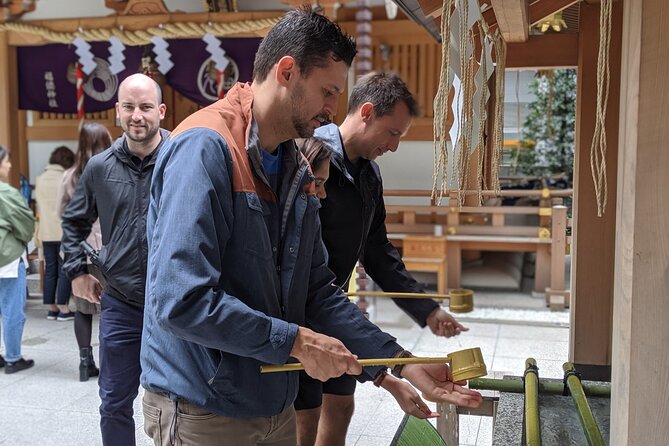
After the Nihonbashi flavor foundation, you add a brief cultural stop at Fukutoku Shrine (about 10 minutes). This is a fast lesson on the difference between shrines and temples, plus what it means to cleanse yourself and pray at a shrine.
It is short, but it gives you a useful lens for interpreting Japanese culture beyond food. Food traditions sit inside everyday beliefs and rituals. You do not need to be religious to appreciate that context, especially when a guide ties it back to ingredients and daily life.
Ginza and Yurakucho under the tracks: salarymen food and the izakaya rhythm
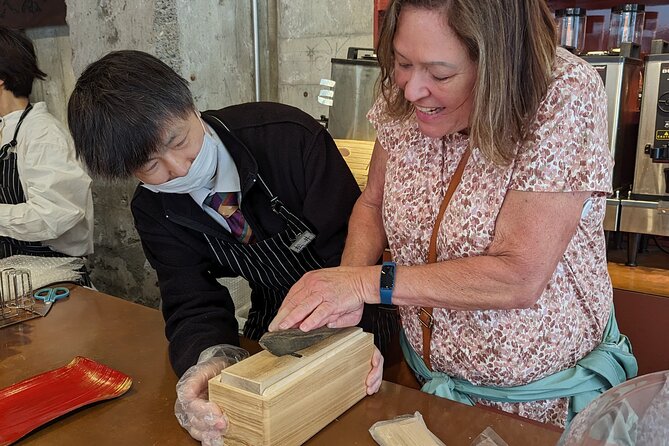
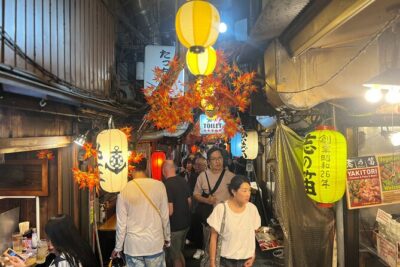
Next you head into Ginza and Yurakucho, where the tour shifts from Edo tradition to postwar modernization. The story here is about industrialization and the rise of the salaryman lifestyle. With that came small places to eat close to work, including spots described as built under railway tracks, known as gado shita’s.
This is where the tour becomes less about foundations and more about how people ate when time was tight and dinner still needed to feel satisfying.
What you eat in this section
This portion runs about 1 hour 10 minutes and is built around izakaya and noodle-stall style comfort food. The menu includes:
- Yakitori (grilled skewers)
- A Lemon Sour (the included alcoholic drink)
- Tempura soba or curry udon (noodle soup dishes)
Why I like this stop for value: lunch and tastings later can include sweet items, but here you get savory, filling “real meal” energy. Also, yakitori and noodle soups help reset your palate after earlier sweets.
The walking tradeoff
This part of the day is active and focused on small-eating moments between locations. If you want to linger at each spot, you may not get lots of downtime. The flip side is that you see how dense Tokyo food culture is, especially around stations and work corridors.
From Ginza to Tokyo Station landmarks: International Forum and Kitte as a food-wayfinding reset
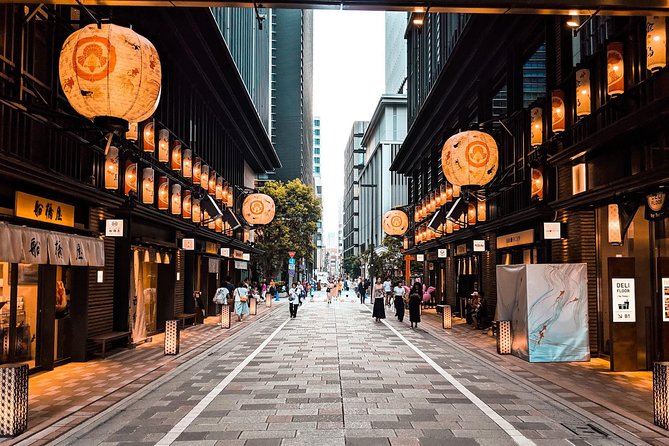
You then stroll toward Tokyo Station, stopping in places that feel like a visual transition between neighborhoods. One short stop is the Tokyo International Forum area (about 15 minutes), and another is Kitte Marunouchi (about 10 minutes).
These breaks do two jobs. First, they give you a breather between tasting clusters. Second, they help you understand Tokyo’s “new Tokyo” layout, the kind of urban planning that shapes where food outlets thrive.
Why these are more than photo stops
You are not going there for a museum lecture. The tour uses these points to keep you oriented in real Tokyo space, which matters because you later move through station areas where food options can be overwhelming on your own.
Tokyo Station commuter favorites: tamagoyaki and fruits sando
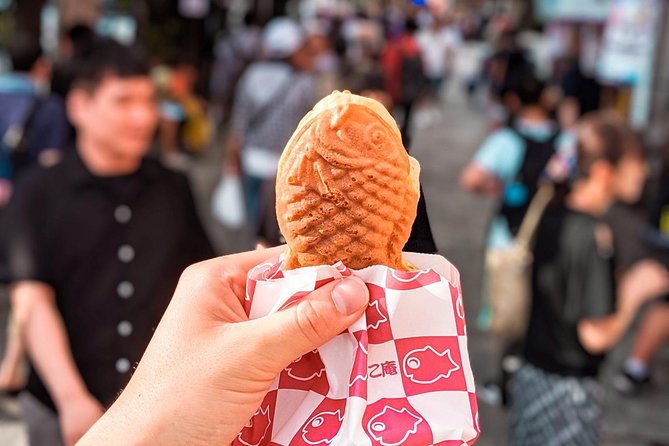
At Tokyo Station, the tour turns into a commuter-snack sprint, with about 20 minutes of tasting at the station area highlights. You try foods associated with grabbing something before heading home.
The included commuter picks are:
- Tamagoyaki, Japanese omelette
- Fruits sando, Japanese milk bread filled with fresh fruit and whipped cream
If you have never tried tamagoyaki outside a dedicated restaurant, this is a smart way to understand the comfort factor. And the fruits sando is a fun contrast, because it shifts the day toward dessert-style satisfaction without making you wait until the end.
Also, keep an eye on the time pressure. Station food moves quickly, and a guide’s pacing here is a big part of the value.
Daimaru Tokyo and the station-sweet rhythm
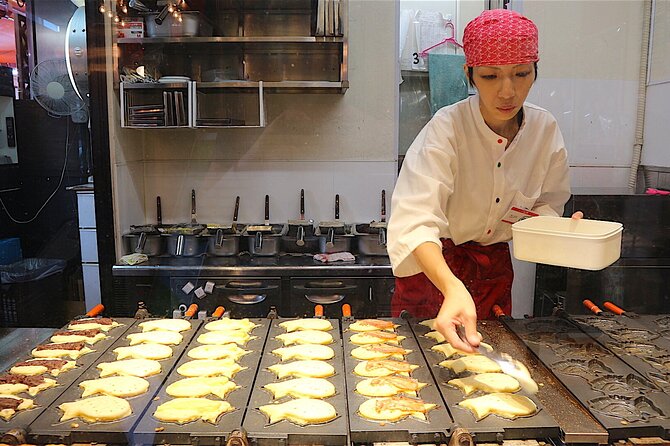
The tour includes another station-area stop at Daimaru Tokyo for about 20 minutes, with the same general theme: commuter foods that are easy to buy and eat. This is another chance to sample tamagoyaki and/or fruits sando depending on how your tastings are arranged that day.
From a reader perspective, station food tours can either be chaotic or helpful. This one tries to make it helpful by bundling tastings into a clear plan, rather than dropping you into a giant shopping complex without guidance.
Akihabara: the future of Japanese food, with tech culture and fusion desserts
Finally, you reach Akihabara for about 45 minutes. This is where the tour’s time-travel idea lands on “the future” side of the story.
Akihabara is described as famous for electronics shops, maid cafes, and anime culture. The tour uses that identity to talk about subcultures and how new ideas move fast in Japan. Then the food follows that theme.
What to expect in the Akihabara food moment
At the end, you try fusion desserts that combine traditional flavors or foods with modern twists. This is also where you are likely to see included items from the overall tasting list that lean sweet, such as:
- Pokemon Taiyaki
- Matcha (green tea) bubble tea or ice cream
- Daifuku or Dorayaki (depending on your tasting selection)
Even if you are not a pop-culture person, this stop can still work because it is really about the flavor logic of contemporary Japan. Traditional elements are not gone. They get remixed for new audiences.
What makes the tour work, beyond the menu
A lot of food tours just hand you a list and hope you enjoy it. This one has a stronger structure: each district has a time period and a flavor reason.
- Nihonbashi gives you ingredient literacy: dashi, katsuobushi, kelp.
- Ginza and Yurakucho connect food to modern working life: izakaya comfort and noodle soups, plus the Lemon Sour.
- Tokyo Station anchors the practical reality: quick, grab-and-go favorites.
- Akihabara ends with cultural momentum: fusion desserts and a conversation about how technology and subculture shape tastes.
That is also why I think the private format matters. Your guide can connect dots out loud, and you can ask what you actually care about, like ingredient sourcing, how snacks differ regionally, or how to spot good “commuter” food without guessing.
Guides and pacing: why the private feel gets praised
The guides associated with this experience, including names like Yasu, Keiko, Paiva, Miko, and Rohan, come through as a key part of the experience. The themes you can count on from the way they are described are:
- they keep things organized and prompt
- they bring a fun, friendly tone
- they help with practical navigation, including train-system confidence
That last part is important. Tokyo’s transit can feel like a puzzle. Having someone who can help you move between stops with less stress is a real quality-of-life boost on a food day.
Who this tour suits best
This tour fits best if you:
- want a first-day or early-trip orientation to Tokyo through food districts
- like learning how flavor foundations work, not just eating random bites
- prefer private guidance and a paced route rather than planning snacks solo
- want a day that works for families who can handle walking and multiple tastings (the experience is praised for being kid-friendly for ages 9 and 11)
It may be less ideal if you:
- hate eating fish-based or seaweed-based flavors, or have strong dietary restrictions
- need lots of seating downtime, since the stops are frequent and time is shared among tastings and walking
- dislike subway transfers at all, since transport costs are separate and there are two short subway rides
Booking advice: how to get the most from your 5.5 hours
Before you book, think about your own “food pace.” This is an active sampling tour: you will eat repeatedly, not just once. Wear comfortable shoes, and plan to arrive hungry, not full.
If you have dietary concerns, the ingredient focus in Nihonbashi is a clue to ask questions. Since dashi ties to katsuobushi and kelp, your guide should be able to advise what is safe for you.
Also consider your group size and interests. A private tour shines when your group likes discussion and wants to ask things on the spot.
Should you book this private Tokyo Food Tour?
I would book it if you want a structured, meaningful Tokyo food day that covers traditional roots, postwar street food culture, and the future in one route. The combination of 14 tastings, included lunch items, and a private guide makes the price easier to justify, especially if you would otherwise spend time researching where to eat.
Skip it or think carefully if you have dietary constraints tied to seafood or fermented broths, or if you hate walking between short stops. But if you are in the mood for variety with context, this is one of the smarter ways to spend a half-day in Tokyo.
Fresh options around Tokyo
- Tokyo: Full Course Tour: Explore 10 Must-Sees & Hidden Gems★ 5.0 · 35 reviews
- Seasonal Mt. Fuji Scenic Views, Fruit Picking and Ropeway Ride!★ 4.5 · 35 reviews
- Mount fuji Private Tour★ 4.5 · 35 reviews
- Tokyo: Shinjuku Night Walking Tour with Secret Alley★ 5.0 · 35 reviews
- Tokyo: Discover the Art of Kintsugi in Ginza★ 4.9 · 35 reviews
- Tokyo Shibuya: Japan Only Limited Ramen – Select from 9 Types★ 5.0 · 36 reviews
- Go to Daikoku PA at an affordable price!★ 5.0 · 35 reviews
- Takoyaki cooking experience in Kabukicho, Shinjuku★ 4.8 · 36 reviews
Food & Drink, compared.
Shinjuku Food Tour (13 Dishes at 4 Local Eateries)
Read our review →
Tokyo Tsukiji Fish Market Food and Culture Walking Tour
Read our review →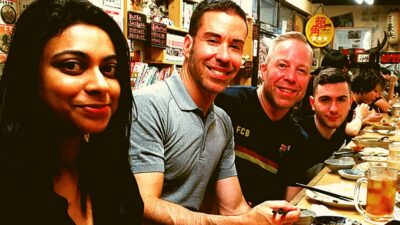
Shinsekai Food Tour with 13-15 Dishes at 5 Eateries
Read our review →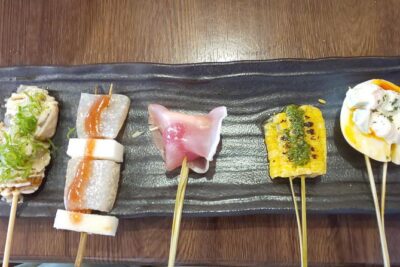
Osaka Food Tour: 13 Dishes at 5 Local Eateries
Read our review →
Shinjuku Food Tour (15 Dishes and 4 Eateries)
Read our review →
Best of Shinjuku: Izakaya Food Tour (4 Stops, 14+ Tastings)
Read our review →
Kyoto Night Foodie Tour in Gion (9+ dishes + 6 Sake tastings)
Read our review →
Hungry Osaka Street Food Tour:15 Tastings & 3 Drinks with a Local
Read our review →Browse the lists this tour appears in