Reviewed · TOKYO TOURS
Japan Classic 10 Day – One Life Adventures
Japan can feel like two countries in one trip. This tour is the quick way to experience that clash, Tokyo to Osaka in 10 days, with hands-on food moments and early starts that help you miss some of the worst crowds. I especially love the sushi-making class and the way the day plans keep you moving from neighborhood to neighborhood without getting lost in transit. The main catch is that this is an active, fast-paced style, with a lot of walking and longer transit days.
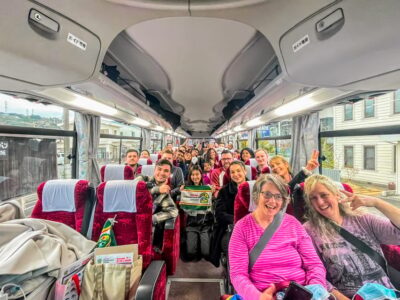
I also came away impressed by the human side. In the reviews, the name that keeps showing up is Ashleigh, and that matches the feel of this route: the group stays calm, the pacing makes sense, and you get clear reasoning for why each place matters. You can expect a tight group too, capped at 22 travelers, plus the tour uses a mobile ticket and stays near public transportation.
One possible drawback, if you hate intensity, is simple: the schedule is packed. Some people loved how much they fit in, but others felt it was almost too much, especially after long travel legs and temple-and-stairs days.
Key highlights you should care about
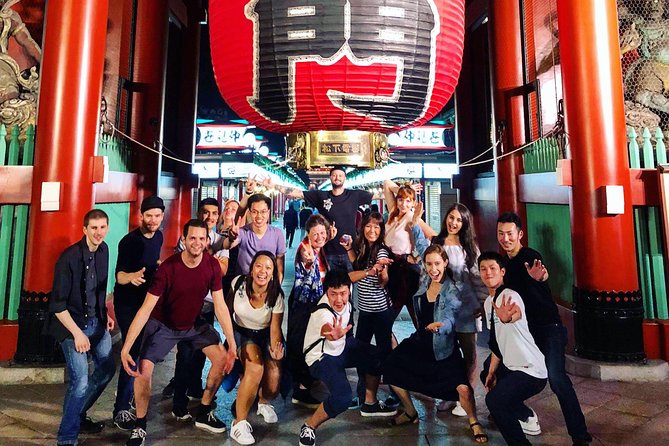
- Tokyo neighborhoods in a smart order, with orientation plus classic sights like Senso-ji and Shibuya Crossing
- Hands-on food, including sushi rolling and a chance to try yakitori along the way
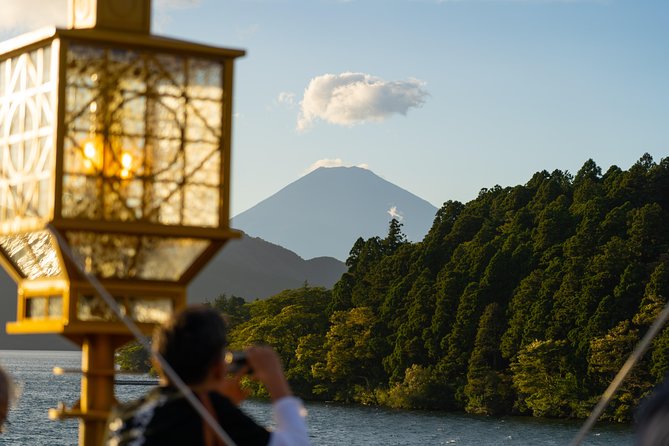
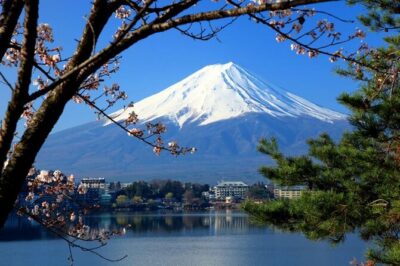
- Hakone in one day, using Romance Car, a ropeway, and Lake Ashi views that can include Mt. Fuji on clear days
- Kyoto with early access, including sunrise torii gates at Fushimi Inari-taisha
- A real culture angle beyond photo stops, with Daitoku-ji zen gardens and a Kendo class at Kyoto Budo Center
- Osaka finale with food and fun, Dotonbori food tour energy plus karaoke
Who this Tokyo to Osaka route really fits
This Japan Classic 10 Day tour is built for people who want structure, daily momentum, and a guided route through the biggest hits. You also need decent stamina. The tour notes a moderate physical fitness level, and the flow of temples, markets, and stair climbs is not the kind of travel where you can slow down every time you find a side street you like.
The group size is capped at 22, which usually means you get the benefits of a group without feeling swallowed by a crowd. The itinerary is also designed around public transportation and major rail lines, so you are not stuck figuring out everything alone. The mobile ticket feature helps too, since you should spend less time hunting paper tickets.
Money-wise, the headline price is $6,629 for 10 days. That sounds high until you look at what gets bundled: multiple rail journeys, several guided activities, and multiple included meals (lunch plus 4 breakfasts and 3 dinners listed). If you were to book each chunk separately, rail plus guided experiences plus food can add up fast.
A few more Tokyo days worth comparing
- Mt Fuji and Hakone 1-Day Bus Tour Return by Bullet Train
★ 5.0 · 26,383 reviews - 1-Day Tokyo Bus Tour
★ 5.0 · 14,250 reviews - Tokyo: TOKYO SKYTREE® Admission ticket
★ 4.5 · 11,192 reviews
Getting your bearings in Tokyo, from Senso-ji to Shibuya Crossing
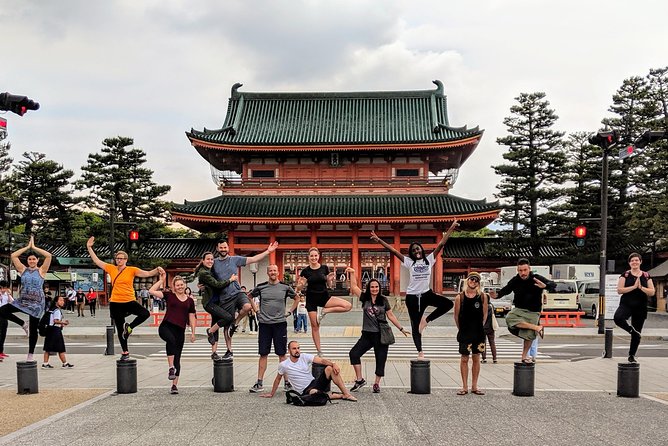
Your first Tokyo day starts with a classic power move: you meet the group, then head to Senso-ji Temple. It is one of the most important temples in the city, and the red-lantern energy is a perfect “welcome to Japan” moment. You get an early orientation of how the day will work, plus you start with food and company instead of jet lag stress.
Day two adds the practical layer. You get an orientation class focused on simple Japanese customs and phrases. That matters more than it sounds. When you can say the basics and understand small etiquette cues, you move through markets and small eateries with less friction.
From there, Tokyo becomes a mix of old and new:
- Harajuku Station and the surrounding pop-culture vibe, where teen fashion and fast trends feel like their own micro-world.
- Meiji Jingu near Yoyogi Park, a tonal reset from neon into calm forest air.
- Akihabara, the neon-and-electronics district where it is easy to lose track of time browsing.
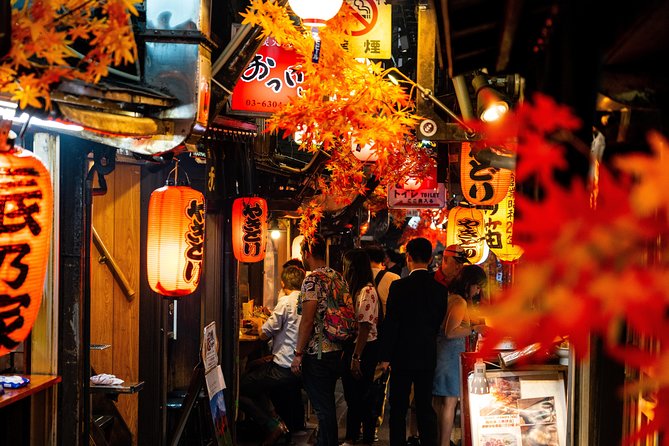
Then the itinerary lands you in Shinjuku for skyline views from the Tokyo Metropolitan Government Building observation decks, and follows with a quick meal stop in Omoide Yokocho, nicknamed Piss Alley. It is a small alley full of atmosphere, yakitori, and beer, a solid way to try local-style street dining without planning anything.
You finish the day at Shibuya Pedestrian Crossing, and it is exactly the kind of sight that looks like a city set until you see it in real scale.
If you are not a “walk-and-stand” person, Tokyo can feel like a lot. The upside is that every stop is close enough to keep the group moving, and the rhythm prevents wasted time.
Tsukiji Fish Market plus sushi-making: real skills, not just photos
On day three, Tokyo shifts into food mode. You start at Tsukiji Fish Market, known for its seafood focus and sushi connections. The itinerary includes a tour of the facility, which is where you see how the market system works beyond what restaurants show you.
The best part is that you do not end at sightseeing. You head to a sushi-making class, where the guides teach you how to roll sushi and also fry teriyaki. That is a big value add for a short trip, because you leave with an activity you can replicate later, plus a better sense of how simple ingredients turn into something that feels deeply Japanese.
After lunch, you head back to the hostel for a quick freshen up, then continue into Shinjuku for skyline time. The day loops through food and views again, with Omoide Yokocho for yakitori and beer, and ends with Shibuya Crossing.
Practical tip: bring shoes you can stand in for a long time. Market days and skyline stops both involve a lot of waiting and walking. Also, go into the sushi class hungry and curious, because the technique is part of the fun.
Hakone by Romance Car: ropeway views and Lake Ashi timing
Day four is your first major departure from Tokyo. You take the Romance Car out to Hakone, a scenic mountainous area that feels like a change of pace rather than a simple add-on. After checking into your guesthouse in the mountains, the plan focuses on classic Hakone scenery.
You ride the Hakone Ropeway, then head to Lake Ashinoko. The itinerary includes a pirate ship cruise, which is one of those tourist-friendly activities that actually works. You get open-air views, and if the weather is kind, you can get an amazing Mt. Fuji sight.
Here is the honest consideration: views depend on the day. Cloud cover can ruin the Fuji payoff, but Hakone is still beautiful even without the iconic peak.
You finish with Hakone-machi and a typical Japanese nabe dinner at the traditional guesthouse. Nabe fits the setting. It is warm, hearty, and made for mountain weather, plus it is a cultural meal that feels like part of the location rather than another stop on a list.
Same corner of Japan, a different kind of day:
- Tokyo: teamLab Planets TOKYO Digital Art Museum Entry Ticket
★ 4.6 · 9,779 reviews - Mt Fuji & Hakone Cruise, Drum Show Bullet Train 1 Day from Tokyo
★ 4.0 · 7,413 reviews - Tokyo: Sumo Show Experience with Chicken Hot Pot and a Photo
★ 4.8 · 6,678 reviews - Tokyo: Shinjuku Food Tour (13 Dishes at 4 Local Eateries)
★ 5.0 · 6,603 reviews
Takayama and Hida area: rail scenery plus sake tasting
Day five pushes deeper into regional Japan. You take the bullet train toward Nagoya, then transfer to a scenic train route past mountains. The scenery is the point here, because this is where Japan starts to feel less like one big city string and more like a set of distinct places.
In the afternoon, you visit the Harada Sake Brewery for sake tasting. This is where the tour becomes more than just temples and city lights. You get a guided look at alcohol culture, and you are also able to treat yourself to Hida beef, which pairs nicely with the idea of regional specialties.
The itinerary emphasizes slowing down a bit by the time you reach the guesthouse at night. After a transit-heavy day, that sleep matters.
Kyoto arrival and Gion evenings: where the pace slows a notch
Day six is the Kyoto gateway. You get another train day out of Nagoya, then arrive in Kyoto, the city people travel to for shrines, temples, and old-street wandering.
Once you check in, the evening walk includes Gion, the area people associate with Geisha culture. Even if you are not chasing a specific sight, Gion is one of those places where the streets themselves feel like an experience. The plan focuses on strolling, not rushing. That makes it a good day to adjust after the intensity of earlier city stops.
If you want an easy win on this evening: keep your eyes up for atmosphere, not just landmarks. Kyoto often rewards slow glances at small details, and you do not want to burn your legs too early.
Fushimi Inari at sunrise plus Kiyomizu-dera stairs
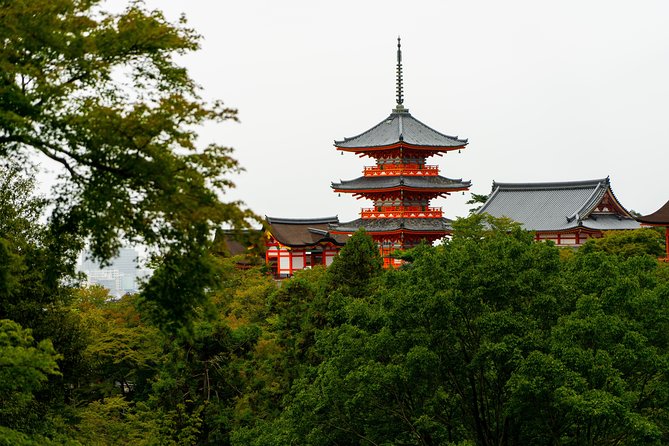
On day seven, you get one of the most important Kyoto strategies: go early. You ride the subway to Fushimi Inari-taisha and arrive early to escape the larger crowds. The draw here is the corridor of red torii gates rising up the mountain trails. Even if you have seen pictures, the scale is hard to understand until you are walking through them.
The route then shifts to Kiyomizu-dera Temple, one of Kyoto’s best-known sites. The complex sits high on the mountainside, and the itinerary calls out the bamboo and wooden structures that give the temple its visual character. Expect walking, steps, and lots of viewpoints.
Afterward, the tour returns you to the hostel for breakfast before you continue. That break helps, because Kyoto days can eat your energy fast.
Shoes matter here. You want solid grip for stone paths and stairs. Also, carry water even if it is cooler, because you will still sweat.
Golden Pavilion, Daitoku-ji zen garden, and Kendo at Kyoto Budo Center
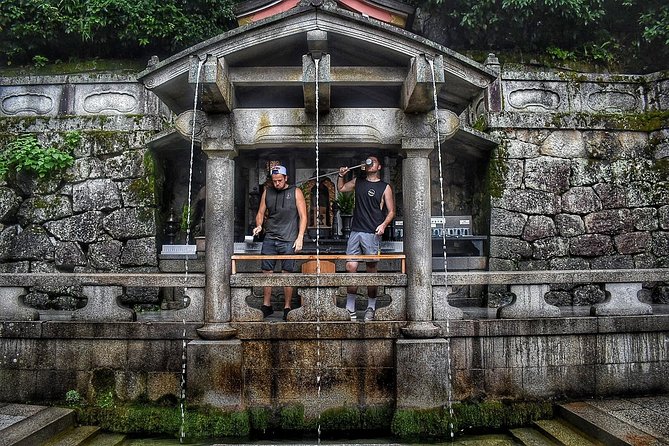
Day eight is where Kyoto becomes more than sightseeing. You start with Kinkakuji Temple, the Golden Pavilion. The highlight is the gold-laden building and the reflection in nearby waters, so try to arrive when light is favorable.
Next you head to Daitoku-ji Temple, which is away from the main tourist districts. The itinerary highlights the quieter temple group and the chance to visit a zen garden. If you have been walking all day, this is a relief. It gives your brain a different pace.
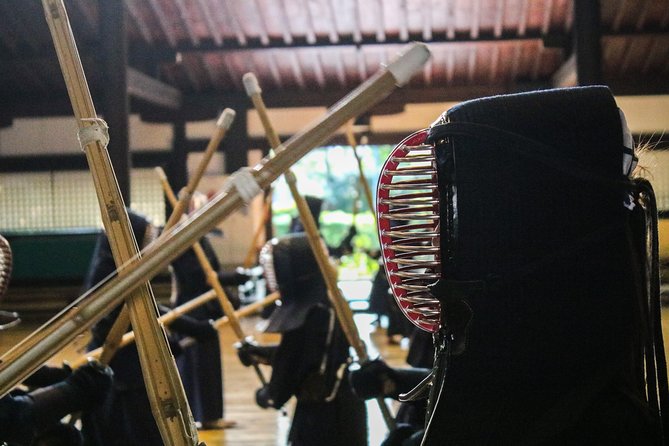
Then comes a very practical cultural add: Kyoto Budo Center for Kendo class. The instructor is described as a Bushido instructor and a descendant of a Japanese Samurai warrior. That detail matters because the tour is not just showing you traditional art forms. You are participating, so you leave with a deeper understanding of discipline and movement, not just a photo memory.
If you are worried about fitness, Kendo can be physically demanding even for beginners, depending on how active the class is. The good news is that it is housed in a dojo, so it is structured.
Arashiyama bamboo, Monkey Park steps, and a private row-boat reset
Day nine goes to the Arashiyama district. You start with the Bamboo Forest Street, and the itinerary notes you beat crowds by going early. That is another smart move, because bamboo photos look best when you are not fighting through wall-to-wall groups.
From there, you climb to Monkey Park Iwatayama. The itinerary mentions steps up to Monkey Mountain to see Japanese macaques. This is one of those experiences where you should keep your expectations flexible. You might see monkeys right away, or you might spend time watching them move through the area.
Then you ride a private row boat to explore the valleys in the area, described as a traditional Japanese way. That is a nice break after walking and climbing, and it changes your perspective from park paths to water views.
Once you finish Arashiyama, you head to Osaka and check in. The evening is Dotonbori, the lights, color, food, and people area often described as the kitchen of Japan. The plan includes a food tour and ends with karaoke to wrap up the trip.
If you like nightlife atmosphere, Osaka delivers. If you prefer quiet, you might want to control your pace and not stay out too long after a long walking day.
Osaka finale: Dotonbori food energy, karaoke night, and an easy goodbye
The last day is mostly a reset. You spend time in Osaka, and the itinerary frames it as recovery after the karaoke antics. Then you say goodbye to the group.
The tour ends at your accommodation in Osaka. You get extremely detailed instructions on reaching the airport, and the tour can arrange bullet trains back to Tokyo for an additional cost.
This is a helpful final touch for people who want to avoid the last-day stress. You also get to carry home the biggest memories from the week, instead of spending your final hours stuck on logistics.
Price and value: why $6,629 can make sense here
Let’s talk value without pretending everything is cheap. At $6,629, this is not a budget trip. But it is also not just a list of attractions with no support.
Here is what you are paying for, based on what the tour includes and the way the days are built:
- Multiple guided sightseeing blocks across Tokyo, Hakone, Takayama, Kyoto, and Osaka
- Several train legs, including bullet train segments and the Romance Car to Hakone
- Hands-on food experiences, including sushi-making and regional tastings
- Included meals: lunch plus 4 breakfasts and 3 dinners listed
- Certain admission tickets that are marked included in the itinerary, plus guided time where the guide helps you get through places efficiently
What is not included is also clear: tipping, pre and post tour accommodation, arrival and departure transfers, international flights, and travel insurance.
The real value question is whether you want to handle all planning and booking yourself. If you do, you could build a similar route. If you prefer a guided backbone with food moments and rail travel handled, the bundled price starts looking more reasonable.
Should you book Japan Classic 10 Day with One Life Adventures?
Book it if you want a classic route from Tokyo to Osaka, you like food activities you can take home in your memory and skills, and you do not mind a fast pace. This tour fits first-time Japan visitors who want the big landmarks without spending every day googling transit.
Skip it or think twice if you want slow travel, lots of free time, or you easily fatigue from long days of walking and stairs. The schedule is intentionally packed, and the tour itself flags that it is active.
If you do book, prepare like a pro: wear comfortable shoes, bring a refillable water bottle, and give yourself permission to rest when you get back to the hostel. You will enjoy it more, and you will get the best out of the big early starts and the guided moments.
FAQ
Where does the tour start and end?
The tour starts in Tokyo, Japan and finishes in Osaka, Japan.
How long is the Japan Classic 10 Day tour?
It is listed as approximately 10 days.
What is the tour price?
The price is listed as $6,629.
What meals are included?
Lunch is included. The tour also lists breakfast (4) and dinner (3) as included.
Are tipping and travel insurance included?
No. Tipping and travel insurance are not included.
Is this tour fast-paced?
Yes. It is described as active, fast-paced, backpacking style, with a lot of walking.
What is the group size limit?
The tour lists a maximum of 22 travelers.
Is it using a mobile ticket?
Yes, the tour feature listed is a mobile ticket.
Can I return to Tokyo after the tour?
The tour provides detailed instructions for reaching the airport, and it can arrange bullet trains back to Tokyo for an additional cost.
Is this experience refundable if I cancel?
No. It is non-refundable and cannot be changed for any reason.
Fresh options around Tokyo
- Private Harajuku Omotesando Architecture Tour★ 4.9 · 18 reviews
- Tokyo Shopping Street Hopping Private Tour with Government Licensed Guide★ 5.0 · 18 reviews
- Tokyo: Private Mount Fuji and Hakone Day Trip with Guide★ 4.5 · 18 reviews
- Small-Group Osaka-Style Okonomiyaki Cooking Class★ 5.0 · 18 reviews
- Hakone Private One Day Tour From Tokyo: Mt Fuji, Lake Ashi, Hakone National Park★ 5.0 · 18 reviews
- Shinto Shrine Tour: Explore Japanese Culture in Tokyo★ 5.0 · 18 reviews
- PERFECT 1 Day Tokyo Highlights Tour with a Private Car★ 5.0 · 19 reviews
- Tokyo: Shinjuku Bar Hopping & Karaoke Night Tour★ 4.9 · 19 reviews
Tokyo Tours, compared.
Mt Fuji and Hakone 1-Day Bus Tour Return by Bullet Train
Read our review →
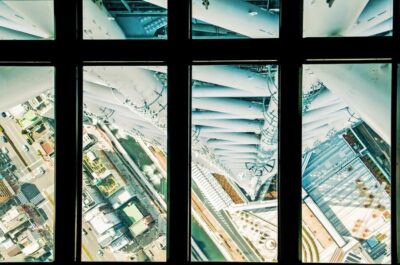

teamLab Planets TOKYO Digital Art Museum Entry Ticket
Read our review →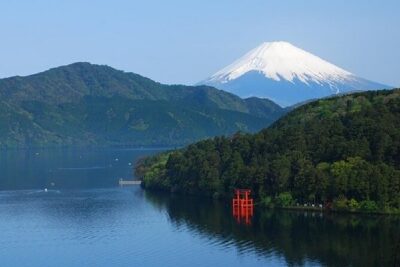
Mt Fuji & Hakone Cruise, Drum Show Bullet Train 1 Day from Tokyo
Read our review →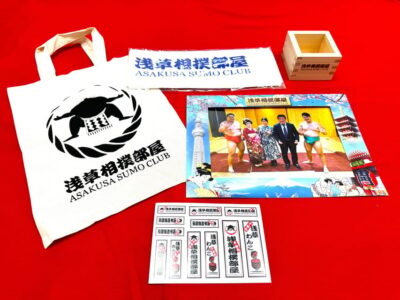
Sumo Show Experience with Chicken Hot Pot and a Photo
Read our review →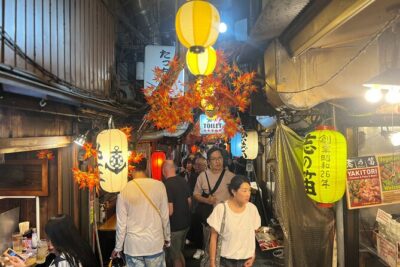
Shinjuku Food Tour (13 Dishes at 4 Local Eateries)
Read our review →