
Reviewed · PRIVATE CAR WITH DRIVER
Private Car Tour to Mt. Fuji Lake Kawaguchiko or Hakone
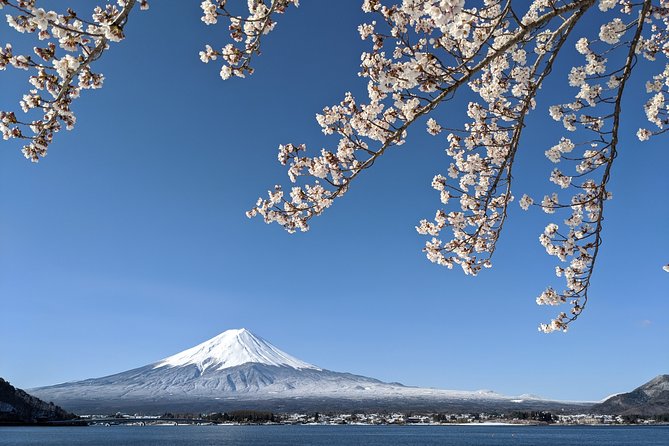
Mt Fuji day trips can feel like a blur. This one is built around big views plus cultural stops, with a private car and a guide who can adjust your route when the mountain plays hide-and-seek. You can shape the day around Lake Kawaguchiko or swing toward Hakone, depending on what you want most.
What I like most is the private pacing. You are not squeezing into buses, and your guide can recommend the right photo timing at places like Arakurayama while keeping the day realistic. Second, the tour is packed with variety for one long outing, from pagoda viewpoints to Oshino’s ponds and even cave adventures in the Aokigahara forest.
One thing to keep in mind: the day is weather dependent. Even with the best planning, clouds can shut down the top view of Mt Fuji, and traffic can make the return to Tokyo feel long.
Key highlights you should care about
- Private guide plus English-speaking driver team that keeps the day running smoothly from Tokyo pickup to drop-off
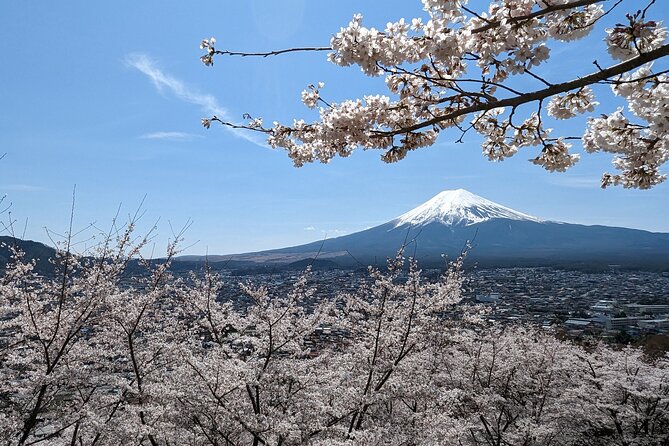
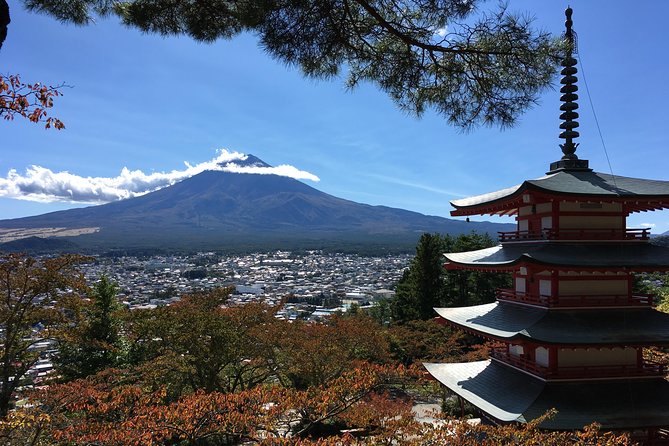
- Arakurayama Fuji Sengen Shrine and Chureito Pagoda circuit for classic, high-impact Fuji photos
- Kawaguchiko lakeside mix of shrines, gardens, and hands-on local stops like the Ide sake brewery
- Aokigahara cave options (ice, wind, and bats) for a change of pace from viewpoints
- Hakone volcanic, ropeway, and Lake Ashi cruise choices if you go that direction
- Customizable stop count (around 4 to 6 sites) so you do not feel like you are speed-running Japan
Private car day around Fuji, why it feels easier
A trip around Mt Fuji from Tokyo can be two things: a great day, or a stressful day. This tour aims for the second one to stay away from you. You get hotel pickup and drop-off, and you ride in a private, air-conditioned minivan with a dedicated driver, so you are not fighting train transfers or parking searches.
I also like the way the itinerary is organized around “clusters.” You can hit shrine viewpoints, then shift to lake areas, then add a cave or a museum when the timing works. That matters because Mt Fuji regions reward flexibility. If clouds roll in, your guide can often steer you toward viewpoints and experiences that still feel worth the trip.
The other quiet win is language support. The tour notes that English, French, Spanish, Chinese, and Korean professional guides are available. In practice, that means you are more likely to understand what you are seeing, instead of just collecting photos and shrugging.
More Mt Fuji tours from Tokyo:
- Mt Fuji and Hakone 1-Day Bus Tour Return by Bullet Train
★ 5.0 · 26,383 reviews - Mt Fuji & Hakone Cruise, Drum Show Bullet Train 1 Day from Tokyo
★ 4.0 · 7,413 reviews - Tokyo Mt Fuji 5th St & Hakone Cruise Bus Tour w/Bullet Train
★ 4.4 · 5,024 reviews
Kawaguchiko vs Hakone, what you choose changes the whole vibe
This is not one fixed tour. It is a framework that lets you pick your “main story.”
If you go Lake Kawaguchiko, the day leans into Fuji shrine culture, lakeside parks, floral seasons, and hands-on local activities. You also get options that feel very Japanese, like old-styled village scenes (Saiko Iyashi no Sato Nemba) and the Oshino Hakkai ponds, which are famous for water fed by Mt Fuji snowmelt.
If you go Hakone, the day shifts toward volcanic scenery and classic Hakone icons. You will commonly see things like Owaku-dani Valley volcanic activity, Hakone Ropeway views, a Hakone shrine with the famous torii gate look, plus a Lake Ashi cruise. Hakone also tends to include more art and museum stops, which is a nice balance if you have already seen shrines and parks earlier in Japan.
So how do you choose? If your priority is “Mt Fuji postcard angles,” Kawaguchiko usually hits harder. If your priority is “volcano plus Lake Ashi with ropeway and cruise,” Hakone is the better match.
Arakurayama Fuji Sengen Shrine to Chureito Pagoda, the classic Fuji photo stack
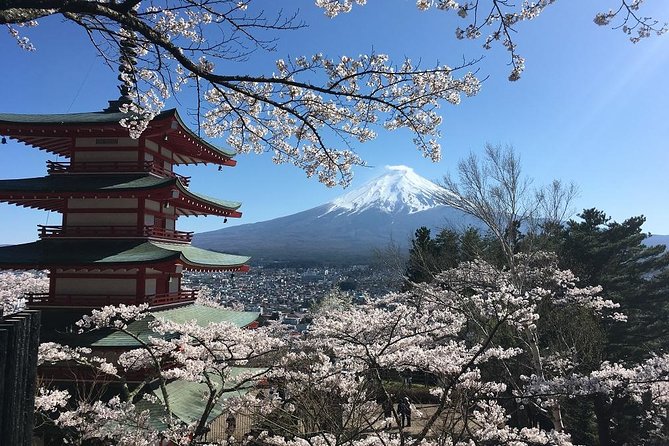
The day often begins with the shrine and park area at Arakurayama. Arakura Fuji Sengen Shrine is the kind of place where you quickly understand why Mt Fuji is a World Heritage icon. There are views framed around the shrine’s symbolism and Mt Fuji itself, and the tour is built to help you catch the look that photographers chase.
Then you jump through the same visual world again from slightly different angles. The Chureito Pagoda stop is short, but it is designed for the one photo that people come here for. After that, Arakurayama Sengen Park is where you get time to linger and take a few more shots as your eyes adjust to the angles.
Here is the practical tip: do not treat these as three totally separate stops. Think of them as one viewing zone with multiple “framing options.” Your guide’s timing can help, especially when crowds thin out or when the mountain shape becomes more defined.
One more smart add-on here is the Mt Fuji World Heritage Center. It is a video-and-learning break that does not eat your whole day, and it helps you understand the rituals and regional context behind what you are seeing.
Kawaguchiko shrine, Oishi parks, and the Fuji foods you will actually remember
After the shrine-and-pagoda zone, the tour typically heads into the Kawaguchiko side with more gardens and local stops.
Kitaguchi Hongu Fuji Sengen Jinja Shrine is described as a main shrine in the northern Mt Fuji region and also tied to the first step of the mountain ascent. This is a good counterpoint to the more “tourist-facing” pagoda shots, because it connects the story of Mt Fuji to religious practice.
Then you get a softer, slower phase: Fuji Oishi Hana Terrace and Oishi Park. Hana Terrace is a shopping-and-break stop with local crafts and seasonal treats. The tour specifically notes ice cream and sorbet made with local fruits, which is exactly the kind of stop that can turn a long day into something pleasant, not just crowded viewpoints.
Oishi Park is about seasonal flowers, with lavender called out as a highlight. If you care about seeing the region at its best, these are the places where the season does the work for you. In spring or summer, the garden timing matters a lot, so the guide’s ability to sequence stops efficiently can be a quiet advantage.
A few more Tokyo days worth comparing
- 1-Day Tokyo Bus Tour
★ 5.0 · 14,250 reviews - Tokyo: TOKYO SKYTREE® Admission ticket
★ 4.5 · 11,192 reviews - Tokyo: teamLab Planets TOKYO Digital Art Museum Entry Ticket
★ 4.6 · 9,779 reviews - Tokyo: Sumo Show Experience with Chicken Hot Pot and a Photo
★ 4.8 · 6,678 reviews
Old village scenes, Oshino Hakkai ponds, and the easy walking you can handle
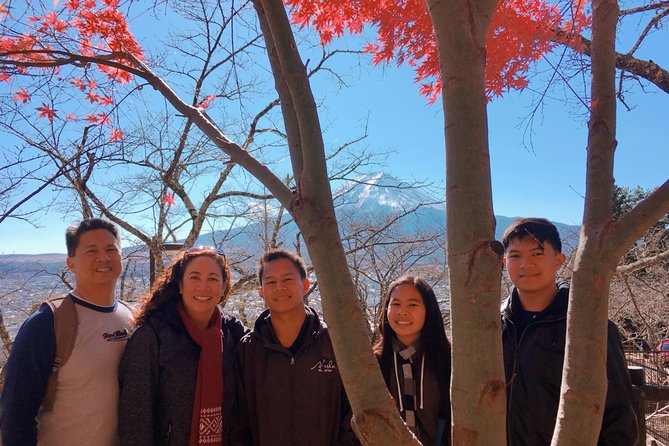
One of the most memorable stops on many Fuji days is Saiko Iyashi no Sato Nemba. This is a village-style area with traditional straw-roof houses and Mt Fuji in the background, plus crafts and local artists. You can also reserve rentals like kimonos and samurai armor, if that fits your day. Even if you skip rentals, it is a strong change of scenery from pagoda views.
Next is Oshino Hakkai, known for eight ponds formed from snowmelt water of Mt Fuji. The tour frames this as part of the Fujisan Cultural Site, which is helpful context. This stop also tends to include street food and shopping, so it can be a low-effort way to grab snacks while still experiencing something “place-based,” not just a souvenir shelf.
If you are traveling with kids or you simply want something playful, the itinerary lists Oshino Shinobi no Sato, a ninja show with costume rentals available. This is not a must for everyone, but it is one of those stops that can reset the energy of the group in the middle of a long day.
And then there is Ide Sake Brewery. This one gets extra value because it is specific: it is the only sake brewery in Lake Kawaguchiko city using Mt Fuji snowmelt water. The tour mentions sake tasting and a guided visit every day from 3 pm by reservation. If you like local drinks, you can treat this as your “adult souvenir,” not just another bottle.
Aokigahara caves and Mt Fuji ropeway, when you want more than photos
If your group likes variety, the tour’s Aokigahara forest options are a big draw. Three cave choices are listed: Narusawa Ice Cave, Fugaku Wind Cave, and Saiko Bat Cave. Each one is a short adventure stop, and they can break up a day that otherwise runs on viewpoints and lakeside walks.
You also get Mt Fuji Panoramic Ropeway near Lake Kawaguchiko, with a short ride to a high viewpoint. The tour says you are at 1,075 m above sea level, with views over Mt Fuji, Lake Kawaguchi, and Fuji Yoshida city. The practical benefit is simple: it gives you a change in elevation without turning your day into a big hike.
The drawback? Ropeways and caves can add to your time commitment. If you choose too many “active” stops, you can end up tired later. This is where customizing your stop count, typically around 4 to 6 sites, becomes a sanity saver.
The 5th station reality, toll fee, and seasonal closures
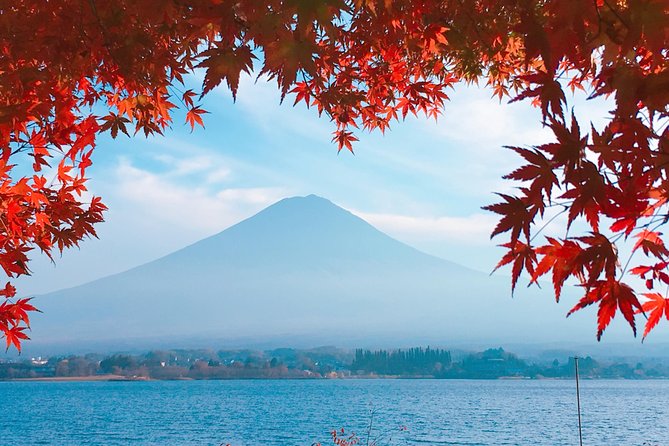
If Mt Fuji is your main obsession, the tour includes an option to go to the 5th station. The notes are important.
Access is described as the closest point you can go up with a car, at about 2,300 m. To reach it, you need to pay a toll fee of 2,100 yen on the spot. Also, the tour states that the 5th station is closed from July to mid-September due to the climbing season, and it is closed in winter.
So here is the practical move: if you are traveling in those months, do not build your day around the 5th station being guaranteed. Build your plan around viewpoints you can still enjoy even if the top route is unavailable.
Hakone highlights: ropeway, Owaku-dani volcano, shrine torii, and Lake Ashi cruise
If you choose the Hakone direction, you are signing up for different kinds of drama.
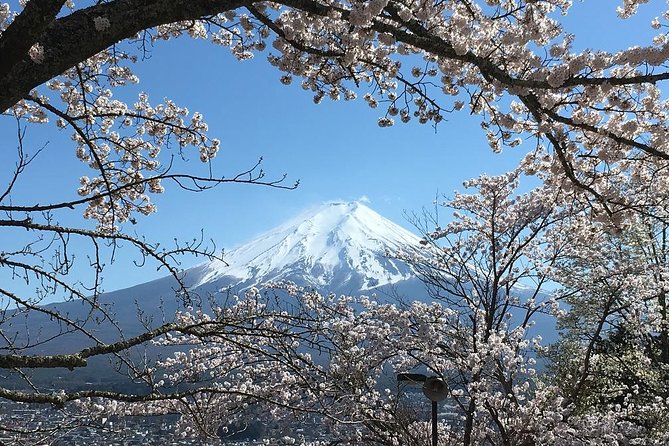
Hakone Ropeway is listed as one of the best viewing points of Mt Fuji in the Hakone area. It also helps you get aerial views quickly, without committing to a long hike. Then there is Owaku-dani Valley, where you can see volcanic activity and try the famous black eggs associated with the valley. The tour also notes that you can get a view of Mt Fuji on a clear day.
Next is Hakone Shrine / Kuzuryu Shrine Singu, which the tour calls powerful and built about 1,260 years ago. The famous torii gate style look is specifically mentioned, and the stop time is designed for a calm visit and photos.
You can also add the Hakone Open-Air Museum for sculpture in an outdoor space. Photos are allowed, and it is an easy way to balance the volcanic sights with art.
The core “Hakone feeling” stop is usually Lake Ashi via cruise. The tour explicitly mentions sightseeing cruises, including a pirate-ship option for those who want the fun look, and a regular cruise option if you want to avoid crowds. Either way, the lake is the setting that makes Hakone feel like a different world from Tokyo.
Odawara castles, Edo-era checkpoints, and parks with Mt Fuji views
Hakone days can stretch beyond the lake and volcanic zone. The tour includes Odawara Castle, described as the nearest castle from Tokyo and connected to samurai and ninjas from Japan’s warring state period. The tour also mentions a museum where real samurai armors and swords can be seen, which is useful if you want something tangible and history-flavored without a long museum slog.
Another Edo-era stop is Hakone Sekisho and the Hakone Sekisho Museum. This focuses on the duty of samurai during the Tokugawa Shogunate. It is shorter in time, but it adds context that many people miss when they only experience Hakone as scenery.
If you like gardens and scenic walks, the tour includes Onshi Hakone Park, a former imperial garden area with seasonal cherry blossoms and red maples, plus a Mt Fuji view on a clear day. Even if the mountain is shy, the garden visit can still feel worthwhile because it gives your day a slower pace.
For a different kind of “view over the region,” Mishima Skywalk is listed, a suspended pedestrian bridge where a Mt Fuji view is expected on clear days.
Art museums and seasonal add-ons: how to build a day that fits you
This tour’s power is not just the big-name spots. It is the menu of add-ons that can match your interests.
If your group likes traditional craft and design, the tour lists Itchiku Kubota Art Museum for rare kimonos and unique architecture by the same artist. If you have fashion or design interests, this can be a strong mid-day choice when the light is flat for outdoor photos.
If you want something playful and family-friendly, there is Yamanakako no Kaba Amphibious Bus. The name alone tells you it is an experience, not just a stop.
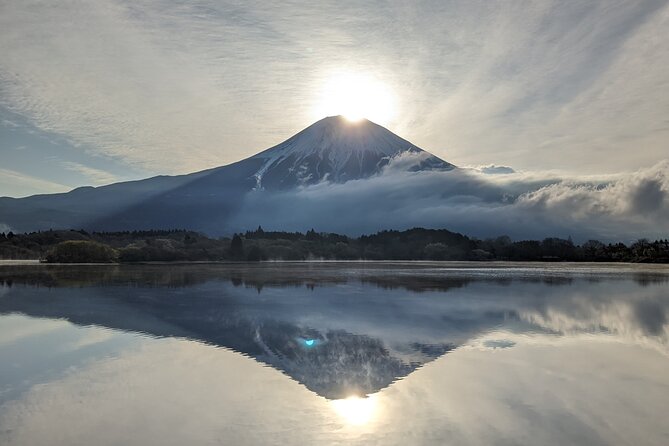
If you want something more unusual, there is a Yamanashi Gem Museum with a collection of gems, plus a Yamanakako Hananomiyako Park for seasonal flowers. The tour also calls out Diamond Fuji in winter, plus large seasonal gardens from spring to fall.
Seasonal “only in this season” options are explicitly listed: shibazakura moss phlox from mid-April to end of May at Fuji Motosu, snow and ski options on Mt Fuji for an easy beginner course, and multiple fruit experiences in Yamanashi. The fruit section mentions strawberries, cherries, peaches, grapes, and shine muscat, and says reservation is needed for fruit sampling. It also lists an all-you-can-eat 30-minute sweet Japanese strawberries option, plus winery visits where you can ask about tasting.
If you pick too many seasonal activities, you can lose time to waiting or changing plans. That is why the tour’s approach to choosing around 4 to 6 sites is such a good match for real life.
Price and logistics, what $1,286.89 per group is really buying
The price is $1,286.89 per group, up to 8 people. That matters because it turns your cost into something that scales with who you bring, not something that punishes families. Since hotel pickup and drop-off are included, and you get a round-trip private ride plus a private guide, you are paying for time and coordination.
The included items listed are straightforward: hotel pickup/drop-off, round-trip private transportation by air-conditioned minivan, one bottled water per person, and a private guide (with multiple language options). The tour also uses a mobile ticket.
What is not included is equally important for budget planning. Entrance fees for sites like museums and anything related to activities are not included. Food and drinks and lunch are not included either. Gratuity is on you, and Mt Fuji 5th station is treated separately due to toll requirements.
Here is my take on value: if you want a Fuji day that feels like it was built around your group, not around a preset bus schedule, private transportation and a guide can be worth it. If you are traveling alone or just two people and you already know how to DIY routes well, you might find cheaper options. But for families of four to eight, this format often makes the most sense.
Also, the tour notes it is usually booked about 62 days in advance on average. That is a hint that demand is real, especially for the best weather windows.
Booking, weather, and how the guide saves your day
Mt Fuji days come down to weather. This tour states that it will not be cancelled or refunded even if spots are not fully visible due to weather conditions. However, the schedule can change due to weather or traffic.
That is a reality check, but it also points to what to look for on the day: flexibility from your guide and smart sequencing. The guides highlighted in feedback include people like Ken, Reiko, Hiroko, Taiji, Bob, Tomomi, and others, with professional drivers such as Toshi, Tak, Kelly, and Taco named in the experience stories. The consistent theme is that the guide keeps the plan moving and tries to adjust based on what the day gives you.
So when should you go? If you want the best chance of a clear view, plan for a day with better weather, and accept that you might not see the summit view every time. Even in cloudier weather, the tour is designed so you can still experience the region through shrines, caves, lakes, and local stops.
Should you book this Mt Fuji and Hakone private car tour?
Book it if you want a private, flexible day built around Mt Fuji angles and supporting experiences, and you have enough people in your group to make the group price feel fair. It is especially a good fit for families, multigenerational trips, or anyone who hates transit stress and wants a guide to keep things moving.
Skip or reconsider if your trip dates fall in the 5th station closure window and you are only interested in that one specific objective. Also think twice if you prefer a very slow, unstructured travel style. This is a full-day outing, and even when customizable, it is still a lot packed into 10 to 11 hours.
If your goal is a high-impact Fuji day with real cultural stops, practical logistics, and options that go beyond the obvious, this private car setup is a strong choice.
Fresh options around Tokyo
- Tokyo: Nagano Snow Monkeys and Zenkoji Tour with Temples★ 4.9 · 19 reviews
- Yokohama Port: Private Customizable Tour with Transfer★ 5.0 · 19 reviews
- Sushi Making with Interactive Samurai Experience at JIN-ASAKUSA★ 5.0 · 19 reviews
- Explore Unique Tokyo Streets / Learn with a Pro Photographer★ 5.0 · 19 reviews
- DAIKOKU excursion by car DRIFT automobile encounter★ 4.5 · 19 reviews
- Official Street Go Kart Tour Akihabara 2nd★ 5.0 · 19 reviews
- Cosplay Experience with Professional Makeup and Photo Shoot!★ 5.0 · 19 reviews
- Tokyo: Name Seal & Pouch or Tote Bag Making Experience★ 4.5 · 19 reviews
Private Car with Driver, compared.
Tokyo Private Sightseeing Tour by Car- English speaking chauffeur
Read our review →
Tokyo Private Tour by Vehicle with English-Speaking Chauffeur
Read our review →Mt FUJI Day Tour with Private Car and English Speaking Guide
Read our review →
Kyoto Private Car Tour – Full Day with Local Guide & Nara Option
Read our review →
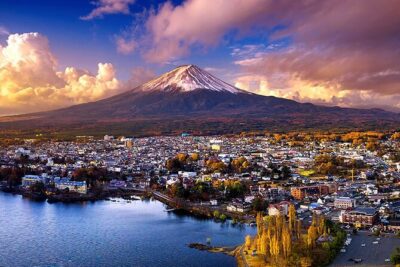
Mt Fuji Exclusive Tour with Private Car English Guide
Read our review →
Tokyo Private Customizable Tour with English Speaking Chauffeur
Read our review →
Tokyo City Tour by Private Car & English guide
Read our review →Browse the lists this tour appears in