

Amidst the dynamic urban sprawl of Yokohama City, the intricacies of seamless travel between Tokyo/HND Airport beckon attention.
How does this pivotal link cater to the discerning traveler, navigating the pulse of these vibrant locales? With a blend of efficiency and comfort, the transfer service’s intricate web extends beyond mere transportation, promising a fusion of convenience and reliability.
But what lies beneath the surface of this seemingly routine journey, and how does it elevate the traveler’s experience to new heights?
Just The Basics
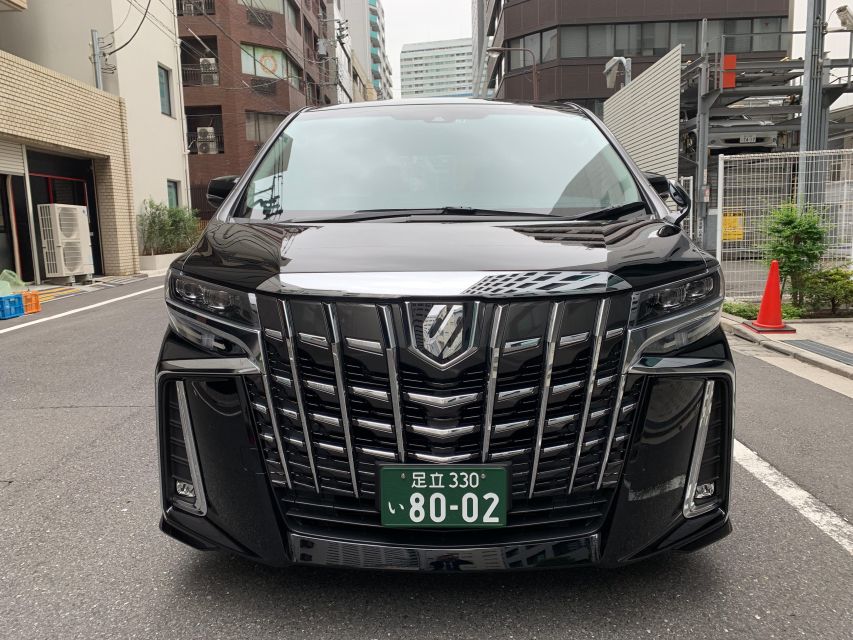
- Efficient one-hour transfer duration from Yokohama City to Tokyo/HND Airport
- Multilingual drivers for clear communication in Chinese, English, and Japanese
- Hassle-free booking with free cancellation up to 24 hours in advance
- Personalized service with comfortable vehicles, insurance, and professional assistance
Here's some other great tours and experiences nearby we think you'll like.
Transfer Duration and Multilingual Drivers
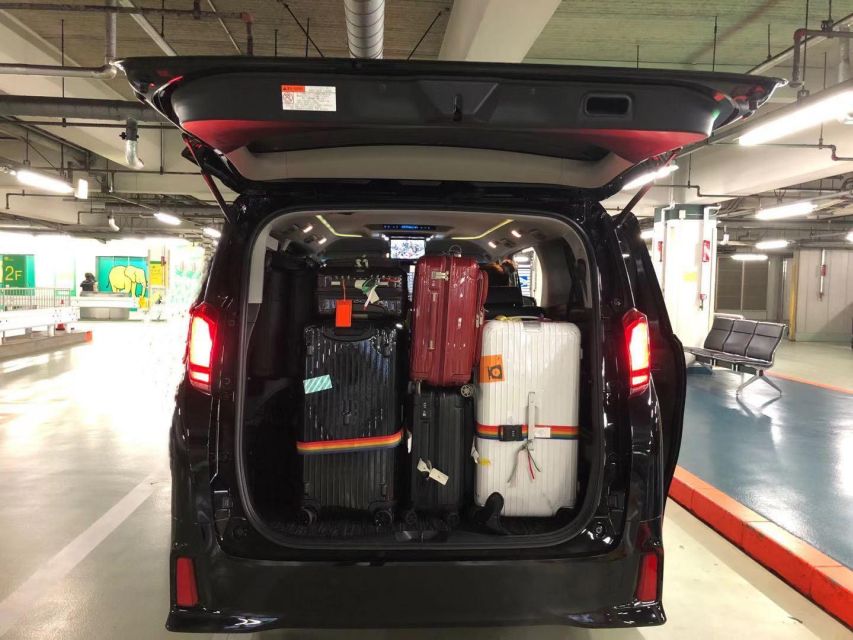
The efficiency of the transfer service from Yokohama City to Tokyo/HND Airport is highlighted by its one-hour duration and the proficiency of its multilingual drivers in Chinese, English, and Japanese. This quick travel duration ensures a seamless journey for passengers, allowing them to reach their destination promptly.
The multilingual assistance provided by the drivers further enhances the overall experience, catering to a diverse range of travelers. By being able to communicate in multiple languages, the drivers can effectively assist passengers throughout the journey, ensuring clear and concise interactions.
This language proficiency not only facilitates smooth communication but also adds a personalized touch to the service, making travelers feel more comfortable and well-cared for during their transfer.
Pickup and Meet and Greet Service
Efficiently bridging the gap between the transfer duration and the multilingual drivers, the Pickup and Meet and Greet Service enhances the overall travel experience for passengers moving between Yokohama City and Tokyo/HND Airport.
When utilizing this service, passengers can expect the following benefits:
- Clear pickup instructions provided for seamless coordination
- Arrival assistance for a stress-free transition
- Personalized meet and greet services to ensure a warm welcome
Service Highlights and Vehicle Comfort
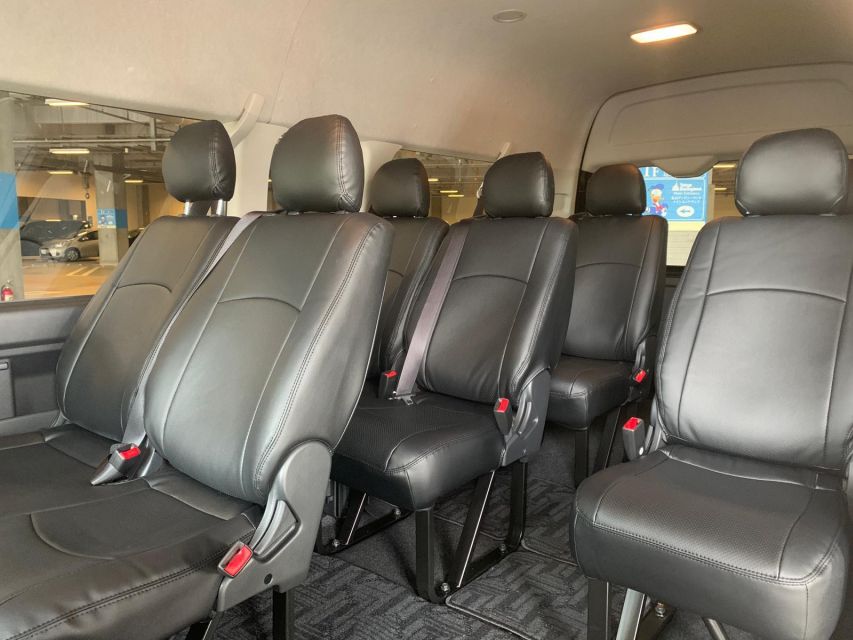
With a focus on ensuring a seamless and comfortable journey, this transfer service offers travelers hassle-free transportation between Yokohama City and Tokyo/HND Airport, utilizing government-registered vehicles equipped with high-value insurance.
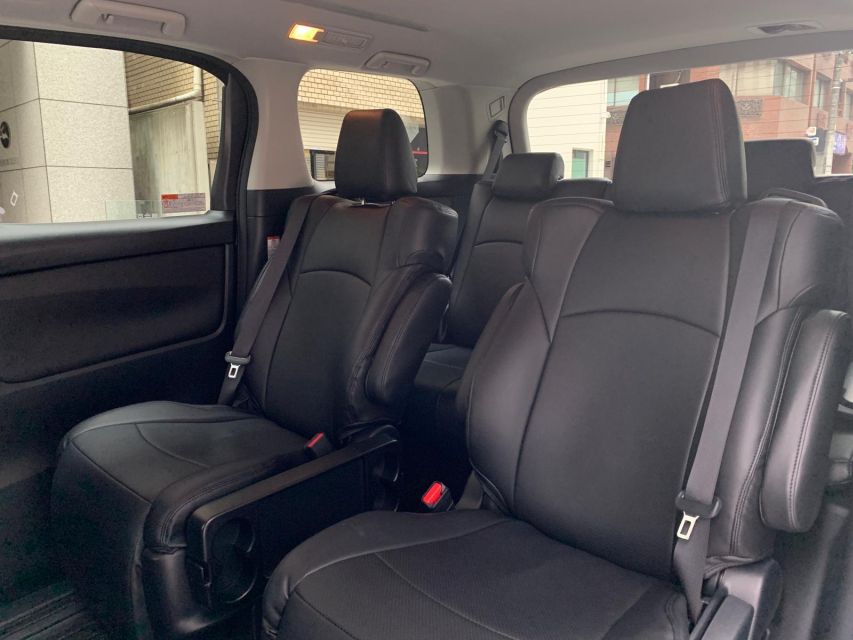
The vehicles boast a range of amenities aimed at enhancing the passenger experience, such as comfortable seating, air conditioning, and ample luggage space. These features contribute to the overall transfer efficiency by providing a relaxing environment for travelers during the approximately 1-hour journey.
Plus, the professional drivers proficient in multiple languages ensure clear communication and assistance throughout the trip. By prioritizing vehicle comfort and service quality, this transfer service aims to meet the needs of passengers seeking a convenient and reliable transportation option between Yokohama City and Tokyo/HND Airport.
Booking Flexibility and Cancellation Policy
Prioritizing passenger convenience and peace of mind, the booking flexibility and cancellation policy for this transfer service offer travelers the freedom to plan their journey with confidence and ease.
When considering booking with this service, passengers can benefit from the following:
- Refund Policy: Enjoy free cancellation up to 24 hours in advance, providing flexibility for changing plans.
- Reservation Process: Reserve now and pay later, making it convenient to secure your booking without immediate payment.
- Availability Check: Easily verify different starting times, ensuring options that suit your schedule.
This straightforward policy allows passengers to make reservations with peace of mind, knowing they’ve the flexibility to adjust or cancel their plans if needed.
Additional Services Offered
Enhancing the travel experience, the transfer service offers a range of additional services designed for passenger comfort and convenience. Private group transfers cater to those seeking personalized experiences, ensuring a more intimate and tailored journey.
By providing vehicles that are wheelchair accessible, the service ensures inclusivity for all passengers. Professional drivers proficient in multiple languages enhance communication and ease of travel.
Assistance with luggage handling and meet and greet services further streamline the passenger experience. The secure and reliable transfer service, coupled with high-value insurance, offers peace of mind throughout the journey.
These additional services aim to elevate the overall transfer experience, making it not just a means of transportation but a part of the travel adventure itself.
Wheelchair Accessibility and Luggage Assistance
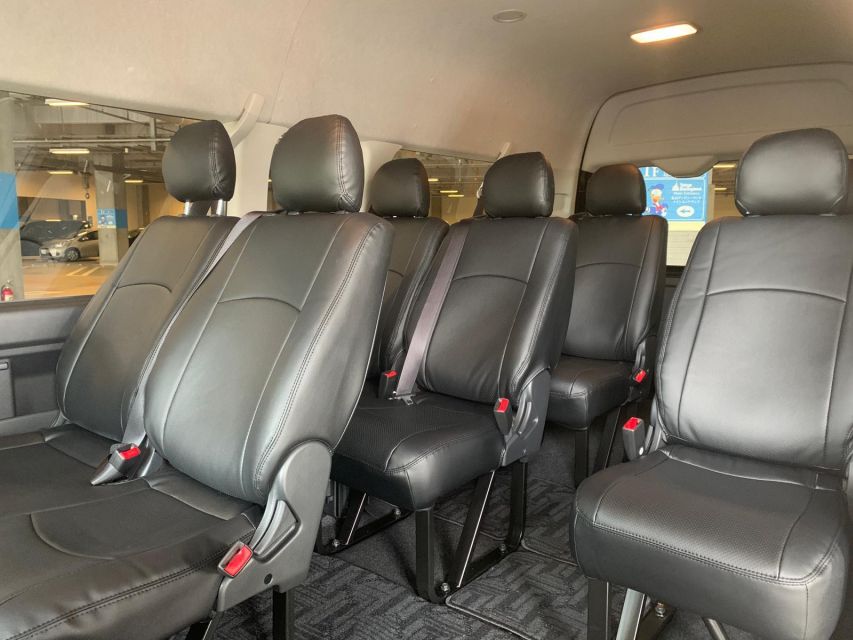
Elevating the inclusivity and convenience of the transfer service, passengers can expect seamless wheelchair accessibility and expert assistance with luggage handling throughout their journey.
- Wheelchair accessible vehicles ensure all passengers can travel comfortably.
- Professional staff provide adept luggage assistance, easing the burden of travel.
- The service prioritizes passenger comfort and convenience, offering a stress-free journey from start to finish.
This focus on wheelchair accessibility and luggage assistance not only enhances the overall travel experience but also demonstrates a commitment to meeting the diverse needs of passengers. By providing these essential services, the transfer service ensures that all travelers, regardless of their mobility requirements, can enjoy a smooth and efficient journey between Yokohama City and Tokyo/HND Airport.
Convenient Booking Options and Language Support
With a user-friendly online booking system and multilingual customer support, travelers can effortlessly secure their transfer service and communicate effectively in English and Chinese throughout their journey. Language assistance plays a crucial role in ensuring smooth communication between passengers and drivers, enhancing the overall travel experience.
The convenience of booking options, such as booking now and paying later, along with a flexible cancellation policy of up to 24 hours in advance, offers flexibility and peace of mind to travelers. By providing English and Chinese language support, the transfer service caters to a diverse range of passengers, making it easier for them to convey their needs and preferences.
This focus on booking convenience and language assistance contributes to a seamless and enjoyable transfer experience.
Frequently Asked Questions
Are Child Seats Available for Use During the Transfer Service?
Child safety and travel comfort are a priority with available child seats during the transfer service. Providing peace of mind for families, this amenity enhances the overall experience, ensuring a safe and enjoyable journey for young passengers.
Can the Driver Assist With Recommendations or Tips for Sightseeing in Yokohama and Tokyo?
The driver can provide valuable insights on local cuisine recommendations and hidden gems in Yokohama and Tokyo. They may also offer cultural etiquette and language tips to enhance the sightseeing experience, making the trip more immersive and enriching.
Is There a Limit to the Number of Passengers That Can Be Accommodated in the Vehicle for the Transfer Service?
The passenger capacity of the vehicles for the transfer service varies, accommodating groups of different sizes. Ensuring child safety is a priority, with options for child seats available upon request. Comfort and safety are top priorities for all passengers.
Are There Any Additional Fees or Charges for Oversized Luggage or Special Equipment Transportation?
When it comes to luggage restrictions, there may be additional charges for oversized items or special equipment transportation. Travelers should inquire about specific fees beforehand to ensure a smooth transfer experience.
Can the Transfer Service Accommodate Pets or Service Animals?
The transfer service can accommodate pets and provide assistance for service animals. With professional drivers proficient in multiple languages, they ensure a comfortable journey with pet accommodations and service animal assistance as needed.
Final Words
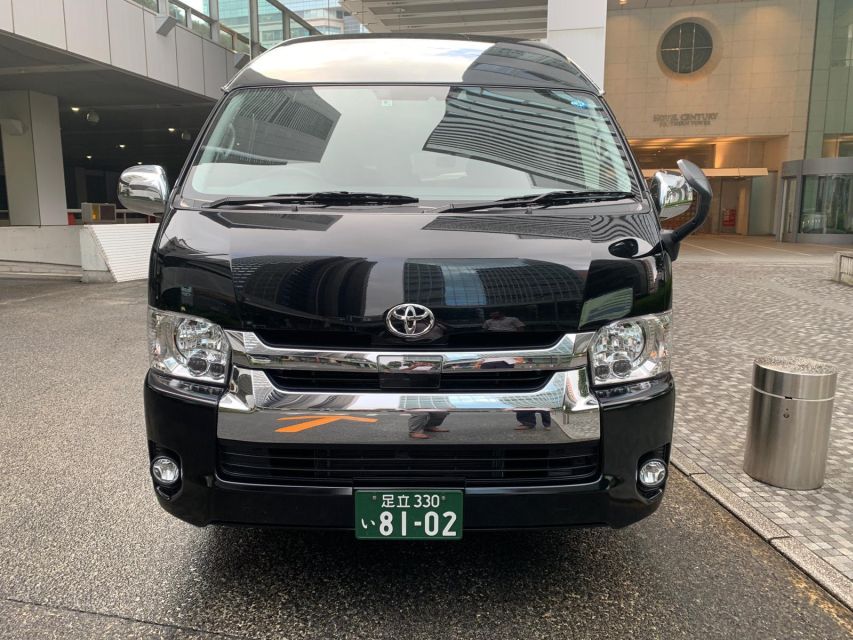
To sum it up, the Yokohama City transfer service offers a seamless and stress-free journey between Tokyo/HND Airport, catering to the needs of travelers with its efficient and multilingual drivers, convenient pickup arrangements, and comfortable vehicles.
With a focus on safety and reliability, passengers can enjoy a hassle-free experience from start to finish.
Whether it’s for business or leisure, this government-registered service provides a convenient and reliable transportation option for all travelers.