
Reviewed · 1-DAY TOURS
Tokyo Private Day Trip – Enjoy Your First-Time Visit to Tokyo!
Tokyo can feel like a puzzle at first.
This private day trip strings together the big ideas of the city into one walkable, train-friendly route. You get an English-speaking guide and a plan that hits both old-school Tokyo and modern landmarks, including Meiji Jingu, Tsukiji area food time, Tokyo Tower, and Senso-ji in Asakusa.
I especially like how the day starts with Meiji Jingu calm, then pivots into trendy streets like Takeshita Street and Omotesando without wasting time. And I like that the guide helps you make sense of Tokyo’s public transport rhythm, so you spend less energy guessing and more energy seeing.
The trade-off is real: it is a long walking day and you should expect pay-as-you-go costs (transit, lunches, and some admissions like Tokyo Tower). If you want zero walking and everything pre-paid, this might feel like too much.
Key highlights worth knowing before you go
- A first-time friendly route that connects Meiji Jingu, Harajuku/Omotesando, Tsukiji, Tokyo Tower, and Asakusa in one day
- Private pacing with an English guide, including help using public transport
- Tsukiji Fish Market area time even though the wholesale market moved, the neighborhood still matters
- One iconic skyline stop at Tokyo Tower, with the reminder that admission is not included
- Asakusa’s Senso-ji as the payoff, with red lantern vibes and classic souvenir browsing
- Customizable option available if you contact your guide two weeks ahead
Tokyo Tower to Senso-ji in one day, with trains doing the heavy lifting
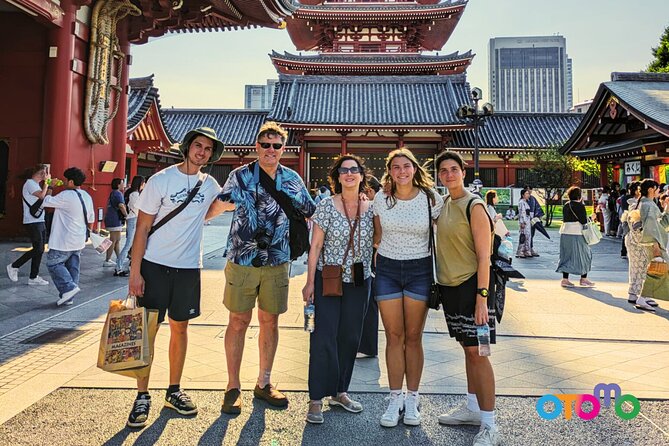
This tour is built for the first few hours of Tokyo panic, when you feel like everything is far apart and nothing makes sense. The structure is simple: meet near Harajuku, start with a major shrine, swing through shopping streets, then head to the Tsukiji area for food energy, finish with Tokyo Tower, and wrap up at Asakusa’s Senso-ji.
What makes this approach practical is the use of public transportation rather than a string of taxis. You’ll still spend time walking between stations and sights, but the guide’s job is to keep the day moving and help you understand the flow. In multiple guide stories from past groups, people specifically praised how guides explained the rail and subway system in plain terms, which is exactly what you want on day one.
Another smart value angle: this is a private tour. That means you are not stuck with a pace that works for strangers. It’s easier to ask, to pause for photos, and to adjust when the city does what it always does, crowds included.
A few more Tokyo days worth comparing
- Mt Fuji and Hakone 1-Day Bus Tour Return by Bullet Train
★ 5.0 · 26,383 reviews - 1-Day Tokyo Bus Tour
★ 5.0 · 14,250 reviews - Tokyo: TOKYO SKYTREE® Admission ticket
★ 4.5 · 11,192 reviews
Meiji Jingu Shrine: the quiet reset before Tokyo gets loud
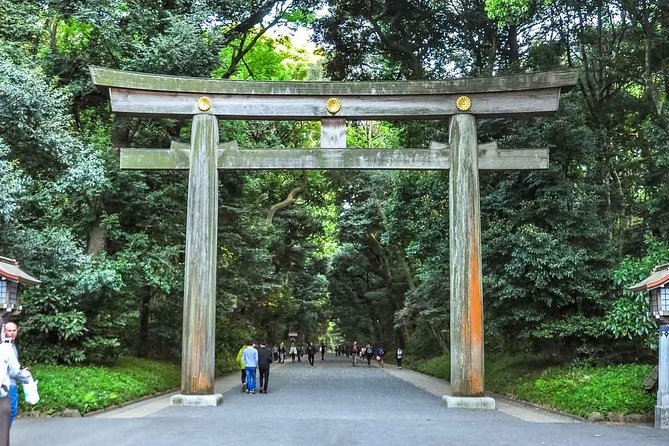
Meiji Jingu Shrine is the kind of stop that makes the rest of Tokyo feel more meaningful. The setting is greenery and calm right in the middle of the city, and the shrine draws huge numbers of worshippers. The timing you get here is about 50 minutes, which is enough to enter, walk the main grounds, and still keep momentum.
Why I like using Meiji Jingu as the first big stop is simple: it gives you a cultural anchor. You start your day with a place that’s about ritual, not just sightseeing. And that matters because the rest of your route includes neighborhoods known for fashion and food, not temples.
Possible drawback: this is a popular site. Even with a guided plan, expect crowds around the entry areas and paths. If you are sensitive to crowds, bring patience and use the walking time to slowly find your rhythm.
Takeshita Street and Omotesando: youth fashion meets polished street style
After the shrine, the energy flips. Takeshita Street is famous for youth culture and colorful fashion. Right nearby, Omotesando brings a more design-forward shopping feel. On this tour, you spend about 50 minutes here, and that timeframe is perfect for seeing the vibe without getting trapped in endless side streets.
This stop is not about buying. It’s about learning Tokyo through contrasts. You’ll notice how style is part of everyday identity, how crowds move in waves, and how storefronts shape the street experience. If shopping is your thing, this is where you’ll feel it most.
Two practical notes:
- Wear shoes you can handle. This is a “move, look, move again” kind of area.
- If you plan to buy something specific, build extra time outside the tour window. The guide can point the way, but you do not want to miss the rest of the day chasing one store.
Tsukiji Fish Market area: the food stop that still hits, even after the move
Tsukiji Fish Market used to be the giant wholesale engine between 1935 and 1983, and it later closed as the wholesale market in 2018, moving to Toyosu. The key point for you: the old Tsukiji area still has local appreciation, and it remains a major food destination.
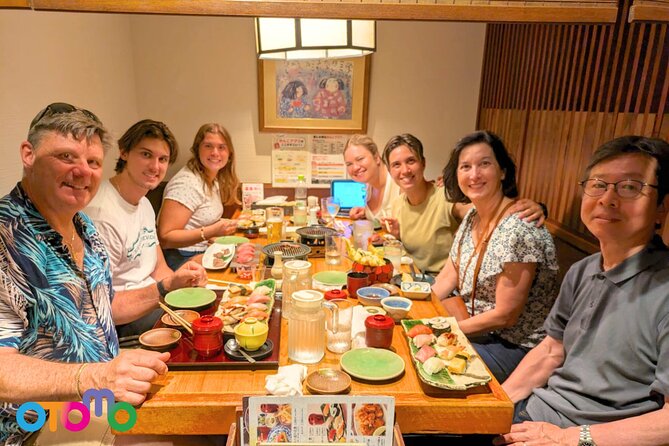
You get about 1 hour 30 minutes here. That is a good amount of time for eating, wandering, and understanding the neighborhood. Even if you came for seafood, consider what this area teaches: how Tokyo turns tradition into daily life. You’ll see the fish market legacy in food stalls, counters, and the way people treat meals like a serious event.
Lunch is part of this experience, but not as a fixed “one restaurant for everyone.” The tour notes that many stores around Tsukiji Market are closed on Wednesdays, Sundays, and public holidays, so your guide will steer you to places that are open or suggest alternatives close by, like Ginza or Tsukishima.
Practical food tip: some spots only accept cash. Also, the tour recommends wearing a mask at Tsukiji Market, so if you want to follow that advice, pack one.
Same corner of Japan, a different kind of day:
- Tokyo: teamLab Planets TOKYO Digital Art Museum Entry Ticket
★ 4.6 · 9,779 reviews - Mt Fuji & Hakone Cruise, Drum Show Bullet Train 1 Day from Tokyo
★ 4.0 · 7,413 reviews - Tokyo: Sumo Show Experience with Chicken Hot Pot and a Photo
★ 4.8 · 6,678 reviews - Tokyo: Shinjuku Food Tour (13 Dishes at 4 Local Eateries)
★ 5.0 · 6,603 reviews
Tokyo Tower: skyline icon time, with admission likely on you
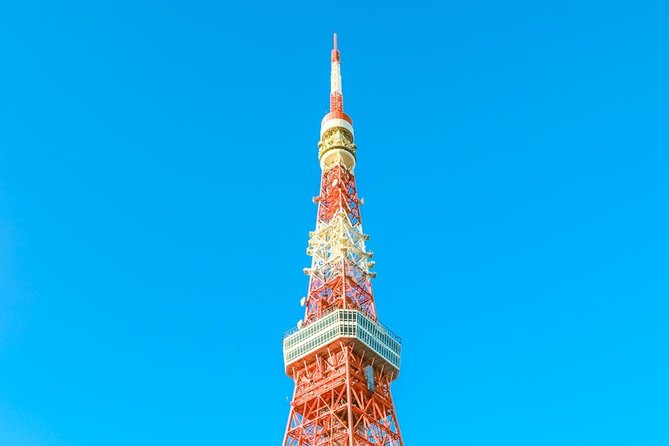
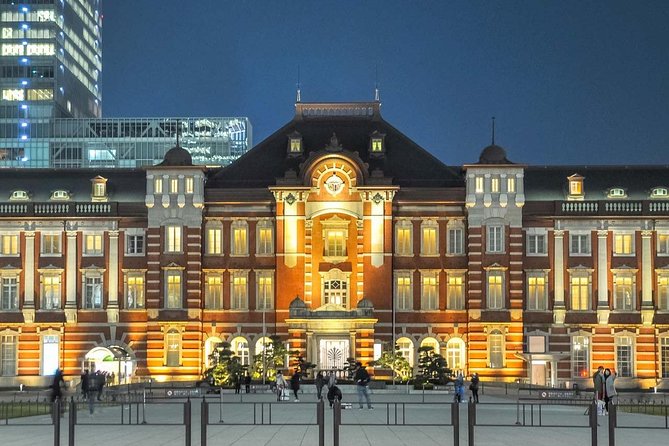
Tokyo Tower is Tokyo’s symbol, built in 1958. Even with taller modern buildings in the mix, it still feels like an unmistakable landmark in the city’s visual lineup. On this tour, you spend around 45 minutes there.
One important cost reality: Tokyo Tower admission is listed as not included. That means you can treat this stop as either:
- exterior photos and nearby viewpoints, or
- a paid ticket for the views, if you want the full experience.
If you care most about the skyline, decide early whether you want to pay for the tower entry. If you only need the landmark look and some quick views, you can keep the budget tighter and still enjoy the stop.
Also, this is another popular photo target, so plan for crowds and queue lines. Your guide’s job will be to keep you moving between the best angles and the right routes.
Senso-ji in Asakusa: the red lantern finale that feels like old Tokyo
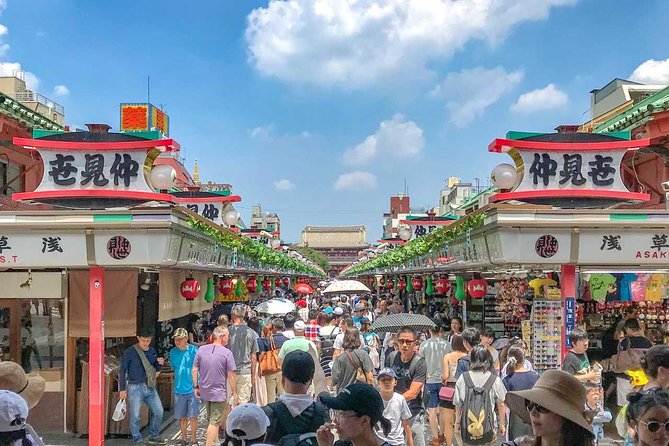
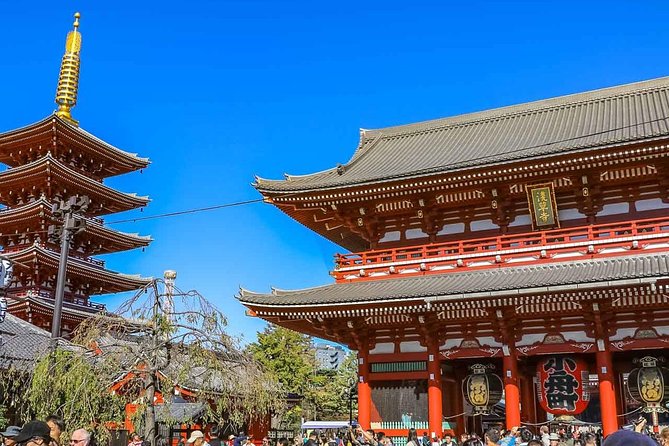
Asakusa’s Senso-ji is Tokyo’s oldest temple, known for the big red lanterns that became a symbol of the area. You’ll get about 45 minutes, and the vibe is unmistakable. This is where you feel like Tokyo has a “classic mode,” with temple architecture and a street scene built for lingering.
The tour timing works well as a finish because you can relax into the last stop. You’ll have time to walk the approach, take photos, and browse simple souvenirs around the temple area.
Even if you already know the temple from photos, the scale on the ground is different. The red buildings and lanterns are the kind of visuals you remember later, because they are so specific to Tokyo.
Lunch, closures, and costs: how to avoid the day going sideways
Lunch is a big part of why this itinerary works. It gives you a chance to eat during the Tsukiji area time, instead of turning lunch into a separate headache.
But you should go in with the right expectations. The tour does not include lunch in the price, and it also notes some Tsukiji neighborhood stores close on Wednesdays, Sundays, and public holidays. Your guide’s solution is simple: guide you to restaurants that are open, or route you toward nearby alternatives such as Ginza or Tsukishima.
You’ll also likely deal with other “small cost” moments:
- Transportation fees are not included.
- Entrance fees are not included.
- “Other personal expenses” are on you.
This is not a deal breaker. It’s just the reality of a private, public-transport day. The value is that your guide helps you navigate the city efficiently, so your paid time focuses on eating and seeing, not on figuring out logistics.
The private guide factor: what the best guides do differently
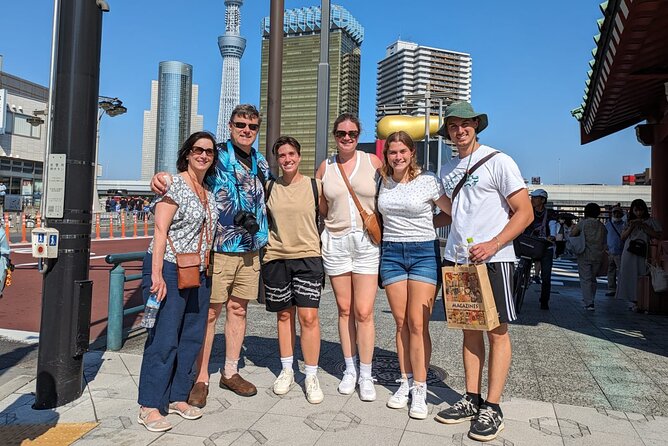
The biggest reason this tour earns a very high recommendation rate is the guide experience. You can see it in the pattern of feedback tied to names like Murayama-san, Yutaka, Ken, Usha, Tatsu, and Ogawa Masazumi.
Across those stories, the common theme is clarity and confidence:
- meeting you quickly and making you feel settled (Murayama-san is praised for holding a sign and being there right after subway exit)
- explaining transit in a way that actually reduces stress (people specifically mention learning the rail system)
- customizing to interests, like more shopping when that’s the priority (one review style called out tailoring shopping needs)
- keeping the day flowing while still giving context about what you are seeing (the better guides add short, useful history and cultural notes, not just pointing)
There’s also flexibility praise, even when the day is long. One highlighted guide extended time and built in extra landmark time. Another made changes for rainy weather while still protecting the key experience.
That said, guidance quality can vary between individuals. If you want heavy context, look for the guide who clearly explains customs and history, not only what things look like. You do not need a lecture, but you do need a human thread that connects the stops.
Practical tips I’d follow on this exact route
Here are the “don’t overthink it” rules that match the tour guidance:
- Wear sneakers. There is a lot of walking. This is not a gentle stroller day.
- Bring cash. Some places only take cash, and Tsukiji can be one of those situations.
- Pack a mask if you plan to follow the Tsukiji recommendation.
- Keep expectations flexible on weather days. The tour notes that routes and destinations may change if conditions are bad.
- If you choose the customizable option, you have to contact your guide about two weeks in advance. If you do not respond, the day runs on the standard itinerary.
One more timing sanity check: several stops are in popular zones. Even with a guide, you should plan for normal crowd behavior. If you arrive with patience and a comfy pace, the day feels fun instead of frantic.
Who should book this Tokyo private day trip
I think this is a strong fit if:
- It’s your first time in Tokyo and you want a “greatest hits” map in one day.
- You like a mix of temples, neighborhoods, and food rather than only one theme.
- You want a guide to help with public transport navigation and practical local flow.
- You care about both modern Tokyo (Tokyo Tower) and older Tokyo feel (Meiji Jingu and Senso-ji).
It may not be the best choice if:
- You hate walking and prefer a fully seated, low-mobility plan.
- You expect the price to cover all admissions and transit, because it does not.
- You want a slow museum-style pace with deep stop-by-stop explanations every minute.
Should you book this Tokyo highlights private day trip?
If your goal is to get your bearings fast and see a lot of Tokyo without turning your trip into a logistics project, this day trip is worth strong consideration. The route makes sense for first-time visitors, and the private format helps you feel less lost while still packing in major sights.
I would book it when you:
- can handle a long walking day,
- are okay with pay-as-you-go costs like transit and Tokyo Tower admission,
- and want an English guide to connect the dots between places, especially at the shrine and temple stops.
If you want, I can also help you pick the best version for your needs. Tell me your travel dates and what matters most, temple time, shopping, food, or skyline views.
Fresh options around Tokyo
- Tokyo: Nagano Snow Monkeys and Zenkoji Tour with Temples★ 4.9 · 19 reviews
- Yokohama Port: Private Customizable Tour with Transfer★ 5.0 · 19 reviews
- Sushi Making with Interactive Samurai Experience at JIN-ASAKUSA★ 5.0 · 19 reviews
- Explore Unique Tokyo Streets / Learn with a Pro Photographer★ 5.0 · 19 reviews
- DAIKOKU excursion by car DRIFT automobile encounter★ 4.5 · 19 reviews
- Official Street Go Kart Tour Akihabara 2nd★ 5.0 · 19 reviews
- Cosplay Experience with Professional Makeup and Photo Shoot!★ 5.0 · 19 reviews
- Tokyo: Name Seal & Pouch or Tote Bag Making Experience★ 4.5 · 19 reviews
1-Day Tours, compared.
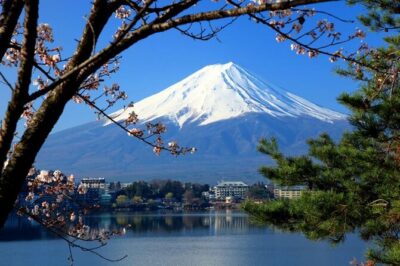
Mt Fuji and Hakone 1-Day Bus Tour Return by Bullet Train
Read our review →
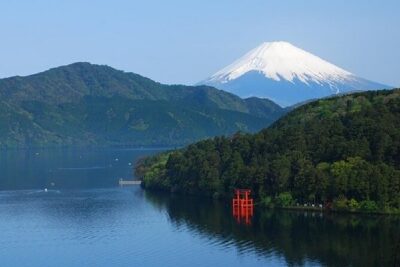
Mt Fuji & Hakone Cruise, Drum Show Bullet Train 1 Day from Tokyo
Read our review →
Peaceful Hiroshima & Miyajima UNESCO 1 Day Bus Tour
Read our review →
Fushimi Inari, Kinkakuji, Bamboo Grove 1 Day Bus Tour
Read our review →
Browse the lists this tour appears in