
Reviewed · COOKING CLASSES
Private Market Tour and Cooking Class with Kanae, a Sapporo Local
Food planning starts at the market, not the menu. This private half-day with Kanae pairs a local produce hunt with a home kitchen meal you actually help make, with lunch and local alcohol included. Two things I really like: you get real guide time, and you come away with practical cooking know-how tied to what’s in season. One thing to consider is that the tour depends on market days, and Kanae’s car has room for up to four guests, so groups of five or more will use a taxi.
You meet Kanae at Maruyama Koen Station at 9:00 am and spend about four hours on the whole experience. The format is simple and stress-free: you shop at the Sapporo Morning Market and the Jogai Market near Sapporo Central Wholesale Market, then head about 15 minutes to Kanae’s home to cook and eat. If you have dietary needs, she can work with you, including vegetarian and vegan options, but you should book with those details up front so the menu can be adjusted.
Key things to know before you cook with Kanae
- Private, small-group attention: this is set up for your group only, so you can ask questions while shopping and while cooking.
- Sapporo Morning Market plus Jogai Market: you’re not just tasting, you’re learning how locals pick seafood and produce.
- A real home kitchen setup: you cook at Kanae’s place, which makes the class feel hands-on instead of staged.
- Lunch and local alcohol included: you finish with the meal you helped prepare, plus one to two glasses of local alcohol.
- Menu changes by season: expect Hokkaido dishes that match what’s available, and you can request alternatives to a standard homestyle menu.
- Car capacity matters: up to four guests can ride with Kanae, and larger groups follow by taxi.
Why this Kanae market-and-cook combo is such a good fit for Sapporo
Sapporo is a food city, but it’s easy to miss the good stuff if you only stick to tourist stops. What I like about this experience is that it starts where the decisions happen, at the markets. You see ingredients at the source, then you cook them while the whole day is still fresh in your mind.
The second big win is the private pace. In a class with a bigger group, questions get lost. Here, you can ask about fish types, ingredient choices, or basic technique as you go, and your host can slow down or speed up depending on your comfort level. That matters, because cooking success is usually about small details, like how to prep an ingredient for a specific texture.
The other part I’d call out is the “no friction” format. You’re not arranging transport, you’re not hunting for ingredients later, and you’re not wondering what you’ll eat. Markets, cooking, lunch, and alcohol are bundled into one smooth half-day.
More market tours in Sapporo:
- Authentic Sapporo: Nijo Market Seafood Lunch & History Tour
★ 4.8 · 20 reviews - Tokyo Tsukiji Fish Market Food and Culture Walking Tour
★ 5.0 · 3,184 reviews - Tokyo: Tsukiji Fish Market Food and Walking tour
★ 5.0 · 1,724 reviews
Meeting at Maruyama Koen Station, and how the timing keeps it easy
The day starts at 9:00 am at Maruyama Koen Station (26 Chome-2 Odorinishi, Chuo Ward, Sapporo). From there, Kanae takes over, including the ride between the markets and her home.
The tour runs about four hours total. That’s an ideal length in Sapporo because it’s long enough to feel like a full experience, but not so long that you lose half your day to commuting. Also, starting at 9:00 am lines up with the morning energy of market shopping, when people are actively buying seafood and produce.
You also end back at the meeting point. That’s a small detail, but it helps you plan the rest of your day without stress.
One practical note for your planning: the Sapporo Morning Market is closed on Wednesdays and Sundays. If you’re visiting on one of those days, check your dates carefully so you don’t assume the same shopping stops will be available.
Sapporo Morning Market and Jogai Market: what you’ll notice (and what to ask)
This part is the “open your eyes” stage of the day. Kanae takes you through the Sapporo Morning Market and then to the Jogai Market next to the Sapporo Central Wholesale Market area. You’re meant to learn what matters to locals, not just walk past stalls.
Here’s what you should pay attention to during the market portion:
- How seafood looks and smells when it’s fresh
- Which cuts or preparations are common in Hokkaido
- How vegetables and herbs are grouped and selected
- What sellers emphasize, since that often hints at local cooking styles
You’ll also have a chance to purchase a few fresh ingredients to use in your cooking class. That’s a huge part of the value. When your ingredient starts in a stall, the cooking instructions feel more grounded, like you’re learning a local method rather than following a generic recipe.
A good strategy: ask Kanae what she personally looks for when shopping. Since she’s guiding you through the process, you can turn her explanations into your own shopping checklist. Even if you never cook again at home, you’ll leave with a clearer sense of how to pick ingredients if you’re eating out later.
Heading back to Kanae’s home: why the setting makes the class feel real
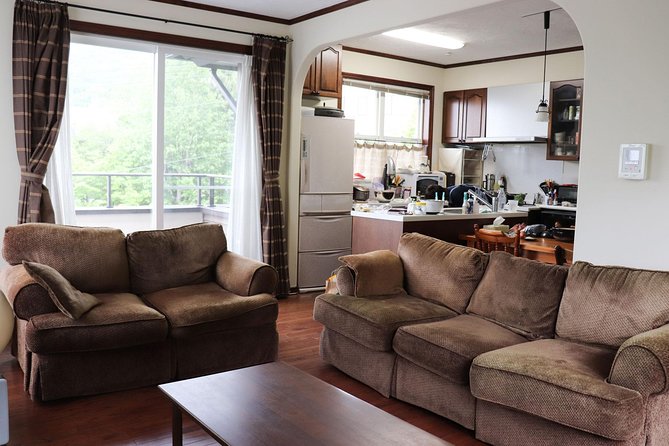
After the markets, Kanae drives you about 15 minutes back to her home for the cooking portion. The class happens in her open kitchen, and that home setting changes the whole vibe.
In a home kitchen, you learn faster because the environment is forgiving. You can see the tools you’ll use, get feedback while you work, and ask “why” questions without feeling rushed. The teaching is built around your pace. That’s exactly what you want if you’re not sure you’ll be confident with Japanese cooking techniques.
Also, you get something that many cooking classes skip: the meal is not just a product. It’s the shared experience of making, tasting, and then eating together in the same space.
One more practical point: Kanae’s car fits up to five people including the driver, which means max four guests. If your group is five or more, you’ll meet at the station and then use a taxi that follows her to the house. It’s not a problem, just something to plan for so your group isn’t surprised.
More cooking classes in Sapporo:
- Private Japanese Cooking Class in Sapporo with Local Chef Shiori
★ 5.0 · 34 reviews - Ramen Cooking Class at Ramen Factory in Kyoto
★ 5.0 · 1,937 reviews - Ramen & Gyoza Cooking Class in Tokyo with Local Supermarket Visit
★ 5.0 · 823 reviews - Kyoto: Ramen Cooking Class at a Ramen Factory with Souvenir
★ 4.9 · 532 reviews
Cooking the Hokkaido meal: pace, portion, and what you’ll likely learn
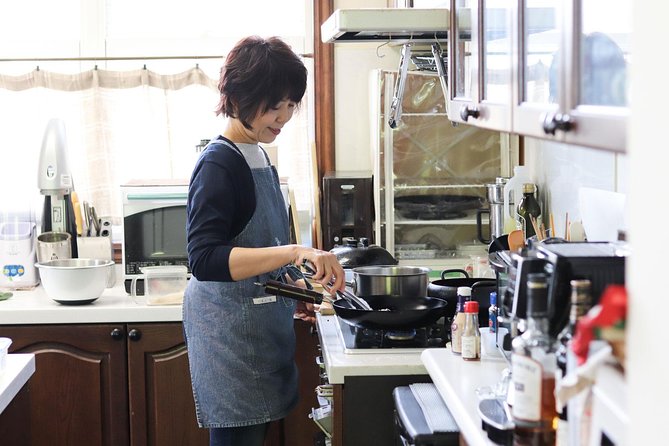
The cooking portion lasts about 1 to 1.5 hours. That’s long enough for real hands-on practice, but not so long that you feel stuck chopping forever.
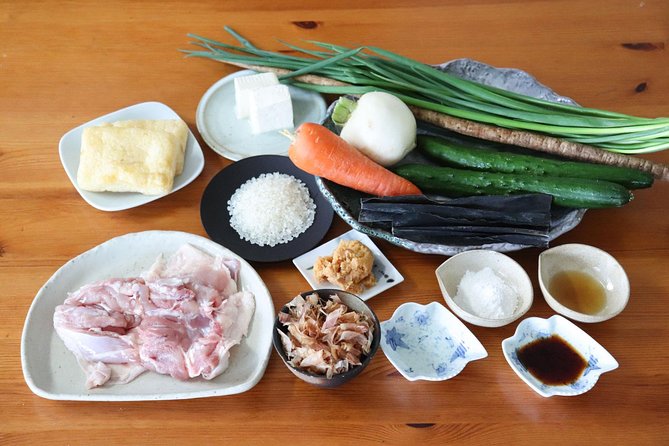
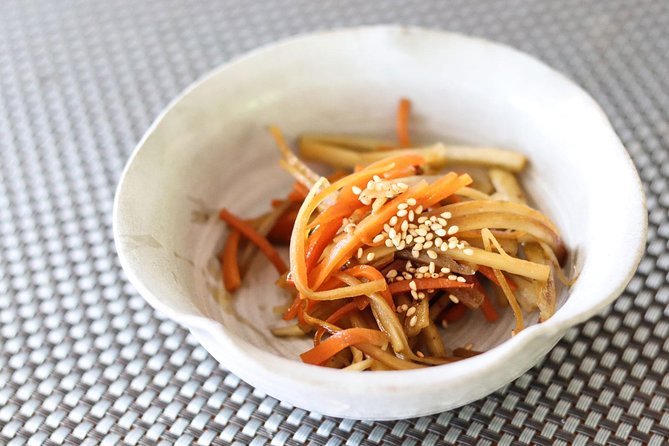
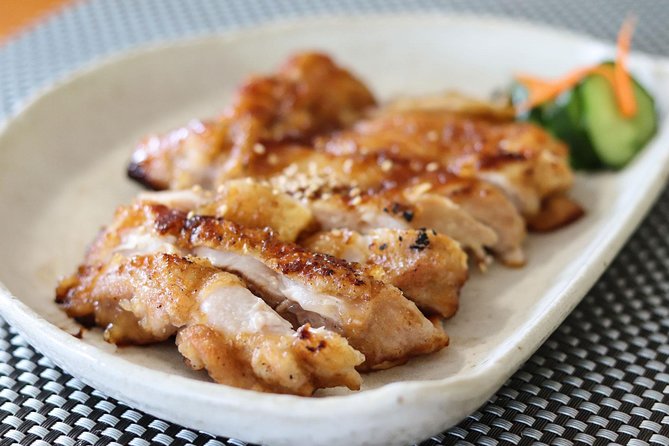
What’s great here is that you’re cooking a traditional homemade Japanese meal, but with an option to focus on Hokkaido dishes instead of a standard homestyle menu. If you’re specifically craving local flavor, this is a smart angle to take. Hokkaido is known for its seafood, and it tends to show up in ways that feel practical and ingredient-driven.
Because the exact menu can vary by season, don’t think of this as one fixed set of dishes. Think of it as a method plus a local ingredient approach. If you want a safe bet for a good experience, aim to be flexible. The market is the compass, and the dishes follow what’s fresh.
A detail worth knowing: you should be able to take home recipes for what you cook. That turns the class from a one-time event into something you can recreate later.
If you’re a cautious cook, don’t worry. The whole day is structured so you’re not thrown into complicated techniques with no guidance. You’ll be working with ingredients you selected and a host who can tailor the menu to your comfort level.
Lunch with alcohol included: how the meal ties it all together
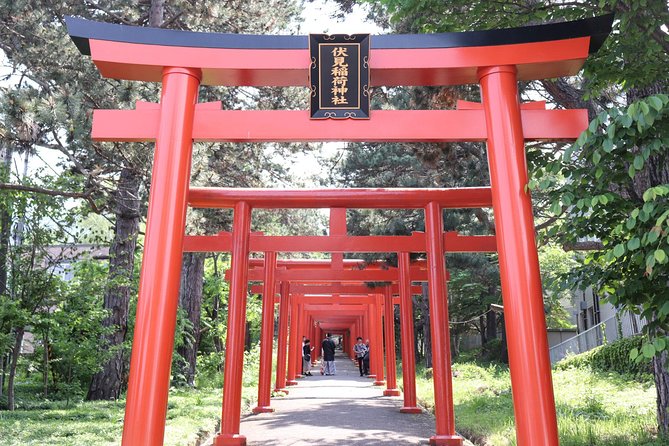
The payoff comes after you cook. You’ll sit down to lunch as part of the experience, and you’ll also have one to two glasses of local alcohol included.
This is where the day makes sense. You shop, you cook, and then you eat immediately. That order matters because you’re not just consuming food, you’re understanding it in context. You’ll notice how the flavors shift once you understand the ingredient choices, especially with seafood and seasonal produce.
The alcohol inclusion is modest and practical, not a party situation. It’s there to match the local meal rhythm. If you’d rather skip it, you can ask ahead of time, but the tour data confirms alcohol is included as one to two glasses.
Also, since the menu may vary by season and can be adjusted for preferences, the lunch is likely to feel like it belongs in Sapporo rather than a generic Japanese training meal.
Menu flexibility for allergies, dietary needs, and picky eaters
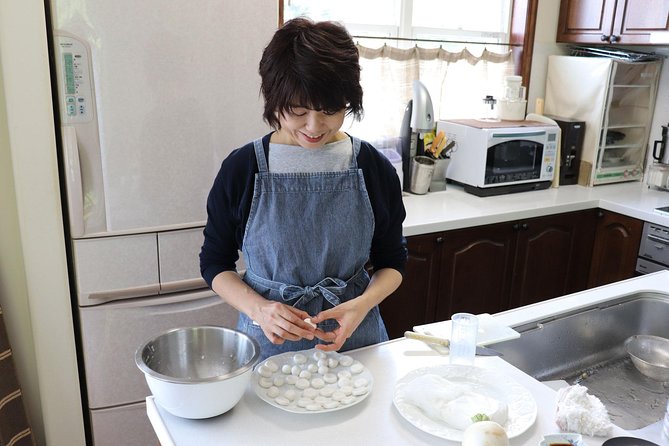
If you have allergies or dietary restrictions, this is the kind of experience you can manage well, as long as you communicate upfront. Kanae asks you to advise about allergies, dietary restrictions, or cooking preferences at the time of booking.
The tour also confirms that vegetarian and vegan options are available. That’s a big deal for travelers who usually struggle to find hands-on classes that aren’t fish or meat heavy.
If you’re someone who likes structure, you might still enjoy this. You can request Hokkaido dishes instead of typical homestyle options, and you can steer the menu to match your tastes. Since the menu changes seasonally, your best move is to share what you love, what you avoid, and any “must not include” items right away.
One small caution: because the menu depends on what’s available and what’s being prepared, the most important thing is not demanding a specific dish. Instead, aim for a shared goal, like “seasonal Hokkaido flavors, but vegetarian,” and you’ll likely get a satisfying result.
Price and value: is $82 per person a fair deal?
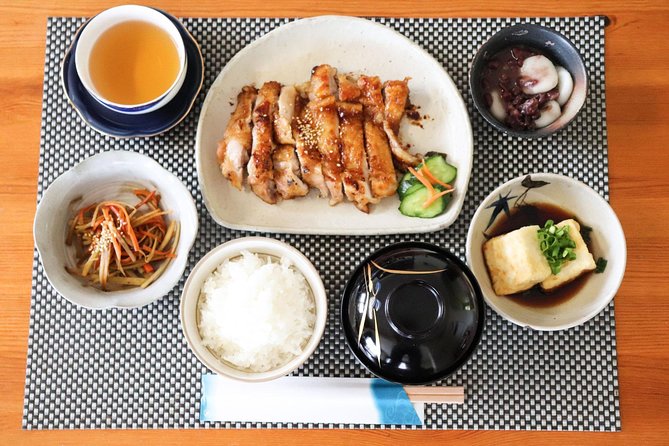
At $82 per person, this isn’t the cheapest activity in Sapporo. But it’s also not trying to be. You’re paying for a private, guided half-day that combines two market stops with a home cooking class and a full lunch, plus gratuities and local alcohol.
To judge value, I focus on what you don’t have to do:
- You don’t spend time figuring out market logistics.
- You don’t shop blindly for the exact ingredients.
- You don’t pay separately for a cooking class, lunch, and guide time.
Also, the market portion and home kitchen portion are connected. That link is where value shows up. The cost makes more sense if you want more than just a meal. You want to learn why ingredients are chosen, how they’re prepared, and what to look for at the market later.
If you’re traveling solo, the private format can feel especially worth it because your guide’s attention is undiluted. If you’re a couple, it’s a strong choice because two people can work at a normal pace without slowing a larger group down.
If you want maximum flexibility, check the day you’re booking. Markets like the Sapporo Morning Market close on Wednesdays and Sundays, which can affect the run of the experience.
Who should book this cooking class with Kanae
This is ideal for you if you fit at least two of these:
- You like food enough to enjoy learning ingredient choices, not just tasting.
- You want a private guide who can answer questions in real time.
- You want a half-day that ends with a satisfying meal rather than a snack stop.
- You plan to eat at local places later and want a better “market sense.”
- You have dietary needs and want a class that can be adjusted when you communicate early.
It may not be the best fit if you want a flexible, wandering city tour that goes wherever you feel like. This experience is more structured, with markets first, cooking next, and lunch at the end.
It’s also a great match for winter visits. One of the nice things about Sapporo in colder months is that food feels extra comforting, and the home-kitchen setup suits that mood well. Even if the weather changes, the core idea stays the same: warmth, learning, and a local meal made from ingredients you handled yourself.
Should you book Kanae’s market tour and cooking class?
I’d say yes if you want a real Sapporo food day. The big reason is the full loop: market shopping, cooking instruction, and a shared lunch with local alcohol. It’s not just a lesson, it’s a complete, practical experience.
Book this when you:
- Want Hokkaido flavors with context, not just a generic Japanese cooking class
- Appreciate learning from someone who can explain choices while you shop and cook
- Prefer a private format where questions do not get pushed aside
- Care about dietary accommodations and will share needs during booking
Skip it only if you dislike structured half-day plans, or if your schedule lands on days when key markets are closed. Otherwise, this is one of those experiences that makes your Sapporo trip taste like the place.
FAQ
What time does the tour start, and where do we meet?
The activity starts at 9:00 am at Maruyama Koen Station (26 Chome-2 Odorinishi, Chuo Ward, Sapporo, Hokkaido). The tour ends back at the meeting point.
How long is the private tour and cooking class?
The total duration is about 4 hours.
Which markets are included in the market tour?
Kanae takes you to the Sapporo Morning Market (closed on Wednesdays and Sundays) and the Jogai Market adjacent to Sapporo Central Wholesale Market.
Is the experience private, and how big can the group be?
Yes, it’s a private experience, and only your group participates. Kanae’s car can fit up to 5 people including the driver, which means max 4 guests. If your group has 5 or more, a taxi will be used and follow after meeting at the station.
Is lunch included, and what about alcohol?
Lunch is included, and you also get 1 to 2 glasses of local alcohol as part of the experience.
Can I cancel for free?
Yes. The experience offers free cancellation, with a full refund if you cancel at least 24 hours before the start time. If you cancel less than 24 hours before, the amount paid is not refunded.
More Shopping Tours in Sapporo
- Tsukiji Fish Market: Street Food & Culture Walking Tour
★ 5.0 · 669 reviews - Tsukiji Fish Market Small-Group Food Walking Tour
★ 5.0 · 621 reviews - Kuromon Market Food Walking Tour in Osaka (6 stops, 6 tastes)
★ 5.0 · 550 reviews - Tokyo: Tsukiji Fish Market Sushi Making Class with Pro Chef
★ 4.9 · 506 reviews
More Markets in Sapporo
- Tokyo: Tsukiji Fish Market Guided Walking Tour
★ 4.9 · 1,397 reviews - Nishiki Market Brunch Walking Tour (7 Tastings + Brunch)
★ 5.0 · 1,355 reviews - Tsukiji Fish Market Guided Tour and Sushi Making with Pro Chef
★ 5.0 · 775 reviews - Tokyo: Tsukiji Fish Market Food and Culture Walking Tour
★ 4.7 · 757 reviews
Fresh options around Sapporo
- in Sapporo! Hand-made soba experience and shabu-shabu experience plan of Yezo deer meat (Gibier meat) from Hokkaido★ 5.0 · 29 reviews
- Full Day Private Skiing / Snowboarding Tour in Sapporo★ 5.0 · 30 reviews
- Sapporo: Private Customized Guided Tour★ 4.9 · 30 reviews
- Snowshoeing and Onsen Adventures in a Winter Wonderland -Sapporo.★ 5.0 · 30 reviews
- Hokkaido: Lake Toya, Bear Ranch and Sapporo Otaru Full Day Tour★ 4.5 · 33 reviews
- Private Japanese Cooking Class in Sapporo with Local Chef Shiori★ 5.0 · 34 reviews
- Mountain Bike Tour from Sapporo Including Hoheikyo Onsen and Lunch★ 4.5 · 35 reviews
- [Departure from Sapporo] Noboribetsu Jigokudani, Lake Toya, Cape Chikyu by private car★ 5.0 · 37 reviews
Cooking Classes, compared.
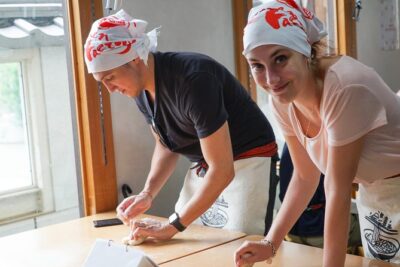
Ramen Cooking Class at Ramen Factory in Kyoto
Read our review →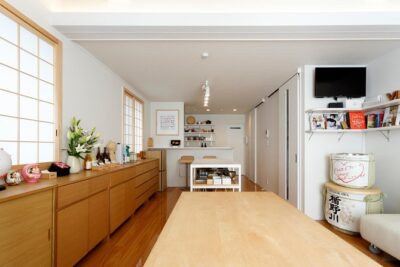
Ramen & Gyoza Cooking Class in Tokyo with Local Supermarket Visit
Read our review →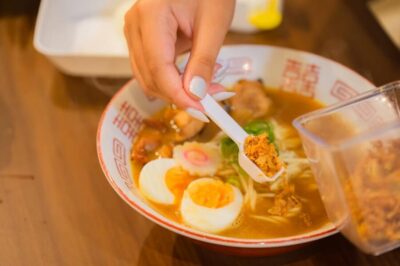
Ramen Cooking Class at a Ramen Factory with Souvenir
Read our review →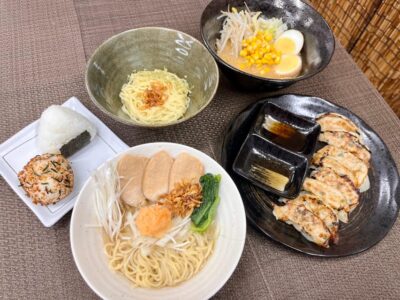
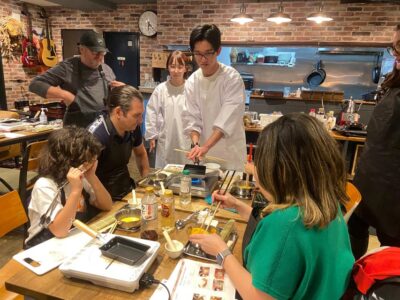
Japanese Washoku Bento Small Group Cooking Class
Read our review →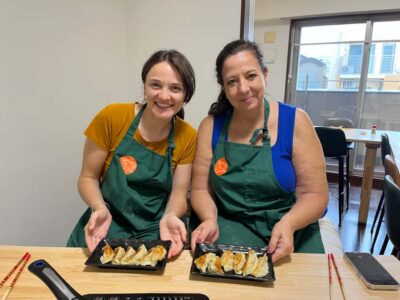
Easy Ramen Cooking Experience in Kabukicho, Shinjuku
Read our review →
Ramen and Sushi Cooking Class with Sake Pairing Set in Tokyo
Read our review →Browse the lists this tour appears in