
Reviewed · FOOD & DRINK
Osaka After Dark: Small-Group Night Food Tour (Max 6)
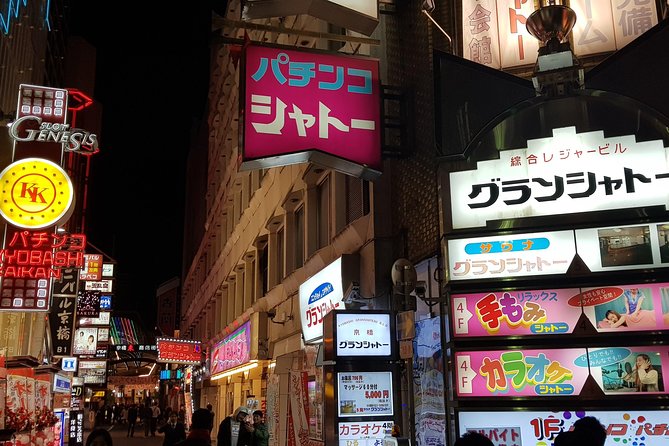
Osaka at night feels personal, not packaged. This small-group night food tour uses a maximum six setup and a guided walk through Tenma and Kyobashi so you can eat locally and dodge the usual tourist traps. I like the way it mixes food with neighborhood context, plus the included three drinks that make the evening feel like an actual night out.
The possible drawback is pacing. You’ll do a moderate amount of walking, and a chunk of the fun is moving between areas, not staying parked at one restaurant.
If you’re the kind of traveler who wants to understand how Osaka eats after dark, this tour is built for you. The guides in this program, including people like Hugo, Kevin, Levy, and Ferdinand, tend to lean into street-level explanations and practical ordering help, not just facts.
Key things to know before you go
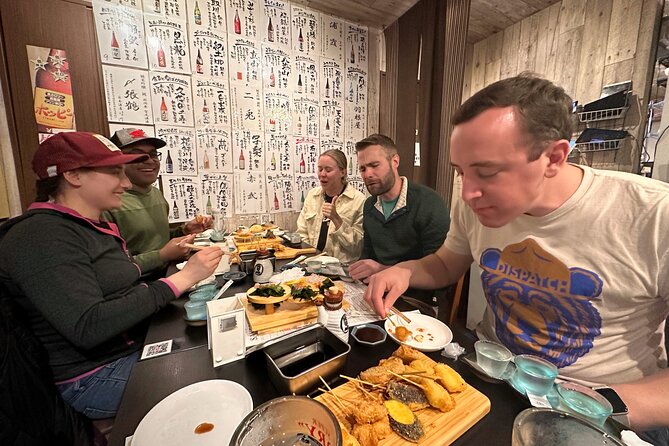
- Max 6 guests keeps conversations easy and questions quick, especially when you’re trying new dishes.
- Tenma and Kyobashi instead of the headline areas means you spend more time in the everyday Osaka rhythm.
- Dinner plus 3 included drinks (alcoholic or non-alcoholic) turns food sampling into a true meal-and-a-night-out format.
- Three restaurant-style tastings across the evening means you can compare flavors without doing a nonstop food sprint.
- Short sightseeing breaks like Ogimachi Park and a walk along Tenjimbashisuji help you breathe between stops.
- Public transit is part of the tour including a train ride while moving from Tenma to Kyobashi.
Why Osaka After Dark Feels More Local Than Tourist Centers
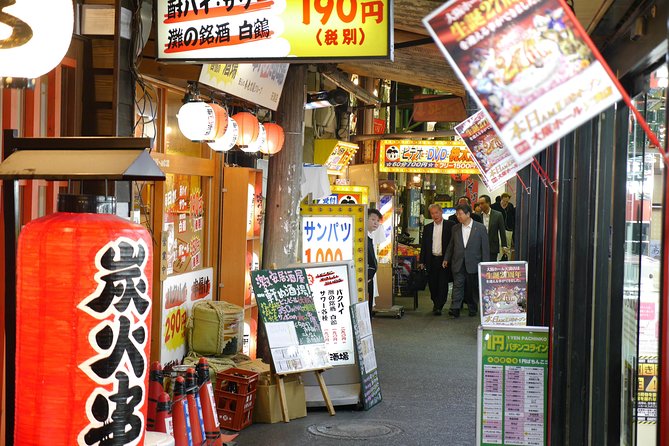
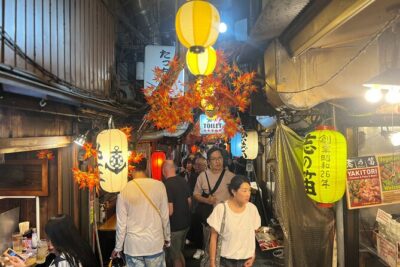
This tour is designed around a simple idea: Osaka at night is best understood on foot, in the neighborhoods where locals actually wander and eat. Tenma and Kyobashi give you that street-level Osaka feeling, with narrow lanes, late-night energy, and food choices that don’t revolve around tour-group schedules.
I also like that it does not treat dinner like a single checkbox. You’re not just handed a meal and sent on your way. You’re guided through a small sequence of experiences, with the local guide helping connect what you’re eating to the area you’re in.
One more thing I appreciate is balance. Night food tours can either go hard on food, or go light on it. This one aims for a middle ground, with dinner and drinks plus enough walking to feel like you’re part of the scene.
More Food Tours in Osaka
- Osaka: Shinsekai Food Tour with 13-15 Dishes at 5 Eateries
★ 4.8 · 2,204 reviews - Osaka Food Tour: 13 Dishes at 5 Local Eateries
★ 5.0 · 2,149 reviews - Hungry Osaka Street Food Tour:15 Tastings & 3 Drinks with a Local
★ 5.0 · 1,727 reviews
Meeting Point at Tenma Station and How the 6:00 pm Start Shapes Your Evening
Your evening begins at 6:00 pm at McDonald’s in front of Tenma Station (4-chōme-12-1 Tenjinbashi, Kita Ward). That matters more than it sounds. A clear, transit-linked meeting point makes it easier to arrive on time without burning energy on the scramble.
The tour runs about 3 hours. You’ll do that classic night-food pattern: gather at the start, sample in the first neighborhood, take short breaks to keep the night interesting, then shift neighborhoods for the final stretch. The ending is Kyobashi Station front plaza (京橋駅前広場), which is convenient if you want to keep exploring or connect onward to places like Kyoto.
Also note this is a small group night food tour with a max of 8 travelers mentioned in the operating info, and the overall pitch is maximum six. Either way, it stays intimate, which helps with ordering and staying together in crowded streets.
Pulala Tenma: Your First Stretch of Street Food Energy Plus Neighborhood Context
The first block is Pulala Tenma. Expect a walking section of about 35 minutes as you learn the history and present-day feel of the area. The key point is that Pulala Tenma is not framed as just another food stop. You’re getting local context while you’re moving, so the dishes you try later feel less random.
Why this works: when you understand a neighborhood even slightly, you stop treating food as souvenirs. You start noticing patterns, like which streets feel built for casual dining and which spots are more for quick bites.
A practical consideration here is timing. Since this is a night tour, the first area sets your rhythm. If you’re easily overwhelmed in busy streets, you’ll likely benefit from keeping your energy steady from the start, comfortable shoes on, and an open mind about what Japanese night snacks can look like.
Ogimachi Park Break: A Quick Pause From Alleys, Plus Seasonal Scenery
After you’ve explored the tighter street network, you get a short stop at Ogimachi Park. This is only about 15 minutes, but it serves a real purpose: you break up the evening so you can reset your feet and your appetite.
The park can offer nice views, and during spring you can catch cherry blossoms. Even when it is not cherry blossom season, it gives you a moment of air after eating and walking through the denser parts of the neighborhood.
If you hate long pauses on tours, you’ll probably like this one more than others. It’s not a big sit-down sightseeing detour. It’s a short reset, then back into the food streets.
Same corner of Japan, a different kind of day:
- Osaka Go Karting Tour with Funny Costume
★ 5.0 · 2,658 reviews - Osaka Castle: Museum and Tower Entry Ticket
★ 4.5 · 2,380 reviews - Osaka: teamLab Botanical Garden Entry Ticket
★ 4.5 · 1,710 reviews - Osaka: Tea Ceremony Experience
★ 4.9 · 1,426 reviews
Tenjimbashisuji Covered Shopping Street: A Short Look at the Scene
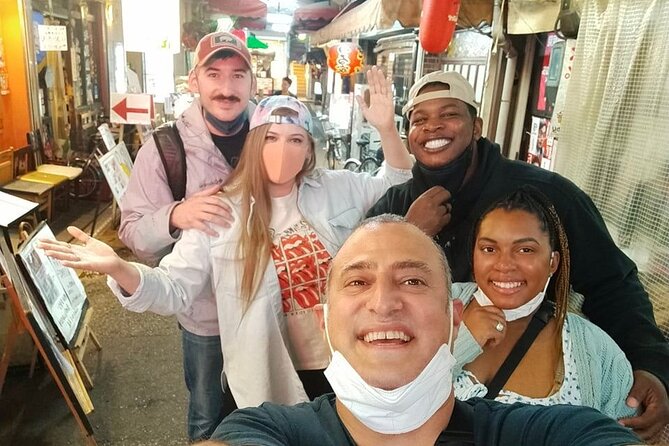
Next comes Tenjimbashisuji Shopping Street, described as Japan’s longest covered shopping street. You’re not there for a shopping spree. You walk a short portion so you can feel the atmosphere and how the neighborhood moves.
This is a smart choice because it adds texture without turning the tour into a retail stop. At night, covered arcades can feel like living corridors, and even if you do not buy anything, the setting helps explain how daily life and food culture overlap.
One caution: because it is covered and busy, it can feel warm and crowded depending on the weather. If you run hot, bring something light for layering so you stay comfortable while the group moves.
Kyobashi Station Transition by Train: Why the Neighborhood Shift Matters
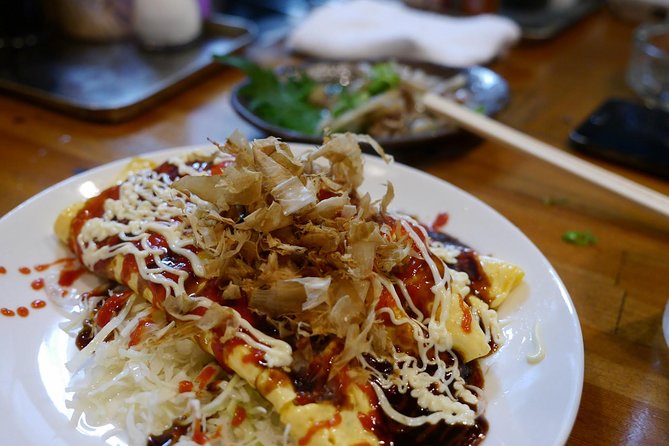
After thoroughly surveying Tenma, the group hops on a train for the short ride to Kyobashi. The train fare is included, and this is one of the reasons the tour feels practical rather than purely walking-based.
Kyobashi is also tied into a bigger historical story. The tour points out that Kyobashi connects to the Tokaido route, the historic road linking Tokyo and Osaka. Even if you already know Japan’s major routes, hearing how they relate to where you are standing can turn the station area into something more than just a transit stop.
This neighborhood shift matters because it changes your night’s taste profile and vibe. You move from one local zone to another, so your sampling feels like you’re learning two different versions of Osaka after dark, not repeating the same kind of meal three times.
What You Get: Dinner, Three Drinks, and Multiple Tastings
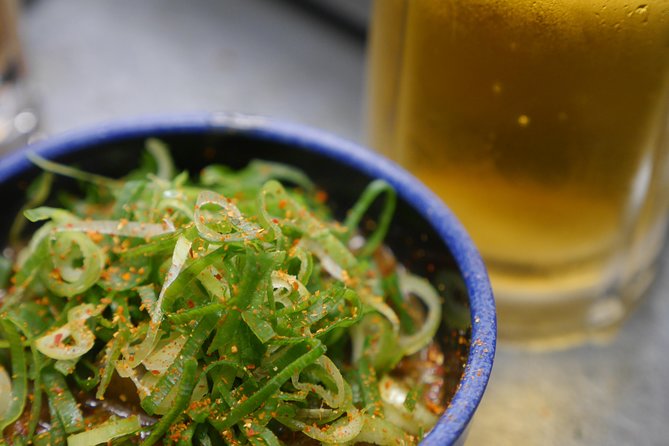
The included list is clear: dinner, a native or equivalent English-speaking guide, three alcoholic or non-alcoholic drinks, and public transportation fees during the tour.
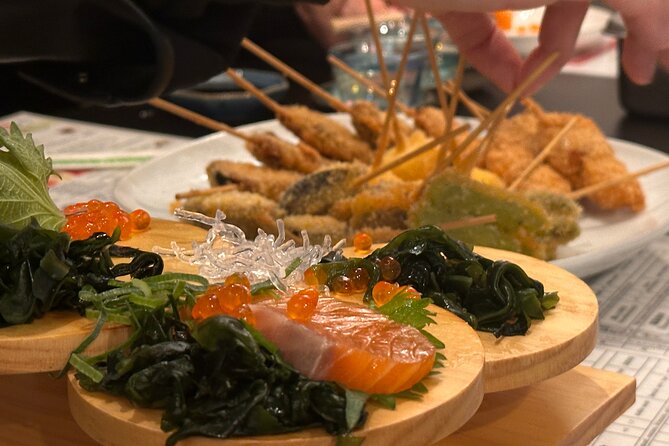
Even better, the format is built for variety. The operator’s own guidance emphasizes a wide spread across the evening, including options to fit different tastes, and they note at least 15 dishes across the experience. In plain terms, this means you’re not likely to leave the tour feeling like you only tried one style of food.
A key detail for alcohol: the legal drinking age in Japan is 20. Adults booked as 20 and over can be served alcohol. If you’re under 20, you’ll get non-alcoholic drinks as part of the included three.
If you care about substitutions, the information you’re given is that the tour can handle different food preferences. That comes up in the way the evening is structured: rather than locking everyone into one exact dish, the tour is set up to keep the night enjoyable even if you avoid certain items.
The Small-Group Advantage: Better Ordering, Better Conversations
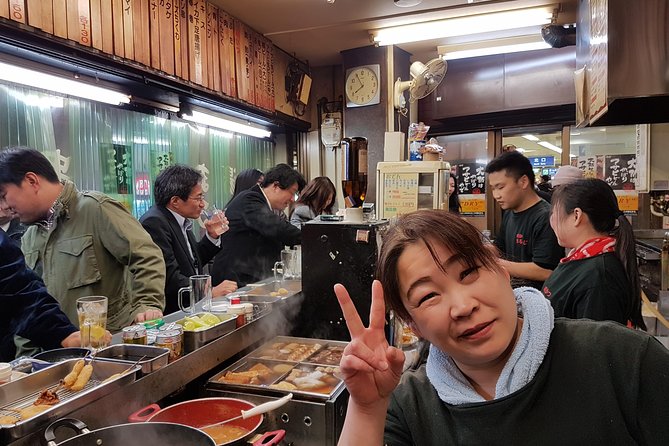
A maximum six-person group is not just a comfort perk. It changes how the food experience plays out. With fewer people, your guide can slow down when someone asks a question about a dish, and you’re more likely to get practical advice on how to order and how much to expect.
This is also why guides like Hugo, Kevin, Levy, Ferdinand, and Joshua are repeatedly described as social and informative. A night food tour works when the guide acts like a friendly translator, not a voice at the front of a line.
You also tend to get a better feel for the pace. One of the most common complaints about food tours is rushing from place to place so fast you barely remember what you ate. Here, the design is a balanced pace with walking between venues and actual seated tastings included.
One more practical win: in smaller groups, it’s easier to handle crowded streets and keep the group together without feeling like you’re constantly sprinting.
Pace, Walking, and Footwear: The Real Logistics Callout
This tour involves a moderate amount of walking, and comfortable shoes are recommended. That’s not just generic advice. In Tenma and Kyobashi, you’re moving along smaller streets and through covered areas. If your shoes are even slightly unsupportive, the evening will feel longer.
Timing is also something to keep in mind. Routes, restaurant stops, and the flow can vary depending on local conditions. That is normal for a walking food tour at night, and it is part of why you should treat your schedule afterward as flexible.
If you’re someone who gets cranky on tours when you are slightly delayed, plan a slower night after the tour. It helps you enjoy the food and conversation rather than timing your entire evening down to the minute.
Price and Value: Why $116.93 Can Make Sense
At $116.93 per person, this is not a budget snack crawl. But it also isn’t just paying for guidance and walking. You’re paying for a coordinated night out that includes dinner, three drinks, and transit during the tour.
Value in this case is about reducing friction. If you tried to recreate this yourself, you’d spend time figuring out which local areas to hit, how to navigate the streets at night, and what to order. You’d also lose the guidance on how dishes fit into Osaka’s night culture.
The structure also helps control cost compared with doing it independently. When everything is arranged into a set of tastings with included drinks, you avoid the common risk of overspending by accident at every stop.
Is it worth it? If you want a local-feeling evening with guided context, it likely is. If you only want a single restaurant meal and nothing else, you might find other options more direct.
Who Should Book This Osaka Night Food Tour
You’ll probably love this tour if:
- You want to explore Tenma and Kyobashi without relying on the most tourist-heavy areas.
- You like the idea of eating across multiple stops instead of one big meal.
- You want help ordering and you enjoy learning why local food culture looks the way it does at night.
You might want to consider another option if:
- You expect a pure, gourmet tasting with high-end plates at every stop. The tour is positioned as a mix of food and Osaka culture, not a fine-dining marathon.
- You hate walking and prefer to stay seated most of the night.
A useful mindset: treat it like a guided night program, not a restaurant hit list. The walking, the park break, and the short covered street walk are part of what makes the food make sense in context.
Should You Book It, or Skip It?
Book it if you want an Osaka after-dark experience that feels local, paced well, and structured around real neighborhoods like Tenma and Kyobashi. The small group size, included dinner plus three drinks, and included transit help this feel like a complete night out rather than scattered stops.
Skip it if your top priority is maximizing the number of high-end bites or if you dislike moving between neighborhoods. Also, check your comfort with moderate walking, because this is built for streets, not just tables.
If you are traveling with a group of friends or family and you want a guide to do the heavy lifting, this format is a strong fit. It gives you enough structure to reduce stress, while still letting you feel like you are out in Osaka, not just transported through it.
FAQ
How long is the Osaka After Dark Small-Group Night Food Tour?
The tour lasts about 3 hours.
What time does the tour start and where do I meet?
It starts at 6:00 pm. You meet at McDonald’s in front of Temma Station, Osaka.
Where does the tour end?
The tour ends in front of Kyobashi Station at 京橋駅前広場.
What’s included in the price?
Dinner, a native or equivalent English-speaking guide, three alcoholic or non-alcoholic drinks, and public transportation fees during the tour are included.
Is alcohol included?
Alcohol is included as an option, but only adults 20 and over can be served alcohol. Customers booked as adults under 20 will not be served alcohol, and non-alcoholic options are provided.
How much walking is involved?
A moderate amount of walking is involved, so comfortable shoes are recommended.
What is the minimum age to join?
All participants must be 13+.
More Evening Experiences in Osaka
- Osaka Bar Hopping Night Walking Tour in Namba (3 bars, 6 tastes)
★ 5.0 · 958 reviews - OSAKA NIGHT FUSION Japanese Taiko Kabuki Samurai Dance Show
★ 4.8 · 155 reviews - Osaka: Bar-Hopping Night Tour in Namba
★ 4.7 · 117 reviews - Osaka: Dark Side of Osaka Night Walking Tour
★ 4.9 · 89 reviews
Fresh options around Osaka
- Osaka Dotonbori Night Photoshoot – Private | Pro Photographer★ 5.0 · 19 reviews
- Osaka: Tennen Onsen Naniwa-no-Yu, the famous hot spring spa★ 4.7 · 19 reviews
- Osaka Private Walking Tour with a Local★ 4.5 · 19 reviews
- Osaka: HEP FIVE Ferris Wheel E-Ticket in Umeda★ 4.7 · 19 reviews
- Kansai/KIX Airport to or from Osaka/Kyoto Private Transfer★ 5.0 · 20 reviews
- Guided Photography Tour in Osaka: Capturing Memories★ 4.5 · 20 reviews
- Osaka: Food Tour at Night with Tastings★ 4.9 · 20 reviews
- Osaka Private Tour with Government-Licensed Guide★ 4.8 · 20 reviews
Food & Drink, compared.
Shinjuku Food Tour (13 Dishes at 4 Local Eateries)
Read our review →
Tokyo Tsukiji Fish Market Food and Culture Walking Tour
Read our review →
Shinsekai Food Tour with 13-15 Dishes at 5 Eateries
Read our review →
Osaka Food Tour: 13 Dishes at 5 Local Eateries
Read our review →
Shinjuku Food Tour (15 Dishes and 4 Eateries)
Read our review →
Best of Shinjuku: Izakaya Food Tour (4 Stops, 14+ Tastings)
Read our review →
Kyoto Night Foodie Tour in Gion (9+ dishes + 6 Sake tastings)
Read our review →
Hungry Osaka Street Food Tour:15 Tastings & 3 Drinks with a Local
Read our review →Browse the lists this tour appears in