
Reviewed · NARA TOURS
Nara 6hr Private Tour with Government-Licensed Guide
Nara makes history feel close. This private, licensed guide tour starts near Nara Station and lets you choose 3-4 sites from a ready list of Nara highlights.
I like that you are not stuck on someone else’s route, so your day can match what you care about most, big-ticket temples or quieter corners of town.
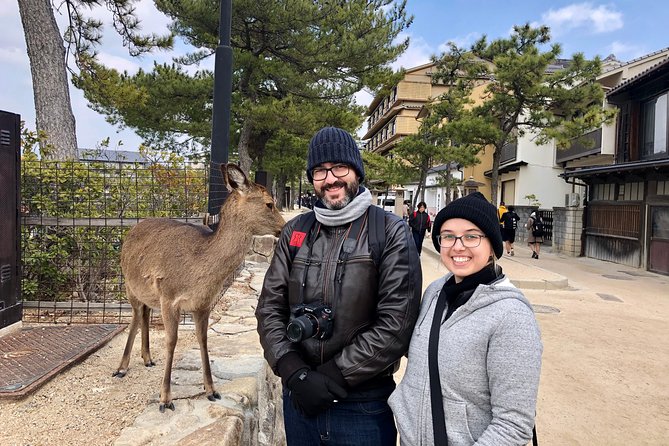
My favorite part is the mix of the famous icons with the lived-in feel of Nara, especially Todai-ji Giant Buddha and the Nara Park deer area. One consideration: most sights have separate admission tickets and you will be doing a lot of walking, including stairs on some stops.
Key things I’d circle before you book
- Licensed, English-speaking local guide who can explain what you are seeing, not just where to stand
- Pick 3-4 sites so you can avoid trying to cram every temple into one rushed day
- Meet near Nara Station on foot, which keeps things simple and avoids a complicated vehicle plan
- A classic first loop and optional extras, depending on whether you want shrines, temples, gardens, or museum context
- A very walking-focused plan, so good shoes and patience matter
Why Nara is perfect for a private 6-hour walk
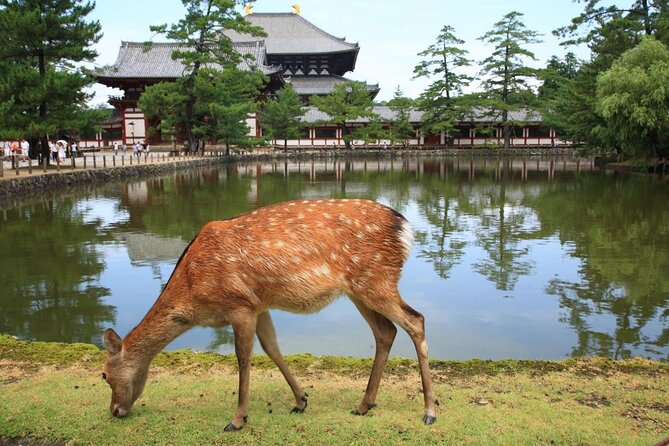
Nara works differently than Kyoto. Yes, it has the temple grandeur, but it also has room to breathe, deer wandering through your photos, and a town layout that rewards slow wandering. In just 6 hours, a good guide helps you see the core story of Nara, then tailor the rest to your interests.
This tour is set up for personal attention, with the flexibility to choose only 3-4 sites from a prepared menu of stops. That matters. Nara is packed with places worth seeing, so trying to do everything on a single self-guided day often turns into a long line plus a tired brain. Here, you pick what matters, and the guide shapes the flow around it.
I also like the pattern in the guide experiences from this tour: guides such as Junichi, Ken, Toshi, Rie, Yoshii Kenichi, Hiro, Haru, and Nori come up often, and many people praise their English and the way they explain how Shinto and Buddhism show up side by side in daily life.
A few more Nara days worth comparing
- World Heritage Kyoto & Nara Uji Authentic Matcha Experience
★ 5.0 · 1,573 reviews - Nara Half Day Trip Walking Tour (Private Option Available)
★ 5.0 · 937 reviews - Nara Early Morning Tour (Kyoto or Osaka Departure Available)
★ 5.0 · 676 reviews
Price and what you actually get for $155.86 per person
The price is $155.86 per person for about 6 hours. The key value is not the sites themselves, it is the guide and the pacing. You are paying for:
- a licensed local English-speaking guide
- a customizable route (choose 3-4 sites from the highlight list)
- meeting your guide near Nara Station within a designated area, on foot
- a mobile ticket option and group discounts (if you qualify)
What is not included is equally important:
- transportation fees
- entrance fees
- lunch and other personal expenses
- and the tour is not described as using a private vehicle
So the math can look different depending on which stops you select. For example, Todai-ji is marked as admission not included, and Nara National Museum also falls into that bucket. If you pick more ticketed temples and museums, you will pay more on top of the base tour price.
Meet near Nara Station, then walk like a local
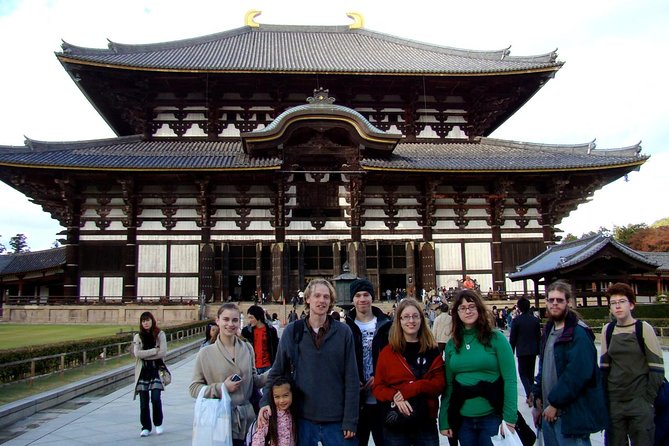
This is a walking tour. The plan is to meet your guide on foot within a designated area near Nara Station. Even if pickup is listed as offered, the tour description emphasizes an on-foot start, not a car-and-coach shuffle.
That means your day will feel like Nara at street level: you transition between spots by foot, you stop when something catches your attention, and you are not negotiating subway transfers. It also means you should plan for your body to do work.
A recurring theme in the guide feedback is fitness and stamina. People mention lots of walking, sometimes stairs. One person even joked about their guide being in Iron Man shape. Translation: expect an active 6 hours, and choose footwear accordingly.
Practical tip: if you are the type who wants frequent breaks, you can still do this tour, but you should tell your guide early. The flexibility is real because you choose the number of sites and can shape the pace within that.
How to choose 3-4 sites so your day makes sense
The tour gives you a menu of possible stops, but you only select 3-4 sites. That selection is where you win the day. Here is a simple way to decide:
- Pick one big landmark you really want, like Todai-ji or Horyu-ji
- Add one shrine or park moment for atmosphere, like Kasugataisha or Nara Park
- Choose either a garden or a museum/palace context stop, based on whether you want calm walking or historical framing
This keeps you from doing three ticketed temples back-to-back without time to reset.
It also helps you avoid the common mistake of picking only “famous names.” Nara’s story lives in the contrast: grand Buddha sculpture versus small details in shrines, formal temple architecture versus preserved old-town streets in Naramachi.
Same corner of Japan, a different kind of day:
- Osaka: Nara and Uji Day Trip with Deer Park and Hot Spring
★ 4.4 · 302 reviews - Kyoto/Osaka: Kinkakuji, Bamboo Forest, and Nara Deer Park
★ 4.4 · 265 reviews - E-Bike Nara Highlights – Todaiji, Knives, Deer, Shrine
★ 4.8 · 186 reviews - Nara Early Bird Tour (Kyoto Departure Option Available)
★ 4.9 · 142 reviews
Todai-ji and the Nara Park deer zone: the classic start that sets the tone
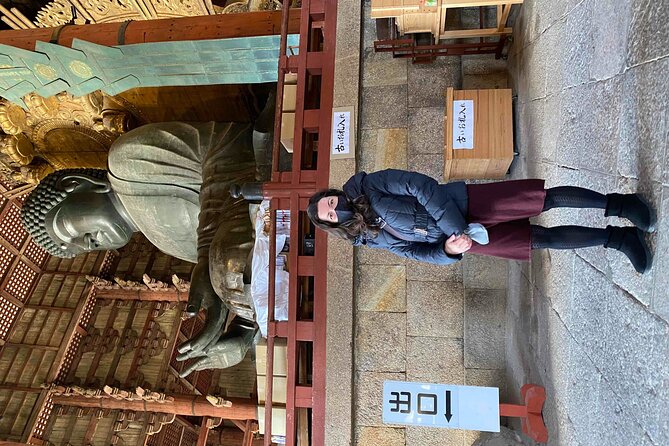
If your chosen stops include Todai-ji Temple, you are going straight to one of Japan’s most historically significant temple complexes. It was constructed in 752, and it is known as the head temple of provincial Buddhism from its era. The headline for most people is the scale, especially the Giant Buddha that makes Todai-ji a must-see landmark.
Then comes Nara Park, which is free to enter and is where a lot of Nara’s energy lives. This is also the area that connects multiple attractions in the central zone of Nara. You will see other major names nearby, but your time with the park is about atmosphere: deer everywhere, people lingering, and a sense that this is a living city, not a museum set.
A small consideration: deer can be bold. I recommend you treat them like wildlife you respect, not like props. Let the guide explain the best ways to interact safely so you can enjoy it without stress.
If Todai-ji is your anchor stop and Nara Park is your reset, your energy stays high for the rest of the day.
Kasugataisha Shrine and Wakakusayama Hill for views and spiritual geography
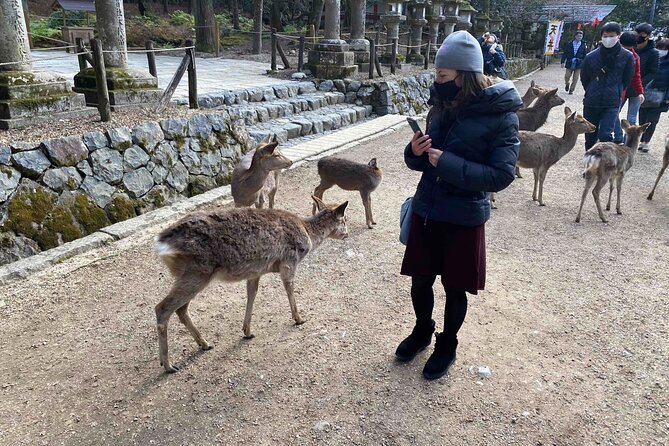
Kasugataisha Shrine is Nara’s celebrated shrine and is closely tied to the protection of the city. It was established around the same time as the capital, and it is dedicated to a deity linked to safeguarding Nara. The shrine is free to visit, and it gives you that Shinto feel that is easier to understand when you have a guide who can connect the dots to what you have already seen.
If your plan also includes Wakakusayama Hill (Mount Wakakusayama), you get a different side of Nara. The hill sits behind Nara Park, between Todai-ji Temple and Kasuga Shrine, and it is known for its views over the Nar a area. It is marked as an admission not included stop, and the time there is often shorter, but the payoff can be big if the weather cooperates.
One thing to think about: Wakakusayama can involve more walking, and it is not just a flat photo stop. If your legs are already tired from Todai-ji and the park, you might treat this as a smaller add-on, not a must-rush climb.
Horyu-ji Temple: the early Buddhism layer you will feel in your bones
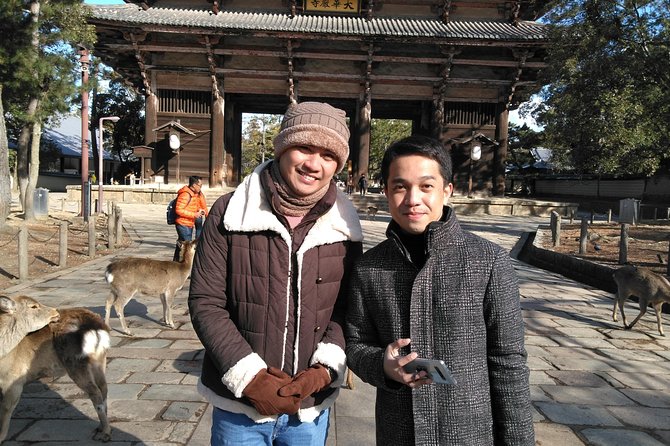
If you want Nara’s deeper timeline, Horyu-ji Temple is a strong pick. It is one of Japan’s oldest temples and is tied to Prince Shotoku, who played a major role in early Buddhism in Japan. The date given is 607, and that makes Horyu-ji feel like a time jump compared with many later sites.
It is marked as admission not included. Still, this can be a smart allocation of your limited 3-4 stops because it gives you a historical anchor and not just a pleasant afternoon. When your guide explains what you are looking at, Horyu-ji becomes less like sightseeing and more like a lesson you can walk through.
Kofuku-ji and the cluster of older temple grounds
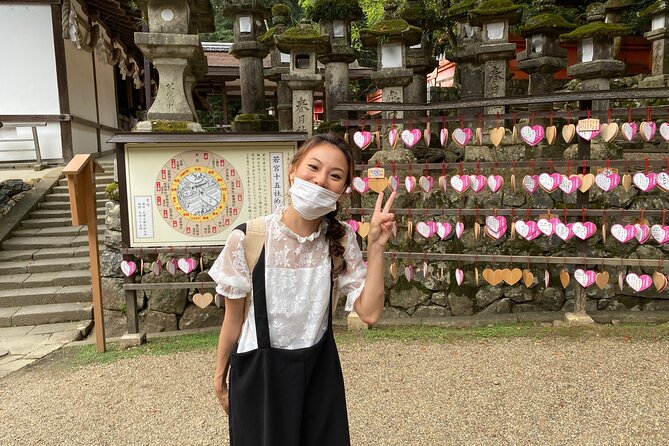
Kofuku-ji Temple connects to the powerful Fujiwara clan, which shaped court power during the Nara and Heian periods. The temple is tied to the timeline of Nara’s rise and to the era when aristocratic families turned religion into influence.
Kofuku-ji is marked as admission not included, and if you are choosing only a few sites, decide whether you want your limited time to go toward:
- architectural scale and religious authority, or
- the calm flow of gardens and old streets
Kofuku-ji leans toward the first.
Yakushiji and Shin-Yakushiji: symmetry and medicine symbolism
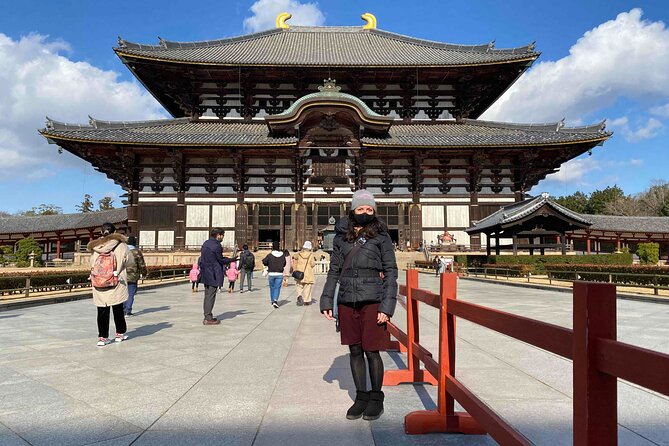
Yakushiji is one of the oldest temples in Japan, built in the late 7th century, tied to Emperor Tenmu and the recovery of his sick wife. The tour info also notes Yakushiji’s strict symmetry, which you can actually notice once you slow down and let your eyes follow the layout.
Shin-Yakushiji Temple is also part of the story, founded during the Nara period for an ailing emperor and devoted to Yakushi Buddha, the patron of medicine in Japanese Buddhism.
These two stops pair well if you want a theme. Medicine symbolism plus temple design becomes a focused experience rather than random points on a map.
They are marked as admission not included, so this is where the guide’s selection can save you money by choosing the right balance of ticketed sights.
Yoshikien and Isuien Gardens: calm breaks that make Nara feel lived-in
Not every Nara stop has to be a big-ticket temple. The tour list includes two garden options that can be the perfect counterweight.
Isuien Garden uses a classic Japanese technique: borrowed scenery. The tour info mentions that it incorporates views of the Todaiji Nandaimon Gate and Mount Wakakusayama as part of the garden experience. That means even if your feet are getting tired, your eyes still get something new.
Yoshikien is another garden option, associated with the Yoshikigawa River. The garden is built on the site of Kofuku-ji’s former priests’ quarters, which gives it that quiet sense of continuity.
Both are marked as admission not included. If your group includes older travelers or people who enjoy slower moments, a garden stop can be a smart way to keep the day enjoyable instead of exhausting.
Naramachi: where you slow down and see the old merchant side
Naramachi is the former merchant district of Nara, with traditional residential buildings and warehouses preserved and open to the public. This is marked as free to visit in the tour info.
This stop works best when you want a break from temples. It adds texture: shops, cafes, and the feel of a town with daily life, not just religious landmarks. It also helps you understand how Nara functioned beyond its religious institutions.
Because it is free, it can also be an efficient pick if you are trying to keep total expenses down.
Nara National Museum and Heijo Palace: the context stop that ties it all together
Two “brain-friendly” options in the list are Nara National Museum and the Heijō Palace Site Historical Park area.
The Nara National Museum focuses on Japanese Buddhist art and was established in 1889. The tour info points out that it retains its original character, which suggests you are not just browsing modern exhibits. If you feel like you are seeing a lot of temples but want the bigger framework, this museum stop can make your day click.
The Heijō Palace Site Historical Park covers the former capital, Heijō-kyo, when Nara served as Japan’s capital during the Nara Period (710-794). The palace site was about one kilometer by one kilometer, and this stop gives you scale and orientation. It is marked as a shorter time in the itinerary list, but it can be the moment you connect the religious buildings to the political city they served.
If you only pick one “context” stop, I recommend matching it to what you chose as your main temple anchor. Todai-ji plus museum context works well, and a history-forward choice like Heijō Palace works nicely when you also choose multiple temple eras.
Toshodaiji and the Tang connection through Ganjin
Toshodaiji Temple (Tōshōdaiji) is founded in 759 by Ganjin, a Chinese priest invited to Japan to train priests and strengthen Buddhism. This is a great pick if you want to see how Nara was connected to mainland Asia during its early development.
The tour info notes a short stop time. That is fine, because the value is often in your guide explaining who Ganjin was and why that matters for what you see on-site.
If you already picked Horyu-ji and Yakushiji, Toshodaiji can also add variety without repeating the same concept twice.
Gardens, temples, parks, and old-town streets, how your day might flow
Because you choose only 3-4 sites, the flow depends on your priorities. Here are a couple of common strategies:
- Classic first, start with Todai-ji and Nara Park, then add one shrine like Kasugataisha and one either-garden stop.
- History-heavy, go with Horyu-ji or Todai-ji, add Heijō Palace Site for capital context, then finish with the museum.
- Calm and culture mix, pair Naramachi with a garden stop like Isuien or Yoshikien, plus one major temple so you still get the big Nara payoff.
In the guide feedback, people often mention that strong guides plan the order so you are not stuck in the worst crowds and you still see everything you asked for. That is part of the value you are paying for.
Price value check: when this tour feels like a smart buy
At $155.86 per person for a private 6-hour guide, this can be a great value if:
- you care about explanations, not just photos
- you want to control the number of stops
- you want help choosing what to see when Nara feels overwhelming
It can feel less worth it if:
- you already have a firm plan for self-guided routes and you do not want to pay for an English guide
- you plan to skip most ticketed sites, because your added cost would mainly be guide time
- you have very limited mobility and need a gentler route, since the tour is walking-heavy
The sweet spot is clear. You are paying for time, direction, and context.
Also note: guide entry fees are only covered for sights listed under what to expect. That matters for your budget. If you add extra stops outside the selected list, you should expect to pay.
Comfort tips so your feet and mood stay intact
This is not a “sit on a bus” half-day. It is a walking tour with stop times that can involve stairs and uneven terrain.
I recommend you:
- wear shoes you trust for long hours
- bring layers for cold or wind, because parks and hills feel cooler in open air
- keep your pace honest, so you do not burn energy early and regret it at the end
One more helpful point from the guide experiences: guides often answer questions in real time and help you understand what you are seeing. If you want that, ask early. When you know what to look for, the whole day becomes easier to enjoy.
Who this tour is best for
This tour is a strong fit for:
- first-time Nara visitors who want the core story fast
- history and religion lovers who want Shinto and Buddhism explained in plain terms
- families and mixed-age groups, since guides can adapt pacing when people have different interests
- anyone who prefers guided order over map guessing
If you are traveling as a group of five or six, the private format still works, and the guide can handle different question styles in the same day. I also like the flexibility for people who want a slower rhythm. The tour is built around selecting the right number of stops, not forcing the same script on everyone.
Should you book the Nara 6-hour private tour?
Book it if you want a guided Nara day with licensed English support, the ability to pick your 3-4 stops, and enough structure to avoid wasting time in the wrong places. You will get the most out of it if you care about explanations and want to connect the famous temples to Nara’s larger history.
Consider skipping or changing expectations if you strongly dislike walking, or if you prefer a free-form day where you only pay for entrance tickets you choose on the spot.
If you do book, spend a few minutes deciding your “must see” and your “nice to have.” Your guide will handle the rest, and you will feel like Nara was tailored to you instead of the other way around.
FAQ
Where does the guide meet you?
You meet your guide near Nara Station within a designated area, and the tour begins on foot.
How long is the tour?
It runs about 6 hours.
Is this tour private?
Yes. It is a private tour for your group only.
How many sites do we see?
You choose 3 or 4 sites from a prepared list of Nara highlights.
Are entrance fees included?
No. Entrance fees are not included, and only guide entry fees for sights listed under what to expect are covered.
What about lunch and meals?
Lunch is not included. Meals are at your own expense.
Is pickup available?
Pickup is listed as offered, but the tour emphasizes an on-foot start and a walking tour format.
Do we need tickets on our phone?
A mobile ticket is included.
Are there group discounts?
Yes, group discounts are listed as a feature.
Can I cancel for a full refund?
Yes. Free cancellation is available up to 24 hours in advance for a full refund.
Fresh options around Nara
- Nara – Heart of Nature Cross Bike Tour★ 5.0 · 19 reviews
- Nara:Tea Tasting&Private Tea Ceremony -Master Matcha Making-★ 5.0 · 19 reviews
- Make Your Own Soy Sauce in Japan’s Old Capital Asuka Nara★ 5.0 · 22 reviews
- Nara: Essential Private Tour with Deer Park and Temples★ 5.0 · 24 reviews
- Nara:5 Type of Tea Tasting & Mindful Tea Ceremony★ 5.0 · 28 reviews
- E-Bike Nara Highlights – Todaiji, Knives, Deer, Shrine, and Gems★ 4.5 · 34 reviews
- Nara: City Highlights Shared Group or Private Bike Tour★ 4.9 · 34 reviews
- Sushi Making Experience Luxury Course in Nara★ 5.0 · 36 reviews
Nara Tours, compared.
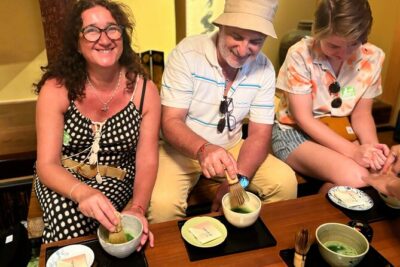
World Heritage Kyoto & Nara Uji Authentic Matcha Experience
Read our review →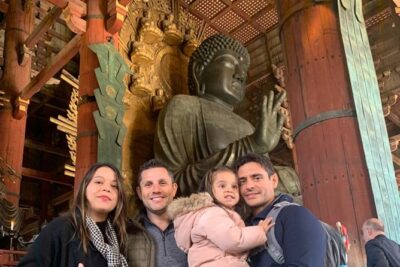
Nara Half Day Trip Walking Tour (Private Option Available)
Read our review →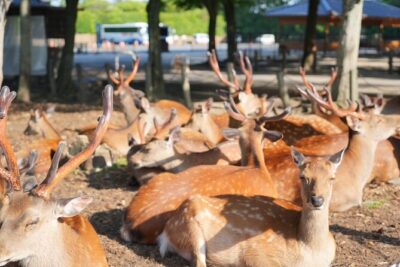
Nara Early Morning Tour (Kyoto or Osaka Departure Available)
Read our review →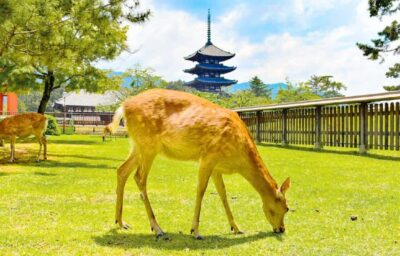
Nara and Uji Day Trip with Deer Park and Hot Spring
Read our review →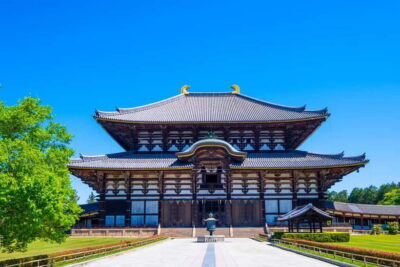
Kyoto/Osaka: Kinkakuji, Bamboo Forest, and Nara Deer Park
Read our review →
E-Bike Nara Highlights – Todaiji, Knives, Deer, Shrine
Read our review →
Nara Early Bird Tour (Kyoto Departure Option Available)
Read our review →
Nara:Authentic Tea Ceremony(Max 5 ppl) -Master Matcha Making
Read our review →Browse the lists this tour appears in