
Reviewed · NARA TOURS
Make Your Own Soy Sauce in Japan’s Old Capital Asuka Nara
Life tastes different when you press it. This Asuka workshop takes you inside Tokusei Soy Sauce in Japan’s old capital and then lets you make soy sauce by hand using a traditional wooden press. I love the tactile part, squeezing moromi yourself, and I also love the payoff, tasting the freshly pressed soy sauce right there with fresh tofu.
One thing to consider: you are paying for a focused, hands-on experience, and the price adds up if you are used to free attractions around Nara. Also, since it is in Asuka Village near Okadera Temple, you’ll want to plan your transit so you arrive relaxed.
Key highlights you’ll feel from the start
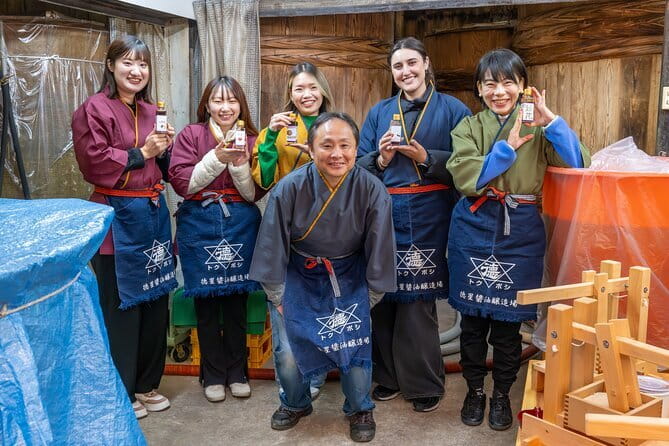
- Tokusei Soy Sauce since 1918 with a shop that has kept going through three generations
- Pressing moromi by hand using a traditional wooden press plus an original squeezer
- Your own label on your bottle, making it personal in a way museum tours never do
- Fresh taste test on the spot, with tofu from Shimode Tofu
- Mitarashi dumplings served with a sauce made from Tokusei Shoyu in collaboration with a long-running local shop
Soy Sauce in Asuka: Why This Workshop Is More Than a Food Trick
If you think soy sauce is just something that appears in bottles at the grocery store, this will change your mental map fast. The experience is set in Asuka, an area tied to Japan’s early history, but the magic here is practical. You watch how a centuries-old staple is made, then you physically take part in the process.
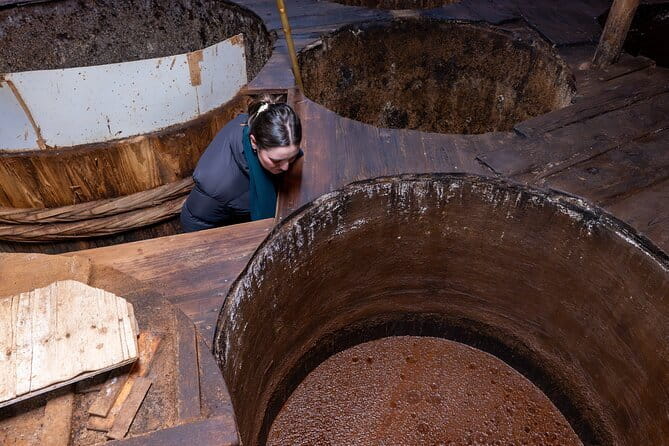
Two parts give the strongest payoff. First, the tour centers on a natural-brewed soy sauce shop that has been operating continuously since 1918. That matters because you are not just learning, you are stepping into a working rhythm built over generations. Second, your hands do the work: you press moromi, the mash base of soy sauce, and you package it into a bottle with a label you add yourself.
The only real drawback is time and energy. You are committing about 2 hours 30 minutes, and the location is not right in central Nara. If you pack your day with temples and long walks, this workshop can feel like another stop that you have to earn. I’d still call it a great use of time, just plan your schedule so you do not rush it.
A few more Nara days worth comparing
- World Heritage Kyoto & Nara Uji Authentic Matcha Experience
★ 5.0 · 1,573 reviews - Nara Half Day Trip Walking Tour (Private Option Available)
★ 5.0 · 937 reviews - Nara Early Morning Tour (Kyoto or Osaka Departure Available)
★ 5.0 · 676 reviews
Tokusei Soy Sauce and the Okadera approach you’ll notice right away
The workshop is based at Tokusei Soy Sauce, founded 105 years ago, and specifically made in Asuka Village on the approach to Okadera Temple. Even before the pressing starts, this setting gives context. Soy sauce making is not a sealed factory tour. It sits in a real neighborhood and a real food culture.
Tokusei has been in continuous operation for three generations since 1918. That is the kind of detail that changes your expectations. You’re not meeting a pop-up brand that started yesterday. You’re meeting a business with habits, methods, and long experience, which is exactly the tone you want for a hands-on food workshop.
If you love food craft, this is also a smart place to pause from sightseeing. Nara’s temples and gardens can stack up quickly. This activity is different. It smells like soy sauce, it feels like workshop work, and it gives you something to take home that is tied to the day you spent in Asuka.
Tour flow: from the brewery look to pressing moromi yourself
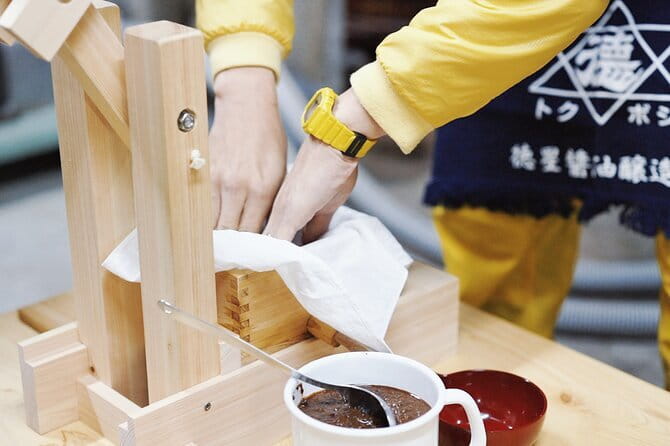
After a brewery visit, the focus shifts to the main event: pressing and squeezing. You’ll use an original press to work with the mash (moromi). The key detail is that you’re pressing using a traditional wooden setup. That makes the process slower and more physical than modern equipment.
Then there’s the squeeze step. You’ll also have a chance to squeeze soy sauce by hand using the tour’s original squeezer. For me, this is one of the best parts because it adds variety. You are not doing the same motion the entire time. You get a clearer sense of how pressure, time, and handling affect the output.
What I think you should watch for during the pressing: how the process feels, not just how it looks. Traditional soy sauce work is part craft and part patience. If you treat it like a quick photo op, you’ll miss the point. If you slow down, you’ll get a better feel for why Japanese cooking uses soy sauce the way it does.
You’ll also bottle your results. The squeezed soy sauce is packaged and decorated, and you attach your label. That transforms it from a tasting class into a keepsake. It’s the difference between eating a snack and bringing home something you can actually open later and remember.
The wooden press moment and why it makes sense for beginners
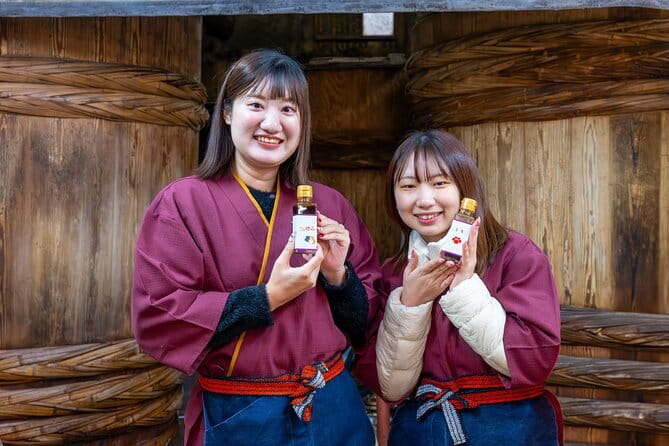
You do not need kitchen experience to enjoy this. The activity is built for visitors, which is clear from the fact that your role is hands-on but guided. The workshop gives you tools, shows the process, and then gets you pressing and squeezing yourself.
The wooden press is the highlight for several reasons:
- It forces you to pay attention to pressure and timing, because the physical motion is obvious.
- It makes the soy sauce process feel tangible. You can’t fully grasp moromi and filtration just from a diagram.
- It creates a satisfying sense of completion. Once you’ve pressed and packaged, you have a real product, not only knowledge.
Here’s a practical consideration: soy sauce is intense. Even if you like Japanese food, fresh soy sauce has a strong smell and flavor profile compared with aged, heated bottles you may be used to. That’s not a downside, it’s a chance to experience the ingredient at an earlier stage.
If you are sensitive to strong smells or you dislike raw, unheated flavor, go in with that awareness. The tour does include a tasting right after the pressing, so you’ll want to be comfortable with that.
Same corner of Japan, a different kind of day:
- Osaka: Nara and Uji Day Trip with Deer Park and Hot Spring
★ 4.4 · 302 reviews - Kyoto/Osaka: Kinkakuji, Bamboo Forest, and Nara Deer Park
★ 4.4 · 265 reviews - Nara 6hr Private Tour with Government-Licensed Guide
★ 5.0 · 219 reviews - E-Bike Nara Highlights – Todaiji, Knives, Deer, Shrine
★ 4.8 · 186 reviews
Labeling your bottle: the souvenir that actually feels worth it
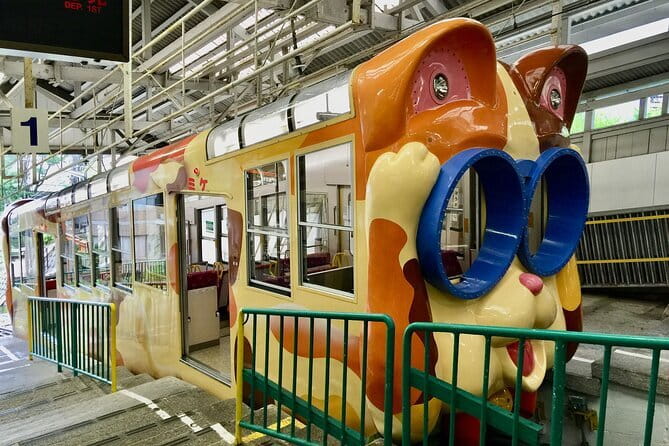
Lots of tours give you a small bag of snacks and a photo. This one gives you something you can display or use later. You finish by attaching your own label to the bottle, which makes the souvenir personal.
I like this approach because it avoids the usual souvenir problem. A branded bottle is fine, but it is forgettable. A bottle with your own label connects the product to your effort that day.
Also, the workshop has an added visual step: the bottled soy sauce is decorated, not just sealed. That helps it look giftable. So if you want something to bring home for family or friends, this is one of the better options in Nara’s experience lineup.
At $78.83 per person, the value logic is simple. You’re paying for guided labor, ingredient sourcing, and a take-home product that you meaningfully helped produce. You are not just paying for a tasting flight.
Tasting fresh soy sauce with tofu at Shimode Tofu
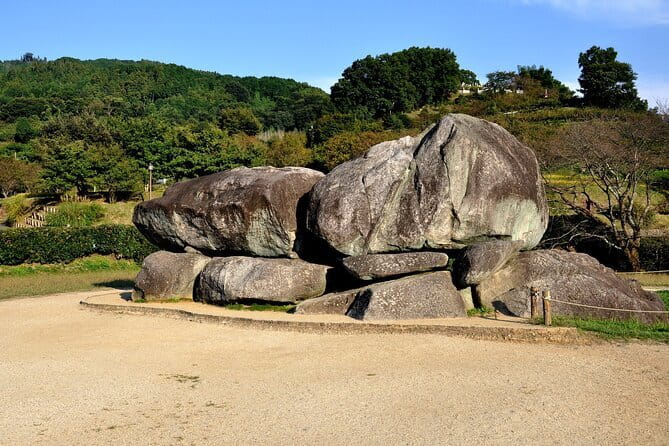
Right after the pressing, you taste the freshly pressed soy sauce. A key detail here is that it has not been heated. That difference matters. Heated soy sauce is common in cooking and in everyday bottles. Freshly pressed soy sauce tastes more direct and more pronounced.
The tasting happens with fresh tofu from Shimode Tofu in the village. I really like that pairing because tofu acts like a sponge for flavors. It makes the soy sauce experience clear without being overwhelming. It also keeps the tasting authentic to what you’d expect in a local food setting, where soy sauce gets used in simple, everyday combinations.
When you take your first bite, try it in two modes: plain tofu first, then a second bite with soy sauce. It helps you learn what the soy sauce is doing, not just that it tastes salty.
If you’re curious about how Japanese cooking layers flavor, this part gives you a quick education. Soy sauce isn’t only a salt substitute. It’s an ingredient with aroma, body, and a different character at different stages.
Mitarashi dumplings and Tokusei Shoyu’s collaborative sauce
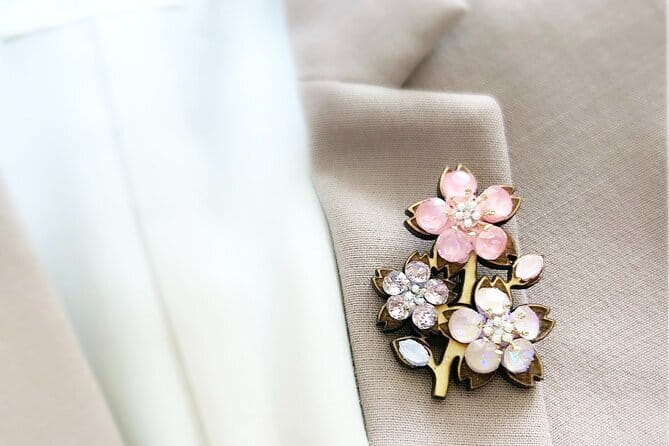
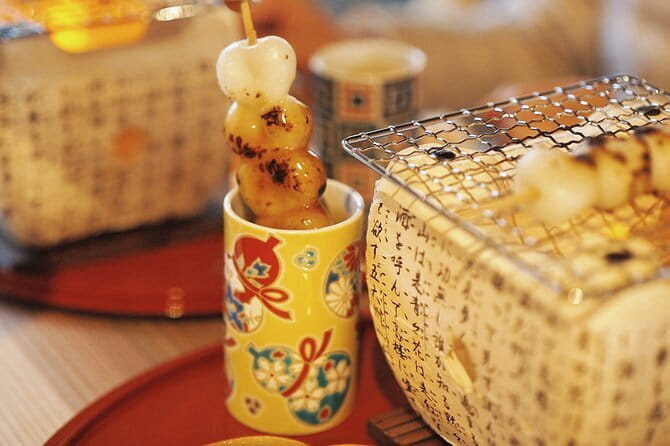
After the pressing and tasting, you’re served excellent Mitarashi dumplings. These come with an original sauce made from Tokusei Shoyu, in collaboration with a popular local store of long standing.
This is not just a random snack break. It’s a practical bridge from workshop to eating. You’ve just tasted soy sauce fresh with tofu, and now you try it in a classic sweet-savory application.
Mitarashi dumplings are easy to like, and this version includes a sauce tied directly to the workshop brand. You get a sense of how the same ingredient can function across different styles: straight tasting, tofu pairing, then dumpling sauce.
For food lovers, this also gives a nice rhythm. You work, you taste, you snack. It’s a well-paced loop that keeps the workshop from turning into a lecture.
Price and logistics: $78.83 for a guided, take-home soy sauce bottle
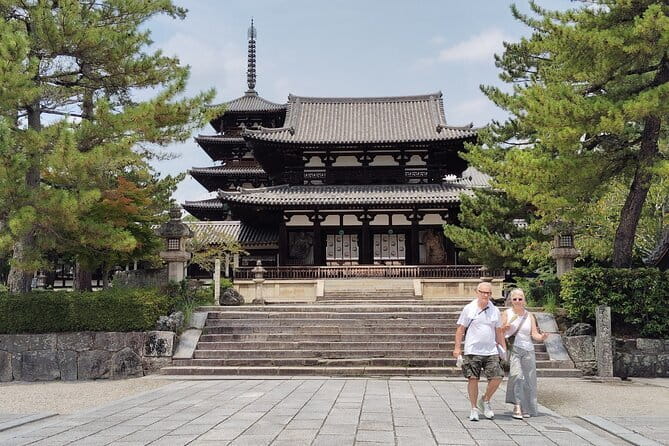
At $78.83 per person for about 2 hours 30 minutes, this is not a budget filler. But it is also not overpriced for what you actually receive. You leave with a bottle of your own soy sauce, complete with a label, plus you eat tofu and Mitarashi dumplings as part of the experience.
The “value” argument here is straightforward:
- You pay for guided hands-on making, not just observation
- You receive ingredients and finished product that become a real take-home item
- You get a tasting that teaches you something specific about fresh soy sauce
Booking-wise, it helps to know that it is often booked about 23 days in advance on average. If you’re aiming for a certain week while you’re in Nara and Kyoto, it’s smart to plan early. Demand can be unpredictable because people tend to pair Asuka with other historic areas.
Logistics are manageable but you should plan for it. The meeting point is at 明日香スタンド7 Oka, Asuka, Takaichi District, Nara 634-0111, Japan, and the site is near public transportation. Still, Asuka is less plug-and-play than central tourist zones, so build in a buffer time so you do not show up flustered.
Also note: it’s a private tour/activity. Only your group participates. That can be a big win for comfort and questions, especially if you have kids or you just prefer a quieter learning pace.
Who should book this Asuka soy sauce workshop?
You’ll be happiest if you like hands-on food experiences and you want something tangible from Nara besides photos. This works well for:
- People who enjoy Japanese cooking ingredients and want to understand them at the source
- Food travelers who want a workshop with an actual take-home product
- Small groups who like private attention and a slower, guided pace
- Anyone visiting Asuka and Okadera Temple anyway, who wants to add a local food craft stop nearby
If you are strictly temple-only, this might feel like a detour. But if you like the idea of connecting history with daily life, soy sauce making belongs in the same conversation as old capitals and traditional neighborhoods.
Practical tips to get the most from your pressing day
A few things will help you enjoy it more, even if you have never done anything like this before.
- Arrive with a little time to spare. Asuka has a calm pace, and you’ll enjoy the start more if you are not checking your watch.
- Be ready for strong smell and bold flavor. Fresh soy sauce tastes and smells more direct than typical pantry soy sauce.
- Keep an open mind if you’re a mild-sauce person. This workshop is about how soy sauce tastes early and freshly pressed.
- If you’re making this part of a bigger Nara day, plan your other stops around energy. You’re doing hands-on work for most of the session.
Should you book this soy sauce workshop?
If you want one memorable food experience in Nara that goes beyond eating, I’d book it. The best reason is simple: you do real work, you taste the result on the spot, and you take home a bottle you personalized with your label. That combination makes the experience feel earned, not staged.
You should skip it only if you dislike strong smells or you are looking for a cheap, quick activity. At $78.83 per person, you’re paying for guided craft and a finished take-home product. For the right traveler, it’s one of the most satisfying ways to spend a few hours in Asuka.
FAQ
How long is the soy sauce making experience in Asuka?
It lasts about 2 hours 30 minutes.
Where does the tour start?
The meeting point is 明日香スタンド7 Oka, Asuka, Takaichi District, Nara 634-0111, Japan. The activity ends back at the meeting point.
What time does it start?
The start time is 1:00 pm.
Is this tour private?
Yes. It is listed as a private tour or activity, so only your group participates.
What’s included in the price?
The experience includes snacks.
Is private transportation included?
No, private transportation is not included.
Do you get to taste anything during the workshop?
Yes. You taste freshly pressed soy sauce on the spot, with fresh tofu from Shimode Tofu, and you are also served Mitarashi dumplings with the original sauce made from Tokusei Shoyu.
What do you take home?
You bottle the squeezed soy sauce and attach your own label, creating a personalized bottle of soy sauce.
Can I cancel for free?
Free cancellation is available if you cancel up to 24 hours in advance of the experience’s start time, based on local time.
Fresh options around Nara
- Nara:Tea Tasting&Private Tea Ceremony -Master Matcha Making-★ 5.0 · 19 reviews
- Nara: Essential Private Tour with Deer Park and Temples★ 5.0 · 24 reviews
- Nara:5 Type of Tea Tasting & Mindful Tea Ceremony★ 5.0 · 28 reviews
- E-Bike Nara Highlights – Todaiji, Knives, Deer, Shrine, and Gems★ 4.5 · 34 reviews
- Nara: City Highlights Shared Group or Private Bike Tour★ 4.9 · 34 reviews
- Sushi Making Experience Luxury Course in Nara★ 5.0 · 36 reviews
- Nara: Private Walking Tour with a Local★ 4.3 · 36 reviews
- Private Nara Tour and Sake Tasting (Departing from Kyoto/Nara)★ 5.0 · 40 reviews
Nara Tours, compared.
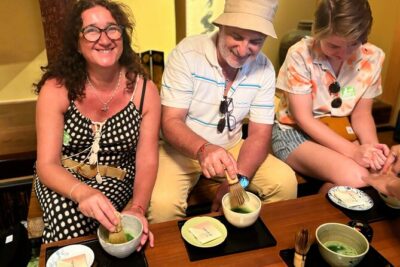
World Heritage Kyoto & Nara Uji Authentic Matcha Experience
Read our review →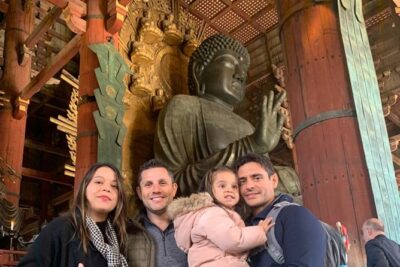
Nara Half Day Trip Walking Tour (Private Option Available)
Read our review →
Nara Early Morning Tour (Kyoto or Osaka Departure Available)
Read our review →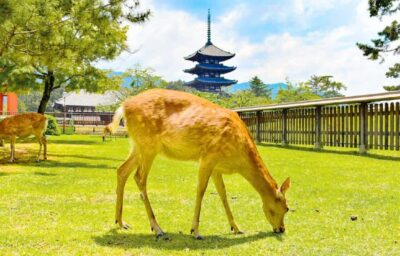
Nara and Uji Day Trip with Deer Park and Hot Spring
Read our review →
Kyoto/Osaka: Kinkakuji, Bamboo Forest, and Nara Deer Park
Read our review →
Nara 6hr Private Tour with Government-Licensed Guide
Read our review →
E-Bike Nara Highlights – Todaiji, Knives, Deer, Shrine
Read our review →
Nara Early Bird Tour (Kyoto Departure Option Available)
Read our review →Browse the lists this tour appears in