
Reviewed · 1-DAY TOURS
Osaka Private Tour with a Local Guide (Must See Places in 1 Day)
Osaka is loud in the best way. This private day plan lets you see the key hits, but it also gives you the freedom to slow down when something grabs your attention, with pickup options and a real local guide steering the day. I like the mix of big landmarks and small-feeling streets, and I like that the guide can answer your questions and help you spot what matters. One drawback to plan around: you pay for food, drinks, and transportation, so budget for those on top of the ticket.
The 8 hour pace works well if you want one focused Osaka day without turning it into a sprint. I also like that the tour includes unlimited edited photos, so you come home with a cleaner photo set than the usual I-hope-this-turned-out-ok collection. If you hate crowds, you should pick times carefully, because places like Kuromon Market and Dotonbori can get busy.
The route is friendly to different diets too, with options for halal or vegetarian meals if you want them. Just keep expectations realistic: two stops require paid admissions (Shitennoji and Umeda Sky Building), and the tour depends on good weather.
Key things I’d clock before you book
- Private, just your group: no waiting around for strangers to find their phone, and you set the pace.
- Photo support included: unlimited edited photos mean less time fiddling with settings and more time looking around.
- Shitennoji to Dotonbori in one day: a strong contrast, temple calm then neon energy.
- Kuromon Market is the food anchor: perfect for snack-hopping, not just sightseeing.
- Local-feeling back streets near Namba: Hozenji Yokocho gives you a breather after the main drag.
- Admissions are limited: most stops are free, only two are ticketed.
Why a private Osaka guide matters more than you think
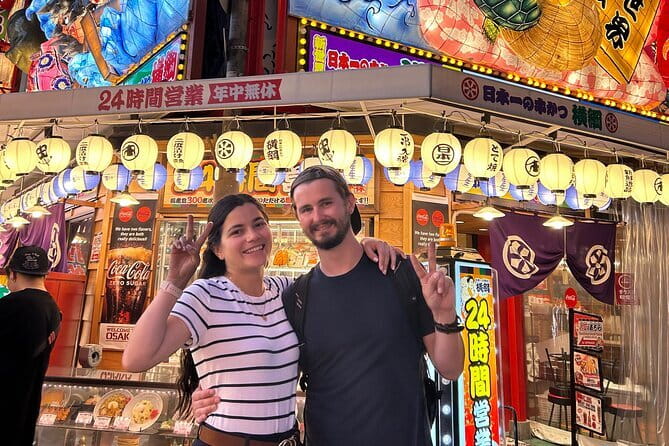
Osaka can feel like a maze until someone who knows the city gives you a map made of people, not paper. With a private tour, the guide can adjust based on what you care about. Want temple serenity, street food, and photo stops? Great. Prefer slower walking and extra time at markets? Also great.
The biggest value here is flexibility. Your guide can help you read the city in layers: where to walk for the best canal views, what streets are worth slowing down on, and how to connect areas without wasting time. In one review, the guide Ryutaro was praised for adjusting to the group’s pace of walking and sightseeing, which is exactly what you want in a day that includes both gardens and neon sidewalks.
And in another review, Ben was called out for being a joy to spend time with and for showing an especially local lunch spot. That is the difference between ticking boxes and actually understanding why a place feels like Osaka.
A few more Namba days worth comparing
- Osaka Bar Hopping Night Walking Tour in Namba (3 bars, 6 tastes)
★ 5.0 · 958 reviews - Osaka 4hr Private Tour with Government-Licensed Guide
★ 5.0 · 359 reviews - Osaka Sushi Making Class – Hands-On Nigiri & Rolls (Same-Day OK)
★ 5.0 · 352 reviews
How the 8 hour plan works, without turning into a race
This tour is about 8 hours, with around an hour at each main stop. That sounds rigid on paper, but the private format makes it feel more human. You’re not locked into a factory-style schedule. If your feet are tired, your guide can steer you toward shorter walks or pauses.
You’ll also be dealing with real-world travel time. The tour notes say it’s near public transportation, and transportation fees aren’t included. So you should expect to move around by some combination of transit and short taxi hops, then walk. That means comfy shoes are non-negotiable.
If you’re the kind of traveler who likes a plan but hates crowds at certain hours, think about timing. Early visits tend to feel easier at the temple and castle areas. The markets and Dotonbori are more lively later, especially around evening snack time.
Shitennoji: start with temple calm, not neon noise
You’ll begin at Shitennoji, one of Japan’s oldest temples. This is a good opener because it resets the day. You get a quiet place to understand how Osaka thinks about tradition and community, before the city switches gears into modern fun.
What makes Shitennoji special in practice is the atmosphere. Even if you do only a basic walk around the grounds, the temple’s gardens and the big five-story pagoda give your eyes something stable to focus on. It’s also a helpful start because you’re not already exhausted from walking.
Drawback to know: admission is not included here. So factor in the ticket cost for this stop. Also, it’s a popular cultural site, so expect some visitors, even if the mood is calmer than the rest of the route.
Shinsekai and Tsutenkaku: the retro Osaka detour
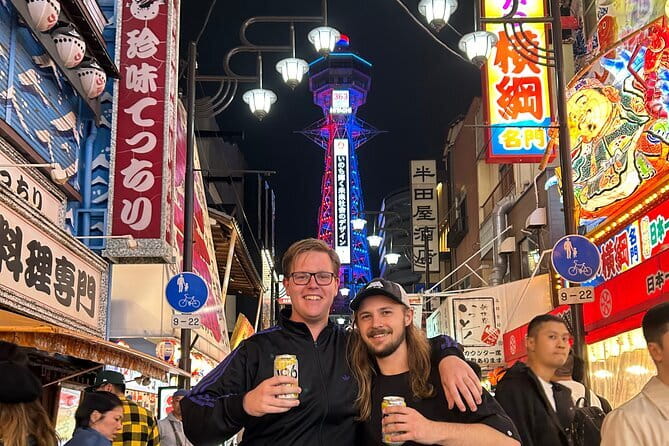
Next is Shinsekai, a neighborhood that feels like a time machine. The draw is the atmosphere. You’re walking through streets with that mid-century Osaka vibe, with the Tsutenkaku Tower area as the visual anchor.
This is the kind of stop where you don’t need a long museum explanation. You need time to look up, take photos, and notice the small details of the street scene. If you like quirky city textures, Shinsekai delivers.
A practical consideration: it can be busy and photogenic at the same time, so the walking pace matters. That’s where having a guide helps, because they can steer you to where the best angles are without you weaving through people constantly.
Same corner of Japan, a different kind of day:
- Osaka 6hr Private Walking Tour with Government Licensed Guide
★ 5.0 · 174 reviews - From Osaka or Kyoto: Kyoto and Nara 1-Day Bus Tour
★ 3.5 · 141 reviews - From Osaka/Kyoto: Kyoto & Nara Day Trip with Optional Lunch
★ 4.5 · 79 reviews - Airport Transfer from Osaka city to Kansai airport
★ 4.5 · 73 reviews
Kuromon Market: Osaka’s kitchen, best for snack strategy
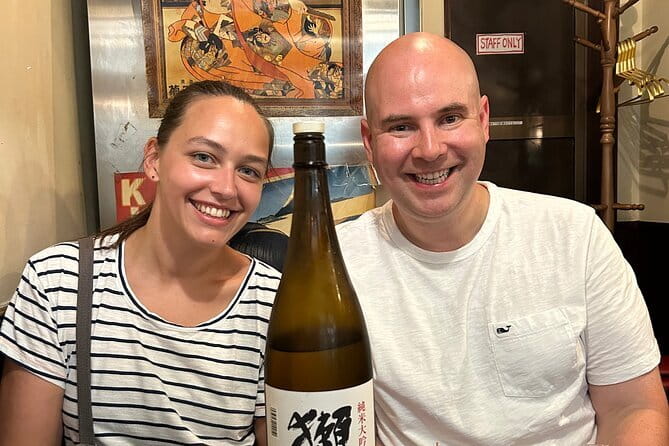
Then you hit Kuromon Market, often called Osaka’s kitchen. This is the place that turns a good day into a great day if you enjoy food as part of travel, not just as an afterthought.
The market is set up for tasting, not for one big sit-down meal. You can browse seafood, meats, and local specialties, then pick a few things that sound good to you. The best approach is a snack strategy: try small bites, compare stalls, and save room for later street food.
Admission is free, so you’re not paying just to walk around. Still, you’ll want cashless habits ready, because you’ll probably end up buying something.
What to watch for: food markets can get crowded, especially at peak times. If you’re sensitive to tight spaces, go a bit slower and focus on reading what’s cooking. The guide can also help you decide what’s worth your money and time, and they can accommodate halal or vegetarian preferences if you tell them you want that.
Osaka Castle: the big landmark moment (and why it works mid-day)
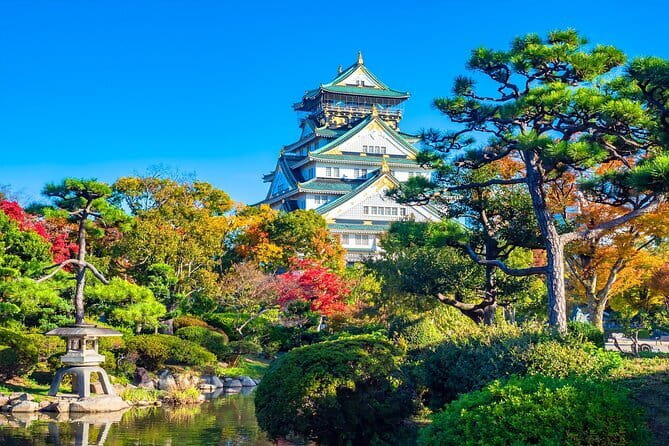
After the market, you shift to Osaka Castle, one of the city’s most recognizable sights. It sits inside lush gardens and surrounded by moats, so it feels like an intentional pause.
Why this stop is smart mid-day: you get a change of tempo after the hustle. The massive stone walls and the castle tower area give you those classic photo views. Even if you don’t go deep into exhibits, the exterior setting is worth it.
Admission is listed as free for this stop in the tour description, which helps value. Still, plan for some walking on-site, and expect families and groups when it’s open and sunny.
Umeda Sky Building: modern city views with a ticket
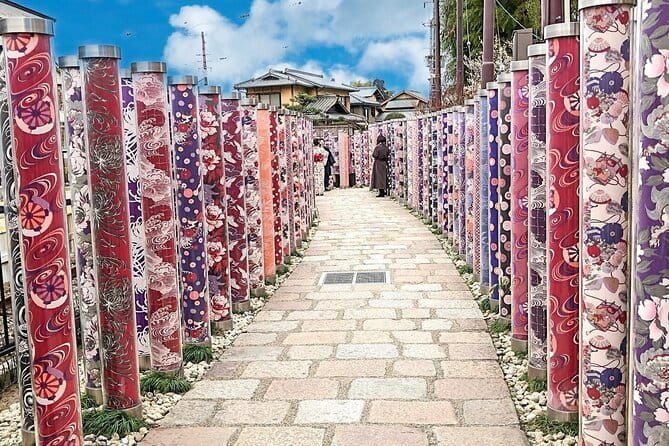
Next is Umeda Sky Building, a modern architectural stop with a connected floating observatory. This is your skyline payoff. If you like seeing how a city spreads and stacks, this is where Osaka becomes a map.
Admission is not included here, so this is one of the two ticketed stops you’ll pay for during the day. The good news is that it’s only one location, not a long list of extra paid entries.
If you’re choosing what to wear, think about weather. Even if it’s not cold, building observatories can feel cooler with wind. Bring a layer you can handle easily.
Dotonbori: neon canal energy and photo ops
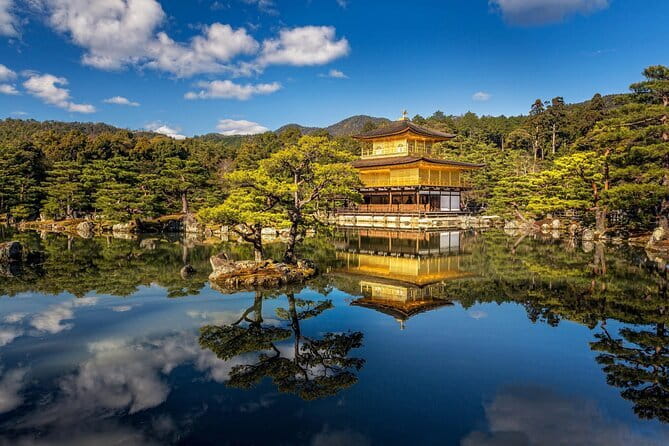
Then comes Dotonbori, the beating heart of Osaka’s entertainment and nightlife. This is where the city turns bright and loud. The canal reflections, big signage, and endless food stalls are a major sensory hit.
This stop is free, and it’s easy to see why. You don’t need to plan every minute. You can wander and react to what’s in front of you: signage, street food lines, and the way people move along the canal.
The only consideration is crowd comfort. Dotonbori is popular, so if you prefer wide sidewalks and low noise, you might want to keep moving and spend more time on the edges than in the tightest choke points.
Hozenji Yokocho: the quiet alley break near the chaos
Just a short walk away, Hozenji Yokocho gives you a different feeling. It’s narrow, old-school, and lined with traditional shops and restaurants. It’s a nice palate cleanser after Dotonbori because the energy drops from full-volume street spectacle to cozy alley atmosphere.
This is also a strong photo stop because it contrasts with the neon around it. Free entry for this part makes it easy to enjoy without thinking about time or costs.
Namba: where the day ends in full Osaka mode
Finally, the tour lands in Namba, one of the biggest nightlife and shopping areas. If you want to keep exploring after the official tour time, Namba is a smart place to finish because you’ll have plenty of options for food, shopping, and just soaking up the local scene.
The stop is free, and it’s a good way to end because you don’t feel like you’re leaving the city at a dead end. Your guide can also point you toward what fits your mood, whether you want more browsing or a calmer pocket nearby.
What the photos and guide energy actually change
This tour includes unlimited edited photos, which is a bigger deal than it sounds. When someone else is handling the photo moments, you waste less time trying to time shots. You also get a consistent look across the day instead of a mix of blurry phone photos and luck-based selfies.
The guide part matters even more. In reviews, guides like Ryutaro and Ben were praised for making the day feel personal and for adjusting the walk and sightseeing pace. That kind of responsiveness is what turns a list of places into a day that feels like Osaka, not like a brochure.
If you like learning the tiny things, this tour also supports your curiosity, with mention of local Kansai dialect along the way. It’s the small language touches that can make street scenes feel more alive, because you’re picking up context instead of only looking.
Price and value: what $118.89 really covers
At $118.89 per person, you’re paying for a private guide experience with pickup options, photo editing, and a focused route across major Osaka highlights. The tour includes:
- Private and personalized time with an English and Japanese guide
- Optional meet-up at your accommodation
- Unlimited edited photos
- A route that hits Shitennoji, Shinsekai, Kuromon Market, Osaka Castle, Umeda Sky Building, Dotonbori, Hozenji Yokocho, and Namba
Not included:
- Food and drinks
- Transportation fee
- Admission tickets for Shitennoji and Umeda Sky Building
So the value equation depends on how you travel. If you would otherwise pay for multiple admissions and spend hours figuring out transit, this private structure can save stress. The only real cost surprise is that you still need to budget for your meals and transit, plus two paid admissions.
Group discounts are mentioned too, which can make this more attractive if you’re traveling with friends or family.
Practical tips to make the day feel smooth
Here are the things that usually make or break a one-day city tour like this.
- Wear comfy walking shoes. You’ll cover multiple neighborhoods, and some streets are narrow.
- Decide in advance how you’ll handle food: snacks at Kuromon plus a later meal in Namba is a natural combo.
- Tell the guide about halal or vegetarian needs early. The tour overview indicates you can be supported, but you’ll get better results with clear preferences.
- Bring a small layer for observatory time at Umeda Sky Building. Buildings can feel breezy even when the streets don’t.
- Plan for crowds at Dotonbori and Kuromon. If you hate tight spaces, accept a slower pace and use the guide to choose where to walk.
Who this Osaka private tour is best for
This tour fits best if you:
- Want one day that balances big sights with street-level Osaka
- Like having a guide help with choices, directions, and pacing
- Care about food and want market time instead of only photos
- Travel as a couple, small group, or family who benefits from private flexibility
- Want unlimited edited photos without managing every stop like a photo shoot
It might not be ideal if you:
- Have a strict budget and don’t want to pay for meals, transit, and two admissions
- Want to avoid crowds completely, since several stops are popular
- Prefer deep museum time over neighborhood wandering
Should you book this Osaka day? Here’s my straight take
If you want an Osaka highlight day with a guide who can flex the pace, this is a strong choice. The route makes sense: start with a calm temple, go retro with Shinsekai, eat at Kuromon Market, then shift to castle and skyline views before ending in neon Osaka and Namba energy.
The biggest reason to book is practical: you’re getting a private local experience plus photo support, while most stops are free and only two require paid admission. If you’re comfortable budgeting for food, transit, and those tickets, you’ll get a lot of city in one day without the usual chaos of figuring everything out alone.
If you want to maximize your satisfaction, set expectations clearly with your guide about what you want most, food preferences, and how fast you like to walk. That is when the day stops feeling like a route and starts feeling like Osaka.
FAQ
How long is the Osaka private tour?
It’s about 8 hours.
Is this tour private or shared?
It’s a private tour. Only your group participates.
Are pickup and meet-up options available?
Yes, pickup is offered, and there is also an optional meet-up at your accommodation.
What’s included in the price?
The tour includes a private personalized experience, unlimited edited photos, and an English and Japanese guide. There is also mention of mobile ticket and group discounts.
What is not included?
Food and drinks are not included, and transportation fees are also not included. Admission tickets are not included for Shitennoji and Umeda Sky Building.
Which stops require admission tickets?
Shitennoji and Umeda Sky Building list admission tickets as not included. The other listed stops are marked as free.
What if the weather is bad?
The experience requires good weather. If it’s canceled due to poor weather, you’ll be offered a different date or a full refund.
Fresh options around Namba
- Badminton in Osaka & Kyoto with Locals!★ 5.0 · 15 reviews
- 1 Day Takoyaki Making and Osaka Castle Walking Tour★ 5.0 · 15 reviews
- Osaka Food Tour Eat Like a Local in Namba and Dotonbori★ 5.0 · 17 reviews
- Osaka: Namba Local Food Walking Tour (Taste 15 Dishes)★ 5.0 · 20 reviews
- Osaka Delights: Traditional Japanese Food Tour★ 4.5 · 33 reviews
- From Osaka/Kyoto: Kyoto & Nara Day Trip with Optional Lunch★ 4.5 · 79 reviews
- From Osaka or Kyoto: Kyoto and Nara 1-Day Bus Tour★ 3.5 · 141 reviews
- Osaka 6hr Private Walking Tour with Government Licensed Guide★ 5.0 · 174 reviews
1-Day Tours, compared.
Mt Fuji and Hakone 1-Day Bus Tour Return by Bullet Train
Read our review →
Mt Fuji & Hakone Cruise, Drum Show Bullet Train 1 Day from Tokyo
Read our review →
Peaceful Hiroshima & Miyajima UNESCO 1 Day Bus Tour
Read our review →
Fushimi Inari, Kinkakuji, Bamboo Grove 1 Day Bus Tour
Read our review →
Browse the lists this tour appears in