
Osaka tastes best at night. This Namba and Dotonbori food tour mixes iconic neon with five local tastings, guided by pros like Kevin. I especially like the small group size (max 9), and how the stops avoid the usual tourist rush. The one drawback to plan for is simple, there is no hotel pickup, so you’ll need to get to Namba yourself.
You meet at 5:00 pm near Namba Station, then you start moving right into Minami’s energy. You’ll see the bright sign corridor around Sennichimae, check out the famous Glico Man on the Ebisubashi Bridge, and slip into a quieter alley for Hozen-ji Temple.
At $90 for about 3 hours 30 minutes, you’re paying for real guidance plus multiple meal stops, not just snacks. The included 2 drinks can help the value feel more like a dinner-out evening. If you’re the type who hates walking in busy areas, the crowded streets around Dotonbori and Sennichimae might be the only thing that slows your pace.
Key things to know before you go
- Max 9 travelers keeps it more chatty than chaotic, so you can actually ask questions.
- Five local eateries on one route means you eat more variety without juggling restaurant plans.
- 2 drinks included (alcoholic is up to you) helps turn a food walk into a proper night out.
- Iconic sights with practical context at Ebisubashi and Hozen-ji, not just quick photos.
- A guide who handles the flow so you are not stuck figuring out what to order and where to queue.
- 3.5 hours at night fits well between a late dinner and an evening wander in Osaka’s busiest district.
How this Namba and Dotonbori food tour really works
This is a 3 hours 30 minutes evening food walk that starts at 5:00 pm and ends back at the meeting point. You get a mobile ticket, so you’re not hunting for paper. The big idea is that you eat at several places across Namba and Dotonbori, with your guide setting the pace and adding the local meaning behind what you are tasting.
Because the group is capped at 9, the tour feels like a guided hangout more than a class. That matters in Osaka’s main nightlife zones, where crowds can be tight and people move fast. When a group is bigger, guides tend to spend more time herding bodies than talking. Here, you get more of the stories, the little food details, and the chance to actually listen.
One more practical point: there is no hotel pickup. That is not a dealbreaker, but it does mean the tour is best if you are already staying near Namba, willing to take transit, or comfortable walking a bit to reach the start.
More Food Tours in Osaka
- Osaka: Shinsekai Food Tour with 13-15 Dishes at 5 Eateries
★ 4.8 · 2,204 reviews - Osaka Food Tour: 13 Dishes at 5 Local Eateries
★ 5.0 · 2,149 reviews - Hungry Osaka Street Food Tour:15 Tastings & 3 Drinks with a Local
★ 5.0 · 1,727 reviews
Meeting near Namba Station at 5:00 pm
Your start point is listed as 3 Chome-8 Namba, Chuo Ward, Osaka, and the itinerary notes meeting at Exit 18 of Namba Station. Either way, you’re anchored in Namba, which is convenient because the area is well connected by public transportation.
Why I like the start time: 5:00 pm lands right when lots of places start gearing up for evening crowds. You get that night-food rhythm early, before everything is totally packed, but after the day has cooled enough for a comfortable walk. Expect to move at a lively pace for a few blocks at a time.
Bring what you normally bring for an Osaka night out: comfortable shoes and a phone with enough battery for quick navigation. The route includes both bright main streets and short alleyways, so slippery surfaces and uneven sidewalks are possible when it’s busy.
Namba to Sennichimae: neon streets plus classic street-food vibes
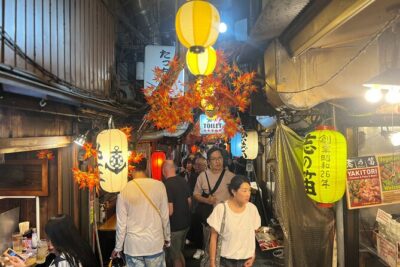
The tour begins in Namba, Osaka’s famous Minami neighborhood. This is where the city does its loudest impression, with bold signboards, small shops, and lanes filled with food smells.
From there, you move into the Sennichimae area, which sits just east of Dotonbori. Think: bright storefronts, ramen spots, arcade energy, and plenty of kushikatsu stands clustered into a compact area. This is the part of the night where it can get busy along the main drag, so your guide’s timing matters. A good guide will help you avoid dead stops while still letting you take in the scene.
What makes this section worth it is that you are not just walking through for photos. Your tastings tie you to what locals actually order in this pocket of the city. When you sample food in the same streets where people buy it all the time, it clicks faster.
Ebisubashi Bridge and the Glico Man sign
If you are visiting Osaka for the first time, the Glico Man sign is one of those landmarks you end up hearing about even before you arrive. The tour includes it because it sits above the Ebisubashi Bridge, lighting up the canal view at night.
Here’s the value: your guide can point out how the landmark fits into the Dotonbori night scene. It’s not just a photo stop. It’s part of the visual language of Minami, where food and lights run together like a single attraction.
Also, when you visit with a small group, you spend less time waiting for the perfect angle. You are moving as a unit, so you get the moment without turning it into a 20 minute traffic jam.
Same corner of Japan, a different kind of day:
- Osaka Go Karting Tour with Funny Costume
★ 5.0 · 2,658 reviews - Osaka Castle: Museum and Tower Entry Ticket
★ 4.5 · 2,380 reviews - Osaka: teamLab Botanical Garden Entry Ticket
★ 4.5 · 1,710 reviews - Osaka: Tea Ceremony Experience
★ 4.9 · 1,426 reviews
Hozen-ji Temple: a short pause from the noise
After the bright streets, the tour slips down a quieter alley to Hozen-ji Temple. This stop is about 10 minutes and is listed as free.
The standout here is the Fudo Myo-o statue. Visitors use a ladle to sprinkle water over the statue while praying, which gives you a simple, hands-on way to participate in a local ritual. It’s brief, but that brevity is the point. You get a real contrast from the neon behind you, without losing time you could spend eating.
Why I like this kind of stop on a food tour: it reminds you that Osaka’s street food culture lives alongside older traditions. Even if you are mostly here to eat, you come away with a more layered view of the city.
What you can expect to eat at five local eateries
The tour includes dinner with multiple food tastings at 5 authentic local eateries. The dishes change nightly, but you should expect a mix of classic Osaka comfort foods such as takoyaki, kushikatsu, udon, karaage, plus dessert.
Here is how that combo usually feels as an evening plan:
- Takoyaki gives you a fun start. You get that crispy outside, soft inside texture, and a sauce and toppings style that is pure Osaka energy.
- Kushikatsu is all about eating small skewers in a social way. It is typically deep-fried and meant to be ordered and shared at the counter or in tight spaces.
- Udon adds comfort and balance. One guide-led tour note from a prior guest highlighted udon with tofu as especially memorable, which tells you this stop is not an afterthought. It’s designed as a real meal moment.
- Karaage brings the savory, juicy fried chicken hit, often a crowd favorite because it is familiar in concept but very satisfying in execution.
- Dessert rounds the night out so you do not leave feeling like you only ate fried foods and sugar-less snacks.
You should plan to come hungry. The goal is not one bite per stop. It is multiple tastings that add up, and the end result is usually that you feel comfortably full rather than politely nibbling.
If you have dietary restrictions, I recommend telling your guide early in the tour. The data doesn’t list ingredient specifics, so your guide is your best source for what can be accommodated in the moment.
The guide matters: stories, pacing, and Japanese help
The tour’s biggest differentiator is the guide. These are described as full-time professionals who have lived in Japan and run hundreds of tours. You are not stuck with someone reading a script.
In at least some groups, guests specifically mentioned Kevin as friendly, super knowledgeable, and able to speak Japanese, which helped with the ordering and with understanding what you were eating. That’s practical. When you can ask a question naturally, you get clearer answers about food choices and local customs.
I also like the overall approach described for this tour. It is built for relaxed conversation, not loud instruction. In a place like Dotonbori, where crowds are thick, that quiet confidence helps the night feel fun instead of stressful.
Drinks and food value: why $90 can make sense here
The price is $90 per person for about 3 hours 30 minutes. That can sound high until you break down what you’re getting: 5 food stops with multiple tastings plus 2 drinks included.
Two included drinks matters more than it sounds. Dinner in Osaka can add up fast if you’re also ordering beer or other beverages with each stop. Here, at least some of that cost is folded in.
Also, the tastings cover a wider range than a typical sit-down meal would. Instead of choosing one restaurant and committing, you get a sampling route across different street-food styles. That is ideal when you want variety but do not want to spend your whole evening restaurant-hopping.
One note: the info says the two included drinks can be alcoholic, but it depends on what you choose. If you do not want alcohol, you still get those included drinks, and the tour keeps the focus on food and conversation.
Walking comfort and pacing in crowded Minami
This is an evening tour in one of Osaka’s busiest areas. That means you should expect crowds around Dotonbori and the main Sennichimae stretch.
But the pacing is designed to avoid the worst kind of tourist chaos. The tour keeps groups small, and it is framed as a relaxed experience, not a sprint through checklists. That usually translates into a smoother rhythm: walk together, eat together, then move on while the streets are at their busiest.
To enjoy it, wear shoes you trust. Also, plan to eat with your hands or using chopsticks depending on the dish. Street-food servings can be quick, so you’ll want a comfortable pace once you are at each stop.
Who this Osaka food tour fits best
This is a strong choice if you want:
- A focused route through Namba and Dotonbori without figuring out restaurant names
- Classic Osaka bites in a single night
- A small group experience where you can talk with your guide
- Iconic landmarks paired with food context, not just sightseeing
It’s especially appealing for first-timers to Osaka because the route hits big-name areas like Ebisubashi and gives you a short cultural palate cleanser at Hozen-ji Temple.
If you already know Osaka well and want super deep, high-end dining only, you might find this style more street-food and variety-based than fine dining. But if your goal is to leave the night full and smiling, it’s a good match.
Should you book this Namba Food Tours Eat Like a Local?
I think you should book if you want an organized way to eat your way through Osaka’s most famous night district, without turning your night into a scavenger hunt. The combination of five food tastings, 2 included drinks, and small-group guidance is the real value.
Book it especially if you like the idea of classic Osaka hits like takoyaki and kushikatsu plus a more balanced stop like udon. And if you care about landmarks, you get the Glico Man and Ebisubashi Bridge moment, then you slow down briefly at Hozen-ji Temple.
Skip it or rethink it if you are staying far from Namba or you strongly prefer hotel pickup, because this tour is designed for you to make your own way to the start. Also, if crowds stress you out, you can still have a great night, but it helps to go in with comfortable shoes and patience for the busiest streets.
FAQ
What time does the tour start?
The tour starts at 5:00 pm and runs for about 3 hours 30 minutes.
Where do I meet the guide?
You meet at 3 Chome-8 Namba, Chuo Ward, Osaka, 542-0076, Japan. The itinerary also notes meeting at Exit 18 of Namba Station.
How many people are in the group?
This tour has a maximum of 9 travelers.
What food and drinks are included?
Dinner includes multiple food tastings at 5 authentic local eateries, with dishes that can include takoyaki, kushikatsu, udon, karaage, dessert, and more. The ticket price also includes 2 drinks, and they may be alcoholic depending on your choice.
Is private transportation or hotel pickup included?
No. There are no hotel pickups on this food tour, though private tours may offer pickup if arranged directly with the provider.
What is the cancellation policy?
You can cancel for a full refund if you cancel up to 24 hours in advance of the experience start time. If you cancel less than 24 hours before, the amount paid is not refunded.
Fresh options around Osaka
- OSAKA:Feel the Power! Learn Taiko Drum from Professionals★ 5.0 · 17 reviews
- Hiroshima and Miyajima Private Day Tour from Kyoto/Osaka★ 5.0 · 17 reviews
- Learn Zen in a class of making Matcha tea near Osaka Castle★ 4.8 · 17 reviews
- Amanohashidate & Ine Funaya Kyoto coast day trip from Osaka/Kyoto★ 4.5 · 17 reviews
- Official Japan Go-Kart Through Osaka Castle★ 4.5 · 18 reviews
- Kyoto Top Four Highlights Day Trip from Osaka or Kyoto★ 5.0 · 18 reviews
- Premium Kimono Dressing, Tea Ceremony, Calligraphy, Samurai show★ 5.0 · 18 reviews
- Nara, Todaiji Temple & Kuroshio Market Day BUS Tour from Osaka★ 3.5 · 18 reviews
Food & Drink, compared.
Shinjuku Food Tour (13 Dishes at 4 Local Eateries)
Read our review →
Tokyo Tsukiji Fish Market Food and Culture Walking Tour
Read our review →
Shinsekai Food Tour with 13-15 Dishes at 5 Eateries
Read our review →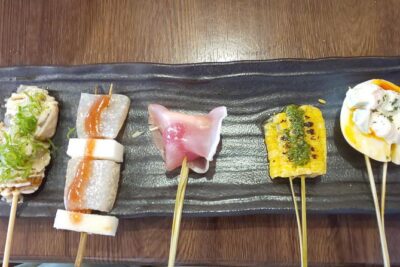
Osaka Food Tour: 13 Dishes at 5 Local Eateries
Read our review →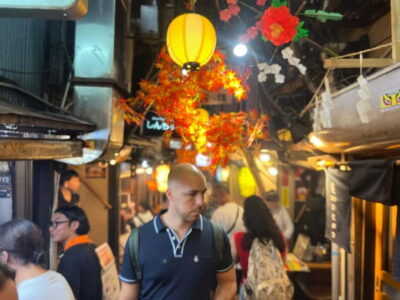
Shinjuku Food Tour (15 Dishes and 4 Eateries)
Read our review →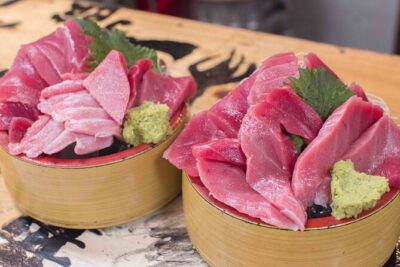
Best of Shinjuku: Izakaya Food Tour (4 Stops, 14+ Tastings)
Read our review →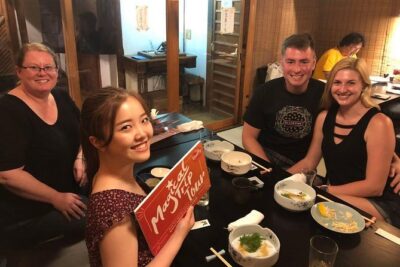
Kyoto Night Foodie Tour in Gion (9+ dishes + 6 Sake tastings)
Read our review →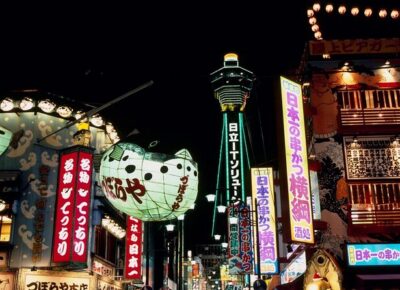
Hungry Osaka Street Food Tour:15 Tastings & 3 Drinks with a Local
Read our review →Browse the lists this tour appears in