Reviewed · OSAKA TOURS
Osaka 4hr Private Tour with Government-Licensed Guide
Osaka is a city you feel in your feet. This private, customizable 4-hour walking tour strings together old shrines, big landmarks, and classic shopping streets with a licensed guide translating what you’re seeing. You’ll also get real local flow, not a rigid checklist.
I love that you can tailor your route to your interests, picking 2 to 3 stops from a smart set of Osaka highlights. I also like the sheer variety packed into half a day, from Dotonbori food-stall energy to the calm of Sumiyoshi Taisha.
One consideration: this is a walking tour, so expect real time on sidewalks and stairs in and out of stations. If you’re not comfortable walking, or you want a low-effort day, you may want to rethink the format.
Key points before you go
- Government-licensed, English-speaking guide who can adjust the plan to you
- Choose 2 to 3 sights from major Osaka neighborhoods and landmarks
- Start with street food atmosphere, then mix in temples, castles, and photo stops
- Entrance fees, food, and transit cost extra, so budget for add-ons
- Meet on foot near your hotel within a designated area of Osaka
- Highly rated guides are known for clear explanations, good pacing, and helpful logistics
A 4-hour private walk that feels like a smart shortcut
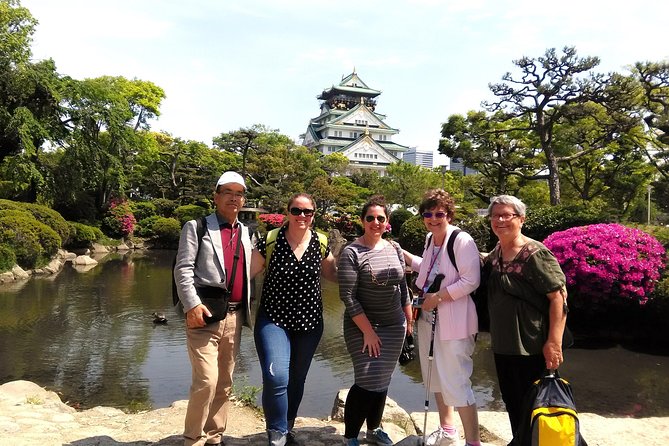
This is a private tour, meaning only your group goes along for the ride. That matters in Osaka, where getting from one neighborhood to the next is easy once you know the station names and exits, and much harder when you are guessing in the heat. You get a guide who can keep things moving while still building in time to look around and take photos.
The format is built for first-timers and fast planners. In about four hours, you can hit iconic places like Dotonbori, a market, a shrine or temple, and still have time for a big-view stop or Osaka Castle depending on what you choose.
One more practical point: pickup is offered, but it’s on foot. Your guide meets you near your hotel (within a designated area), which avoids the “where exactly do we meet?” stress. If you are arriving from another city or already in Osaka, plan to be at your meeting spot ready to walk.
A few more Namba days worth comparing
- Osaka Bar Hopping Night Walking Tour in Namba (3 bars, 6 tastes)
★ 5.0 · 958 reviews - Osaka Sushi Making Class – Hands-On Nigiri & Rolls (Same-Day OK)
★ 5.0 · 352 reviews - Osaka 6hr Private Walking Tour with Government Licensed Guide
★ 5.0 · 174 reviews
Dotonbori and shopping streets: Osaka’s everyday chaos, explained
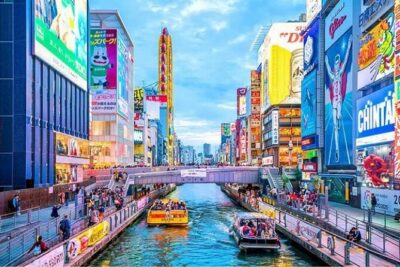
Dotonbori is the part of Osaka people talk about because it looks like a movie. You’re walking past enormous signs, layered restaurant fronts, and the constant motion of people hunting for dinner. This stop is great when you want to get your bearings fast and understand why Osaka is famous for food.
A nice bonus here is the guide’s angle. Instead of just naming sights, a strong guide will point out what you are actually seeing: why the signage is arranged the way it is, where people line up, and which streets connect you to the next area without backtracking.
You may also include Sennichimae Doguyasuji, a short but very focused shopping arcade for kitchen tools and cooking supplies. It’s not a generic souvenir street. You’ll see specialized stores selling utensils, appliances, and tableware, which makes it a fun place to browse even if you do not plan to buy. For food lovers, it adds context to Osaka’s obsession with eating well.
Another common pairing is Shinsaibashi-suji, a long shopping arcade known for cosmetics, apparel, and restaurants. If your group likes people-watching and quick browsing, this is where you slow down, step off the busiest axis for photos, then return when you want the energy again.
Timing reality check: these street zones can feel “longer” once you stop for snacks or photos. Keep your expectations flexible, especially on weekends when crowds are thicker.
Kuromon Market: where you can taste Osaka fast
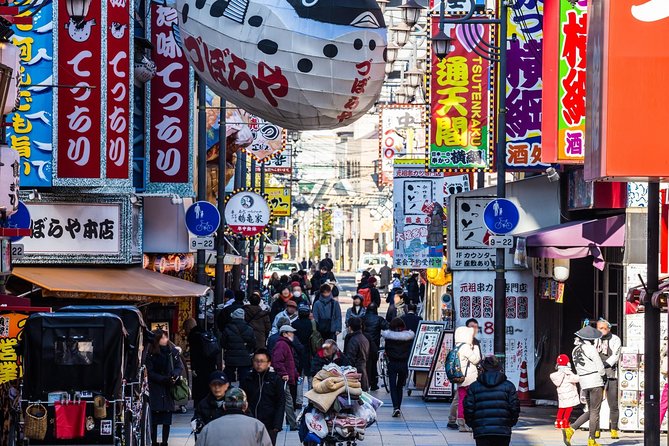
Kuromon Market is the most natural food stop in this kind of half-day plan. It’s roofed, lively, and designed for browsing, sampling, and deciding on the spot. The market is especially noted for seafood, with conger pike in summer and fugu in winter, plus many shops specializing in winter delicacies like fugu and hamo.
Even if you do not eat a full meal, Kuromon is valuable because it gives you a snapshot of Osaka’s food culture in a compact area. You can look at how seafood is displayed, notice price differences between shops, and get a feel for what local vendors prioritize.
Just plan food smartly: entrance is free, but food is not included. If you want to keep the tour moving, set a simple goal, like trying one snack item or sharing a small plate. If your group wants a sit-down lunch, it can eat into the four-hour window, so I recommend choosing your lunch plan before you start walking that day.
Sumiyoshi Taisha, Shitennoji, and Keitakuen Garden: older Osaka in short doses
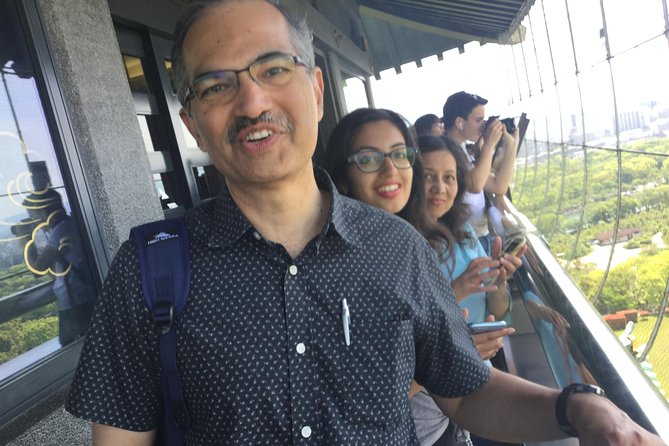
Not every Osaka tour balances the big city with calm. Here, you can swap in some of the city’s oldest spiritual sites and gardens, which is exactly what you want after the intensity of Dotonbori.
Sumiyoshi Taisha is one of Osaka’s oldest shrines, with roots going back to the 3rd century before Buddhism arrived in Japan. It’s a great stop when you want a sense of time depth without needing hours and hours. The setting tends to feel less like a photo backdrop and more like a place of ritual and tradition, even for first-time visitors.
Shitennoji is another anchor stop. It’s one of Japan’s oldest temples and was founded in 593 by Prince Shotoku, tied to the introduction of Buddhism. This is one of those places where your guide can make the layout click. The value here is knowing what you’re looking at, which gates, halls, and details matter, and how to move through the grounds without missing key points.
If you want a lighter add-on, Keitaku-en Garden (in Tennoji Park) gives you the landscaped pause inside a city schedule. It’s a short stop that can shift your mindset from street-level excitement to quiet strolling.
Practical note: these stops can be slower in the sense that you’ll want to look at details. If you pick too many quiet sites, you might feel rushed at the big photo landmarks later.
Same corner of Japan, a different kind of day:
- From Osaka or Kyoto: Kyoto and Nara 1-Day Bus Tour
★ 3.5 · 141 reviews - From Osaka/Kyoto: Kyoto & Nara Day Trip with Optional Lunch
★ 4.5 · 79 reviews - Airport Transfer from Osaka city to Kansai airport
★ 4.5 · 73 reviews - Osaka Private Tour with a Local Guide (Must See Places in 1 Day)
★ 5.0 · 57 reviews
Umeda Sky Building and the Osaka Castle call: big views and big walls
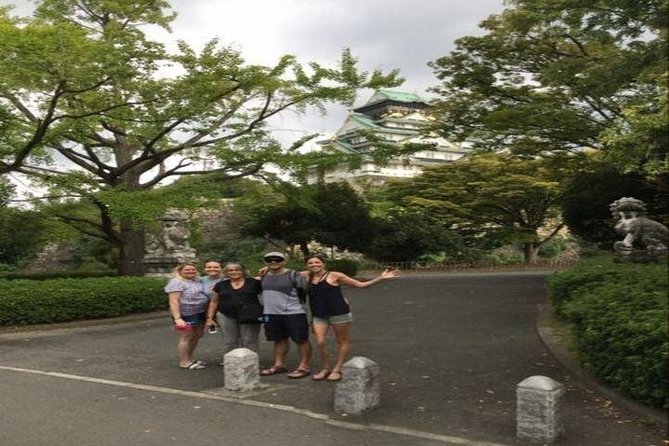
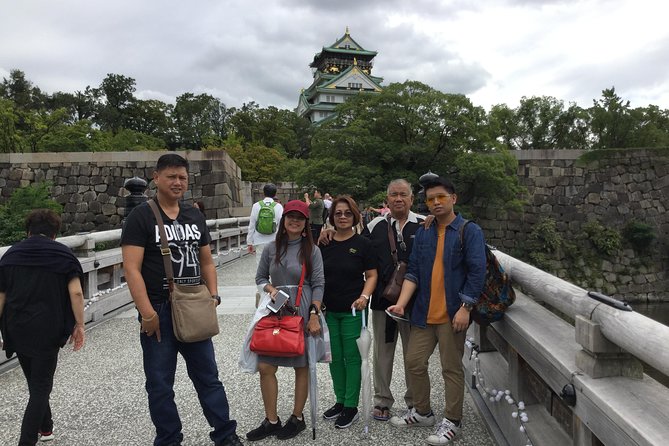
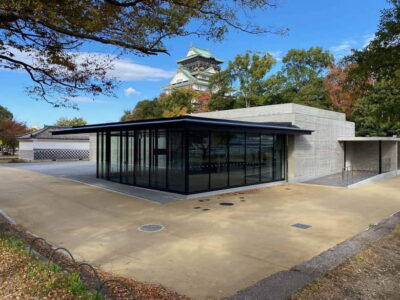
Osaka Castle is probably the most famous “must-see” in this set, and it’s easy to see why. The castle is known for its five-story look and a history stretching back nearly 450 years. Even if you only spend a short time here, it gives you a dramatic Osaka anchor and a sense of power and era.
One common pairing is with Umeda Sky Building in the Kita district near Osaka and Umeda Stations. The tower rises 173 meters, and it’s known as New Umeda City. The value of including it is the contrast: you go from medieval walls to modern Osaka skyline. It’s a quick photo and viewpoint stop rather than a long museum day.
You should know the basic trade-off: entrance tickets are not included for these big-ticket spots. If your priority is the inside experience at Osaka Castle or the view experience at Umeda, factor in ticket costs before you commit. If your priority is photos and the exterior feel, you can keep it efficient.
Also, weather matters. On overcast or rainy days, viewpoint plans can change. A good guide will help you make a sensible call so the time does not feel wasted.
National Museum of Art, Osaka and what “short museum time” can do
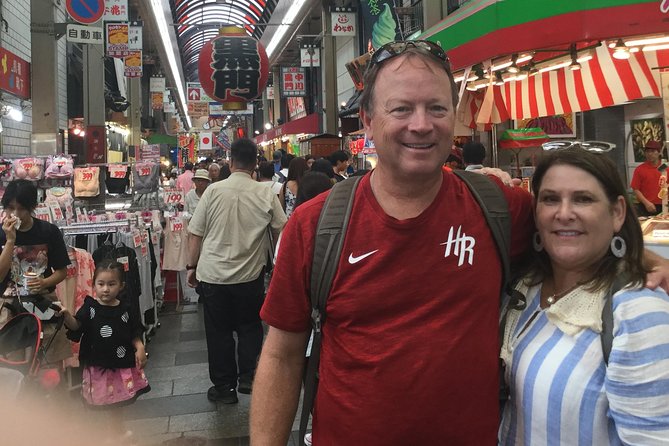
If you or your group likes art, the National Museum of Art, Osaka is a smart option because it’s set up for a concentrated visit. It’s an underground museum on Nakanoshima, and you can catch a major collection without turning the day into a museum marathon.
This works best when you use it as a focused stop. Even a short visit can help you shift from “shopping and street energy” into something quieter and more reflective. It’s also a nice option for travelers who do not want only shrines and castles in one day.
Like the other paid attractions, museum entry is not included. If you think you’ll want a longer look, keep that budget and time reality in mind.
Shinsekai: the New World, fast and fun
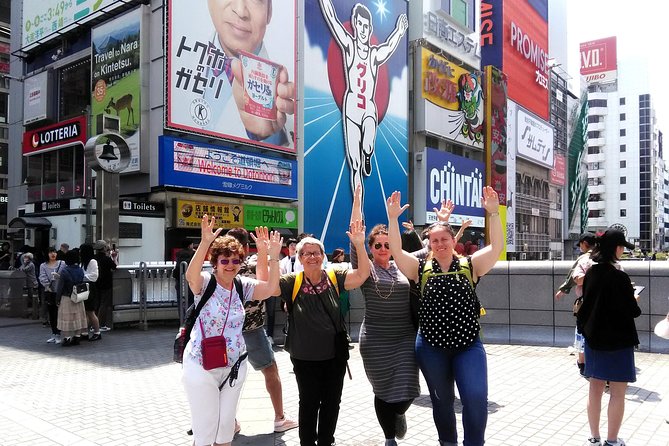
Shinsekai is a different Osaka personality. It’s called the New World, and it’s known for Tsutenkaku, the Osaka Eiffel tower, plus Billiken and the overall retro atmosphere. This stop is often brief, but it’s powerful because it gives you a recognizable “this is Osaka” neighborhood vibe.
If food is your thing, Shinsekai is associated with kushikatsu, and your guide can help you decide what to try based on your pace. Spa World is also in the area, but the tour does not include entry, so it’s more of a “see it from outside and decide” situation unless your guide plans it as part of your extra-cost choices.
A short Shinsekai stop is ideal for a half-day plan because it adds character without swallowing hours. If you’re a serious deep-dive food person, you’ll probably want a separate dinner plan here after your tour ends.
Price and value: what $109.43 per person really buys
At $109.43 per person, the headline cost can look high until you break down what you’re paying for. What you’re buying is a private, government-licensed English-speaking guide plus a plan that matches your interests, not just a pre-set route.
You also get real logistical value. Osaka can be intimidating for first-time visitors because stations are interconnected and exits can send you in completely different directions. Guides who are good at transit can save you time and reduce the stress of getting lost. Several guides known in this tour style are praised for handling subway navigation smoothly, giving clear directions, and adjusting to your needs.
What you do not get in the base price is everything else. Entrance fees, food, and transportation costs are extra, plus lunch is on you. That means your final day cost depends heavily on whether you choose paid sites like Osaka Castle, Umeda Sky Building, or the museum.
Also, this is private and you cannot combine multiple tour groups. That keeps the experience focused, but it also means your guide is responsible for pacing for just your group, so your communication matters. If your group wants more history, ask for it early.
How guides make or break the day, and how you can steer it
The strongest feedback on this kind of tour centers on how guides explain things and how flexible they are with pacing. In particular, guides such as Yuri and Sachiko are praised for friendly, warm explanations, while Yuji and Masa are described as careful with history and professional in the way they introduce each neighborhood. Kuni is noted for staying with the group past the allotted time, which tells me some guides treat the tour as a real customer experience rather than a strict stopwatch.
There are also clear signs of practical expertise. Noriko is highlighted for using smart transit choices, like recommending a local rapid train route rather than a faster option when it made sense. Andy Murao is noted for excellent English and even sending a digital photo book after the tour, which is a nice way to keep your day’s memories organized. Shu is praised for being concerned and adjusting due to a last-minute injury, which is exactly what you want a guide to do if something changes.
Now the honest part: one lower rating points to a guide who moved too quickly, engaged poorly between stops, and had language limitations. Another complaint mentions rushing despite a knee injury. This is the one risk with any private guide system. Your best protection is how you set expectations at the start.
Here’s how to get the good version:
- Tell your guide your pace goal, slow and photo-friendly versus efficient and moving.
- Mention any mobility limits right away, including stairs and long walks.
- Ask for the kind of history you want, short context at each stop or deeper background before key landmarks.
- If you want a food-focused route, say so early. If you want fewer purchases, say that too.
If your guide makes a plan that feels off, it’s still your tour. Request an adjustment immediately, not after the day is half gone.
Who should book this Osaka walking tour
This tour fits best if you:
- Want a first-time Osaka overview without committing to a full-day schedule
- Enjoy walking through neighborhoods and learning what you’re seeing
- Like mixing street life with one or two major landmarks
- Want a guide to handle logistics so you spend more time looking and less time figuring it out
It might be less ideal if you:
- Have limited ability to walk long distances or handle station stairs
- Prefer a very relaxed day with long museum time or long meals built in
- Want only one quiet site and nothing busy, because this format tends to balance multiple types of places
Should you book this Osaka private walking tour?
Yes, if you want a smart half-day that gives you Osaka highlights plus direction, and you’re comfortable with a walking-heavy schedule. The value is strongest when you choose stops that match your interests, especially food areas like Dotonbori or Kuromon, then balance with one major landmark like Osaka Castle or a viewpoint option like Umeda.
I’d book it when you want someone to translate the city’s rhythm into a plan you can actually follow. I would hold off if your group hates walking, or if your day depends on a strict zero-stair, zero-walking requirement.
If you tell your guide what matters most and manage your expectations on extra costs, this is the kind of tour that makes Osaka feel like it clicks quickly.
FAQ
What’s included in the Osaka 4-hour private tour?
The tour includes a licensed local English-speaking guide and a customizable route where you choose 2 to 3 sites. The guide will meet you on foot within a designated area of Osaka.
Are entrance fees included?
No. Entrance tickets are not included, and transportation fees and food are also not included. Some sights list admission ticket free, but others list admission ticket not included.
How many attractions can I choose?
You can customize the tour by choosing 2 to 3 sites from the available options.
Do you pick me up from my hotel?
Yes, pickup is offered, and the guide meets you on foot. Your guide is scheduled to meet you at your hotel so you do not have to find them.
Is this tour a lot of walking?
It is a walking tour and is best suited to active travelers. You should expect walking time and steps in and out of subway stations depending on your chosen route.
Is it really private for just my group?
Yes. It is a private tour, and only your group participates. You cannot combine multiple tour groups.
Are service animals allowed?
Yes. Service animals are allowed.
What is the cancellation policy?
You can cancel for a full refund if you cancel up to 24 hours in advance. If you cancel less than 24 hours before the start time, the amount you paid is not refunded.
Fresh options around Namba
- Discover Real Osaka: A Cultural Walk with Food & Drink★ 5.0 · 13 reviews
- Badminton in Osaka & Kyoto with Locals!★ 5.0 · 15 reviews
- 1 Day Takoyaki Making and Osaka Castle Walking Tour★ 5.0 · 15 reviews
- Osaka Food Tour Eat Like a Local in Namba and Dotonbori★ 5.0 · 17 reviews
- Osaka: Namba Local Food Walking Tour (Taste 15 Dishes)★ 5.0 · 20 reviews
- Osaka Delights: Traditional Japanese Food Tour★ 4.5 · 33 reviews
- Osaka Private Tour with a Local Guide (Must See Places in 1 Day)★ 5.0 · 57 reviews
- From Osaka/Kyoto: Kyoto & Nara Day Trip with Optional Lunch★ 4.5 · 79 reviews
Osaka Tours, compared.


Shinsekai Food Tour with 13-15 Dishes at 5 Eateries
Read our review →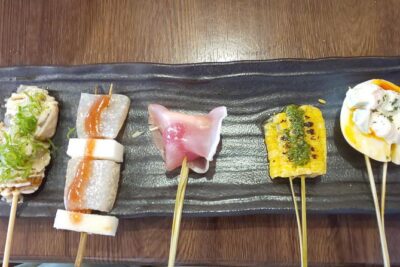
Osaka Food Tour: 13 Dishes at 5 Local Eateries
Read our review →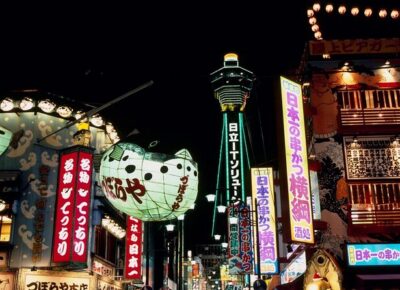
Hungry Osaka Street Food Tour:15 Tastings & 3 Drinks with a Local
Read our review →