
Reviewed · NAGASAKI TOURS
Nagasaki Half-Day Private Tour with Government-Licensed Guide
A morning walk in Nagasaki can change your whole day. This private half day tour pairs a government-licensed English guide with flexibility, so you pick 2 to 3 sites and skip the rigid group routine. I like that it is built around your pace and city streets, not a checklist rushed by the clock.
Two things I especially like: you get custom scheduling around what you care about, and you avoid the stress of large groups by keeping it private. One consideration: there is no private vehicle included, so you will rely on walking plus public transport, and entrance fees are not included for most stops.
Key Points You’ll Feel Right Away
- Private time, not a fixed itinerary, since you choose which 2 to 3 stops you want to spend time on
- Pick a focus like wartime remembrance, foreign trade history, or Christian Nagasaki, then let your guide connect the dots
- Walking and trams/buses keep it local, but you should plan for a footwear-first morning
- Several standout sights have free entry, including Nagasaki Peace Park and the Inasayama Observation Deck
- Your guide matching can matter, and English clarity varies by individual guide, so communicate preferences early
Entering Nagasaki on Your Terms in 4 Hours
Nagasaki has layers, and this tour helps you grab the layer you actually care about. You start in the morning with a local guide and then you choose the sites, typically 2 to 3 stops from the options available. That means you are not stuck spending your limited time where you have the least interest.
At about 4 hours, this tour is ideal for a half-day slot when you still want the rest of your day free. Many guides are praised for adjusting the day to the group’s rhythm, including families with kids and travelers who want more walking or more transport. In other words, you can move fast if you want, or slow down for photos and questions.
One more practical perk: your guide meets you within a designated area on foot, so you can keep the start simple. You are not herded into a bus lineup. You also will not be negotiating schedules with strangers, because it is only your group.
A few more Nagasaki days worth comparing
- Nagasaki: Private Walking Tour with a Local
★ 4.7 · 79 reviews - Nagasaki Full-Day Private Tour with Government-Licensed Guide
★ 5.0 · 66 reviews - Nagasaki Street Food Adventure: Private Walking Tour with a Local
★ 5.0 · 26 reviews
Price and Logistics: What You Pay For, What to Budget
The price is $122.20 per person for a private tour with a licensed local English guide. That can feel high at first glance until you price it against the cost of a crowded shore excursion plus the time you lose to waiting. When you are only in Nagasaki for a day or you want targeted sites, the value lands.
Here is the part that trips people up: transportation and entrance fees are not included. The tour is described as walking plus public transport, and it specifically notes that a private vehicle is not included. So if you are imagining a dedicated car ride between stops, plan on trams, buses, or on-foot movement.
You also should expect that some locations are free while others charge admission. From the included details:
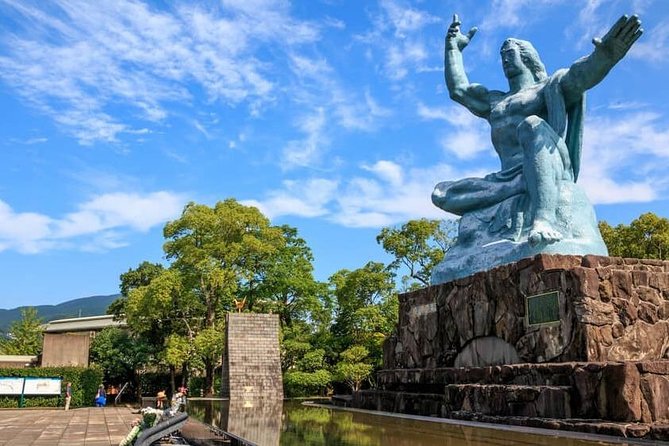
- Nagasaki Peace Park entry is free
- Inasayama Observation Deck entry is free
- Dutch Slope is free
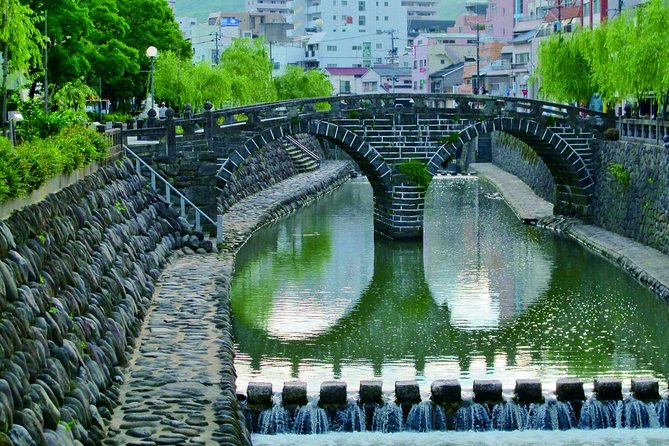
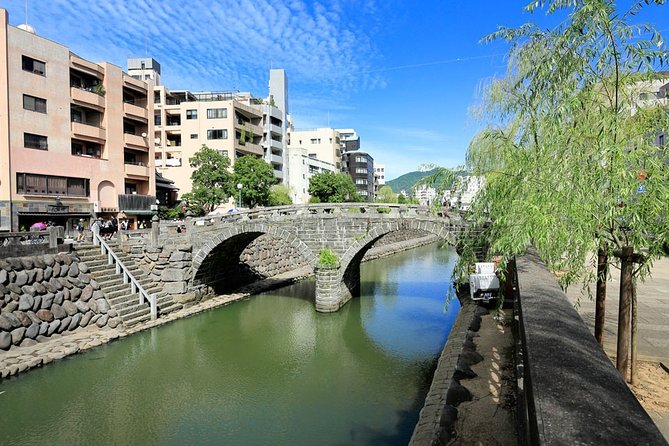
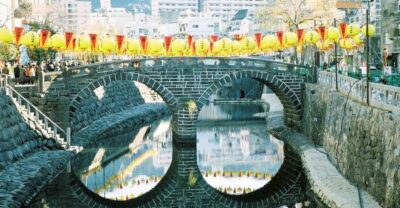
- Spectacles Bridge (Meganebashi) is free
Most of the other major sites listed, like Glover Garden, Dejima, and the churches, show admission as not included.
So I recommend this budgeting mindset: pay for the guide and guidance, then pay separately for transport and any paid admissions. Once you do that, the math feels fair, because you are essentially buying time with a local who knows how Nagasaki connects history to street life.
How to Choose 2 to 3 Stops That Actually Fit Your Day
This tour works best when you choose with a theme in mind. Since you only have room for 2 to 3 stops, you will get more value by pairing places that tell a single story. Your guide can help you build that pairing based on what you like, whether that is wartime memory, Christian history, foreign trade, or scenic overlooks.
A smart approach is to pick one “anchor” stop and one “supporting” stop:
- Anchor wartime memory: Peace Park plus the Atomic Bomb Museum
- Anchor foreign trade and old Nagasaki: Glover Garden plus Dejima or Dutch Slope
- Anchor Christian Nagasaki: Urakami Cathedral plus Oura Church, then optionally pair with the Martyrs Monument if time allows
- Anchor city views: Inasayama Observation Deck plus Meganebashi or Dutch Slope for walking streets after
Also, wear comfortable shoes. The day is built on walking through neighborhoods and moving between points in town. One of the most consistent bits of advice across the tour experience is that you will be out and about on foot, so plan for that, even if you take short rides.
Nagasaki Peace Park and the Atomic Bomb Story (Somber, Necessary, Powerful)
If you want the emotional core of Nagasaki, start with the memorial sites. Nagasaki Peace Park is your first stop option, and it is described as a tranquil commemorative place for the August 9, 1945 atomic bombing. It also notes that the bombing devastated a major part of the city and caused enormous loss of life.
What makes this a standout stop is not just the setting, it is the way your guide can frame the story for you in plain language. Many guides are praised for telling the history with context, including survivor perspectives and how the city rebuilt its identity afterward. Even when the facts are heavy, the experience is meant to be understandable, not lecture-like.
If you choose the Atomic Bomb Museum as well, you will get the next layer. The Nagasaki Atomic Bomb Museum documents the devastation and the city’s recovery, and it is located near the hypocenter area. In a half-day format, it is a strong pairing because Peace Park gives you the commemorative space, and the museum gives you detailed documentation.
A practical note: if you pick both, plan to keep your time respectful. This is not the stop for rushing photos. It is better to let the guide pace the explanation and then take a slower walk when you want to absorb the atmosphere.
Same corner of Japan, a different kind of day:
- Visit Gunkanjima Island (Battleship Island) in Nagasaki
★ 4.0 · 32 reviews - Taste Local Life: Nagasaki’s Historical Street Walking Tour
★ 5.0 · 27 reviews - Nagasaki Full Day Tour with Licensed Guide and Vehicle
★ 5.0 · 27 reviews - Nagasaki Private Tour with a Local – Highlights & Hidden Gems
★ 5.0 · 24 reviews
Inasayama Views Plus Dutch Slope and Meganebashi (Beautiful, Walkable, Easy Win)
Not every stop has to be heavy. The tour also includes options that help you see Nagasaki’s geography and street character.
Inasayama Observation Deck is on Mount Inasa, about 333 meters high, close to the city center. The materials point out that you can reach the summit by ropeway, bus, or car, and it is known for strong views, including well-regarded night views. Even if you are visiting during the day, the viewpoint helps you understand how Nagasaki’s neighborhoods sit against hills and water.
Then you can balance the day with the “easy walking” historic streets:
- Dutch Slope (Oranda-zaka) is a stone-paved uphill street tied to the period after the port opened for foreign trade in 1859. It points to where foreign traders lived.
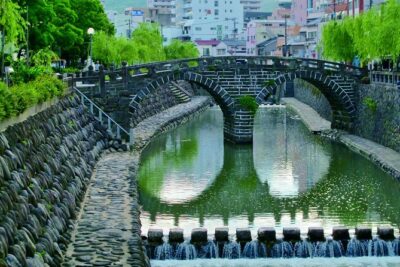
- Spectacles Bridge (Meganebashi) is a stone bridge over the Nakashima River, famous for the shape that inspired its name.
These two are nice because they are free and quick. With limited time, this lets you add color and charm without sacrificing your core theme. Also, it gives you a built-in recovery from museum intensity, because you can wander, take photos, and reset your brain.
If you like the idea of city rhythm, consider a route that mixes one paid site with one or two free street stops. It makes the half-day feel efficient.
Glover Garden, Dejima, and the Foreign-Trade Thread
Nagasaki’s foreign connection is not just a museum topic. It is part of the city’s physical layout, and the tour options help you spot it in real places.
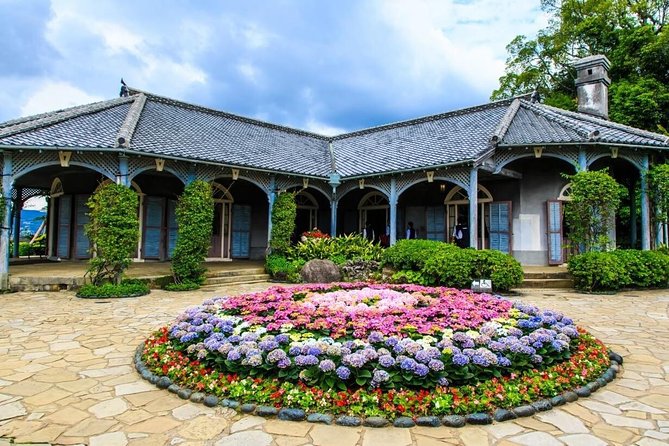
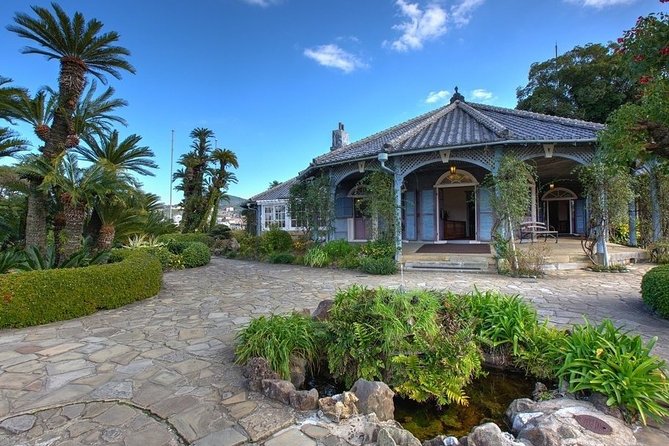
Glover Garden is an open-air museum with mansions and related buildings connected to former foreign residents. It is set on a hillside, which matters because it automatically turns the site into a viewing experience as well as a history stop. You will likely leave with a clearer sense of why this city became a place where international influence took root.
Dejima is a very different kind of site. It was a man-made island built in 1636 to segregate Portuguese residents from the Japanese population and control missionary activity. That focus on separation and control gives the history a sharper edge than the gentler mansion feel of Glover Garden.
If you want to connect the foreign thread to the streets, Dutch Slope pairs naturally with either of these. It sits within the story of early trade and where foreign traders resided after the port opened for foreign trade in 1859.
One consideration: some of these places have admission not included. That is not a dealbreaker, but it affects how tightly you should plan your 2 to 3 site combo.
Temple Town and Chinese Roots: Sofukuji, Kofukuji, and the Confucian Shrine
If you choose to explore religious history, the tour includes multiple stops tied to Chinese-founded traditions in Nagasaki.
Sofukuji Temple is associated with the Obaku school of Zen Buddhism and was originally built in 1629 for Nagasaki’s Chinese residents. Kofukuji Temple is described as the oldest and one of the most important Chinese-founded temples in Nagasaki, located in Teramachi, the district often called Temple Town.
Then there is the Nagasaki Confucius Shrine, also known as the Confucian Temple and Chinese Museum of Successive Generations. It is noted as one of only a handful of Confucius shrines in Japan, built in 1893 by Nagasaki’s Chinese community.
What I like about these options is how they offer a second lens on Nagasaki’s international history. The foreign story here is not only European. It includes Chinese community roots, and your guide can help you see why those traditions stuck.
A practical downside to note is time. Temples and shrines can require walking within the grounds, and your stop time is likely limited in a half-day itinerary. If you really care about these, pick one temple stop plus one other nearby theme so you are not bouncing too much.
Christian Nagasaki: Urakami Cathedral, Oura Church, and the Martyrs Monument
For many people, the Christian sites are the most memorable part of Nagasaki. The tour options include two major churches and a monument that holds an especially solemn place in the city’s narrative.
Urakami Cathedral is described as a working Catholic church in a large European-style red brick building. Its history is described as tragic yet interesting, and your guide can frame how Catholic history evolved in Nagasaki.
Oura Church is another key Catholic site. It was built in 1864 by a French missionary for the growing community of foreign merchants. If Glover Garden feels like soft power through buildings and hills, Oura Church tends to feel like community and faith taking physical form in a new era.
Then there is the Twenty Six Christian Martyrs Monument and the adjacent museum, dedicated to the Christians executed on February 5, 1597. This stop gets a longer time slot than most of the others in the plan, which signals that it is meant to be absorbed more slowly.
One thing to keep in mind: these sites are not light stops. If you prefer a balanced morning, you can pair one Christian site with a viewpoint like Inasayama, or a scenic free bridge like Meganebashi. That way your day has emotional weight and also a visual reset.
What Makes the Best Guides Feel Like an Upgrade
The biggest differentiator here is how your guide tells Nagasaki’s story. Some guides are praised for being warm and fun while still accurate. Others are praised for tailoring around family needs, rain timing, or a slower walking rhythm.
Names that come up with strong praise include Hiromi, Hiro, Koko, Yoshi, Noriko (Norah), and Yuko. The common thread is the feeling that they are not just reciting facts. They share personal, hometown perspective and help you connect sites across time periods.
You should also know there is at least one critical note about guide English clarity and presentation materials being worn and torn. That does not mean your experience will be like that, but it is a good reminder to communicate your preferences clearly. If you want slower explanations, ask for them. If you need louder speaking or simpler phrasing, say so early.
In addition, several guides are described as proactive about the schedule, including adapting when weather turns rainy. If skies look iffy, plan to keep the tour flexible and wear something you can move around in comfortably.
Should You Book This Nagasaki Half Day Private Tour?
Book it if you want a personal, flexible Nagasaki morning and you have limited time. It is a strong choice for first-timers who want to see meaningful anchors, like Peace Park and the Atomic Bomb Museum, and then add one scenic or historical complement. It is also a good fit when you dislike crowds and fixed itineraries.
I would hesitate if you strongly prefer a vehicle-based tour. This is walking plus public transport, and entrance fees are not bundled. Also, if English clarity is a top concern, consider reaching out before the tour to share your language preferences and learning style.
If your goal is to leave Nagasaki with real context, not just photos, this half day format is a smart way to do it. Choose your 2 to 3 stops carefully, and you will get a day that feels like your own, not a cookie-cutter route.
FAQ
How long is the Nagasaki half day private tour?
The tour duration is approximately 4 hours.
Is this tour private or shared with other groups?
It is a private tour, meaning only your group participates.
Can I choose which stops to visit?
Yes. You can choose 2 to 3 sites from the available options.
Does the tour include hotel pickup?
Pickup is offered, and you meet the guide on foot within a designated area in Nagasaki.
Are entrance fees included?
Not all admission is included. For example, Nagasaki Peace Park, Inasayama Observation Deck, Dutch Slope, and Spectacles Bridge are listed as free. Many other stops show admission as not included.
How do you get around during the tour?
It is a walking and public transport tour. A private vehicle is not included.
What should I wear?
Wear comfy shoes, since you will be walking the streets of Nagasaki.
Is the tour suitable for most travelers?
Most travelers can participate, but it is still a walking-focused experience.
Is there a cancellation policy?
Free cancellation is available. You can cancel up to 24 hours in advance for a full refund. Changes made less than 24 hours before the start time are not accepted.
Fresh options around Nagasaki
- Nagasaki WW2 History and Culture Tour★ 5.0 · 19 reviews
- Nagasaki Private Tour with a Local – Highlights & Hidden Gems★ 5.0 · 24 reviews
- Nagasaki Street Food Adventure: Private Walking Tour with a Local★ 5.0 · 26 reviews
- Taste Local Life: Nagasaki’s Historical Street Walking Tour★ 5.0 · 27 reviews
- Nagasaki Full Day Tour with Licensed Guide and Vehicle★ 5.0 · 27 reviews
- Nagasaki: Private Walking Tour with a Local★ 4.7 · 79 reviews
- Nagasaki Full-Day Private Tour with Government-Licensed Guide★ 5.0 · 66 reviews
- Visit Gunkanjima Island (Battleship Island) in Nagasaki★ 4.0 · 32 reviews
Nagasaki Tours, compared.
Nagasaki Full-Day Private Tour with Government-Licensed Guide
Read our review →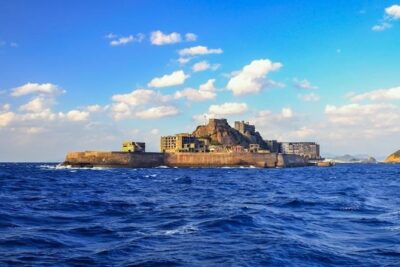
Visit Gunkanjima Island (Battleship Island) in Nagasaki
Read our review →
Taste Local Life: Nagasaki’s Historical Street Walking Tour
Read our review →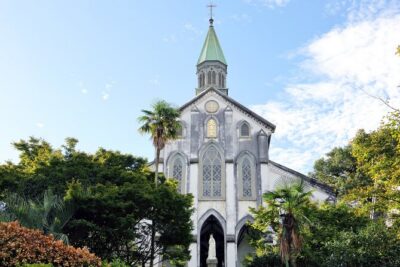
Nagasaki Full Day Tour with Licensed Guide and Vehicle
Read our review →
Nagasaki Street Food Adventure: Private Walking Tour with a Local
Read our review →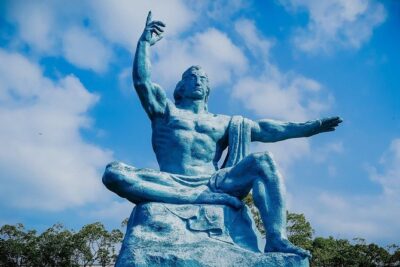
Nagasaki Private Tour with a Local – Highlights & Hidden Gems
Read our review →
Browse the lists this tour appears in