
Reviewed · NAGASAKI TOURS
Nagasaki Full-Day Private Tour with Government-Licensed Guide
Nagasaki hits different when explained on foot. This private full-day tour pairs a licensed English-speaking guide with a route built around what you want to see, from Peace Park to church architecture and hilltop views. You also get hassle-free help getting started with pickup offered from your Nagasaki hotel area, then you continue by walking and public transit.
I love the control this style gives you. You pick 3-4 sites from a menu of major Nagasaki moments, so you spend real time at each place instead of rushing past everything. I also like the way many guides keep the day human, not just factual, with practical context and local-transport time, like hopping on trams and buses among everyday riders.
One consideration: entrance fees and transport costs are not included, and it’s a walking and public transport day. If you have mobility limits, the slopes and steps around key stops (plus hills like Mount Inasa) are the main factor to think through.
Key things I found most compelling
- Custom 3-4 stop planning: you choose what matters, then your guide builds a workable loop.
- Guides with real local flavor: praised names include Hiro, Mei, Yoko, Yoshi, and Norah.
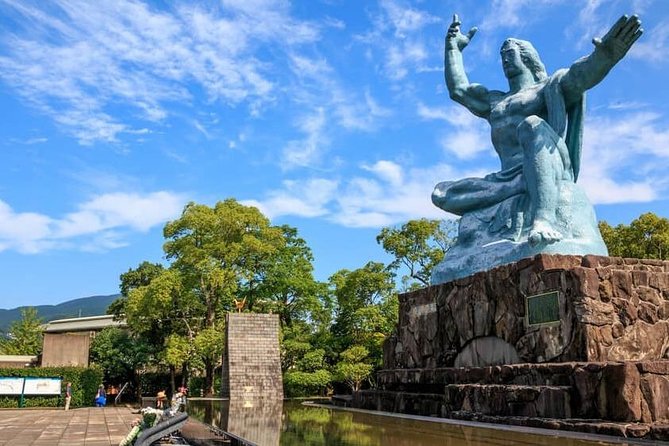
- WWII memory you can actually process: Peace Park and the Atomic Bomb Museum are scheduled with time to sit with what you see.
- City views from Mount Inasa: the Inasayama Observation Deck is short, but the payoff can be big.
- Multiple Nagasaki identities in one day: Portuguese-era Dejima, Chinese-influenced temples, and Catholic churches all connect together.
- Public transit as part of the experience: trams and buses add texture and save you from doing all the navigating alone.
Entering Nagasaki with a licensed English guide (and a doable plan)
This tour is built for people who want more than checkboxes. You get a government-licensed style local guide who can explain what you’re looking at, then help you move through Nagasaki without turning your day into a logistics puzzle.
The format is private for your party only, so it is not a timed conveyor belt. Expect about 6 hours of touring, and a meet-up that starts near your hotel by pickup offered, then continues on foot within a designated area. After that, you are walking and using public transportation, not a dedicated private vehicle.
That matters because Nagasaki is best felt in short stretches. Getting around by trams and buses puts you in the flow of the city, and guides can steer you toward the best order for comfort and sightseeing time.
A few more Nagasaki days worth comparing
- Nagasaki: Private Walking Tour with a Local
★ 4.7 · 79 reviews - Nagasaki Half-Day Private Tour with Government-Licensed Guide
★ 5.0 · 53 reviews - Nagasaki Street Food Adventure: Private Walking Tour with a Local
★ 5.0 · 26 reviews
How the 3-4 stop choice keeps your day from feeling like a checklist
The big win here is the custom itinerary. You choose 3-4 sites from a longer list, and your guide designs the schedule around your interests and pacing.
In practice, this means you can do a meaningful day even if you are not trying to conquer every major landmark. Many stops on the list run around 15 minutes, while a few classics like Kofukuji and the Martyrs Monument can take 30 minutes, giving you just enough time to read, look around, and ask questions.
If you love history, you might stack memorial and international-trade sites. If you love religion and architecture, you can build a day around Catholic churches plus Chinese-founded temples. If you want a photo-and-view day, Mount Inasa and the downtown bridges and slopes can take center stage.
The downside is also simple: since it is a limited number of stops, you have to pick. If your style is cover everything, you may prefer a full multi-stop day tour instead. But for most people, this restraint is what makes it enjoyable.
Peace Park and the Atomic Bomb Museum: moving stops that deserve real time
Nagasaki Peace Park is the opening anchor for many routes. It is free and listed for about 15 minutes, which is the right length for a first encounter. You will see how the city commemorates the bombing on August 9, 1945, and you get a guided explanation that helps the place make sense beyond a quick look.
If Peace Park sets the emotional context, the Nagasaki Atomic Bomb Museum adds the detail. It is not included in admission, and it is listed for about 30 minutes, so you get time to process the devastation and the city’s recovery. This stop is often the most impactful part of a Nagasaki day, and the guided pacing can help you absorb it without feeling rushed.
A practical note: even if you are not staying long, these sites can feel heavy. I like that guides can shape your order, so you are not bouncing between somber memorials and casual photo stops too fast.
Mount Inasa and the Inasayama Observation Deck: the best payoff for a short stop
Mount Inasa is only a small scheduling chunk, but it gives you a major visual reset. The Inasayama Observation Deck is listed as free for about 15 minutes.
The key idea is the payoff: it sits near Nagasaki’s center and offers views over the city. The summit can be reached by ropeway, bus, or car, and guides often factor in what is easiest for your day.
One review story gave a clear sense of why people like this area. A guide worked in animal encounters around the wider Inasayama outing, including deer, monkeys, and penguins, which turned the stop into more than just a scenic platform. If animal spotting is your thing, ask your guide if your route can include that kind of time without sacrificing your other targets.
If your timing allows, this is also a place where the day’s light matters. The tour notes mention especially strong night views, so if you can, build in a window that matches your comfort with the viewing schedule.
Same corner of Japan, a different kind of day:
- Visit Gunkanjima Island (Battleship Island) in Nagasaki
★ 4.0 · 32 reviews - Taste Local Life: Nagasaki’s Historical Street Walking Tour
★ 5.0 · 27 reviews - Nagasaki Full Day Tour with Licensed Guide and Vehicle
★ 5.0 · 27 reviews - Nagasaki Private Tour with a Local – Highlights & Hidden Gems
★ 5.0 · 24 reviews
Foreign-era Nagasaki: Glover Garden and Dejima
Nagasaki’s international past can feel surprising, especially if you only know Japan through modern big-city travel. These two stops help you connect the dots fast.
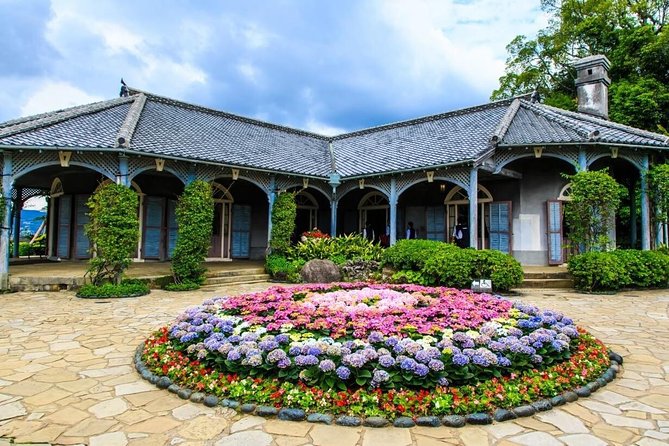
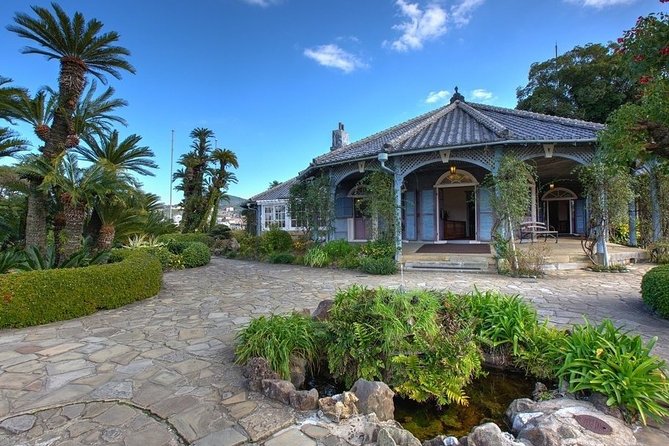
Glover Garden is an open-air museum in Nagasaki, known for mansions tied to the city’s former foreign residents. It is listed with admission not included, and it makes a good choice when you want a visual introduction to foreign settlement in a hillside setting. Because it is an outdoor museum style, the walk and angles matter, and your guide’s explanations help you read what you are seeing instead of just taking photos.
Dejima is a different flavor. It was a man-made island created in 1636 to segregate Portuguese residents and control missionary activities. This is the kind of stop where a guide’s narrative matters, because it helps you understand that it was not just a random location, it was policy made physical.
If you want a day that connects “how trade worked” to “why communities formed,” this is a strong pairing. If you prefer pure architecture, you might favor Glover Garden and skip Dejima, but both work well for first-time visitors who want historical context.
Chinese-founded temples and Confucius sites in Teramachi
One of Nagasaki’s best surprises is how visible the Chinese influence is. The tour list includes multiple sites tied to Chinese-founded religious traditions and education.
Sofukuji Temple belongs to the Obaku school of Zen Buddhism and was originally built in 1629 for Nagasaki’s Chinese residents. It is listed for about 15 minutes, with admission not included. Sofukuji is a great stop for people who like details like architectural form and the feel of older religious compounds.
Then there is Kofukuji Temple, described as the oldest and one of the most important Chinese-founded temples in Nagasaki, located in Teramachi, also known as Temple Town. It is listed for about 30 minutes, so you get more time to slow down here.
For an added education layer, the tour list also includes Nagasaki Gokoku Shrine, also known as the Confucius Shrine (Kōshi-byō). It is a rare Confucius-dedicated site in Japan, built in 1893 by Nagasaki’s Chinese community. This is a good choice if you enjoy the idea that Nagasaki was not only a trading port, it was also a place for cultural exchange.
Catholic Nagasaki: red brick churches, Martyrs Monument, and Oura Church
Catholic history in Nagasaki is dramatic, and the tour includes several stops that connect the city’s religious story across centuries.
Urakami Cathedral is listed as a working Catholic church with a European-style red brick building, and the description notes a tragic history. Admission is not included, and the stop is short at around 15 minutes, which is perfect if you want to see the architecture and let your guide explain the story behind it.
A longer anchor is the Twenty-Six Christian Martyrs Monument and adjacent museum, tied to executions on February 5, 1597. It is listed for 30 minutes, with admission not included. This stop is often a key part of building a coherent timeline, because it gives you the persecution background that later church buildings and communities reference.
To round out the Catholic arc, the tour lists Oura Church, a Catholic church built toward the end of the Edo Period in 1864 by a French missionary for the growing foreign merchants community. It is listed for about 15 minutes (or up to 30 minutes depending on how the day is structured). This stop tends to feel different than Urakami, more like a historical landmark with an eye on community development.
If you are deciding between Catholic stops, here is a practical approach: pick one “big building” photo moment (Urakami or Oura), then pick one “timeline and meaning” stop (the Martyrs Monument). That combination usually lands well.
Downtown strolls and photo moments: Dutch Slope and Meganebashi
Not every highlight has to be a museum. Some of the most pleasant parts of Nagasaki are small streets and bridges where the city’s European and Chinese layers show up in everyday form.
The Dutch Slope is a stone-paved street that leads up a hillside and connects to foreign traders after the port opened in 1859. It is listed for about 15 minutes, free. This is a nice pacing break between bigger stops, especially when your day needs something lighter.
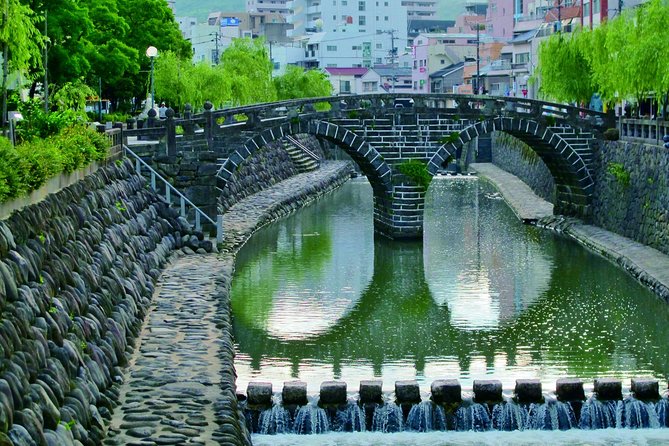
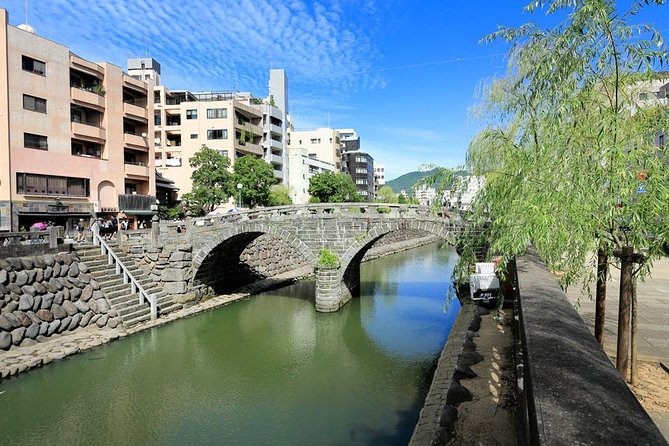
Meganebashi, also called the Spectacles Bridge, is one of the most remarkable stone bridges over the Nakashima River. It gets its name from the bridge’s resemblance to spectacles. It is short, listed around 15 minutes, but it is one of those places that makes you smile because it looks like it was designed to be remembered.
If you care about photos, guides often use these micro-stops to help you see Nagasaki from street level. They also help keep your legs moving without feeling like you are doing only “hard” sightseeing.
Museums: history and culture versus art by the port
The tour list includes two museum options that can change the mood of your day.
The Nagasaki Museum of History and Culture is a modern museum focused on Nagasaki’s role as one of Japan’s major international ports. It is listed for about 15 minutes, with admission not included. This is a strong pick if you want a structured overview without spending half a day in galleries.
The Nagasaki Prefectural Art Museum sits by the port and is listed for about 30 minutes, with admission not included. It is a modern complex, and the tour notes mention it was designed by a famous architect. Choose this if you want a break from the heaviness of memorial sites, or if you like design and contemporary space.
A smart way to decide: if your day already includes the Atomic Bomb Museum, you may prefer history and culture for balance, or pick only one museum overall. With only 3-4 total stops, restraint helps.
The guides people rave about, and why their style matters
The reviews make one pattern clear: the guides do more than read facts. They manage the day, explain what you are seeing, and adjust based on your pace.
For example, Hiro is praised for bringing together culture, history, and food in one day, plus making public transit feel like part of the fun. Mei is noted for using trams and being especially helpful on a family day, including quick quiz-style engagement that worked for kids during Peace Park and the museum time.
Yoko is highlighted for being on time and moving fast to turn your preferences into a plan, without pressure to leave early. Yoshi and Norah are praised for thoughtful commentary at memorials and for making the day feel personal, including one story where a guide helped with a unique gift request tied to anime characters.
These details matter because Nagasaki is not an “only visuals” destination. A good guide helps you connect sites across cultures and time periods, so each stop feels like part of one story instead of separate moments.
Price and value: when $155.22 per person feels fair
The price is listed at $155.22 per person for a private full-day tour. That sounds steep until you factor in what you are actually buying: a licensed English guide for about six hours, plus the convenience of having someone else handle routing and explanations for a mix of major locations.
This can be good value when:
- you are traveling as a group sharing the cost,
- you want interpretation rather than self-guided browsing,
- you care about picking the right 3-4 stops instead of hitting everything at random.
Where you need to budget extra: transportation fees and entrance fees are not included, and lunch is not included either. The good news is that several of the listed stops are free, including Peace Park, Inasayama Observation Deck, and Nagasaki Lantern Festival when it is seasonally relevant. So you can keep paid admissions to what you truly want, like Glover Garden or the museums.
If you hate unexpected costs, scan your shortlist before booking and decide which paid attractions you want in your 3-4 slots.
Small practical tips so the day stays comfortable
Because this is a walking and public transit tour, comfort matters more than you might expect.
Wear shoes that can handle uneven surfaces, steps, and hillside routes. Even “short” stops like 15 minutes can include walking at the approach and leaving the area.
Bring water and a light layer, especially if your plan includes hill views at Mount Inasa. And since entrance fees and transit costs are not included, it is smart to carry enough cash or card for what you choose.
Finally, choose your 3-4 sites with a theme. For example: memorials plus foreign trade plus churches, or Chinese temples plus downtown photos plus one museum. You will feel the connections more, and your guide can organize the day more efficiently.
Who should book this Nagasaki private tour
This tour fits best if you want:
- a first-time Nagasaki day with major WWII and international settlement context,
- a custom route that respects your interests,
- a guide who can keep the pacing comfortable and the explanations clear,
- the bonus of riding trams and buses instead of doing everything by foot or private car.
It might be less ideal if you:
- want a private vehicle for all travel, since a private vehicle is not included,
- need a fully step-free, minimal-walking route,
- expect that every museum and attraction fee is covered, since entrance fees are not included.
Should you book this Nagasaki full-day private tour?
If your ideal day is thoughtful, efficient, and tailored, I think this is an easy yes. The best part is the 3-4 stop format, especially in Nagasaki, where the emotional weight and cultural mix can feel intense if you try to cram too much in.
Book it if Peace Park and the Atomic Bomb Museum are on your must-see list, and you also want a mix of foreign-era sites and churches so you leave understanding why Nagasaki became what it is. Book it if you like the idea of seeing local life by tram and bus while someone handles the story and route.
Skip it only if you want total freedom with zero extra planning, or if you strongly prefer a fully vehicle-based day. In that case, you might do better with a simpler self-guided plan.
FAQ
How long is the Nagasaki full-day private tour?
It runs for about 6 hours.
Is this tour private?
Yes. It is private for your group only.
How many stops can I choose?
Your itinerary is customizable, typically choosing 3-4 sites from the available list.
Is hotel pickup included?
Pickup is offered, but it is also described as a walking and public transport tour with pickup on foot within a designated area.
Are entrance fees included?
No. Entrance fees are not included. Some listed stops are free, but many attractions have admission not included.
Do I need to pay for transportation during the day?
Transportation fees are not included.
Are there mobile tickets?
Yes. The tour uses a mobile ticket.
Is lunch included?
No. Lunch is not included.
Can I cancel for a full refund?
Free cancellation is available, and you can cancel up to 24 hours in advance for a full refund.
Are service animals allowed?
Yes. Service animals are allowed, and the tour states that most travelers can participate.
Fresh options around Nagasaki
- Nagasaki WW2 History and Culture Tour★ 5.0 · 19 reviews
- Nagasaki Private Tour with a Local – Highlights & Hidden Gems★ 5.0 · 24 reviews
- Nagasaki Street Food Adventure: Private Walking Tour with a Local★ 5.0 · 26 reviews
- Taste Local Life: Nagasaki’s Historical Street Walking Tour★ 5.0 · 27 reviews
- Nagasaki Full Day Tour with Licensed Guide and Vehicle★ 5.0 · 27 reviews
- Nagasaki: Private Walking Tour with a Local★ 4.7 · 79 reviews
- Nagasaki Half-Day Private Tour with Government-Licensed Guide★ 5.0 · 53 reviews
- Visit Gunkanjima Island (Battleship Island) in Nagasaki★ 4.0 · 32 reviews
Nagasaki Tours, compared.
Nagasaki Half-Day Private Tour with Government-Licensed Guide
Read our review →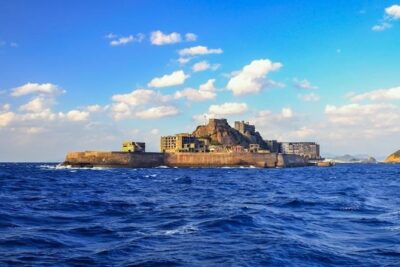
Visit Gunkanjima Island (Battleship Island) in Nagasaki
Read our review →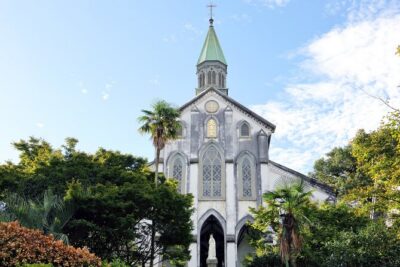
Nagasaki Full Day Tour with Licensed Guide and Vehicle
Read our review →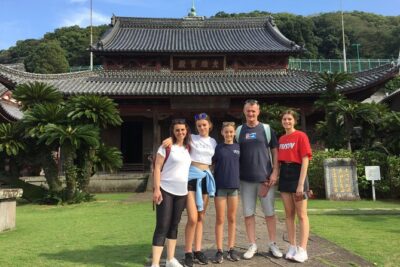
Taste Local Life: Nagasaki’s Historical Street Walking Tour
Read our review →
Nagasaki Street Food Adventure: Private Walking Tour with a Local
Read our review →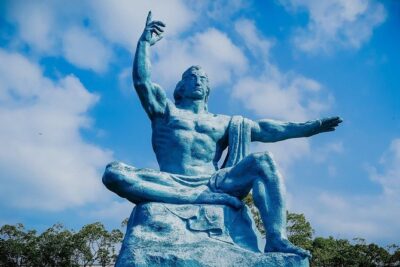
Nagasaki Private Tour with a Local – Highlights & Hidden Gems
Read our review →
Browse the lists this tour appears in