
Reviewed · NAGANO TOURS
Matsumoto Castle Tour & Soba Noodle Experience
Matsumoto Castle plus homemade soba is a smart pairing. You get about one hour inside a National Treasure feudal fortress, then you switch gears to a guided soba-making lesson and tasting that you can actually influence with your own hands. I especially like how the tour is tightly timed and structured, so you get history and food without feeling rushed or chaotic.
I also love the value angle here: castle entry is included, and you do more than watch a demo. You make the noodles, then the soba-making master cooks what you cut so you can taste the results hot or chilled. One possible drawback to consider is that the class portion is fairly hands-on and tool-focused, so if you are not into cooking at all, you might find it less relaxing than a pure sightseeing tour.
Key Highlights at a Glance
- Matsumoto Castle visit first, about an hour, before you head to the food portion
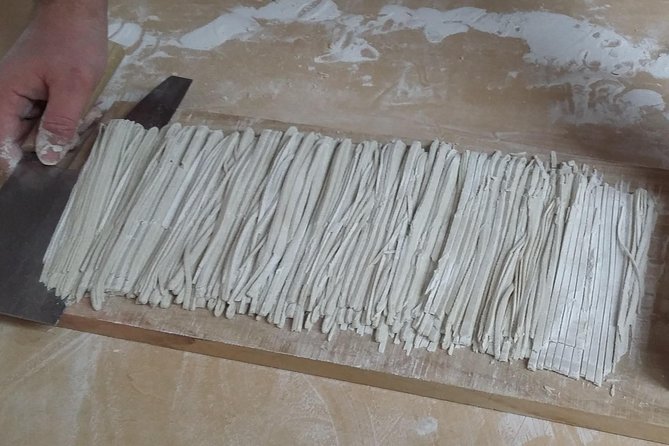
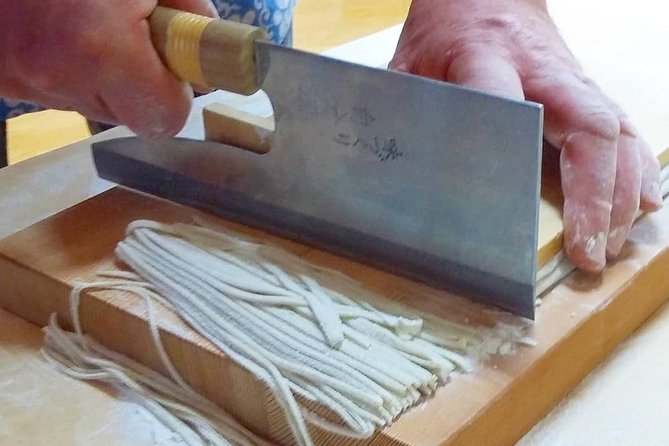
- Hands-on soba making with a soba-making master, including cutting the noodles
- Two-stage format (prep and cutting, then tasting) to keep the flow easy to follow
- Hot or chilled soba tasting, plus options like tempura and other sides during the meal
- Small and intimate class rhythm, with the activity run in a group of two
Matsumoto Castle and Soba, Packed into About Three Hours
This is the kind of tour that works for real schedules. You are in Matsumoto for a short window, and you still want a big cultural hit. The full experience runs around 3 hours, with the day split into two clear parts. That structure matters because it keeps the soba experience from feeling like an add-on you have to fit around sightseeing.
The pacing also sets expectations. You will tour Matsumoto Castle for about 1 hour, then shift to the soba lesson for about 1 hour. It is enough time to learn the process and actually eat what you helped make, without dragging on into an all-day commitment.
Price is $93.93 per person, and the value comes from what is bundled. You are paying not just for a meal, but for (1) castle admission, (2) the guided noodle-making instruction, and (3) the tasting that follows. The tour also uses a mobile ticket, which is convenient once you are in Japan and trying to keep paper to a minimum.
One more practical note: it is booked fairly far out on average, around 71 days in advance. If your trip dates are fixed, I would not wait until the last week to plan this one.
More castle tours near Nagano:
- Matsumoto Castle Tour & Samurai Experience
★ 4.9 · 128 reviews - 1-Day Tour from Nagano and Matsumoto Kamikochi & Matsumoto Castle
★ 5.0 · 105 reviews - Full-Day Tour: Matsumoto Castle & Kamikochi Alpine Valley
★ 4.8 · 78 reviews
Start at the Matsumoto Castle Ticket Counter, Then Step Into Feudal Japan
Your tour begins back at the Matsumoto Castle Admission Ticket Counter, located at 4-1 Marunouchi, Matsumoto, Nagano 390-0873. The tour ends at the same meeting point, which is helpful because you do not have to hunt for a new pickup spot later.
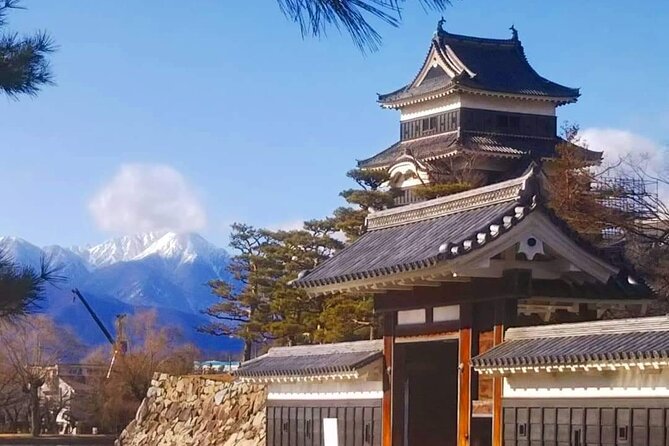
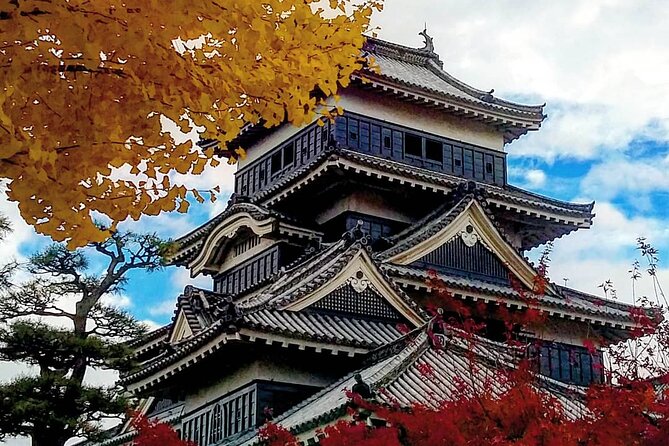
Matsumoto Castle is a big deal for Japan history. It is described as one of the National Treasures and a well-preserved feudal-era fortress, and that shows in how the visit is timed. In about an hour, you should focus on getting the layout and defensive design in your head, not trying to absorb every detail like you would on a longer museum-style day.
The guides also seem to bring the castle to life with local context. In past experiences, guides like Tom have been described as clear and engaging, sometimes even taking guests to interesting spots on the way from transit. Another guide experience described Kai as less enthusiastic and harder to follow due to English limits, but that highlights something useful for you: the guide quality can vary, and your best chance of enjoying the history portion is leaning into the experience and asking a quick question when you can.
Small group size helps here. The maximum is 15 travelers, which usually means you are not getting lost in a crowd. And because the overall activity transitions smoothly into the soba class, you are likely to keep your momentum rather than feeling scattered between two unrelated stops.
What you should watch for during the castle hour
- Pay attention to the castle layout rather than just the exterior views.
- Think about why this fortress style mattered in feudal Japan.
- If your English is limited, it can still help to ask simple questions about what you are seeing.
The Soba Lesson, Two Stages: Prep, Cut, Then Eat
After the castle portion, the experience divides into two clear stages, each around 1 hour.
A few more Nagano days worth comparing
- 1-Day Snow Monkeys, Zenko-ji Temple & Sake in Nagano
★ 5.0 · 1,020 reviews - Nagano: Snow Monkeys, Zenkoji Temple & Sake Day Trip
★ 4.9 · 833 reviews - From Tokyo: Snow Monkey 1 Day Tour with Beef Sukiyaki Lunch
★ 4.6 · 295 reviews - Tokyo: Snow Monkey & Nagano Customiseable Private Day Tour
★ 4.8 · 138 reviews
Stage 1: Preparing and cutting the soba
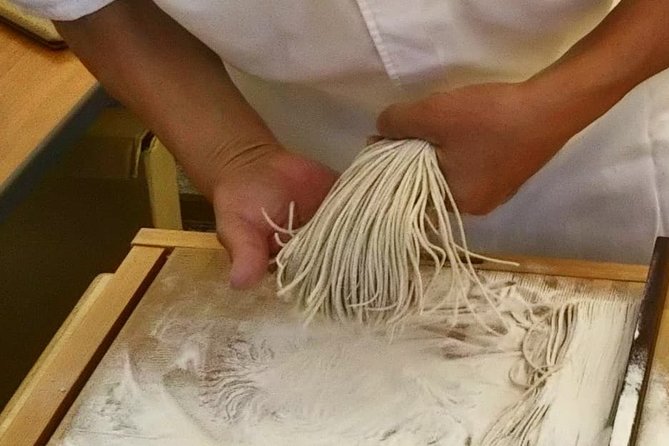
You start with a short video introduction that explains the steps, from preparing the dough to cutting the noodles. Then you move quickly into action. You are guided step-by-step by a soba-making master, using various soba-making tools.
This is the heart of why the class is worth doing. With soba, you are not just tasting a dish, you are learning a technique that affects texture, thickness, and the overall eating experience. And because you are cutting the noodles yourself, you can understand why fresh noodles feel different from packaged ones.
Also note the logistics of the portion. There is a minimum of 500 grams required to prepare soba, so the lesson includes a shared serving for 2 or 3 people. One bucket equals enough for 2 people. That means your experience is hands-on, but the portion is still planned for sharing rather than each person getting a tiny plate.
Stage 2: Soba cooked by the master, then tasting
Once the noodles are cut, you head to the restaurant area where the soba-making master cooks what you made. Now it is no longer craft time, it is food time. The structure is nice because you get the learning without having to worry about cooking the final dish perfectly yourself.
One practical thing to keep in mind: this part is not listed as a do-it-all kitchen challenge. You will participate in making the noodles, but you are also relying on the master to cook them. That is a smart setup, because it reduces the risk of your noodles turning into a sad pile of dough.
Soba Tasting: Hot or Chilled, Plus Classic Pairings
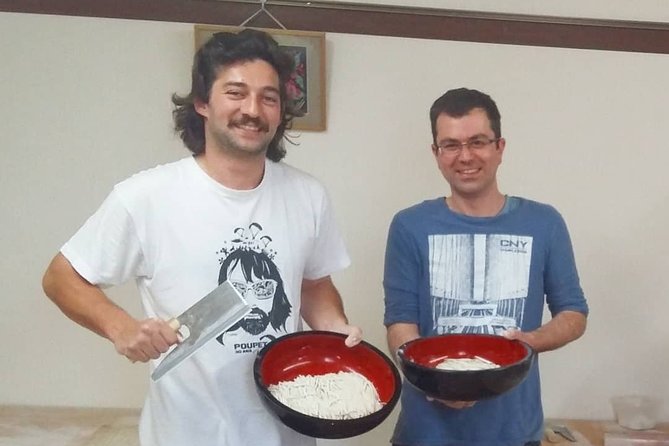
Once your noodles are cooked, you get to taste soba in multiple forms. The experience is designed to highlight Matsumoto’s signature buckwheat soba, known for its earthy flavor.
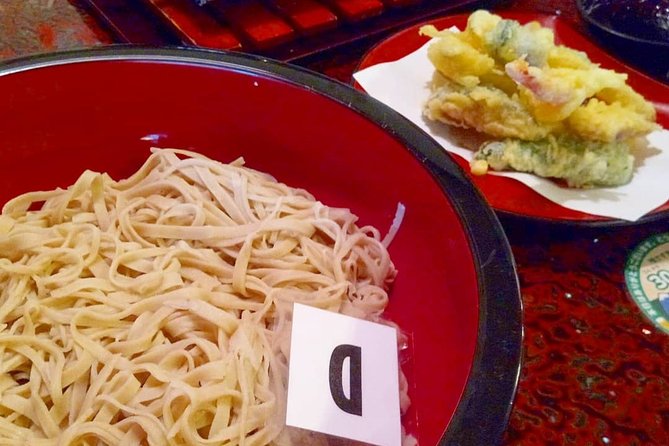
The tasting focuses on how soba changes with temperature and accompaniments. You will have options that include hot or chilled soba. That matters because buckwheat aroma and flavor perception can shift with temperature, and chilled soba often gives you a clearer sense of the buckwheat itself.
There is also mention of serving with tempura and other side dishes. At the same time, the included list says side dishes like oyaki and snacks are not included. So here is the balanced way to plan: expect your meal to feature soba and classic accompaniments as described in the experience, but do not assume you will have a full set of extra snacks without paying separately.
What I like about a tasting component is that it gives your effort a payoff. You can actually connect what you did during dough prep and cutting to what lands on your plate. If you have ever wondered why hand-cut soba feels different, this is the fastest route to getting the answer without reading ten pages of instructions.
How to get the most from the tasting
- Compare hot vs chilled mouthfeel and aroma.
- Notice the difference in noodle texture after you cut them yourself.
- If there are side elements like tempura, try alternating bites so you do not lose track of the soba flavor.
Small Groups Mean More Attention During Noodle Cutting
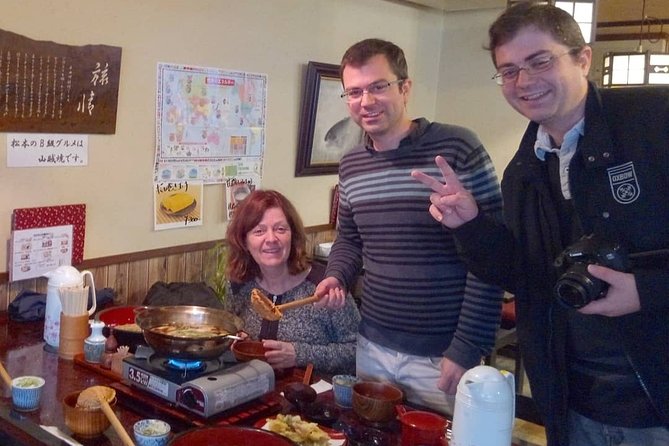
The soba portion runs in a group of two people, and the whole tour is capped at 15 travelers. That blend is great if you want attention without the stress of a private, one-on-one class setup.
You will still feel like you have a role. The tools and steps can be tricky at first, but the master guidance is part of the deal. Past experiences mention that at least one guide, Kei, was described as knowledgeable and dedicated to showing visitors around the castle. Another set of experiences mentioned guides Kentaro and Carol as helpful and great company, even with rainy weather. Those names may or may not match your day, but they point to the same pattern: this tour often feels personal, not mass-produced.
A realistic heads-up
If your comfort level with cooking tools is low, you might feel clumsy at first. That is normal. The class is designed as a guided activity, not a test. Still, if you are expecting a slow, hands-off cultural talk, know that the “hands-on” part is central.
Price and Value: What $93.93 Buys You in Matsumoto
Let’s break down the cost like a practical shopper.
You are paying about $93.93 per person for:
- Matsumoto Castle admission (included)
- Soba noodle making with a soba-making master (included)
- Soba tasting plus 1 extra (included)
What is not included:
- Side dishes such as oyaki, snacks, and similar extras
- Drinks
- Miscellaneous extras like souvenirs
- Insurance
So the real value is the combo. If you were to pay separately for castle admission and a cooking lesson plus your meal, you would likely end up spending more than the tour fee. The tour also saves you time and coordination, which is often where “cheap” plans fall apart.
I also like that the duration is tight. You are spending about three hours total. For many visitors, that is a sweet spot: long enough for meaning, short enough to still have time to wander Matsumoto after.
Practical Tips for Enjoying the Day Without Stress
Here are the things that will help you enjoy the castle hour and the soba hour smoothly, based on how the experience is set up.
- Arrive a bit early at the Matsumoto Castle Admission Ticket Counter so you do not feel rushed when the group meets.
- Wear shoes that work for walking around the castle area. Even with a short visit, castles involve steps and uneven surfaces.
- Come hungry, but plan for the fact that drinks and extra snacks are not included.
- If you are food-minded, pay attention during the dough and cutting portion. That is when your tasting experience starts to make sense.
The tour is near public transportation, which helps if you are juggling trains and buses in Nagano Prefecture. And since you get a mobile ticket, you can keep everything on your phone and move faster at the start.
Should You Book This Matsumoto Castle and Soba Tour?
I think this tour is a strong choice if you want one day in Matsumoto that mixes big heritage with hands-on food culture.
Book it if:
- You are visiting Matsumoto Castle and want a guided, not solo, experience.
- You enjoy cooking or at least like learning how food is made.
- You want to taste soba in more than one way, hot and chilled, not just a single bowl.
Skip it or reconsider if:
- You prefer pure sightseeing with minimal hands-on time.
- You are very sensitive to English clarity, since guide communication can vary.
- You are hoping the included meal comes with lots of extra snack-style sides, because side dishes like oyaki and snacks are not listed as included.
If you are on the fence, this is the simple decision test: if castle + hands-on noodles sounds fun, not fussy, book it. The structure is tight, the learning is real, and the tasting is the part that makes the whole thing stick.
FAQ
How long does the Matsumoto Castle and soba tour take?
The tour is about 3 hours total, with roughly 1 hour for the Matsumoto Castle visit and about 1 hour for the soba making and tasting experience.
What is included in the price of $93.93 per person?
The price includes Matsumoto Castle admission, a soba noodle making class with the soba master, and soba noodle tasting with 1 extra.
Is the soba tasting served hot or chilled?
Yes. The experience includes tasting soba in different forms, including hot or chilled options.
How big is the group for the soba class?
The soba-making activity takes place in a group of two people, and the overall tour has a maximum of 15 travelers.
Do I get to taste what I helped make?
Yes. After you cut the noodles, the soba master cooks the noodles you made, and then you eat the soba.
Is there a minimum amount of soba needed for the class?
Yes. There is a minimum of 500 grams required to prepare soba, so the experience includes a shared serving suitable for 2 or 3 people.
What is not included during the tour?
Side dishes such as oyaki and snacks and drinks are not included, along with any miscellaneous fees like souvenirs or additional items.
Is free cancellation available, and until when?
Free cancellation is available up to 24 hours before the experience starts for a full refund.
Fresh options around Nagano
- Nagano Private Two Day Tour★ 5.0 · 29 reviews
- 1-Day Ski Tour Package from Nagano Station★ 5.0 · 30 reviews
- Explore Jigokudani Snow Monkey Park with a Local Guide★ 4.5 · 30 reviews
- Nagano Spring: 1-Day Cherry Blossoms & Snow Monkeys Guided Tour★ 5.0 · 31 reviews
- 1-Day Winter Tour From Nozawa Onsen: Snow Monkeys, Zenko-ji Temple & Sake★ 5.0 · 32 reviews
- Nagano Sake Tasting Walking Tour★ 5.0 · 32 reviews
- Ski or Snowboard Lesson in Shiga Kogen (4Hours)★ 5.0 · 34 reviews
- Nagano: Snow Monkeys & Togakushi Shrine Two-Spot in-One Day★ 4.9 · 35 reviews
Nagano Tours, compared.
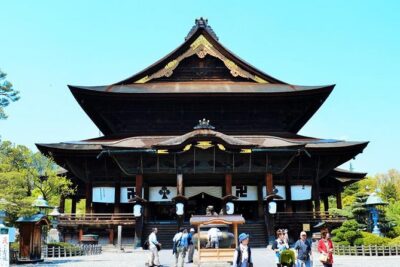
1-Day Snow Monkeys, Zenko-ji Temple & Sake in Nagano
Read our review →
Nagano: Snow Monkeys, Zenkoji Temple & Sake Day Trip
Read our review →
Snow Monkey 1 Day Tour with Beef Sukiyaki Lunch
Read our review →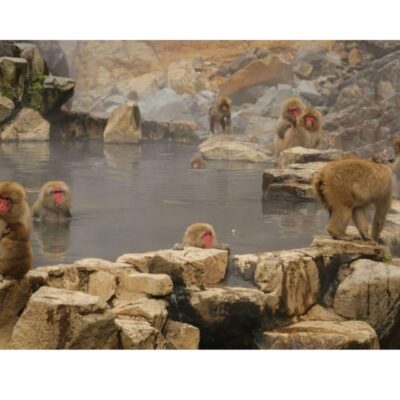
Snow Monkey & Nagano Customiseable Private Day Tour
Read our review →
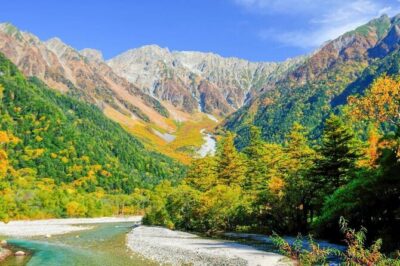
1-Day Tour from Nagano and Matsumoto Kamikochi & Matsumoto Castle
Read our review →
1-Day Snow Monkeys & Snow Fun in Shiga Kogen Tour
Read our review →
Wild Japanese Flying Squirrel Watching Tour in Nagano
Read our review →Browse the lists this tour appears in