
Reviewed · TEMPLE & SHRINE TOURS IN KYOTO
Kyoto: Zen Meditation at a Private Temple with a Monk
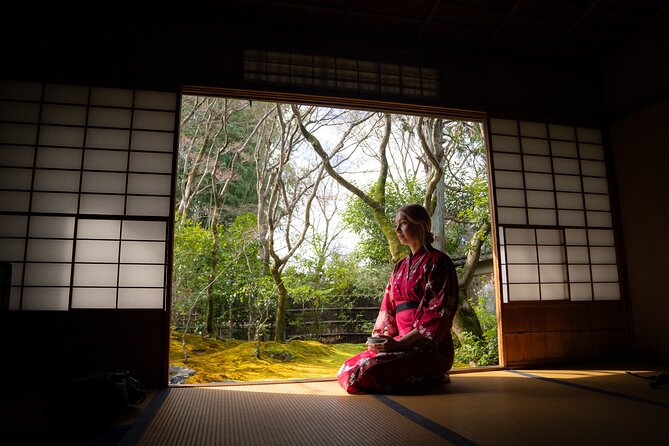
If you like quiet, Kyoto has your number. This small-group Zen meditation at a private temple gives you rare access, plus direct tips from a monk. I love the practical teaching style, especially the posture cues, and I also love the calm atmosphere that makes the session feel real, not staged. One thing to consider is the group is small, so if you want lots of sightseeing or a big-group party vibe, this is not that.
You’ll meet by Kodaiji Park and head to a nearby temple area that’s typically closed to the public. After a short introduction, you’ll get time to sit and practice in the same serene setting. If you’re a total beginner, this will likely feel friendly. If you’re expecting a lengthy, scripted ceremony, you should know it’s more about guided basics and trying meditation yourself.
Key things I think you’ll care about
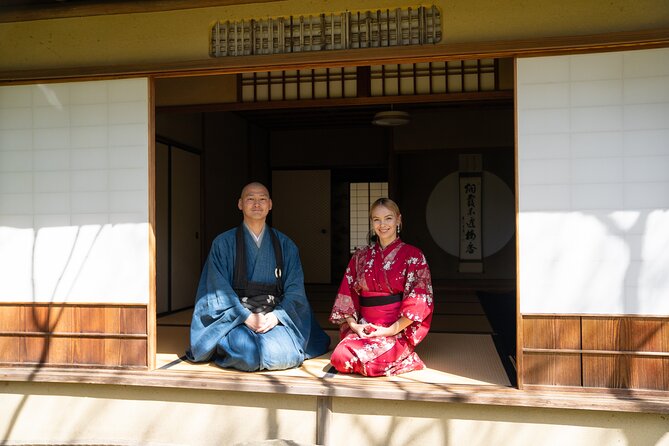
- Monk-led Zen tips that focus on how to sit and what to notice
- Private temple access that’s usually off limits
- Small group size with a maximum of 9 travelers
- Matcha tea and traditional snacks as part of the experience
- A short, focused session of about 1 hour 30 minutes
Meeting at Kodaiji Park, then heading to a usually-closed temple
Most Kyoto mornings are about crowds, lines, and quick photos. This starts with a calmer goal. You meet at Kodaiji Park at 463-28 Shimokawarachō, Higashiyama Ward, Kyoto, and from there you’re guided to the hidden temple nearby.
Your finish point is Nene-no-michi, Shimokawarachō, in the Higashiyama Ward area. That matters because you are not just dropped back where you started. It’s easier to keep your day flowing afterward, especially if you’re already exploring the Higashiyama side of Kyoto.
The experience is capped at 9 travelers, so you don’t feel lost in a crowd. For a meditation session, that’s a big deal. Quiet works best when the group size stays small and the monk can actually respond to your questions or adjust the vibe.
More Temple & Shrine Tours in Kyoto
- Kyoto: Fushimi Inari, Kinkakuji, Bamboo Grove 1 Day Bus Tour
★ 4.8 · 4,316 reviews - Kyoto: Tea Ceremony Ju-An at Jotokuji Temple
★ 4.9 · 3,207 reviews - Fushimi Inari Hidden Hiking Tour (Private Option Available)
★ 5.0 · 1,750 reviews
What makes this Kyoto Zen meditation special with a monk
Zen can sound mysterious from far away. Up close, it’s surprisingly practical, and this session leans into that. The monk shares the core principles of Zen meditation and offers insights that you’re unlikely to hear in a generic, one-size-fits-all talk.
I really like that the teaching is built around understanding and doing. You’re not just observing, nodding, and waiting for it to be over. The introduction sets you up with mental and physical cues, then you get a chance to put it into practice right there in the temple.
One detail that stood out in people’s feedback is how much attention is given to posture, including how to sit upright correctly. That’s not glamorous, but it’s useful. If you’ve ever tried meditating before and felt stiff, distracted, or unsure what your body should be doing, these cues can quickly turn frustration into progress.
The 1 hour 30 minutes Zen rhythm, from intro to quiet practice
This is an experience with a clean timeline: about 1 hour 30 minutes total. That shorter duration is helpful if you’re trying to balance Kyoto sightseeing with something meaningful. It also means you’re less likely to get antsy halfway through, which can happen on longer tours.
Here’s how the flow feels in plain terms:
- You start with an introduction led by the monk, focused on the basics.
- Then you sit and practice, using the guidance you just received.
- You wrap with traditional treats that let your brain shift gears from practice to conversation.
The best part is that the session is structured enough to help beginners, but calm enough that you don’t feel pressured. If you’re the type who learns by doing, this format is a win.
Your Zen posture and attention tips, explained in human language
Meditation instructions can be either too vague or too technical. This one aims for clear and workable. People highlighted how helpful the guidance is, including practical advice like getting your body into the right upright position.
That upright posture tip matters more than you might think. When your body is stable, your mind has an easier job. You’re less likely to collapse, fidget, or lose focus because of discomfort.
You’ll also hear explanations that connect Zen practice to everyday understanding, including a comment made about using metaphor to make the practice click. That approach is ideal in Kyoto, where you’re surrounded by old traditions and modern life at the same time. The monk turns Zen into something you can actually use.
If you get stuck in your head, take this as your permission to go slow. The session is short, so treat it like a first workout, not a lifetime certification.
More temple and shrine tours in Kyoto:
- Osaka/Kyoto:Kinkakuji,Arashiyama,FushimiInariShrine,NaraPark
★ 4.1 · 1,596 reviews - Kyoto/Osaka: Nara, Fushimi Inari Taisha, Arashiyama Bus Tour
★ 4.7 · 1,275 reviews - Arashiyama Bamboo, Temple, Monkeys, or Secret Sake Brewery
★ 4.8 · 886 reviews - Kyoto: Arashiyama Bamboo Forest, Monkeys, Matcha & Temple Tour
★ 5.0 · 759 reviews
The private temple setting: atmospheric, quiet, and different from public spaces
Kyoto has plenty of temples you can visit anytime. This one is different because you’re entering a private temple that’s typically closed to the public.
That access changes the tone immediately. Instead of negotiating with crowds or sharing space with constant foot traffic, you’re in a more controlled quiet environment. Meditation tends to go better when the background noise stays low and the setting feels respectful.
One practical advantage of a private setting is pacing. You can actually hear the monk’s guidance. The group doesn’t feel rushed, and it’s easier to settle your attention without constantly wondering what others are doing.
Also, the temple atmosphere helps you stop thinking of meditation as an abstract concept. It becomes a physical, present experience. That might sound soft, but it’s real. Your senses do the learning for you once the room goes quiet.
Matcha tea and traditional snacks, a small pause that feels like Kyoto
Meditation can leave you mentally awake but physically neutral. That’s where the included treat time helps.
You get matcha tea and traditional snacks. This is not just “free food.” It’s a gentle reset after sitting practice, giving your body a moment to come back to the day.
From a value perspective, it’s also smart. Many tours in Kyoto charge extra for refreshments, or they toss in something tiny with no real context. Here, the drinks and snacks feel like part of the rhythm of the experience.
Practical tip: take a quiet moment before the tea. Even one breath helps. It’s a nice way to keep the calm going instead of snapping back into sightseeing mode immediately.
Small group limits and what that means for your experience
This activity maxes out at 9 travelers. That’s the sweet spot for something like Zen meditation. You get a sense of community, but not a sense of chaos.
In a small group:
- the monk can tailor the pace
- you’re less likely to feel self-conscious
- explanations land better because there’s less noise
If you’re traveling with friends, this is still a good fit. You’ll likely remain close enough that you can connect after the session, but separate enough to keep things quiet during meditation.
If you’re traveling solo, it’s even better. Solo travelers often worry that guided meditation will feel awkward. Here, the small group and monk-led structure usually makes it easier to relax into the experience.
Price and value: $98.83 for rare access and guided practice
At $98.83 per person, this isn’t a budget temple visit. But it’s also not trying to compete with cheap entry fees. You’re paying for access to a temple that’s usually closed, monk guidance, small-group attention, and included tea and snacks.
In Kyoto, you can spend less on public temples and self-guided strolls. But you’ll struggle to find the combination of guided posture coaching plus rare access to a private space. This is the sort of experience you buy when you want one high-quality moment that feels personal and specific.
Duration also supports the value. At about 1 hour 30 minutes, you get a focused activity without swallowing half your day. For many itineraries in Kyoto, that matters as much as the content.
If you’re debating between a quick photo-focused stop and a slower guided practice, I’d lean toward this. It’s the kind of experience that sticks in your memory because it changes how you sit and notice things, not just what you saw.
Who should book this Kyoto monk meditation, and who should skip it
I think this experience fits best if:
- you’re curious about Zen and want a real introduction
- you like guided help, especially for posture and technique
- you want a calm setting with rare access near Kodaiji Park
- you’re okay with a short, focused session instead of a long tour
You might want to skip or choose another option if:
- you want a big sightseeing day with multiple stops
- you prefer self-paced activities over instruction
- you’re looking for a long ceremony performance rather than practice-oriented coaching
It’s also a great option when you want to add something meaningful to Kyoto without turning your entire day into meditation boot camp. You get the basics, you practice, and then you’re free to roam.
Tips to get the most from the session
You’ll get more from the session if you treat it like learning a skill, not chasing the perfect mood. Here are a few practical ideas that match how the experience is designed.
- Arrive ready to listen. The monk’s guidance is a key part of the value.
- Don’t fight your body. If posture feels challenging, use the cues you get instead of forcing it.
- Plan your day with breathing room. Since the tour ends at Nene-no-michi, it’s a good fit before or after a slower walk in the Higashiyama area.
- Bring a calm mindset. Meditation works best when you stop multitasking mentally.
Should you book the Zen meditation at a private temple?
If you want one Kyoto experience that feels quiet, personal, and actually teaches you something you can use again later, I’d book this. The private temple access, the monk-led instruction, and the chance to sit in the space you’re learning about make it a strong choice for both beginners and curious learners.
I’d only hesitate if you want a sightseeing-heavy day, or if you strongly prefer large groups and constant motion. Otherwise, this is exactly the kind of Kyoto moment that feels small in size but big in meaning.
One more practical point: you can cancel for a full refund if you cancel up to 24 hours in advance, which makes it easier to place in your schedule while you still fine-tune your Kyoto plan.
FAQ
How long is the Zen meditation experience?
It runs for about 1 hour 30 minutes.
Where do I meet for the tour?
The meeting point is at Kodaiji Park, 463-28 Shimokawarachō, Higashiyama Ward, Kyoto, 605-0825, Japan.
Where does the tour end?
The tour finishes in the Nene-no-michi area, Shimokawarachō, Higashiyama Ward, Kyoto, Japan.
How many people are in the group?
The group size is limited to a maximum of 9 travelers.
What’s included besides the meditation?
You’ll receive matcha tea and traditional snacks, along with Zen meditation guidance led by a monk.
Can I get a refund if my plans change?
Yes. You can cancel for a full refund up to 24 hours before the experience’s start time.
Fresh options around Kyoto
- Kyoto: Hands-on Takoyaki and Okonomiyaki Cooking (1 Hour)★ 4.7 · 25 reviews
- Kyoto & Uji: Full Day Sightseeing Tour from Osaka or Kyoto★ 5.0 · 25 reviews
- Kyoto: Gion World of the Geisha Guided Walking Tour★ 4.6 · 25 reviews
- Private Kyoto Photography and Dress up Adventure (ALL PLAN)★ 5.0 · 25 reviews
- Kyoto Custom Private Car Tour with Local Guide★ 4.5 · 26 reviews
- Matcha Grinding Experience and Walking Tour in Uji Kyoto★ 5.0 · 26 reviews
- Kyoto: Arashiyama Guided Tour, Bamboo, Monkey, Zen Temple★ 5.0 · 26 reviews
- Kyoto Highlights & Hidden Gems in Nature (Private Van Eng-Guide)★ 5.0 · 26 reviews
Temple & Shrine Tours in Kyoto, compared.
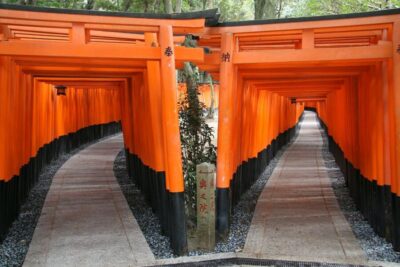
Fushimi Inari, Kinkakuji, Bamboo Grove 1 Day Bus Tour
Read our review →
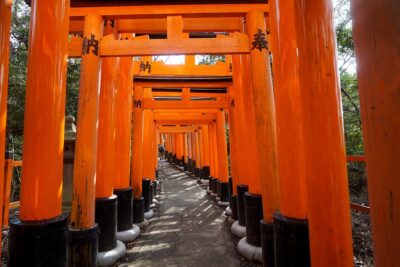
Fushimi Inari Hidden Hiking Tour (Private Option Available)
Read our review →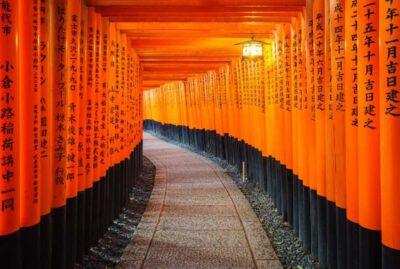
Osaka/Kyoto:Kinkakuji,Arashiyama,FushimiInariShrine,NaraPark
Read our review →
Kyoto/Osaka: Nara, Fushimi Inari Taisha, Arashiyama Bus Tour
Read our review →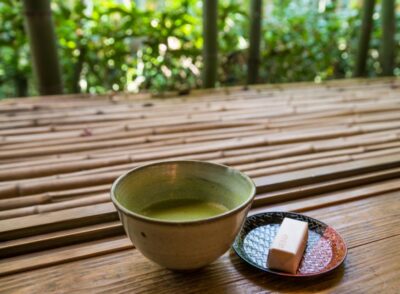
Arashiyama Bamboo, Temple, Monkeys, or Secret Sake Brewery
Read our review →
Arashiyama Bamboo Forest, Monkeys, Matcha & Temple Tour
Read our review →
Osaka/Kyoto: Arashiyama, Nara & Fushimi Inari Shrine w/Lunch
Read our review →Browse the lists this tour appears in