
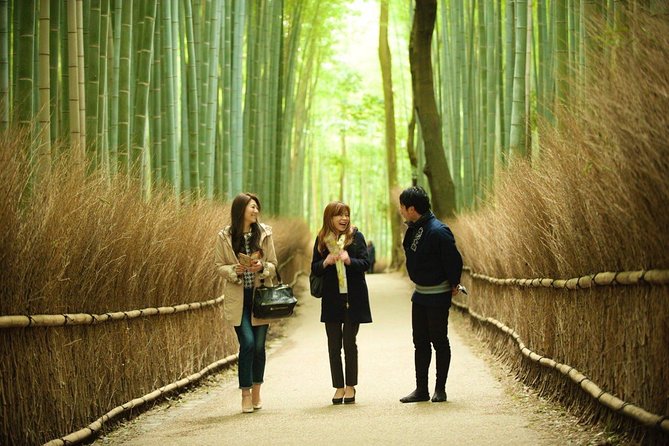
Reviewed · ARASHIYAMA & BAMBOO TOURS
Kyoto Arashiyama Rickshaw Tour with Bamboo Forest
Skip the crowd shuffle. This rickshaw tour through the Arashiyama bamboo forest gives you an easy, guided way to experience a place that’s usually packed. You start early, you ride on bamboo-lined lanes reserved for rickshaws, then you get off for the on-foot sections that most people miss.
I love two things most. First, the guides are praised for turning the route into a photo plan, with helpful phone tips and great angle instincts, so your pictures look intentional, not accidental. Second, you also get a short walk that goes up and down a steep slope so you reach the most famous bamboo view you cannot get from the rickshaw.
One consideration: this is mostly a seated ride for about 1 to 2 hours, and the walking part includes steps and slopes, so it is not ideal if you want a fully flat experience.
Key things to know before you go
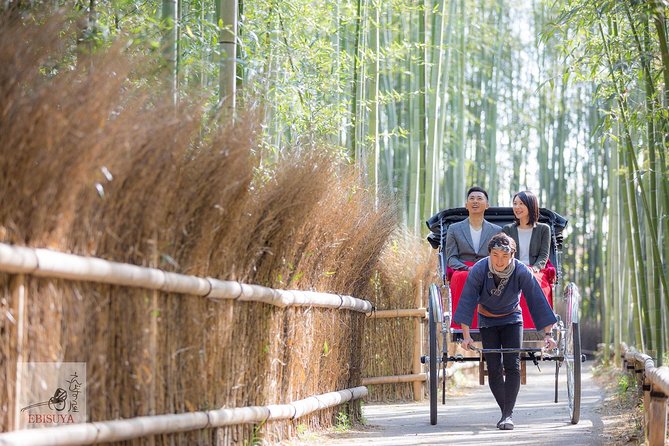
- Early start saves your photos in Arashiyama, where crowds build fast.
- Rickshaw-only bamboo lanes mean smoother access through the densest sections.
- You still get one real walk, including an uphill and downhill stretch.
- Nonomiya Shrine and a bamboo-forest Shinto stop add calm, local texture.
- Guides often double as photo coaches, not just drivers.
- Seating is narrow, so comfort matters if you are sharing space.
Arashiyama Bamboo Forest, best seen with a rickshaw driver up front
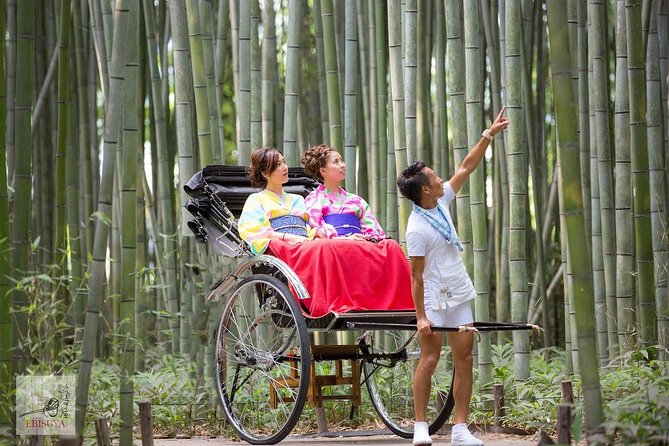
Kyoto’s Arashiyama bamboo forest is the kind of place where you can stare at a phone map for an hour and still end up in the crowd bottleneck. This tour flips the odds in your favor. You sit in a rickshaw with shade, and your guide handles the path choices while you focus on what matters: getting bamboo views at the right angles, without the constant stop-and-go.
The big win is that the rickshaw routes you through parts of the forest that normal foot traffic can’t access the same way. That means less zigzagging, fewer dead ends, and more time at the spots that actually photograph well. It also makes the experience easier on your legs, since not everyone wants to hike through slick, crowded lanes.
And yes, you will still walk. Think of this tour as a mix of effortless riding and one purposeful photo-and-view stretch.
More Arashiyama tours:
- Kyoto: Fushimi Inari, Kinkakuji, Bamboo Grove 1 Day Bus Tour
★ 4.8 · 4,316 reviews - Osaka/Kyoto:Kinkakuji,Arashiyama,FushimiInariShrine,NaraPark
★ 4.1 · 1,596 reviews - Kyoto/Osaka: Nara, Fushimi Inari Taisha, Arashiyama Bus Tour
★ 4.7 · 1,275 reviews
The route you will follow, from bamboo lanes to on-foot photo time
Your tour begins at 1-1 Sagatenryūji Susukinobabachō in Ukyo Ward, near public transportation. From there, the plan is straightforward: you ride first, then you hop off to walk the sections that rickshaws cannot reach.
After the initial bamboo stretch, you pass by Nonomiya Shrine and stop for photos at a small park. This is a good reset moment. It breaks up the ride so you can stand, stretch your legs, and frame the bamboo with the surrounding details instead of only the vertical stalks.
Next comes the part many people book for: the “most famous” bamboo area that you can’t access by rickshaw. You get off and walk a short distance that includes going up and down a steep slope. Expect uneven ground and a real incline, so comfortable shoes matter. The walk is also where you get close enough to feel the bamboo wall effect, not just see it from a distance.
You also visit a Shinto shrine stop that sits right inside the bamboo atmosphere. You are not going deep into a long temple circuit. This is about adding atmosphere and a brief, quiet Kyoto moment to an otherwise photo-focused route.
Finally, you return through bamboo for more pictures and end with another on-foot segment to an impressive forest portion. Even in a short tour, the route is designed to avoid the “same angle, same crowd” trap.
Why the early morning timing is worth it
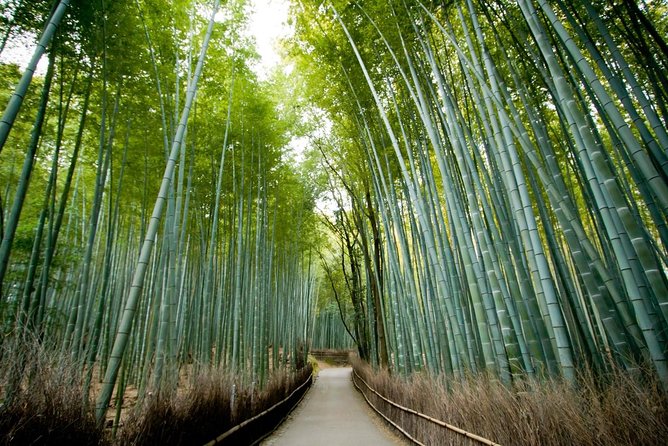
If you only take one piece of advice, take this: go early. The bamboo forest is famous, which means it’s popular. Starting in the morning helps you see the forest before the heaviest wave of visitors arrives, and it changes the vibe from crowded spectacle to calm Kyoto scene.
Early timing also makes your photo stops easier. When you have fewer people in the frame, you spend less time waiting for the crowd to clear and more time taking shots from the exact spot you want. One reviewer specifically highlighted how a guide could help them get the feel of being alone in the forest, by choosing better moments and angles.
If your schedule can handle it, this is the best time to book.
Photo stops and guide skills, the secret sauce for better bamboo pics
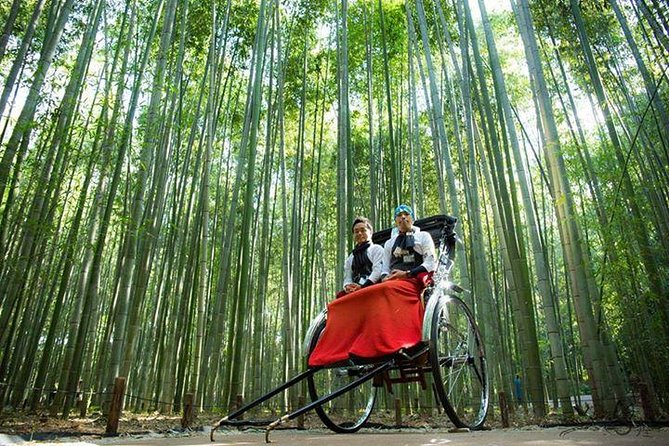
You can take great bamboo forest photos on your own, but you will usually fight for position. Here, the guide is effectively part tour manager and part photographer helper.
In the feedback, guides repeatedly get praised for:
- English that makes explanations easy to follow
- Taking excellent group photos
- Phone camera tips, including guidance on framing and timing
- Even quick panorama-style photo coaching in some cases
You may get different guides, but the pattern stays the same. Names that came up include Ocean, Yoshi, Kei, Shota, Hikaru, Kiko, Kazuma, Daichi, Shin, and Aki. Across that mix, the common thread is that the ride is not just transportation. It’s a guided way to make your photos look like you planned them.
One practical tip: if you want your own phone to be used well, ask the guide for photo help at the best stops, not during the busiest moments. You will get more consistent results when you only change camera settings when you are actually standing still in a good spot.
A few more Kyoto days worth comparing
- PERFECT KYOTO 1-Day Bus Tour
★ 5.0 · 13,518 reviews - Kyoto: Tea Ceremony in a Traditional Tea House in Kiyomizu
★ 4.9 · 3,519 reviews - Kyoto Geisha Walking Tour: Gion District & Hidden Gems
★ 4.7 · 3,273 reviews - Kyoto: Tea Ceremony Ju-An at Jotokuji Temple
★ 4.9 · 3,207 reviews
Comfort, shade, and the reality of riding in a narrow seat
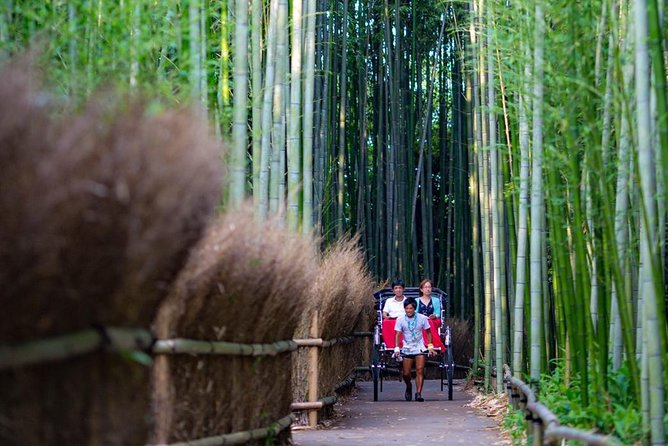
A rickshaw is fun, but it’s not a tour bus. The seat width is about 74 cm (29.1 in), and you can fit up to two adults side by side. If you are tall, broad shouldered, or sharing tightly with someone you do not know super well, keep that in mind when you book.
The good news is that the rickshaw has shade, which makes a big difference in hot weather. Several people called out that this tour can feel especially good on a very hot day because you are not baking the whole time. One review even mentioned cold towels being provided, which sounds like a small thing until the sun gets intense.
Also, the tour can run in rain or shine. That’s useful because Kyoto weather can shift fast. You should still bring a light layer or rain protection in case you get splashed during the walking segments.
How long it really takes, and where the walking happens
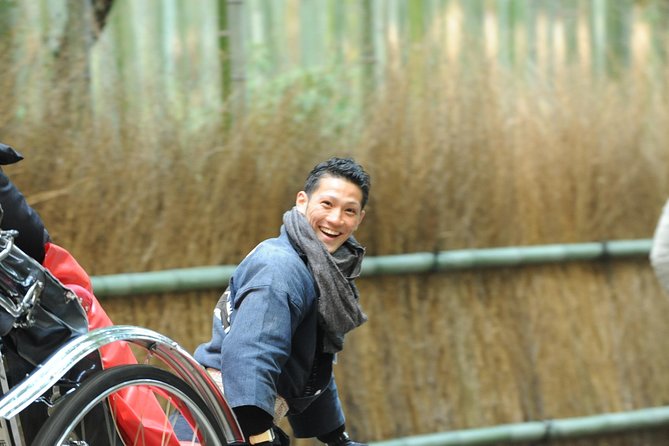
Most versions of this experience run about 1 to 2 hours total. The timing shifts based on your chosen duration and how your guide customizes the stops, but the structure stays consistent: ride most of the route, then walk the bamboo sections that require it.
You should expect:
- A ride through bamboo paths early on
- A walk segment to reach the most famous bamboo area (including a steep slope)
- Photo time at shrine and park stops
- Short walking legs between bamboo sections
One downside to set expectations correctly: you will spend a lot of the time seated. If your main goal is a long, continuous stroll through bamboo, this may feel shorter than you imagined. But if your goal is seeing a lot of bamboo without a marathon walk, the format hits a sweet spot.
Also, be careful with lateness. Your time will be deducted if you are late, and delays of 10 minutes or more can lead to automatic cancellation. Set yourself up to arrive early at the meeting point.
Nonomiya Shrine and the bamboo-forest Shinto moment
This is not only bamboo stalks. You also get cultural waypoints that help the scene feel rooted, not staged.
You pass Nonomiya Shrine and stop nearby for photos at a small park. That gives you a chance to include more than bamboo in your shots, adding human-scale details that make your photos feel like Kyoto, not a single themed postcard.
Then you visit a Shinto shrine stop that sits inside the bamboo atmosphere. The value here is simple: you get a calmer, more intimate pause. In a place that can feel like a visual overload, a small shrine moment can reset your senses.
If you want quiet, this is your chance.
Haiku poet cottage and why that pastoral detail matters
One of the memorable extras included is a cottage connected to a famous haiku poet. The cottage is described as being built in a traditional pastoral style, with a straw thatched roof. Even if you do not know the poet’s work well, this stop helps explain why bamboo is not just a photo subject in Japan. It’s tied to poetry, nature watching, and seasonal feeling.
It also adds variety. You move from bamboo wall views to a more human scale structure with a different texture, so the tour does not feel like repeating the same visual pattern over and over.
Price and value: what $86.88 buys you in Kyoto
At $86.88 per person, this tour is priced like a premium activity, not a budget ticket. But you are paying for three things that add up quickly in real time: the rickshaw itself, local guiding, and the access pattern.
Here is what is included:
- Rickshaw use
- All fees and taxes
- Gratuities
What is not included:
- Admission fees for temples and shrines
- Transportation to and from the meeting place
So the value depends on how you approach it. If you were going to walk the bamboo forest and then fight crowds for photos, you might spend more time than you want, and you might miss the most famous on-foot portion that is steep. This tour trades some flexibility for convenience and guidance.
You also get a private-group format for your party only, and there can be group discounts. Private service is one of the things that makes the guides’ photo help feel more personal.
If you want the bamboo forest without turning it into an all-day grind, the price starts to make sense fast.
Who this Kyoto bamboo rickshaw tour fits best
This tour works best if you match one of these goals:
- You want bamboo forest photos with less crowd pressure
- You prefer guided route decisions over planning every turn
- You want a mix of riding and a short walking segment, not a long hike
- You have limited time in Kyoto and still want a signature Arashiyama experience
It may be less ideal if:
- You want flat ground the whole time, because the on-foot portion includes a steep slope
- You are sensitive to narrow seating, since the rickshaw seat width is fixed
- You are traveling with very small children who need specific seat arrangements
The tour is described as suitable for most travelers, but it is not recommended for pregnant travelers in the first 16 weeks.
Family details: kids, seats, and lap rules
If you are traveling with kids, check the rickshaw rules before you assume everyone can ride comfortably.
- Children age 6 and older need a seat, so they pay the same price as an adult.
- Children age 5 and under can ride for free if they sit on an adult’s lap (one child per adult). The limit is up to two adults and two children per rickshaw.
- If a child age 5 will use one of the two seats instead of a lap, they must book as an adult.
- Your rickshaw has room for up to two adults side by side.
This is the kind of tour where the family math matters. If you want everyone seated, plan accordingly.
Should you book the Kyoto Arashiyama rickshaw tour with Bamboo Forest?
Book it if you want a smoother, guided way to see Arashiyama bamboo early and you are okay with a short, steep walk segment. The standout value is the combination of rickshaw access, a clear route that includes shrine and photo stops, and guide support that often turns your photos into real keepsakes.
Skip it if you need a long, fully on-foot hike, or if your group has difficulty with steps and slopes. Also, if you are strict about getting zero time seated and you want maximum walking time, the format may feel too “ride-heavy.”
If you can do mornings, and you want the bamboo forest to feel like an experience instead of a crowd management exercise, this is a very good way to spend 1 to 2 hours in Kyoto.
FAQ
How long is the Kyoto Arashiyama rickshaw tour?
It runs about 1 to 2 hours in total, depending on the duration you select and how your guide structures the stops.
Where does the tour start?
The start point is 1-1 Sagatenryūji Susukinobabachō, Ukyo Ward, Kyoto, 616-8385, Japan.
Is this a private tour?
Yes. It is private, so only your group participates.
What is included in the price?
The price includes use of the rickshaw, all fees and taxes, and gratuities.
Are temple and shrine admission fees included?
No. Admission fees for temples and shrines are not included.
Do I need to walk during the tour?
Yes. You will get off the rickshaw to walk part of the bamboo forest, including a steep slope section, plus additional on-foot time for photos.
Can I bring small children?
Children age 6 and older require a seat and pay the same price as adults. Children age 5 and under can ride for free if they sit on an adult’s lap (one child per adult).
What is the rickshaw seat size?
The seats measure 74 cm (29.1 in) in width, and the rickshaw can accommodate up to two adults side by side.
Does the tour run in bad weather?
Yes. Tours take place rain or shine.
Can I cancel for a full refund?
Free cancellation is available up to 24 hours in advance for a full refund. If you cancel less than 24 hours before the start time, the payment is not refunded.
Fresh options around Kyoto
- Kyoto: Quiet and Graceful Tea Ceremony★ 4.5 · 19 reviews
- Oboro | Mindful Tea Ceremony in a 100-Year-Old Kyoto Teahouse★ 5.0 · 19 reviews
- Ikebana Traditional Japanese Art of Flower Arranging★ 4.5 · 19 reviews
- Kyoto Satoyama Cycling with Lunch and English Guide★ 5.0 · 19 reviews
- Tea Ceremony Experience in Traditional Kyoto Townhouse★ 5.0 · 19 reviews
- Kyoto International Party Solo Friendly Expats and Locals★ 5.0 · 19 reviews
- Kyoto: Amanohashidate Ine Funaya Tour★ 4.4 · 19 reviews
- Kyoto Private Food Tours with a Local Foodie: 100% Personalized★ 4.5 · 19 reviews
Arashiyama & Bamboo Tours, compared.
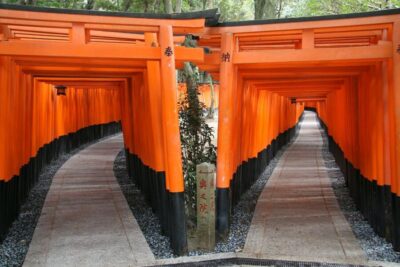
Fushimi Inari, Kinkakuji, Bamboo Grove 1 Day Bus Tour
Read our review →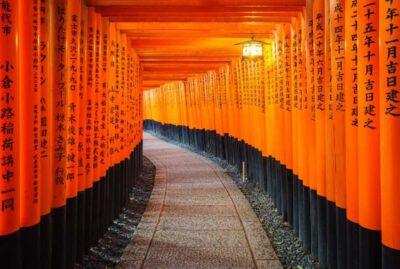
Osaka/Kyoto:Kinkakuji,Arashiyama,FushimiInariShrine,NaraPark
Read our review →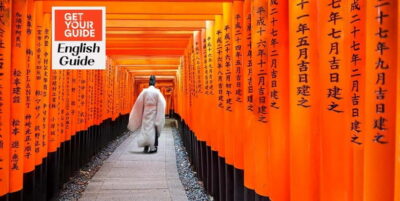
Kyoto/Osaka: Nara, Fushimi Inari Taisha, Arashiyama Bus Tour
Read our review →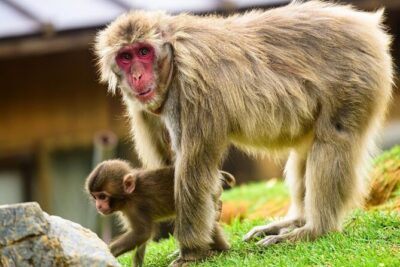
Kyoto Arashiyama Walking Tour: Bamboo, Monkeys, Gardens & Secrets
Read our review →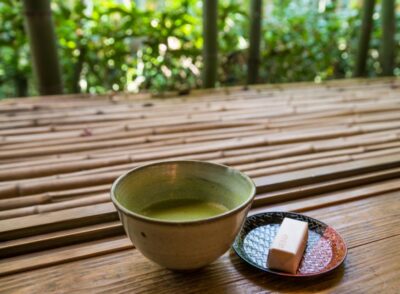
Arashiyama Bamboo, Temple, Monkeys, or Secret Sake Brewery
Read our review →
Arashiyama Bamboo Forest, Monkeys, Matcha & Temple Tour
Read our review →
Osaka/Kyoto: Arashiyama, Nara & Fushimi Inari Shrine w/Lunch
Read our review →
Nijo, Kinkaku-ji, Arashiyama, Kiyomizu & Fushimi Inari
Read our review →Browse the lists this tour appears in