
Reviewed · MT FUJI AREA TOURS
From Tokyo: Full-Day Mount Fuji Tour in English or Spanish
Mount Fuji in one packed day sounds impossible. This tour makes it doable with iconic viewpoints and a clear, historic route. You get the kind of high-angle Fuji photos people chase at the fifth station area, plus the famous silhouettes at Chureito Pagoda.
What I really like is the way the day is paced for photos and walking. I also like that you’ll have a live guide who keeps the story moving, with Luis often singled out for making the history click in Spanish or English and even coordinating timing to help you avoid the worst crowds when possible. One consideration: it is a 10 hour day with stairs and walking, and it is not suitable for people over 95, so plan your energy and footwear.
If you want Fuji views with context, not just a checklist, this is a strong pick. You’ll finish with an easy moment on Lake Kawaguchiko, where the pace finally slows down.
Key things that make this tour worth your time
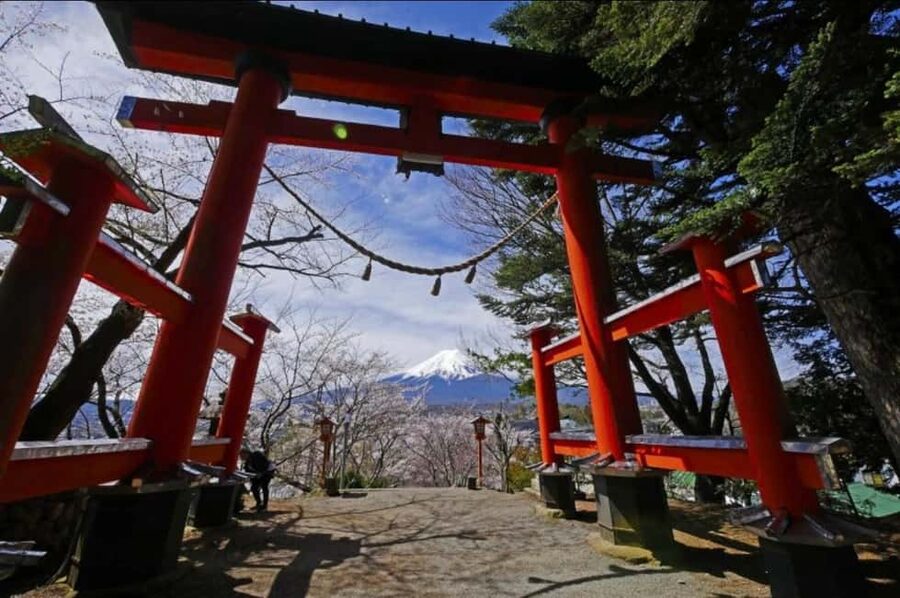
- Chureito Pagoda angles with a real ascent: choose 400 steps up Arakurayama, or take the step-free slope route.
- Sacred stop with deep roots: Arakura Sengen Park area and shrine connections to Takeda and the Yamanashi region.
- Fuji Michi Honcho Street walk: traditional shopping street tied to pilgrimage routes and classic Fuji sightlines.
- Kitaguchi Hongu Fuji Sengen Shrine, older than most cities: a northern entrance connected to the Mt. Fuji UNESCO Cultural Heritage site.
- Oishi Park memories tied to eruptions: garden stroll plus seasonal flowers, and even 14 flavors of creamy ice cream.
- Lake Kawaguchiko cruise to close the day: a 40 minute sailing with Fuji and lakeside views.
Meeting point in Nishishinjuku and the smooth ride out of Tokyo
The tour starts in Nishishinjuku, at the statue area in front of the Robert Indiana Sculpture LOVE. The guide meets you with a sign for JP Travelers, and they announce it in Spanish, which is a nice touch if you’re booking for language comfort.
From there, you ride by coach or bus for about 30 minutes. That short Tokyo-to-Fuji gap matters. You’re not stuck in a half-day commute where everyone gets cranky, and you have enough daylight to actually enjoy the first big viewpoint.
This is also where the small details help. In the feedback I saw, Luis is described as organized and communicative, and that usually means fewer awkward moments like, Where is everyone? or Did we miss the entrance? You’ll feel it right away in how the group forms and moves.
More Mt Fuji tours from Tokyo:
- Tokyo: Mt. Fuji 5th Station & Hakone Cruise 1-Day Bus Tour
★ 4.2 · 2,381 reviews - Mt Fuji Area Private Guided Tours in English-Nature up close, quiet, personal
★ 5.0 · 288 reviews - Explore Mt. Fuji Ice Cave in Aokigahara Forest
★ 5.0 · 243 reviews
Arakurayama Sengen Park and Chureito Pagoda: the Fuji photos everyone recognizes
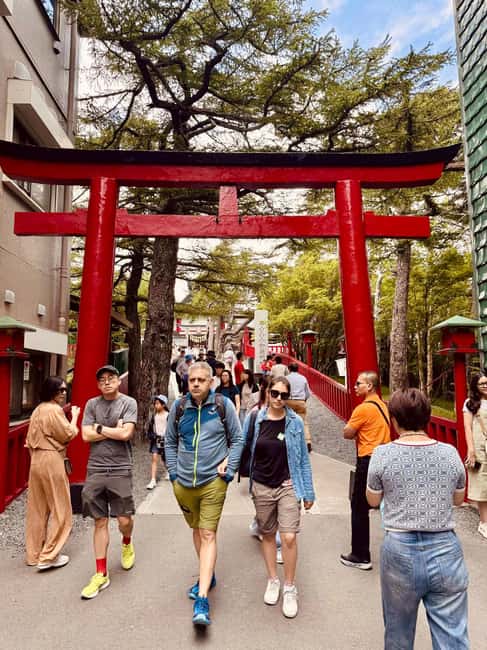
Arakurayama Sengen Park Observatory is where the day starts turning into pictures. This is the part of the experience that most people came for: the dramatic Fuji view from a classic mountaintop viewpoint, paired with the historic shrine setting.
Two ways up: 400 steps or a step-free slope
You’ll visit the Arakura Fuji Sengen Shrine area and then reach Chureito Pagoda, known for its postcard-perfect composition. There are two routes to get there:
- A stair route with about 400 steps total
- First stretch: roughly 100 steps toward the shrine
- Then: about 300 steps up to the pagoda
- A route without steps, using a slope that still gives strong viewing angles
Either option leads to the same destination. I like having a choice. On a clear day, that means you can match the walk to your legs. On a windy or slightly rainy day, it also helps you avoid feeling forced onto the stairs when the ground feels slick.
What you should watch for at this stop
- Take your photos early, because people gather there in peaks.
- Give yourself time to look past the pagoda. Fuji changes minute by minute, and small shifts in clouds can totally change the shot.
- If you choose the stairs, treat it like part of the workout, not something to rush.
The park is sacred and scenic at the same time. You’re not just looking at a view, you’re walking through a pilgrimage-style setting that explains why this mountain inspires devotion, not only tourism.
Same corner of Japan, a different kind of day:
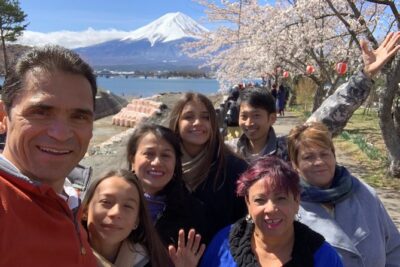
- Private guided hidden gems tour by local English speaking driver
★ 5.0 · 142 reviews - From Tokyo: Mount Fuji Full Customized Tour English Guide
★ 5.0 · 137 reviews - Ramen Cooking Class at Ramen Factory in Mt.Fuji
★ 5.0 · 101 reviews - Fuji-Q Highland: Afternoon Pass (Non-Japanese Citizens)
★ 4.2 · 98 reviews
Arakura Sengen Shrine: why this stop feels more than scenic
Before you even fully hit the pagoda viewpoint, you’re in shrine territory. The Arakura Sengen Park area connects you to local tradition, including a reference to the Lord of Yamanashi, and the samurai figure Mr. Takeda. That’s useful context because it makes the scenery feel grounded, not random.
This stop has a simple power: it mixes religion, history, and framing. The stairs, the shrine signs, and the careful route up to the pagoda all help you understand how people have approached Fuji as a sacred mountain for a long time.
If you like explanations, this is where the guide earns their place. Luis is described as passionate about history and good at translating that into something you can picture. That matters because you’ll remember the place better, not just the photos.
Honcho Street in Fujiyoshida: the Fuji Michi walk with traditional shopfronts
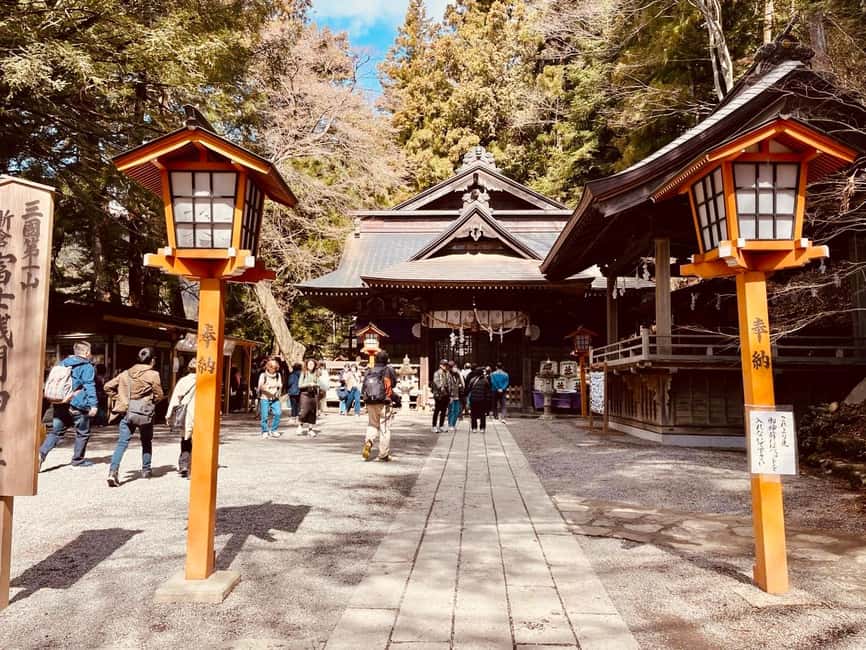
After Arakurayama, you move into Shimoyoshida Honcho Street, a walk that’s shorter than the mountain climbs but packed with atmosphere.
This is a shopping street with traditional architecture and local shops. It also has a specific historical identity: it’s linked to Fuji Michi, the path to the sacred mountain. In other words, you’re not just passing time. You’re walking a route that historically served as an access and pilgrimage connection to Fuji.
What you get from this segment
- A change of pace after the stairs
- Another classic view angle of Mount Fuji along the way
- A chance to browse local goods without turning it into a shopping spree
This is also a smart place to slow down and refocus. If Fuji is partly hidden, the street’s positioning can still offer windows of sight. And if the skies are good, you’ll get those same “how is it this perfect?” moments, but from a totally different perspective than the pagoda.
Kitaguchi Hongu Fuji Sengen Shrine: the northern entrance with centuries behind it
Next comes Kitaguchi Hongu Fuji Sengen Shrine, one of the key spiritual points on the Fuji pilgrimage network. It is part of the Mt. Fuji UNESCO World Cultural Heritage site, designated in 2013.
What makes this shrine especially interesting is the age and origin story. It is said to have over 1,900 years of history, with origins dating back to around 100 AD, when it was built to honor the legendary Prince Yamato Takeru during his passage through the region.
It’s also described as the true and ancient northern entrance to Mount Fuji. That phrase matters because it reframes the day. You stop thinking of Fuji as a single photo location and start seeing it as a connected route of sacred waypoints.
If Mount Fuji is closed, this is the backup highlight
The tour includes a practical contingency: if Mount Fuji is closed or entry isn’t permitted for reasons beyond control, the plan shifts to still let you experience this historically important shrine area.
So even if clouds, closures, or access issues happen, you’re not stuck with a watered-down day.
Oishi Park by Lake Kawaguchiko: seasonal gardens, eruption stones, and ice cream math
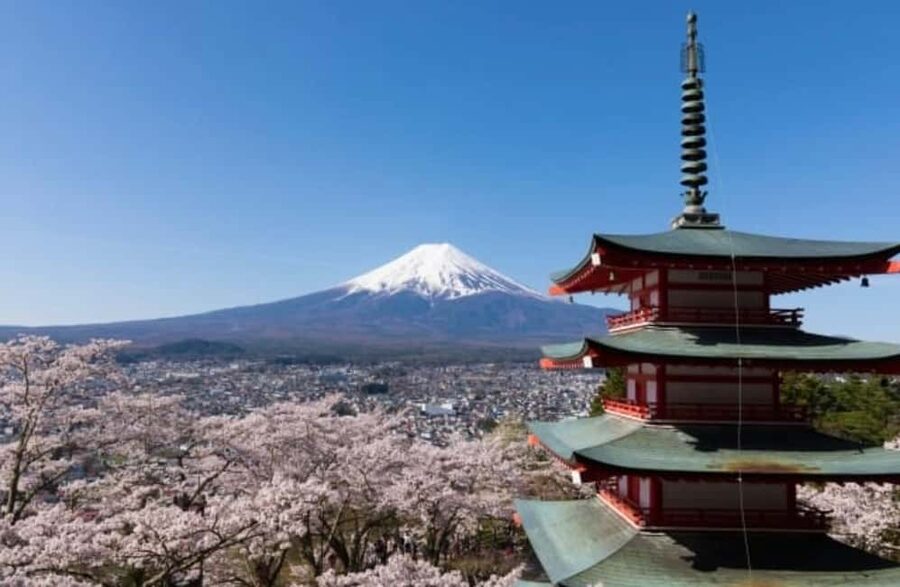
Oishi Park is your next grounding stop, located in front of Lake Kawaguchiko. This park has a distinct theme: the stones used in the park are connected to strong eruptions, when materials from Fuji moved around the lake area. The park is built as a memory of those eruptions.
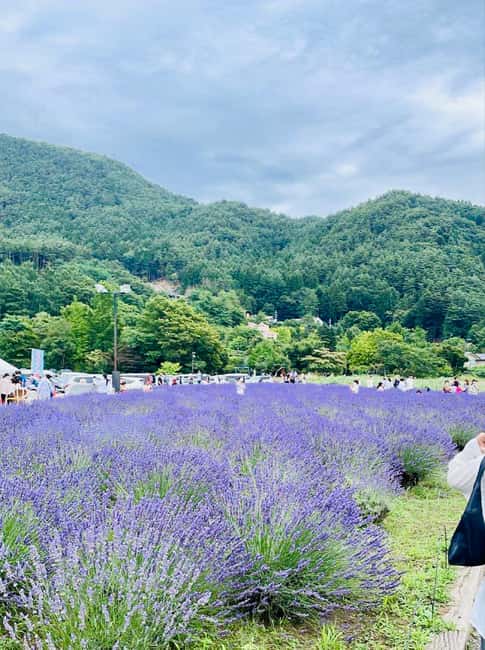
You’ll walk through two beautiful gardens and see seasonal flowers and plantings. This is one of those places where the mood shifts from “look at the big mountain” to “notice the details around it.” It’s also a nice break if you’ve been climbing stairs all morning.
The fun part: 14 flavors of creamy ice cream
Oishi Park includes time to enjoy 14 delicious flavors of creamy ice cream. It’s also a good moment for buying local fruits and souvenirs.
Since lunch and snacks are not included, I treat this as a built-in option to handle your sugar and refuel. Still, bring cash and water, because you’ll want flexibility once you see what’s for sale.
Lake Kawaguchiko cruise: your final Fuji moment, calmer than the climbs
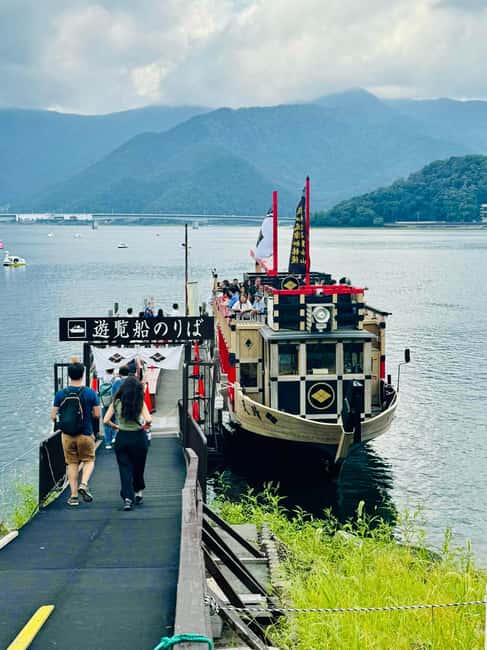
The day ends with a cruise on Lake Kawaguchiko, the second largest lake around Mount Fuji. You’ll spend about 40 minutes sailing, guided, with views of Fuji and the lake surroundings from the water.
After multiple walking segments, the cruise is a clever closer. Your legs get a break, but Fuji stays in frame. On clear days, you’ll see the mountain reflected and framed by the shoreline. On mixed-sky days, the lake can still produce pleasing views, because the water changes the contrast and reduces the harshness of direct glare.
This is also where good pacing pays off. If you saved your best patience for the water portion, you’ll enjoy it more, because you’re not rushing to the next stop.
Price and value: what about $90 gets you in a full-day format
At about $90 per person for a 10 hour outing, this tour is mostly about convenience plus guided access to multiple Fuji icons.
Here’s what your money typically covers:
- Bus transportation out of Tokyo
- Guide fee
- Entrance fees to the listed sites
- Stops that include walking segments and a lake sailing time
What’s not included is just as important for value:
- Lunch, snacks, drinks, and ice cream are not included
So I’d budget for at least one meal or buy food along the way, especially since you’ll likely want water and something to eat during the long day. If you’re traveling in a Spanish-speaking group, language support is part of the value, too. Clear explanations turn architecture and shrine details into something you can actually use while you’re there, not just something you skim past.
Given the number of packed segments and the guided nature of it, the best way to judge value is simple: if you want Fuji highlights in one day with no planning headache, this price can make sense.
What to bring and how to dress for fast-changing Fuji weather
Weather can change rapidly around Fuji. Dress accordingly, and plan like a grown-up who has seen clouds ruin plans before.
I’d bring:
- Comfortable shoes for stairs and uneven ground
- Camera for the obvious view moments
- Sunscreen and water, since visibility days can still mean strong sun
- Comfortable clothes you can layer
- Cash for purchases at Oishi Park and along Honcho Street
If you want to take photos, also think about timing. Early shots can be clearer, and later shots can be softer. Having a plan for water and breaks helps you keep your head in the moment instead of hunting for a vending machine.
Who this tour suits best, and who should skip it
This tour makes the most sense if you:
- Want a full-day Fuji experience organized for minimal fuss
- Prefer a live guide in English or Spanish
- Don’t mind a walk-heavy day with stairs and viewpoints
- Like sacred sites and short cultural context, not only big scenery
It is not suitable for people over 95 years. That’s the key line. Also, if you have mobility limits, decide based on your comfort with the stair route option and the overall walking time.
The good news is that you do get a choice for the hardest-looking ascent at Arakurayama, because you can take the slope route instead of the stairs.
Should you book this full-day Mount Fuji tour?
I’d book it if you want Mount Fuji icons plus shrine context, and you like the idea of getting a lot done without thinking. The combination of Arakurayama, Chureito Pagoda, Honcho Street, Kitaguchi Hongu Fuji Sengen Shrine, Oishi Park, and a Lake Kawaguchiko cruise is exactly the kind of day that feels full but not random.
I’d skip or rethink it if you want a slow, low-walking day, or if the stair component would be stressful. Also, since lunch and drinks are not included, make sure you’re comfortable managing food during the 10 hours.
If your priority is Spanish or English guidance that turns what you see into something you understand, this tour is a particularly good match.
FAQ
What languages are the tours offered in?
The tour is conducted in Spanish and English with a live guide.
How long is the full-day Mount Fuji tour?
The duration is 10 hours.
Where do I meet the tour guide in Tokyo?
You meet in front of the Robert Indiana Sculpture LOVE. The guide holds a sign for JP Travelers and says Fuji tour in Spanish.
What is included in the price?
The tour includes bus transportation, the guide fee, entrance fees, visits to the listed sites, and a Lake Kawaguchiko cruise.
What is not included?
Lunch, snacks, drinks, and ice cream are not included, along with personal expenses.
What happens if Mount Fuji is closed?
If Mount Fuji is closed or entry is not permitted, the tour will instead visit Kitaguchi Hongu Fuji Sengen Shrine.
What should I bring for the day?
Bring comfortable shoes, a camera, food and drinks, sunscreen, water, comfortable clothes, and cash.
Fresh options around Mt Fuji Area
- Private Fuji Half-day Car Tour with Hotel Pickup and Local Guide★ 5.0 · 20 reviews
- Tokyo: Mt. Fuji Hidden Gems and Aokigahara Forest Tour★ 4.6 · 20 reviews
- Private Local Hiking to enjoy the nature and culture of Mt.Fuji★ 5.0 · 22 reviews
- Sushi Cooking Class at Sushi Factory -KIWAMI- Mt.Fuji★ 5.0 · 23 reviews
- Winter Special: Clear View Mt. Fuji E-Bike Tour★ 5.0 · 24 reviews
- Mt Fuji Area: In-depth Guided Adventure in English or French★ 5.0 · 27 reviews
- From Kawaguchiko: Mt. Fuji Private Tour with a Local Guide★ 5.0 · 35 reviews
- Mount Fuji & Lake Kawaguchi Day Trip with English-speaking Driver★ 4.5 · 35 reviews
Mt Fuji Area Tours, compared.
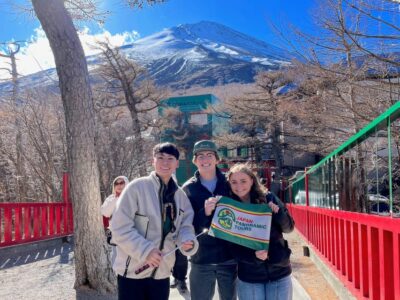
Mt. Fuji 5th Station & Hakone Cruise 1-Day Bus Tour
Read our review →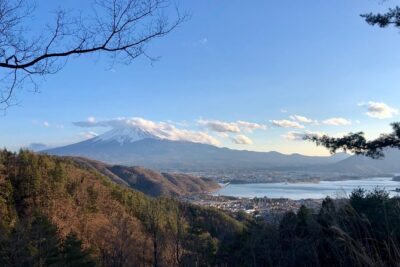
Mt Fuji Area Private Guided Tours in English-Nature up close, quiet, personal
Read our review →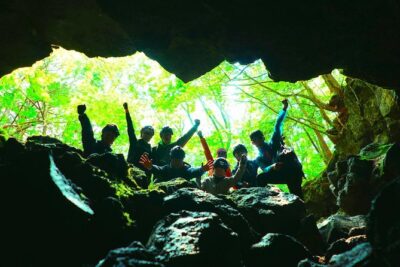
Private guided hidden gems tour by local English speaking driver
Read our review →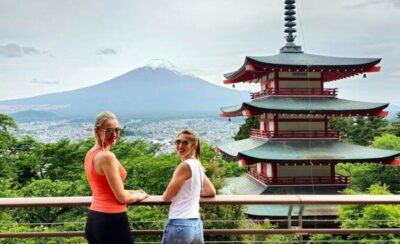
Mount Fuji Full Customized Tour English Guide
Read our review →
Ramen Cooking Class at Ramen Factory in Mt.Fuji
Read our review →
Fuji-Q Highland: Afternoon Pass (Non-Japanese Citizens)
Read our review →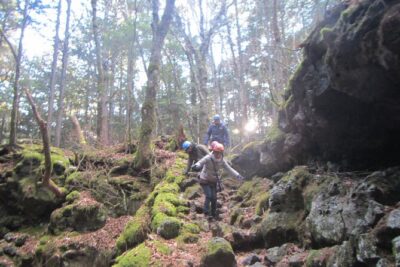
Exploring Mt Fuji Ice Cave and Sea of Trees Forest
Read our review →Browse the lists this tour appears in