
Reviewed · YOKOHAMA TOURS
Authentic Sumo Experience in Tokyo: Enter the Sanctuary
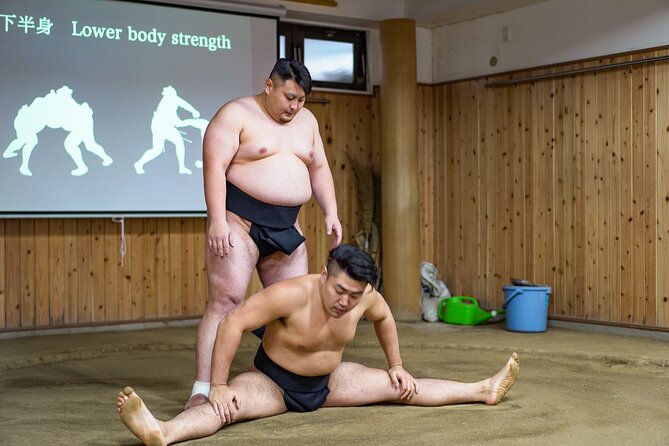
Sumo training feels different when you’re close. This Kawasaki tour takes you into a real sumo stable world, with a room tour, ring-side practice viewing, and time to learn moves. I especially like that lunch is chanko-nabe shared right after training, not some generic food stop, and that you get photos plus an original t-shirt to remember it. One thing to consider: it is not a big arena match, so if you’re only looking for a full bout with cheering crowds, this hands-on format may feel more like training and tradition.
You’ll meet up near Shin-Kawasaki Station, then head to the stable area used officially until 2022. The plan blends history and daily life, then shifts into action with a morning practice session and guided participation. I also like that the group stays small, so the instruction and interaction with the sumo wrestlers feels personal. A possible drawback is timing, since morning practice windows are long, and the tour’s start is fixed, so being late can end your day before it really begins.
Key Highlights You Should Know
- Small-group access (max 15) for better interaction and photos
- Stable room tour that covers dining, bathing, and practice spaces
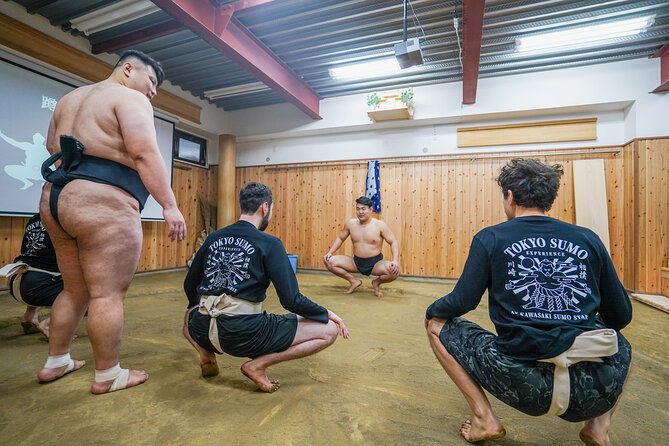
- Ring-side view of morning sumo practice in the training ring
- Chanko-nabe lunch shared together after training, including chicken dumplings
- Hands-on sumo practice taught by sumo wrestlers with guided participation
- Take-home extras like tour photos and an original designed t-shirt
Why This Sumo Experience in Tokyo Feels More Like Real Life
Most sumo tourism in Japan is about tickets, schedules, and watching from a seat. This is different. You’re stepping into the setting where training, routines, and tradition happen, then learning how the sport actually feels from the inside.
The Kawasaki location matters because it gives you a “real stable” style experience. You start at Shin-Kawasaki Station, then move to a stable environment that was officially used until 2022. That detail tells you the focus here is authenticity over showmanship. This tour is built around life inside the sumo world, not just a performance.
Also, the pacing hits a sweet spot. You get classroom-style commentary first, then you see and do. It’s a great way to understand why sumo culture is so disciplined, and why it still holds onto older customs.
More sumo experiences in Tokyo:
- Tokyo: Sumo Show Experience with Chicken Hot Pot and a Photo
★ 4.8 · 6,678 reviews - Tokyo: Sumo Show and Dining Experience
★ 4.8 · 2,742 reviews - the SUMO show
★ 5.0 · 1,960 reviews
Meeting at Shin-Kawasaki Station and Getting Oriented Fast
Your day starts at 9:30 am, with the meeting point listed near Kiyoken in Saiwai Ward, Kawasaki. The meetup is close to public transportation, which is a big deal in Tokyo-area plans. You do not want a tour that depends on complicated navigation right before it begins.
The tour timing is strict for a reason: the stable schedule and practice window are tight. If you’re more than 5 minutes late without contacting, it’s treated as a cancellation. So I’d treat this like an early train connection, not a casual meeting.
If you’re the kind of person who likes a smooth start, this tour is designed for that. The guide sets the tone right away with explanations about sumo lifestyle and tradition. It helps you notice the small things when you enter the practice and living spaces later, like how routines shape everything.
The Stable Tour: Dining Room, Bath, and Practice Area
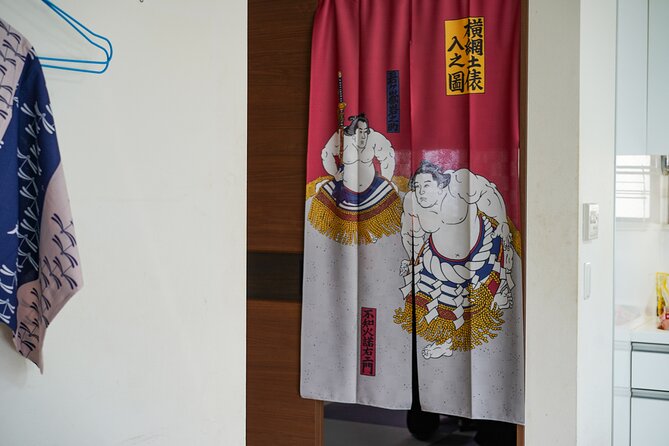
The “sanctuary” feeling starts during the stable tour. First comes the lifestyle and customs overview, then you’ll walk through key spaces: the dining room, the bath, and the practice area.
This is one of the most valuable parts of the day because it answers a question most people never get to ask. What does sumo life look like when no match is happening? You get to see the physical setup that supports training routines, meal culture, and daily recovery.
From there, you head toward the ring area. You’re not roaming forever, and you’re not kept in a museum vibe. The goal is to connect what you’re seeing to what you’ll soon watch, and then try.
Morning Practice Viewing at the Ring: What You’ll Actually See
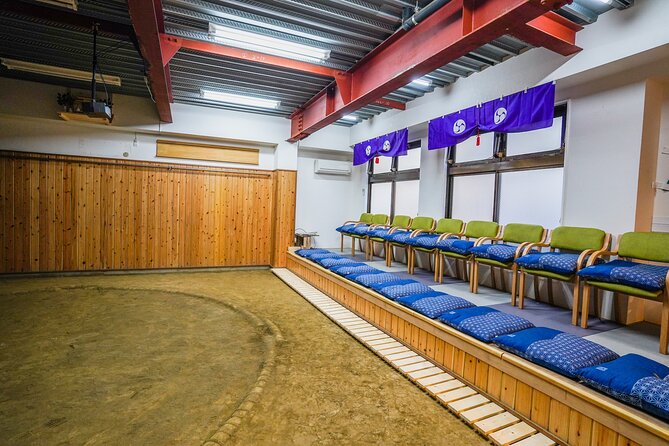
A key promise here is that you will sit close to the sumo ring to watch a morning practice session. Morning training usually begins around 7:00 am and can last three to four hours. This tour compresses the experience into a shorter time block, but the emphasis on practice is real.
What’s special is your vantage point. You’re not stuck far back like you’re watching from a tourist seat. You’re positioned to take in what training looks like: the intensity, the structure, and the repetition behind the spectacle.
If you’re new to sumo, this part helps you understand the sport’s rhythm. You’ll see how preparation looks, not just how outcomes look. And if you’re a longtime sumo fan, this is where the day stops being casual sightseeing and starts feeling like you’re watching how the sport is built.
A few more Yokohama days worth comparing
- EVO, WRX, Skyline – JDM Night Run to Daikoku Car Meet
★ 4.9 · 478 reviews - Tokyo: Best Price Daikoku Parking Area JDM Car Meet
★ 4.9 · 192 reviews - Daikoku & Tokyo Private JDM Tour by 700HP R34 GT-R
★ 4.9 · 101 reviews - Tokyo 8hr Private Tour with Licensed Guide from Yokohama
★ 5.0 · 94 reviews
Hands-On Sumo Moves: Learning From Retired Wrestlers
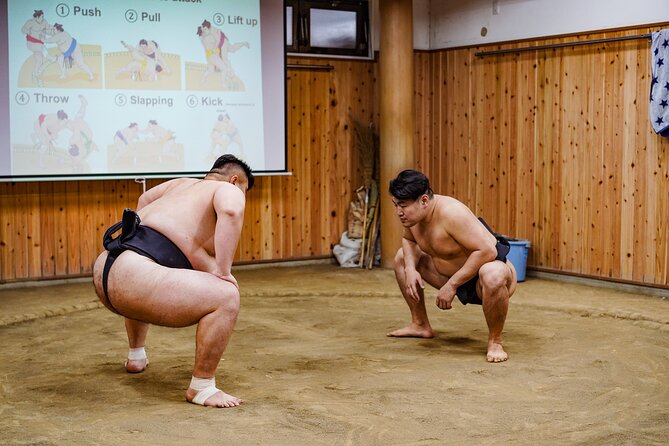
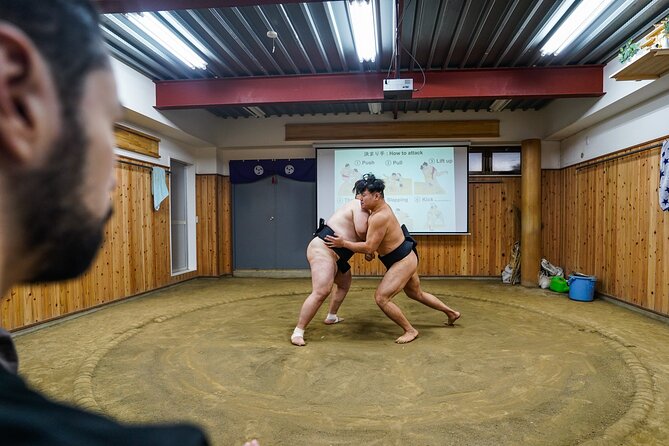
After the practice viewing, the tour shifts into participation. You’ll get the chance to learn sumo moves from a sumo wrestler, with guidance from your host.
In past groups, guides like Charlie, Jim, Lily, and Fugi have led the experience, and the common thread is interaction. The wrestlers are described as friendly and willing to teach, and the instructors use humor while explaining what they want you to do. That matters because learning sumo is physically awkward at first. Humor keeps it from feeling stiff or intimidating.
Also, the participation is structured enough to be fun even if you’re not athletic. You’re not being asked to perform for judges. You’re being coached so you understand the basics of stance, movement, and effort.
One practical note: learning the moves is part of the experience, but this tour is still about culture and training context. If you want a purely technical coaching session that drills you for hours, you might find the participation more like a guided taste. But as a memorable introduction, it lands well, especially for kids and teens who enjoy trying.
Chanko-Nabe Lunch With Wrestlers: Food That Makes the Culture Click
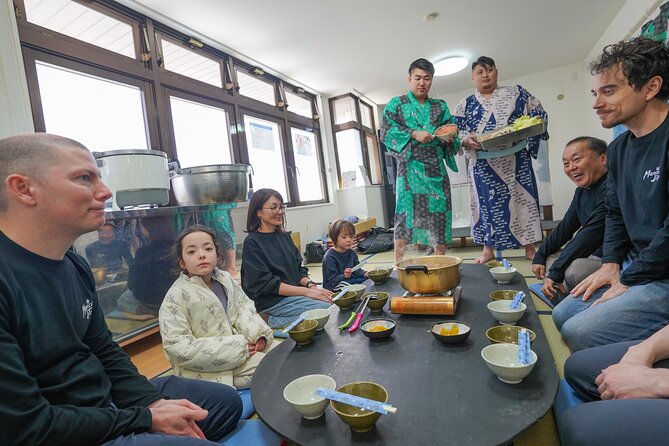
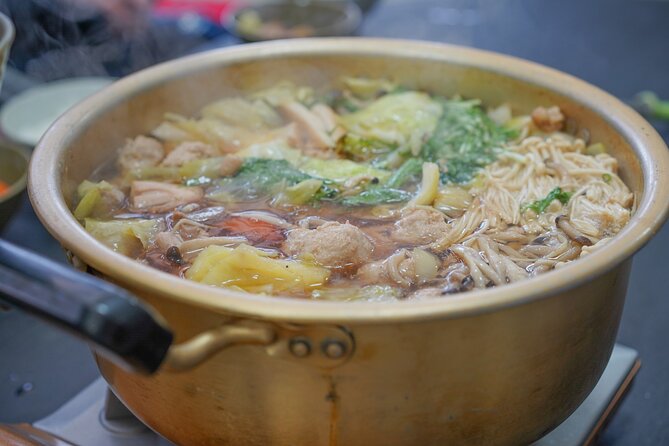
Then comes lunch: chanko-nabe, the stew that’s strongly associated with sumo training life. You eat together as part of the post-practice wrap-up, and the tour includes a specific focus on dumplings. You’ll make chicken dumplings, using the main ingredient of the chanko-nabe, with the wrestlers.
That is the kind of detail that turns a meal into an event. It’s not just food being served near a stable. You’re participating in the process and sharing the table with the people who live the sport.
You’ll also eat at a table that was actually used in the sumo room. It’s the small “you’re really here” touch that makes the meal feel grounded in the setting instead of staged.
If you’ve wondered why sumo culture is so tied to food and routine, this meal answers that question. Chanko-nabe is warm, filling, and built for the kind of sustained training demands sumo wrestlers face. You’ll leave with a better sense of why eating is treated as part of the discipline, not an afterthought.
And yes, the lunch is repeatedly described as delicious, with some people saying it became a highlight they kept thinking about later.
What the T-Shirt, Photos, and Mobile Ticket Mean for Value
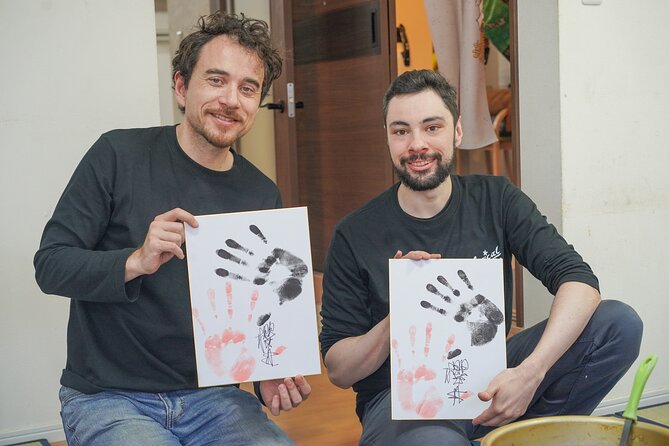
This is one of the few tours that includes small extras that actually help you remember the day. You’ll get tour photos, plus an original designed t-shirt.
The photo part matters for practical reasons. A stable is not a place where you can always stop, pose, and take unlimited photos without interfering with the flow. Having guided photos means you can focus on being present while still leaving with something to share.
Also, the mobile ticket helps reduce friction. You’re not juggling paper tickets or last-minute printing. For a tour with a fixed start time, that kind of simplicity is worth something.
Price and Value: Is It Worth $171.12?
At $171.12 per person, this is not a budget activity. But value comes from how much access you get for that money: stable entry, ring-side practice viewing, a guided room tour, hands-on instruction from sumo wrestlers, and a full lunch with chanko-nabe elements.
Compare that to the cost of a typical Tokyo-area cultural class that gives you one workshop and ends there. Here you get a full sequence. You get context first, then you see training, then you participate, then you eat together in a linked setting.
You’re also paying for a small group cap of 15 travelers, which tends to improve the experience quality. When instruction is interactive and the group is limited, you’re more likely to get actual coaching rather than just watching others.
If you love culture that’s physical, not just visual, this price starts to look reasonable quickly. If you mainly want a stadium-style spectacle, you might decide this is less aligned with your expectations, since it is built around training and tradition rather than a big match.
Timing and Practical Tips for a Smooth Sumo Morning
Here’s how to set yourself up for success.
- Bring water and a hat. Japanese summer heat and humidity can hit hard.
- Keep luggage small. Large suitcases are not permitted.
- Arrive on time. Being more than 5 minutes late without contacting counts as cancellation.
- If you have diet needs, tell the organizer at least one day before. You cannot assume allergy-free guarantees since the food is prepared in kitchens that do not belong to the tour operator. Substitutions may not always be possible.
Also, pack for the kind of day where you might be standing and watching for stretches. Comfortable shoes help. It’s a practical tour, and your body will do better if you’re ready for movement.
Who This Tour Fits Best
This experience is a strong match if you want:
- an authentic look at how sumo training works
- hands-on learning, not only watching
- a meal tied to the culture, specifically chanko-nabe
- a smaller group setting with guided commentary and photos
It’s especially good for families, since the participation element is built for engagement. Couples and solo travelers also enjoy it because it’s structured, easy to follow, and gives you more than a single photo stop.
If you’re traveling with a strong interest in Japanese sports culture, this is one of the more direct ways to connect history and daily routine to what you actually see.
Should You Book This Sumo Stable Tour?
If you want sumo beyond the TV image, I think this is worth booking. The value is in the full sequence: the stable tour, ring-side practice viewing, learning moves with instruction, and chanko-nabe lunch shared in the setting.
Book it if your main goal is understanding training life and getting hands-on. Pass or adjust expectations if what you really want is a full tournament-style bout with a stadium atmosphere. This day is quieter, more hands-on, and more about discipline and routine than cheers and crowds.
FAQ
FAQ
Where is the meeting point for the tour?
You’ll meet at Kiyoken1-chōme-2-1, Kashimada, Saiwai Ward, Kawasaki, Kanagawa 212-0058, Japan.
What time does the tour start?
The start time is 9:30 am.
How long is the experience?
The duration is about 4 hours 10 minutes.
Is lunch included?
Yes. Lunch is included, and it features sumo wrestler lunch, specifically chanko-nabe, with chicken dumplings.
Can I learn sumo moves during the tour?
Yes. You’ll have the chance to learn sumo moves from a sumo wrestler as part of the experience.
Is there a limit on the number of travelers?
Yes. The tour has a maximum of 15 travelers.
Are large suitcases allowed?
No. Large luggage such as suitcases are not permitted on this tour.
What should I know about dietary requests or allergies?
You should inform the organizer at least one day before the tour if you have dietary requests or allergies. Allergy-free meals can’t be guaranteed because the food is prepared in kitchens that do not belong to the tour provider, and substitutions may not always be possible.
What is the cancellation policy?
You can cancel up to 24 hours in advance for a full refund. If you cancel less than 24 hours before the start time, the amount paid is not refunded.
Fresh options around Yokohama
- Yokohama Half Day Tour with a Local Expert Guide★ 4.0 · 20 reviews
- Tokyo/Yokohama: Private JDM Daikoku/大黒 Car Meet With Driver★ 4.7 · 20 reviews
- Yokohama Private Tour★ 5.0 · 21 reviews
- Tokyo: Fast & Furious Authentic Drift and JDM Experience★ 4.9 · 21 reviews
- Sencha-do the Japanese Tea Ceremony Workshop★ 5.0 · 21 reviews
- Yokohama Private Tour with a Local: Highlights & Hidden Gems★ 4.5 · 21 reviews
- Yokohama Private Food Tours with a Local: 100% Personalized★ 4.5 · 21 reviews
- Yokohama Half Day Walking Tour with an Expert Local Guide★ 4.5 · 22 reviews
Yokohama Tours, compared.
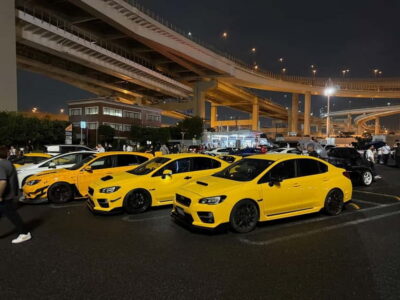
EVO, WRX, Skyline – JDM Night Run to Daikoku Car Meet
Read our review →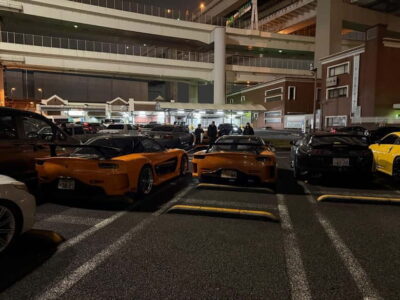

Daikoku & Tokyo Private JDM Tour by 700HP R34 GT-R
Read our review →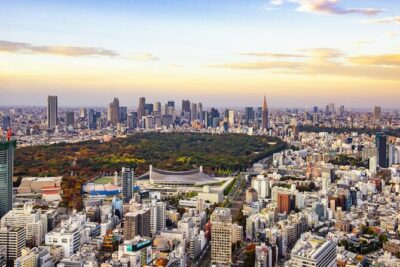
Tokyo 8hr Private Tour with Licensed Guide from Yokohama
Read our review →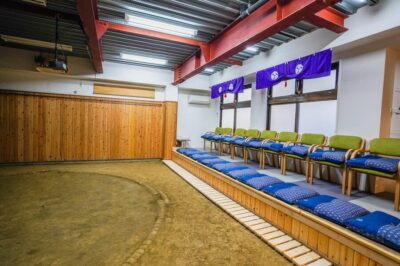

【Tokyo】JDM Daikoku Parking Area & Nissan Facility Tour
Read our review →
Shuttle Van Transfer, Yokohama(Port)⇒Tokyo, Narita, Haneda, TDR
Read our review →
R34Skyline Daikoku PA Fast & Furious Private Experience
Read our review →Browse the lists this tour appears in