
Reviewed · YOKOHAMA TOURS
Tokyo: Best Price Daikoku Parking Area JDM Car Meet
Tokyo at night, cars first.
This Daikoku Parking Area run is a simple way to taste Japan’s street-car world without getting stuck behind a bus schedule. I like the flat pricing promise, and I also like that you actually get time to roam and talk, not just stand in one spot. The only real watch-out is that the car lineup is not guaranteed, since Daikoku is an impromptu meet.
My favorite part is the drive itself. You pass Rainbow Bridge and get skyline views from the expressways on the way to Daikoku, then you circle back with more nighttime Tokyo scenery. Second, the vibe is practical and friendly, especially with guides such as Josh and Kai who keep things easygoing and explain what you are seeing.
One possible drawback to plan for: the “standard” ride is in a normal car, and if you are at full group capacity it can feel a bit snug during the ride. Also, you are exploring on your own once you reach Daikoku, which is great for freedom, but not ideal if you want a strict, guided walkthrough.
Key things that make this Daikoku car meet ride worth it
- Flat price with no solo surprise for the standard shared ride, plus no minimum participant requirement.
- 1.5 hours at Daikoku PA to wander, shoot photos, and chat with owners if you catch them.
- Rainbow Bridge passes and nighttime expressway views before and after the meet.
- Small group size (up to 6) in a normal vehicle, with group-size vehicle swaps.
- Car culture talk along the route, with guides like Josh and Kai known for friendly explanations.
- Weekday can feel more relaxed, with a slightly calmer crowd than big weekend nights.
Why Daikoku Parking Area still feels iconic
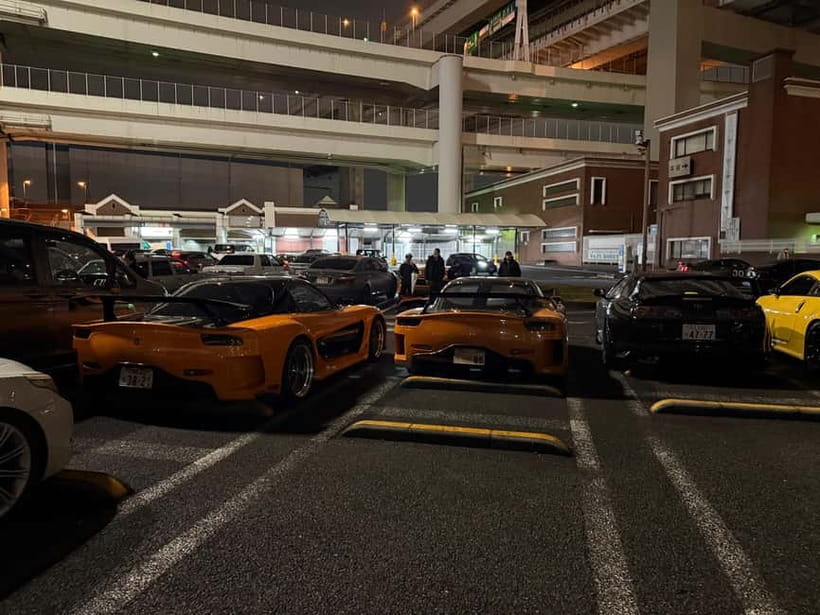
Daikoku Parking Area is one of those places that makes Japanese car culture feel real, not staged. The setup is big and open, so the meet doesn’t feel like a showroom. It feels like a social gathering where cars become the conversation.
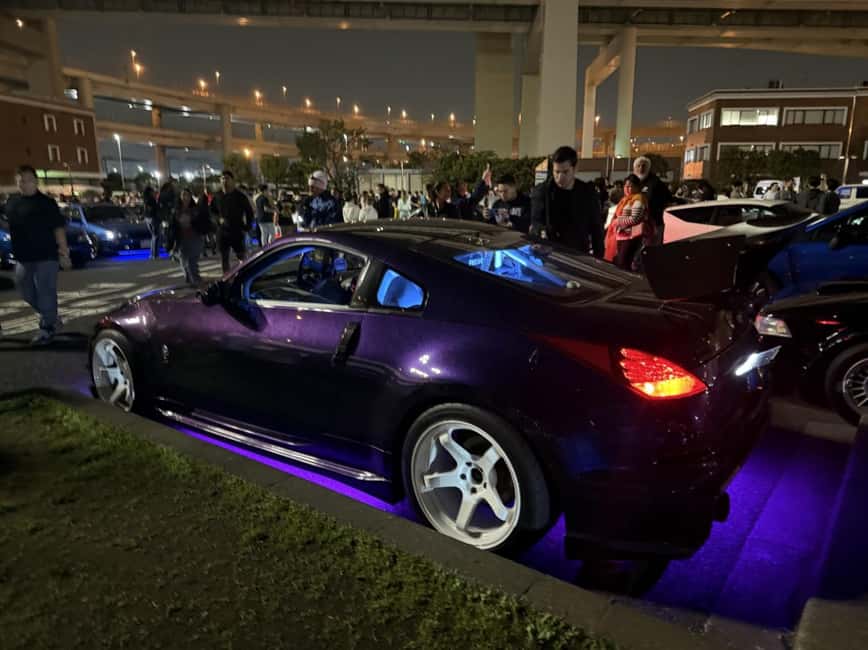
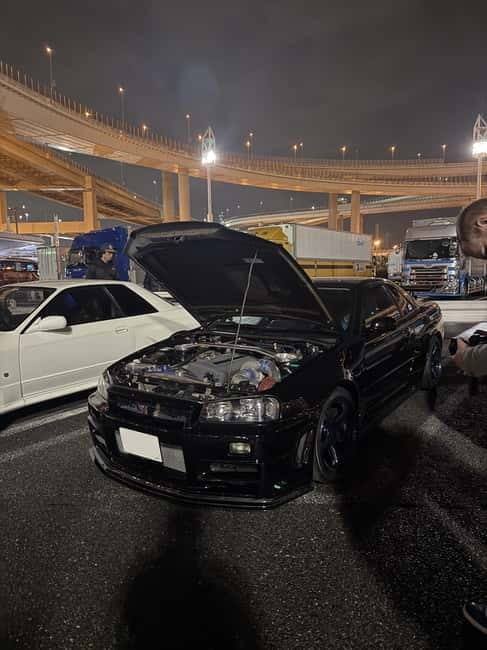
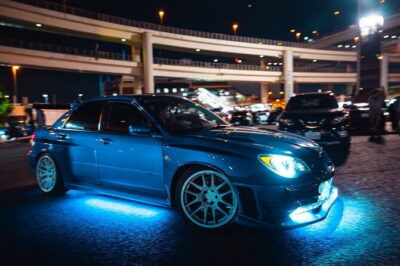
At Daikoku, you might see everything from exotic supercars to heavily modified tuners and rare classics. That mix matters. If you only like one style, you still have a chance to find your people, your car, your photo angle. And because it is a public meet, you are not stuck only looking through glass or behind ropes.
There is also an important honesty here: you are visiting a public car scene, so what shows up can vary. On any night, you are not guaranteed the same number of cars or the same models. That unpredictability is part of the Daikoku experience, and it is why you come with your camera ready and your expectations flexible.
A few more Yokohama days worth comparing
- Authentic Sumo Experience in Tokyo: Enter the Sanctuary
★ 5.0 · 603 reviews - EVO, WRX, Skyline – JDM Night Run to Daikoku Car Meet
★ 4.9 · 478 reviews - Daikoku & Tokyo Private JDM Tour by 700HP R34 GT-R
★ 4.9 · 101 reviews
The flat $76 structure, and why it actually helps
The biggest value point is the one honest price for the standard shared ride. No “starting from” tricks. No higher solo price. No minimum number of people needed just to run your slot.
Why this matters: car-themed activities can turn into a pricing game when you are solo or small-group. Here, the cost stays clear, so you can plan your Tokyo budget without guessing how the price changes based on who else books the date.
There is also a second option if you want something different. A Toyota new GR86 option exists, but it has different pricing than the standard shared ride. If you are chasing a more specific car vibe, this is your route. If you just want the Daikoku experience plus highway scenery at a controlled price, the standard ride is the straightforward pick.
Shared ride reality: normal car, small group, and why that is fine
This tour is a shared ride. You are not getting picked up in some special tuned JDM vehicle. The plan uses a normal car, and the model depends on group size.
For the standard shared ride, the vehicle could be:
- Toyota Aqua for smaller groups
- Toyota Noah, Voxy, Nissan Serena, or Toyota Hiace for larger groups
What that means for you:
- You get the route and the meet time without paying “sports car taxi” prices.
- The car comfort is what it is, and at full capacity it can feel a bit tight. That is not a safety issue, just the trade-off of keeping costs lower and keeping the group to a small number.
On top of that, the trip is limited to 6 participants in the small group format. You will still have room to move, but you should expect a more social, conversational vibe than a private chauffeur experience. For many people, that is exactly the point.
The highway portion: Rainbow Bridge and Haneda passes
The day starts with a choice of meeting points, with one option at Tochomae Station (Nishishinjuku). From there, you head out and the route includes key sights you can recognize even if you are not a full-time Tokyo transit nerd.
Two big takeaways from the drive:
- You get expressway cruising to Daikoku, so it is not only about the parking lot.
- You pass Rainbow Bridge and see Tokyo at night from moving viewpoints.
The itinerary also includes a pass by Haneda Airport and later a pass by Tokyo Tower before finishing at Shinjuku Station. If you want Tokyo scenery that feels like Tokyo, this matters. You get a night-drive feel that is hard to replicate if you are just using trains and walking.
Time-wise, plan on a total activity duration of 210 minutes, and that includes the traveling time. So you get a real chunk of the evening on the road, not just a quick in-and-out.
Same corner of Japan, a different kind of day:
- Tokyo 8hr Private Tour with Licensed Guide from Yokohama
★ 5.0 · 94 reviews - Tokyo: Authentic Sumo Wrestling Experience with Lunch
★ 4.9 · 88 reviews - 【Tokyo】JDM Daikoku Parking Area & Nissan Facility Tour
★ 5.0 · 87 reviews - Shuttle Van Transfer, Yokohama(Port)⇒Tokyo, Narita, Haneda, TDR
★ 5.0 · 63 reviews
The Daikoku stop: 1.5 hours to roam and photograph
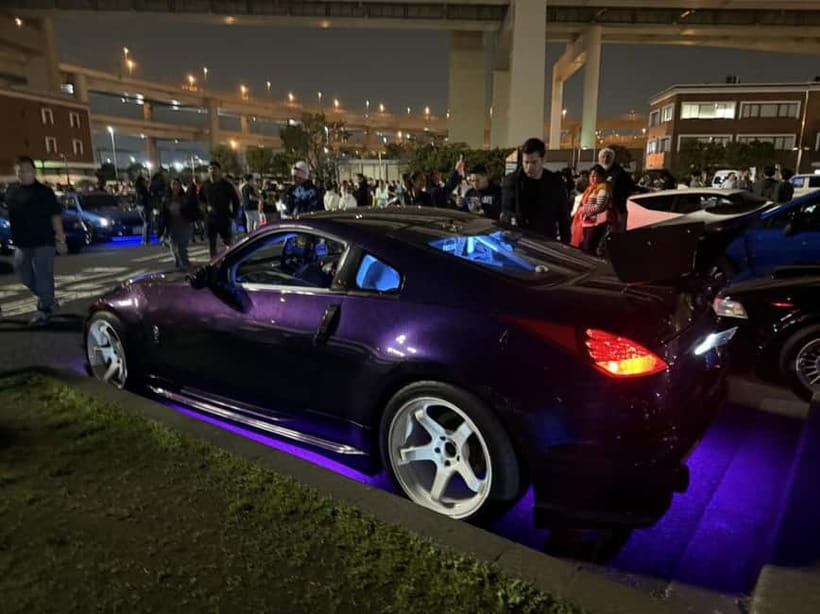
Once you arrive, you get about 1.5 hours to explore Daikoku PA freely. This is one of the best parts of the format because you are not locked into a script.
Here is what you should do when you first get there:
- Walk a loop early, so your photos are not random.
- Find a spot where you can shoot both the cars and the flow of people arriving.
- If you see owners you can approach respectfully, ask for quick context. Drivers are encouraged to help you understand what you are looking at.
The meet also has a social energy. You are likely to spot gearheads, casual fans, and photographers all mixing together. If you love the idea of learning by looking, this works well.
Just remember: what you see is not guaranteed. One night can bring more crowd and more cars, another night can be quieter. Either way, the parking area itself is the attraction. It is like a living car exhibit.
When Daikoku gets closed: the backup plan matters
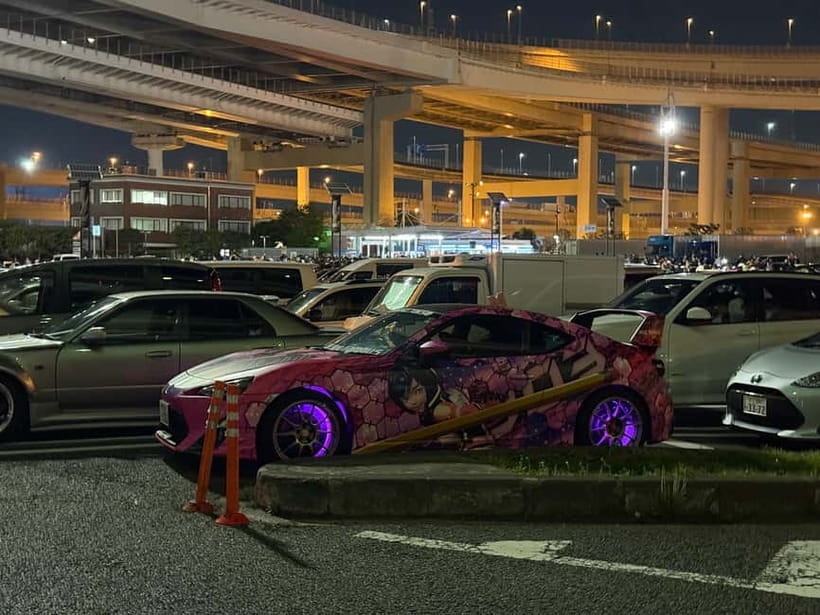
One more practical point that separates a good meet tour from a “hope for the best” plan: Daikoku can close.
On the rare occasion Daikoku is closed, the organizers switch to a prepared backup plan so you still get a car culture experience. You may even drive to another spot when police shut down the parking area early.
I like this approach because it turns the risk into a managed part of the evening. Instead of feeling stranded, you are moved along and you keep the night going.
Meeting guides who set the tone, from Josh to Kai
The tour works best when the guide makes you feel comfortable asking questions. Based on what people have described, guides such as Josh and Kai are friendly, courteous, and ready with explanations about Japanese car culture while you are traveling.
That matters even if you are not a hardcore gearhead. A little context can turn a random car photo into a story you can actually explain later, like why a certain setup is popular, or what makes the scene work.
Also, the guides create a relaxed atmosphere. It is not a lecture. It is more like car chat mixed with practical guidance about the spot and how to enjoy it.
Weekday vs weekend nights: when to go for the mood you want
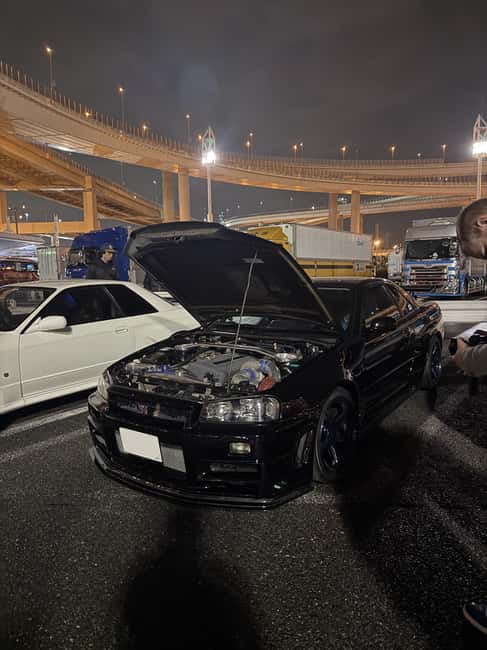
Daikoku can feel different depending on the day. A weekday visit can be more relaxed and authentic, with slightly fewer cars but still strong energy. Weekends and holidays can bring bigger turnouts, which is fun if you love crowds, but it can also mean tighter navigation and more competition for photo angles.
If you prefer an easier pace and fewer people to dodge, aim for weekdays. If you want peak chaos and maximum spotting odds, weekends make sense. Either way, bring patience. Car meets are organic by nature.
What to bring, what to wear, and how not to be That Person
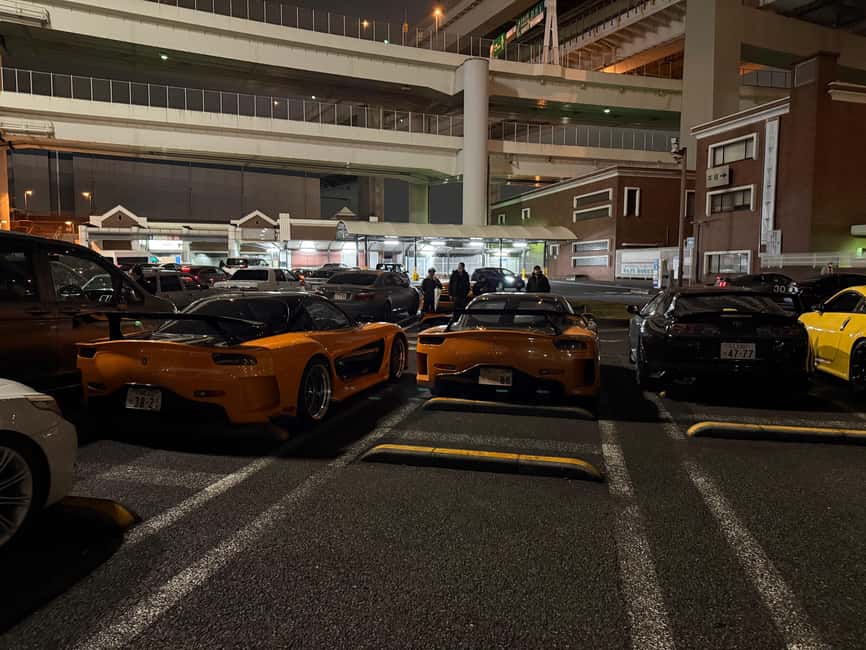
You are going to walk. The meet is outdoors and you will want to move around to see different rows of cars.
Bring:
- A camera for photos
- An umbrella if it is raining
- Comfortable shoes for walking
And do the simple etiquette things that keep the scene welcoming:
- Be respectful to car owners and their vehicles
- Follow local rules and any parking area guidance
If you do not know much about JDM yet, that is fine. The point is to look, learn, and enjoy the atmosphere.
Also note the tour is not a drifting or illegal racing experience. This is about car culture, not thrill-seeking through unsafe behavior.
Who this is best for, and who should skip it
This tour is a strong fit if:
- You want a Tokyo night drive plus a real car meet stop
- You like exploring on your own once you arrive
- You enjoy photo opportunities and casual conversations with passionate people
- You want a small-group vibe, not a large bus crowd
It may be a weaker fit if:
- You want a fully structured guided walkthrough at the parking area
- You are counting on a specific car lineup, like a certain model showing up
- You need a fully roomy ride at all times during travel
There are also a couple of practical limits:
- Not allowed: pets, smoking
- Not suitable for people over 280 lbs (127 kg)
- Wheelchair accessible
If you fit the mobility and expectations, this is one of the more straightforward ways to see Daikoku without renting a car.
Pricing, value, and the one trade-off you cannot avoid
At $76 per person for the standard shared ride, the value comes from three places:
- You get scenic expressway time with major Tokyo landmarks like Rainbow Bridge and later Tokyo Tower passes.
- You get dedicated meet time at Daikoku for photos and roaming.
- The pricing stays flat and transparent, even if you book as a solo.
The trade-off is the shared ride format in a normal car. You are not in a dedicated tuned ride, and at peak capacity it can feel tight. You are paying for the overall experience and access, not for luxury transport.
If you want the GR86 option, you might pay different pricing for that specific variant, but the core idea stays the same: Daikoku PA plus nighttime highway scenery.
Should you book this Daikoku Parking Area car meet ride?
I think you should book if you want a practical, budget-friendly way to see the most famous JDM-adjacent car scene in the Tokyo area, with enough time to actually enjoy the parking lot and take photos. The flat price, small group size, and road-to-daikoku route make it feel fair and easy to plan.
Skip it if you need a guaranteed lineup of specific cars, want a very guided walking tour once you arrive, or you are uncomfortable in a normal shared vehicle during evening traffic.
If you are a car fan, a photo fan, or you just want one uniquely Tokyo night that is not another museum, this is a solid pick. The scene is open, the vibe is real, and your evening has a built-in story even if the cars change from night to night.
FAQ
How long do we spend at Daikoku Parking Area?
You get about 1.5 hours to explore Daikoku Parking Area.
What is the total duration of the activity?
The total duration is 210 minutes, including travel time.
Is drifting or illegal racing part of this tour?
No. This is not a drifting or illegal racing tour, and you go to see car culture.
Is the pricing different if I book as a solo traveler?
For the standard shared ride, the price is flat and does not increase for solos.
Is the lineup of cars guaranteed at Daikoku?
No. The cars and number of cars that show up are not guaranteed since Daikoku is an impromptu car meeting.
What vehicle do you use for the standard shared ride?
It depends on group size. It may be a Toyota Aqua for smaller groups, or a Toyota Noah, Voxy, Nissan Serena, or Toyota Hiace for larger groups.
What should I bring and wear?
Bring a camera, wear comfortable shoes for walking, and bring an umbrella if it is raining.
Fresh options around Yokohama
- Yokohama Private Tour with a Local: Highlights & Hidden Gems★ 4.4 · 13 reviews
- Yokosuka : Scenic Hidden Gem Hike and Naval Port Cruise★ 5.0 · 13 reviews
- Cup Noodles Museum Guided Tour in Yokohama★ 5.0 · 15 reviews
- Yokosuka: Boat Trip to an Uninhabited Island★ 5.0 · 16 reviews
- Guided History & Nature Exploration in the Yokohama Hill Area★ 5.0 · 17 reviews
- Yokohama Private Transfer: Tokyo City, Narita and Haneda Airport★ 4.5 · 18 reviews
- Yokohama Half Day Tour with a Local Expert Guide★ 4.0 · 20 reviews
- Tokyo/Yokohama: Private JDM Daikoku/大黒 Car Meet With Driver★ 4.7 · 20 reviews
Yokohama Tours, compared.

Authentic Sumo Experience in Tokyo: Enter the Sanctuary
Read our review →
EVO, WRX, Skyline – JDM Night Run to Daikoku Car Meet
Read our review →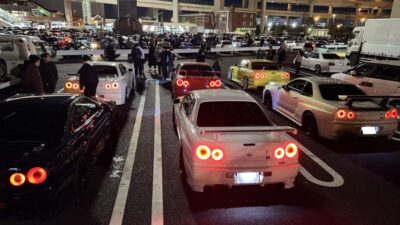
Daikoku & Tokyo Private JDM Tour by 700HP R34 GT-R
Read our review →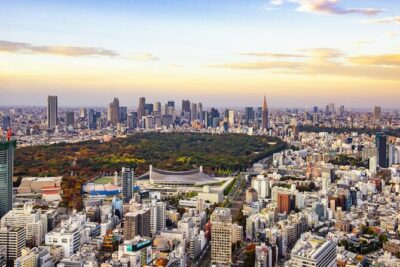
Tokyo 8hr Private Tour with Licensed Guide from Yokohama
Read our review →
【Tokyo】JDM Daikoku Parking Area & Nissan Facility Tour
Read our review →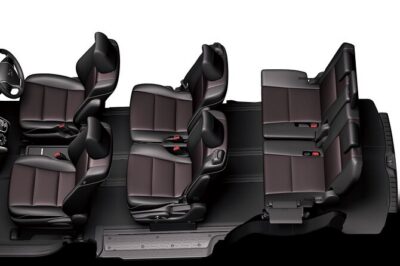
Shuttle Van Transfer, Yokohama(Port)⇒Tokyo, Narita, Haneda, TDR
Read our review →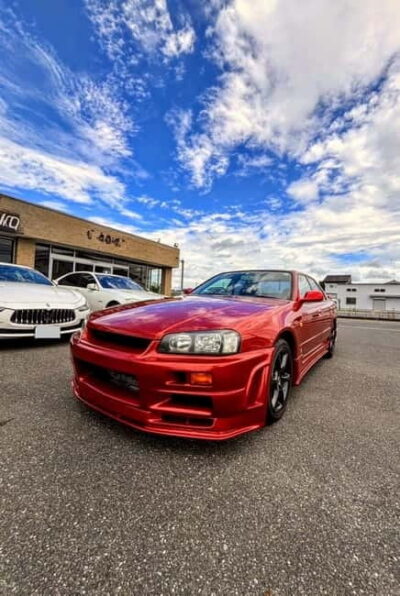
R34Skyline Daikoku PA Fast & Furious Private Experience
Read our review →Browse the lists this tour appears in