
Reviewed · YOKOHAMA TOURS
Sencha-do the Japanese Tea Ceremony Workshop
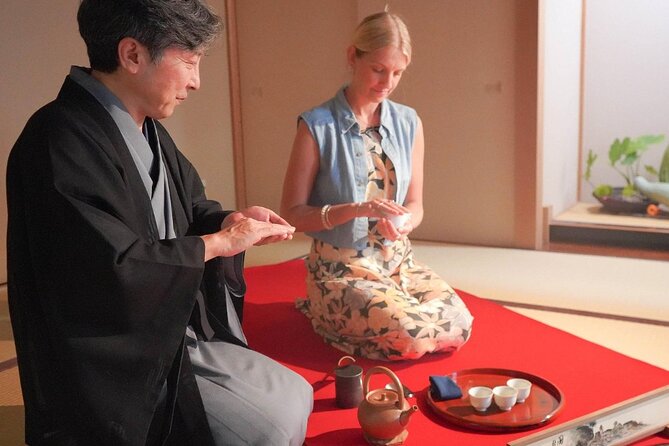
Tea and quiet focus make a nice break. This sencha-do workshop lets you observe a traditional flow, then actually handle the utensils and brew your own infused green tea leaves. It’s in Kawasaki, and the whole thing runs about 90 minutes with a small group size, so it stays personal.
Two things I like right away: you learn sencha-do using real leaf infusion (not powdered matcha), and the instruction comes from a master of the Higashi Abe school who is known for teaching carefully, patiently, and with respect for the tradition. One thing to consider is finding the studio can be a little tricky if you rely only on generic map directions, so give yourself a few extra minutes and follow the host’s guidance.
The experience balances etiquette and hands-on technique. You’ll start by watching, then you’ll brew, compare your cups with others, and take photos throughout.
Key highlights to know before you go
- Sencha-do focus (leaf infusion) instead of matcha preparation
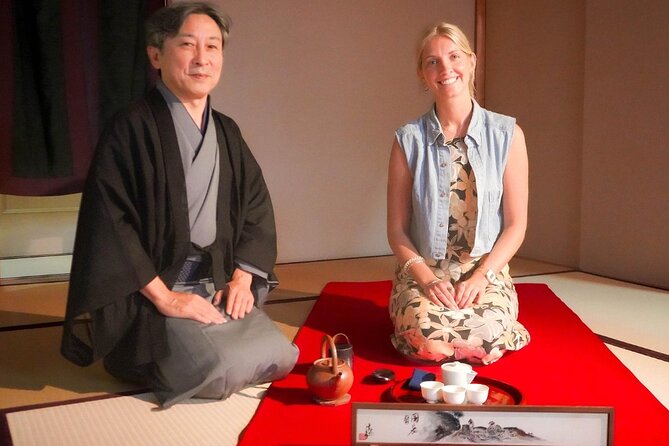
- Hands-on utensil handling after a short, guided observation
- Higashi Abe school instruction, taught with a gentle pace by instructors known for patience
- Japanese sweets included, served alongside the tea moment
- Small group limit (up to four people), which helps you get questions answered
- Photo-friendly experience, so you can document what you learn
Sencha-do in Kawasaki: what makes this tea workshop different
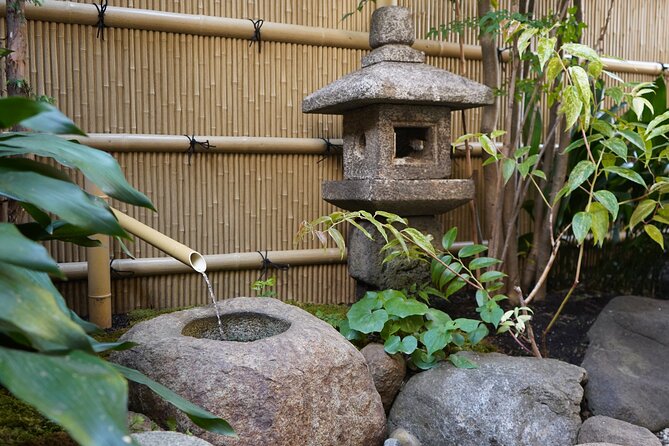
Most people in Japan hear the word tea and think matcha right away. This workshop takes a different path. Sencha-do is built around steeping green tea leaves carefully in the right way, so you taste the differences that come from leaf character, water temperature, and infusion timing. Even if you already like green tea, learning how the process is framed in this tradition can make your cup taste more intentional.
The workshop also teaches you something practical that you can use later. You’re not just watching from a distance. After the observation, you’ll handle the tea utensils and brew your own tea. That matters because tea ceremony is as much technique as it is atmosphere. Once you do the motions yourself, the ritual stops being abstract.
More tea ceremonies in Yokohama:
- Japanese Tea Ceremony at Private Home in Yokohama, suburban Tokyo
★ 5.0 · 32 reviews - Kyoto: Tea Ceremony in a Traditional Tea House in Kiyomizu
★ 4.9 · 3,519 reviews - Kyoto: Tea Ceremony Ju-An at Jotokuji Temple
★ 4.9 · 3,207 reviews
Your instructor and the Higashi Abe school vibe
The instructor is a master of the Higashi Abe school, which is one reason the class feels grounded and structured. In tea culture, schools matter. Each tradition has its own approach to utensils, timing, and how the ceremony is explained. Here, you get that school identity clearly, not as vague “Japanese tea stuff.”
From the way the teaching is described, the pace is calm. People highlight that the instructor, including one named Kyo, is respectful of the tradition and answers questions in a way that doesn’t rush you. That’s a big deal, especially if you’re traveling with kids or you’re the type who gets nervous about doing things wrong. In a hands-on class, comfort equals confidence, and confidence equals better tasting.
You can also expect the teaching to include context, not just steps. People specifically mention learning history of the school and the ceremony format, and even hearing personal family perspective from the instructor. That combination makes the workshop feel like culture you can understand, not a performance you just stand through.
The 90 minutes: the flow from observation to your own cup
The workshop runs about 1 hour 30 minutes, and it’s structured so you can build understanding before you touch anything.
First, you observe. This isn’t just a show. You watch how the tea is handled, how attention is directed, and how the ceremony holds space. Observation is part of learning in tea culture because it trains your senses before you change variables yourself. You’ll pick up on details you might otherwise miss, like the rhythm of movement and how the atmosphere stays quiet and focused.
Next comes the sweet part. Japanese sweets are served during your session, so you’re tasting along the way. This also helps you understand balance. In many tea moments, sweets are not an afterthought. They can shape how the tea tastes when you return to the cup.
Then you brew. This is where this class earns its reputation as hands-on. You use tea utensils yourself, following the instructor’s guidance. That’s the moment when you start noticing the difference between a casual steep at home and a sencha-do infusion done with intention. Even small changes can shift aroma and flavor, and because you’re comparing with the people next to you, you’ll likely hear differences in preferences immediately.
Finally, you leave with something more than photos. You’ll know what your own tea effort tasted like, and you’ll understand why the ceremony teaches what it teaches.
What you’re tasting: sencha-do green tea, sweets, and real comparisons
This workshop is built around green tea made from leaves, not powdered tea. That means the tea character tends to feel different from matcha for most people. Matcha can feel thicker and more grass-forward. Leaf-infused sencha-do often reads lighter, with a clean tea aroma that changes as the infusion progresses.
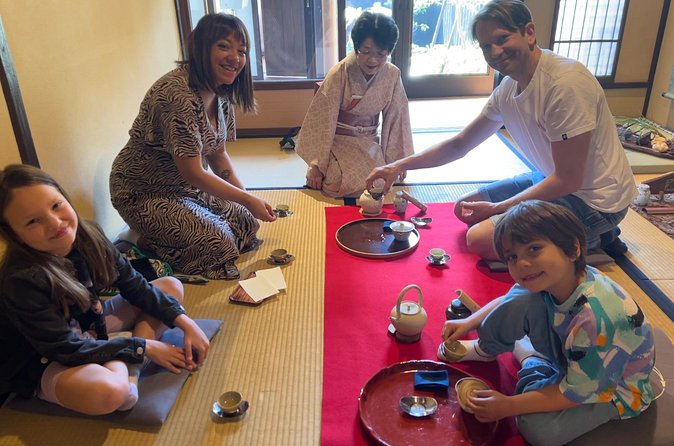
The class also encourages comparison. Since you brew and share the moment with your small group, you can compare your cup with the cups around you. That’s a practical way to learn without studying a textbook. If someone’s cup tastes sharper, or you notice a smoother finish, you start connecting those perceptions to technique.
And yes, you’ll get sweets as part of the experience. That’s not just a snack. It can help you appreciate how sweetness and tea interact, which is a core idea in many Japanese taste moments.
A few more Yokohama days worth comparing
- Authentic Sumo Experience in Tokyo: Enter the Sanctuary
★ 5.0 · 603 reviews - EVO, WRX, Skyline – JDM Night Run to Daikoku Car Meet
★ 4.9 · 478 reviews - Tokyo: Best Price Daikoku Parking Area JDM Car Meet
★ 4.9 · 192 reviews - Daikoku & Tokyo Private JDM Tour by 700HP R34 GT-R
★ 4.9 · 101 reviews
Studio atmosphere in Kawasaki: traditional, friendly, and photoable
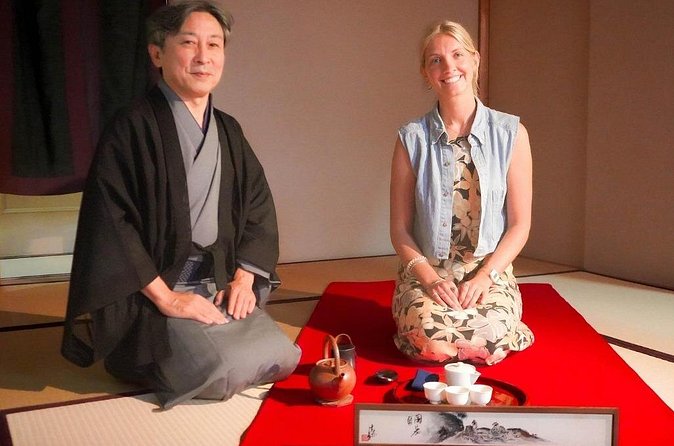
The setting is described as traditional. In a workshop like this, the room matters because it supports the mood of careful attention. People also mention that it feels welcoming, which matters when you’re stepping into an etiquette-based culture you may not know well.
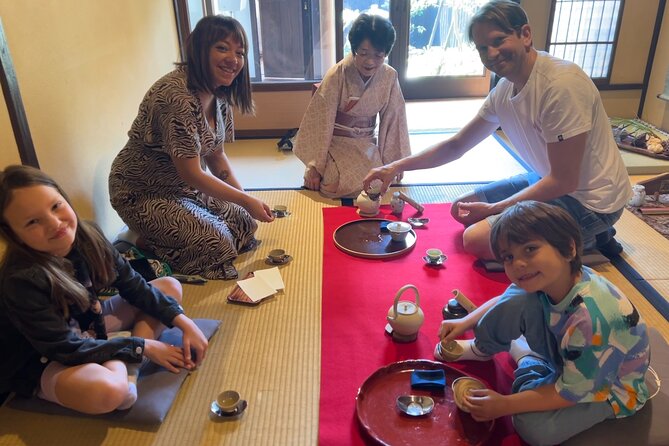
The class is also described as welcoming for families, couples, and solo visitors. If you’re traveling with kids, it can be a good match because they get to see and do, not just watch. If you’re a couple, it’s a shared activity with immediate results, your own brewed tea. If you’re traveling alone, small-group teaching helps you avoid the feeling of being invisible.
One more practical note: you can take as many pictures as you like. That’s great for remembering the steps and utensils, and it also helps if you want to recreate the basic sequence later at home.
Price and value: is $65.69 for sencha-do worth it?
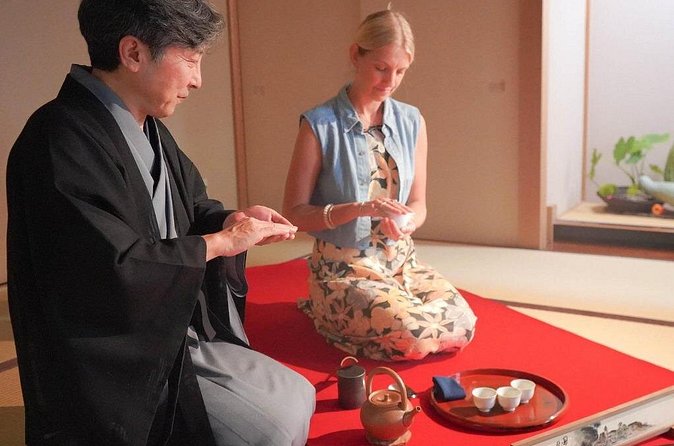
At $65.69 per person, this workshop sits in a mid-range category for a focused cultural class. The value comes from two things you can’t fake:
1) You’re not just receiving tea, you’re doing the brewing. Hands-on learning has a direct “use it again” benefit. You leave with a mental checklist for how leaf infusion works in a ceremony style.
2) The instruction is tied to a school tradition. The instructor is a master of the Higashi Abe school, and the teaching includes context and explanation, not only motions.
Add in the included green tea and Japanese sweets, and the price starts to make more sense. You’re paying for guided attention, utensils time, and the chance to learn the process in a small group.
Also, the tour notes group discounts and a mobile ticket. Group discounts can matter if you’re traveling with friends or family and want a shared plan.
Location and getting there: finding the studio without stress
The meeting point is listed at:
一般財団法人 煎茶道東阿部流
1-chōme-7-2 Totehonmachi, Saiwai Ward, Kawasaki, Kanagawa 212-0023, Japan
It ends back at the same meeting point, so you don’t need to worry about a complicated route during or after the class.
The experience is near public transportation, which is a big plus in Kawasaki. That said, one detail to plan for: if you’re using directions that are too generic, you might have trouble locating the correct building. The best approach is to arrive early and rely on the host’s help once you’re in the area.
If you’re doing other sightseeing that day, treat this like a “get there and be on time” activity. With a short total duration, lateness cuts into the observation and your hands-on brewing time.
Who should book this sencha-do workshop, and who might skip it
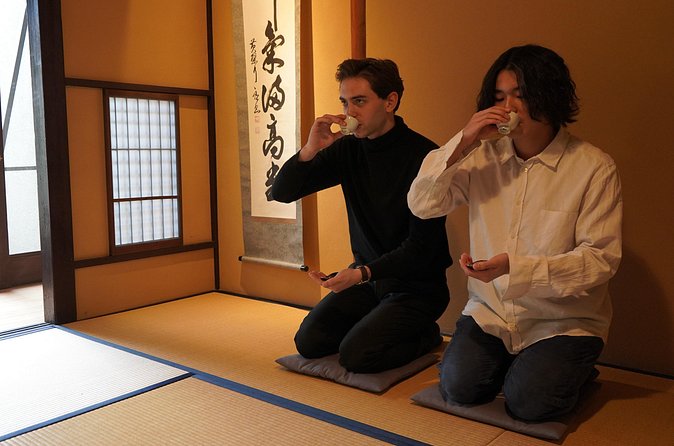
You should book if you want something more meaningful than a quick tea tasting. This workshop is ideal for people who like learning by doing, and especially for anyone curious about why tea ceremony differs across types. The fact that it focuses on sencha-do leaf infusion will help you understand tea beyond the matcha spotlight.
It’s also a strong option for:
- Families who want an activity that kids can participate in with real utensils
- Couples looking for a calm, cultural shared experience
- Solo visitors who benefit from a maximum group size of four people
You might consider skipping if you’re looking for a long, sightseeing-based day. This is not a multi-stop tour. It’s a focused class, and the value comes from the 90 minutes inside the tea moment.
If you’re sensitive to sensory experiences, the quiet focus and structured flow may feel comfortable. If you dislike guided etiquette or structured instruction, you might want to temper expectations and embrace it as a learning session rather than free-form tasting.
A practical way to get more out of your tea experience
Here’s how to maximize the value of the time you’re given.
Before you brew, watch for the details your hands will later repeat. Don’t just look at the final cup, look at the rhythm of the utensils and how the instructor guides timing.
While you brew, ask questions if anything feels unclear. People highlight that the instruction style is gentle and careful, which makes questions feel normal, not awkward.
After you taste, do a quick comparison. If your cup tastes different from the others, that’s not a failure. It’s the lesson. Pay attention to whether you notice more bitterness, more sweetness, or a more pronounced aroma. Those simple observations help you connect technique to taste.
And since photos are allowed, take a few reference shots of the key utensils. Later, when you try to replicate the flow at home, those pictures become your cheat sheet.
Should you book the Sencha-do Japanese Tea Ceremony Workshop in Kawasaki?
I think this is a smart booking if you want an authentic tea ceremony experience that doesn’t treat you as a spectator. The combination of sencha-do leaf infusion, hands-on utensil brewing, included green tea and Japanese sweets, and instruction from the Higashi Abe school makes it feel like genuine learning.
Book it if:
- You want to understand tea beyond matcha
- You like structured, calm cultural activities
- You appreciate small-group teaching (max four people)
You might rethink it if:
- You only want a quick, casual tasting with zero instruction
- You expect lots of sightseeing stops
- You’re prone to getting lost with map directions and don’t like adding buffer time
If you’re already in the Kawasaki area, this workshop is a focused way to slow down and get a real skill. And the best souvenir is not the photos, it’s the taste you can connect to the steps you practiced.
FAQ
How long is the Sencha-do tea ceremony workshop?
It lasts about 1 hour 30 minutes.
Is this workshop about matcha or sencha tea?
This workshop focuses on sencha-do, which uses green tea leaves infused in the brewing process, not powdered green tea.
What’s included in the price?
Green tea and Japanese sweets are included.
Is transportation included?
No, private transportation is not included.
How big is the group?
The workshop has a maximum of 4 travelers, so it stays small.
What happens if the weather is bad?
The experience requires good weather. If it’s canceled due to poor weather, you’ll be offered a different date or a full refund.
Fresh options around Yokohama
- Yokohama Private Tour with a Local: Highlights & Hidden Gems★ 4.4 · 13 reviews
- Yokosuka : Scenic Hidden Gem Hike and Naval Port Cruise★ 5.0 · 13 reviews
- Cup Noodles Museum Guided Tour in Yokohama★ 5.0 · 15 reviews
- Yokosuka: Boat Trip to an Uninhabited Island★ 5.0 · 16 reviews
- Guided History & Nature Exploration in the Yokohama Hill Area★ 5.0 · 17 reviews
- Yokohama Private Transfer: Tokyo City, Narita and Haneda Airport★ 4.5 · 18 reviews
- Yokohama Half Day Tour with a Local Expert Guide★ 4.0 · 20 reviews
- Tokyo/Yokohama: Private JDM Daikoku/大黒 Car Meet With Driver★ 4.7 · 20 reviews
Yokohama Tours, compared.
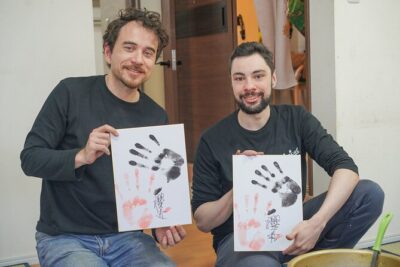
Authentic Sumo Experience in Tokyo: Enter the Sanctuary
Read our review →
EVO, WRX, Skyline – JDM Night Run to Daikoku Car Meet
Read our review →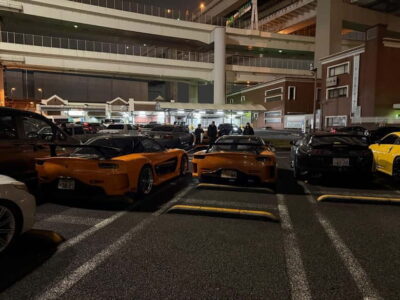

Daikoku & Tokyo Private JDM Tour by 700HP R34 GT-R
Read our review →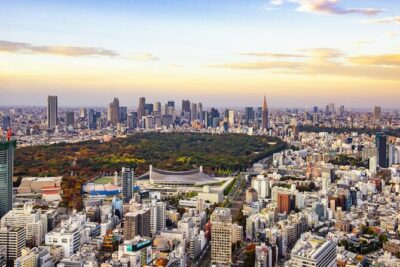
Tokyo 8hr Private Tour with Licensed Guide from Yokohama
Read our review →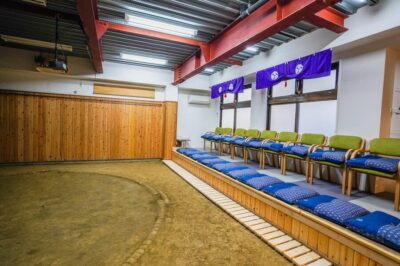

【Tokyo】JDM Daikoku Parking Area & Nissan Facility Tour
Read our review →
Shuttle Van Transfer, Yokohama(Port)⇒Tokyo, Narita, Haneda, TDR
Read our review →Browse the lists this tour appears in