
Reviewed · NAGANO TOURS
Wild Japanese Flying Squirrel Watching Tour in Nagano
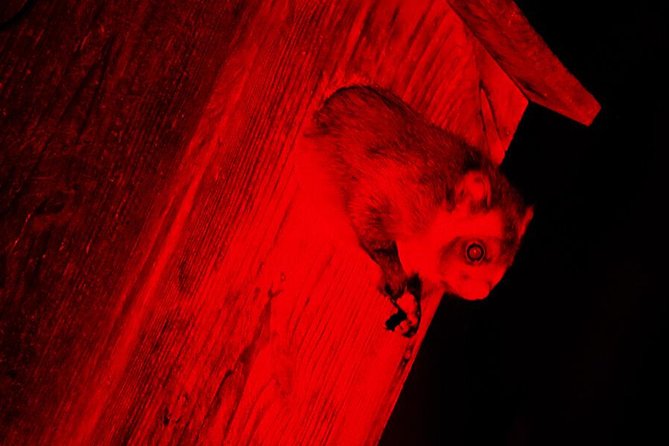
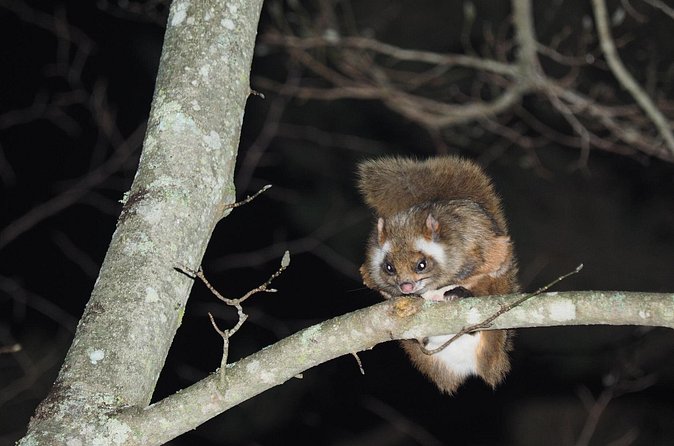
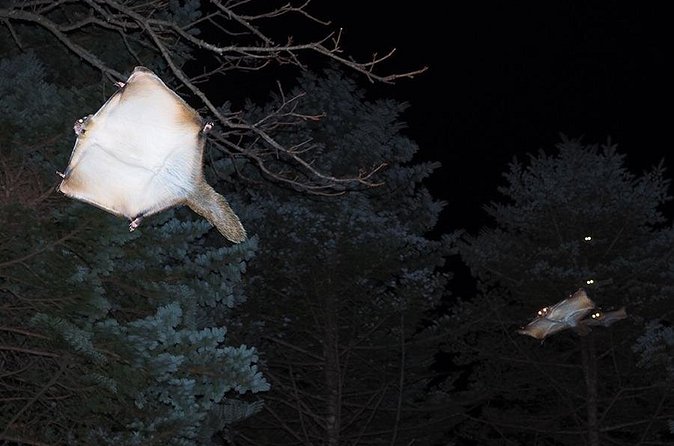
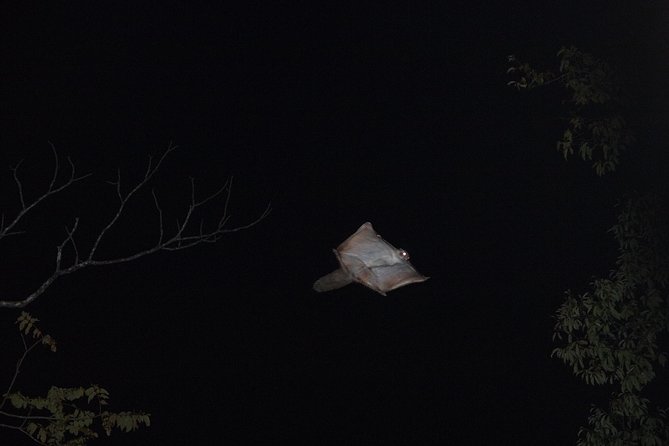
Musasabi glide through the trees. This Karuizawa tour is built around a simple idea: get your eyes trained first, then head outside to watch Japanese Giant Flying Squirrels move and glide overhead. I like the combo of a short, focused chat at the Picchio Visitor Center followed by real-time searching in the Hoshino area, not just a scenic stroll. You’ll also get included binoculars, so you can actually see fine details when a squirrel appears.
One thing to keep in mind, though, is that this is wildlife watching. Good weather and active squirrels matter, and if conditions are poor, the experience can be changed or refunded, depending on what happens locally. Also, some guides have limited English, but the talk uses slides with English subtitles, which helps you follow along.
Quick hit highlights
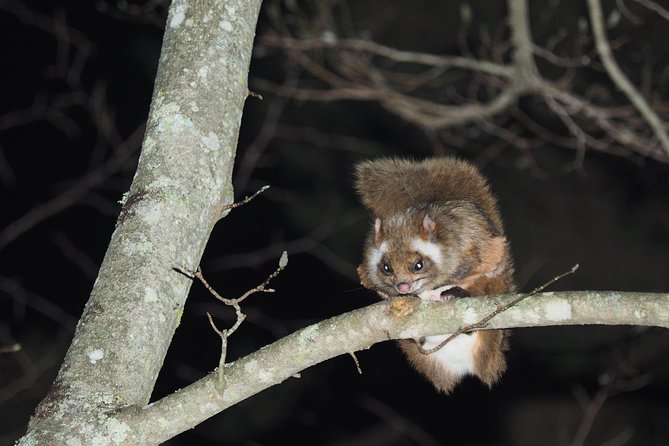
- A pre-search lesson at Picchio that covers musasabi diet, lifestyle, size, and typical flying distance.
- Best-area spotting with a guide who knows where to look around Karuizawa.
- Binoculars included, so you are not stuck squinting.
- A quiet walk in the Hoshino area, where glides are often noticed because people get very still and pay attention.
- Small group size, up to 30, which makes the experience easier to manage at night or near dusk.
Where you meet in Karuizawa, and what that means for your timing
You’ll start at the Karuizawa Wild Bird Sanctuary in Nagakura, at 星野2148, 389-0111. The activity starts at 4:00 pm, and it runs about 1 hour 30 minutes total.
That late afternoon start is actually part of the value. You’re going out when you have a good chance of seeing gliding patterns, and you’re not wasting your morning in transit. Also, the meeting point is near public transportation, so you can arrive without turning the day into a car-only puzzle.
Moderate physical fitness is recommended. In practice, that means you should be comfortable walking for about an hour outside (and standing or looking upward for periods).
A few more Nagano days worth comparing
- 1-Day Snow Monkeys, Zenko-ji Temple & Sake in Nagano
★ 5.0 · 1,020 reviews - Nagano: Snow Monkeys, Zenkoji Temple & Sake Day Trip
★ 4.9 · 833 reviews - From Tokyo: Snow Monkey 1 Day Tour with Beef Sukiyaki Lunch
★ 4.6 · 295 reviews
Picchio Visitor Center: the short lesson that makes the forest readable
The first stop is Picchio, with a guided talk at the Picchio – Nature Tours and Conservation location. You’ll spend about 20 minutes here, and the admission ticket is listed as free.
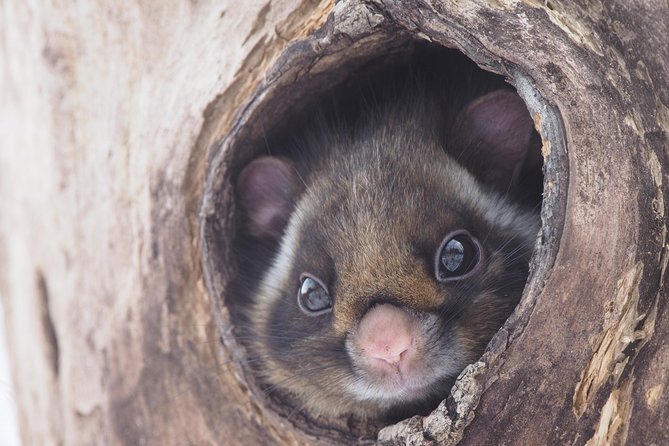
This part matters because flying squirrels are easy to miss if you only look like a tourist. The guide explains musasabi ecology in plain terms: where they live, what they eat, their general size, and how far they glide. You also get a feel for their behaviors, so when you hear or spot movement later, you know what you are looking at instead of guessing.
I particularly like that the education is practical. The slides help even if your guide’s spoken English is limited, since the presentation includes English subtitles. That means you can follow the key ideas without needing Japanese vocabulary to enjoy the experience.
Possible drawback: this is brief. If you want a museum-style, sit-down deep dive, you might wish the talk were longer. But for wildlife watching, shorter tends to work better, because it keeps you focused on what comes next outside.
The Hoshino area search: silence, binoculars, and reading the canopy
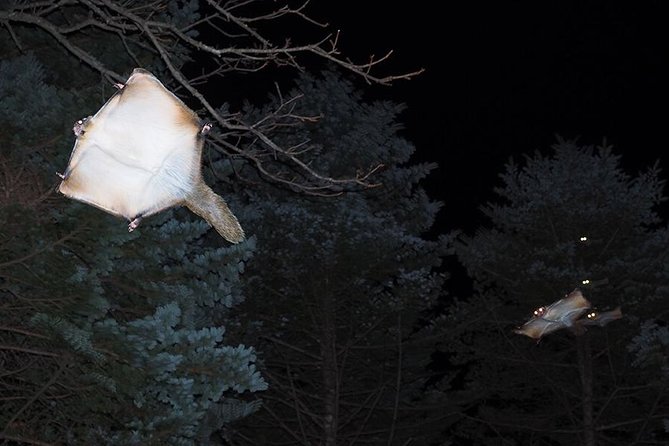
After the talk, you head outside for the main watching session in the Karuizawa Hoshino area. This portion is about 1 hour, and it is designed to feel quiet and attentive, not loud or rushed.
The way this is set up is smart. Flying squirrels don’t perform on a schedule like a show. A guide helps you focus on likely spots, and the group experience is structured around the moment you actually see movement: short, sharp reactions like gasps when someone spots a glide.
Here’s how you can help yourself during the search:
- Keep your gaze higher than you think you need to. If you only scan at eye level, you can miss the glide arc.
- Use binoculars when you spot activity, not constantly. Constant use can make you lose the timing of when something changes.
- Be ready to pause and stay still. Wildlife viewing often rewards patience and reduced movement.
Because binoculars are included, you can be confident you’ll have the basic tool you need. If you wear glasses, you might still find it easier to adjust focus and eye position before the group starts walking and the action begins.
How the guide improves your odds without crowding you

A big selling point here is that the guide helps with the “where to look” part. You get told the ecology at Picchio, then you go to areas where the musasabi are more likely to show gliding behavior.
That combination is where the tour delivers real value. Without local guidance, you’re left with random scanning and a lot of disappointment. With guidance, you’re scanning in the right places and with a framework for what you are seeing.
Also, the group is capped at 30 people. That’s not tiny, but it is small enough that you usually can stay oriented rather than getting swallowed by the crowd.
One more detail that makes a difference: some guides may not speak English much. The presence of English subtitles on the lecture slides helps you stay engaged. You’ll still want to pay attention to the guide’s gestures outdoors, because when a squirrel appears, everyone learns from each other fast.
Same corner of Japan, a different kind of day:
- Tokyo: Snow Monkey & Nagano Customiseable Private Day Tour
★ 4.8 · 138 reviews - Matsumoto Castle Tour & Samurai Experience
★ 4.9 · 128 reviews - 1-Day Tour from Nagano and Matsumoto Kamikochi & Matsumoto Castle
★ 5.0 · 105 reviews - 1-Day Snow Monkeys & Snow Fun in Shiga Kogen Tour
★ 5.0 · 94 reviews
What $28.69 really buys you in Nagano (and when it feels worth it)
The price is listed at $28.69 per person. At that level, the tour is not just a nice walk. You’re paying for a guided wildlife search, a short ecological lesson at Picchio, and binoculars you can use immediately.
That’s the practical math: wildlife watching gets expensive when you add transport, paid admission to multiple places, and gear rental. Here, you get the core elements in one package, and the total time is about an hour and a half. If you only have a limited window in Karuizawa, that schedule is a strong fit.
Who this tends to suit:
- People who enjoy nature more than they enjoy big-city attractions
- Anyone who wants a structured way to find a specific animal, not a vague “see nature” outing
- Photographers who prefer guided placement and calm viewing (even if you do not bring a serious rig)
Who might hesitate:
- If you hate the idea of spending time outdoors with uncertain results, this may test your patience.
- If you want English-led storytelling only, you may need to rely on the subtitles and visual cues more than you expect.
A realistic expectation: the squirrels might not show up
This is the part you should plan for up front. The tour requires good weather, and the tour provider notes that cancellation could happen due to weather or absence of flying squirrels.
That does not mean you are guaranteed disappointment. It means the experience is tied to conditions. If the musasabi are active and the weather holds, your odds improve.
One practical strategy: treat this as a “best chance” nature activity, not a guaranteed sighting. If you build flexibility into your day and keep your expectations grounded, the whole experience feels more satisfying, even when the forest goes quiet.
Planning tips so you can actually enjoy the quiet part
Wildlife tours are often won or lost by small habits. Here’s what I’d do to get the most out of the hour outdoors.
First, dress for cool air and calm weather. You are outside at 4:00 pm, and the tour is described as quiet, so you will likely stand and look for longer stretches than you’re used to on a typical city walk.
Second, bring a willingness to slow down. This tour is not built for constant motion or selfies every ten steps. The group’s attention is part of the magic. When people stay quiet and look, the forest becomes easier to read.
Third, manage your device time. If you’re constantly checking your phone, you will miss the moment someone spots a glide. Use it after you’ve checked the canopy and you’re sure the moment has passed.
Finally, ask yourself what you want most: a learning experience or a guaranteed animal sighting. This tour is clearly designed as a learning-first, nature-guide-led outing. You get the science and behavior context at Picchio, then you try your luck in the Hoshino area.
Should you book the Wild Japanese Flying Squirrel Watching Tour?

I think you should book it if you want a guided, nature-focused way to look for a very specific animal in a realistic time slot. The best reason is the structure: you get trained on diet, lifestyle, and gliding behavior at Picchio, then you search with binoculars and a guide who knows where to look.
If you are the type who needs certainty, or you dislike outdoor quiet waiting, then consider another option. This tour is weather dependent and can be affected by animal activity, so it works best when you can roll with nature’s schedule.
If you’re flexible and genuinely curious about musasabi, this is a strong value in Karuizawa. At a moderate price, with binoculars included and a small group size, you’re paying for both education and a guided chance to see Japan’s famous glider in its natural habitat.
FAQ
Where does the tour start?
The tour starts at the Karuizawa Wild Bird Sanctuary, 389-0111 Nagano, Kitasaku District, Karuizawa, Nagakura, 星野2148.
What time does the experience begin?
The start time is 4:00 pm.
How long is the tour?
The duration is about 1 hour 30 minutes.
What happens at Picchio?
You’ll meet at Picchio – Nature Tours and Conservation for an introduction led by a professional nature guide. The guide explains musasabi ecology such as diet, size, and flying distance, and you attend for about 20 minutes.
Are binoculars provided?
Yes. Binoculars are included.
Is the tour in English?
Some guides may not speak English much, but the lecture slides have English subtitles to help you follow.
How big is the group?
The maximum group size is 30 travelers.
What happens if the weather is bad or squirrels are not seen?
The experience requires good weather. If it is canceled due to poor weather, you will be offered a different date or a full refund.
How late can I cancel for a full refund?
You can cancel up to 24 hours in advance for a full refund. If you cancel less than 24 hours before the experience starts, the amount paid is not refunded.
Fresh options around Nagano
- Nagano All Must-Sees 4hr Private Tour with Licensed Guide★ 5.0 · 13 reviews
- Half-Day Zenkoji Tour with Tea Experience★ 5.0 · 14 reviews
- Nagano Snowshoe Hiking Tour★ 5.0 · 14 reviews
- eTour de Matsumoto – Electric Bike Tour★ 5.0 · 16 reviews
- Nagano: Tateyama-Kurobe Guided Walking Tour★ 5.0 · 16 reviews
- Wild Bird Sanctuary Forest Guided Tour in Nagano★ 5.0 · 17 reviews
- Nagano Sake Tasting Walking Tour★ 5.0 · 17 reviews
- Snow Monkey Park & Miso Production Day Tour from Nagano★ 5.0 · 18 reviews
Nagano Tours, compared.
1-Day Snow Monkeys, Zenko-ji Temple & Sake in Nagano
Read our review →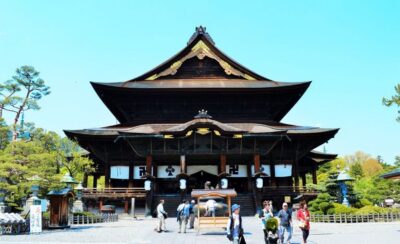
Nagano: Snow Monkeys, Zenkoji Temple & Sake Day Trip
Read our review →
Snow Monkey 1 Day Tour with Beef Sukiyaki Lunch
Read our review →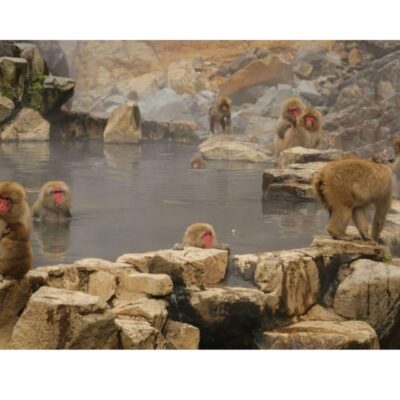
Snow Monkey & Nagano Customiseable Private Day Tour
Read our review →
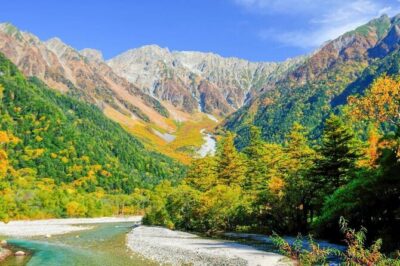
1-Day Tour from Nagano and Matsumoto Kamikochi & Matsumoto Castle
Read our review →
1-Day Snow Monkeys & Snow Fun in Shiga Kogen Tour
Read our review →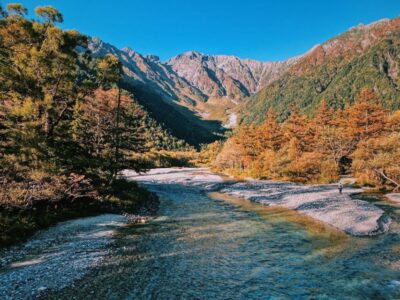
Full-Day Tour: Matsumoto Castle & Kamikochi Alpine Valley
Read our review →Browse the lists this tour appears in