
Reviewed · KAMAKURA TOURS
First time in Kamakura? Enjoy a Tour of All Must-sees!
Kamakura works best with a plan. This private guide-led day connects the big-name shrines and temples, then funnels you through Komachi Street for local snacks, so you waste less time figuring out logistics and more time enjoying the sights.
My favorite part is how the day is structured around standout places like Kotoku-in’s giant Buddha and Hase-dera’s four-season garden views, not just random stops. The second thing I like is the on-the-ground food help, including chances for matcha at Jomyo-ji and guide tips for what to eat along Komachi Street. One consideration: on-site costs add up, and some spots do not accept credit cards, so bring cash for admissions and meals.
Key things that make this Kamakura day tour work
- Private guide focus with only your group, so questions and pace stay under your control
- Komachi Street timing (a full hour) from Kamakura Station toward Tsurugaoka Hachimangu for easy snack and shopping wandering
- Bamboo-photo stop at Hokoku-ji with the chance to catch the famous bamboo forest views
- Big-sight sequence that hits Tsurugaoka Hachimangu, Meigetsuin, and Kotoku-in in one efficient run
- Hase-dera’s Flower Temple reputation with plenty of garden walks and seasonal plant sights
The value of a private Kamakura highlights route
Kamakura can feel deceptively spread out. This tour’s main strength is that it strings together the most visited temples and shrines into one walk-and-transit day, so you are not bouncing around the map all day. The pacing also helps you see the core “Kamakura feeling”: old spiritual sites plus street-level everyday life.
You are paying for more than sightseeing. The tour includes a guide and the guide’s necessary expenses, which matters because Kamakura’s top stops each have their own story and details. With a private setup, you do not need to play catch-up with a group that moves faster than you do.
Price-wise, the listed tour price is $143.71 per person, but you should budget extra on the spot. There is an estimated 5,300 JPY per person for things like transportation during the day, admissions, and meal costs, plus an optional experience cost of 660 JPY. I think this is fair for a day that includes multiple major sites, guided interpretation, and a dedicated hour for Komachi Street food and shopping.
A few more Kamakura days worth comparing
- Tokyo: Kamakura & Enoshima Day Trip including Temple Tickets
★ 4.5 · 1,375 reviews - From Tokyo: Kamakura & Enoshima 1-Day Bus Tour
★ 4.5 · 189 reviews - Kamakura Historical Walking Tour with the Great Buddha
★ 5.0 · 129 reviews
Meeting at Kamakura Station, then a full day on your feet
This starts at 9:00 am at Kamakura Station, 1-chōme-1-15 Onarimachi. It ends back at the same meeting point. The duration is about 7 hours 30 minutes, so you should plan for a real day, not a quick loop.
A few practical notes that make or break your day:
- Wear comfortable clothes and shoes. You will be walking a lot.
- Bring cash. Some places do not accept credit cards.
- Build in buffer time to reach the meeting point. If you are late, you could lose part of the experience.
Also keep in mind that routes and destinations may change with bad weather or temporary closures. That flexibility is useful in coastal Kamakura, where conditions can shift quickly.
Stop 1: Jomyo-ji Temple and matcha in a garden setting
Jomyo-ji is where the tour starts in a calm, reflective mood. You get about 40 minutes here, with admission not included.
What makes this stop special is the combination of culture and comfort. You can enjoy matcha while taking in the Japanese garden. For me, this is a smart early choice because it sets a slower rhythm before the day turns into a sequence of major shrines and photo stops.
If you like garden detail, look for ways the space frames views rather than treating the garden like just background scenery. And if matcha is your thing, this is one of your planned moments where food is not just an afterthought.
Stop 2: Hokoku-ji Temple and the bamboo forest photos
Next is Hokoku-ji for about 20 minutes. Admission is not included here either.
This is the bamboo temple stop, with around 2,000 bamboo forests and a big reputation as a photo spot when conditions are right. Even if you are not chasing perfect photos, you will still feel the atmosphere shift when you step into that dense bamboo view.
Given the short time (only 20 minutes), I suggest going with a simple game plan: decide what you want most, wide views or closer bamboo textures, and move with purpose. A tight schedule means you get less time for wandering, but it also means the day stays efficient.
Same corner of Japan, a different kind of day:
- Kamakura Private Tour: Temples, Nature, and the Great Buddha
★ 5.0 · 121 reviews - Kamakura Walking Tour – The City of Shogun
★ 5.0 · 100 reviews - Kamakura: Private Guided Walking Tour with Local Guide
★ 4.8 · 60 reviews - Kamakura 4hr Private Trip with Government-Licensed Guide
★ 5.0 · 58 reviews
Stop 3: Komachi Street for snacks and real shopping time
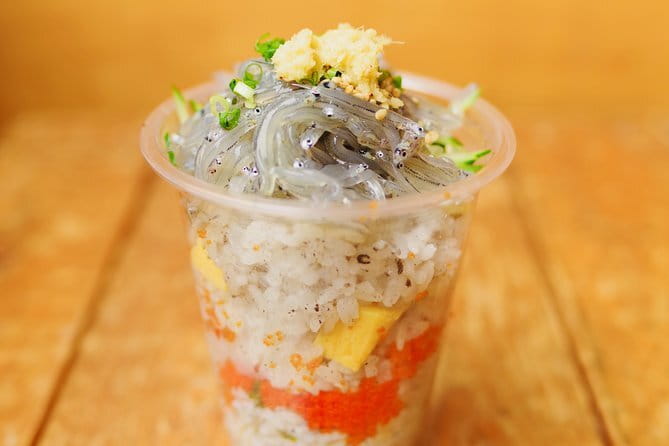
Then it is time for the heart of everyday Kamakura: Komachi Street (Komachidori). You get about 1 hour, and admission is free.
This is one of the best parts of the entire tour for first-timers because it is not only temples and statues. The street runs from Kamakura Station to Tsurugaoka Hachimangu, lined with restaurants and souvenir shops. Some local foods are only made or eaten in Kamakura, and some items cannot be bought elsewhere.
Here is where the guide tips pay off. You get the advantage of local eating knowledge without needing a deep research session beforehand. I like that this hour is long enough to actually eat, not just stroll past storefronts.
Practical advice: if you plan to buy souvenirs, this is the right time. You are in the most retail-focused stretch, and you can match your purchases with whatever you want to eat on the spot.
Stop 4: Tsurugaoka Hachimangu Shrine, power spot and history
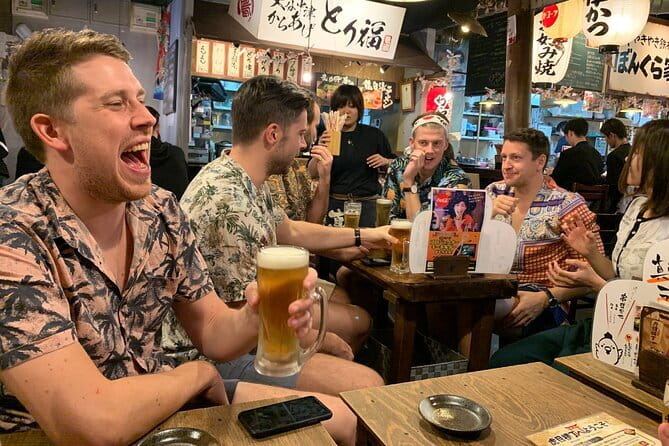
After the street food break, you head to Tsurugaoka Hachimangu Shrine for about 45 minutes, with admission free.
This shrine is known for its long story, with a history of over 1,000 years. It is also described as a power spot, and the shrine was worshiped by Genji, associated with the Kamakura era leadership.
What you can expect is classic shrine energy plus a sense of continuity. It is a place where you can stand still and absorb rather than rush from point to point. With 45 minutes, you have time to notice the flow of the grounds rather than treating it as a quick photo stop.
If you like understanding what you are seeing, ask your guide what makes Tsurugaoka Hachimangu important. The shrine’s connection to Genji is the kind of context that changes how the whole space feels.
Stop 5: Meigetsuin (Hydrangea Temple) and the round-window viewpoint
Meigetsuin comes next for about 30 minutes. Admission is not included.
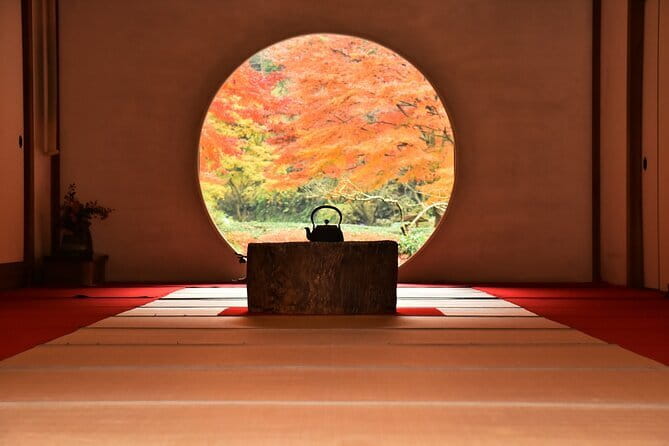
This stop is famous for a specific visual moment: one room with a large round window that frames the garden view. It is also a well-known hydrangea-related temple, and the calm atmosphere is part of the experience.
The best way to enjoy this stop is to slow your pace when you reach the viewing area. This is not about collecting photos nonstop. It is about letting the sightline and silence do the work.
If you care about seasonal details, Meigetsuin fits the bill. Even if you visit outside peak bloom, you still get that strong composition effect from the round-window garden.
Stop 6: Kotoku-in and the Great Buddha you can enter
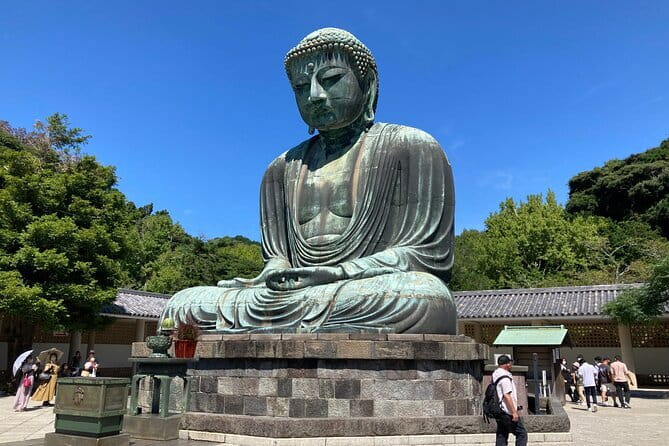
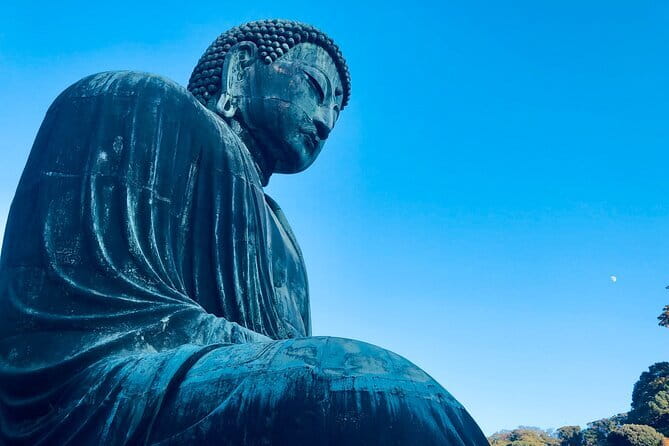
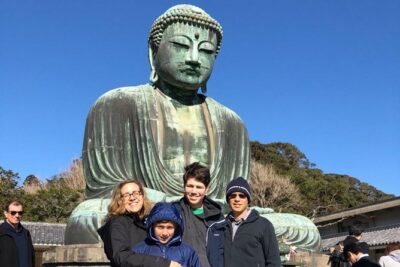
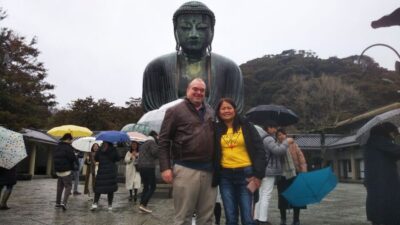
Now comes the headline: Kotoku-in (the Great Buddha of Kamakura) for about 35 minutes. Admission is not included.
This is home to the Kamakura Daibutsu, standing more than 11 meters tall. And yes, you can even go inside the statue.
Even with limited time, Kotoku-in is the kind of sight that makes the day feel worth it. You will see the scale quickly, and the chance to enter adds a rare hands-on element. It turns the visit from “look at it” into “experience it.”
Practical tip: if you are sensitive to crowds, go with patience here. It is one of the busiest stops on the day, and the entry aspect can create bottlenecks.
Stop 7: Hase-dera Temple, the Flower Temple for four seasons
Finish with Hasedera Temple for about 45 minutes. Admission is not included.
Hasedera is also called the Flower Temple. Why? The grounds are known for plants of all four seasons, and there are many spots across the large area where you can walk and climb a bit to take in views.
This is the stop that gives Kamakura its “garden plus temples” personality. It is also a good final chapter because it keeps the day feeling like a stroll through changing nature, not only historical buildings.
One more practical thought: since Hasedera is large and involves walking, this is where your shoes matter most. Take breaks as needed, because this is the last main site after you already did multiple temple visits.
How private guiding shows up in real moments
Private tours sound good on paper. In practice, the advantage is in how the day adapts.
On past departures, guides such as Akira, Yoshi, and Rumi have been highlighted for different strengths, but a consistent theme shows up: they can answer questions and adjust when schedules do not go perfectly. For example, if your train is delayed, having a guide who stays patient and helpful can save your whole day.
That matters because Kamakura is a place where the “right” experience often depends on small choices, like where to linger, when to take photos, and how to prioritize if your legs are tired.
There is also a gentle tradeoff. A private guide might not deliver a constant stream of storytelling. If you prefer long, continuous narration, you may need to ask more questions yourself. I treat that as a feature, not a flaw, because it keeps the conversation responsive, but it is worth knowing your style.
The best way to plan your food during the tour
Your meal time is not locked into one included restaurant, but you do have built-in food moments. Jomyo-ji gives you a matcha chance, and Komachi Street is your planned hour for local eats and treats.
Since meal costs are estimated at 1,000 JPY per person (part of the overall estimated 5,300 JPY), I recommend you arrive with a flexible appetite. If you find something tempting on Komachi Street, you have time to grab it, eat it, and still shop.
Also watch the timing. The tour flows from temple to shrine to street and back into temples. If you wait too long to eat, you might find the next stop interrupts your snack plans.
Budget check: what you really pay and why it still makes sense
Here is a reality check that helps you decide.
- Tour price: $143.71 per person, which includes the tour guide and necessary expenses for the guide.
- Estimated tour costs: 5,300 JPY per person, broken down into transportation (900 JPY), admission fees (2,650 JPY), and meal costs (1,000 JPY).
- Optional experience cost: 660 JPY per person.
That means you should treat the tour price as the guided portion, and the 5,300 JPY as your on-the-day spending for sites and food.
Is it good value? For me, yes, because the day covers multiple “top-tier” Kamakura icons in one schedule, including the Great Buddha experience and Hase-dera’s garden walks. If you tried to plan this yourself, you would likely spend more time and stress coordinating transit and admission timing.
Private guiding also reduces decision fatigue. On a destination with many temples, less planning time means more actual sightseeing time.
Who this tour suits best
This works especially well if you are:
- A first-timer who wants the key Kamakura sights in one efficient day
- Someone who likes structured pacing, with time reserved for both temples and Komachi Street food
- Traveling as a small group that values private attention and question time
- Happy walking, since the route includes multiple large grounds and some climbs
If you hate crowds, the Great Buddha and the most popular shrine areas can still be busy. But a guide can help you choose when to linger and where to stand for the best experience.
Should you book this Kamakura private highlights tour?
I would book it if you want a tight day that hits the major sights you came for, plus a real taste of Kamakura street life on Komachi Street. The mix of Hokoku-ji bamboo, Kotoku-in’s Great Buddha (including entry), and Hase-dera’s Flower Temple gardens gives you a well-rounded Kamakura snapshot without you turning into a part-time trip planner.
Skip it or reconsider if you are very price sensitive and do not want any extra on-site spending, or if walking a full 7.5 hours is a challenge for you. Also, if you hate carrying cash, plan around the fact that some places do not accept credit cards.
If you want a first Kamakura day that feels organized, guided, and still fun at street level, this tour is a strong choice.
FAQ
How long is the Kamakura private tour?
It lasts about 7 hours 30 minutes.
Where does the tour start and end?
It starts at Kamakura Station, 1-chōme-1-15 Onarimachi, Kamakura, Kanagawa, Japan, and it ends back at the meeting point.
What time does the tour begin?
The start time is 9:00 am.
Is this a private tour?
Yes. Only your group participates.
Are admission fees included?
No. Admission fees are not included for several stops, and there is an estimated 5,300 JPY per person for estimated tour costs including admissions.
About how much should I budget for extra expenses?
The estimated costs are 5,300 JPY per person, including transportation (900 JPY), admission fees (2,650 JPY), and meal costs (1,000 JPY), plus an optional experience cost of 660 JPY per person.
Can I pay by credit card everywhere?
Some of the spots do not accept credit cards, so bring cash.
What should I wear?
Wear comfortable clothing because you will be walking a lot.
Will the route change if the weather is bad?
Yes. If weather is bad, transportation, destinations, and routes may be changed.
What is the cancellation window for a full refund?
Free cancellation is available up to 24 hours in advance of the experience’s start time for a full refund.
Fresh options around Kamakura
- Kamakura Bamboo Forest and Great Buddha Private Tour★ 5.0 · 12 reviews
- Tokyo Yokohama Night View Tour With Kamakura And Enoshima★ 3.5 · 14 reviews
- Kamakura and Enoshima: Private Guided Day Tour with Vehicle★ 3.9 · 17 reviews
- Kamakura Half Day Tour with a Local Expert Guide★ 4.4 · 23 reviews
- Your Own HANKO Name Seal Activity in Kamakura.★ 5.0 · 24 reviews
- Buddha, Bamboo & Zen – Bespoke Kamakura Private Walking Tours★ 5.0 · 25 reviews
- Kamakura: A Journey Through Medieval Japan★ 4.9 · 32 reviews
- Exciting Kamakura – One Day Tour from Tokyo★ 5.0 · 40 reviews
Kamakura Tours, compared.
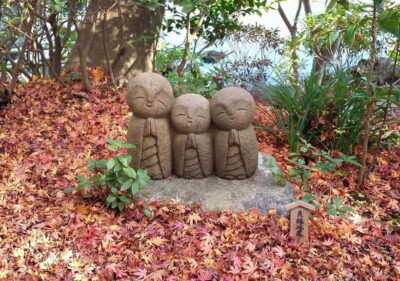
Kamakura & Enoshima Day Trip including Temple Tickets
Read our review →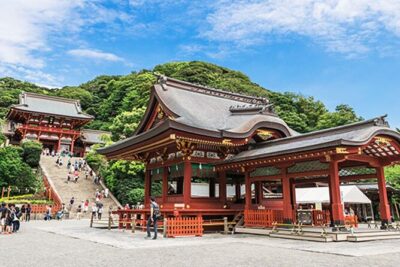
Kamakura Historical Walking Tour with the Great Buddha
Read our review →
Kamakura Private Tour: Temples, Nature, and the Great Buddha
Read our review →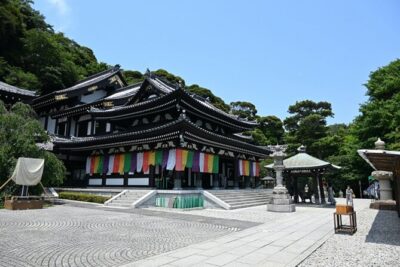
Kamakura: Private Guided Walking Tour with Local Guide
Read our review →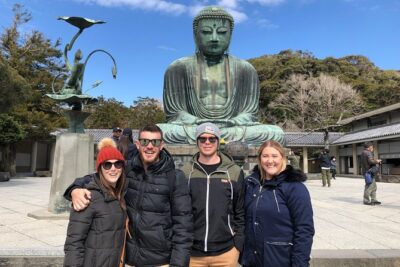
Kamakura 4hr Private Trip with Government-Licensed Guide
Read our review →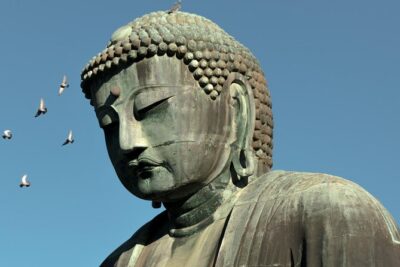
Browse the lists this tour appears in