
Reviewed · KAMAKURA TOURS
From Tokyo: Kamakura & Enoshima 1-Day Bus Tour
One bus, two big-name spots in one day. I like the guided context that helps Kamakura feel more meaningful, and I really love the Enoshima ocean views when the skies cooperate. The main drawback is simple, you will walk and climb a lot, including Enoshima stairs, and it can turn tiring fast.
This is a long day trip out of Tokyo, starting in Shinjuku and running about 9 to 10 hours. You get an air-conditioned ride, a mobile ticket, and a guide who handles the logistics so you can focus on wandering, shopping, and taking photos.
Guides seem to make a real difference here, with strong feedback tied to people like Omar, Chen, Yuki, Koji, Mitsi San, and Eric. If you want a day that feels structured but not rushed, this tour is built for that.
Key highlights to know before you go
- Shinjuku pickup and one drop-off point, so the day has a clear start and end
- Tsurugaoka Hachimangu plus Komachi Street snacks and souvenir shopping nearby
- Kotoku-in Great Buddha visit with included admission and a short, focused stop
- Hase-dera and its eleven-headed Kannon statue, one of Kamakura’s signature sights
- Enoshima Island time for Benzaiten shrine areas, a lighthouse at Samuel Cocking Garden, and big ocean views
- Expect a fair amount of stairs, especially around Enoshima
Shinjuku to Kamakura and Enoshima in One Long, Comfortable Day
Your day begins at the Shinjuku Post Office area (the tour also mentions near Shinjuku Station West Exit for the end). The experience is designed around roundtrip bus transportation from Tokyo, and it is meant to be low-stress, especially if you do not want to plan trains and transfers.
The ride is air-conditioned, and the tour runs roughly 9 to 10 hours. Some departures are described as having extra comfort touches too, like USB charging in the bus, which matters when your day starts early and you want your phone ready for photos.
Group size is capped at a maximum of 90, which keeps things organized. Still, it is a bus tour, so you should plan for a bus schedule, walking from stop to stop, and time spent on the road. Traffic on the way back can stretch the mood, so I suggest bringing patience, water, and something to pass the time on your phone.
A few more Kamakura days worth comparing
- Tokyo: Kamakura & Enoshima Day Trip including Temple Tickets
★ 4.5 · 1,375 reviews - Kamakura Historical Walking Tour with the Great Buddha
★ 5.0 · 129 reviews - Kamakura Private Tour: Temples, Nature, and the Great Buddha
★ 5.0 · 121 reviews
Tsurugaoka Hachimangu and Komachi Street, the Samurai-Era Welcome
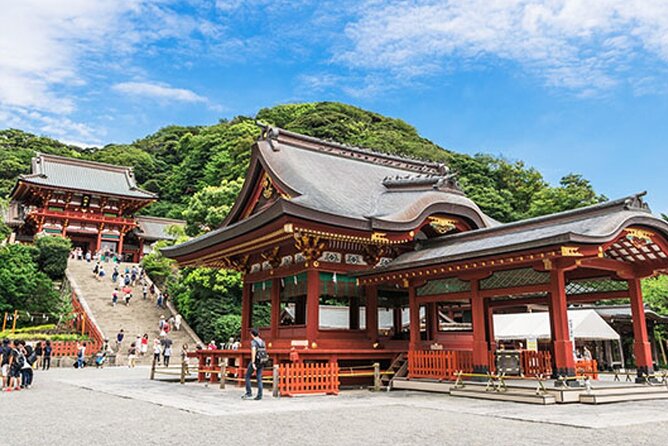
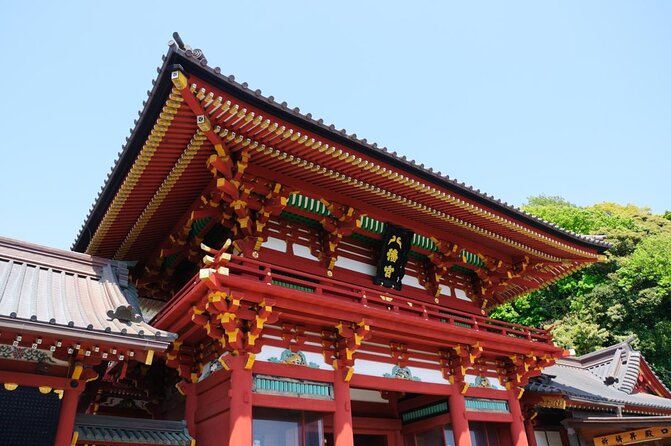
The tour starts at Tsurugaoka Hachimangu Shrine, Kamakura’s major shrine and the spiritual centerpiece for a lot of the area’s history. You enter through the large torii gate, and the grounds include quiet ponds with koi, which makes the first stop feel calmer than the typical temple photo-op.
Near the shrine is Komachi Street, a shopping lane that is basically your on-ramp to the day. This is where you can snack, pick up Kamakura-style souvenirs, and browse small craft shops without feeling like you are fighting crowds on the way in.
This stop is also a nice “reset” for people who do not want a nonstop march from the moment the bus arrives. You get a full stretch of time here, and it is also one of the easiest places to take your own pace, since you can wander, pause, and return to the group when you are done.
The only consideration is that Komachi Street is popular, so if you hate jostling for elbow space, go a bit slower and choose side shops, not just the most obvious storefronts.
Kotoku-in Great Buddha, Free Air, and Included Entry
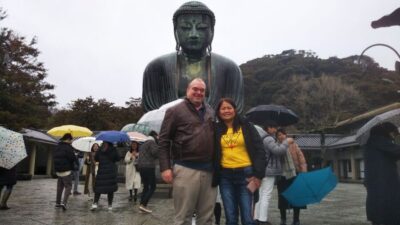
Next up is Kotoku-in, where the headline is the Great Buddha of Kamakura. The bronze Amida Buddha sits outdoors, which is part of what makes it memorable, you feel the open sky around it, not the walls of a temple hall.
Admission here is included, and the stop is relatively short compared to the shrine areas. That can be a good thing. You get the main sight, you take your photos, you read any nearby explanations you can, and you do not lose half your day to one location.
The Great Buddha is also one of those sites where timing and crowd levels matter. It can get busy, so if you want the calmest moments, arrive ready to stand for a bit and do not expect instant quiet.
If you are traveling with people who tire quickly, this is a manageable stop length. It is impactful without being exhausting in the way some longer garden temple visits can be.
Hase-dera Temple and the Eleven-Headed Kannon
Hase-dera Temple is one of Kamakura’s signature experiences, and the key draw is the eleven-headed statue of Kannon, the Goddess of Mercy. It is housed in a wooden setting, and it is known for being one of the largest of its kind in Japan.
You get included admission here too, and this stop typically runs longer than Kotoku-in. That extra time helps because there is more to see than just one statue, including well-kept grounds where you can slow down and look around.
This is also a great place for photos that are not all “standing in front of the main Buddha.” The statue is the main event, but the temple atmosphere and pathways give you choices for different angles.
The drawback? Like many temple sites on hills, you will likely do some steady walking. Bring shoes you trust on uneven ground, and keep your energy for later, because Enoshima can be much more staircase-heavy.
Same corner of Japan, a different kind of day:
- Kamakura Walking Tour – The City of Shogun
★ 5.0 · 100 reviews - Kamakura: Private Guided Walking Tour with Local Guide
★ 4.8 · 60 reviews - Kamakura 4hr Private Trip with Government-Licensed Guide
★ 5.0 · 58 reviews - When Emperors Reigned and Shoguns Ruled
★ 5.0 · 43 reviews
Enoshima Island: Benzaiten Shrines, Samuel Cocking Garden, and Stairs
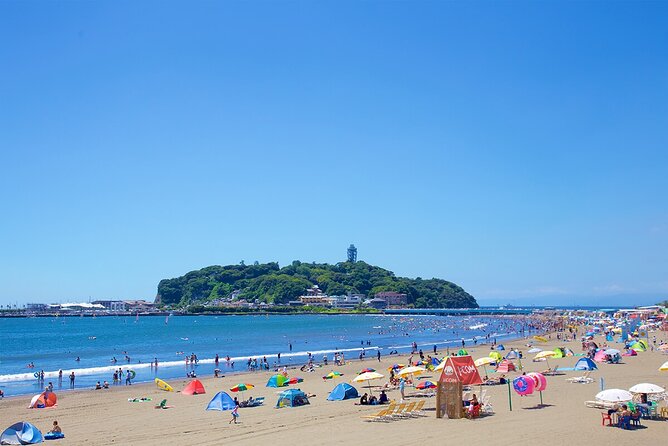
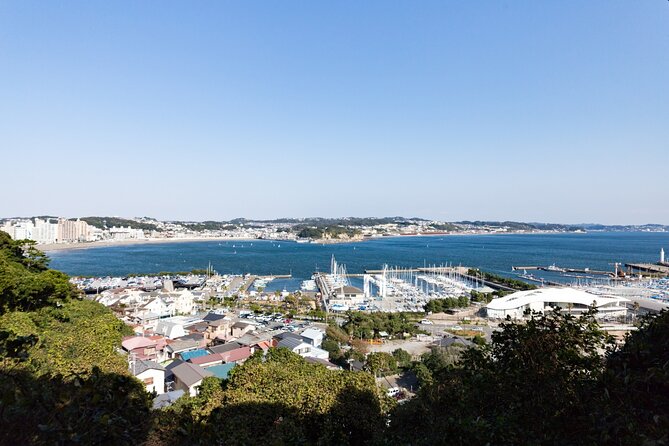
Enoshima is where the tour shifts from “classic Kamakura temples” to “seaside Japan with views.” The big promise is ocean scenery, and on clear days you may even see Mt. Fuji in the distance, which is exactly the kind of payoff that makes this day feel like more than just a shrine checklist.
The tour includes time around Enoshima’s shrine complex dedicated to Benzaiten, the goddess of music, wealth, and wisdom. You may also pass through or have time near areas like Shirahata Shrine by Yanagihara Pond, and the broader Enoshima area includes other notable shrine stops. One popular one connected with the area is Zeniarai Benten Shrine, famous for the idea of washing coins in a spring so money doubles.
Enoshima also includes the Samuel Cocking Garden and its lighthouse observatory. It is described as a renovated reopen in 2003, and the lighthouse height is noted at 59.8m, or 119.6m above sea level. Even if you do not climb to the very top, the garden and shoreline paths give you plenty to look at.
Now the real practical warning: Enoshima includes lots of stair climbing. One very specific pain point that shows up in feedback is not just walking stairs, but moving between levels around caves and observation points while trying to stay on schedule. If you are not steady on your feet, or you hate tight timing, you will want a slower approach and careful planning before you decide to tackle every route option.
If you want the views most, focus on the sections that get you to overlook points first, then choose the shrine stops that feel most worth it for you.
Price, Pacing, and What You Get for About $66
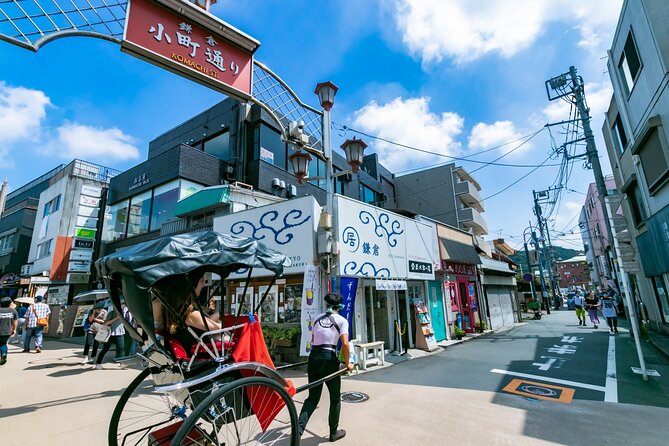
The price is listed at $66.05 per person, and at this level you are paying for three things: transportation, a guided day structure, and included admissions to key sites. The biggest value is the bundling, because a single day that covers multiple famous stops in different areas of Kamakura and Enoshima is hard to stitch together smoothly by yourself if you are short on planning time.
You also get an English and Chinese-speaking guide with commentary on the bus, and sometimes both languages are covered on the same vehicle. That matters because Kamakura can feel “just temples” if you do not have context for what you are seeing. When the guide is strong, you tend to get better explanations for why the sites matter beyond the famous statue photo.
The tour pace generally aims to keep you moving without feeling like you are constantly waiting around. Many people report that the day feels well timed, with enough free time to shop and relax between major sights.
The main wrinkle is that lunch is not included, so you are on your own. Also, the schedule can shift due to traffic or weather. One experience described a route adjustment that pushed lunch timing much earlier than expected, which can be awkward because some places may not be open. For your own peace of mind, I suggest picking flexible lunch options in advance, or at least planning a snack backup so you are not stuck hungry while waiting for a better opening hour.
Should You Book This Kamakura and Enoshima Day Trip?
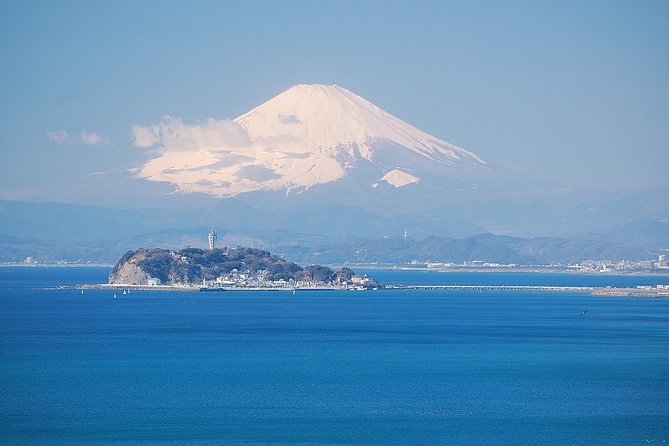
Book it if you want a guided, low-planning day that combines two of Kamakura’s most memorable temple moments with Enoshima’s seaside views. It is especially worth it if you like structure but still want to wander on your own for shopping and short breaks.
I would skip or at least reconsider if stairs and timing stress you out. Enoshima can be physically demanding, and if you have limited mobility, you will want to think carefully before choosing a route that includes multiple levels and cave areas while still catching the bus on time.
If you do book, go in with these expectations and you will likely feel the value quickly:
- Wear comfortable shoes for uneven paths and stair-heavy sections.
- Bring a snack plan for lunch since you handle food on your own.
- Use the shopping and shrine time intentionally, Komachi Street is best when you slow down and enjoy it.
For the price and the way the day is laid out, this is a solid choice for a first-timer who wants Kamakura and Enoshima in one smooth package.
FAQ
How long is the Kamakura and Enoshima day trip?
It runs about 9 to 10 hours.
Where does the tour start and end?
It starts at the Shinjuku Post Office area in Tokyo, and it ends at the same place area. The end point is described as near Shinjuku Station West Exit, and the bus does not return to Ikebukuro.
Is the tour ticket a mobile ticket?
Yes, the tour uses a mobile ticket.
What is included in the price?
The included items are an air-conditioned vehicle, all fees and taxes, entrance fees to Hase-dera and Kotoku-in, and English/Chinese-speaking guide commentary (commentary may be provided in both languages on the same bus).
Is lunch included?
No, lunch is not included.
Do I need to pay admission at Kotoku-in and Hase-dera?
No, admission fees to Kotoku-in and Hase-dera are included.
Will the tour run in bad weather?
The tour departs regardless of weather or traffic conditions unless you are notified otherwise by the local operator.
What if I need to cancel?
The experience offers free cancellation if you cancel at least 24 hours in advance for a full refund.
Fresh options around Kamakura
- Kamakura Half Day Tour with a Local Expert Guide★ 4.4 · 23 reviews
- Your Own HANKO Name Seal Activity in Kamakura.★ 5.0 · 24 reviews
- Buddha, Bamboo & Zen – Bespoke Kamakura Private Walking Tours★ 5.0 · 25 reviews
- Kamakura: A Journey Through Medieval Japan★ 4.9 · 32 reviews
- Exciting Kamakura – One Day Tour from Tokyo★ 5.0 · 40 reviews
- When Emperors Reigned and Shoguns Ruled★ 5.0 · 43 reviews
- Kamakura 4hr Private Trip with Government-Licensed Guide★ 5.0 · 58 reviews
- Kamakura: Private Guided Walking Tour with Local Guide★ 4.8 · 60 reviews
Kamakura Tours, compared.
Kamakura & Enoshima Day Trip including Temple Tickets
Read our review →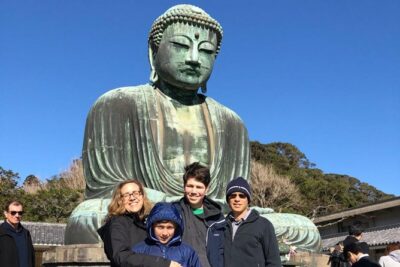
Kamakura Historical Walking Tour with the Great Buddha
Read our review →
Kamakura Private Tour: Temples, Nature, and the Great Buddha
Read our review →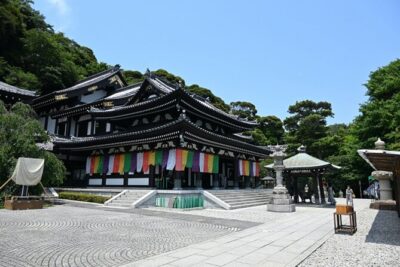
Kamakura: Private Guided Walking Tour with Local Guide
Read our review →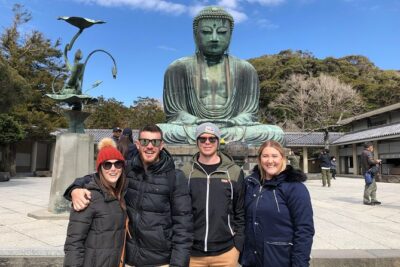
Kamakura 4hr Private Trip with Government-Licensed Guide
Read our review →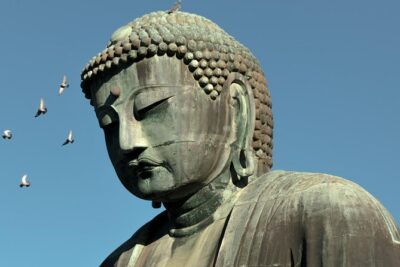
Kamakura Full Day Tour with a Local Expert Guide
Read our review →Browse the lists this tour appears in