
Reviewed · EVENING EXPERIENCES
Okinawa Iriomotejima Night Adventure Tour
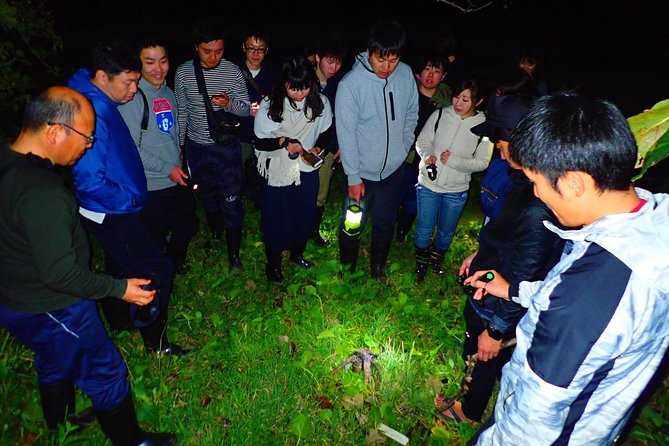
Night falls, and Iriomote turns wild. This 90-minute night tour is built for the fact that the island stays dark, so an experienced guide helps you explore safely and spot creatures you would miss on your own. You’ll also get a strong chance at one of the big rewards of Okinawa, a clear, star-filled sky, when the conditions cooperate.
What I like most is the focus on real night nature, not a quick stroll. In feedback, people rave about seeing coconut crabs (often jaw-dropping amounts) and lots of other small jungle and beach animals, helped by guided searching and lights that make wildlife easier to spot. The guides, including names like Yuina, Shoma, Seki, and Yume-san, show up repeatedly in reviews for patient, careful guiding.
One consideration: this tour runs at night and often in rain, and the activity area has no restrooms. So you’ll want to be comfortable getting wet and handle your bathroom needs before you start.
Key highlights you should know
- Safety first in low-light jungle with an experienced guide, since the island gets dark fast
- Creature spotting with UV lights, which helps you see animals that blend in
- Big starry sky potential when the weather is clear and the sky opens up
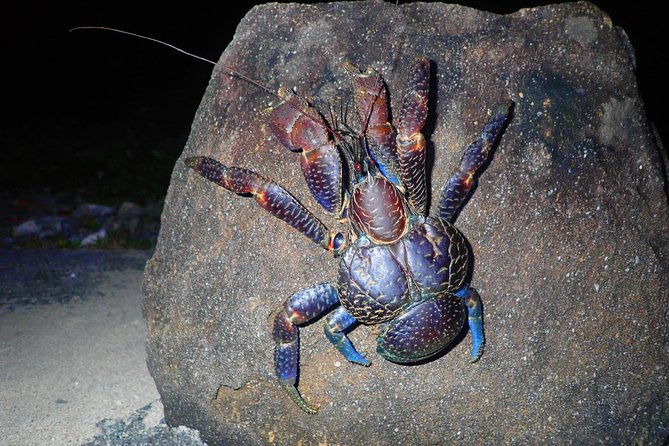
- Coconut crabs are a star attraction, with reports of multiple large crabs in one outing
- Beach wildlife moments, including egg-laying land crab observations during the right conditions
- Small-group feel, since the tour caps at 100 and many departures are well-sized for attention
Why Iriomote at Night Needs a Guide
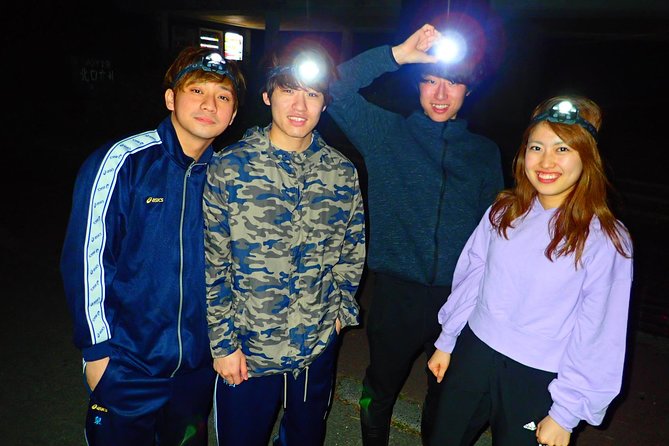
Iriomote-jima’s nighttime is not like a city street at twilight. The island stays dim, and the jungle and coast can be tricky underfoot. This is exactly why this tour is structured as a guided night adventure, with nature guides there to keep you oriented and moving safely.
The second reason it’s worth doing with a guide is the wildlife factor. At night, animals are active but easy to miss. A good guide helps you switch from just looking around to actually finding what’s out there, using search patterns and spot-checking areas like the jungle edge and beach zones.
The tour also leans eco-friendly and sustainable in its messaging, which matters on a sensitive island ecosystem. In practice, that usually means slower, careful observation instead of rushing through and shining lights for no reason.
A few more Okinawa & Islands days worth comparing
- Ishigaki: Jungle Walk and Stargazing Night Tour
★ 4.5 · 149 reviews - Okinawa Ishigaki Island Night Starry sky and Jungle night tour
★ 4.5 · 132 reviews - Okinawa Miyako Star Gazing & Subtropical Jungle Night Tour
★ 5.0 · 97 reviews
Your 90 Minute Rhythm: Pickup, Jungle Search, Drop-Off
This tour is timed for maximum night activity and sky viewing, and it runs about 1 hour 30 minutes total. Here’s the typical flow:
- 8:00 PM: Pickup from your accommodation in the Uehara area only
- 8:15 PM: Arrive at the start area
- 8:45 PM to 9:45 PM: Jungle exploration and stargazing during the best window the night offers
- After 9:45 PM: Tour ends and you’re dropped back near where you started
Two small timing notes that affect your experience: the schedule can shift with weather and tide conditions. If tides change the shoreline access, the guide adjusts the plan. That’s normal and part of why the guide matters.
Meet your group at Densa Terminal in Uehara (Taketomi, Okinawa), and plan to be ready at the pickup time if you’re in that area. The meeting point and the end point are essentially the same, so you’re not dealing with a half-day of transfers.
Jungle Walks With UV Lights and Low-Light Skills
The heart of the tour is the night walk through subtropical jungle terrain and along the coastline edge. Your guide leads the group to likely spots and helps you understand what you’re looking at, which is a big deal when everything is unfamiliar.
A consistent theme from reviews is the use of UV lights. In dark conditions, wildlife can look invisible or like random reflections. UV lighting can make certain animals and patterns easier to detect, so you spend less time guessing and more time watching.
What you might see depends on the night, but the feedback includes:
- palm crabs and other coastal jungle crabs
- hermit crabs
- insects like fireflies and related larvae (mentioned as possible with the right conditions)
- spiders like stalked spiders
- larger dusk flyers, including a Japanese flying fox spotted at dusk
Even if you don’t catch every category, the method matters. You’ll learn how to scan, when to pause, and how to let the guide direct the search so you’re not just walking in the dark.
One practical point: this is active at night. It’s not a slow museum pace. If you’re comfortable walking on uneven ground and taking your time, you’ll enjoy it.
Stargazing on a Dark Island Sky
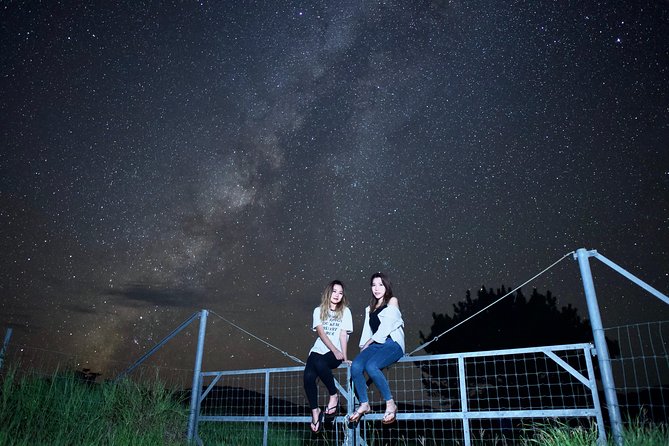
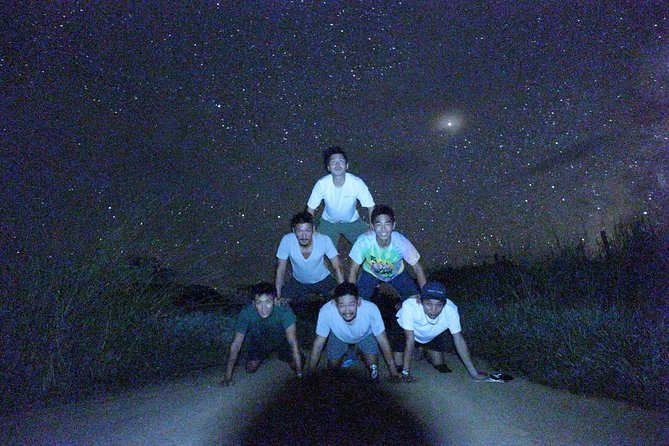
The tour doesn’t only chase animals on the ground. If the weather cooperates, you also get stargazing during the clearest sky window. People specifically praise the starry sky here, including moments where the sky looked close to what they came for.
Night sky viewing on islands has one advantage and one limitation. The advantage is reduced light pollution compared to big cities. The limitation is that clouds and rain can change everything fast. That’s why the schedule mentions potential weather impact, and why the guide balances jungle time with the best sky moments available.
If you’re trying to line up a night with high sky clarity, ask the operator about conditions when you book, and be ready to roll with what you get that evening.
Same corner of Japan, a different kind of day:
- Official Street Go-Kart Tour – Okinawa Shop
★ 5.0 · 699 reviews - Naha: North Okinawa Sightseeing Tour & Churaumi Aquarium
★ 4.4 · 472 reviews - Okinawa: From Naha: Kerama Islands 1-day snorkeling tour
★ 4.4 · 423 reviews - From Naha: Tokashiki Island Day Trip by Boat
★ 4.3 · 385 reviews
Coconut Crabs: The Attraction People Talk About
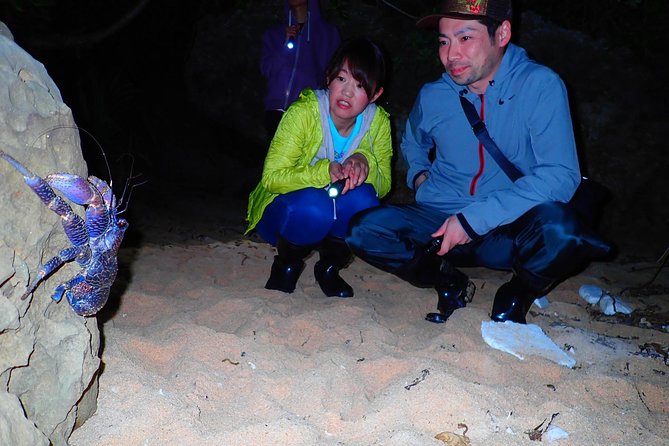
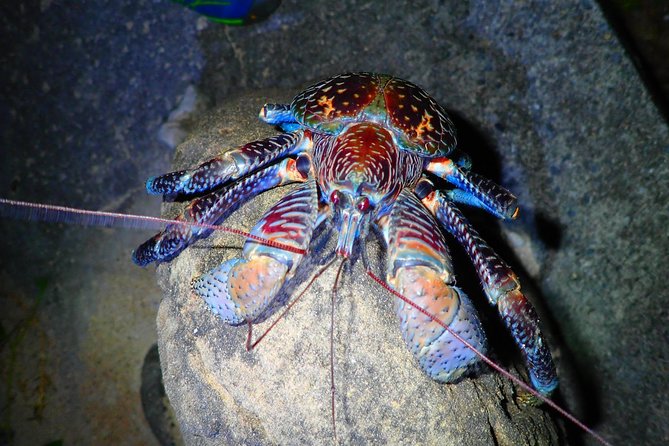
If there’s one highlight that shows up again and again, it’s coconut crabs. In reviews, people report seeing multiple large coconut crabs, sometimes several at once. One account describes noticing a crab right after stepping out, and another describes seeing 6 to 7 big coconut crabs around the night search area.
That kind of sighting is the reason many people book this tour. Coconut crabs can be hard to spot without the right timing and help, so the guide’s local knowledge and nighttime searching really matter.
There’s also a wildlife moment people remember because it feels rare: land crabs related to egg-laying near the sea. One review describes observing egg-laying behavior and watching crabs into the sea. That’s the kind of natural behavior you don’t see from a distance, and the guide’s patience seems to be part of what made it possible.
To keep expectations realistic: the island holds wildlife unpredictably. You might see fewer crabs on one night and more on another. But if coconut crabs are your priority, this is the right type of tour to bet on.
About the Iriomote Cat Chances
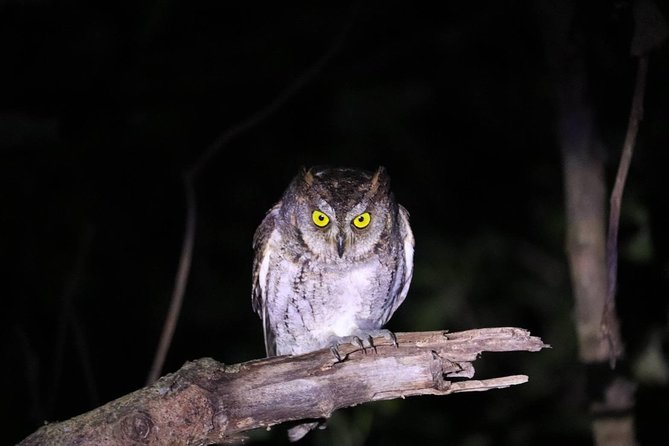
Some people come hoping for the Iriomote wildcat, and that shows up in feedback. The honest takeaway is that night cat sightings are not guaranteed.
When a tour is built for night searching, you’ll often hear about the possibility, but you shouldn’t plan your whole vacation around it. The best approach is to see this as an evening that maximizes wildlife odds across multiple species: crabs, insects, coastal animals, and stars. The more you’re open to that range, the more satisfying the night tends to be.
What to Wear and Bring for a Rainy Night
This tour generally runs even when it’s raining, because island nights don’t follow a schedule just because you want clear skies. You should dress for wet conditions.
Wear clothes you don’t mind getting wet. Expect a nighttime jungle and coastline walk, and plan to keep footwear grippy. If you’re traveling from a warm daytime, bring a layer if you tend to get cold after dark.
Also, plan around the practical detail that the activity site has no restrooms. Use facilities before you go, then treat the tour as a short, focused nature window.
Alcohol is also a no-go. It’s not just a rule, it directly affects safety in dark terrain. If you’re tempted to have a drink with dinner, save it for another night.
Group Size, Language Options, and the Real Meaning of a Cap
The tour caps at 100 travelers. That doesn’t mean you’ll always be in a massive group, but it does tell you the operator keeps departures manageable. Many night tours like this feel better when the guide can slow down and respond to what people are actually seeing.
Language is usually Japanese or English, depending on booking availability. If you’re choosing this tour specifically for English, it’s smart to confirm language when you book.
One more thing: reviews highlight guide attention to the pace, which is usually easier when groups are not overcrowded. If you travel with kids, the guide’s ability to keep everyone engaged becomes part of the value.
Who This Tour Fits Best
This is for people age 3 to 65. It also has clear restrictions: it’s not for pregnant participants, children under 3, or anyone with pre-existing medical conditions.
If you fall into the allowed range and you want a guided night experience, this tour is a great fit. It’s especially good if you:
- want wildlife viewing with a plan and a guide
- like astronomy when the sky clears
- prefer a short, focused activity over a long excursion
- are traveling with family and want a structured evening nature outing
If you’re dealing with mobility limits or a medical condition that affects walking, safety and comfort, you should consult the operator before booking.
Price and Value: Is $32.37 Worth It?
At $32.37 per person for about 90 minutes, the price is relatively accessible for a guided night nature experience on an island. The value comes from three things you’re paying for: safety in low light, a guide who can point out animals effectively, and a program that includes both wildlife searching and stargazing.
You’re also paying for the night-specific logistics that make wildlife viewing possible: timing, tide/weather adjustments, and nighttime searching methods. Watching for coconut crabs, palm crabs, and other small creatures without local help can be hit-or-miss. With a guide, you maximize your chance to actually see the animals you came for.
The balance is that the tour is weather-dependent. If rain or unsafe conditions prevent the plan, you’ll have options to reschedule or get a full refund per the operator rules. So the cost is not sunk into a guaranteed activity regardless of nature.
Should You Book This Iriomote Night Adventure?
Book this tour if you want a night focused experience that uses expert guidance to help you spot wildlife and then enjoy stars when the sky cooperates. The strongest reason to choose it is the repeated coconut crab success and the guided, structured way you search the jungle and shoreline.
I’d skip it or think twice if:
- you’re not comfortable getting wet (it often rains)
- you’re relying on an Iriomote cat sighting as a must-have outcome
- you have a medical situation that affects walking or safety, since the tour excludes pre-existing conditions
If you’re flexible, curious, and ready for a true night nature walk, this is one of the best ways to spend an evening on Iriomote-jima.
FAQ
What time does the tour start and end?
It typically starts with pickup at 8:00 PM in the Uehara area, arrives around 8:15 PM, and ends around 9:45 PM with drop-off back at the meeting point or accommodation area.
Where is the meeting point?
The tour meeting point is Densa Terminal, 907-1541 Okinawa, Yaeyama District, Taketomi, Uehara, 竹富町上原553-1.
Is pickup included?
Pickup is offered for accommodations in the Uehara area only. If you request pickup, the exact pickup time may differ from what’s shown, so confirm the time the day before.
What should I wear?
Wear clothes you don’t mind getting wet. The tour generally runs in rain, and there are no restrooms at the activity site, so go before you start.
Is this tour only for clear weather?
The tour depends on good conditions. Tours generally proceed in rain, but they may be canceled if the field is deemed unsafe.
What wildlife might I see?
The tour is designed for nighttime wildlife spotting and stargazing. Reviews mention coconut crabs, palm crabs, hermit crabs, fireflies or firefly larvae, stalked spiders, and even a Japanese flying fox at dusk.
Are UV lights used?
Yes, the experience is known for creature spotting at night, and feedback specifically mentions animals being visible under UV lights.
What languages are available?
Tours are conducted in Japanese or English, depending on booking availability.
Who cannot participate?
The tour is for ages 3 to 65, and it does not allow pregnant participants, children under 3, or people with pre-existing medical conditions. Alcohol consumption is also not allowed for participants.
Fresh options around Okinawa & Islands
- Naha: “Orca” Spotting Glass Bottom Boat & Sam’s Famous Steak★ 3.8 · 12 reviews
- Naha: Journey into Okinawa’s WWII Navy Underground HQ★ 4.6 · 12 reviews
- Beautiful sunset kayak tour in Okinawa★ 5.0 · 12 reviews
- All-Inclusive Ishigaki Island Shore Excursion with English Guide★ 5.0 · 13 reviews
- Iriomote Island: Guided 2-Hour Canyoning Tour★ 4.4 · 13 reviews
- Ishigaki Island: Sea Walker Experience★ 5.0 · 13 reviews
- Ishigaki: Phantom Island Snorkeling and Taketomi Sightseeing★ 4.2 · 14 reviews
- Walking around town in a kimono, you can choose your favorite kimono from the traditional Okinawan costumes “Ryuso”, “Kimono”, “Yukata” 《Hairset & Lipstick & Kimono & Rental Fee》All Comic Book★ 4.5 · 14 reviews
Evening Experiences, compared.

Gion Magical Night Walking Tour with Geisha Trivia
Read our review →

Kyoto Night Foodie Tour in Gion (9+ dishes + 6 Sake tastings)
Read our review →
Tokyo Night Foodie Tour in Shinjuku – Seasonal Sushi, Wagyu Beef
Read our review →
Osaka Bar Hopping Night Walking Tour in Namba (3 bars, 6 tastes)
Read our review →
Kyoto Gion Night Walk & Geisha District Guided Tour
Read our review →
Kyoto Ghost Tour: Dark Tales, Urban Legends, Bamboo Forest Night
Read our review →Browse the lists this tour appears in