
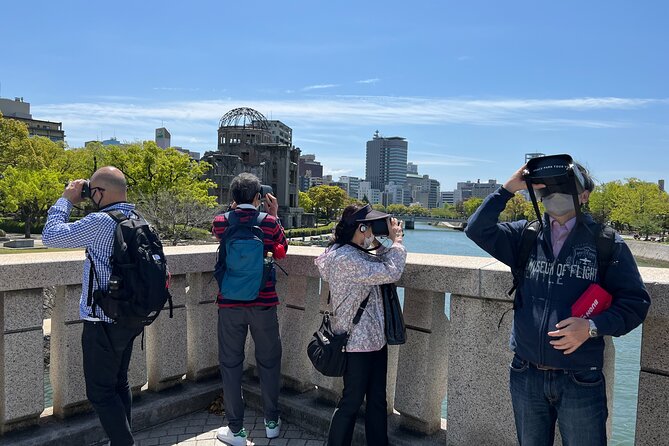
Reviewed · HIROSHIMA TOURS
Hiroshima/Guided Virtual Tour of Peace Park/PEACE PARK TOUR VR
Hiroshima history hits differently with VR. This guided virtual tour takes you through Peace Memorial Park using VR reenactments based on historical facts like survivor testimonies and old photographs, so you can experience the area before the bombing, the moments around August 6, and how the city rebuilt itself. I especially like the way the tour uses named sites in a clear timeline.
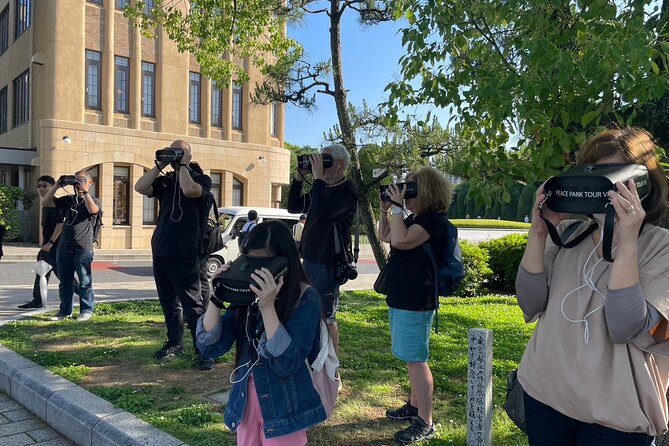
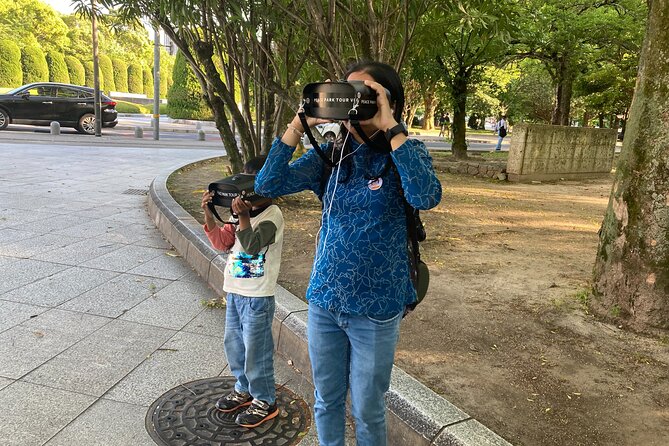
I also like the human touch. Your English-speaking guide meets you at the Peace Park Rest House reception, shows you how to use the VR goggles, and keeps the experience conversational, so questions do not feel awkward. In the best sessions, guides like Kazuko are particularly strong at answering follow-ups and making the story feel real.
One drawback to plan for: the tour is short, about 1 hour 20 minutes, and it is mainly VR content. If you already visited the museum recently or you are expecting top-tier VR like a videogame, the value can feel less obvious.
Key things to know before you go
- Peace Park, told as a timeline: You move through before, during, and after with VR set to real locations.
- Small group size (max 6): You get more attention than a big group walking tour.
- English guidance plus VR goggles: Goggles rental is included, and an English-speaking guide stays with you.
- Survivor-based storytelling: You hear accounts connected to specific places, not just general facts.
- Memorial details at the end: You write a message on the Wall of the River of Hope and offer condolences.
- A short commitment: Built for people who want something meaningful without a long day.
Peace Park Tour VR: what makes it different from a standard walk
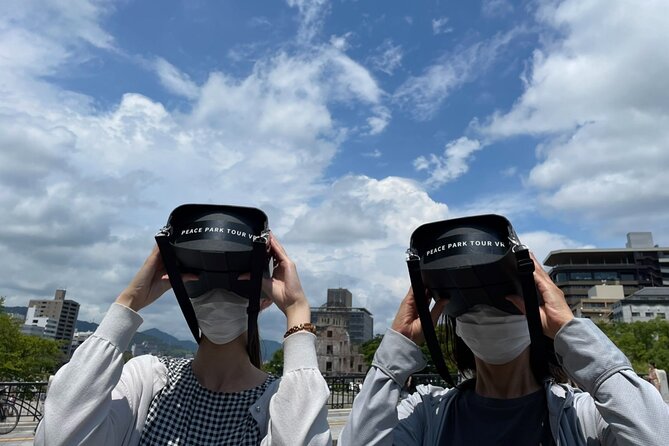
This is not a long, scenic walk around Peace Memorial Park. It is more like a guided “time-travel” experience, with VR reenactments that line up with major landmarks you would normally see in person.
The structure matters. You start at the Rest House of Hiroshima Peace Park, then move to landmark points like the Peace Clock Tower view area, Aioi Bridge, and Motoyasu Bridge, each with a distinct “chapter” of what happened and what followed. That sequence is why the tour feels focused, instead of overwhelming.
Also, because it is guided and in English, you do not have to decode everything yourself. If you have ever stood in a place and wondered what to look at first, this tour helps you pick the right details, at the right time.
A few more Hiroshima days worth comparing
- Peaceful Hiroshima & Miyajima UNESCO 1 Day Bus Tour
★ 5.0 · 5,309 reviews - Hiroshima: Hiroshima and Miyajima UNESCO Sites 1-Day Tour
★ 4.9 · 2,330 reviews - Hiroshima / Miyajima Full-day Private Tour with Government Licensed Guide
★ 5.0 · 1,298 reviews
Check-in at the Rest House, VR goggles setup, and Eizo Nomura’s story
Your tour starts at the Peace Park Rest House reception in central Hiroshima (Nakajimacho, Naka Ward). Your guide is waiting there and shows you how to use the VR goggles. That sounds small, but it makes a difference, because you spend less time fussing and more time watching.
Then you go down to the basement for the first VR reenactment, centered on Eizo Nomura, described here as the only survivor of the fuel building. This opening sets the tone: the experience is anchored in testimony and lived experience, not just generic visuals.
What I like about starting here is that it gives you a “human baseline” before you move to the larger landmark scenes. You are not jumping straight from quiet park space to images of destruction. You are being prepared for what you are about to see, with a guide pacing what you take in.
A practical note: because the goggles part is built into the timing, it helps to arrive a few minutes early, so you do not feel rushed during the setup.
Peace Clock Tower visuals and the Atomic Bomb Dome before-and-after shift
Next comes the Peace Clock Tower stop, with VR headset time focused on experiencing the before and after of the moment. This segment also ties directly to how the Atomic Bomb Dome was destroyed and how it became what you see today.
This stop works well because the Atomic Bomb Dome is one of the most recognizable symbols in Hiroshima. In person, it is powerful, but it can also be easy to look at without fully understanding the “instant change” effect. The VR here aims to make that gap smaller by showing you the transformation in a structured way.
You also get a short, clear chunk of time, about 15 minutes. That pacing helps if you want something moving but not exhausting. Just know that the subject matter is heavy, so it is not the kind of activity you do after a long night out.
Aioi Bridge after August 6, survivor testimony, and the town turning to fire
At Aioi Bridge, the tour focuses on roughly two months after the atomic bombing. The VR and narration emphasize how the townscape had turned into a sea of fire, alongside testimonies from A-bomb survivors.
Why this stop matters: bridges are natural “story points” in Hiroshima. They connect neighborhoods and routes, so they can feel like more than scenery. Framing the story through Aioi Bridge gives you a sense of what was around people, what they were trying to understand, and how they described the aftermath.
The other strength here is that the tour does not keep everything abstract. It tries to anchor the visuals to specific accounts. That approach helps you stay oriented, especially if this is your first time learning Hiroshima’s timeline.
The same timing advice applies. You are dealing with intense material, so treat those 15 minutes like part of the experience, not a quick add-on.
Same corner of Japan, a different kind of day:
- Hiroshima Historical Walking Tour – Why A-Bomb was Dropped
★ 4.8 · 893 reviews - Hiroshima Peace (Heiwa) Walking Tour at World Heritage Sites
★ 5.0 · 872 reviews - Hiroshima in a Nutshell: Morning Bike Adventure
★ 5.0 · 524 reviews - Hiroshima City 4hr Private Walking Tour with Licensed Guide
★ 5.0 · 437 reviews
Motoyasu Bridge: from chaos to recovery and what peace appeals mean
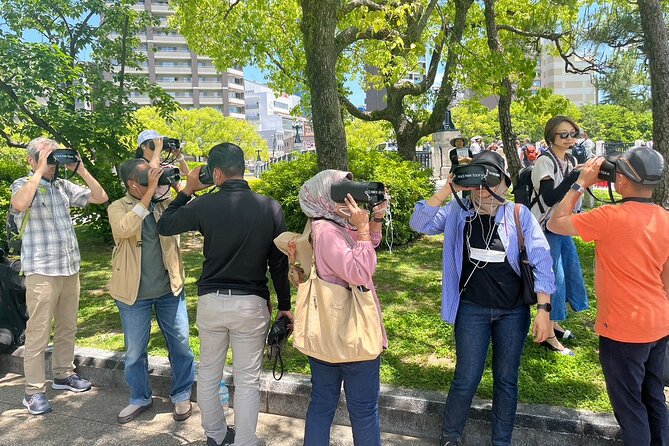
Motoyasu Bridge is the next step, spanning from the first year after the bombing to the present day. Here, the tour shifts away from destruction and toward recovery and the actions people took amid chaos.
This is where you get a different emotional arc. Instead of asking What happened? it asks, What did people do next? The narration includes an appeal for peace, tied to the story of people rising to their feet and taking steps forward.
If you only visit Hiroshima once and you worry about leaving feeling like you only saw tragedy, this stop is one reason the tour feels balanced. It keeps the story from ending at the blast, and it connects recovery to the current reality of Peace Memorial Park and its meaning today.
The River of Hope wall at the end, and why the closing matters
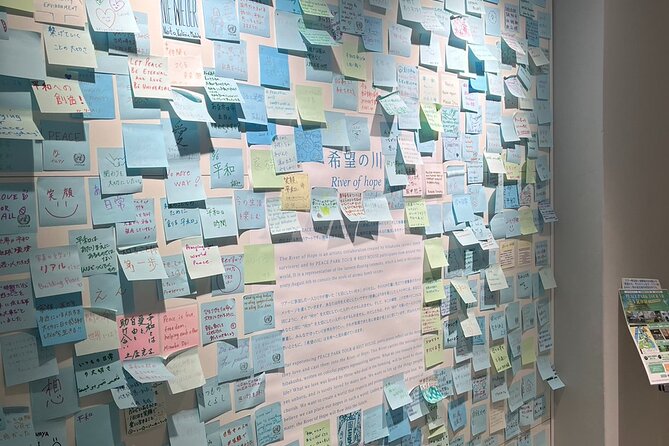
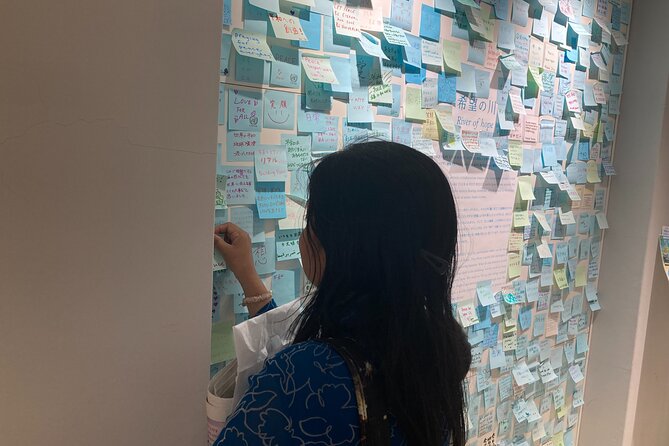
The tour returns you to the Rest House of Hiroshima Peace Park for a final reflection moment. Here, you are asked to post a comment on the wall of the River of Hope, with written messages wishing for peace, plus condolences.
This is a key part of the experience because it turns the viewing into participation. You are not just watching VR. You are leaving something behind, which can make the memory settle more firmly than facts alone.
It also helps you process what you just saw. The final 15 minutes are a breather of sorts, even though the topic stays serious.
If you want to get the most out of this section, think ahead about what you want your message to be, and keep it simple. You can also write in a calm, respectful tone that matches the memorial setting.
Price, duration, and whether it feels like good value
The price is $33.03 per person for about 1 hour 20 minutes. VR goggles rental and an English-speaking guide are included, and you get a mobile ticket. Food and drinks are not included, and you will need to handle getting to the meeting point on your own.
So is it worth $33.03? It depends on what you want from your Hiroshima time.
- If you want a guided, short, emotionally powerful experience and you value survivor testimony plus historical reenactments, the included guide and VR are a good match.
- If you already saw everything in other nearby stops the previous day, or if your main goal is long-form VR that feels like a high-budget game, it may feel short. One reason: the tour is built around a handful of VR segments and stops, so it is not meant to sprawl.
One more practical point: it is max 6 travelers. That small group size tends to make the guidance feel personal, which helps justify a per-person ticket that is not “cheap,” but also not outrageous for an English-led, VR-based activity.
If you can, book a spot when you have mental room to focus. This is the kind of tour where rushing through it can make it harder to take in.
Who should book Hiroshima Peace Park Tour VR
This tour fits best if you:
- want an English-guided way to understand Hiroshima’s story without piecing everything together yourself
- are short on time but still want something deeply meaningful
- like structured tours where each stop has a clear role (before, during, after, recovery)
- prefer a smaller group setting
It may be less satisfying if you:
- are already planning a full museum-heavy day and want more length than VR segments can provide
- expect VR quality and duration similar to entertainment-focused VR experiences
- want a long outdoor walking tour instead of a guided VR program
Should you book Peace Park Tour VR?
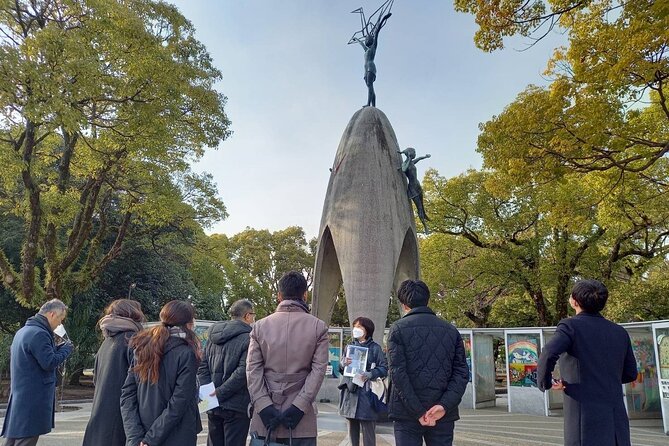
I think you should book it if you want a guided, timeline-driven way to connect Hiroshima landmarks with testimony and reenactment. The short runtime and small group size make it realistic to fit into a busy day, and the closing with the River of Hope message gives you a sense of closure.
Skip or reconsider if you feel you need more VR time to justify the cost, or if you are not interested in a guided narrative and would rather explore sites independently.
If you do book, do it with the right mindset: treat it as a focused, respectful experience. Give yourself a little calm time before and after, so the story lands the way it is meant to.
FAQ
How long is the Peace Park Tour VR?
It runs about 1 hour 20 minutes.
Where does the tour start?
The meeting point is the Hiroshima Peace Park Rest House, located at 11 広島市平和記念公園レストハウス, Nakajimacho, Naka Ward, Hiroshima, 730-0811, Japan.
What time does the tour start?
The start time listed is 10:30 am.
What is included in the ticket price?
The ticket includes VR goggles rental and an English-speaking guide.
What is not included?
Transportation to the meeting place and food and drinks are not included.
How many people are in the group?
This activity has a maximum of 6 travelers.
Is the tour in English?
Yes. The guide is listed as English speaking.
Can I cancel for free?
Yes, you can cancel for a full refund if you cancel up to 24 hours in advance of the experience’s start time. If you cancel less than 24 hours before, the amount is not refunded.
Do I need a physical ticket?
You use a mobile ticket for this activity.
Fresh options around Hiroshima
- Hiroshima and Miyajima Full Day Private Tour★ 4.5 · 19 reviews
- 4 Hour Miyajima PRIVATE Tour★ 5.0 · 19 reviews
- Hiroshima Private Walking Tour with a Local★ 4.5 · 19 reviews
- Hiroshima Scenic Cycling Guided Tour★ 5.0 · 19 reviews
- Miyajima Guided Tour and Fresh Oyster Farm Tour★ 5.0 · 20 reviews
- Hiroshima: Atomic Bomb Dome and Peace Memorial Museum 3 hours★ 5.0 · 20 reviews
- Hiroshima: Tour of Atomic Bomb Dome & Peace Memorial Museum★ 5.0 · 20 reviews
- Hiroshima: City and Miyajima Bike and Boat Tour★ 5.0 · 20 reviews
Hiroshima Tours, compared.
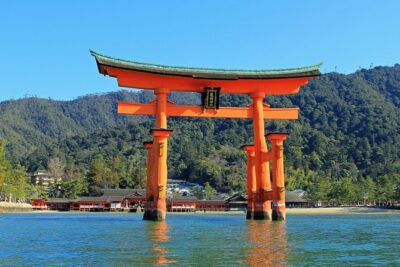
Peaceful Hiroshima & Miyajima UNESCO 1 Day Bus Tour
Read our review →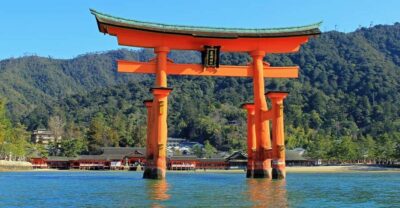
Hiroshima and Miyajima UNESCO Sites 1-Day Tour
Read our review →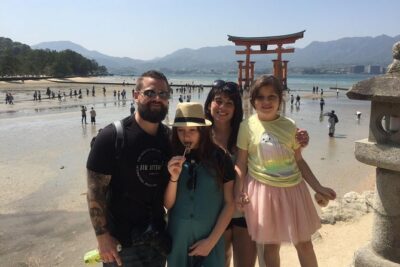
Hiroshima / Miyajima Full-day Private Tour with Government Licensed Guide
Read our review →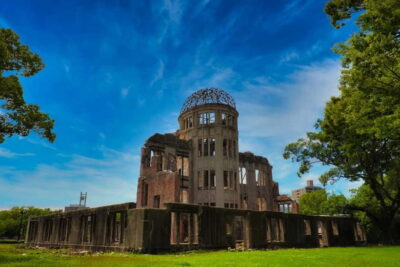
Hiroshima Historical Walking Tour – Why A-Bomb was Dropped
Read our review →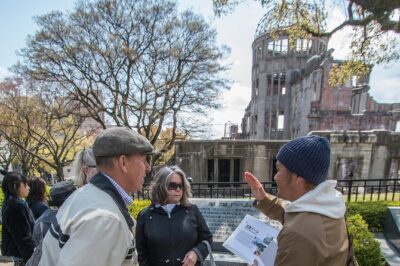
Hiroshima Peace (Heiwa) Walking Tour at World Heritage Sites
Read our review →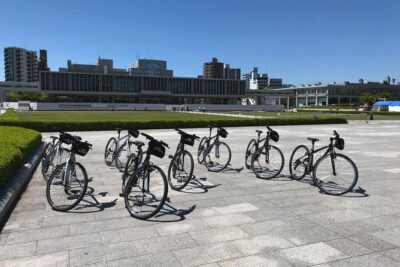
Hiroshima in a Nutshell: Morning Bike Adventure
Read our review →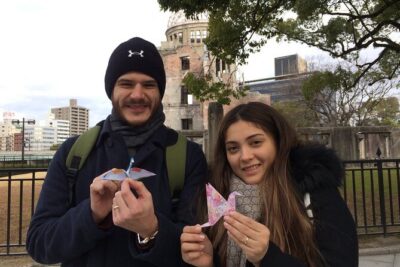
Hiroshima City 4hr Private Walking Tour with Licensed Guide
Read our review →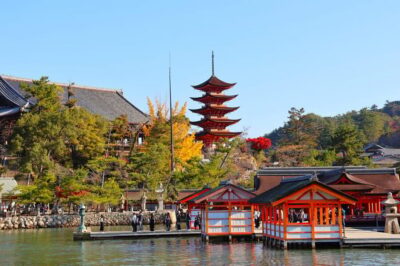
Browse the lists this tour appears in