
Reviewed · HAKONE TOURS
Custom Private Tour in Hakone with a Certified Local Guide
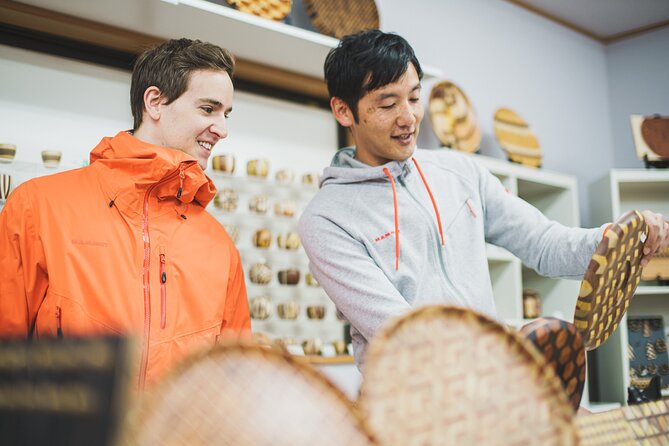
Hakone can be a maze, so this kind of tour is the sanity saver. You get a certified local guide and a day that you can shape around your pace, with signature stops like Hakone Shrine and a centuries-old teahouse break.
What I especially like is how the day balances big-name sights with calm, slow moments. I also like that the tour builds in a real food and drink pause, not just photos, with tea plus amazake at the Hakone Amazake Tea House. The one thing to watch: key views depend on conditions, and some rides and entry tickets (like Owakudani Valley and the Lake Ashi cruise) are not included in the base price.
Key things to know before you go
- Custom itinerary with one pro guide so you can adjust for interests and walking comfort
- Traditional teahouse time with tea and amazake at a family-run spot said to span 13 generations
- Owakudani and Hakone Ropeway options for big views when the weather cooperates
- Lake Ashi cruise time on a pirate ship-style boat between Hakone ports (ticket not included)
- Riverside onsen can be added if you select the hot spring option ahead of time
- Small private group size (max 8), which makes logistics easier than bus tours
Price and logistics: what $300 buys in real life
At $300 per person for an around 7-hour private day, the value comes from the guide and the time you save. Hakone travel is not hard, but it can be confusing. Having a guide who handles the route, timing, and site order is the point here.
Here is what is included, so you can judge value fast:
- A nationally certified pro guide
- Lunch
- Beverages at a local tea house (and the amazake tea house stop includes the drink)
- Pickup offered, with hotel or railway pickup and drop-off included from Odawara or Hakone
What is not included (meaning you should budget for it):
- Private transportation (the day is built around a route you do with the guide, plus local transit and walking)
- Hakone Freepass
- Some admission tickets listed for specific stops, like Owakudani Valley and the Lake Ashi sightseeing cruise
In short, you are paying for a guided, structured day that still leaves room for choices. If you would otherwise piece together routes and tickets on your own, this starts to look like a bargain.
More Hakone tours and day trips:
- Hakone 6 hour Private Tour with Government-Licensed Guide
★ 5.0 · 218 reviews - Hakone 8 hour Private Tour with Government-Licensed Guide
★ 5.0 · 63 reviews - Private Tour – Hakone Day Trip! A Tour to Explore All Must-Sees!
★ 5.0 · 58 reviews
Starting at Hakone-Yumoto, and why that matters
The tour meets at Hakone-Yumoto Station and returns to that same point. It starts at 9:00 am, which is smart in a place where queues can pile up later.
This start time also helps with the most important Hakone variable: visibility. Hakone Ropeway and lookout spots over Lake Ashi can disappoint if fog rolls in. You are still going to see plenty of the area even on a gray day, but early timing gives you the best shot at clear views.
Pickup can be arranged from Odawara or Hakone, which is helpful if you are arriving by Shinkansen or already staying in the Hakone area. Because the meeting point is near public transportation, you are not stuck if you are not using the pickup.
How the guide keeps the day flowing (Hiroko, Koto, Shin style)
Hakone tours fail when they feel rushed or generic. This one is private, and the guide’s job is to make it work smoothly for your group.
From what I’ve learned about how guides approach this day, the common thread is flexibility and practical explanations. Guides such as Hiroko are known for keeping things pleasant even when rain hits, plus for sharing local context you can actually use. Koto stands out for being friendly with children and explaining cultural stories in a way that lands. And Shin is praised for planning that keeps the day mostly walking when it makes sense, plus for making sure the hot spring stop feels worth it.
You won’t have to do anything fancy. You simply tell the guide what you care about (views, shrines, craft details, hot springs, slower tea time), and they shape the route inside the day.
Owakudani Valley and the ropeway viewpoint idea
The day often begins with Owakudani Valley, a volcanic area known for smoky slopes and the dramatic atmosphere that matches its older nickname. The experience is visual first, and it is the kind of place you remember even if you do not get the perfect weather.
Important practical note: the admission ticket is not included for this stop. So you should expect an extra cost if you want to go in.
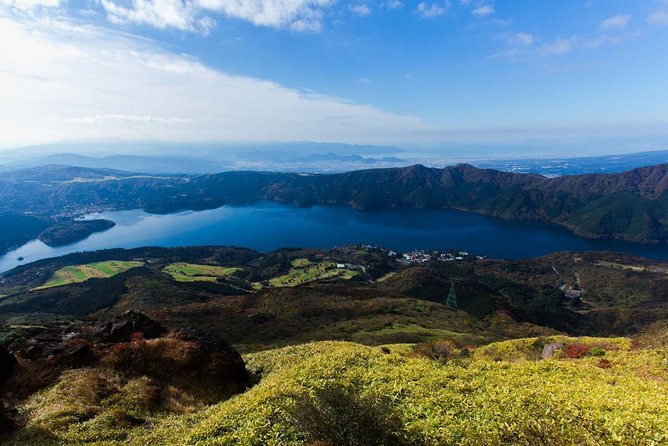
If you selected the Hakone Ropeway, the ropeway then rises above the valley and links you to views over the region, including Lake Ashi and, on clear days, Mt Fuji. Even when Mt Fuji hides, the ropeway still gives you that elevated Hakone feel.
Drawback to consider: volcanic regions and cable rides depend on operating conditions. Also, views can be partially blocked by fog. If you book this for Mt Fuji specifically, understand you are rolling the dice a bit, but early timing helps.
A few more Hakone days worth comparing
- Private Hakone Half-day Car Tour with Hotel Pickup – Local Guide
★ 5.0 · 48 reviews - Tokyo 6hr Private Tour with Government-Licensed Guide
★ 5.0 · 3,902 reviews - Private Tour to Mt. Fuji and Hakone (Fully Licenced Operator)
★ 5.0 · 1,910 reviews - Fushimi Inari Hidden Hiking Tour (Private Option Available)
★ 5.0 · 1,750 reviews
Lake Ashi sightseeing cruise: 30 minutes of calm
Next up is the Hakone Sightseeing Cruise at Lake Ashi. You board at one of the ports (the route runs between Hakonemachi-ko, Motohakone-ko, and Togendai-ko), on a boat that is often described in a fun pirate-ship style.
Stop length is about 30 minutes, which is short enough to feel like a break, not a commitment. And it is a different kind of scenery than walking through town: you get water, mountains, and sky in one continuous view.
Just like Owakudani, the cruise admission ticket is not included. So check pricing when you book, or plan to pay on the spot.
When you should skip it: if you hate boats, or if you are traveling with someone who gets motion sick, this short cruise may not be worth the effort. On the other hand, if you want a low-stress way to see Hakone’s water side, it fits well.
Hakone-machi: a short old-road stroll with cedar trees
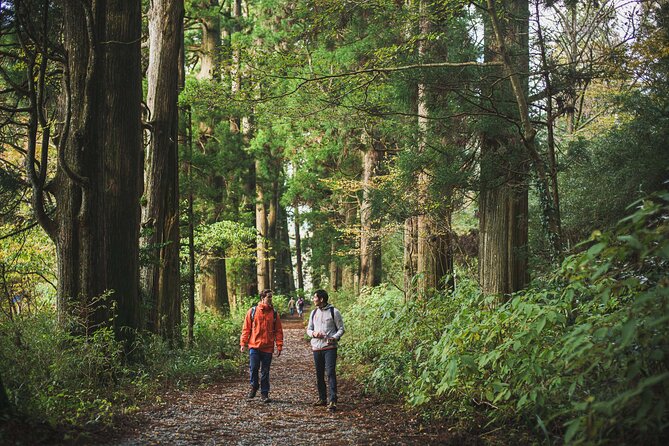
After the water, the day shifts back to street-level Hakone with Hakone-machi. This stop is brief, around 20 minutes, and focuses on the approach area: an avenue lined with very old cedar trees near Onshi Hakone Park.
This is part of the older route that connected Tokyo and Kyoto in the past, so it is not just greenery. It is a sense of time. You can treat this as your “stretch and photos” moment before the more iconic stops.
Admission is free here, so it is one of the easiest wins on the day. If you are trying to keep costs down, Hakone-machi and the later free stops help balance what is ticketed.
Onshi Hakone Park: the Mt Fuji outlook that may be worth the wait
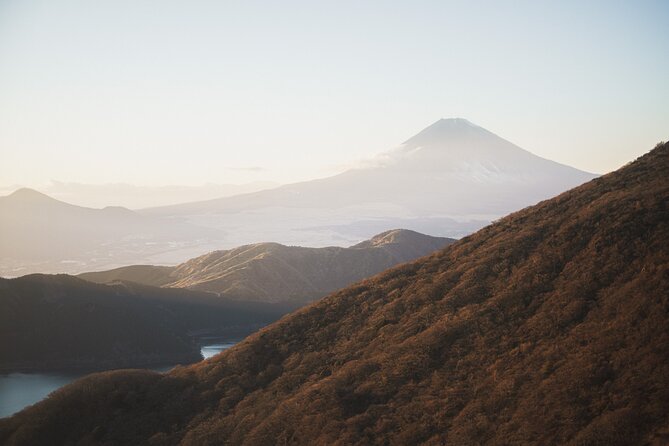
Onshi Hakone Park is a longer breather, about 1 hour, and it is tied to imperial-era leisure history, when this area was used as a summer retreat. Today, it is open to the public and known for views over Lake Ashi, including a shot at Mt Fuji when conditions are clear.
Admission is free for the park, another cost-friendly feature.
The realistic drawback: if the day is hazy, you might not get the classic view. But even without a perfect Mt Fuji picture, you still get the higher vantage and the tranquil park feeling. It helps reset you after volcanic and transit time.
Hakone Shrine and the water torii moment
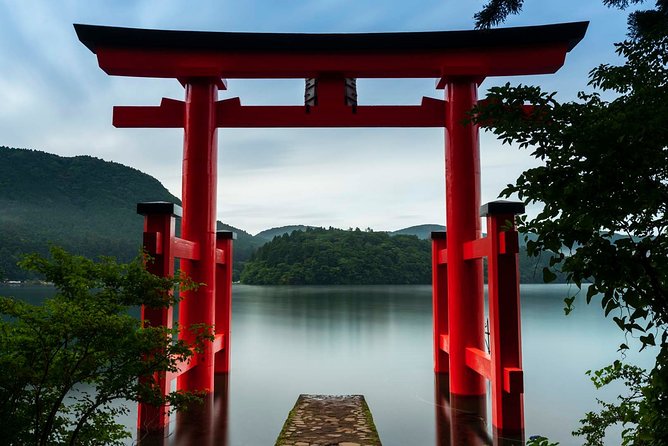
Then comes Hakone Shrine, also connected with Kuzuryu Shrine. It is a major cultural stop, and it is free. The shrine itself is said to date back 1,266 years, which is the kind of detail that helps the place make sense beyond a quick photo.
This stop matters because it is one of the best examples of how Shinto history and local geography mix in Hakone. The highlight is the famous red torii gate on the water, an iconic look that you do not just get anywhere.
Time here is about 1 hour. That is enough to walk the grounds, take in the views, and hear the history your guide shares. This is also the sort of place where your guide’s storytelling makes a difference, because the shrine feels more personal when you understand why it sits where it does and what it represents locally.
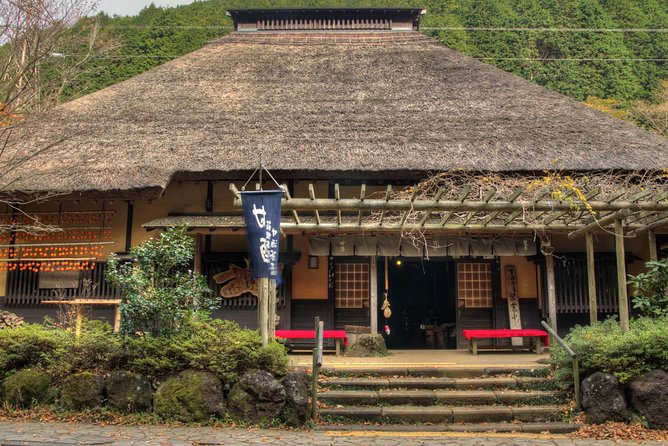
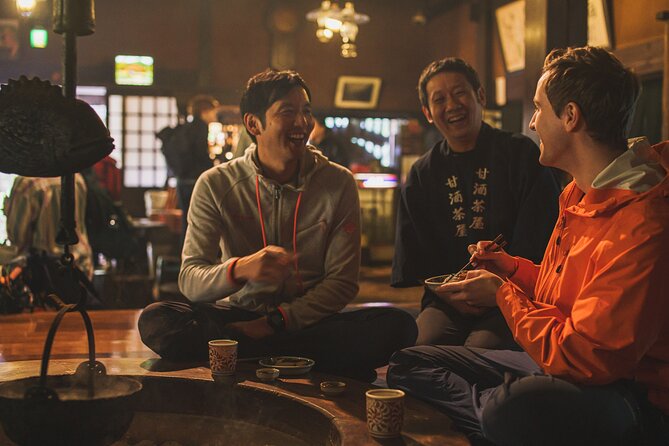
Hakone Amazake Tea House: the 400-year break that keeps the day human
If you only picked one stop for vibe, I’d pick the tea break. The Hakone Amazake Tea House stop is about 30 minutes, and the amazake drink is included.
Amazake is a sweet, non-alcoholic rice drink that fits Hakone perfectly. You are not just eating to fill time. You are taking a breath in a traditional setting that has been around for a long time, with a family ownership story that goes back 400 years and 13 generations.
Beverages at the tea house are included, and this is exactly the kind of detail that makes a private tour feel different from a checklist. It is the moment where your shoulders drop.
Optional riverside onsen: when to add it, and how to choose
This tour offers an optional private hot spring experience. It is not automatic, so you need to select it when booking.
Why I like that it is optional: Hakone can be cold, and some days it feels like the perfect time to soak. Other days, you might want to keep moving or you might prefer a lighter experience after a long walking day.
Your best strategy is to think about your body, not your itinerary. If your group wants a real reward at the end, pick the onsen option. If you are visiting with kids who will tire out, or if your travel style is more about views and culture than bathing, you might skip it and stay comfortable instead.
Also, remember that the onsen part means you will need time for changing and soaking. Your guide will handle the timing within the day, but it still affects the rhythm.
What else you should budget for on top of the $300
Even though the tour is private, the day includes a mix of free stops and ticketed stops. From the stop list you should expect:
- Owakudani Valley admission not included
- Lake Ashi cruise admission not included
- Onshi Hakone Park free
- Hakone Shrine free
- Hakone-machi free
- Amazake tea drink included
- Lunch included
Also, the Hakone Freepass is not included. If you are already planning to use pass tickets on your own for ropeway, buses, and cruises later, you might still choose to buy one. But the tour is built to work without it.
My advice: price the added costs of the ticketed stops when you plan your budget, then compare against solo planning. If you’re doing multiple entry points, paying for guided timing often makes the math work.
When this tour is the best fit
This is a great choice if you:
- Want a customizable route instead of being dragged around a fixed loop
- Appreciate cultural context, not just quick stops
- Value a real break, like tea and lunch, in the middle of the action
- Travel with a mixed group, including kids or multi-generation travelers, and you want a guide who can adapt
It also tends to work well for rain or changeable weather days. People have praised guides for finding ways to keep the day fun when visibility and outdoor plans are less ideal.
When you might want a different Hakone plan
This tour may feel less ideal if:
- You dislike paying extra for tickets at specific points (Owakudani and the cruise)
- You are expecting every highlight to be included in the base price
- Your main goal is guaranteed Mt Fuji views (visibility is not controllable, and several stops are view-dependent)
If Mt Fuji is the only reason you are here, you should plan for a backup day or at least keep expectations flexible.
Should you book this private Hakone tour?
I think you should book it if you want Hakone to feel like a guided day with calm pacing, good food breaks, and a human connection to the place. The standout value is the certified local guide plus the traditional tea stop and the flexibility of choosing things like ropeway and onsen.
Skip it or reconsider if you are determined to minimize added ticket costs, or if you cannot handle the fact that some iconic views depend on weather. If you’re okay with that, this is one of the more practical ways to see Hakone without spending your day figuring out what goes where.
FAQ
How long is the tour?
The tour runs for about 7 hours.
Where does the tour start and end?
It starts at Hakone-Yumoto Station and ends back at the same meeting point.
What time does the tour start?
The start time is 9:00 am.
Is pickup included?
Pickup is offered, with hotel or railway pickup and drop-off included from Odawara or Hakone.
How many people are in a group?
This is a private tour with a maximum of 8 people per booking, and only your group participates.
What’s included in the price?
Included items are a nationally certified pro guide, lunch, and beverages at a local tea house. The tea stop drink (amazake) is included.
What is not included?
Not included are private transportation, the Hakone Freepass, and local bus fares. Also, tickets for Owaku-dani Valley and the Hakone Sightseeing Cruise are not included.
Is the Hakone Ropeway included?
The Hakone Ropeway is available if you select the option.
Is the hot spring experience included?
A private hot spring experience is optional. You choose it at the time of booking.
What if I cancel or the weather is bad?
The experience is non-refundable and cannot be changed for any reason. If it is canceled due to poor weather, you are offered a different date or a full refund.
Is there a mobile ticket?
Yes, the tour includes a mobile ticket.
Fresh options around Hakone
- Hakone Hachiri: Old Tokaido Highway Hiking Tour★ 4.9 · 22 reviews
- Hakone: Day Tour to View Mt Fuji & Wooden Culture Experience★ 5.0 · 23 reviews
- Kowakien Yunessun Hot Springs Entry Ticket★ 4.2 · 23 reviews
- Odawara: Guided Ninja & Samurai Tour of Odawara Castle★ 5.0 · 25 reviews
- Odawara: Odawara Castle Tenshukaku Entrance Ticket★ 4.2 · 30 reviews
- Traverse Outer Rim of Hakone Caldera and Enjoy Onsen Hiking Tour★ 5.0 · 30 reviews
- Hike Japan Heritage Hakone Hachiri with certified mountain guide★ 5.0 · 46 reviews
- Private Hakone Half-day Car Tour with Hotel Pickup – Local Guide★ 5.0 · 48 reviews
Hakone Tours, compared.
Hakone 6 hour Private Tour with Government-Licensed Guide
Read our review →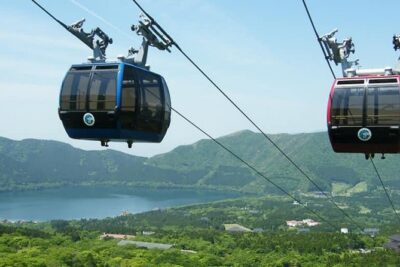
Hakone 8 hour Private Tour with Government-Licensed Guide
Read our review →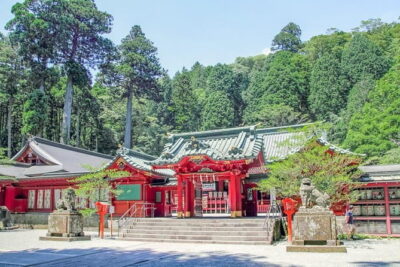
Private Tour – Hakone Day Trip! A Tour to Explore All Must-Sees!
Read our review →

Private Hakone Half-day Car Tour with Hotel Pickup – Local Guide
Read our review →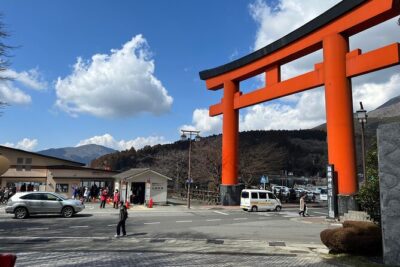
Hike Japan Heritage Hakone Hachiri with certified mountain guide
Read our review →
Traverse Outer Rim of Hakone Caldera and Enjoy Onsen Hiking Tour
Read our review →
Odawara: Odawara Castle Tenshukaku Entrance Ticket
Read our review →Browse the lists this tour appears in