
Reviewed · MT FUJI AREA TOURS
Tokyo: Mount Fuji 5th Station & Onsen Day Trip
Fuji day trips are popular for a reason. This one keeps it no-hike while stacking iconic sights, including a high-altitude photo stop and an open-air onsen with mountain views. You get the classic Mt. Fuji “up close” feel without needing to earn it on foot.
I especially like the mix of scenery types, from the alpine air at 2,300 meters to the calmer streets of Oshino Hakkai. The onsen time at Konohananoyu is another win, because you get a proper reset after time on the road. If your guide is Anna, Lin Tian Anna, her pacing and on-the-ground tips can make the whole day feel smooth and well explained.
The main drawback to plan around is crowding and guide consistency. Buses can feel tight, and some days you may get less narration than you expected, so show up on time and be proactive about where you want photos and breaks.
Key things you should care about
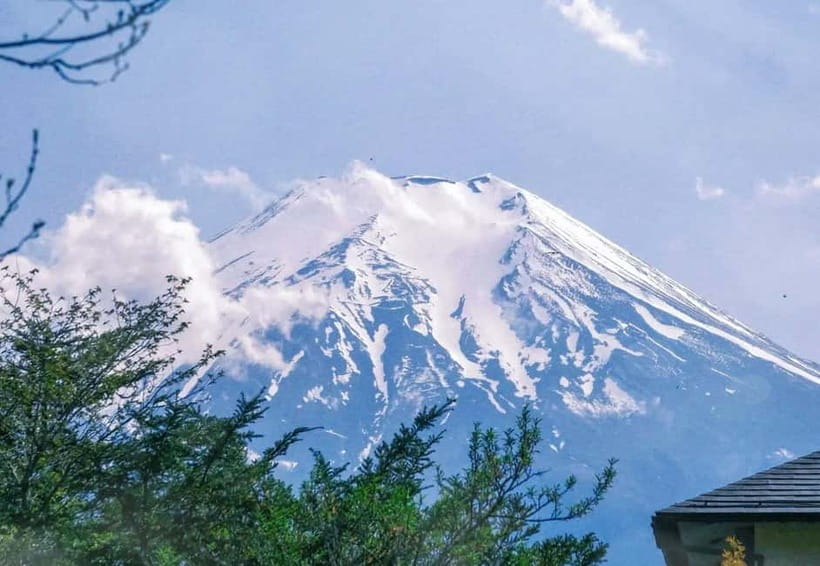
- No-hike access to Mt. Fuji 5th Station, via a scenic bus ride from Tokyo
- Oshino Hakkai’s eight ponds, a real-world look at Fuji snowmelt water
- Konohananoyu Onsen with open-air baths, timed as a focused 2-hour break
- Fuji-season swap: 5th Station is May 10 to Nov 30, otherwise you visit Shintaku-yama Asama Park
- Weekends and holidays can change the plan, with onsen availability limited and Gotemba outlets as an option
- Tattoo rules are strict: cover tattoos or you may be refused entry
Why Mt. Fuji 5th Station feels different from everything else
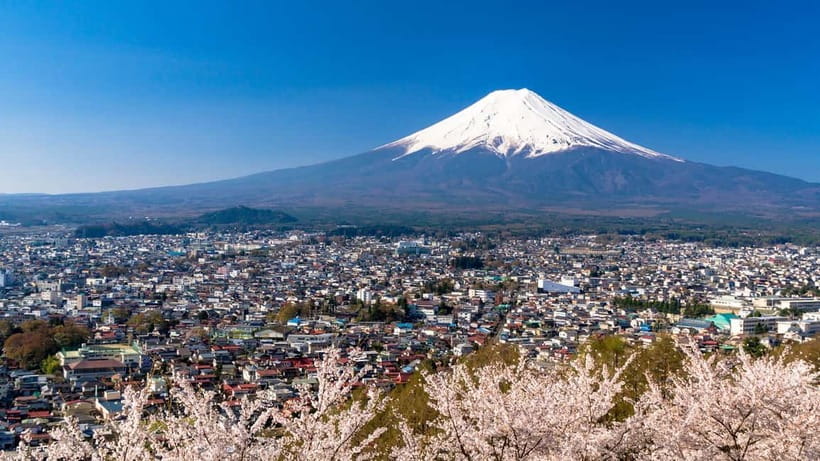
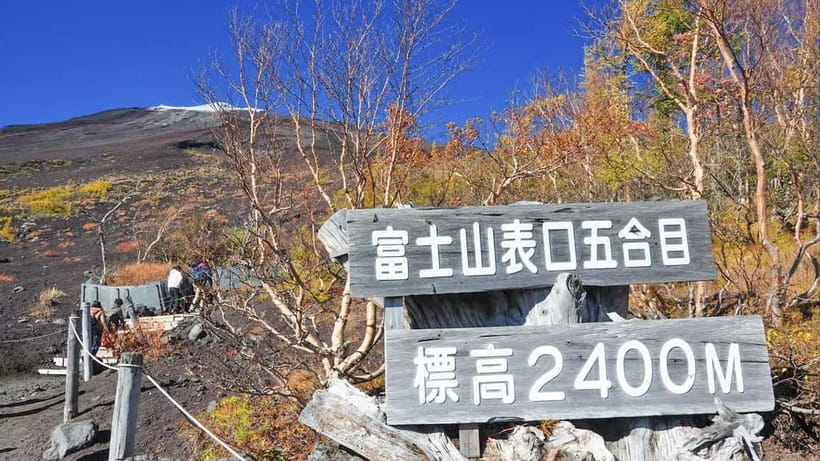
The Mt. Fuji 5th Station portion is the whole point of this day trip. Instead of trying to cram a multi-hour hike into one day, you ride up to a high viewpoint, take photos, and soak in that unforgettable scale. You still get the feeling of being near the mountain, just with a far easier effort level.
What makes it work for most people is the timing. You can enjoy that 2,300-meter altitude moment early enough to take good photos before the day gets chaotic. Then you move from “big mountain” mode to “quiet village and hot bath” mode without needing to switch travel gears too often.
One more thing I like: you get shopping time at the 5th Station for souvenirs made from volcanic stone. That’s a practical add-on, because it turns a photo stop into a real stop where you might actually buy something you’ll use later, like a small charm or local craft.
More Mt Fuji tours from Tokyo:
- Tokyo: Mt. Fuji 5th Station & Hakone Cruise 1-Day Bus Tour
★ 4.2 · 2,381 reviews - Mt Fuji Area Private Guided Tours in English-Nature up close, quiet, personal
★ 5.0 · 288 reviews - Explore Mt. Fuji Ice Cave in Aokigahara Forest
★ 5.0 · 243 reviews
The Tokyo to Fuji ride: what you should expect and how to use it
You’ll meet your group in Tokyo at one of two starting points, either SMBC Bank Shinjuku Nishiguchi or Tokyo Station Marunouchi North Exit. From there, you take a bus to Mt. Fuji’s 5th Station, with panoramic views along the way. If you like watching the scenery change, this is one of the more enjoyable parts of the day, not just “getting there.”
The altitude matters. At about 2,300 meters, it can feel colder than you expect from Tokyo, especially with winter wind. Bring a light jacket, and keep water handy so you do not feel rushed or sluggish at the photo stops.
Also pay attention to group rhythm. The stop includes a guided tour element plus free time for photos and sightseeing, so it helps if you decide in advance what you want most: close-up Fuji photos, souvenirs, or just time to breathe and look.
Mt. Fuji 5th Station: photos, souvenirs, and the postcard effect
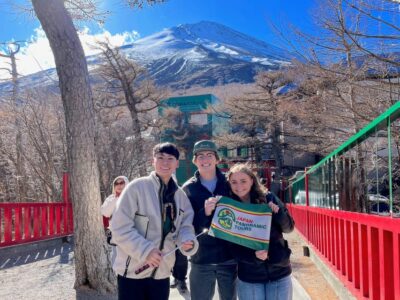
At the 5th Station, you’ll get a break time that includes photo opportunities and a guided walk through the viewpoint area. This is where that postcard look happens, the one people chase because it feels so direct and close. You do not need hiking gear, you do not need special fitness training, and you still get that “I am really here” feeling.
Souvenir shopping is part of the station experience. The volcanic stone items are unique enough that you can find something you would not get back in Tokyo, and you can do it without losing the whole visit. If you care about photos, consider shopping during the free time so you do not miss the best light.
Important timing detail: Mount Fuji’s 5th Station opening runs from May 10 to Nov 30. If your travel dates fall outside that period, you will not go to the 5th Station. Instead, your plan shifts to Shintaku-yama Asama Park, a landmark viewpoint associated with iconic Fuji views and traditional Japanese-style architecture.
Oshino Hakkai ponds: where Fuji snowmelt becomes real water
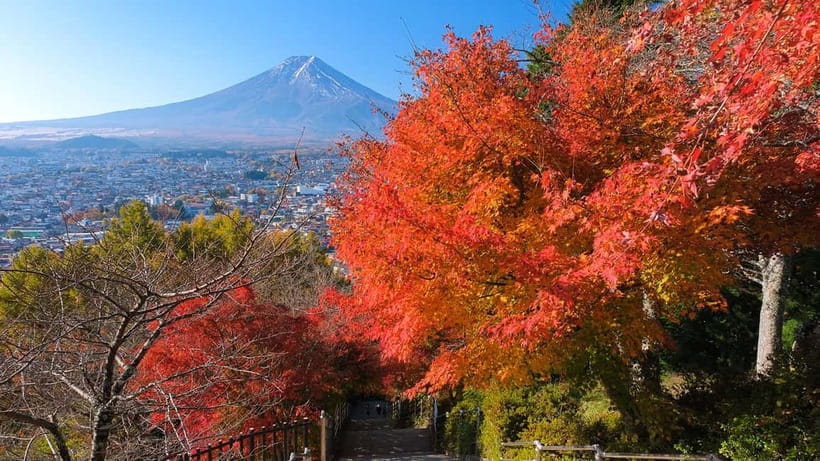
After the mountain viewpoint, you head to Oshino Hakkai, a traditional village known for its eight ponds. This stop feels calmer, and that contrast is the point. You go from dramatic altitude views into a walkable set of streets where you can slow down, look at clear water, and actually connect the Fuji story to something physical.
The ponds are fed by Mt. Fuji snowmelt, so the place has a natural logic to it. Even if you are not a water nerd, the visual clarity makes it easy to appreciate why this area became famous. You’ll get time for photos, strolling through the traditional areas, and a chance to shop and try local snacks.
Food wise, you might run into mochi made using Fuji spring water. Even when you do not want a full meal, this is a nice “small taste” moment. If you like street snacks, this is often the easiest place on the day to try something without committing to a sit-down lunch.
A practical note: the stop includes lunch time and street food opportunities, plus shopping and free time. That means you can tailor the visit to your style, quick and photo-focused or slower and snack-focused. If you tend to get decision fatigue, just decide early whether you want the ponds first or food first, then follow that plan.
More onsen experiences near Mt Fuji Area:
- From Osaka: Himeji Castle, Arima Onsen & Mt. Rokko Day Tour
★ 4.6 · 339 reviews - Osaka: Nara and Uji Day Trip with Deer Park and Hot Spring
★ 4.4 · 302 reviews - From Tokyo: Private Tour to Fuji/Hakone – Onsen, Art, Nature
★ 5.0 · 116 reviews - Mt. Fuji, Hakone Private Tour from Tokyo – Onsen, Arts and Nature
★ 5.0 · 79 reviews
Konohananoyu Onsen: etiquette, tattoo rules, and how to make the most of it
Konohananoyu is the main relaxation payoff, with up to 2 hours to soak in open-air baths and enjoy views of Mt. Fuji. The big advantage here is the atmosphere. After a day of cold air at altitude and walking around villages, hot water feels like a reset button.
Onsen etiquette is not optional here. Japanese onsens require nude bathing, and the tour notes are clear that tattoos must be covered or you may be refused entry. If you are visiting with tattoos, have a cover solution ready rather than hoping for a workaround on site.
The time format also matters. You are not expected to “pop in” for five minutes. With a longer onsen slot, you can actually settle in, cool down slowly, and enjoy the view when you are warmed up.
One detail that can make or break this part: having clear guidance on how to manage the onsen routine. Some experiences can feel smoother if your guide explains the flow, but if not, go in with confidence. Watch what others do, follow signs carefully, and keep your belongings organized so you are not doing frantic packing while you are supposed to be relaxing.
Gotemba Premium Outlets vs onsen time: how date types can change the day
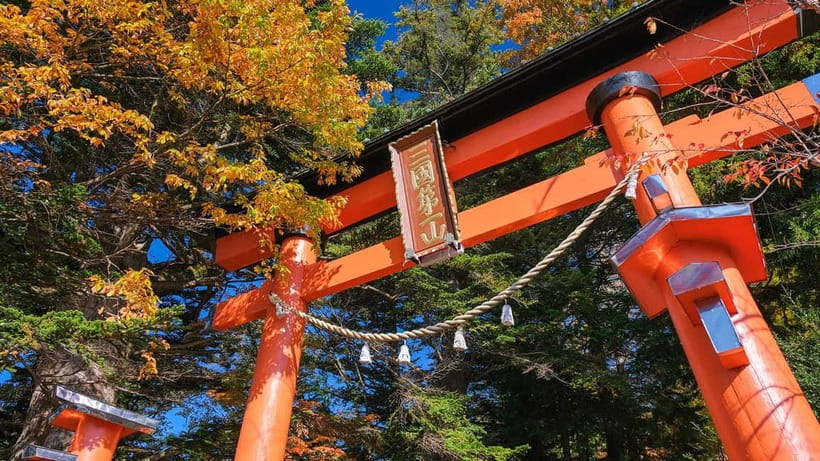
Your day can shift depending on the day of week. The notes say that from Monday to Friday, you can choose between a visit to Gotemba Premium Outlets or a hot spring experience. On weekends and Japanese national holidays, hot spring arrangements are not available and the plan can lean more toward shopping and nearby options.
This matters if you booked specifically for the onsen. Check your exact date and confirm what your departure will include. If your priority is open-air bathing with Fuji in view, choose dates that keep that option available.
Gotemba also has its own appeal, especially for practical shopping. The idea is that if onsen time is replaced, you still get a “big useful stop” rather than just extra transit. So even if you end up in outlets mode, at least it is a well-known area where you can grab what you need and unwind without feeling like you got shorted on the day.
Price and value: what $50 covers, and what you should budget
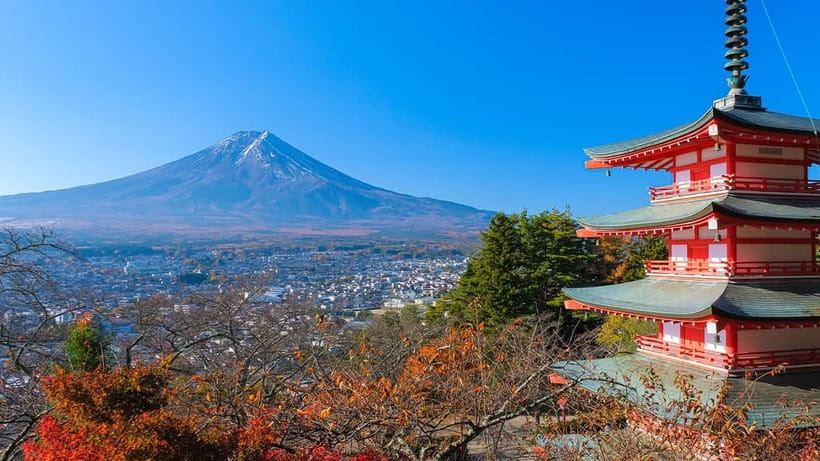
At about $50 per person for a one-day itinerary, the value mostly comes from two things: transportation and guide support. You get round-trip transfers from your chosen Tokyo meeting point, plus a professional tour guide. That saves you from the planning headache of sorting out Fuji access and coordinating multiple sights on your own.
What is not included is also important for budgeting. Meals are not included, and the onsen fee is not included. That means your true day cost depends on how you choose to eat and how you handle onsen entry charges.
If you are aiming for the best value, you should treat the included parts as the backbone of the day. The bus ride gets you up to 5th Station, Oshino Hakkai gives you a meaningful cultural and natural stop, and the onsen, when included, gives you that relief after lots of sightseeing. Spend your extra money on the parts that fit your style, not out of stress.
Also consider crowd value. On busy weekends and holidays, waiting can increase at hot springs and traffic can stretch the schedule. That does not mean the day is bad, it means your expectations should be realistic and your plan should include patience.
Guide quality and bus comfort: what to do if narration is not perfect
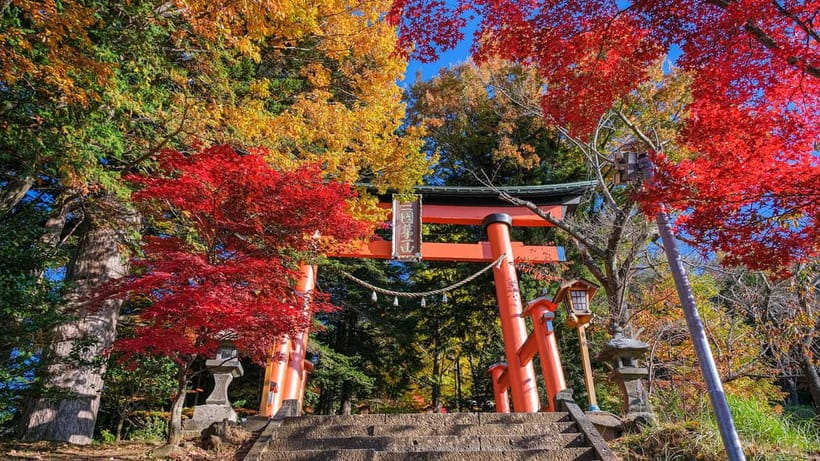
The day depends heavily on the guide, at least for your comfort and timing. Some experiences highlight excellent guide support from names like Lin Tian Anna, with clear explanations and helpful tips for maximizing each stop. When that happens, you feel looked after, and you know where to stand, what to buy, and how to manage time.
But you should also consider that not every day runs the same way. There are cases where the guide role felt light, or where description at stops was not as clear as you hoped. There are also notes about tight buses and crowding, especially when traffic is heavy.
So I recommend a simple strategy. Arrive early to the meeting point so you do not create problems for the group. At each stop, take 30 seconds to locate the meeting time and the re-board spot right after you arrive, then you can explore without anxiety.
For the onsen in particular, do not assume everyone will explain the routine in detail. If you have never done a Japanese onsen before, use the signs and watch others to get your bearings fast, then focus on the water, not the logistics.
When to go: Fuji season, weather, and crowd control
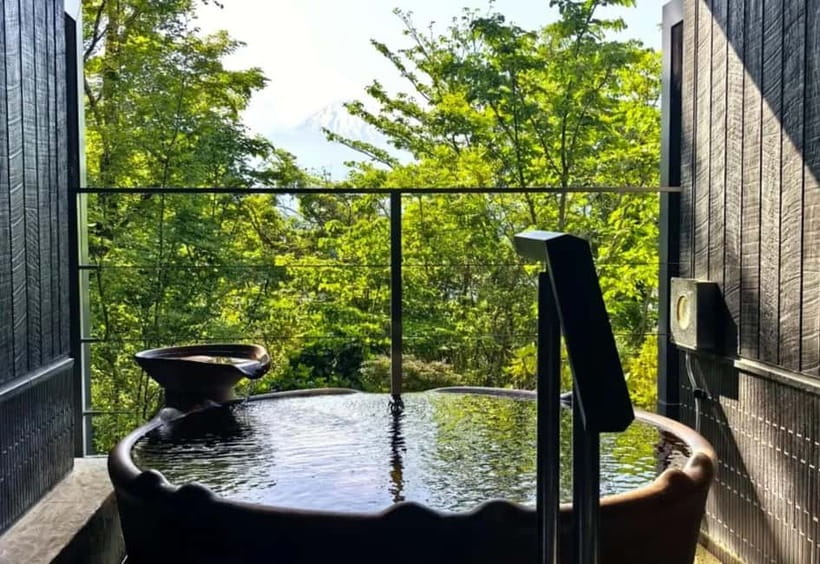
Weather is a big deal around Fuji’s high viewpoints. Bring layers because 2,300 meters can feel chilly even when Tokyo is mild. A light jacket is specifically recommended, and I agree, because it gives you enough flexibility to handle wind and temperature swings.
Season also changes the exact plan. The 5th Station is only open from May 10 to Nov 30. Outside that window, the tour shifts to Shintaku-yama Asama Park, so you still get that postcard-style framing of Fuji, just not from the same altitude station.
If you are sensitive to crowds, pick your dates carefully. Weekends and Japanese national holidays can mean more traffic and more time in lines, especially around hot springs. If you can travel on weekdays, you usually trade crowd pressure for smoother pacing, which makes the day feel more enjoyable.
Who should book this day trip, and who should skip it
This trip fits people who want Mt. Fuji without hiking. It is also good if you like variety in one day: mountain viewpoint, traditional water village, then a hot soak. You do not need to be athletic, but you do need comfortable shoes because you will walk at the village and station areas.
The tour is not suitable for everyone. It is not recommended for pregnant women, people with mobility impairments, wheelchair users, or people over 70. If any of those apply to you, you should choose a different format that offers more flexibility and fewer physical constraints.
Kids are possible with guidance from the operator. Children aged 0 to 3 may join, but you need to consult customer service in advance for safety reasons.
Should you book it? My practical call
Book this tour if you want the classic Fuji highlights packed into one day, with low physical effort and a clear sequence of stops. The best part is the combination: 5th Station photo time, Oshino Hakkai’s eight ponds, and a reset at Konohananoyu onsen when it is available. If you get a strong guide, especially one like Lin Tian Anna, the day can feel well run and genuinely satisfying.
Hold off or plan carefully if onsen time is your absolute priority and you are traveling on a weekend or national holiday, because onsen arrangements are not available then. Also, if you are extremely sensitive to narration quality, decide on the “must do” photo and pacing moves yourself, then let the guide help rather than relying on them to define everything.
If you want a smooth Fuji day without the stress of bus transfers and stop-by-stop planning, this is a solid option, and the value is reasonable for what you get, especially given the included round-trip transfers.
FAQ
What are the main stops on this day trip?
You’ll visit Mt. Fuji’s 5th Station (or Shintaku-yama Asama Park outside the station opening period), Oshino Hakkai, and Konohananoyu Onsen. On some dates, hot spring arrangements can be replaced with a visit to Gotemba Premium Outlets.
When is Mt. Fuji 5th Station open on this tour?
Mount Fuji 5th Station is open from May 10 to November 30. During other periods, the tour visits Shintaku-yama Asama Park instead.
How long do you spend at Konohananoyu Onsen?
The onsen stop includes 2 hours of free time for relaxing in the open-air baths.
Are tattoos allowed in the onsen?
Tattoos must be covered. If they are not covered, entry to the onsen will be refused.
What should I bring for the tour?
Bring comfortable shoes, sunglasses, a camera, water, cash, and comfortable clothes. A light jacket is recommended because it can feel cooler at around 2,300 meters.
What is included in the $50 price, and what costs extra?
Included are a professional tour guide and round-trip transfers from the meeting point. Meals are not included, and the onsen fee and other personal expenses are not included.
Fresh options around Mt Fuji Area
- Private Fuji Full-day Car Tour with Hotel Pickup -Local Guide★ 5.0 · 12 reviews
- Mount fuji and Hakone full day private tour with English gui★ 4.9 · 12 reviews
- Halfway Up Mt,Fuji, Oshino Hakkai, Kawaguchiko from Tokyo★ 3.6 · 13 reviews
- Tokyo To Mount FUJI Day Trip With English guide★ 4.7 · 14 reviews
- Lake Kawaguchi Explorer: E-Bike Guided Tour★ 5.0 · 15 reviews
- Mt. Fuji Guided Scenic Trike Adventure from Lake Kawaguchi★ 5.0 · 15 reviews
- Fujisan Sushi Making Lesson★ 5.0 · 16 reviews
- Shizuoka: Advanced Canyoning Activity near Mt. Fuji★ 5.0 · 17 reviews
Mt Fuji Area Tours, compared.
Mt. Fuji 5th Station & Hakone Cruise 1-Day Bus Tour
Read our review →
Mt Fuji Area Private Guided Tours in English-Nature up close, quiet, personal
Read our review →
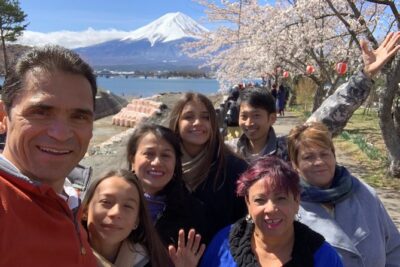
Private guided hidden gems tour by local English speaking driver
Read our review →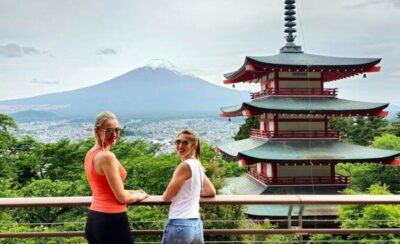
Mount Fuji Full Customized Tour English Guide
Read our review →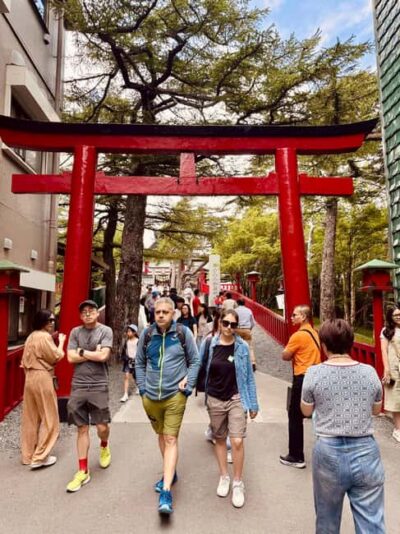
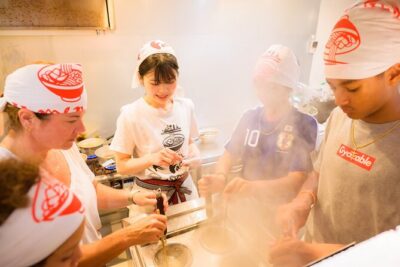
Ramen Cooking Class at Ramen Factory in Mt.Fuji
Read our review →
Fuji-Q Highland: Afternoon Pass (Non-Japanese Citizens)
Read our review →Browse the lists this tour appears in