
Reviewed · FOOD & DRINK
Tokyo: West-Side Cycling and Food Tour with Guide
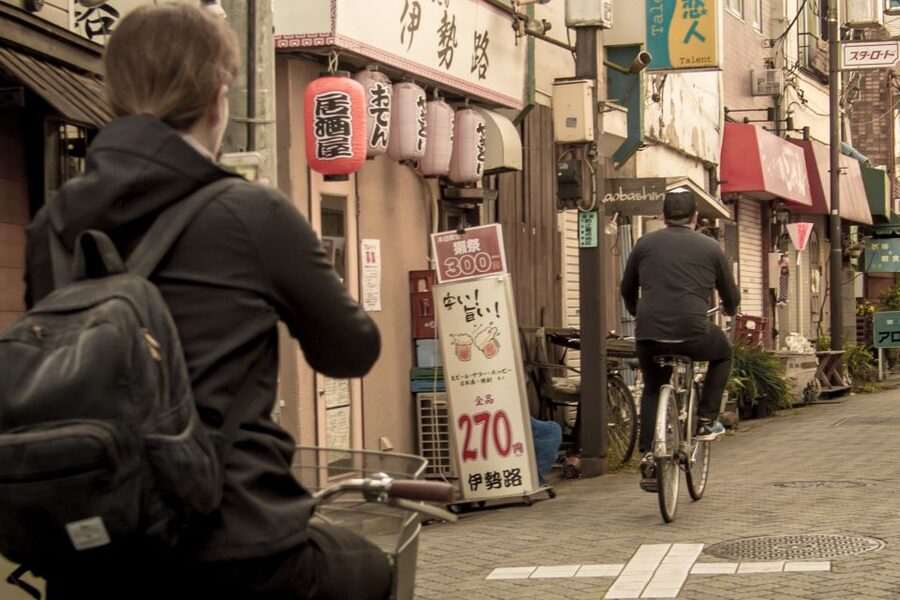
Tokyo feels huge, until you ride it. This 3.5-hour West Tokyo cycling and food tour takes you through local neighborhoods like Nakano, Koenji, and Asagaya, with routes that steer away from the most touristic lanes. I like the hands-on way you learn Tokyo’s bike culture on a real mamachari style bicycle, plus the chance to eat everyday street food and a simple lunch along the way.
My other favorite part is the guide, often Andy, and the way he connects what you see to how people live, eat, and move through the city. The one consideration: this is not a sit-and-watch walking tour, you need to be comfortable riding a bike on narrow, sometimes crowded streets and uneven ground for about 12 to 15 km, and rain can mean you get wet.
Key points before you go
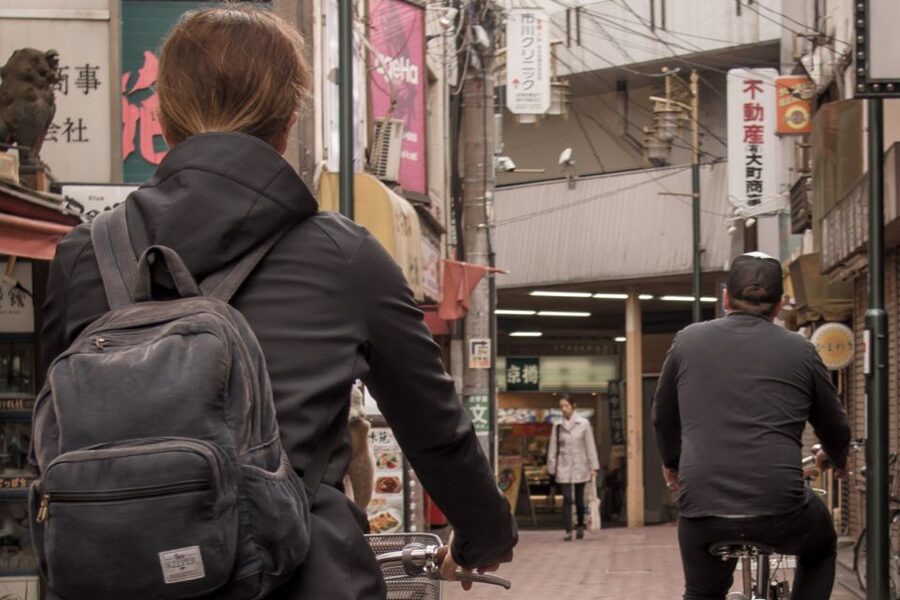
- Mamachari bicycles with baskets: salvaged commuter bikes that are fun, practical, and built for street-level Tokyo.
- West-side neighborhoods, not postcard streets: Nakano, Koenji, and Asagaya for a more lived-in feel.
- Local food built into the ride: lunch plus two street food bites and a bottled drink.
- Tokyo bike-parking culture: you learn how bikes are handled and managed day to day.
- Andy’s local context: he answers questions and shares how habits and customs work in real life.
West Tokyo on mamachari bikes, where the city slows down
The best part of cycling in Tokyo is how quickly it puts you in the flow of daily life. Instead of hopping between landmark stops, you move through neighborhoods where people are going to work, grabbing a snack, and locking up bikes in the way Tokyo expects you to. That alone makes this tour feel like a shortcut to understanding a side of the city most first-time visitors miss.
I really like the fact that the bikes are mamachari style, the everyday commuter kind. You are not trying to master some fragile rental contraption. It’s more like joining the local rhythm, with a front basket that makes carrying your things feel normal rather than fussy. You will likely hear a bike or two that sounds a bit like it’s been through everything, but the whole point is that it’s kept in good working order.
Another plus is how this tour mixes cycling and short walks. When the route tightens up, the walking segments help you keep your balance and focus. That hybrid pace makes the experience feel flexible, like your guide is choosing the easiest way through real streets instead of forcing a single perfect route on everyone.
More Bike Tours in Tokyo
- Tokyo Guided Small-Group Biking Tour
★ 5.0 · 1,250 reviews - Tokyo Great Cycling Tour
★ 5.0 · 811 reviews - Tokyo Top Highlights 3h Guided E-bike Tour
★ 5.0 · 714 reviews
Koenji Station, your starting point on the JR network
The tour begins at Koenji Station on the JR Train Network. It’s a quieter suburban-feeling hub compared to the big flashier stations, and the route into it is easy to plan, about 6 minutes from Shinjuku or around 18 minutes from Shibuya by train. That matters because you can show up without stress and still feel like you are starting in the right mood.
You’ll find the guide directly outside the ticket gates about 5 minutes before the start. The guide will be wearing a baseball cap, so it’s usually straightforward to spot. And yes, the tour departs on time, so build in a buffer, not a sprint.
Small but useful detail: the meeting point location is stable and simple. You are not meeting in a maze of side streets where everyone plays phone tag. That reduces the chance you end up stressed right before you ride.
The ride through Nakano, Koenji, and Asagaya back streets
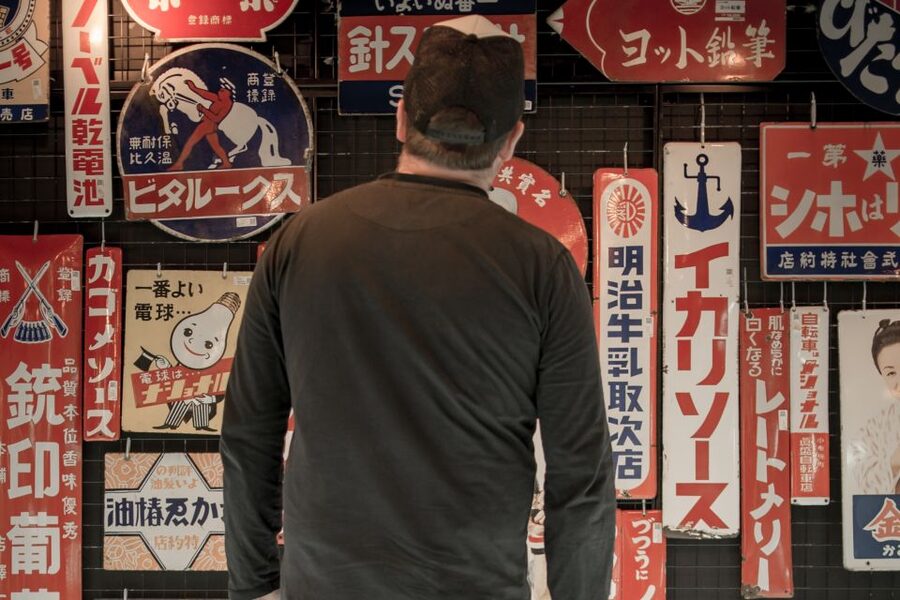
Once you’re mounted, the tour does what good neighborhood tours should do, it keeps you moving through places you would probably not choose on your own. Nakano, Koenji, and Asagaya each have their own personality, and the cycling route is designed to show you the day-to-day texture instead of just sweeping views from one main road.
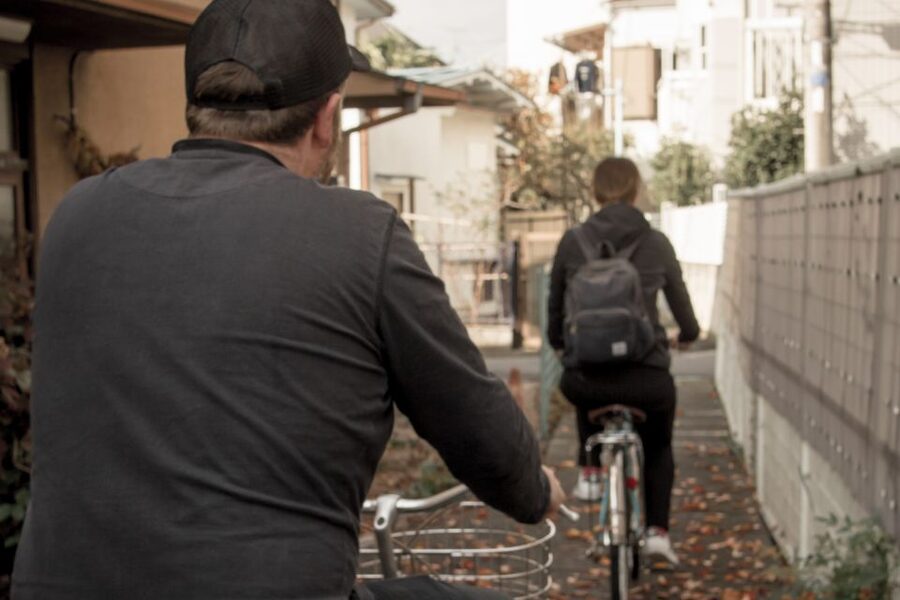
You’ll spend a good chunk of time riding twisting side streets and riverside bike paths. This is where the “local” part really clicks. You are not constantly stopping for photos. Instead you feel how Tokyo changes block to block, with smaller storefronts, tight lanes, and the kind of street activity you only notice when you’re actually traveling at bike speed.
There are also occasional tighter stretches where you’ll need to be alert. The tour expects you to be comfortable cycling on narrow, crowded streets and uneven surfaces. In practice, that means you should ride with a relaxed confidence and be ready for short, sharp adjustments as the group threads through real streets.
If you’re worried about whether you can handle it, the good news is that people have described the bikes as easy to ride even in small alleys. You still need competence, but you’re not on a stunt-course setup.
How Tokyo bike culture shows up in real life
One of the most eye-opening parts is how Tokyo treats bicycles like a normal part of transportation, not a novelty. You’ll see bicycle parking systems up close and learn why the city expects bikes to be managed cleanly. It sounds small, but it changes how you understand the whole urban design.
For you as a visitor, this matters because you’ll notice bike racks, parking areas, and how riders lock up their bikes. Instead of watching it like a mystery, you start to see the logic. You also learn what kind of behavior the city supports, the quiet efficiency and the respect for space that makes bike riding possible even in dense areas.
The tour also leans into Tokyo’s habits in other ways. For example, you’ll learn about everyday culture, like how people handle quick purchases and drinks. One review mentioned help with understanding vending machine drinks, which is exactly the kind of small, practical knowledge that makes Tokyo feel less foreign after a few minutes.
And then there’s the human side. You may get moments where the route gets crowded and you end up sharing space at a stop. That’s part of the experience. It shows how Tokyo functions when people are simply doing normal errands, not when everything is optimized for tourists.
More Food Tours in Tokyo
- Tokyo: Shinjuku Food Tour (13 Dishes at 4 Local Eateries)
★ 5.0 · 6,603 reviews - Tokyo Tsukiji Fish Market Food and Culture Walking Tour
★ 5.0 · 3,184 reviews - Tokyo: Shinjuku Food Tour (15 Dishes and 4 Eateries)
★ 4.9 · 2,033 reviews - Best of Shinjuku: Izakaya Food Tour (4 Stops, 14+ Tastings)
★ 5.0 · 1,863 reviews
Street food and a simple lunch you’ll remember
Food is not an afterthought here. The tour includes a simple Japanese lunch, plus two street food eats and one bottled drink. The structure is smart: you get snacks throughout the ride so you don’t crash energy-wise, and then lunch gives you a proper pause.
You can expect the group to work up appetite with cycling and walking, then refuel in a way that reflects real eating patterns. One of the descriptions points out how the group might share counter space with hungry salarymen at lunch. That’s not just atmosphere. It’s a practical lesson in how to exist in tight public spaces in Japan, where lines, counter seating, and efficient service are the norm.
One review called out a noodle bar lunch stop as a highlight. That fits the tour’s overall style, simple, comforting Japanese food, eaten in places you’d likely walk past if you didn’t have local guidance.
The street food eats are a mix of popular local snacks, chosen for being easy to share and eat on the move. You’re not building a complicated meal plan, you’re tasting common favorites as a window into daily life.
Food limits: what the tour includes and what it does not
Here’s the clear part. The tour does not cater to personal tastes, dietary requirements, or allergies. It is not suitable for vegans, and it’s not suitable for people with food allergies.
That doesn’t mean the food is bad. It means the food plan is fixed. You’ll be offered the included lunch and street food choices, and you should treat this as a chance to experience what the tour was designed around, not a flexible menu tour.
So if you have a dietary restriction, you’ll want to plan carefully. If you’re okay with Japanese food that fits the standard selection, this can be a very rewarding way to try local flavors without having to make every decision yourself.
The guide, Andy’s style, and what you actually learn
The guide is the real driver of this experience. The tour is run with an English-speaking local guide, and the most consistently named guide in the reviews is Andy. People praised him for being fun and engaging, with a lot of local knowledge about the area, food, and customs.
What stands out is how that knowledge shows up in conversation, not in lectures. Multiple reviews mention him answering lots of questions and being patient, which matters because Japan can be full of little rules and habits you don’t pick up from guidebooks. Andy also emailed recommendations after the tour in at least one review, which is useful. You leave with a few next-step ideas for what to do after the ride, not just memories of where you went.
There’s also a practical angle. People mention feeling confident navigating on bikes with him as captain. That is key for you because it turns a potentially intimidating transport style into a guided skill-building experience.
How hard is it, really: distance, surfaces, and weather
This is the section to read twice if you’re unsure about cycling. The tour expects you to be competent riding a bicycle in narrow and crowded streets and on uneven surfaces. The distance is roughly 7.5 to 9.5 miles (12 to 15 km) at a leisurely pace.
Leisurely pace doesn’t mean casual if the route is tight. It means the rhythm is manageable, but you still need to stay alert. If you are an occasional rider, you’ll want to feel comfortable turning, braking, and moving around slower traffic.
Height is also important. You should be over 4 feet 7 inches (140 cm) to ride the bikes comfortably. Children under 10 are not suitable.
Weather is the other factor. The tour is described as all-season and all-weather, and in rain the tour generally proceeds as planned, so plan on getting wet. That does not ruin the experience for many people, but it does affect comfort, so bring what you need to handle damp conditions.
The tour also asks you to bring a few items: hand sanitizer or tissues and a garbage bag, plus a passport or ID card. Those details tell you the experience is designed for real stops where you’ll want to manage small messes and stay comfortable.
Price and value: what $110 gets you in 210 minutes
At $110 per person for 3.5 hours, you’re paying for more than a walking tour. You get a guided ride, the bicycles, and the practical extras that add up in Tokyo.
Included items that boost value:
- a simple local lunch
- two street food eats and one bottled drink
- bicycle parking fees
- cycling liability insurance
- a local English-speaking guide
You also get the bike itself, which many independent travelers would have to rent. And you’re not just paying for movement, you’re paying for the context, the neighborhood route choices, and help navigating culture and bike logistics.
If you like the idea of trading a chunk of “maybe I’ll eat something” time for a structured sequence of snacks and meals, this format is strong. It’s also a good use of a morning or afternoon when you want active sightseeing without the stress of planning each stop.
In short: $110 makes sense when you treat it as a guided food and transport package, not just a tour name.
Who this tour fits best, and who should skip it
This tour is best for you if you:
- want a calmer, local side of Tokyo through Nakano, Koenji, and Asagaya
- like food you eat with locals, not just food you photograph
- are comfortable cycling and want Tokyo bike culture explained in real time
- enjoy conversation and cultural context as part of sightseeing
It may not be the right fit if you:
- need vegan food or have food allergies, because the tour does not accommodate dietary requirements
- are under 140 cm, or traveling with children under 10
- are worried about riding in narrow streets or dealing with uneven pavement
- strongly dislike getting wet in rain, since the tour generally continues if it rains
There’s also a mental fit. This is not about ticking off famous sights. It’s about understanding how neighborhoods work and how people move through them.
Should you book this West Tokyo cycling and food tour?
I think you should book it if you want Tokyo that feels lived-in, not just photographed. The combination of mamachari cycling, a guide like Andy who brings practical culture lessons, and included food makes it a solid value use of time.
Skip it if you are food-restriction dependent or if cycling on crowded streets makes you nervous. This isn’t a tour for people who want guaranteed wide, empty sidewalks and flexible menus.
If you match the basics, you’ll finish the tour with more than full stomach energy. You’ll understand how bikes fit into Tokyo’s daily rhythm, and you’ll have a better instinct for where to go next.
FAQ
How long is the Tokyo West-Side Cycling and Food Tour?
The tour lasts 210 minutes, which is about 3.5 hours.
Where do we meet for the tour?
Meet at Koenji Station on the JR Train Network, directly outside the ticket gates, about 5 minutes before the start time.
What’s included for food and drinks?
You get a simple local lunch, two popular street food eats, and one bottled drink.
Does the tour run in rain?
The tour is described as all-season and all-weather. In rain, it generally proceeds as planned, so you should anticipate getting wet.
Is the tour suitable for vegans or people with food allergies?
No. The experience is not suitable for vegans and it does not cater to allergies or dietary requirements.
What height and age are required to join?
Guests should be over 4 feet 7 inches (140 cm) to ride comfortably, and children under 10 years are not suitable.
More Cycling Tours in Tokyo
- 3h Tokyo E-Bike Tour: Hidden Gems, and Local Life with guide
★ 5.0 · 670 reviews - Tokyo: 3-Hour Bike or E-Bike City Highlights Tour
★ 4.8 · 435 reviews - Tokyo: 3-hour Guided E-Bike Tour of the City’s Hidden Gems
★ 4.8 · 251 reviews - Tokyo West-Side Cycling & Food Tour
★ 5.0 · 214 reviews
Fresh options around Tokyo
- Tokyo: Nikko Kegon Falls Lake Chuzenji Toshogu Temple & More★ 4.9 · 12 reviews
- Tokyo: Samurai History Walking Tour★ 5.0 · 12 reviews
- Harajuku: Kawaii Fashion and Pop-Culture Tour★ 4.7 · 12 reviews
- Tokyo: Mt. Fuji & Lake Kawaguchi Instagram Full Day Trip★ 4.1 · 12 reviews
- Shibuya Tokyo: Modern Kintsugi Workshop in Shibuya★ 5.0 · 12 reviews
- Tokyo: GTR Guided Daikoku Experience at Night★ 5.0 · 12 reviews
- Tokyo: Daikoku JDM Car Culture Tour★ 4.6 · 12 reviews
- Mt Fuji Private Day Trip from Tokyo with English speaking driver★ 5.0 · 13 reviews
Food & Drink, compared.
Shinjuku Food Tour (13 Dishes at 4 Local Eateries)
Read our review →
Tokyo Tsukiji Fish Market Food and Culture Walking Tour
Read our review →
Shinsekai Food Tour with 13-15 Dishes at 5 Eateries
Read our review →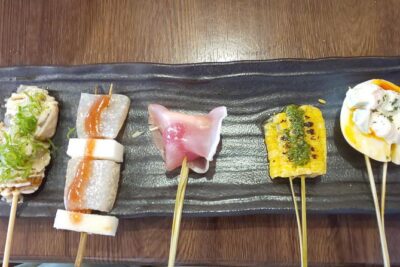
Osaka Food Tour: 13 Dishes at 5 Local Eateries
Read our review →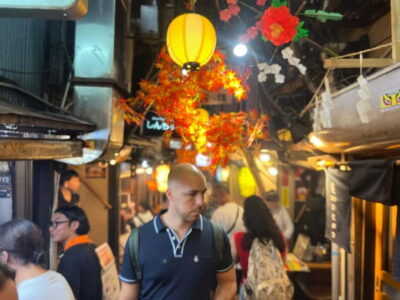
Shinjuku Food Tour (15 Dishes and 4 Eateries)
Read our review →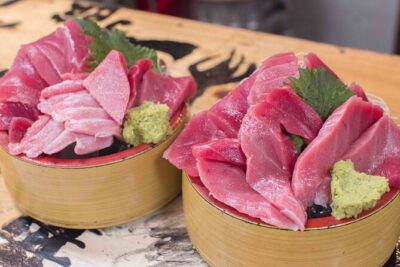
Best of Shinjuku: Izakaya Food Tour (4 Stops, 14+ Tastings)
Read our review →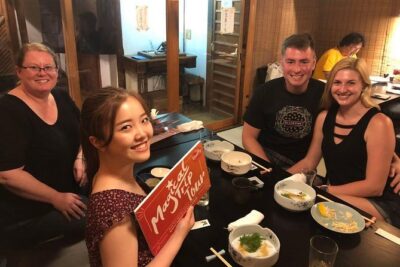
Kyoto Night Foodie Tour in Gion (9+ dishes + 6 Sake tastings)
Read our review →
Hungry Osaka Street Food Tour:15 Tastings & 3 Drinks with a Local
Read our review →Browse the lists this tour appears in