
Reviewed · CITY TOURS
Tokyo: Sumo Morning Practice Tour at Sumida City
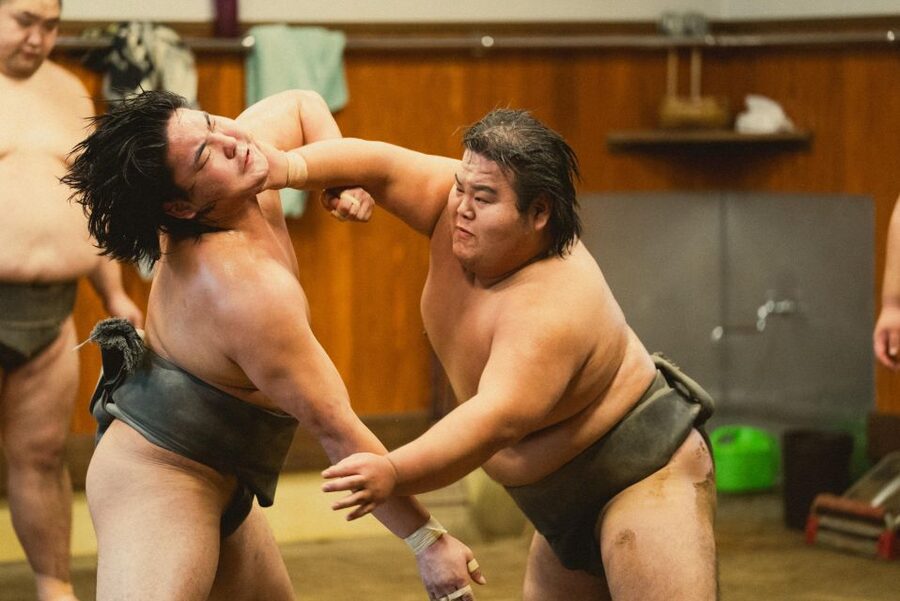
Sumo feels bigger when you’re that close. This 7:30AM Tokyo morning practice tour gives you a front-row look at rigorous training inside a sumo stable, with guided explanations of the rules and rituals, plus a chance for photos after practice. You’ll also learn how a stable runs day to day, not just what happens in a match.
I love two parts most: the English-speaking guide (I’ve seen top reviews for guides like Tadashi and Kiyomi) who helps you understand what you’re watching, and the Q&A with the stable master after training, where your questions get real, thoughtful answers. If you came to Tokyo for food and temples, this is a great culture swap, still fully Japan.
The main drawback to plan for is physical and timing-related. You’ll sit on the floor for about 1.5 hours with no chairs, there’s no toilet during practice, and you’ll spend extra minutes walking from the meeting point to the stable. If kneeling or sitting cross-legged for that long won’t work for you, this tour can feel like more effort than payoff.
Quick highlights before you go
- Hands-on sumo basics: rules, rituals, and what the training means beyond TV
- Close-up practice: feel the size and strength of the wrestlers at morning pace
- English guide support: explanations that help you watch with understanding
- Stable master Q&A: ask questions after the training ends
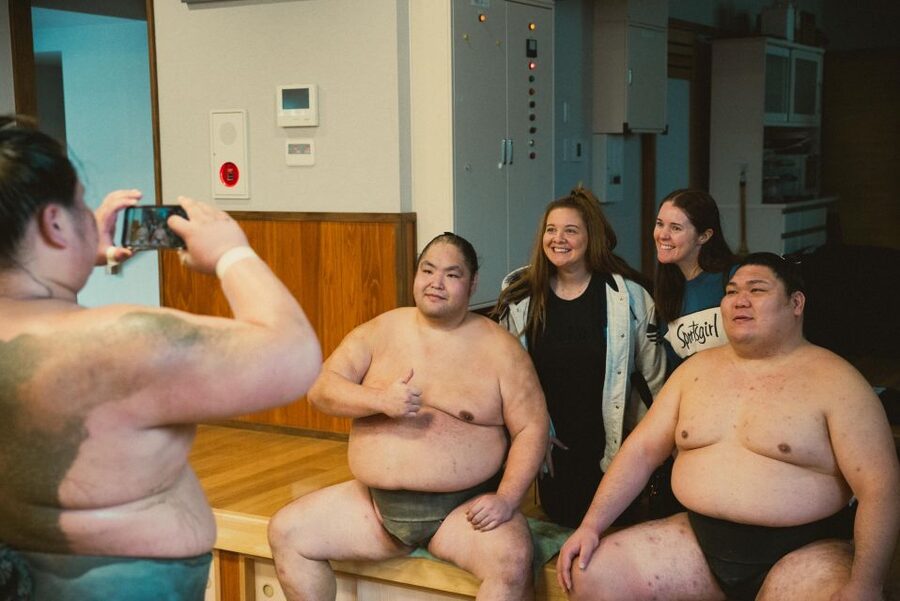
- Photo opportunity: there’s often a chance to take a picture with the wrestlers
- Strict etiquette: silent viewing, no flash, and you must wait outside for your guide
Your 7:15AM start at Oshiage, Skytree Mae (and why it matters)
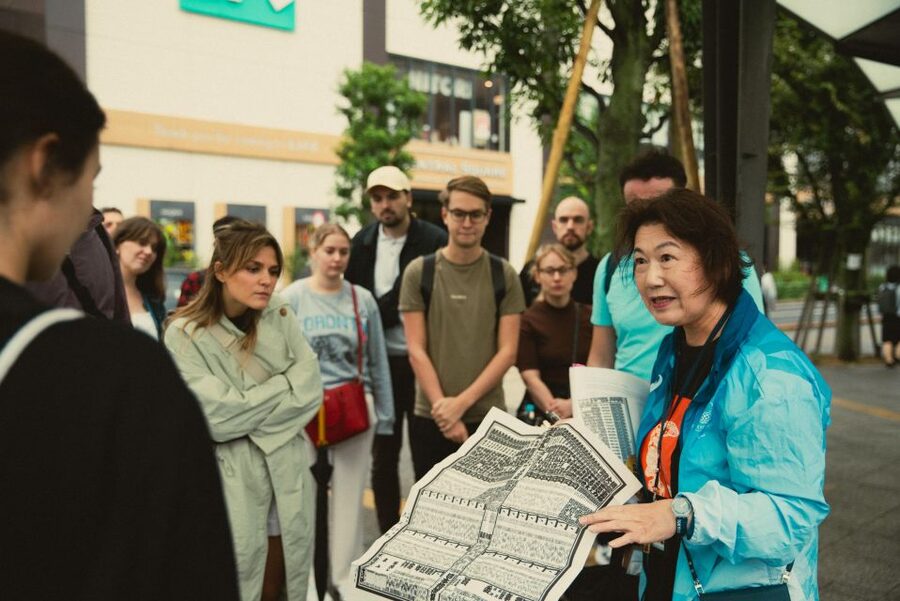
This tour starts early, because sumo training happens early. Plan to arrive at the meeting point, Tokyo Metro Oshiage (Skytree Mae) Station, Toei-Asakusa Line, at Exit A1 (ground floor). Set your alarm for 7:15AM so you’re there before the group moves out, since the tour officially starts at 7:30AM.
Why start so early? Because you’re going to a working stable, not a staged performance. When you show up on time, you get to follow the group smoothly, take your place properly, and listen to any pre-practice instructions. When you don’t, you risk missing the start, and the stable rules are firm.
One practical tip: use the restroom before you join. During the actual practice, you can’t go. That one rule changes how you plan your morning tea and water, so handle it upfront.
More sumo experiences in Tokyo:
- Tokyo: Sumo Show Experience with Chicken Hot Pot and a Photo
★ 4.8 · 6,678 reviews - Tokyo: Sumo Show and Dining Experience
★ 4.8 · 2,742 reviews - the SUMO show
★ 5.0 · 1,960 reviews
The short walk to the stable, plus shoe rules and weather prep
After meeting, you’ll walk about 15 to 20 minutes to the sumo stable. The information on the activity says to bring something for your feet if rain is in the forecast, like a towel to wipe them before entering.
Also, be ready for shoe etiquette. In multiple experiences from real participants, people mention taking shoes off when you arrive. That means you want footwear that is easy to remove and put back on quickly, without turning your morning into a shoelace puzzle.
There’s also a key stability rule: do not enter the stable by yourself. Wait outside until your guide meets you. Never ring the doorbell, because it can disturb wrestlers who are trying to focus. If you’re late and can’t make the meeting point on time, you’ll need to contact the provider so you can get the address and continue on your own, but you still won’t be allowed to enter without coordinating with the guide.
This is one of those tours where “walking etiquette” is part of the experience. It’s small, but it keeps the stable functioning the way it should.
Inside the stable: what you’ll actually see during morning training
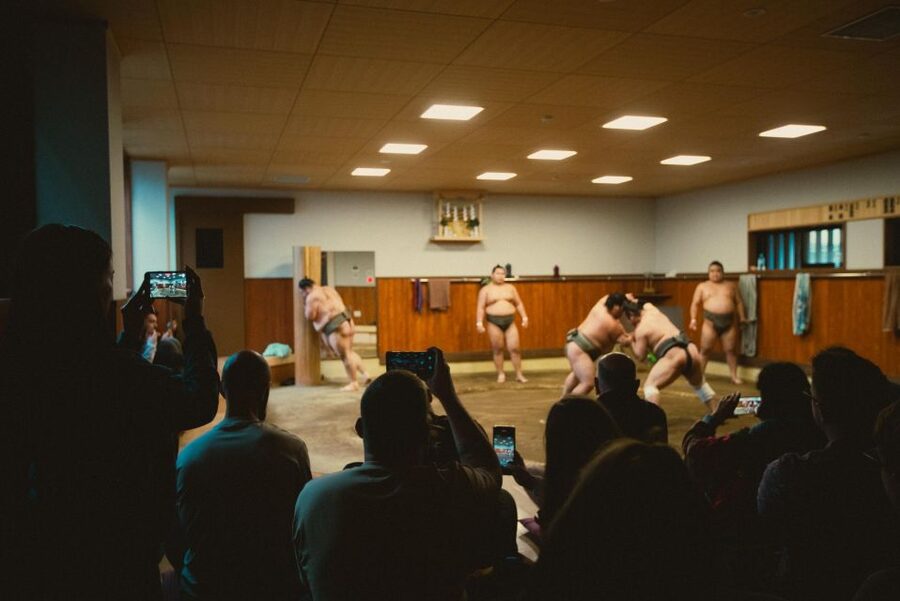
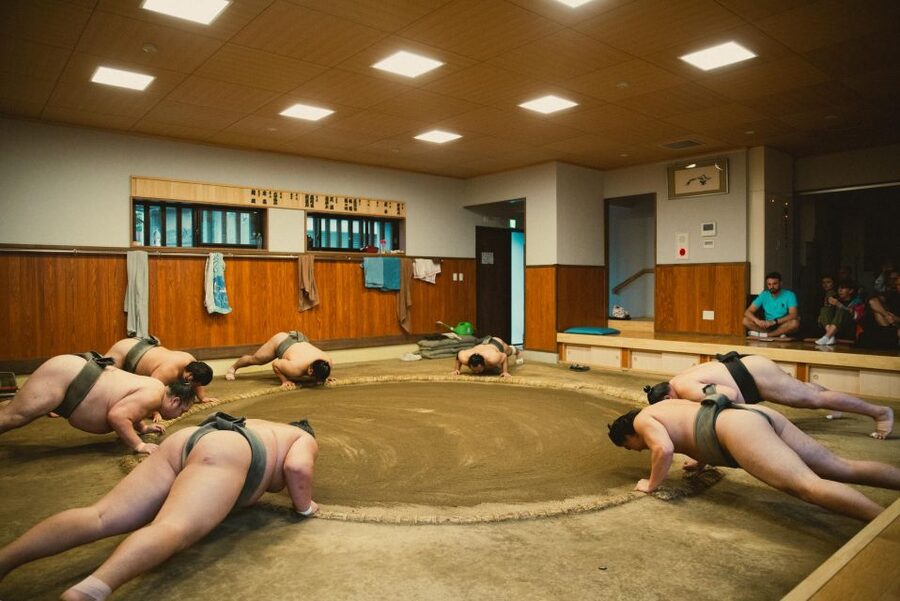
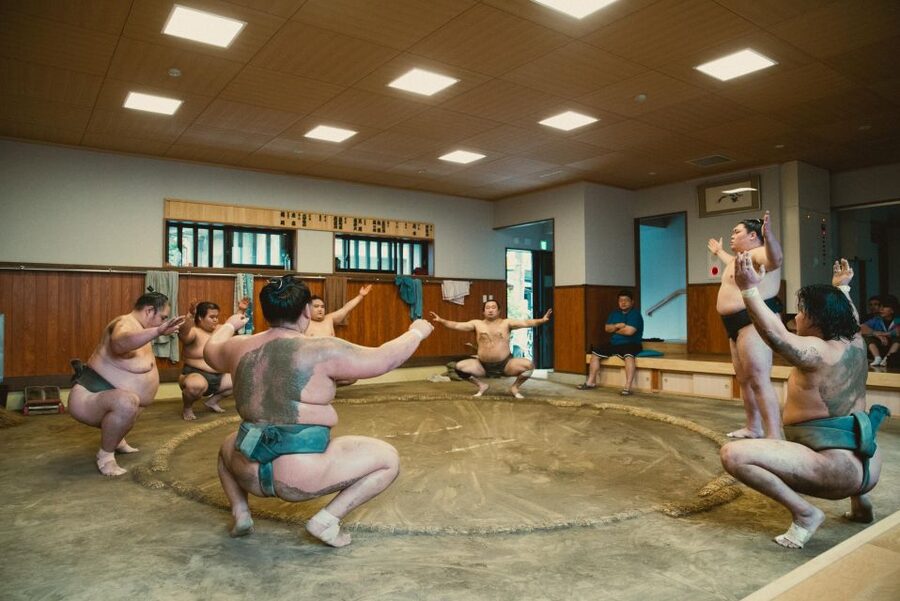
The core of the experience is watching morning training close up. You’ll be in a setting where the wrestlers are practicing technique, discipline, and timing as a group routine, not as entertainment. The intensity hits faster when you can see details like footwork and how they hold themselves during practice.
You’ll learn the history, rules, and rituals as you go. That matters because sumo can look like “big men wrestling” at first glance. With the right explanations, you start noticing the structure: what each phase is for, why certain routines matter, and how the rituals connect to tradition.
You also get to experience the physical reality of sumo. Even as trainees, they are strong and agile in ways that surprise people. In feedback, many guests highlight how close watching makes you appreciate size and strength, not just the spectacle.
A few restrictions to keep in mind while you’re there:
- No flash photography
- No flash and no shutter sounds for recording (the rules say photos and videos are allowed without flash or shutter sounds)
- No sunglasses, and no hats
- No food, and no large luggage or bags
- No baby strollers
- No chairs in the stable
And yes, silence is expected. You’ll be asked to watch respectfully, and the guide will set the tone. If your group is loud or disruptive, you may be asked to leave during the tour.
The sitting challenge: kneel, cross-legged, and hear the guide
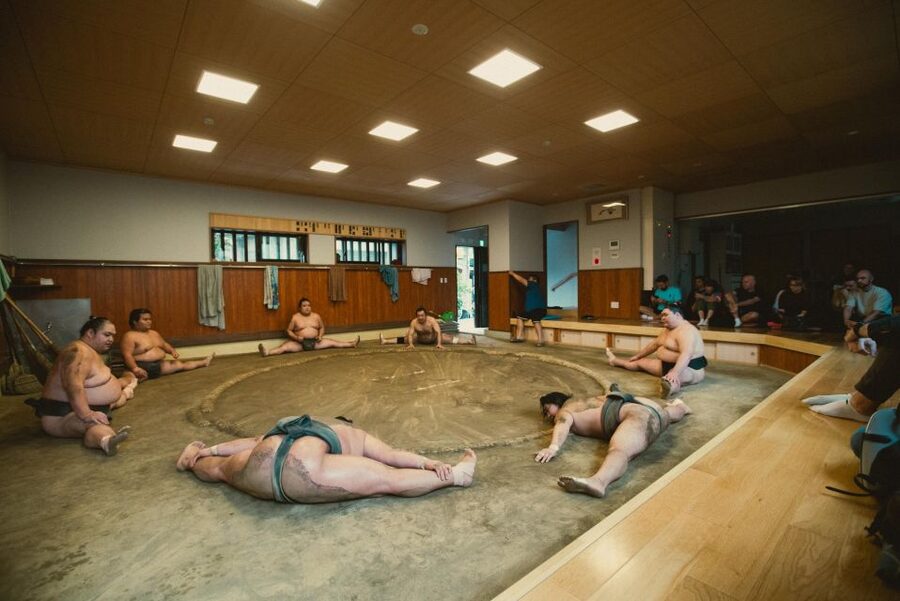
Here’s the part that catches people: you sit on the ground for about 1.5 hours. The activity provider explicitly notes that if cross-legged sitting on the floor for that long is not doable for you, you should consider skipping the tour.
Even if you can sit, think about comfort. You’re in a traditional space, there are no chairs, and your viewing angle depends on where you’re placed. Some guests mention that seeing can be tight at first, and that viewpoints can shift during the practice, sometimes with seats rotated.
Hearing can also be imperfect. One review describes guide audio being hard to hear at moments because of group size. It’s not a dealbreaker, but it’s another reason to keep your expectations realistic. You’re there to watch sumo, and the explanations come in alongside the action.
If you’re sensitive to cold floors or plan to wear layers, plan for it. Japan mornings can be cool, and you’re sitting for a long time. Bring something that helps your legs stay comfortable.
A few more Tokyo days worth comparing
- Mt Fuji and Hakone 1-Day Bus Tour Return by Bullet Train
★ 5.0 · 26,383 reviews - 1-Day Tokyo Bus Tour
★ 5.0 · 14,250 reviews - Tokyo: TOKYO SKYTREE® Admission ticket
★ 4.5 · 11,192 reviews - Tokyo: teamLab Planets TOKYO Digital Art Museum Entry Ticket
★ 4.6 · 9,779 reviews
Q&A with the stable master, plus photos after practice
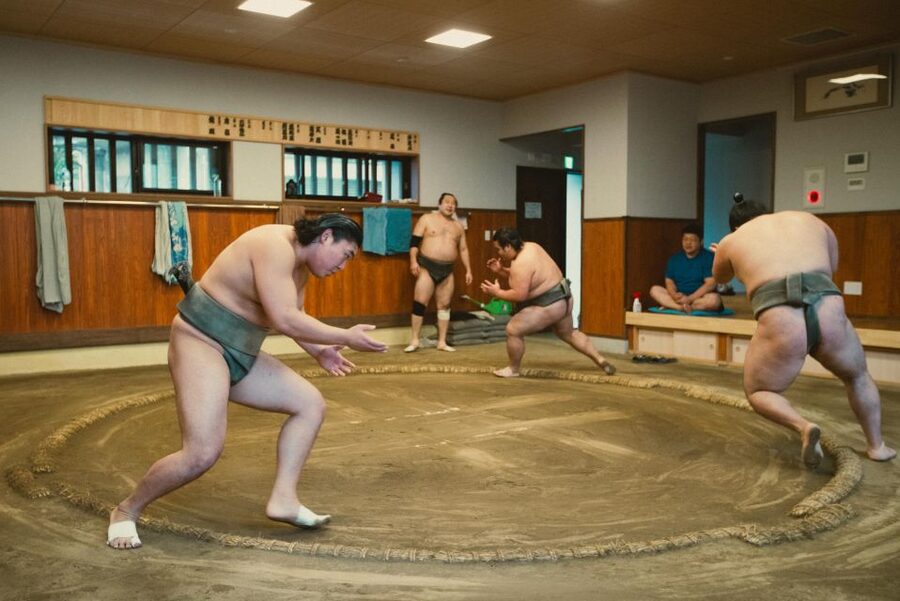
The training doesn’t end with the last exercise. After the practice concludes, you get a meaningful next step: a question-and-answer session with the stable master. This is one of the most praised parts of the tour, because it turns what you saw into something you can actually understand.
In reviews, people often emphasize that the stable master answers questions generously, and that it never feels rushed. That’s important. If you’re the kind of person who asks why something is done a certain way, this is your moment.
Common topics you might learn about include sumo’s connection to religion and the way rituals and daily routine connect to discipline. Even if your knowledge level is low, the guide helps you frame questions so you’re not just staring.
Then comes the photo moment. The tour description notes you may have a chance to take a picture with the wrestlers, and multiple reviews mention getting photos around this same wrap-up time. It’s usually tied to the respectful end of practice, so don’t treat it like a quick photo line. Follow the guide’s timing and instructions.
One rule to remember: even though photos and videos are allowed (without flash or shutter sounds), you cannot upload them to any social media platform. That surprises some people, so plan to save your best shots for offline memories.
Price and value for $116: what you’re paying for
At $116 per person for about 2 hours, the price is not low. So what are you really buying?
You’re paying for:
- an expert English-speaking guide
- entrance to the stable
- close access to morning practice
- structured context about rules and rituals
- time for Q&A with the stable master
- a potential photo opportunity
Where value can feel less perfect: a few reviews mention that you might not see the elite top-division wrestlers, since this is a training environment focused on practice. You’re still watching serious athletes train, but your expectation should be “sumo life and technique” rather than “top-ranked grand champion match.”
Also, food is not included. You’ll likely burn time getting there, then sit for a long stretch. If you need breakfast, plan to grab something before you leave or after you return. This tour is about the practice, not a meal.
And you’re on your own for the logistics of getting to the meeting point. There’s no hotel pickup or drop-off, so this is easiest for travelers staying near the Skytree/Oshiage area or those comfortable with early subway mornings.
The overall takeaway: I think $116 can feel very fair if you’re excited to understand sumo deeply and get the Q&A. If you only want spectacle, you might be better with a match ticket or a different museum-style option.
Best months to catch sumo morning practice in Tokyo
This tour has a seasonal rhythm. The information says morning practice and tours are not held in March, July, and November because of Grand Sumo tournaments outside Tokyo.
So if you’re traveling in one of those months, this specific morning-stable option won’t line up. For other months, the schedule is known about one to two months in advance, and reservations are accepted after that.
One more practical note: because the start is early and the stable environment is strict, you want to book with realistic expectations about timing. This is not a tour you can casually roll into late.
Who should book this sumo morning practice tour, and who should skip
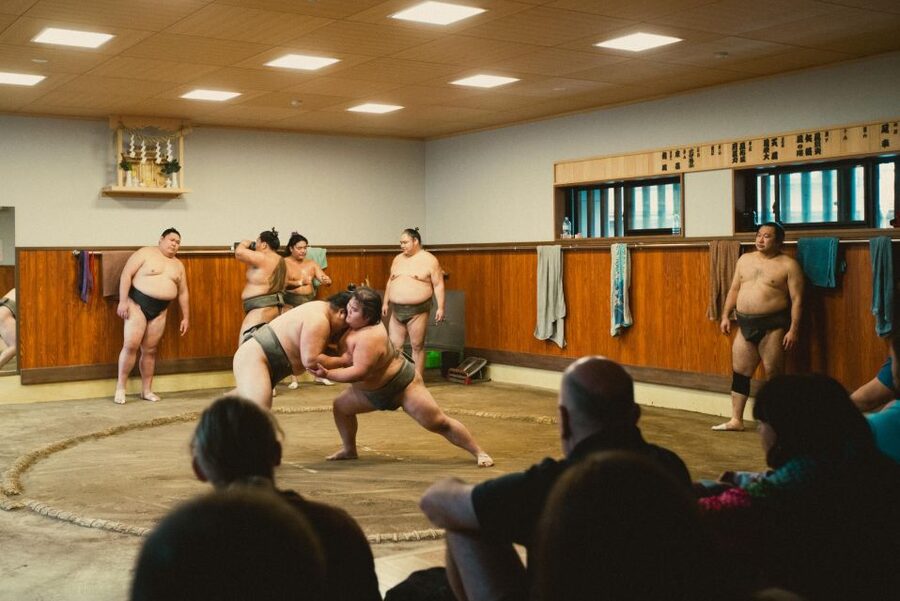
This is a strong fit if you:
- enjoy cultural experiences where rules matter and you want to learn the “why,” not just the “what”
- like hands-on, close access to sports you can’t watch like this anywhere else
- ask questions and want direct answers from people who run the stable
- can sit on the floor without chairs for about 1.5 hours
You should think twice if:
- you cannot comfortably sit cross-legged or on the ground for that long
- you have mobility limitations, since the tour is listed as not suitable for people with mobility impairments
- you’re bringing young kids, because the minimum age is 6 and noisy kids can be asked to leave
- you expect a casual, walk-around attraction where you can snack or stand freely, because food is not allowed and the practice requires respectful silence
If you’re traveling with kids who can follow instructions quietly, this can still be a great “Japan moment.” But if your child tends to run, talk loudly, or wander, it’s not the right environment.
Should you book this sumo morning practice tour at Sumida City?
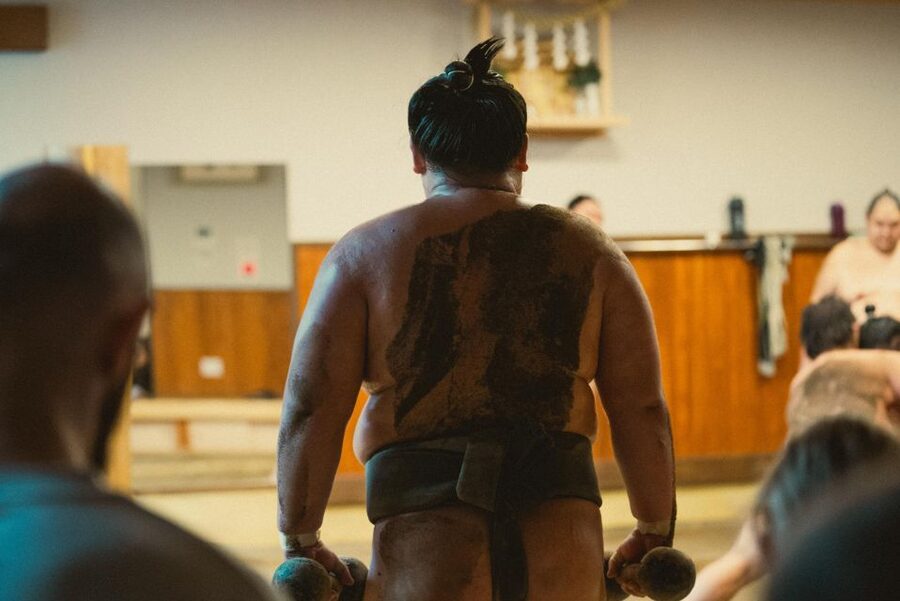
I’d book it if you want a real taste of sumo as a working discipline. The close-up training view, the English guidance, and especially the stable master Q&A make the morning feel purposeful. And the tone seems to be respectful, not touristy, which is exactly how this kind of experience should feel.
I wouldn’t book it if your priority is comfort over culture, or if you know you can’t sit on the floor for about 1.5 hours without chairs. Between the early start, no toilet during practice, and the strict etiquette, the tour demands a bit of stamina.
If you can handle the logistics, you’re likely to leave with a much clearer picture of what sumo really is, beyond TV highlights.
FAQ
What time do I need to meet, and where exactly is the meeting point?
Meet at 7:15AM at Tokyo Metro Oshiage (Skytree Mae) Station, Toei-Asakusa Line Oshiage Station A1 Exit on the ground floor. The tour starts at 7:30AM.
How long is the walk from the meeting point to the sumo stable?
It’s about a 15 to 20 minute walk from the meeting point to the stable.
Are meals included in the tour price?
No. Food and drinks are not included.
Can I take photos or videos during the practice?
Yes, you can take photos and videos without flash and without shutter sounds. However, you cannot upload the photos or videos on any social media platform.
Are there rules about entering the sumo stable?
Yes. Do not enter the stable by yourself. Wait outside until your guide meets you. Also, do not ring the doorbell.
Is the tour okay for young children or people with mobility issues?
Minimum age is 6. If kids are noisy or can’t watch quietly, you may be asked to leave during the tour. The tour is listed as not suitable for people with mobility impairments.
Which months is the tour not held?
The tour notes that morning practice and tours will not be held in March, July, and November due to Grand Sumo tournaments outside of Tokyo.
Fresh options around Tokyo
- Mount Fuji Full Day Customizable Private Tour with English Guide★ 4.5 · 16 reviews
- TOKYO Ultimate Samurai Armor Photo Experience!★ 5.0 · 16 reviews
- Nikko Private Day Tour with Guide by Car (from Tokyo)★ 4.0 · 16 reviews
- Sightseeing Day Trip to Mount Fuji and Hakone Green Number★ 4.5 · 16 reviews
- Professional Cosplay Photography Experience with English Guide★ 5.0 · 16 reviews
- Wagyu Beef & Sake Pairing Foodie Tour in Tokyo★ 5.0 · 16 reviews
- Tokyo : Vintage, Music & Food Tour in Shimokitazawa with a Local★ 5.0 · 16 reviews
- Private Tour – Thousands of lucky cats! Go by tram, Gotokuji Tour★ 5.0 · 16 reviews
City Tours, compared.
Private City Highlights Tour with Local Guide
Read our review →
Asakusa, Skytree & Akhihabara Go-Kart City Experience
Read our review →
Hiroshima City 4hr Private Walking Tour with Licensed Guide
Read our review →

Private Haneda Airport (HND) to Central Tokyo City Transfer
Read our review →
3-hour Guided E-Bike Tour of the City’s Hidden Gems
Read our review →
Shibuya City: Daikoku PA GT-R R35, R34, R33 or R32 Tour
Read our review →
3-Hour Bike/E-Bike Tour of the City’s Highlights
Read our review →Browse the lists this tour appears in