Reviewed · TOKYO TOURS
Tokyo: Karate Experience with Former All-Japan Champion
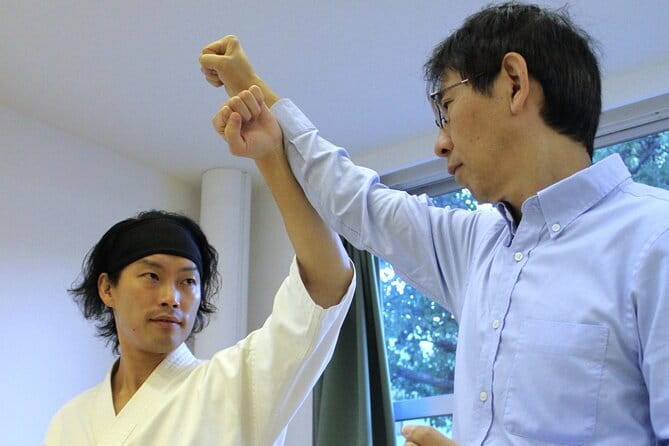
Karate, taught like you mean it. In Tokyo, Ryo’s session is a compact, practical workout built around dojo manners and clear non-contact kumite so you get real technique without the stress. You start with the Japanese bowing routine, build focus through belly breathing, then move into stretching, stance work, and partner-style defense drills.
I like that Ryo teaches with tight structure, step by step, so beginners can follow and experienced karate folks still pick up useful corrections. One possible drawback is that there is no physical-contact sparring, so if you’re hunting for full, free sparring intensity, this won’t match that expectation.
At-a-glance highlights
- Bow-first etiquette: you learn the start-with-a-bow, end-with-a-bow rhythm and why it matters
- Champion-level instruction: Ryo trained for years in Kyokushin, including competitive honors
- Belly breathing for focus: calm mind first, then movement
- Stretching that targets hips, shoulders, legs: designed to prepare your body for kicks and stances
- Kata demonstration: you see patterns and how techniques connect
- Non-contact kumite basics: defense against punches, front kicks, and low kicks, without injury risk
Entering The Dojo: Bowing, Breathing, and Mindset
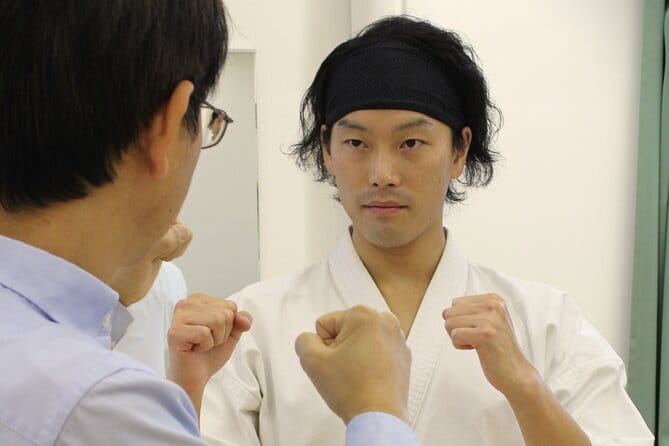
You’ll begin in the right headspace, not with random punching. Ryo starts by teaching you the core etiquette of karate: the bow before you move, and the bow to finish. This isn’t just ceremony. It sets the tone that training is about control, attention, and respect, not chaos.
Next comes the mental reset. You practice deep breathing from your belly. The goal is simple: more focus, a calmer mind, and better breathing under effort. In a class like this, that matters because your body will move harder once kicks and blocks start. If you can breathe steadily, your technique stays cleaner instead of turning sloppy halfway through.
Ryo runs the session with clear explanations plus demonstrations. That combination helps a lot, especially if you do not know Japanese martial-arts terms. In fact, multiple families and teens noted that even younger students understood what was going on, because the teaching is broken down and paced.
Ryo, The Kyokushin Instructor With Competition Cred
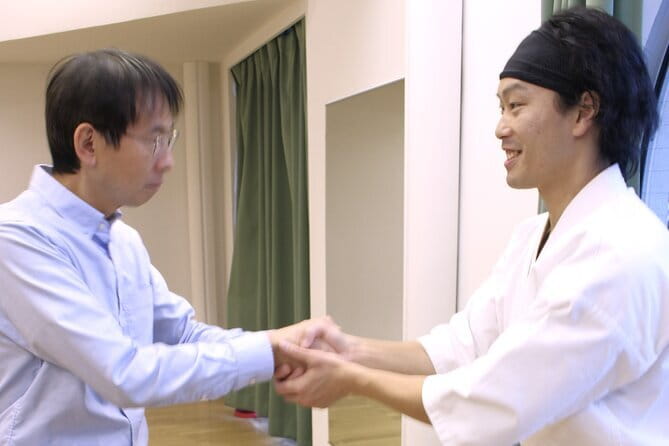
This is not a generic “try karate once” performance. Ryo is a dedicated Kyokushin karate instructor, known as full-contact karate style. He has been teaching since 2010, and his credentials go beyond the casual resume bullet point.
He placed 3rd in the KWU (Kyokushin World Union) World Karate Championship in Bulgaria in 2013 in the -75 kg category. He also became an All-Japan champion of Kyokushinkan International in the -80 kg category. He passed the promotion exam for 2nd Dan black belt in 2020, which signals he is not just learning karate, he is qualified to coach it.
You feel that in the way the session is organized. The class moves like training should: posture, basics, correct mechanics, then controlled application. If you already practice martial arts, you’ll probably appreciate that the session respects fundamentals instead of skipping straight to theatrics.
A few more Tokyo days worth comparing
- Mt Fuji and Hakone 1-Day Bus Tour Return by Bullet Train
★ 5.0 · 26,383 reviews - 1-Day Tokyo Bus Tour
★ 5.0 · 14,250 reviews - Tokyo: TOKYO SKYTREE® Admission ticket
★ 4.5 · 11,192 reviews
Warm-Up Flow: From Calm Belly Breaths to Full-Body Stretching
After etiquette and breathing, you shift into a body prep that actually fits what you will do next. The stretching targets major areas you use in karate, including leg muscles, hip joints, shoulder blades, and the chest. That is a practical choice. Hips drive many kicks and stances, shoulders affect blocks and punch alignment, and chest mobility helps you keep your upper body stable.
The warm-up is also paced. Techniques are taught so participants can smoothly get ready to start the lesson without feeling lost or rushed. For first-timers, this reduces the common panic of arriving cold, not knowing where to put your hands, or not knowing what the instructor expects.
For people with experience in other styles, this part can be a useful reminder. Many dojos use warm-ups to bring the body into the right range. If your flexibility is off, your kicks and blocks will never look as clean. Here you get a focused warm-up rather than a random stretch-and-go routine.
Punches, Blocks, and Kicks: Step by Step, With Real Corrections
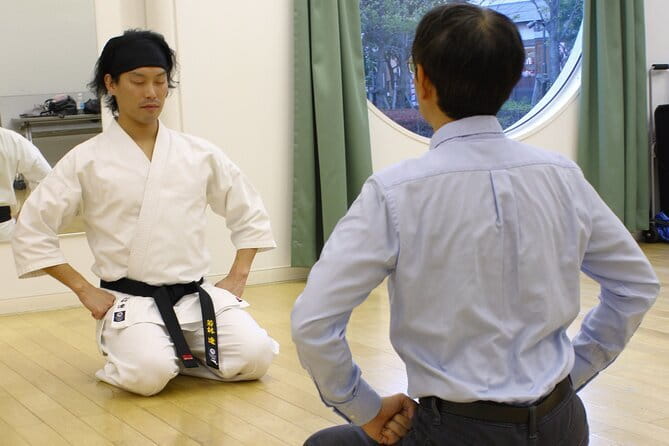
Then you move into the hands and feet work: basic punches, blocks, and kicks with a proper stance. Ryo splits each technique into a few moves at the beginning. That “chunking” matters. It lets you practice the parts before you try to combine everything at speed.
You’ll also get tips when needed, and you can expect corrections to your form. One of the most repeated praise points in feedback is that Ryo watches movements closely and adjusts what you do. That is the difference between doing karate as a workout and learning karate as a skill.
The session structure keeps you engaged without overwhelming you. Instead of one long continuous sequence, you build. Start with stance and basic mechanics. Then connect movement with purpose. In the end, even if your technique is not perfect, you leave with a set of motions you can actually remember and repeat.
If you train in Goju Ryu, Shotokan, Tae Kwon Do, kenpo, or other systems, you might notice differences. That’s normal. Different styles emphasize different angles, stances, and timing. The useful part is that Ryo’s teaching helps you translate what you know into Kyokushin-focused mechanics, not just copy random movements.
Kata Demonstration: Patterns That Turn Basics Into Options
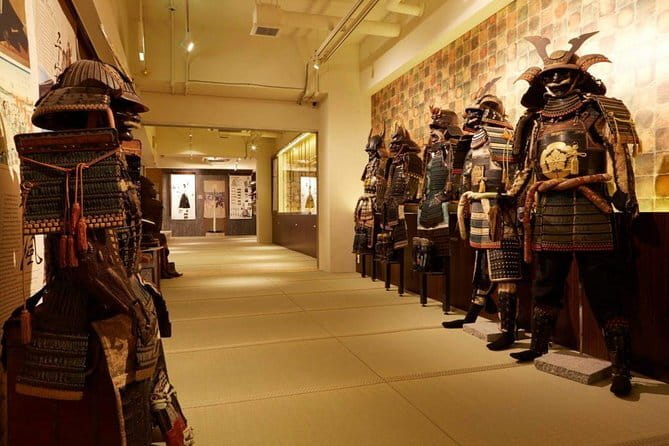
You won’t just do isolated strikes and blocks. The experience includes a kata demonstration, showing patterns of a variety of karate techniques. Kata sounds formal, but for many visitors it becomes the “aha” moment.
Think of kata as a bridge. You learn sequences that combine stance, direction, timing, and intent. Even if you never fully perform the kata yourself in this session, watching the patterns can help you understand why the basics are taught the way they are. It gives context to the moves you practiced earlier.
Several people described it as feeling the spirit of karate from the start. That spirit is usually about controlled movement, attention, and purposeful technique. Kata is where that shows up clearly, because it forces the practitioner to link everything together, not just throw power.
Same corner of Japan, a different kind of day:
- Tokyo: teamLab Planets TOKYO Digital Art Museum Entry Ticket
★ 4.6 · 9,779 reviews - Mt Fuji & Hakone Cruise, Drum Show Bullet Train 1 Day from Tokyo
★ 4.0 · 7,413 reviews - Tokyo: Sumo Show Experience with Chicken Hot Pot and a Photo
★ 4.8 · 6,678 reviews - Tokyo: Shinjuku Food Tour (13 Dishes at 4 Local Eateries)
★ 5.0 · 6,603 reviews
Non-Contact Kumite and Defense Tips for Precision
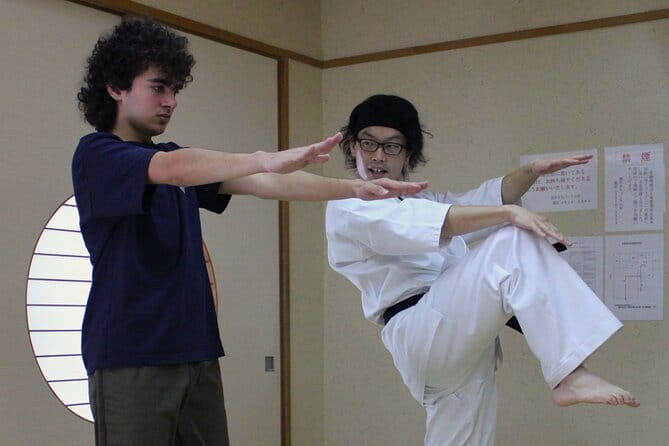
The finale style work is kumite training without physical contact. You practice sparring-like scenarios but without the risks that come with full contact. That means you can train the decision-making and positioning without worrying about injuries.
Ryo teaches the essence of defense against attacks such as punches, front kicks, and low kicks. You get tips focused on maximum precision and efficiency. In plain terms, that’s how you learn not only to react, but to react correctly. Your body learns routes and timing rather than just flailing when something comes at you.
This part is also designed to be safe for a mixed group. The session is meant for both beginners and people with prior karate experience. That’s not always easy in a single class, but non-contact work gives Ryo a consistent way to teach everyone at the right challenge level.
One nice bonus mentioned by a participant: they really liked breaking a wooden board. Board breaking is not listed in the core included items, so treat it as something that might happen depending on the session flow. Still, it’s a great reminder that “fun” can exist inside serious training.
Pad Work and Workout Reality: How Hard Is It?
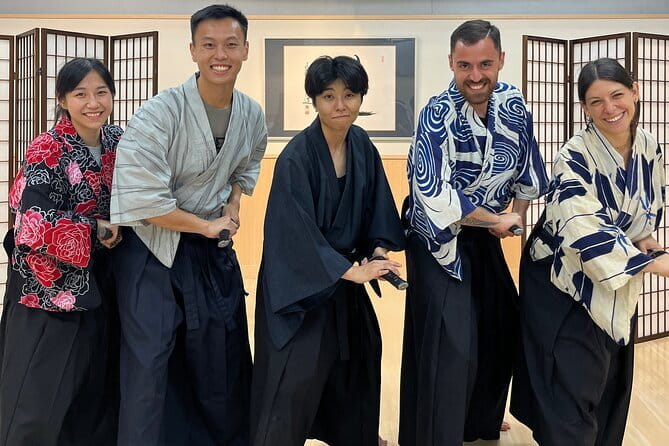
You’ll use punching and kicking pads, and that pushes the workout into something more physical than a purely instructional class. Pads also let Ryo guide your technique safely. You can practice power generation, alignment, and timing without full force contact.
In practice, it feels like a workout with coaching, not a performance. Multiple people described it as a legit training session, including martial artists who expected a gimmick and found real instruction instead. If you’re nervous about whether you’ll keep up, the step-by-step teaching helps, and Ryo adapts to different abilities.
Still, be honest with yourself about the body demands. Even a beginner-friendly class includes stances, kicks, and repetitive technique practice. If you have knee or hip issues, you may need to move carefully and tell the instructor so your form stays safe.
Price and Value: Why $58 Can Make Sense in Tokyo
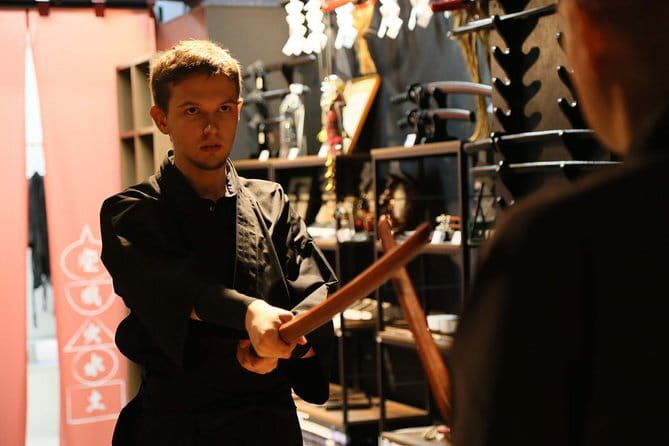
At $58 per person for a session lasting 1 to 90 minutes, the value comes from who is teaching and what you practice. This isn’t just meeting someone famous. You’re training with a qualified instructor who has a long coaching track and competitive Kyokushin background.
You also get tangible training components: interactive lesson time, kata demonstration, pads, and a bottle of water. If you choose the option labeled for the private 90-minute session with karate gi, you also get the uniform.
Compared with many “cultural experiences,” this one gives you something you can repeat later: bowing etiquette, breathing habits, and a list of basic moves taught in a usable order. You leave with muscle memory, not just photos.
One small cost consideration: if you book the longer option, double-check the uniform details. One review mentioned a misunderstanding about the gi for the 90-minute class. It sounds like the fix is simple: pick the option that includes the gi, and confirm what you will receive before you go.
Who This Session Fits Best
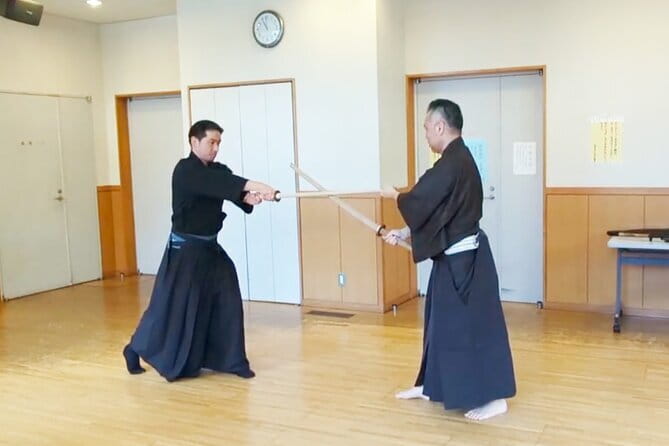
This experience is built for flexibility. It works well for complete beginners because Ryo explains step by step, including the bow and breathing fundamentals. It also fits people with karate experience because you will likely compare your style to Kyokushin mechanics and get corrections that apply to your technique.
Families can make this a smart choice too. Feedback includes parents training alongside kids, including children around 8 to 15 years old. One parent even noted they could choose to stay or leave their sons with the instructor during the session, which suggests the teaching approach is friendly and guided.
If you’re visiting Tokyo and want something more real than a checklist attraction, this fits that need. It’s not pretending. You’re in training mode for about an hour to an hour and a half, learning how karate works in practice.
Should You Book This Tokyo Karate Experience?
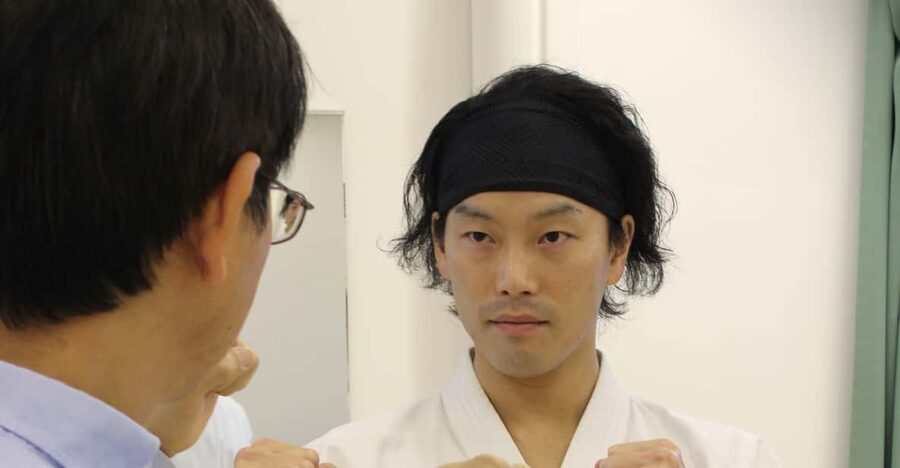
Book it if you want an authentic karate lesson taught with respect, structure, and close attention to form. It’s a strong choice if you value etiquette, fundamentals, and safe application through non-contact kumite and pad work.
Skip it if your main goal is full-contact sparring. This session is designed for safety and precision, not for heavy impact rounds. Also, if you want your instruction in a very specific karate style matching your current dojo exactly, be ready for differences and view it as a learning opportunity rather than a replacement.
If you decide to go, choose the session length that matches your energy level. For many people, 60 to 90 minutes is just right, especially if this is your one martial-arts activity in Tokyo.
FAQ
How long is the karate experience in Tokyo?
The duration is listed as 1 hour to 90 minutes, depending on the session option and availability for starting times.
Where is the meeting point?
The meeting point may vary depending on the option booked.
Is this experience private or a group class?
Private or small groups are available.
What languages does the instructor speak?
The instructor teaches in English and Japanese.
Is there sparring with physical contact?
No. The session includes kumite training without physical contact so participants can practice without physical injury risk.
Is a karate uniform included?
A karate uniform is included if you book the option Private/90min Session with Karate Gi.
What training equipment is provided?
Punching and kicking pads are provided, along with a bottle of water.
What does the lesson include?
You can expect an interactive karate lesson, a kata demonstration, and practice of basic karate techniques including punches, blocks, and kicks.
Is the experience refundable if plans change?
Yes. Free cancellation is available up to 24 hours in advance for a full refund.
Do I need to buy tickets on the spot?
No. The activity notes skip the ticket line.
Fresh options around Tokyo
- Tokyo: Nikko Kegon Falls Lake Chuzenji Toshogu Temple & More★ 4.9 · 12 reviews
- Tokyo: Samurai History Walking Tour★ 5.0 · 12 reviews
- Harajuku: Kawaii Fashion and Pop-Culture Tour★ 4.7 · 12 reviews
- Tokyo: Mt. Fuji & Lake Kawaguchi Instagram Full Day Trip★ 4.1 · 12 reviews
- Shibuya Tokyo: Modern Kintsugi Workshop in Shibuya★ 5.0 · 12 reviews
- Tokyo: GTR Guided Daikoku Experience at Night★ 5.0 · 12 reviews
- Tokyo: Daikoku JDM Car Culture Tour★ 4.6 · 12 reviews
- Mt Fuji Private Day Trip from Tokyo with English speaking driver★ 5.0 · 13 reviews
Tokyo Tours, compared.

Mt Fuji and Hakone 1-Day Bus Tour Return by Bullet Train
Read our review →


teamLab Planets TOKYO Digital Art Museum Entry Ticket
Read our review →
Mt Fuji & Hakone Cruise, Drum Show Bullet Train 1 Day from Tokyo
Read our review →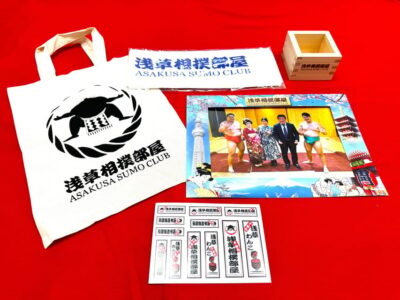
Sumo Show Experience with Chicken Hot Pot and a Photo
Read our review →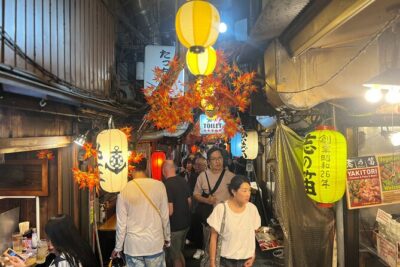
Shinjuku Food Tour (13 Dishes at 4 Local Eateries)
Read our review →