Reviewed · TOKYO TOURS
Tokyo: KABUKI, BUNRAKU, etc. presented by National Theatre
Classical Japanese theater, minus the noise. This program brings Kabuki and Bunraku to life with an English audio guide and a room that lets you hear the performers, not loud speakers. It is the kind of evening that reminds you these art forms were built for close, focused listening.
I also like the way the show supports non-Japanese speakers without turning the experience into subtitles-on-a-screen theater. Depending on the piece, you get either audio guidance or printed English notes, so you can track the story beats while still staying present with the acting, music, and puppetry.
One consideration: the venue is not the National Theatre in Hanzomon, it is in Yokohama, and the English support is an overview rather than a literal translation. If you have only a short amount of time in the area, the full program can feel long.
Key things I’d bet on before you go
- English audio is an overview, not word-for-word translation, so you still read the performance with your eyes
- Yokohama venue, easy by Minatomirai Line, including a quick walk from Nihon-odori Station
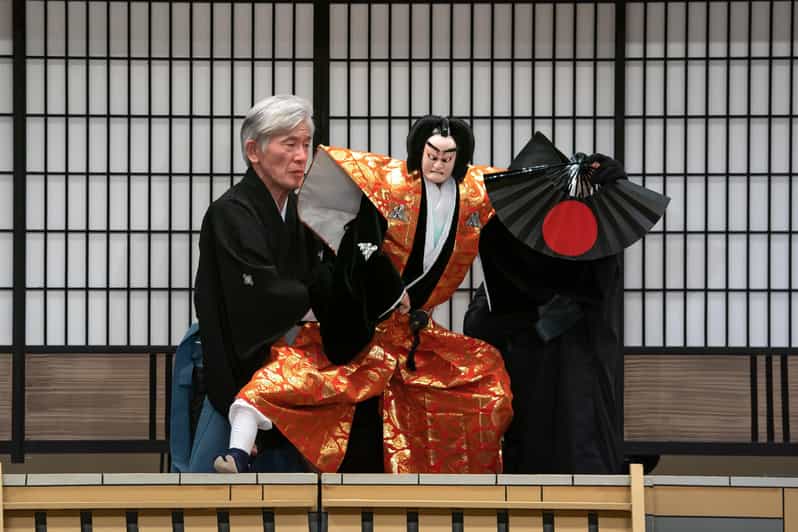
- Kabuki pairs drama, music, and dance, using centuries-old stage language
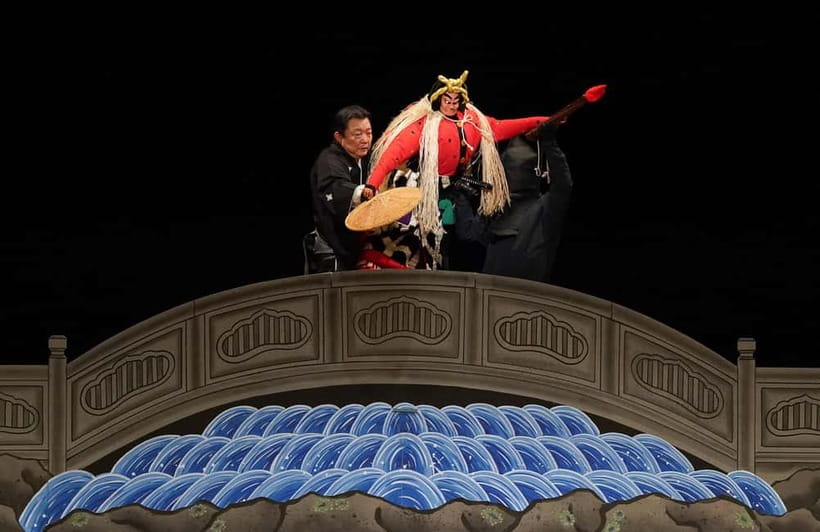
- Bunraku combines narrator recitation, shamisen music, and precise puppet movement
- Hogaku’s focus on the melody of snow (Yuki no Aikata) gives you a clear musical thread
- The rules keep the room quiet: no video, no photography, and no making noise
Tokyo label, real-world venue: KAAT in Yokohama
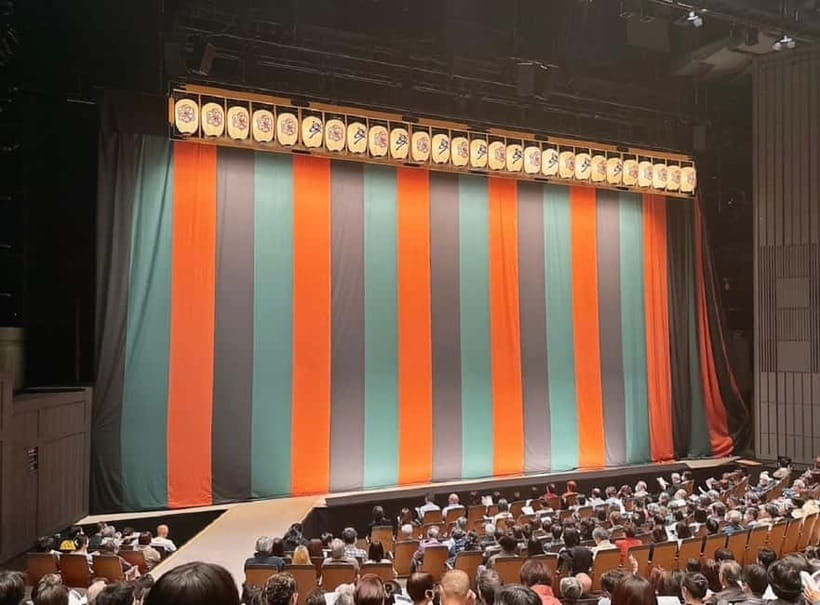
Even if you plan your day around Tokyo, plan your feet for Yokohama. The performance space is KAAT Kanagawa Arts Theatre, and it is specifically called out that this is not the National Theatre (Hanzomon). I recommend you treat that as non-negotiable. Showing up at the wrong building is the easiest way to ruin a classical evening.
Getting there is straightforward if you use the Minatomirai Line. The closest options are:
- Nihon-odōri Station (MM05), about a 5-minute walk from Exit 3 or 4
- Motomachi-Chukagai Station (MM06), about an 8-minute walk from Exit 1
From Shibuya, expect about 45 minutes by train if you take the Minatomirai Line toward Motomachi-Chukagai. Also, that line connects directly onward to the Tokyu Toyoko Line and Tokyo Metro Fukutoshin Line, which helps if your Tokyo plans are on those routes.
One more practical note: your booking voucher from GetYourGuide needs to be exchanged for a theatre-issued ticket. You pick it up at the venue entrance on the day of the show, and staff will ask for the reservation name. Build in a few minutes for that swap so you do not feel rushed.
A few more Tokyo days worth comparing
- Mt Fuji and Hakone 1-Day Bus Tour Return by Bullet Train
★ 5.0 · 26,383 reviews - 1-Day Tokyo Bus Tour
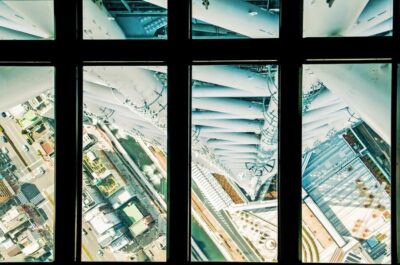
★ 5.0 · 14,250 reviews - Tokyo: TOKYO SKYTREE® Admission ticket
★ 4.5 · 11,192 reviews
Price and value: what $37 buys you in practice
At about $37 per person, you are not just buying seats. You are buying access to full live performance conditions, with the kind of technical stage discipline that recordings never fully capture.
Here is what you actually get included:
- Theatre tickets
- English audio guide for Kabuki and Bunraku
- Free English explanation sheet for Hogaku
That “support package” matters. Many cultural shows in Japan either expect you to know the context, or they drown the room in translated narration. This one aims for a different approach: the audio guidance is there to help you follow, but it is designed not to fight with the performers’ voices. You end up spending more of the time watching the drama, puppetry, and music, instead of trying to decode everything from scratch.
Also, the price sits in an interesting sweet spot. It is not priced like a premium private experience, but it is also not a throwaway show. You get a real performance event presented by National Theatre, Japan that has been backing Japan’s classical performing arts since the venue’s opening in 1965.
The room rules: how to keep the night smooth (and respectful)
This show is built on concentration. So the venue asks you to act like a good audience, not a background-noise customer.
Important no’s:
- No video recording
- No photography inside
- No making noise
- No audio recording
- No smoking
- No pets (assistance dogs allowed)
- No alcohol or drugs
For you, that means a different kind of “comfort.” You will want to silence your phone, stash it away, and treat the show like a spoken performance hall. If you tend to check messages during quiet moments, adjust that habit before you sit down.
One more detail that affects your experience: seating positions are assigned on the left side of the theatre. That is not a problem for most people, but it is useful to know so you do not show up expecting a specific view.
What happens in each performance: Kabuki, Bunraku, Hogaku
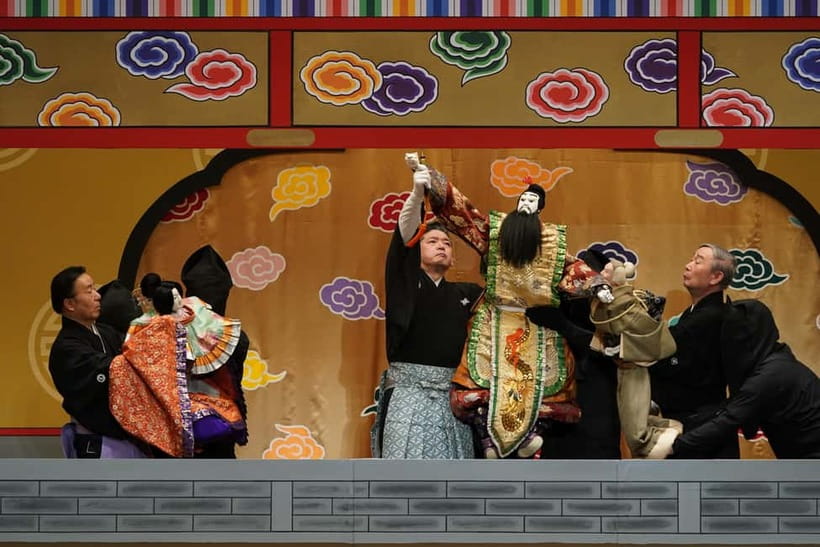
Your date determines the content. The program could include Kabuki, Bunraku, Hogaku, or different combinations. The good news is that each art form uses a different “language,” so even if you are new to all of them, you have multiple ways to understand what you are seeing.
Think of it as three different doors into Japanese classical performance. You do not need deep background. You just need patience and a willingness to let the form teach you.
Same corner of Japan, a different kind of day:
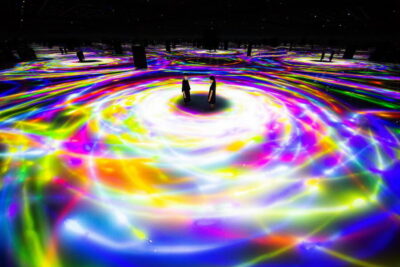
- Tokyo: teamLab Planets TOKYO Digital Art Museum Entry Ticket
★ 4.6 · 9,779 reviews - Mt Fuji & Hakone Cruise, Drum Show Bullet Train 1 Day from Tokyo
★ 4.0 · 7,413 reviews - Tokyo: Sumo Show Experience with Chicken Hot Pot and a Photo
★ 4.8 · 6,678 reviews - Tokyo: Shinjuku Food Tour (13 Dishes at 4 Local Eateries)
★ 5.0 · 6,603 reviews
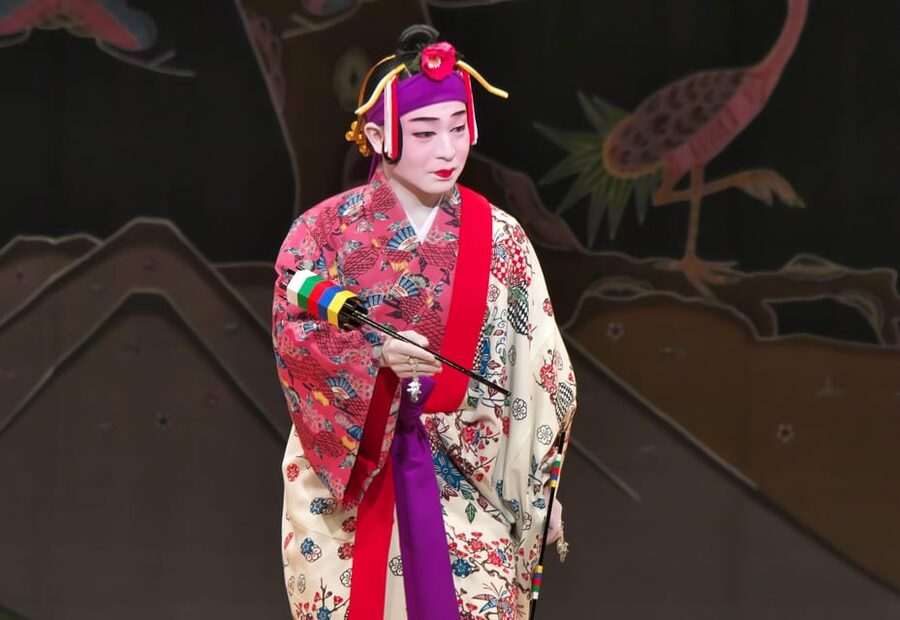
Kabuki: drama, music, and dance you can follow with English audio
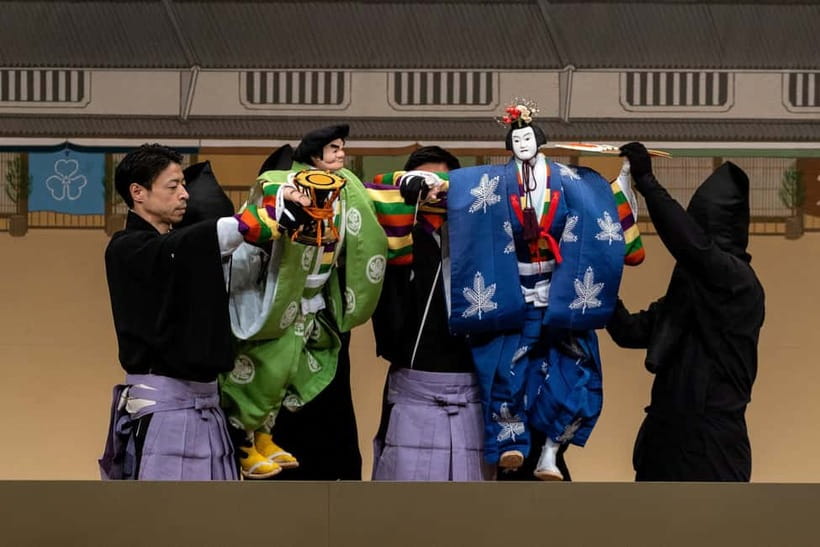
Kabuki is the dramatic theatre where music and dance carry the story. It is one of Japan’s most recognizable traditional arts, and it survives because it keeps adapting to what audiences want in each era. That flexibility shows up on stage, even when the style feels extremely formal.
For your planning, Kabuki’s biggest help is the English audio guide. The audio track provides the main points so you can follow action and story structure. It is not presented as a literal translation of every spoken line, and that is intentional. The goal is to avoid stealing attention from the performer’s voice, acting choices, and musical cues.
So what should you do during the show?
- Watch how movements shift meaning, not just how they look
- Listen for the way the music underlines emotional changes
- Use the audio to connect the dots, not to replace what your eyes are seeing
If you come in expecting a Western-style “dialogue first” story, you might find the experience takes a moment to settle. That adjustment is normal. Once you get used to Kabuki’s stage rhythm, it becomes easier to track without feeling lost.
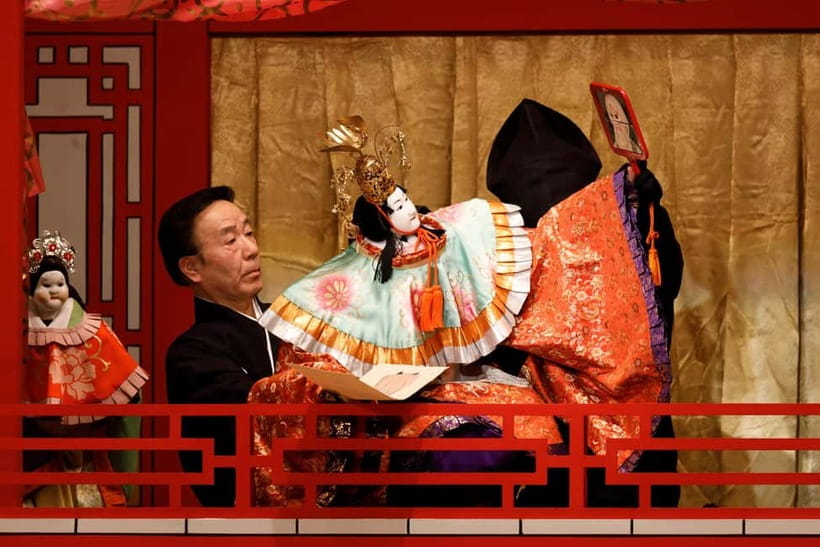
Bunraku: adult puppet theatre, shamisen music, and a powerful narrator
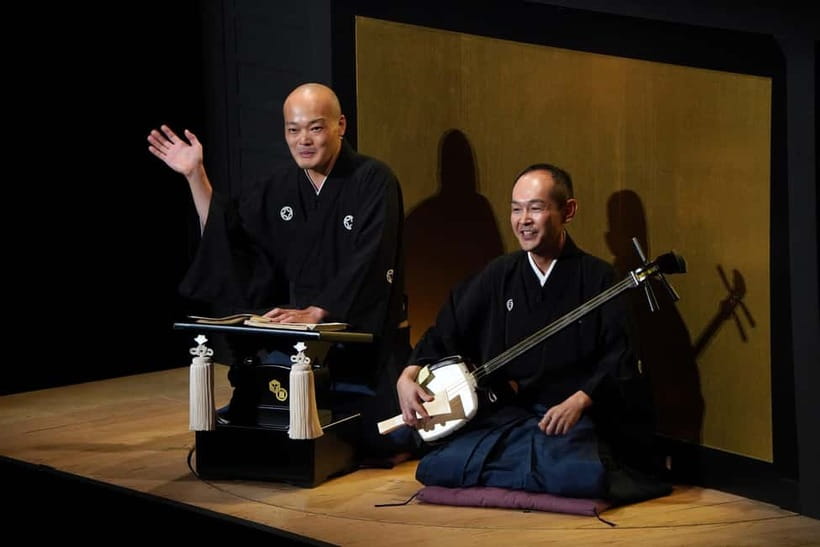
Bunraku is often described as one of Japan’s signature forms for adult audiences, and it is recognized on UNESCO’s Representative List of the Intangible Cultural Heritage of Humanity. What makes it so compelling is how tightly the three systems work together:
- a narrator with intense recitation
- shamisen music that shapes the emotion
- puppetry that looks delicate but lands with real force
In other words, this is not puppets doing cute tricks. It is theatre built out of coordination. You are listening to the rhythm of the story and the music at the same time as you study the puppet’s movement.
The experience is supported by an English audio guide as well. Again, it is an overview of main points, not a line-by-line script. That means you should expect to “read” the performance visually: facial expressions are stylized, gestures are meaningful, and transitions in the story show up through stage action and musical shifts.
If you want a real cultural contrast for your trip, Bunraku is a strong pick because it does not behave like modern entertainment. It behaves like disciplined craft. The result can feel emotional, sometimes even surprisingly intense, even if you start the evening without any Japanese.
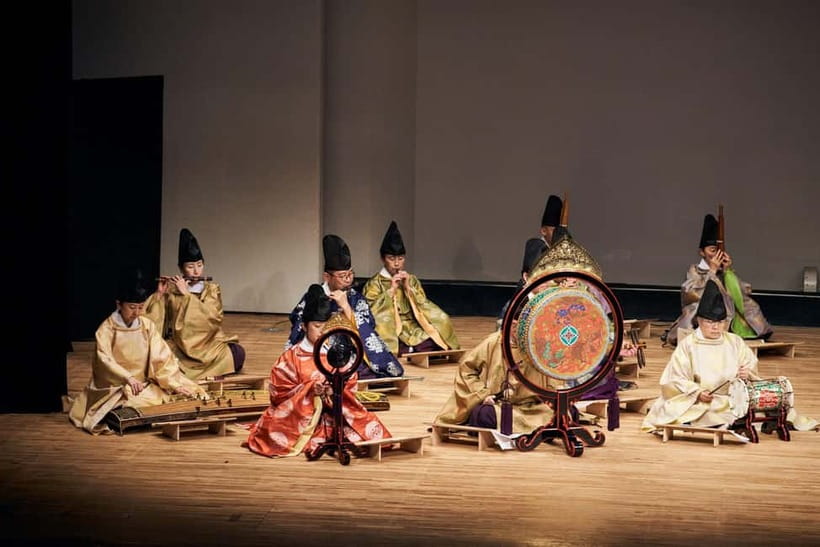
Hogaku concert: the musical thread of snow, Yuki no Aikata
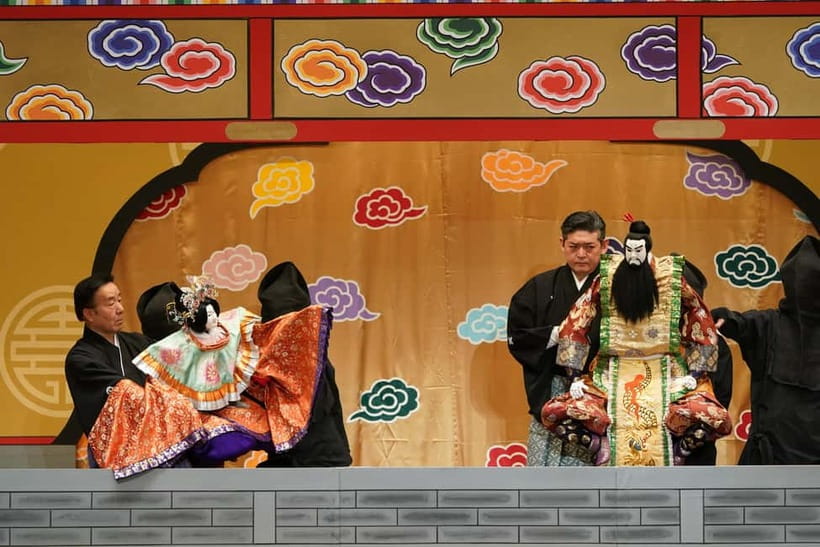
Hogaku is traditional Japanese music, and in this program it spotlights melodies tied to snow. The highlight concept is Yuki no Aikata, which refers to a long shamisen interlude found in the Jiuta song titled Yuki.
This melody shows up across pieces that depict falling snow, so once you recognize the idea, the rest of the concert can feel easier to follow. The point is not just “melody appreciation.” It is about noticing expressive elements built into the music, like how the timing and phrasing suggest weather and atmosphere.
For the Hogaku portion, the support is a free English explanation sheet. That is a useful format for music because it lets you look up a note during natural breaks, without competing with the performance through spoken audio.
Timing and pacing: plan for a focused 75 minutes to 3 hours
Duration depends on the date, with the performance running from 75 minutes to 3 hours. That range matters for your itinerary decisions.
If your Tokyo days are tightly packed, this is the kind of activity where you should plan it as a “main event.” You do not want to treat it like a quick stop between neighborhoods. The pacing is part of the point: these art forms reward attention, and the room rules keep distractions low.
Also keep in mind that some programs can feel like separate story movements rather than one big tidy wrap-up. Even with guidance, you may catch the structure in segments. That is normal for classical theatre. Your job is to enjoy the craft of each section, not to force it into a single Western narrative mold.
Who should book this, and who may want a different evening
This is a great fit if you:
- want authentic, classic Japanese performing arts in a real theatre setting
- care about sound quality and concentration, since loud audio guidance is not the main attraction
- want an English support tool that helps you follow without drowning the performance
- are curious about more than one tradition, since Kabuki and Bunraku bring totally different stage skills
You might consider a different option if you:
- dislike long, slow-paced cultural programs
- need every spoken line translated word-for-word
- are looking for a high-energy, action-heavy experience where you constantly get new stimuli
The English guidance is helpful, but it is not designed to turn the show into a transcript. If you can handle “overview + visuals,” you will likely enjoy this much more.
Should you book it? My practical take
I would book this if you want a serious introduction to Japanese classical performance, with English audio or English notes and a theatre atmosphere that respects the art. At around $37, the value is strong because you are paying for a real live event plus built-in language support.
I would pause and think twice if your schedule is short, because the venue is in Yokohama and the show can run up to 3 hours. Also consider your preference for storytelling styles: Kabuki and Bunraku often communicate through performance language, not just dialogue.
If you are the type who likes theatre, music, or craft, this is the kind of evening that can change how you look at Japanese culture.
FAQ
Where is the performance held?
It is held in Yokohama at KAAT Kanagawa Arts Theatre. It is not the National Theatre (Hanzomon).
Which English help do I get for each part?
Kabuki and Bunraku include an English audio guide. Hogaku includes a free English explanation sheet.
Is the audio guide a literal translation?
No. The English audio guide provides an overview of the main points rather than a literal, line-by-line translation.
How do I get the ticket inside the theatre?
You exchange your GetYourGuide-issued voucher for a theatre-issued ticket at the venue entrance on the day of the performance.
Can I take photos or record video during the show?
No. Video recording and photography inside are not allowed.
How long is the performance?
Duration can be 75 minutes to 3 hours, depending on the date.
What stations are closest to the venue?
Nearest stations are Nihon-odōri Station (MM05), about a 5-minute walk, or Motomachi-Chukagai Station (MM06), about an 8-minute walk.
Is the venue wheelchair accessible?
Yes, the venue is listed as wheelchair accessible. If you need wheelchair seating, contact the provider as soon as possible.
Fresh options around Tokyo
- Tokyo: Nikko Kegon Falls Lake Chuzenji Toshogu Temple & More★ 4.9 · 12 reviews
- Tokyo: Samurai History Walking Tour★ 5.0 · 12 reviews
- Harajuku: Kawaii Fashion and Pop-Culture Tour★ 4.7 · 12 reviews
- Tokyo: Mt. Fuji & Lake Kawaguchi Instagram Full Day Trip★ 4.1 · 12 reviews
- Shibuya Tokyo: Modern Kintsugi Workshop in Shibuya★ 5.0 · 12 reviews
- Tokyo: GTR Guided Daikoku Experience at Night★ 5.0 · 12 reviews
- Tokyo: Daikoku JDM Car Culture Tour★ 4.6 · 12 reviews
- Mt Fuji Private Day Trip from Tokyo with English speaking driver★ 5.0 · 13 reviews
Tokyo Tours, compared.
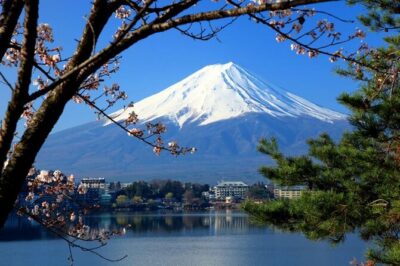
Mt Fuji and Hakone 1-Day Bus Tour Return by Bullet Train
Read our review →
teamLab Planets TOKYO Digital Art Museum Entry Ticket
Read our review →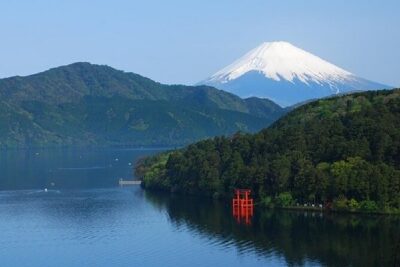
Mt Fuji & Hakone Cruise, Drum Show Bullet Train 1 Day from Tokyo
Read our review →
Sumo Show Experience with Chicken Hot Pot and a Photo
Read our review →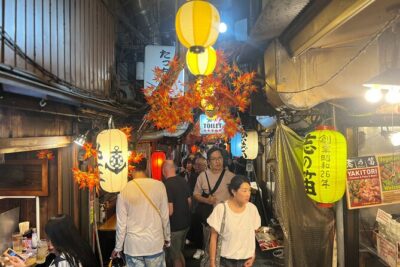
Shinjuku Food Tour (13 Dishes at 4 Local Eateries)
Read our review →