Reviewed · TOKYO TOURS
Tokyo: Horse Racing Tour with Local Fan
Horse racing in Tokyo is surprisingly hard to fake. You get a real race-day seat, plus English-first help that turns a confusing Japanese betting system into something you can actually use. I like the way the guide talks you through the rules in clear terms, and I also like the live electricity of the crowd as races build. One thing to consider: you’ll need cash in yen for betting, and the amount you bet is on you.
This is the kind of Tokyo outing that does not live on the main tourist map. I like that you start at a major track and learn how people cheer and wager like locals, and I like the friendly rapport that makes it feel easy even if you are not a racing person. Still, food and drinks are not included, so plan on buying your own meals at the course.
One more practical note: the racecourse location can change depending on your day, and the exact venue shows up when you pick your date. Your guide meets you at the start, gives you your reserved seat ticket in person, and stays with you for entry, so you are not left wrestling with ticket procedures alone.
Key things you should know before you go
- English-speaking support all day, including help placing bets
- Race-day admission plus in-person reserved-seat ticket from your guide
- Cash in Japanese yen is required for betting
- Track varies by day: weekend Tokyo or Nakayama, weekday Oi or Kawasaki
- Time for food and drinks on-site, but those are for you to purchase
- A local host named Eito is often highlighted for clear explanations and warm energy
Horse racing in Tokyo, without the language stress
There’s Tokyo that looks like a postcard, and then there’s Tokyo that acts like a working neighborhood. This horse racing tour lands you in the second category. You show up at a Japanese racecourse, you sit down, and suddenly the day makes sense because someone translates the chaos into steps.
The biggest win is the betting help. Japanese race days can look straightforward from the stands, but the betting process is the part that usually stops non-Japanese speakers. With your guide there, you can follow along and make decisions without feeling lost. You also get the crowd context. When you understand what people are reacting to, cheering starts to feel like cheering, not random noise.
The second big win is how the experience feels local. I like the fact that you’re not just watching a show. You’re learning how Japanese fans actually spend a race day, from the rhythm of races to the way people talk horses and jockeys. It is a short window into a hobby that Japanese people treat seriously, but enjoy loudly.
Possible drawback: it is still a betting venue. If you want zero-risk fun, this may not be your perfect match. But if you treat betting as part of the entertainment and set a cash limit, the experience can be a lot of laughs.
A few more Tokyo days worth comparing
- Mt Fuji and Hakone 1-Day Bus Tour Return by Bullet Train
★ 5.0 · 26,383 reviews - 1-Day Tokyo Bus Tour
★ 5.0 · 14,250 reviews - Tokyo: TOKYO SKYTREE® Admission ticket
★ 4.5 · 11,192 reviews
Choosing your racecourse: weekend Tokyo or Nakayama, weekdays Oi or Kawasaki
One detail that matters for planning is that the track you visit is not fixed. The tour tells you the location varies based on your selected date.
- Weekends typically go to Tokyo Racecourse or Nakayama Racecourse.
- Weekdays typically go to Oi or Kawasaki Racecourse.
When you book, the exact venue is shown for your chosen date. That is useful, because it affects how the day feels and where you’ll spend most of your time. It also affects your expectations for getting there. The tour includes the event experience, but it does not include train tickets, so you should budget and plan transit like you would for any day trip.
If you are the type who likes structure, pick your day based on what fits your schedule best, then let the track variation add interest. The tour is built around guiding you through races and betting at whichever course you land at.
Meeting your guide and getting your reserved seat ticket
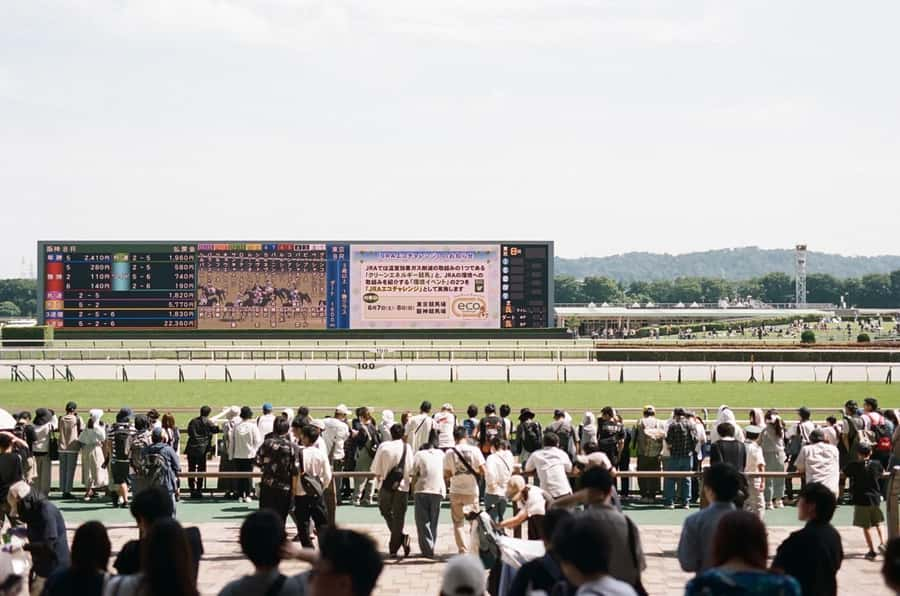
You meet the guide in person, which makes life easier in a city that loves signage and bureaucracy. The start is simple: you find the person holding a sign with your name, then you send a text when you arrive.
At the racecourse, the guide provides your reserved seat ticket in person. Your entry is tied to being with the guide. That matters, because your GetYourGuide voucher is not the admission ticket. It is basically your proof for the guide to handle the reserved seat process with you.
This is where having an English-speaking host saves real time. Ticket systems at Japanese venues can be fast, but they are not always friendly to visitors. With your guide beside you, you can get in, sit down, and focus on the races instead of decoding the line.
A name you’ll see often in the experience feedback is Eito. People highlight that he speaks good English, explains things clearly, and helps with the full flow, including practical stuff like how to navigate transit to the racecourse.
Before the races: learning betting basics like a local fan
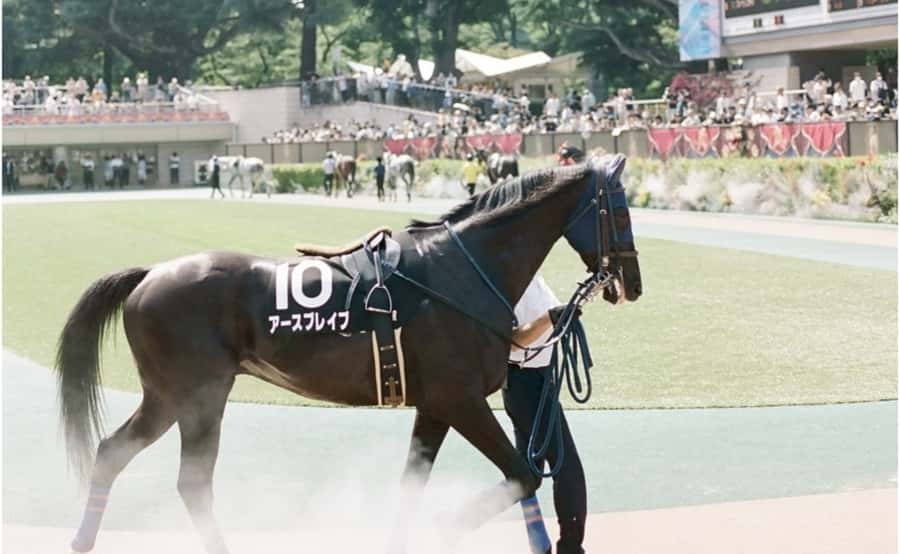
The tour is not just a ticket and a vague tour guide. You’re there to understand what you’re seeing. Before the racing gets intense, your guide explains the rules and the betting process in simple English, even if you do not speak Japanese.
That matters because at a racecourse, the language barrier is not only about words. It’s also about pace. Races move quickly, and betting decisions happen in tight windows. If you do not know what to look for, you can miss the moment or feel pressured.
With the guide, you learn the basics of betting and get help placing your bet(s) during the event. That can be a huge confidence boost if you are a first timer. It also helps if you have done betting elsewhere, because the guide can point out how the system works at this track.
You’ll also get context about what matters when people cheer, like jockeys and horses. That makes the races more than a visual spectacle. You start to connect names, placements, and the reactions of the crowd.
A practical tip: go in with the mindset that your first bet is for learning. You can still enjoy the day even if you do not win. The goal is understanding the game, not turning the tour into an ATM.
Same corner of Japan, a different kind of day:
- Tokyo: teamLab Planets TOKYO Digital Art Museum Entry Ticket
★ 4.6 · 9,779 reviews - Mt Fuji & Hakone Cruise, Drum Show Bullet Train 1 Day from Tokyo
★ 4.0 · 7,413 reviews - Tokyo: Sumo Show Experience with Chicken Hot Pot and a Photo
★ 4.8 · 6,678 reviews - Tokyo: Shinjuku Food Tour (13 Dishes at 4 Local Eateries)
★ 5.0 · 6,603 reviews
The races: live action, crowd energy, and the fun of cheering
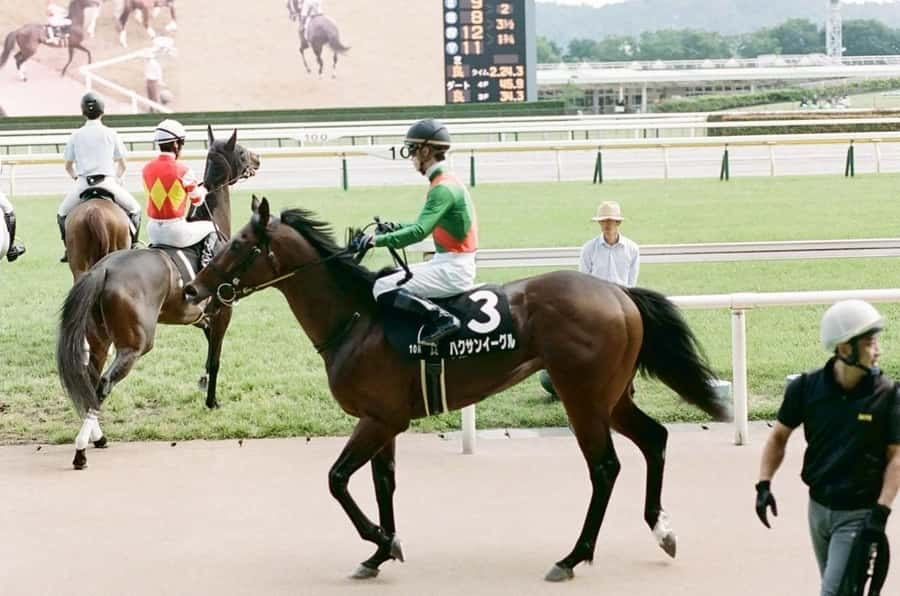
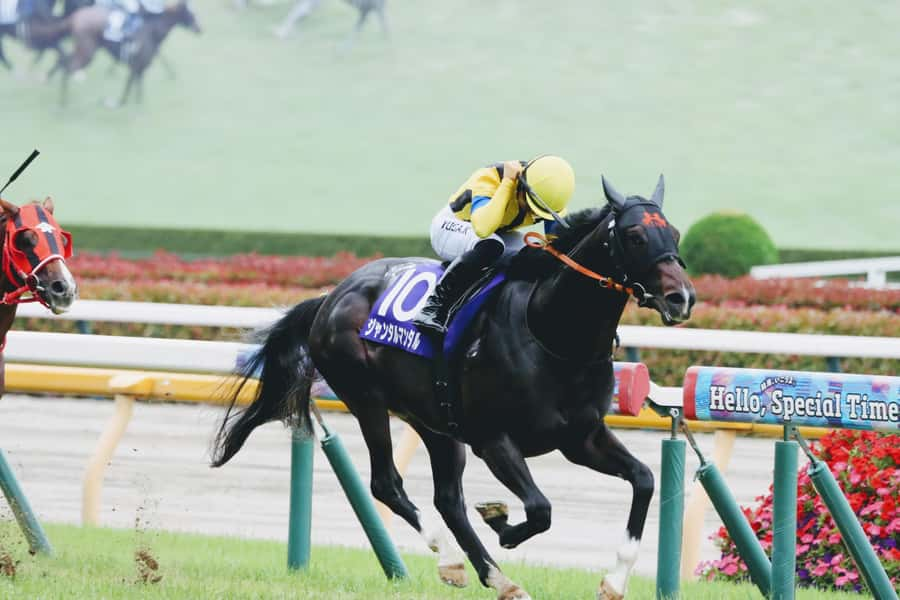
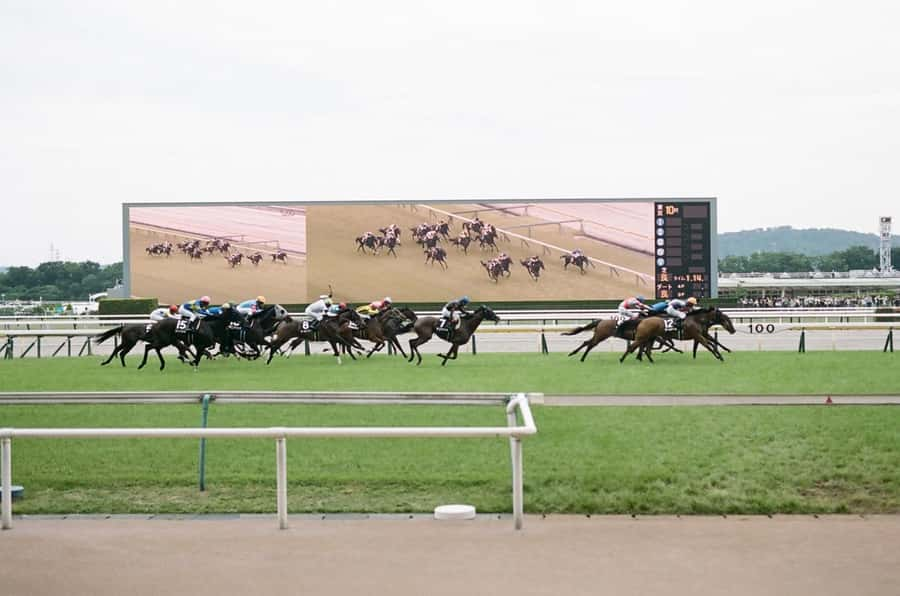
Once the races start, the experience turns into exactly what you want from horse racing: speed, emotion, and a crowd that cares. The tour is timed so you’re there for the main action, and you feel the build as each race happens.
You’ll be watching horses compete while your guide keeps the betting process understandable. When you know what just happened and why people reacted, you can actually participate, not just observe.
Many people describe the races as exciting, and that tracks with the way Japanese race days can feel like sport plus theater. One person even compared it to racing on steroids, in the best way, and that energy is something you can feel in your seat.
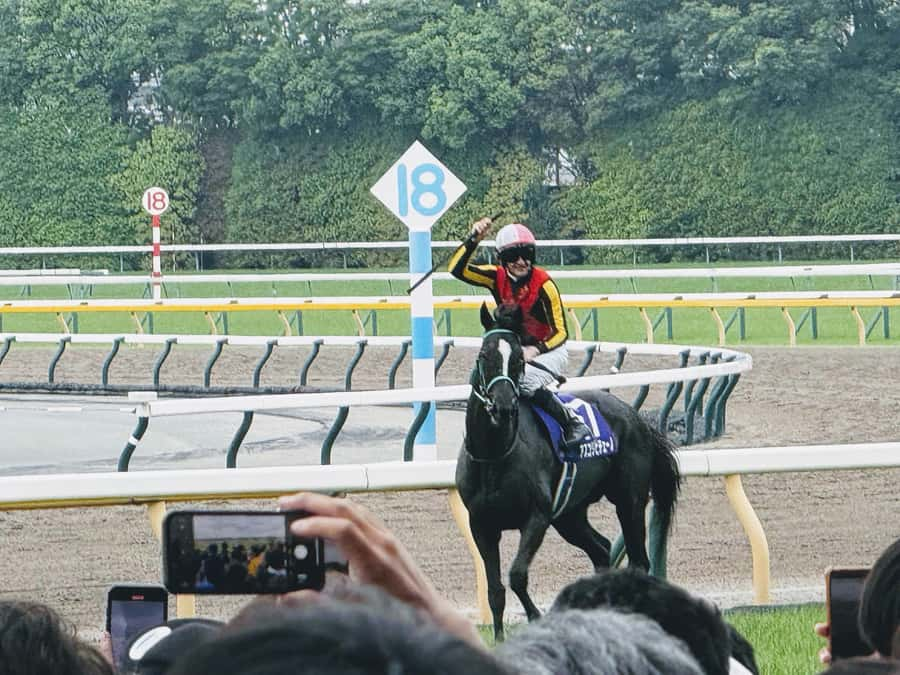
If Lady Luck shows up, you may even experience the joy of a winning ticket. The tour experience is built around the chance to bet, so the day has a natural mix of anticipation and unpredictability.
Drinks and food on-site: plan to buy your own, then snack well
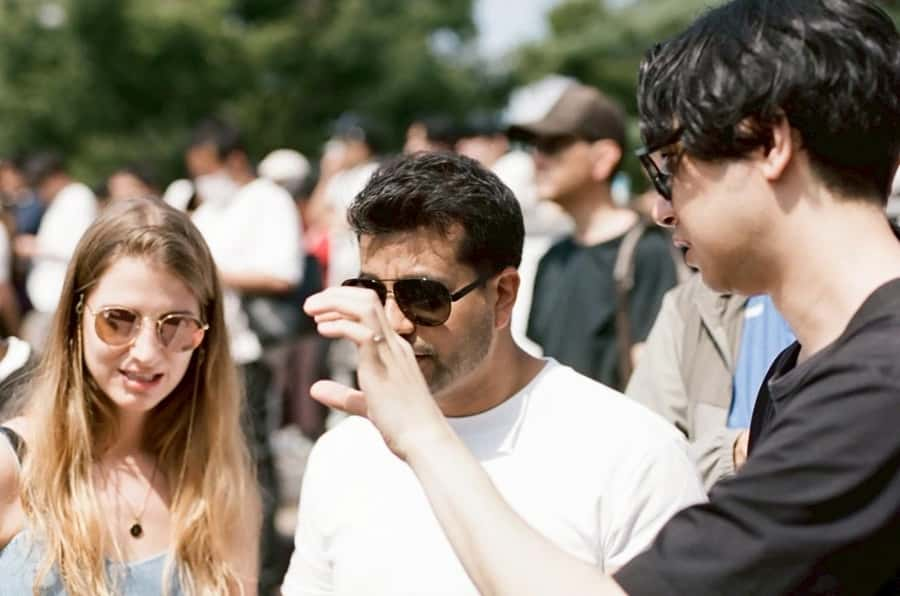
Here’s the honest part: food and drinks are not included. You purchase meals at the racecourse yourself. That said, your day is set up for you to enjoy what the venue offers while you watch.
You can expect time to eat and drink as the day unfolds. The experience description highlights sake and local cocktails, and specific snack examples like karaage and yakitori, plus seasonal treats. Even if you choose simpler options, the key is that the food is part of the race-day routine.
I like that the tour does not treat food like an afterthought. It’s integrated into the pacing of the day, so you can refuel without missing the action. If you get hungry, you’ll still have a rhythm to follow.
Practical advice:
- Bring cash for betting, and keep some extra for snacks and drinks.
- If you are picky, look for Japanese items that are familiar like fried chicken and grilled skewers.
- Eat between races when it makes sense, so you do not miss a betting window.
Train logistics: what’s included, what you must handle
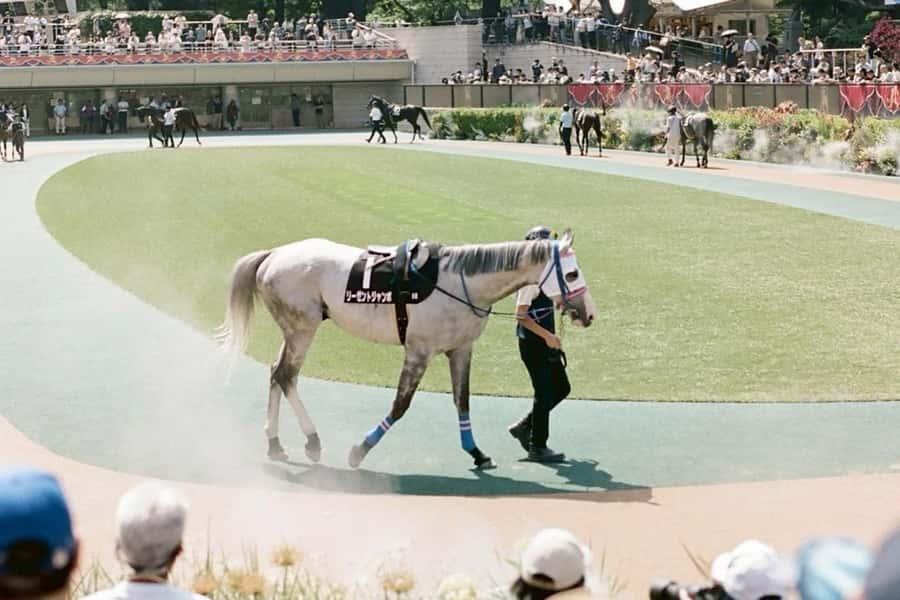
The tour includes the event experience and the guided support. What it does not include is train tickets.
So you should plan your own route from Tokyo to the selected racecourse area. Since the track changes by day, your transit plan might change too. The good news is you have a guide for the event itself, and people mention that the guide can help you figure out how to reach the track, at least in practical terms like navigating to the meeting point and getting to the venue.
Still, for budget and timing, assume you are responsible for getting there on your own. Build in extra time, especially on busy days.
Price and value: why $60 can make sense for a niche Tokyo day
At $60 per person, the value is not the admission alone. The real value is that you’re buying the part that usually costs you time, confusion, and mistakes: understanding betting and getting through the track process smoothly.
This tour includes:
- An English-speaking guide during the event
- Explanations of the horse racing rules and betting process
- Assistance with placing bets
- Admission
Not included:
- Food and drinks
- Betting amounts, paid individually
- Train tickets
So the cost is really a service fee for translation, guidance, and seat access. If you tried to do this on your own, you would likely spend time figuring out ticketing, then spend the races second-guessing what to do. Here, the guide removes the friction.
Is it worth it if you don’t plan to bet? Betting is central to the day, but even if you bet a small amount, you still benefit from understanding the sport. If you are only interested in watching and nothing else, you may still enjoy it, but the guide’s value is highest when you participate in the betting process.
Who this tour suits best, and who should skip it
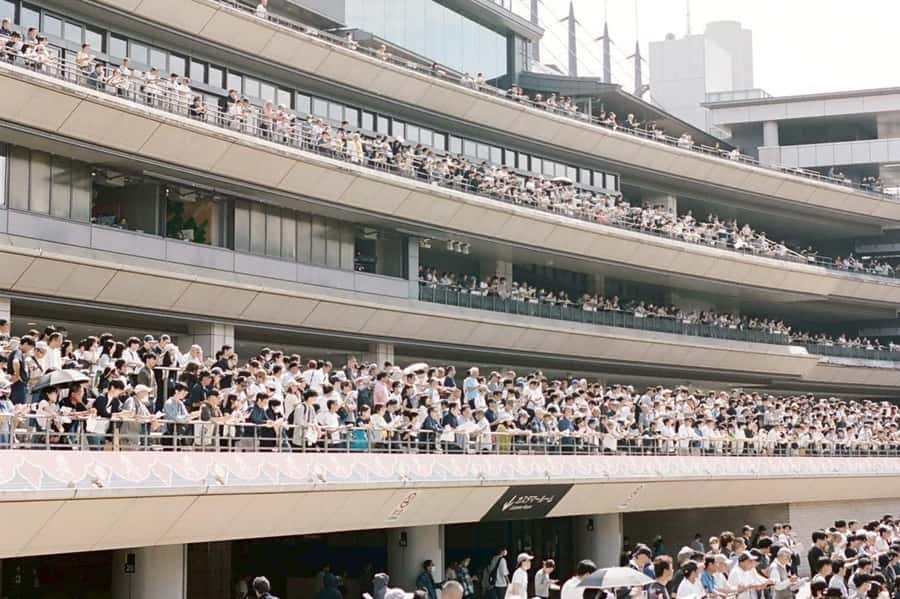
This is a good fit if you want a Tokyo experience that feels real, not generic. You should like this tour if:
- You enjoy hands-on cultural activities
- You want an English guide at an otherwise language-heavy event
- You like sports that mix tradition with crowd energy
- You’re open to trying betting as entertainment, not as a guarantee
It may be less ideal if:
- You hate gambling activities entirely, even for fun
- You expect food to be included in the price
- You want a tour that is fully self-paced, because the entry process depends on the guide
The group feel is also helped by the guide’s attitude. In the feedback, Eito is repeatedly described as friendly, open to explaining, and someone you’d happily have a few laughs with. That kind of comfort makes the day easier to enjoy, especially if you are traveling solo or with friends who are not into racing.
A quick game plan for your race day
If you want the smoothest experience, do this before you go:
- Bring cash in yen specifically for betting and snacks.
- Arrive at the meeting point on time so you can get your reserved seat ticket smoothly.
- Go in with one or two questions ready, like what to look for before placing a bet.
- Treat your first bet as learning. You’re not just chasing a win, you’re learning the rhythm.
On-site, follow the guide’s timing. Races can move quickly. If you miss a window, you may feel frustrated. With a guide telling you what’s next, you’ll keep up.
Also, remember that you’re part of the day. Cheering makes more sense once you know what to watch for, and the guide’s explanations are meant to help you do that.
Should you book this Tokyo horse racing tour?
If you want an authentic Tokyo day at a place tourists rarely visit, this is a smart bet. The biggest reason to book is the English support for betting, plus the way the guide helps you handle entry and seating. That combination turns a confusing event into something you can actually enjoy.
Book it if you are curious, open to trying betting in a controlled way, and you like learning how locals do their favorite pastime. Skip it if you hate crowds, hate the idea of betting, or you want a package where food and drinks are fully included.
If you’re on the fence, aim for the mindset of a fun cultural sports outing. When you understand what is happening, the excitement lands fast.
FAQ
Where do we meet, and how do I find the guide?
You meet at the start location where the guide will be waiting and holding a sign with your name. When you arrive, you send a text message.
How do we get into the racecourse?
Your guide handles the reserved seat ticket with you in person. Entry to the racecourse is only possible when you go with the guide.
Is the GetYourGuide voucher the admission ticket?
No. Your voucher is not the admission ticket. The guide provides your reserved seat ticket in person.
Which racecourse will we visit?
The racecourse can vary depending on the date. Weekend tours typically go to Tokyo Racecourse or Nakayama Racecourse. Weekday tours typically go to Oi or Kawasaki Racecourse. The exact venue is shown when you select your tour date.
Is there an English-speaking guide?
Yes. The tour includes an English-speaking guide throughout the event.
Do I need to know Japanese to place bets?
No. The guide explains the horse racing rules and the betting process in English and helps you place bets during the event.
What do I need to bring for betting?
Bring cash in Japanese yen, since betting amounts are paid individually by participants.
Are food and drinks included?
No. Food and drinks are not included. You can buy your own meals at the racecourse.
Are train tickets included?
No. Train tickets are not included.
Fresh options around Tokyo
- Tokyo: Nikko Kegon Falls Lake Chuzenji Toshogu Temple & More★ 4.9 · 12 reviews
- Tokyo: Samurai History Walking Tour★ 5.0 · 12 reviews
- Harajuku: Kawaii Fashion and Pop-Culture Tour★ 4.7 · 12 reviews
- Tokyo: Mt. Fuji & Lake Kawaguchi Instagram Full Day Trip★ 4.1 · 12 reviews
- Shibuya Tokyo: Modern Kintsugi Workshop in Shibuya★ 5.0 · 12 reviews
- Tokyo: GTR Guided Daikoku Experience at Night★ 5.0 · 12 reviews
- Tokyo: Daikoku JDM Car Culture Tour★ 4.6 · 12 reviews
- Mt Fuji Private Day Trip from Tokyo with English speaking driver★ 5.0 · 13 reviews
Tokyo Tours, compared.
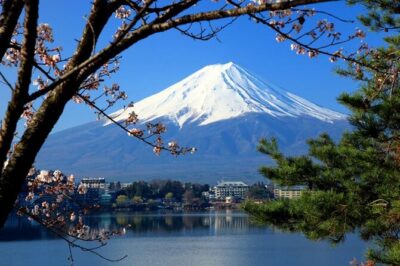
Mt Fuji and Hakone 1-Day Bus Tour Return by Bullet Train
Read our review →


teamLab Planets TOKYO Digital Art Museum Entry Ticket
Read our review →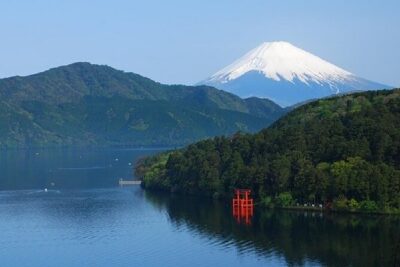
Mt Fuji & Hakone Cruise, Drum Show Bullet Train 1 Day from Tokyo
Read our review →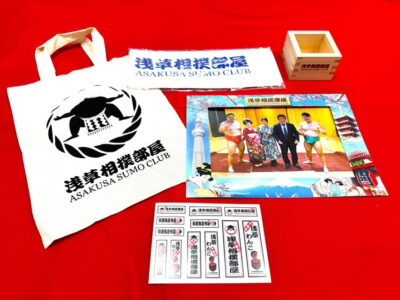
Sumo Show Experience with Chicken Hot Pot and a Photo
Read our review →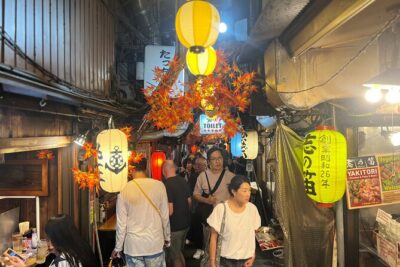
Shinjuku Food Tour (13 Dishes at 4 Local Eateries)
Read our review →