
Reviewed · ANIME & POP CULTURE TOURS
Private Harajuku Omotesando Architecture Tour
Architecture changes how you see Harajuku. This private Omotesando architecture walk turns a high-end shopping stretch into a real lesson in design, right from the Meiji Shrine area and its bridges to landmark storefronts and back streets. I like that you get photo-ready stops built into the route, not just a lecture.
What I really love is the mix of famous and emerging work you can actually spot in a short window. You’ll get big-picture context for why architects and designer brands flock here, then you’ll point your camera at recognizable names like The Iceberg, Dior, Louis Vuitton, Sunny hills, and Prada.
One possible drawback: you are walking. If your feet get cranky, bring comfortable shoes, and plan on enjoying the area at a steady pace instead of hopping in and out of trains all day.
Key highlights you will care about
- Start at Meiji Shrine’s area, with your meeting at Café Mori no Terrace near the big wooden entrance gate
- Big landmarks plus close-up fashion architecture, with stops that make sense in 210 minutes
- A licensed English-speaking guide who can answer questions and adjust to your interests
- Back streets contrast with the main boulevard, so you see more than just storefronts
- Night tour option to see the same buildings in a completely different mood
Why Omotesando feels different from Ginza
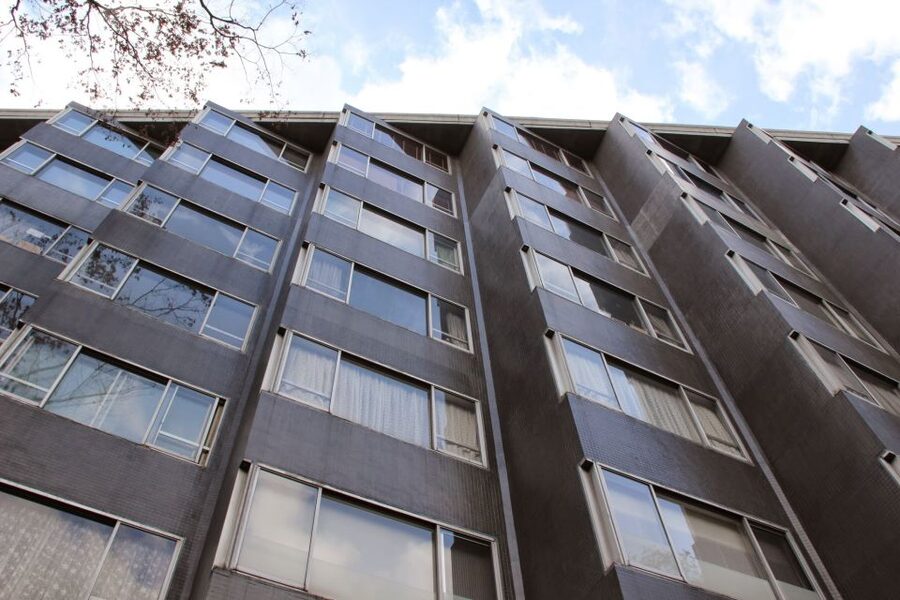
Omotesando looks like a shopping district at first glance. But the longer you walk it, the more you notice something else: it’s almost like an outdoor design gallery where the street width, building angles, and storefront placement all work together.
I like that this tour nudges you to stop thinking of Harajuku as only cute and young, and start viewing it as an urban experiment. You’ll also get a clear comparison point. The guide explains how Omotesando’s vibe differs from other famous boutique areas like Ginza, where the feel and the design language can be totally different.
The real payoff is how the area makes sense once you understand the “why.” Why do so many designer stores and famous architects want to be here? It’s not random branding. It’s about the streetscape, the audience, and the way the neighborhood invites modern-looking buildings to stand out without feeling out of place.
More anime and pop culture tours in Tokyo:
- Official Street Go-Kart Tour – Akihabara
★ 5.0 · 1,578 reviews - Tokyo Go Kart: Asakusa, Skytree, and Akihabara **IDP MUST**
★ 5.0 · 988 reviews - Tokyo Studio Ghibli Museum and Ghibli Film Appreciation Tour
★ 4.5 · 421 reviews
Meeting by Meiji Shrine, then heading to Jingubashi
You start at a practical location that’s easy to find: in front of Café Mori no Terrace, at the open space area where the big wooden entrance gate of Meiji Jingu stands. It’s not the inside-of-the-shrine café, and that matters because you do not go through Shinto gates from JR Harajuku Station to reach your meeting spot.
From there, the route begins at the Jingubashi bridge area in front of Meiji Shrine. That first stretch helps you get your bearings fast. You’ll see how the shrine side of the neighborhood frames the next act: sleek, modern Tokyo architecture.
If you’ve ever felt lost in Tokyo’s layout, this start helps. It gives you a “north star” landmark so the rest of Omotesando feels more readable, like a designed sequence rather than a random walk.
Seeing Yoyogi Gymnasium from a distance, then switching gears
Tokyo loves contrasts. This tour uses that trick well.
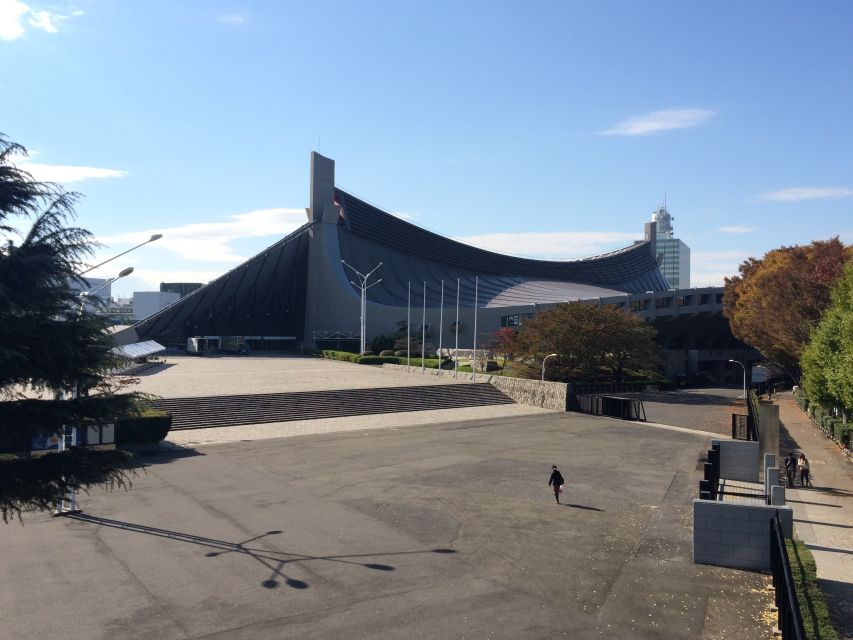
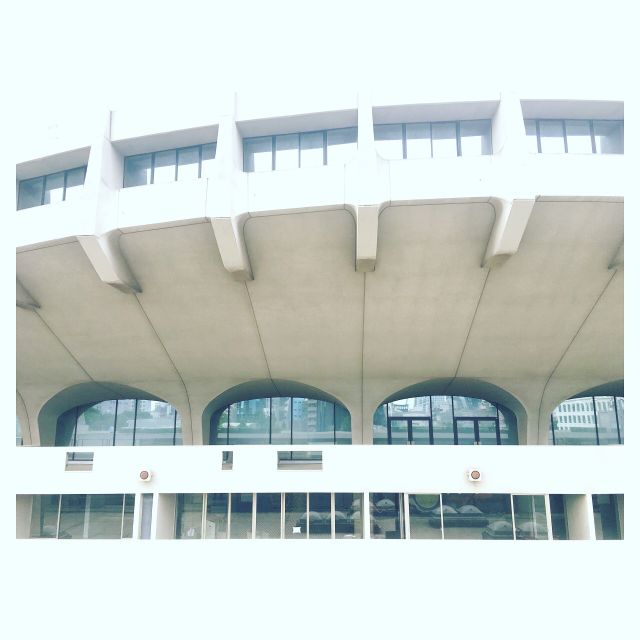
After the shrine area, you move toward one of Tokyo’s most impressive landmarks, Yoyogi Gymnasium. You’ll check it out from a distance, and that framing gives you a useful perspective. You’re not just staring at one building. You’re learning how monumental design sits in relation to the street and the surrounding district.
That matters because the next part of the walk is about modern architecture you can recognize, including designer brands and contemporary works. If you came for photos, this is where your phone starts earning its keep.
If you don’t come for photos, you will anyway. Omotesando is one of those places where the angles are forgiving and the architecture is designed to be seen while walking, not just photographed from one perfect spot.
The landmark storefronts you will actually look at
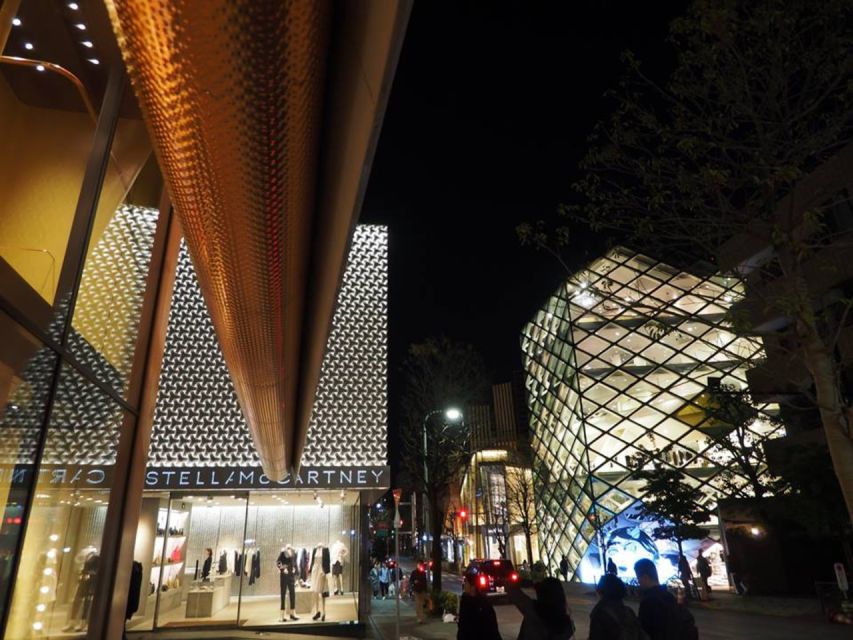
This tour is built around the buildings you have probably heard of, but it doesn’t stop at name recognition. You’ll learn the stories and design logic that make these places more than luxury window dressing.
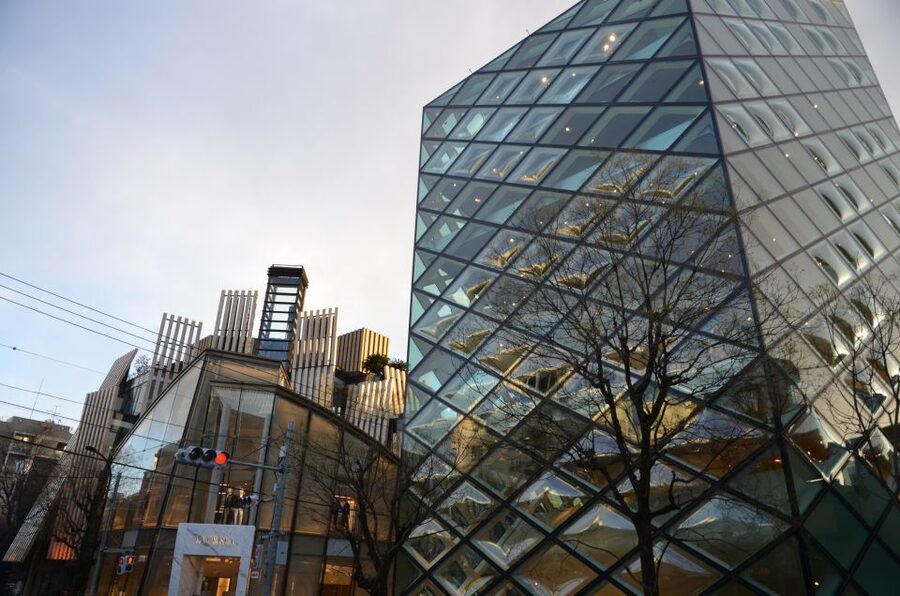
Expect the guide to point out key architectural cues as you move between major brands. The list you will cover includes The Iceberg, Dior, Louis Vuitton, Sunny hills, and Prada, positioned among other famous works along the Omotesando stretch.
What makes this portion valuable is the way it trains your eye:
- You start noticing façade patterns and how entrances are framed.
- You see how design brands treat the building as part of the street experience, not just a backdrop.
- You learn why certain architects and firms fit this neighborhood’s style.
And yes, you’ll get photo opportunities at many corners. This tour isn’t shy about helping you aim. The route is paced so you can stop and shoot without feeling like you’re constantly sprinting.
One small practical note: storefront architecture can be busy, especially during peak shopping hours. If you hate crowds, you might find it calmer to prioritize the night tour option.
A few more Tokyo days worth comparing
- Mt Fuji and Hakone 1-Day Bus Tour Return by Bullet Train
★ 5.0 · 26,383 reviews - 1-Day Tokyo Bus Tour
★ 5.0 · 14,250 reviews - Tokyo: TOKYO SKYTREE® Admission ticket
★ 4.5 · 11,192 reviews - Tokyo: teamLab Planets TOKYO Digital Art Museum Entry Ticket
★ 4.6 · 9,779 reviews
Side streets and the lived-in contrast you might miss alone
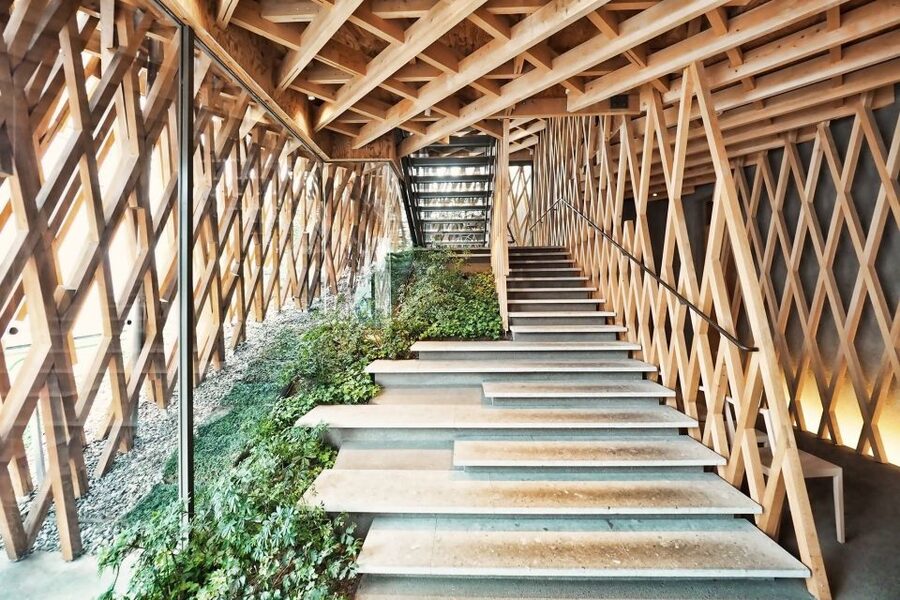
Omotesando’s main boulevard is only half the story. The tour includes a side trip into back streets so you can appreciate different aspects of the area.
This is where the neighborhood stops being a set and becomes real life.
You’ll spot how people actually move through the district, how side lanes feel more intimate, and how the surrounding urban texture changes from one block to the next. It also helps you understand Omotesando as more than a luxury corridor.
In past tours, guides have also brought guests through lively shopping lanes like Cat Street, then encouraged people to return on their own if they want more time. That tells you the experience has flexibility built in, not just a rigid checklist.
If you’re the type who likes seeing the “between” spaces, this back-street portion is the difference-maker.
Night tours, when the architecture reads like theater
The highlight list calls out a night take, and that’s a big deal.
Daytime gives you shape and materials. Night gives you lighting, reflections, and mood. Brand storefronts and contemporary façades often look better under evening conditions because shadows and signage add depth.
If your goal is atmosphere and photos, the night tour can feel like a different neighborhood, same streets, new perspective. You’ll also see why designers like the area. Lighting and façade details are where fashion-and-architecture branding often feels most intentional.
Just keep your expectations realistic. Night also means more pedestrians and more evening energy, so you’ll still want comfortable shoes and the willingness to walk at a steady pace.
Private guide value, and why the English helps so much
This is a private group experience with a licensed English-speaking tour guide. That means you’re not stuck translating your own way through architecture terms, and you’re more likely to get answers that match your curiosity.
The guides here have strong backgrounds. For example, I’ve seen accounts of guides like Taka, described as a retired urban planner who graduated from MIT. Others, like Fuki and Hal, are praised for explaining the story behind the building clearly and with passion.
You’ll also benefit from a common thread in the reviews: the guide asks what you want to see and then builds the walk around it. One guest noted that a guide included every building they mentioned, and could even talk about less spectacular structures along the way. That kind of “not just the obvious stops” attention is exactly what you want for a premium paid tour.
In other words, the value isn’t just that you get a route. You get interpretation, and you get a real conversation.
Itinerary flow you can visualize before you go
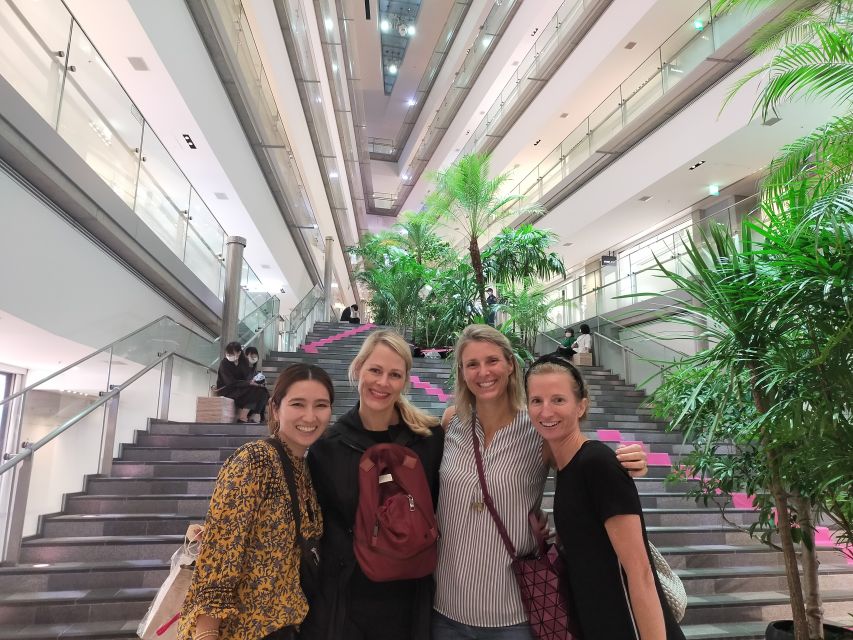
Here’s the rhythm you should expect from the 210-minute format:
- Start at Café Mori no Terrace near the big wooden entrance gate of Meiji Jingu
- Walk to the Jingubashi bridge area in front of Meiji Shrine
- Head toward Yoyogi Gymnasium, checking it out from a distance
- Move through Omotesando’s contemporary architecture, including The Iceberg, Dior, Louis Vuitton, Sunny hills, and Prada
- Take a side trip into back streets to see a different slice of the neighborhood
- Include a break time with drinks, with options to step off your feet briefly
- Return with time to keep noticing details you might miss on your own
Meals are not included, and the tour includes drinks during the break. If you’re hungry afterward, you’ll want to plan a meal stop near where your walk ends up, rather than expecting a full sit-down meal during the tour window.
Price and time: is $129 worth it?
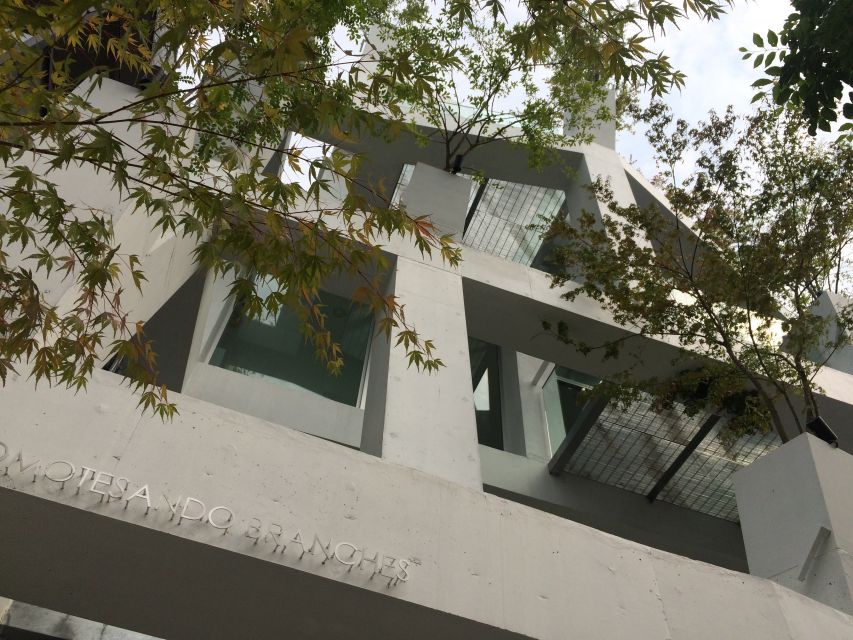
$129 per person for 210 minutes sounds like a lot until you look at what you’re buying.
You’re paying for:
- A licensed English-speaking guide
- A private format, meaning your group gets attention
- A focused architecture route through a district that can easily turn into random shopping wandering
- Context for famous and emerging work you can see in a short window
If you’re someone who would otherwise try to research architecture yourself and then still end up with a “what was that building again” feeling, the guide can save you time and mental effort.
If you’re coming for shopping only, this may feel like too much learning. But if you want a structured walk where every stop connects to design choices, the price starts to make sense fast.
Also, since it’s private, it can be easier to justify if you’re traveling with someone who shares the interest. Two people get the shared value, not just one person learning while others “window shop.”
Logistics you should plan for
Duration: 210 minutes, so about a 3.5 hour walking window.
Location: Honshu, Tokyo area, focused around Harajuku and Omotesando.
Included: licensed English-speaking tour guide, break time with drinks.
Not included: meals, transportation fee to and from the Harajuku Omotesando area.
Meeting point: Café Mori no Terrace, 1 Yoyogikamizonocho, Shibuya City, Tokyo 151-0052, Japan (in front of the café in the big open space by the Meiji Shrine wooden entrance gate).
What to bring: comfortable shoes.
Wheelchair accessible is listed, so the tour is designed to be reachable for more people than some city walks.
One more practical tip: even though the tour is private, it’s still a city walk. Bring patience for street scenes, photo stops, and people moving through the same places you want to see.
Should you book this Omotesando architecture tour?
Book it if you fit at least one of these:
- You want architecture and design context, not just shopping storefronts
- You like photography and want built-in stops at the right corners
- You enjoy learning why areas develop a specific reputation, like Omotesando compared with Ginza
- You’re traveling with someone who appreciates buildings as much as brands
Skip it or think twice if:
- You dislike walking for a solid 3.5 hours
- You only want shopping time with no commentary
- You expect a meal included in the tour plan
If you want a high-impact way to see famous and emerging architecture in one coherent walk, this is a strong choice. The private guide, the focus on recognizable buildings, and the option to go at night are what make it feel like more than a sightseeing stroll.
FAQ
How long is the Private Harajuku Omotesando Architecture Tour?
The tour duration is 210 minutes.
Where is the meeting point?
Meet in front of Café Mori no Terrace, 1 Yoyogikamizonocho, Shibuya City, Tokyo 151-0052, Japan, in the big open space where the big wooden entrance gate of Meiji Shrine stands.
What is included in the tour price?
The tour includes a licensed English-speaking tour guide and a break time with drinks.
Is transportation to and from Harajuku Omotesando included?
No. Transportation fee to and from the Harajuku Omotesando area is not included.
What should I bring?
Wear comfortable shoes, since it is a walking tour.
Is the tour private and offered in English?
Yes. It is a private group tour, and the guide is licensed English-speaking.
Is the tour wheelchair accessible?
Yes, the tour is listed as wheelchair accessible.
Fresh options around Tokyo
- Tokyo Shopping Street Hopping Private Tour with Government Licensed Guide★ 5.0 · 18 reviews
- Tokyo: Private Mount Fuji and Hakone Day Trip with Guide★ 4.5 · 18 reviews
- Small-Group Osaka-Style Okonomiyaki Cooking Class★ 5.0 · 18 reviews
- Hakone Private One Day Tour From Tokyo: Mt Fuji, Lake Ashi, Hakone National Park★ 5.0 · 18 reviews
- Shinto Shrine Tour: Explore Japanese Culture in Tokyo★ 5.0 · 18 reviews
- PERFECT 1 Day Tokyo Highlights Tour with a Private Car★ 5.0 · 19 reviews
- Tokyo: Shinjuku Bar Hopping & Karaoke Night Tour★ 4.9 · 19 reviews
- Night E-Scooter Ride to Tokyo Tower – No License Needed★ 4.9 · 19 reviews
Anime & Pop Culture Tours, compared.


Tokyo Go Kart: Asakusa, Skytree, and Akihabara **IDP MUST**
Read our review →
Tokyo Studio Ghibli Museum and Ghibli Film Appreciation Tour
Read our review →
Akihabara Anime & Game Adventure Walking Tour (Group or Private)
Read our review →
Tokyo Go-Kart Tour Shibuya-Harajuku-Shinjuku (*IDP Required)
Read our review →
Guided Go Kart Tour from Harajuku to Shibuya Crossing
Read our review →Browse the lists this tour appears in