
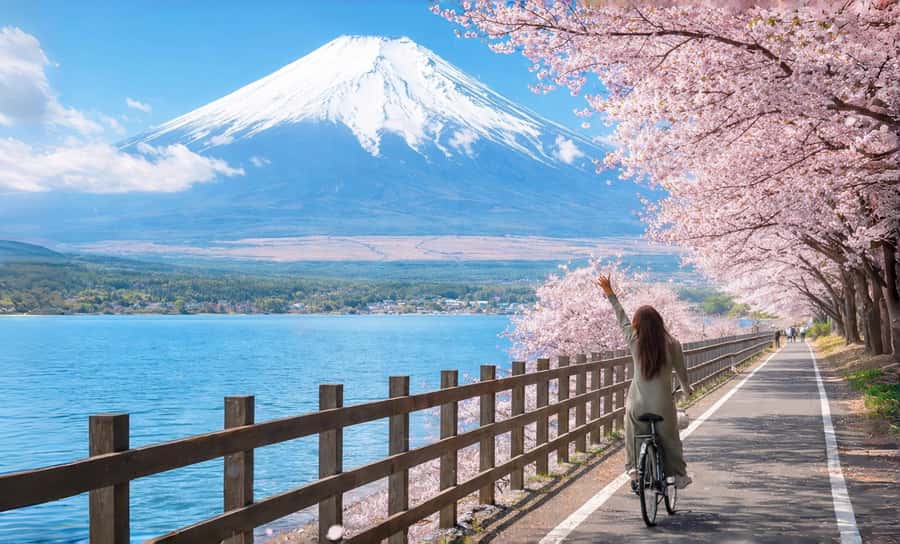
Reviewed · FULL-DAY
Tokyo: Full-Day Tour of the Six Majestic Spots of Mt Fuji
Fuji photos start early, and so does the payoff. This full-day tour strings together some of Japan’s best Mt Fuji viewpoints, from Hirano Beach for mirror-like reflections to Oshino Hakkai for UNESCO springs. I love the way the day is structured around what photographers and nature lovers actually want, plus the small-group feel that keeps stops from turning into a rushed blur. The one drawback to plan for is simple: if the sky is cloudy, the famous Fuji views can fade, and the trip becomes more about place and culture than perfect photos.
What makes this outing especially interesting is the mix of calm and “photo mission” moments. You’ll get that cinematic straight-road feeling at the Higashikawa Clock Shop area, then shift into slower, scenic walking at Oshino Hakkai. And based on past guide support I’ve seen on this route, guides like Tim, Will, Agnes, and Sakuragi often focus on practical on-site instructions, including photo help.
You’ll also want to match the tour to your comfort level. It’s not ideal for everyone: it’s not suitable for pregnant women, people with high blood pressure, or anyone over 70, and the Arakurayama Sengen Park pagoda area involves stone steps. If that’s you, you may want to consider a more flexible Fuji day plan.
Key things to know before you go
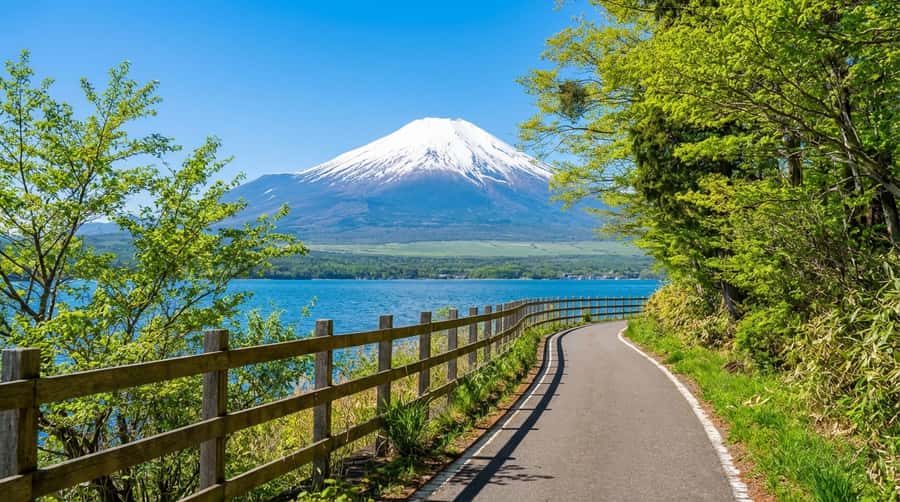
- Hirano Beach is morning-only for the best reflection shots, and you can spot resident swans along the gravel shoreline.
- Higashikawa feels like a postcard road, with the Clock Shop as your visual anchor and a Lawson storefront that’s famous for Fuji-facing photos.
- Arakurayama Sengen Park is step-based, with the red five-story pagoda framing views in cherry blossom or autumn foliage season.
- Oshino Hakkai is the walking highlight, eight crystal springs plus a traditional village vibe and turquoise water you can take your time with.
- Oishi Park changes with the month, from tulips to lavender to begonias, always with Fuji in the background when visibility cooperates.
The Tokyo to Fuji Lakes day: what the pacing feels like
This is a true full-day trip, designed to get you out of Tokyo and into the Mt Fuji lake region in one shot. The tour includes air-conditioned transportation, a tour guide, and the driver, and you return to your meeting point at the end of the day. There’s no hotel pickup, so you’ll meet at a location that varies by the option you choose, then ride out together.
The rhythm is part sightseeing, part “photography timing.” That matters because two of the big attractions depend on conditions and timing: Hirano Beach reflections are best in the morning, and seasonal parks look their best when you hit the right month. When Fuji is visible, the day can feel like a best-of compilation. When clouds take over, you still get real variety, just not the same “Fuji everywhere” effect.
One practical note: there’s no eating or drinking allowed on the vehicle. Bring your snacks only if you plan to eat them at stops, not during transit.
More Mt Fuji tours from Tokyo:
- Mt Fuji and Hakone 1-Day Bus Tour Return by Bullet Train
★ 5.0 · 26,383 reviews - Mt Fuji & Hakone Cruise, Drum Show Bullet Train 1 Day from Tokyo
★ 4.0 · 7,413 reviews - Tokyo Mt Fuji 5th St & Hakone Cruise Bus Tour w/Bullet Train
★ 4.4 · 5,024 reviews
Hirano Beach reflections and swans: the morning slot that makes the tour
Hirano Beach is the part of this day that I’d circle first if you care about those crisp, symmetrical Fuji reflections. It’s a gravel shoreline on the northeastern side of Lake Yamanaka, and the big idea is that the lake surface can act like a mirror. The tour’s own guidance is clear here: go in the morning if you want those dual shots of Mount Fuji plus its reflection.
What I like about Hirano Beach is the “small and specific” charm. You’re not just standing in a big scenic overlook; you’re working a shoreline angle. That’s why it’s worth wearing comfortable shoes, especially since gravel can be slippery or tiring if you’re there longer than you planned.
Then there’s the swan factor. The beach has resident swans, so you may get moments that feel more like a nature encounter than a photo stop. If you’re patient with waiting for wind to calm down and for swans to move, you’ll usually get better results than rushing from one angle to the next.
Higashikawa Clock Shop and the Fuji-facing Lawson: instant mood photos
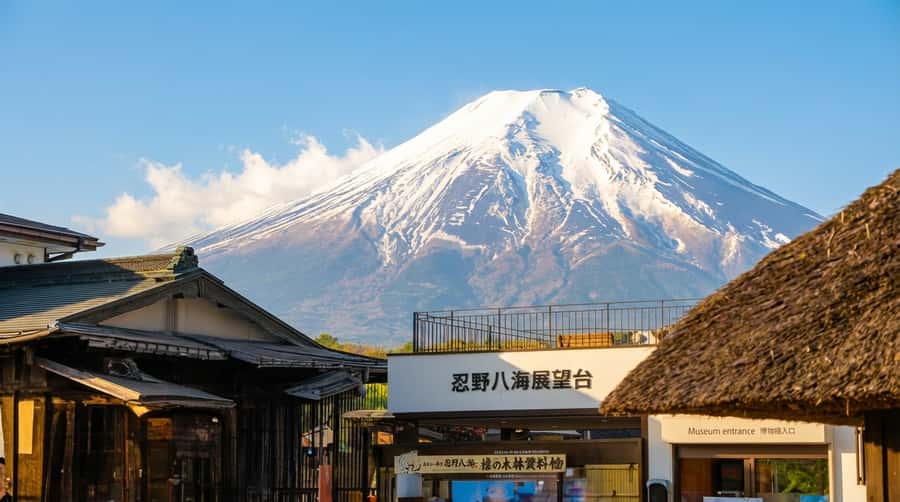
After the lake morning, you shift from stillness to that wonderfully quiet, “cinematic street” feeling around Higashikawa. The Higashikawa Clock Shop sits at the end of a road that looks like it stretches forever toward Mount Fuji. The effect is a bit mind-bending. You get the illusion of being much closer to Fuji than you actually are, and your photos look like they were composed rather than grabbed.
This is also a great break stop because it’s compact. You can walk, frame your shot, and not spend the whole time battling the crowds you’ll see at larger viewpoints later in the day. In cherry blossom or autumn season, the area tends to add extra color around the edges.
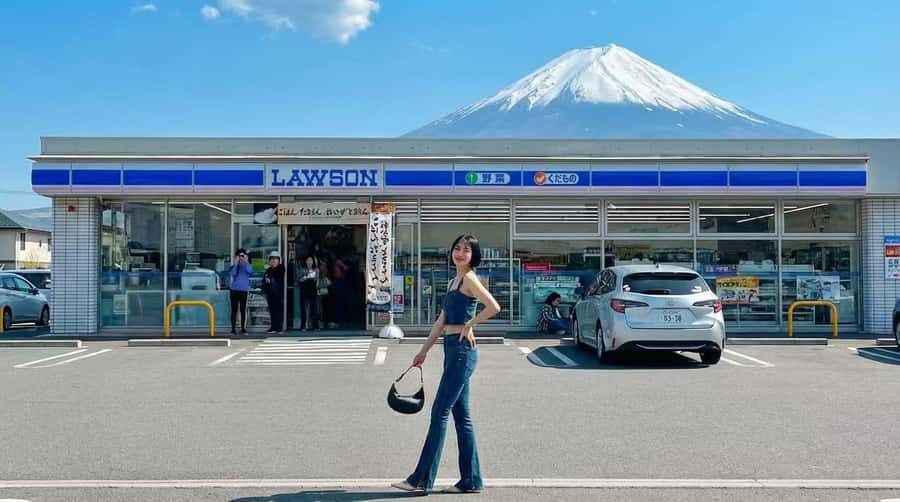
Then comes the Lawson convenience store, and yes, it has a reputation here. The store’s minimalist look and Fuji-facing windows make it an easy backdrop for a quick selfie or phone wallpaper photo. The real value is that it’s a fast stop that doesn’t feel like a “boring store detour.” You can grab something to eat, reset, and still keep your timeline intact.
Arakurayama Sengen Park and the red five-story pagoda
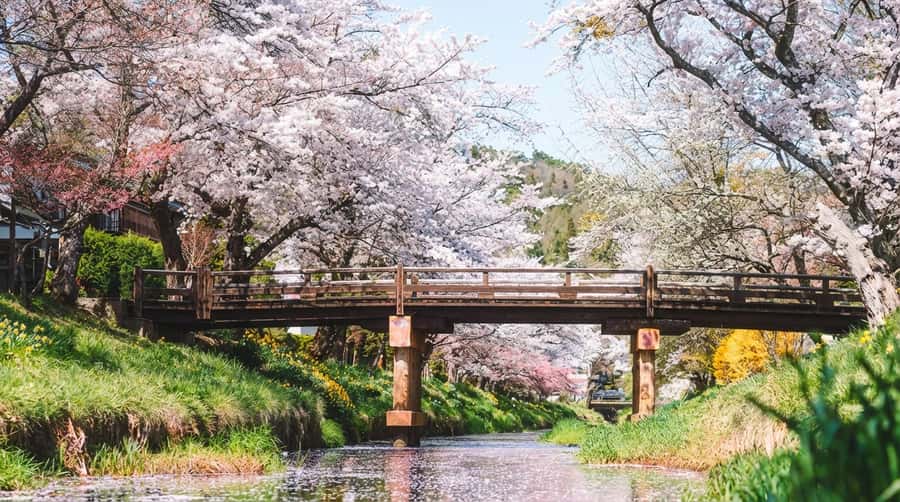
Arakurayama Sengen Park is one of those places where people come for the view, then stay for the walk and the pacing of the scenery. From Shimoyoshida Station, it’s a short trek to the photo zone, and you’ll climb stone steps to reach the red five-story pagoda viewpoint.
The big payoff is how Fuji fits into the frame. In spring, the pagoda area is associated with cherry blossoms. In autumn, the same “Fuji framed by trees” idea shifts into fiery fall color. Even when the weather isn’t perfect, the steps and the pagoda give your photos structure.
One consideration: those steps are real. The tour notes indicate wheelchair access is limited because of the pagoda steps, and the tour is not listed as suitable for wheelchair users. So if you have mobility limits, don’t treat Arakurayama as a casual wander. Plan carefully, pace yourself, and bring realistic expectations about how much climbing is comfortable.
Afterward, you can slow down with coffee in the charming village area below. It’s one of the nicer spots in the day because it gives you time to breathe instead of sprinting between viewpoints.
A few more Tokyo days worth comparing
- 1-Day Tokyo Bus Tour
★ 5.0 · 14,250 reviews - Tokyo: TOKYO SKYTREE® Admission ticket
★ 4.5 · 11,192 reviews - Tokyo: teamLab Planets TOKYO Digital Art Museum Entry Ticket
★ 4.6 · 9,779 reviews - Tokyo: Sumo Show Experience with Chicken Hot Pot and a Photo
★ 4.8 · 6,678 reviews
Oshino Hakkai springs: where Fuji water becomes a walkable wonder
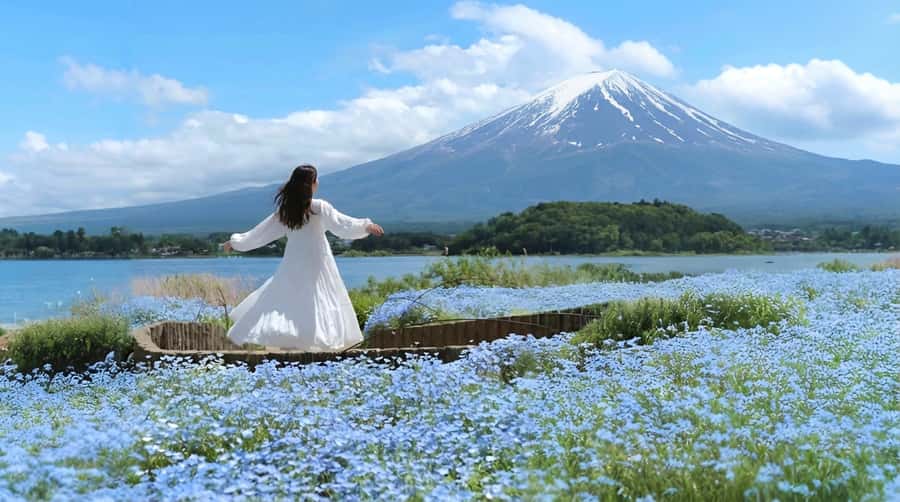
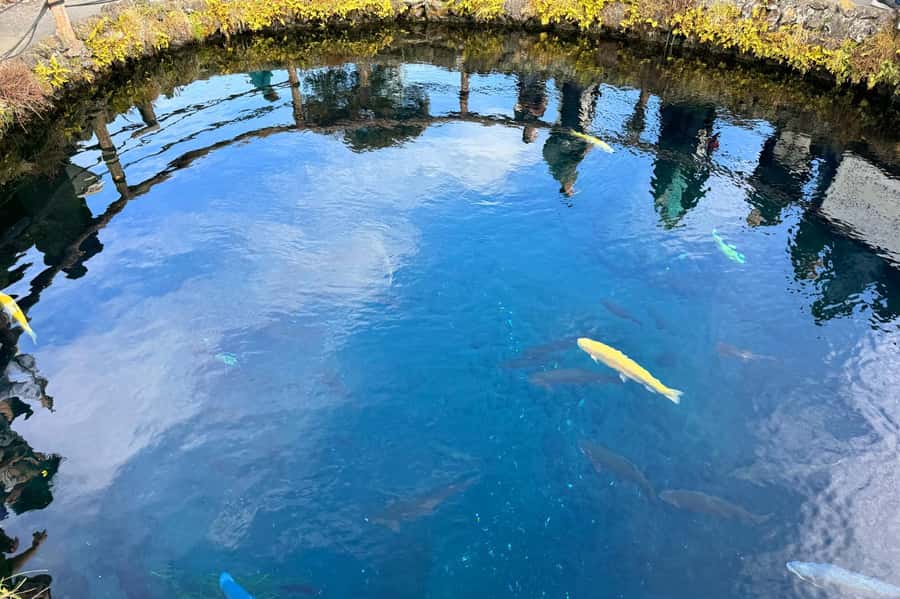
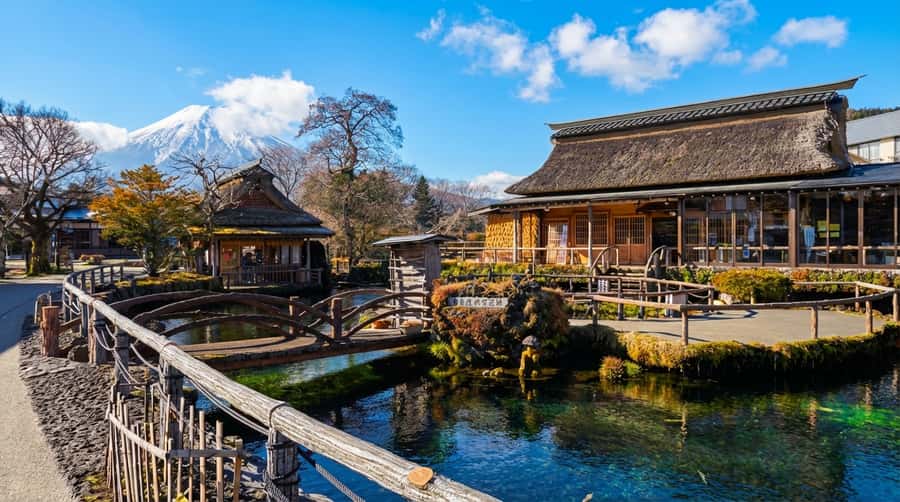
If I had to pick the “most relaxing” stop of the day, it’s Oshino Hakkai. This UNESCO site features eight crystal-clear springs fed by melted snow from Mount Fuji. That connection matters because it explains what you’re seeing. The turquoise water isn’t just pretty color, it’s part of how the area stays lively and cool even when the rest of the region feels seasonal.
You’ll walk through a traditional village with thatched-roof houses, cross wooden bridges, and move between spring pools at your own speed. The structure makes it easy to take photos, but it also works well if you just want a calm walk away from the heavier viewpoint crowds.
A good strategy here is to stop at each spring long enough to notice the surface color shift. In some angles, the water looks brighter and more glassy. In others, it turns deeper and more reflective. If Fuji is visible in the background, you get that classic “mountain meets water” feeling that makes the whole day feel worth it.
The downside is that it’s still a popular UNESCO spot, so you can hit busy moments. If you prefer space, aim for less crowded times by following the tour’s timing rather than trying to freestyle too much.
Oishi Park seasonal flowers: Fuji’s monthly color palette
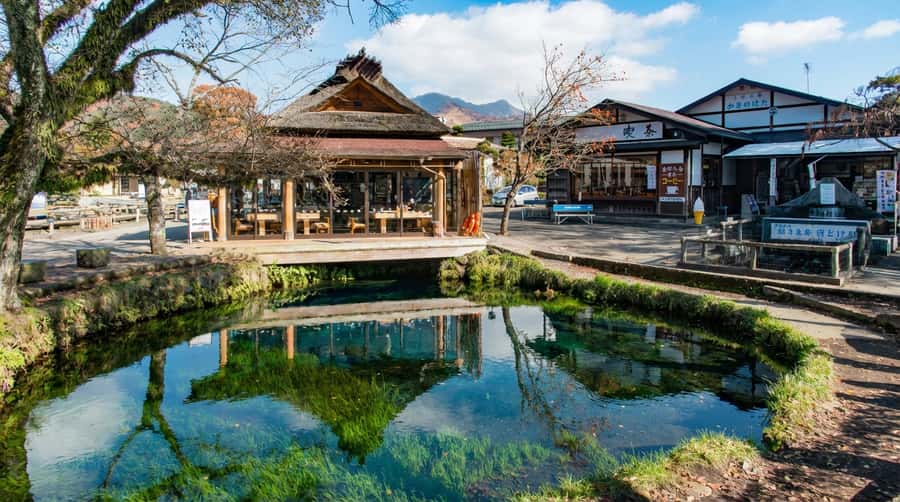
Oishi Park is the flower stop built for seasonal variety. The tour highlights that the flower fields change with the month, which is exactly what you want if you’re traveling at different times of year. When Fuji visibility cooperates, these fields become a simple formula for a postcard photo.
Here’s the seasonal breakdown that matters:
- April: tulips, daffodils, and rapeseed flowers
- May: carpet-like moss phlox
- June to July: lavender fields, tied to the Kawaguchiko Herb Festival
- August to October: begonias
- November: scarlet maple leaves
The practical truth is that you should expect small variations based on timing and local conditions. The tour itself flags that Oishi Park’s flower seasons may vary slightly, so don’t assume the exact bloom map always matches your travel dates. But the core idea is steady: you’ll see a wide, photo-friendly flower display with Fuji in the background when the sky clears.
Asama Park: a useful break between the big hitters
Asama Park is included as another scenic stop, but it’s not positioned as the single “main character” the way Hirano Beach or Oshino Hakkai is. I like this kind of mid-route pause because it helps the day feel human. After multiple viewpoint climbs or lake photography, you get a chance to reset your legs and re-center your eyes.
Because the tour data doesn’t spell out specific features at Asama Park, I’d treat it as a flexible viewing and stretching stop. You’ll likely find it useful if you want a calmer moment before the rest of the Fuji lake scenery.
Price and value: is $45 a good deal for this Fuji day?
At $45 per person, this tour is priced as a value-oriented day trip from Tokyo. What you get for that money is the key. You’re not paying just for admission tickets. You’re paying for transportation, a tour guide, and the driver who handles the route so you don’t have to coordinate trains or buses across multiple viewpoints.
Where the value calculation changes is what’s not included. You’ll cover food and drinks, plus personal expenses. There’s no hotel pickup and drop-off. Also, the tour doesn’t include travel or accident insurance, which you should arrange on your own if you want that safety net.
So who is this best for? It works well if:
- you want a guided, efficient Fuji day without DIY logistics
- you care about multiple photo sites rather than one big obsession stop
- you’re okay with a full day schedule, including walking and steps
If you’re the type who prefers ultra-slow travel, or if your schedule is too tight for a long day, the pricing might feel less “bargain” and more like you’re paying to stay on a timetable.
Tips to improve your odds of seeing Fuji
Because Fuji is weather-dependent, your best approach is to optimize the things you can control.
First, honor the morning logic for Hirano Beach. The tour guidance is blunt: morning is when you have a chance at those reflection shots. If you sleep in Tokyo, you’ll lose that advantage.
Second, pack for the walking. Comfortable shoes matter for gravel at the lake and stone steps at Arakurayama. Dress in comfortable layers too, since weather around the lakes can shift.
Third, manage expectations about crowds. Some attractions can get crowded in peak seasons. Your job is to keep moving at the right times instead of standing still at the busiest moments.
Fourth, sound and comfort are worth noting. One guide comment I’ve seen flagged that bus speaker volume can feel high. If you’re sensitive to loud audio, bring earplugs.
Fifth, don’t plan expensive logistics on the same day. The tour recommends avoiding booking same-day Shinkansen or late activities. If something runs behind due to traffic or early closures, you want buffer time.
Should you book this Mt Fuji full-day tour?
Book it if you want one day to cover multiple Fuji highlights without turning your trip into transportation homework. The strongest reasons to go are the morning Hirano Beach reflection potential, the Oshino Hakkai spring walk, and the way the itinerary mixes lakes, pagoda views, and seasonal flowers into a single, guided loop.
Skip or reconsider if you:
- need wheelchair-friendly access throughout, since Arakurayama pagoda steps are a major limitation and the tour is listed as not suitable for wheelchair users
- have health concerns that match the tour limits (not suitable for pregnant women, people with high blood pressure, or anyone over 70)
- are traveling during a period when clouds are common and you’d be disappointed by “beautiful places, less Fuji”
If Fuji is your priority, I’d especially focus on the morning schedule and choose a travel window where you can reasonably hope for clearer skies. If Fuji visibility doesn’t land, you’ll still have a full day of memorable scenery and calm walking, especially around the springs.
FAQ
Is hotel pickup included?
No. The tour does not include hotel pickup or drop-off. You’ll meet at a meeting point that varies by the option booked, and the tour ends back at that meeting point.
What is included in the $45 per person price?
Transportation in an air-conditioned vehicle, a tour guide, and the driver are included.
What should I bring for the day?
Bring comfortable shoes and comfortable clothes.
Is the Mount Fuji reflection at Hirano Beach available all day?
The reflection opportunities at Hirano Beach are best in the morning. The tour specifically recommends a morning departure for those mirror-like shots.
Is this tour accessible for wheelchair users?
The tour notes state it is not suitable for wheelchair users, and Arakurayama Sengen Park involves pagoda steps that limit wheelchair access.
What languages are offered during the tour?
Chinese and English are listed. The tour also notes multilingual services are provided for international guests onboard, and for small daily groups the driver provides limited English commentary while driving.
Is the tour suitable for everyone?
No. It’s listed as not suitable for pregnant women, people with high blood pressure, and people over 70.
Is food and drinks included?
No. Food and drinks are not included, and you’re not allowed to eat or drink in the vehicle.
What happens if weather affects the schedule?
The itinerary may adjust if attractions close due to weather or traffic jams, with switches to other spots. The tour notes that changes or cancellations due to force majeure have no refunds.
What is the cancellation policy?
You can cancel up to 24 hours in advance for a full refund.
Fresh options around Tokyo
- Private Harajuku Omotesando Architecture Tour★ 4.9 · 18 reviews
- Tokyo Shopping Street Hopping Private Tour with Government Licensed Guide★ 5.0 · 18 reviews
- Tokyo: Private Mount Fuji and Hakone Day Trip with Guide★ 4.5 · 18 reviews
- Small-Group Osaka-Style Okonomiyaki Cooking Class★ 5.0 · 18 reviews
- Hakone Private One Day Tour From Tokyo: Mt Fuji, Lake Ashi, Hakone National Park★ 5.0 · 18 reviews
- Shinto Shrine Tour: Explore Japanese Culture in Tokyo★ 5.0 · 18 reviews
- PERFECT 1 Day Tokyo Highlights Tour with a Private Car★ 5.0 · 19 reviews
- Tokyo: Shinjuku Bar Hopping & Karaoke Night Tour★ 4.9 · 19 reviews
Full-Day, compared.
Mount Fuji Full-Day Private Tour from Tokyo (Customizable)
Read our review →
Hiroshima / Miyajima Full-day Private Tour with Government Licensed Guide
Read our review →
Tokyo Private Full-Day Tour by Car or Van
Read our review →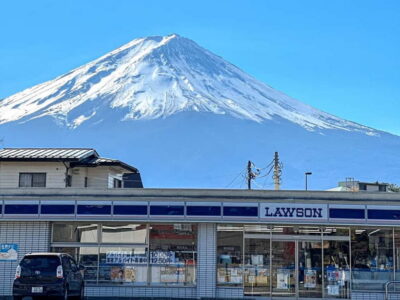

5 Top Highlights of Kyoto Full Day Bike Tour (E-bike option)
Read our review →
Full Day Biking Tour Exploring the Best of Kyoto
Read our review →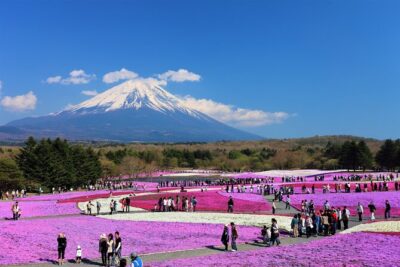
Mt. Fuji, Hakone Full-Day Private Tour with English Driver Guide
Read our review →Browse the lists this tour appears in