Reviewed · TOKYO TOURS
Tokyo: Full Course Tour: Explore 10 Must-Sees & Hidden Gems
Tokyo in one packed day, on purpose. This 7-hour, small-group tour strings together Tokyo highlights with side streets locals actually use, and it includes all-free entry stops plus a guide who can teach you how to move through the city without fuss. I especially liked how the pacing feels efficient, because you’re mostly on foot and metro while still getting context, not just photos. Second, you’ll get a clear intro to everyday Japan, not only landmarks.
I also like that the guides earn serious trust. In recent bookings, people raved about Sam and Yasuko, praising their history lessons, cultural courtesies, and helpful, friendly energy. If your guide uses slides or mapping tips, you’ll benefit even more, because you can revisit your favorite spots later with better orientation.
One consideration: this is a walking-heavy day. The tour requires shoes for around 20,000 steps, and it is not designed for mobility challenges, pregnancy, or low-fitness days, so you’ll want to be honest with your pace.
Key things that make this Tokyo day tour work
- All attractions are free to enter, so your money goes to transport and food, not tickets.
- Small group size (up to 7) keeps the day from feeling chaotic.
- Born-and-raised local guides focus on etiquette and daily-life know-how, not just sightseeing.
- Metro-to-walk routing helps you learn neighborhoods fast, then return later with confidence.
- A long list of real Tokyo zones goes from convenience-store culture to shrines, markets, and Akihabara.
- Vegetarian and vegan options are always available, which matters when you’re eating on the go.
Why this 7-hour Tokyo route is great for your first day
If Tokyo is new to you, your biggest enemy is confusion. Not language. Not money. Time. This tour is built to reduce all three by moving you through multiple areas in one organized loop, with a guide explaining what you’re seeing and how to behave like you belong.
The value is unusually straightforward: the tour claims that all attractions on the itinerary are free to enter. That means you’re paying for guidance, timing, and navigation more than “ticket value.” For a first day, that’s exactly what you want.
You also get a practical education that goes beyond “where to go.” The tour is designed as an insider manual. That shows up in the way guides explain Japanese etiquette and public transport habits as you ride and walk, so you’re not stuck learning the rules after you’ve already made the wrong move.
Possible drawback, though: your legs will do the work. This isn’t a sit-and-stare tour, and you should plan for long stretches outdoors.
A few more Tokyo days worth comparing
- Mt Fuji and Hakone 1-Day Bus Tour Return by Bullet Train
★ 5.0 · 26,383 reviews - 1-Day Tokyo Bus Tour
★ 5.0 · 14,250 reviews - Tokyo: TOKYO SKYTREE® Admission ticket
★ 4.5 · 11,192 reviews
Meet your guide, and why Sam and Yasuko matter
You’ll meet your guide at JR Yoyogi Station, west exit, outside the ticket gate. After you book, you’ll receive the guide’s name and photo for that day. In past trips, the experience has been strongly associated with guides like Sam and Yasuko/Yasko, who were praised for being warm, organized, and genuinely helpful with questions.
Here’s what you’re really buying when the guide is born-and-raised. They can spot the moments that trip up visitors, like when a street feels like it should go one direction but the flow is different. They can also explain the “why” behind etiquette and daily habits, so it clicks instead of becoming a checklist.
One review specifically noted a guide using an iPad with slides for the narrative. Even if your guide doesn’t do that exact format, the consistent point is that the explanation is meant to be clear and memorable, not rushed.
Seven-Eleven to Meiji Jingu, a Tokyo morning that teaches you how locals live
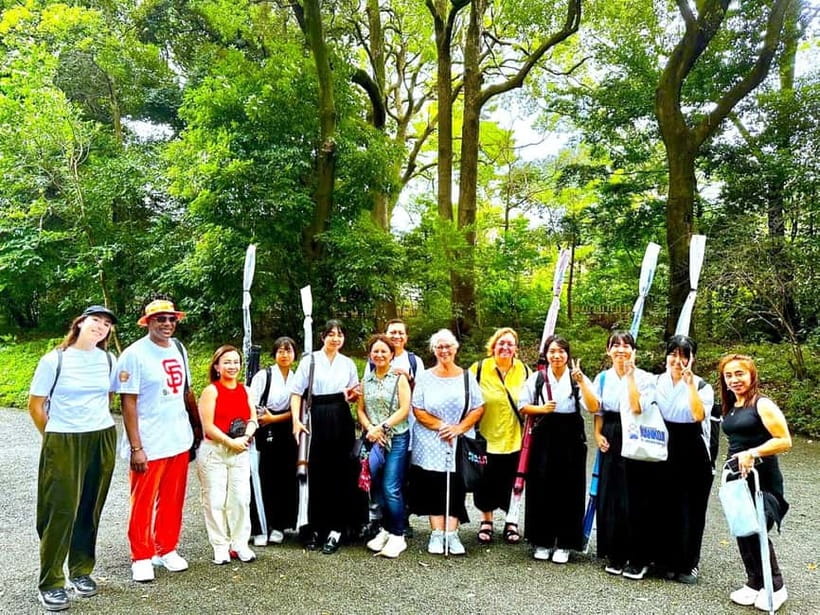
The day starts with something you might not expect: Seven-Eleven. This is not random. It’s an entry point into konbini culture, where convenience stores act like mini hubs for snacks, daily needs, and fast routines. If you’re staying near transit, learning how this culture works saves you money and time later.
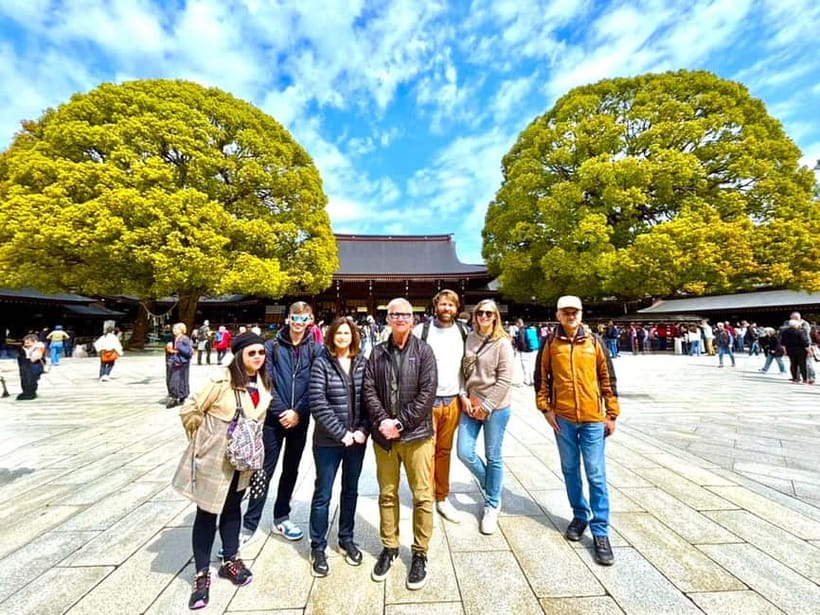
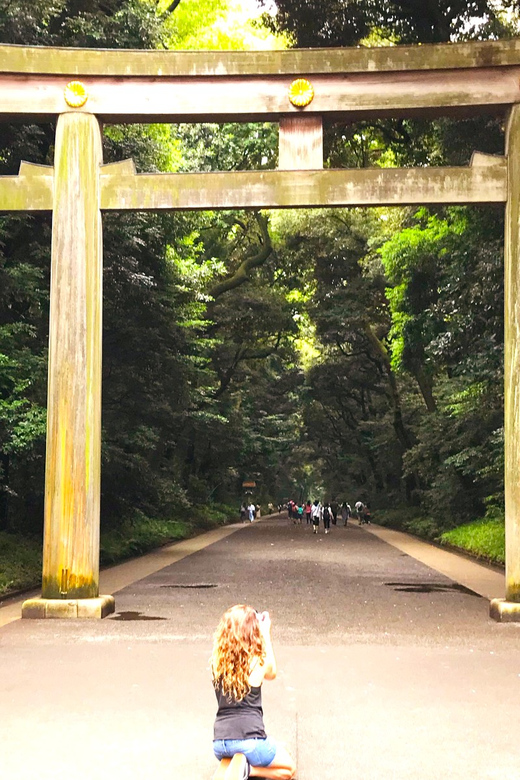
From there, you’ll head to Meiji Jingu Shrine. This is a calm break in the middle of the city, set in a forested area. The practical takeaway I like here is contrast. You go from consumer pace to spiritual pause, and the guide can help you understand how visitors should behave in sacred spaces.
What to watch for at Meiji Jingu: take your time at the edges where you notice the atmosphere. Even without being able to read everything, you’ll feel the shift in sound, foot traffic, and mood. It’s a great reset before the day gets loud.
Shibuya: Hachiko and the scramble crossing without the chaos penalty
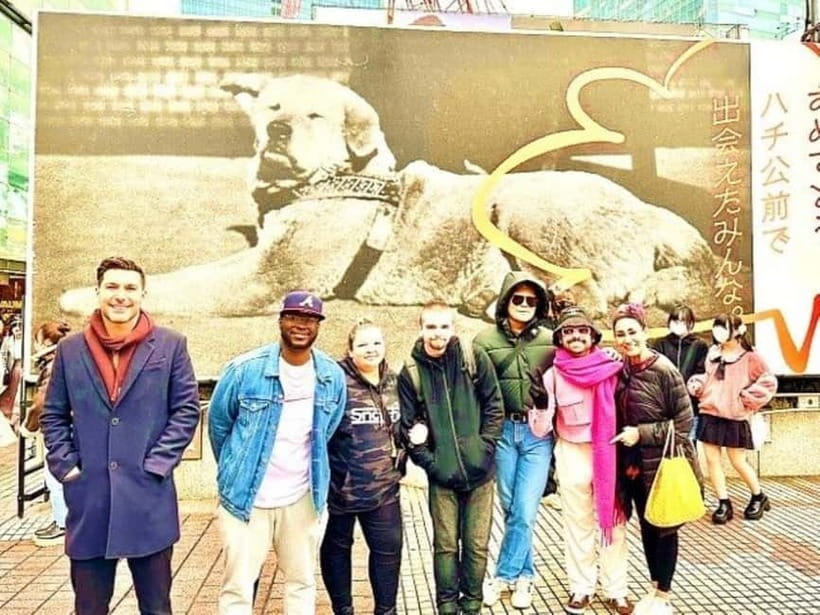
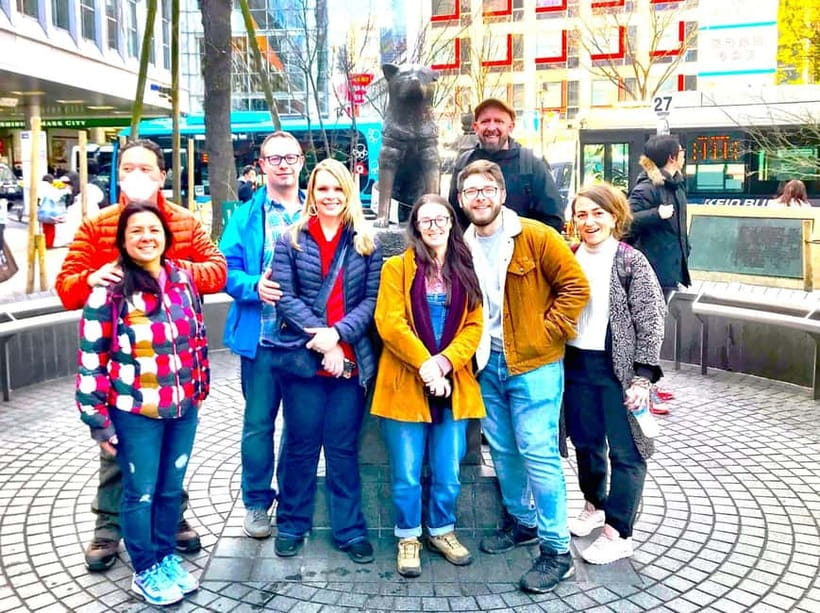
Next up is the Shibuya cluster, and it’s a smart choice early enough to avoid turning your day into a photo sprint. You’ll visit Shibuya Hachiko, including the story of Japan’s most loyal dog. This is one of those “everybody knows the statue” moments where the context matters, especially the true story detail.
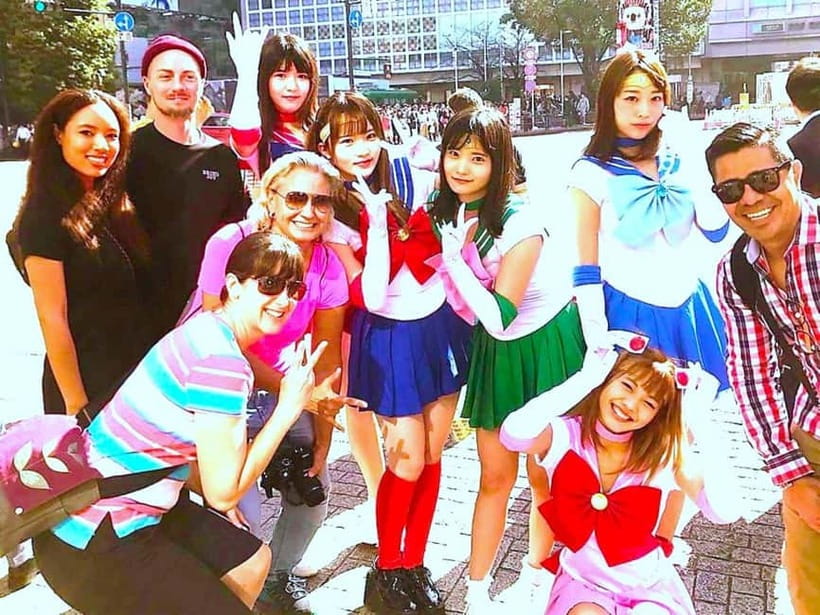
Then comes Shibuya Scramble Crossing, the world-famous intersection that looks like a glitch in real life. The tour experience here is about timing and navigation. Going with a guide helps you understand where to stand and how to cross without fighting the crowd.
Drawback to consider: Shibuya can be intense in motion and noise. If you’re sensitive to crowds, plan to stay close to your guide and use the “brief but present” approach. Don’t try to get every angle on your first pass. You’re learning how the place works, not collecting every shot.
Same corner of Japan, a different kind of day:
- Tokyo: teamLab Planets TOKYO Digital Art Museum Entry Ticket
★ 4.6 · 9,779 reviews - Mt Fuji & Hakone Cruise, Drum Show Bullet Train 1 Day from Tokyo
★ 4.0 · 7,413 reviews - Tokyo: Sumo Show Experience with Chicken Hot Pot and a Photo
★ 4.8 · 6,678 reviews - Tokyo: Shinjuku Food Tour (13 Dishes at 4 Local Eateries)
★ 5.0 · 6,603 reviews
Tsukiji Honganji Temple and Tsukiji Outer Market: the food-and-art combo
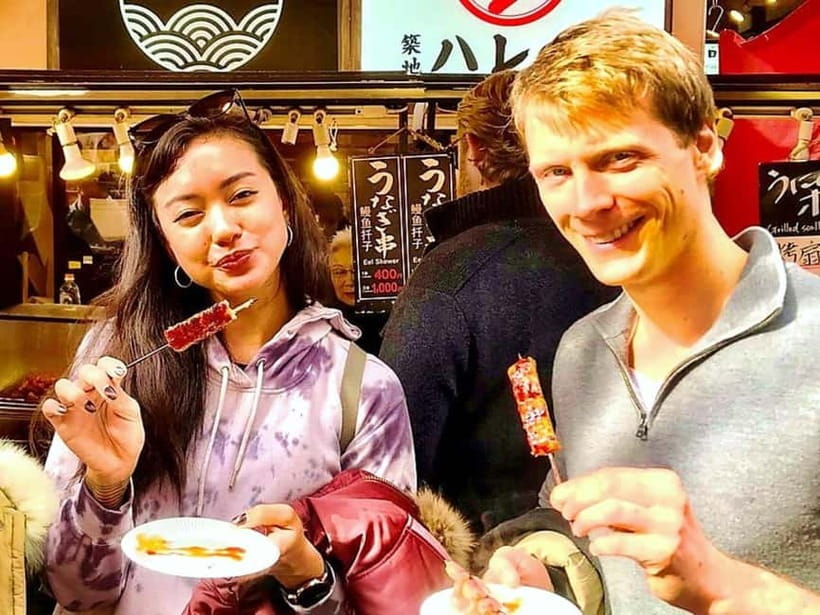
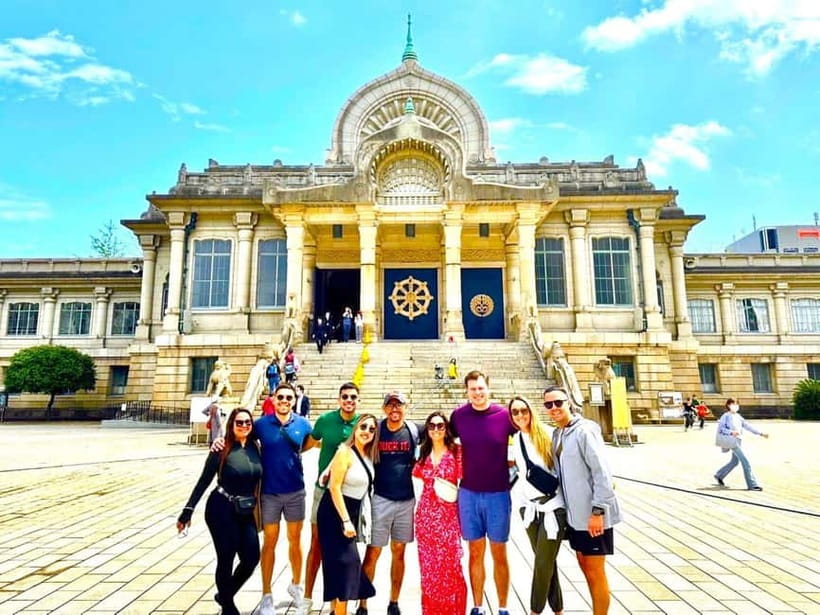
In Tsukiji, you get a cultural stop first: Tsukiji Honganji Temple. The standout detail listed for this stop is its Indian-inspired architecture and stained glass. That’s a nice change from the usual “purely Japanese” visual expectation, and it helps you see Tokyo as layered, not boxed into one aesthetic.
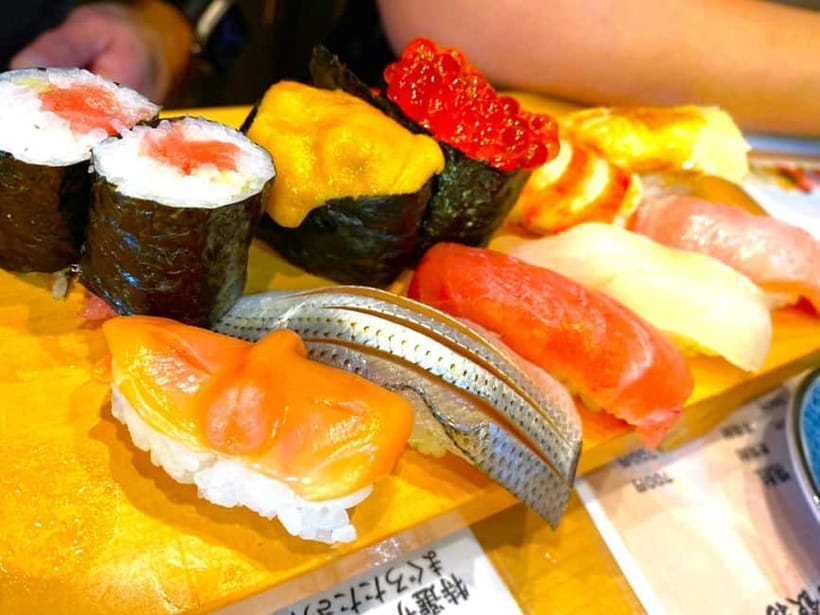
Then you move into the real stomach of the area, Tsukiji Outer Market. This is where the tour earns its reputation for showing you Japan’s daily food culture. You’ll walk past stalls with fresh seafood, Wagyu, and local delicacies.
A practical note: lunch and snacks aren’t included, even though the tour suggests where you’ll eat. I like that it gives you freedom, but you should budget time for decisions. Markets move fast, and it’s easy to waste energy trying to decide what to buy when you’re already tired.
If you care about plant-based eating, this is one of the better parts of the day because the tour states that vegetarian and vegan options are always available. You’ll still need to ask and look around, but you’re not walking into a situation that ignores your needs.
Imperial Palace grounds and Marunouchi: the best kind of slow walk
After the energy of Tsukiji, you shift toward history and city-center scenery. You’ll visit the Imperial Palace grounds and walk areas connected with the former Edo Castle and stone walls.
This part works because it’s not just a landmark. It’s space. In a dense city, an open historic area gives your legs and brain a break. It also helps you understand Tokyo’s balance of old authority structures with modern city life.
Next, you’ll stroll through Marunouchi, described as where sleek modern skyscrapers meet imperial heritage. This is a great place to pause and notice scale. Tokyo feels compressed until you stand in the right spot and realize how the city builds upward while still preserving visible links to its past.
Tokyo Station and Akihabara: red-brick history meets electric pop culture
You’ll next stop at Tokyo Station, famous for its striking red-brick landmark look and its role as a historic gateway for modern transit. Even if you’re not riding trains from here that day, seeing the station up close is useful. It helps you understand why Tokyo’s rail network feels like the city’s bloodstream.
Then you’ll head to Akihabara, the “Electric Town” zone for anime and gaming. This is where Tokyo becomes fun in a totally different way. The tour gives you a guided walk through the area so you’re not wandering while your time leaks away.
If you’re a fan of pop culture, you’ll likely enjoy this section most. If you’re not, it still works because it shows a side of Japan that’s very real and very current. Think of it as a snapshot of modern identity, not just a tourist theme park.
Asakusa: Sensoji and Asakusa Shrine, old Tokyo in workable steps
The final major zone is Asakusa, centered around Sensoji Temple, described as Tokyo’s oldest temple. You’ll walk through Kaminarimon Gate into the spiritual heart of old Asakusa.
This is one of those days where the order matters. If you come here after a long day of markets, neighborhoods, and neon signs, you’ll appreciate the slower rhythm. The guide also helps you read the space as you walk, so it feels like a place with meaning, not just a set.
Within Sensoji grounds, you’ll also visit Asakusa Shrine. This stop is calmer and gives you another layer of Shinto presence. The best part of this pairing is that it teaches you how religious sites function in everyday city flow. People aren’t treating it like a museum. They treat it like part of the city.
One more consideration: this area can feel busy. Stay close to the group, and don’t let the crowd tempo decide your pace. Use the guide to get you oriented, then take your own time where it feels peaceful.
How transport works on this tour (and how you avoid the rookie mistakes)
This tour uses metro between areas and then explores each location on foot. That’s a smart mix because metro gets you through Tokyo quickly, while walking helps you notice the details that make neighborhoods feel different.
You’ll need a transportation setup:
- A pre-charged IC card such as Suica, Pasmo, or Icoca for metro travel.
- Cash in JPY for shops that require it.
The tour price is $77, but transport fares are not included, with an approximate cost of 1,500 JPY. I’d treat that as a baseline budget, since actual metro usage can vary slightly based on where the group exits and how the day flows.
Important etiquette note: the tour promises you’ll learn public transport etiquette and daily-life norms. That matters because Tokyo’s transit can punish mistakes quietly. The guide helps you avoid the small stuff that makes it harder for you and everyone around you.
Practical day advice from the tour rules: you should bring comfortable shoes, and you should plan for rain. The guidance says to bring an umbrella or raincoat because the tour proceeds in rain. If you hate wet days, pack for it and you’ll enjoy the route more.
What you pay, what you should budget, and why it’s decent value
Here’s the clean way to think about price: you’re paying $77 for a 7-hour guided experience in a city where navigating can easily eat half a day. The biggest “value multiplier” is that the tour includes guidance plus the promise that entrance fees for the listed attractions are free.
What’s not included:
- Transportation fares (about 1,500 JPY)
- Food and drinks (including lunch and snacks)
- Entrance fees are said to be free for the tour stops, so you’re not usually paying ticket prices during the day
If you plan to buy snacks at Tsukiji or souvenirs around Akihabara, you’ll want cash ready. The tour also suggests you’ll stop at locations where cash-only sellers may appear, so don’t rely only on card.
If you’re traveling with limited time, this is a strong match. When you compare “time saved” against the cost of getting a private guide, $77 can feel like a bargain for what you get.
Comfort rules you should take seriously (because Tokyo walks back)
The tour is small, limited to 7 participants, but the walking is real. You’ll need:
- Comfortable shoes
- Easy-to-move clothes
- A public transport ticket, plus your IC card
The rules also say high-heeled shoes and oversize luggage are not allowed. Baby strollers and baby carriages are not allowed. Alcohol is not allowed. Tour departure is on time, and late arrivals can’t join.
Health and suitability matters too. This tour is not for pregnant guests or those with mobility issues. It’s also not suitable if you have back problems, are wheelchair users, have a cold, or have low fitness. Under 13s require a private tour, and the tour overall is described as not suitable for children under 13.
So if you’re planning a “light day,” this probably isn’t it.
Who this tour is best for, and who should choose another plan
This tour is ideal if:
- It’s your first day in Tokyo and you want to get your bearings fast.
- You want a local guide to explain etiquette and how neighborhoods work.
- You’re okay with walking and want a day that covers temples, markets, and modern areas.
- You want a mix of iconic and lesser-known stops, with the guide handling navigation.
You might want to skip it if:
- You can’t comfortably do long walking days.
- You have mobility constraints or back problems.
- You’re traveling with a child under 13 (you’d need a private tour).
- You are currently sick, since the tour lists health limitations.
For families, couples, and solo travelers with good shoes, it’s a strong way to start your Tokyo stay.
Should you book this full course Tokyo day tour?
My short take: book it if you want Tokyo organized. This tour is built for people who land, feel overwhelmed, and want a guided path through the city that also teaches you what to do while you’re there.
I’d especially recommend it when you value free entry and want expert guidance for metro movement and etiquette. The strong reviews tied to guides like Sam and Yasuko point to what you care about most: clear explanations, friendly help, and a day that feels efficient.
Skip it if you can’t handle a long walking day or you need accessibility support. In that case, you’ll enjoy Tokyo more with a slower plan that matches your body and pace.
If you book, do two things to get the most out of it: wear your best walking shoes, and carry your IC card plus some cash. That combo keeps the day smooth, and lets you enjoy the sights instead of wrestling the logistics.
Fresh options around Tokyo
- Seasonal Mt. Fuji Scenic Views, Fruit Picking and Ropeway Ride!★ 4.5 · 35 reviews
- Tokyo: Shinjuku Night Walking Tour with Secret Alley★ 5.0 · 35 reviews
- Mount fuji Private Tour★ 4.5 · 35 reviews
- Tokyo: Discover the Art of Kintsugi in Ginza★ 4.9 · 35 reviews
- Tokyo Shibuya: Japan Only Limited Ramen – Select from 9 Types★ 5.0 · 36 reviews
- Go to Daikoku PA at an affordable price!★ 5.0 · 35 reviews
- Private Tokyo Food Tour – A Journey Through Time Through Food★ 5.0 · 36 reviews
- Tokyo: 3h Private E-bike Tours, Starting at Your Hotel★ 5.0 · 36 reviews
Tokyo Tours, compared.
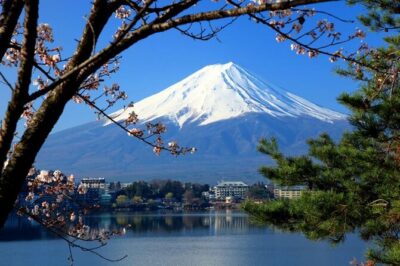
Mt Fuji and Hakone 1-Day Bus Tour Return by Bullet Train
Read our review →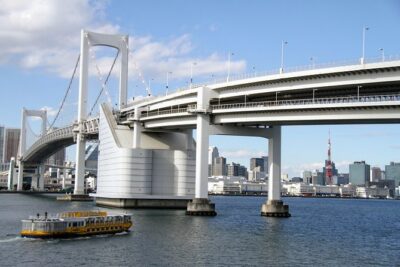
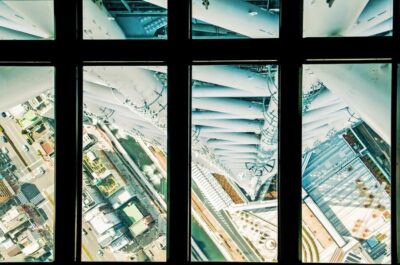

teamLab Planets TOKYO Digital Art Museum Entry Ticket
Read our review →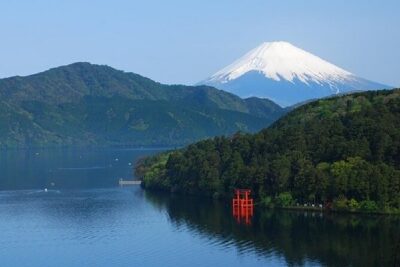
Mt Fuji & Hakone Cruise, Drum Show Bullet Train 1 Day from Tokyo
Read our review →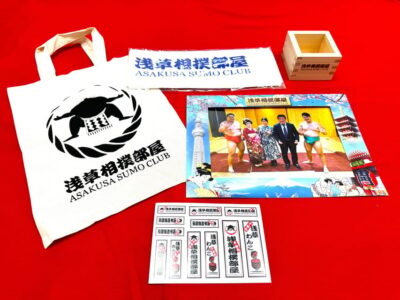
Sumo Show Experience with Chicken Hot Pot and a Photo
Read our review →
Shinjuku Food Tour (13 Dishes at 4 Local Eateries)
Read our review →