Reviewed · TOKYO TOURS
Tokyo: Discover the Art of Kintsugi in Ginza
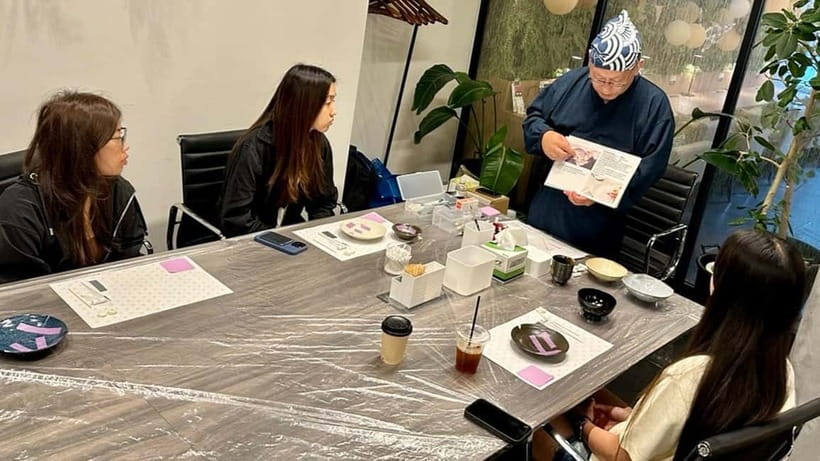
Fixing broken ceramics can be oddly calming. This Tokyo Kintsugi class hits the sweet spot of hands-on creativity and a private room near Ginza Station, so you get focused time without the museum crowd. I especially like how clearly the instructor walks you through the steps, and how you leave with a usable souvenir that looks one-of-a-kind. One consideration, though, is that this is a faster, take-home version using synthetic lacquer and metallic powder, not the month-long traditional method.
The meeting spot is practical: Cafe AOU Ginza forest, ground level of the Daiwa Ginza Building, about three minutes from Ginza Station. In a small group limited to 8, the vibe stays relaxed, and you still get enough attention to finish your piece the way the technique intends.
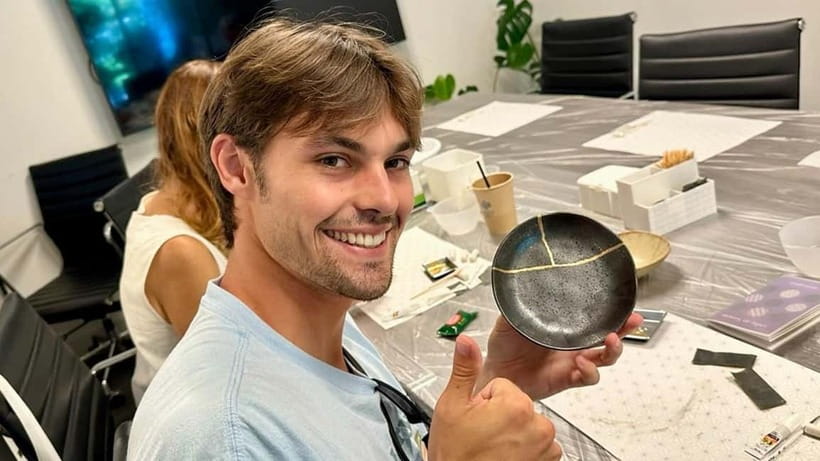
You’ll repair a ceramic item in class and take it home, with packaging designed to protect it for travel. Just remember the practical rules, it is decorative only and not microwave-safe, so plan to display it like art, not use it like everyday dinnerware.
Key points to know before you go
- Ginza location, easy to reach, about three minutes from Ginza Station, in a private room setting
- Up to 8 people, so you’re not lost in the shuffle when questions pop up
- All tools and materials included, plus you get a ceramic piece to restore
- A 90-minute Kintsugi format, using synthetic lacquer and metallic powder for a quick take-home result
- Take-home packaging that actually helps, designed for safe transport after class
- English and Japanese instruction, with a guided step-by-step process that keeps you moving
Why this Kintsugi workshop near Ginza Station feels worth your time
Kintsugi is famous because it turns damage into design. In real life, the technique can look intimidating, with fine lines and careful steps that you might assume take weeks. This class makes the idea feel doable, even if you have never repaired anything before.
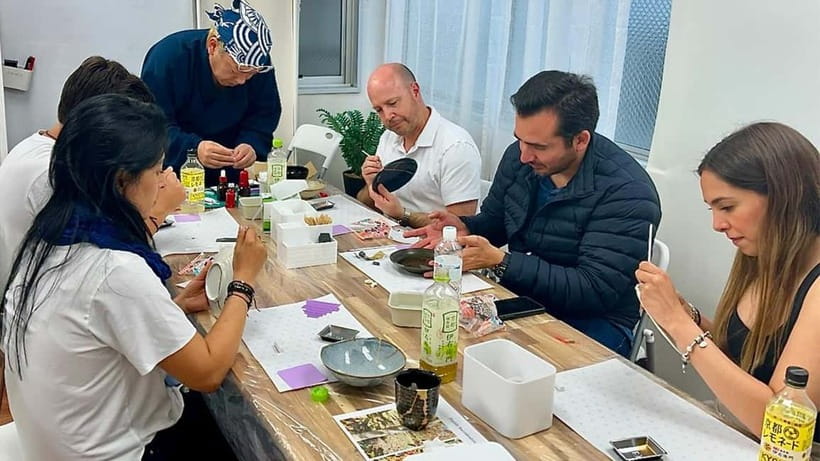
What I like most is the balance. You get a guided introduction to the Japanese aesthetic behind the practice, then you actually do the work. That matters, because Kintsugi is not just a story, it is a repeatable process you can learn with your own hands.
And because the workshop is near Ginza Station and tucked into a café-adjacent space, you avoid the common Tokyo problem, a busy day that leaves no room for something quiet. Instead, you get a focused 90 minutes in a private setting, then you can go right back to your Tokyo plans.
A few more Tokyo days worth comparing
- Mt Fuji and Hakone 1-Day Bus Tour Return by Bullet Train
★ 5.0 · 26,383 reviews - 1-Day Tokyo Bus Tour
★ 5.0 · 14,250 reviews - Tokyo: TOKYO SKYTREE® Admission ticket
★ 4.5 · 11,192 reviews
Finding Cafe AOU Ginza Forest at the Daiwa Ginza Building
This experience starts with an easy meeting point. You’ll meet at Cafe AOU Ginza forest, ground level of the Daiwa Ginza Building. It is located about three minutes from Ginza Station, so you do not need a long transit plan to fit it into a day of shopping, sightseeing, or transit transfers.
A helpful detail is that the host may meet you outside the building, which is useful in a place like Ginza where street-level navigation can feel like a maze. Also, the venue can change depending on availability and reservation count. If that happens, you get an email with the new location details one day before the workshop, so keep an eye on your inbox.
Plan to arrive a bit early. You will want a calm start before you sit down at your station and begin working with lacquer and metallic powder.
The 90-minute workshop flow, step-by-step from start to finish
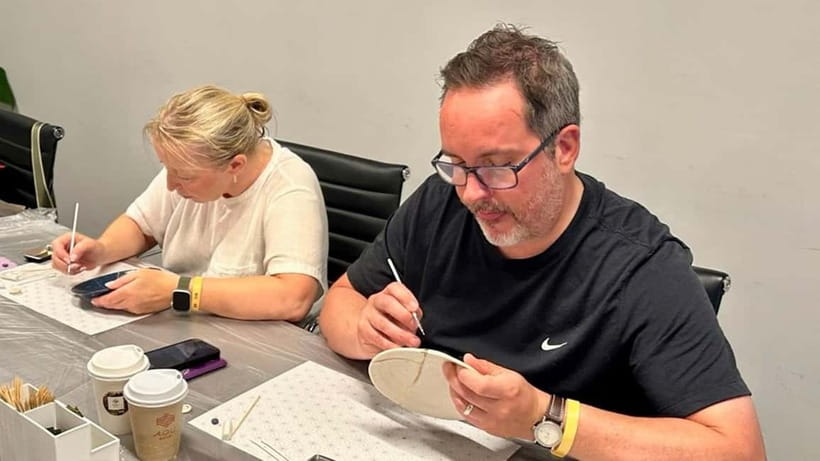
This is a structured class with clear pacing. The workshop lasts 90 minutes, and it is designed so you can finish a restored piece you can take home the same day.
Here is the typical flow, in plain terms:
- You start with the basics of what Kintsugi is doing, why the repair lines matter, and how the aesthetic reframes breakage.
- You move into hands-on instruction, working through the essential steps with your instructor guiding you.
- You complete the repair using the materials provided and follow the technique closely enough that your result looks intentional, not accidental.
- At the end, you receive your finished ceramic and take it away with protective packaging for travel.
Because it is a small group limited to 8, the instructor can check in during the steps. One detail from past participants is that the pace is designed around the group, so if someone needs more help, the instructor may speed things up later to keep everyone on track. If you want extra time to slow down and practice, try to go in with a calm mindset and focus on following the steps closely.
Also, you get a complimentary soft drink during the session, which keeps the whole thing feeling like a real workshop, not a rushed demo.
The materials and the faster take-home version of Kintsugi
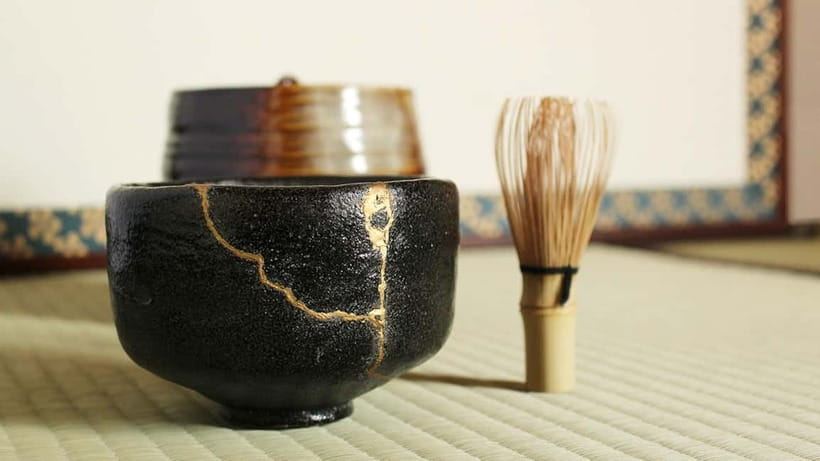
Traditional Kintsugi takes time. Authentic work can take about a month to complete. This class uses a faster approach so you can finish and take home your repaired ceramic within 90 minutes.
Specifically, it uses synthetic lacquer instead of natural lacquer. It also uses metallic powder as a substitute for gold. That is the key tradeoff. You still get the visual effect that makes Kintsugi so compelling, but you are learning the technique through a modern, time-friendly format.
For most people, that is a very good deal. You get the real creative process, the step-by-step guidance, and the satisfaction of a restored piece in one session. If your goal is museum-accuracy traditional methods down to the long curing process, this may feel like a shortcut. But if your goal is learning how Kintsugi works and producing something beautiful you can bring home today, this format makes the art accessible.
One more practical note: the repaired item is not microwave-safe, and it is recommended for decorative use only. That is not a small detail. It changes how you should pack it, display it, and what you should use it for once you’re back home.
Same corner of Japan, a different kind of day:
- Tokyo: teamLab Planets TOKYO Digital Art Museum Entry Ticket
★ 4.6 · 9,779 reviews - Mt Fuji & Hakone Cruise, Drum Show Bullet Train 1 Day from Tokyo
★ 4.0 · 7,413 reviews - Tokyo: Sumo Show Experience with Chicken Hot Pot and a Photo
★ 4.8 · 6,678 reviews - Tokyo: Shinjuku Food Tour (13 Dishes at 4 Local Eateries)
★ 5.0 · 6,603 reviews
Instructor support you can actually feel during the class
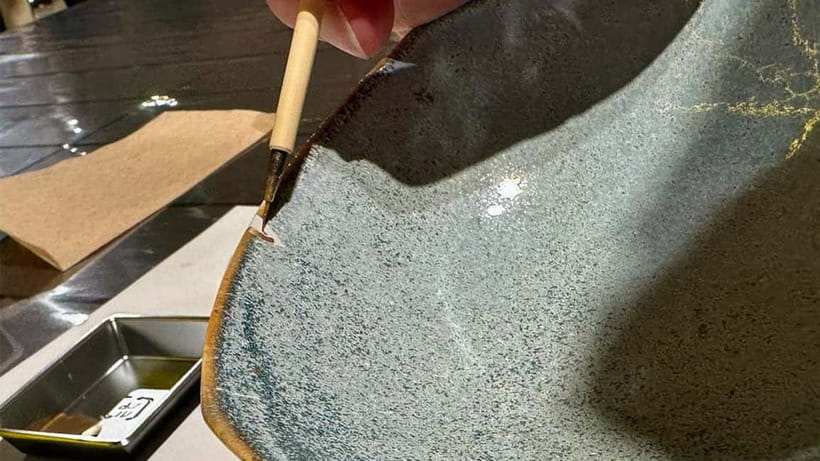
The instructor experience is a big reason this workshop earns such strong marks. People consistently highlight not just technical instruction, but the way the teacher explains each step and keeps conversation friendly.
Names mentioned in past sessions include Tatsu and Teki Sensei. In both cases, the vibe is welcoming, with lots of clear guidance and a calm tone that helps you avoid that panic feeling when you think you might ruin a piece. One participant also noted that the teacher shared stories related to Ginza, which adds a light cultural layer beyond the hand skills.
You also get instruction in English and Japanese. That matters because Kintsugi is tactile and visual. Even if you pick up some terms in Japanese, your main advantage is being able to ask questions and confirm what you should do next.
The class is set up so you can focus on process, not logistics. All tools and materials are provided, and you get a ceramic piece to restore. That means you can show up with no prep and still create a finished souvenir.
What you’ll make, what it will look like, and how your souvenir will travel
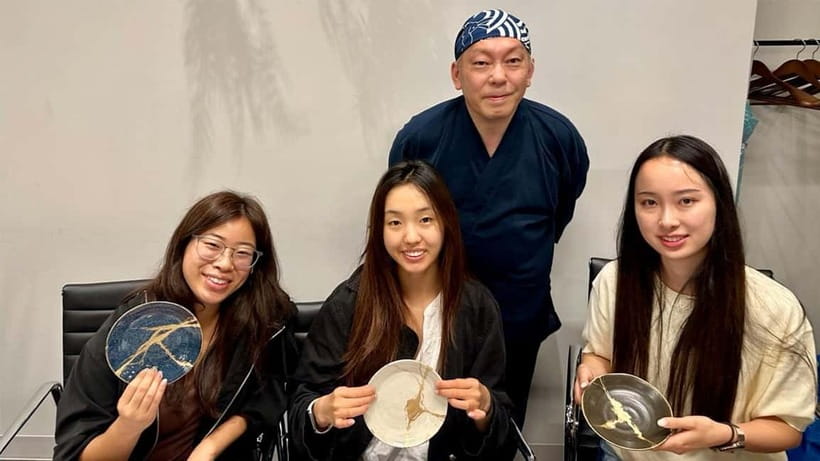
You are repairing a ceramic item provided by the workshop, and you take home what you restore. Some sessions may offer you a choice of two colored cracked plates, which adds a bit of personalization before you start.
Your result will be one-of-a-kind because the cracks and the way you apply the material create a pattern that no one else can exactly replicate. That is the heart of Kintsugi as an idea, it makes each repaired item feel personal and slightly different, even when everyone follows the same basic technique.
Packaging is another practical win. Multiple participants mention that the instructor packs the pieces carefully and that the packaging is secure enough for travel. In a city like Tokyo, where you might carry shopping bags and suitcases, this matters. You do not want to worry about your ceramic souvenir the whole way to your next train connection.
Once you reach home, treat your piece like display art. It is decorative only, and it is not microwave-safe. If you want it to last, keep it out of extreme heat and do not treat it like everyday dinnerware.
Pricing and value: why $75 for 90 minutes can make sense
At $75 per person for 90 minutes, this workshop is not the cheapest activity in Tokyo. But value comes from what is included, not just the clock time.
For your price, you get:
- the 90-minute Kintsugi workshop
- all necessary tools and materials
- a ceramic piece to restore
- expert guidance from the instructor
- a complimentary soft drink
That bundle is the real math. You are paying for instruction, materials, and a take-home product. You are also paying for the convenience of location in Ginza, near a major station, which saves time and transit headaches.
Small group size helps the value too. When a class is limited to 8, your questions are more likely to get answered right when they matter, during the step you are doing, not after you finish. That makes a difference in how confidently you can complete your piece.
If you’re deciding between this and a more general cultural activity, the appeal is simple. You leave with something you made, not just something you watched.
Who this Kintsugi workshop is best for
This is best for people who want a hands-on Tokyo experience with cultural meaning and a tangible result. It fits especially well for:
- first-timers who want clear step-by-step help
- couples or friends who want a low-stress activity in Ginza
- solo travelers who want a calm break from city noise and a chance to chat with the instructor
- anyone shopping in Ginza who wants an activity that is more personal than browsing
Age matters here. The workshop is not suitable for children under 10. One past participant mentioned kids aged 10 and 14 enjoyed the activity, which suggests it can work for older children who are comfortable sitting for 90 minutes and following instructions.
It also is not suitable for certain needs. It is not for people with mobility impairments, people with a cold, babies under 1, or hearing-impaired people. If any of those apply, you’ll want to consider another experience that fits better.
When to fit it into your Ginza day
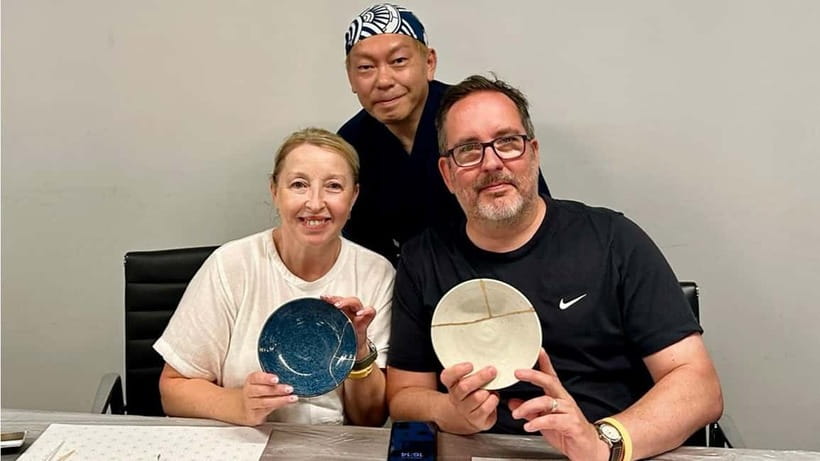
Because it is near Ginza Station and lasts 90 minutes, you can plug it into many kinds of Tokyo schedules. I like it as a mid-day reset, after a morning of shopping or before a later dinner plan.
Ginza is often about high-end stores and bright streets. This workshop gives you a quieter, more reflective activity without leaving the area. You get craft time in a dedicated private room near the bustle, then you can step back out into Ginza with your mind switched on in a different way.
If you are tight on time, this is also a good pick because you skip the ticket line. You still want to plan arrival time, but it helps you avoid wasted minutes.
My booking advice: should you reserve this Kintsugi workshop in Ginza?
Book this workshop if you want a hands-on Kintsugi experience with clear instruction, a take-home repaired ceramic, and a location that keeps logistics easy. The combination of all materials provided, small group size, and travel-friendly packaging makes it a smart choice for a short, meaningful Tokyo activity.
I would think twice if you are specifically chasing the slow, traditional month-long Kintsugi method with natural lacquer and gold. This class is built for completion in 90 minutes using synthetic lacquer and metallic powder. You’ll still learn the process and get a beautiful result, but it is not the classic, long-form method.
If you want a calm cultural break in Ginza and you like the idea of turning repair into art, this is one of the better bets you can make.
FAQ
How long is the Kintsugi workshop?
The workshop lasts 90 minutes.
Where do I meet for the workshop in Ginza?
You meet at Cafe AOU Ginza forest, ground level of the Daiwa Ginza Building.
Is this workshop a small group?
Yes. The group is limited to 8 participants.
What is included in the price?
The price includes the 90-minute Kintsugi workshop, all necessary tools and materials, a ceramic piece to restore, expert guidance from the instructor, and a complimentary soft drink.
Do I take my repaired ceramic piece home?
Yes. Participants take home their repaired ceramic piece.
Is the workshop process traditional gold Kintsugi?
No. Traditional authentic Kintsugi takes about a month, but this workshop uses synthetic lacquer instead of natural lacquer, and metallic powder instead of gold, so you can finish within 90 minutes.
Is the repaired ceramic microwave-safe?
No. The repaired item is not microwave-safe. It is recommended for decorative purposes only.
Who should not join this workshop?
It is not suitable for children under 10, people with mobility impairments, people with a cold, babies under 1 year, or hearing-impaired people.
Fresh options around Tokyo
- Tokyo: Nikko Kegon Falls Lake Chuzenji Toshogu Temple & More★ 4.9 · 12 reviews
- Tokyo: Samurai History Walking Tour★ 5.0 · 12 reviews
- Harajuku: Kawaii Fashion and Pop-Culture Tour★ 4.7 · 12 reviews
- Tokyo: Mt. Fuji & Lake Kawaguchi Instagram Full Day Trip★ 4.1 · 12 reviews
- Shibuya Tokyo: Modern Kintsugi Workshop in Shibuya★ 5.0 · 12 reviews
- Tokyo: GTR Guided Daikoku Experience at Night★ 5.0 · 12 reviews
- Tokyo: Daikoku JDM Car Culture Tour★ 4.6 · 12 reviews
- Mt Fuji Private Day Trip from Tokyo with English speaking driver★ 5.0 · 13 reviews
Tokyo Tours, compared.

Mt Fuji and Hakone 1-Day Bus Tour Return by Bullet Train
Read our review →


teamLab Planets TOKYO Digital Art Museum Entry Ticket
Read our review →
Mt Fuji & Hakone Cruise, Drum Show Bullet Train 1 Day from Tokyo
Read our review →
Sumo Show Experience with Chicken Hot Pot and a Photo
Read our review →
Shinjuku Food Tour (13 Dishes at 4 Local Eateries)
Read our review →