Reviewed · TOKYO TOURS
Tokyo: Best Samurai Experience
Dress up, then fight samurai for real. I love how this kimono and hakama makeover turns into real technique practice, including sword basics you can feel in your hands right away. It is a one-hour session that mixes culture, movement, and movie-scene energy in a small dojo setting.
My second favorite part is how much you get to create memories, with an instructor and assistants helping you capture the action on your smartphone, not just pose for one quick picture. One thing to keep in mind: you train with a fake sword that cannot cut, so it is about safe, choreographed technique, not live steel sparring.
Key Highlights You Should Not Miss
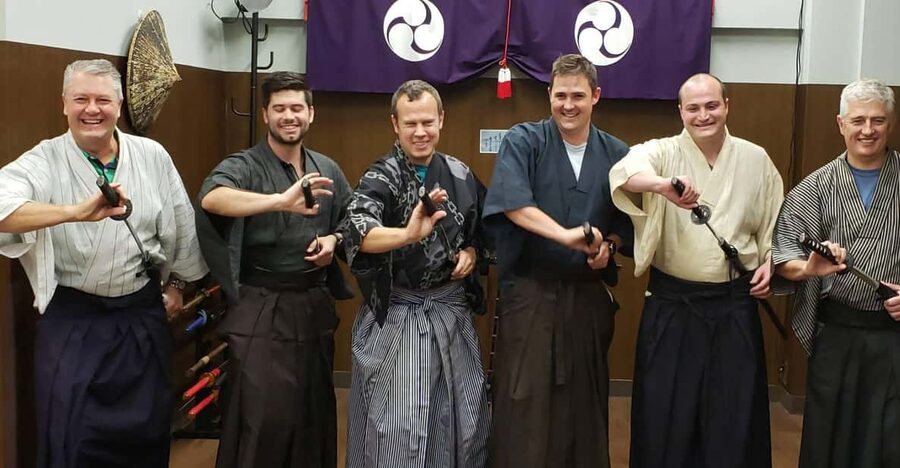
- Kimono and hakama selection first, so you actually look the part before training starts
- Sword handling basics including how to draw, swing, and retract
- Chanbara-style practice fight that feels fun and serious at the same time
- Smartphone photo and video moments during the session, not only at the end
- Small group energy with up to 10 participants, so you are not lost in the crowd
A 1-Hour Samurai Session That Feels Like a Movie Scene
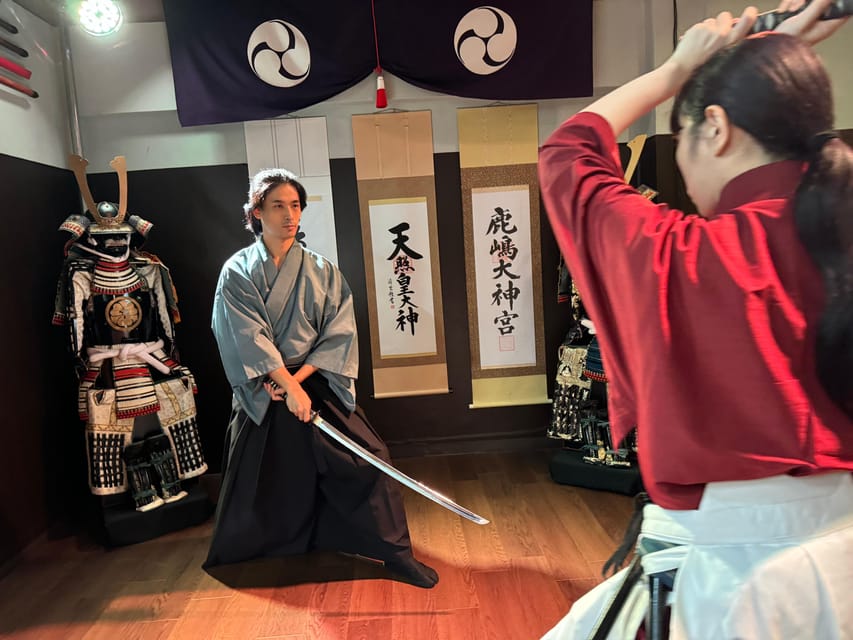
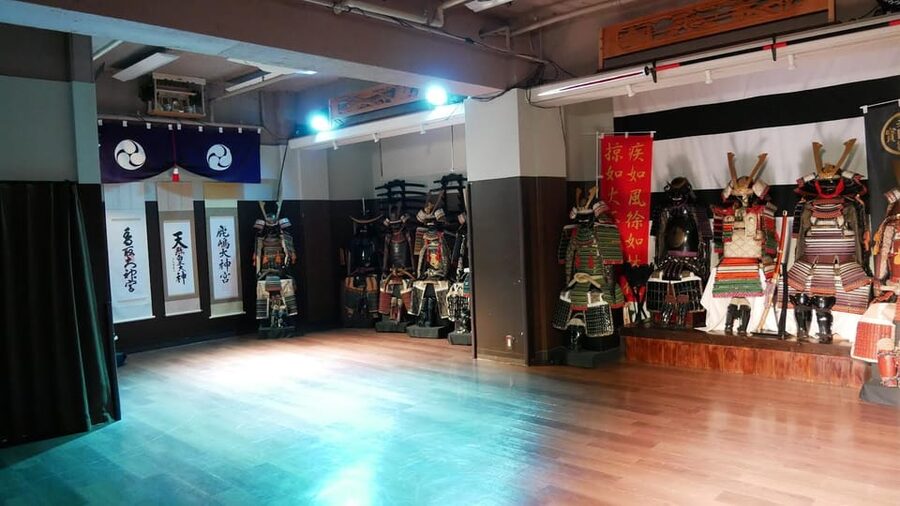
This is one of those Tokyo activities that makes sense even if you are not a martial-arts person. In just one hour, you go from dressing up to learning fundamentals to doing a simple mock fight with a samurai style finale. The setting matters too. The dojo has an old-school feel, and there are swords and spears on display, plus armor you can see up close. It is not the modern, glossy kind of attraction, which is exactly why it works.
The training style is hands-on and interactive. You will get instruction on sword parts, then you practice basic movements with a prop sword that cannot cut. After the technique section, you do a straightforward chanbara style sword fight. The session ends with a more dramatic performance moment, including music, so it feels like something you will remember for years.
A few more Tokyo days worth comparing
- Mt Fuji and Hakone 1-Day Bus Tour Return by Bullet Train
★ 5.0 · 26,383 reviews - 1-Day Tokyo Bus Tour
★ 5.0 · 14,250 reviews - Tokyo: TOKYO SKYTREE® Admission ticket
★ 4.5 · 11,192 reviews
Where to Find It and What That Means for Your Time
To get there, search for Samurai Theater Tokyo in Google Maps. That matters because Tokyo is big, and you do not want a “where exactly is this?” scramble during a short 1-hour slot.
Duration is 1 hour, so treat it like a focused stop, not a long wandering experience. Plan your day so you arrive a bit early and can settle in. Since the session includes changing clothes, you want breathing room before the sword part starts.
If you like the flexibility, this activity offers same-day reservations, and one person can also join the tour. That makes it a good choice if your Tokyo plans are fluid or your group split up.
Step One: Choosing Your Kimono and Hakama Setup
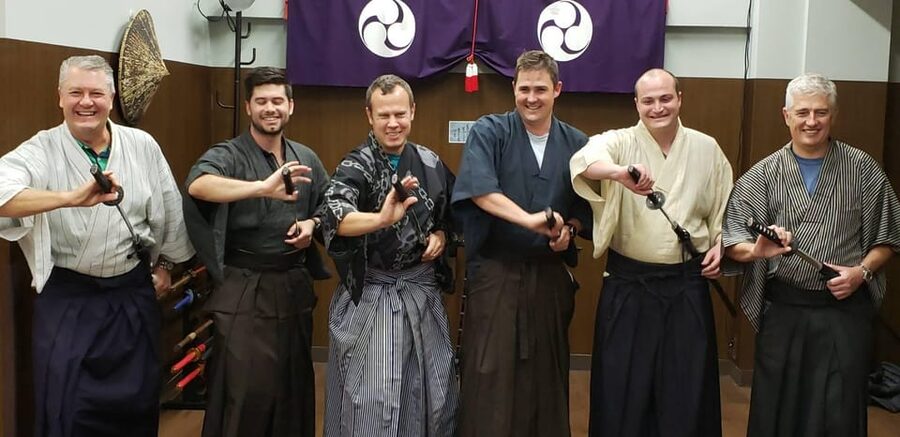
Your first big moment is costume selection. You pick your favorite kimono and hakama, change into the full samurai outfit, and then you are ready for training. This is more than a photo gimmick. Getting dressed properly changes how you move, and it helps you understand why samurai clothing was built around function, not just looks.
You should expect helpers to guide you through getting the kimono and hakama on. Once you are suited up, the entire experience clicks into place, because you are no longer pretending. You are actually in the costume, which makes the sword instruction feel more connected to the role.
Also, this is the part where you will naturally want to take pictures. Do it calmly at first, because once you start practicing, your hands will be busy.
Learning the Sword Parts Before You Swing
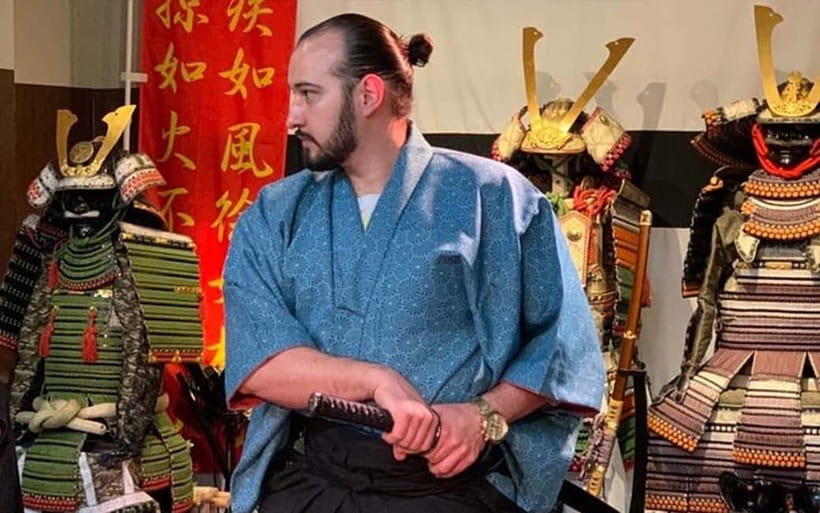
Before any fighting, you learn about the sword parts. That grounding step is useful because it turns a random prop into something with structure. Instead of just flailing around, you learn what you are holding and why each part matters for safe handling.
You then use a fake sword that cannot be cut. This is important for value and expectations. You get to practice the motions without the risk that comes with metal blades, so the instructor can move quickly through basics like stance and movement.
The instructors are authentic teachers who have appeared in major Japanese dramas and movies. That matters because it shows in the teaching style. You get guidance that feels like it belongs to a real tradition, not a quick tourist demo.
Same corner of Japan, a different kind of day:
- Tokyo: teamLab Planets TOKYO Digital Art Museum Entry Ticket
★ 4.6 · 9,779 reviews - Mt Fuji & Hakone Cruise, Drum Show Bullet Train 1 Day from Tokyo
★ 4.0 · 7,413 reviews - Tokyo: Sumo Show Experience with Chicken Hot Pot and a Photo
★ 4.8 · 6,678 reviews - Tokyo: Shinjuku Food Tour (13 Dishes at 4 Local Eateries)
★ 5.0 · 6,603 reviews
Draw, Swing, and Retract: The Basics That Make You Look Confident
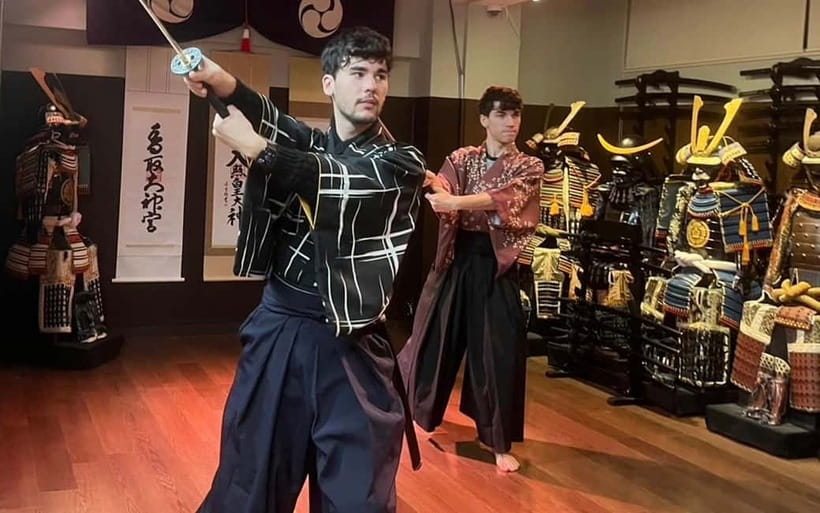
After the sword overview, you learn fundamental actions in sequence. You will practice:
- How to draw a sword
- How to hold it correctly
- How to swing it
- How to retract it
This step-by-step format is a big deal for beginners. If you have ever watched samurai movies and wished you could do the moves in the right order, this is your chance. Getting the sequence right is what makes your technique look real, even though you are using a training prop.
You will repeat movements as the instructor demonstrates and then you copy. The goal is not perfection. It is control and understanding. Once you get through draw and retract, the rest feels easier, because your body knows what comes next.
Chanbara-Style Practice Fight: Fun, but Still Taught
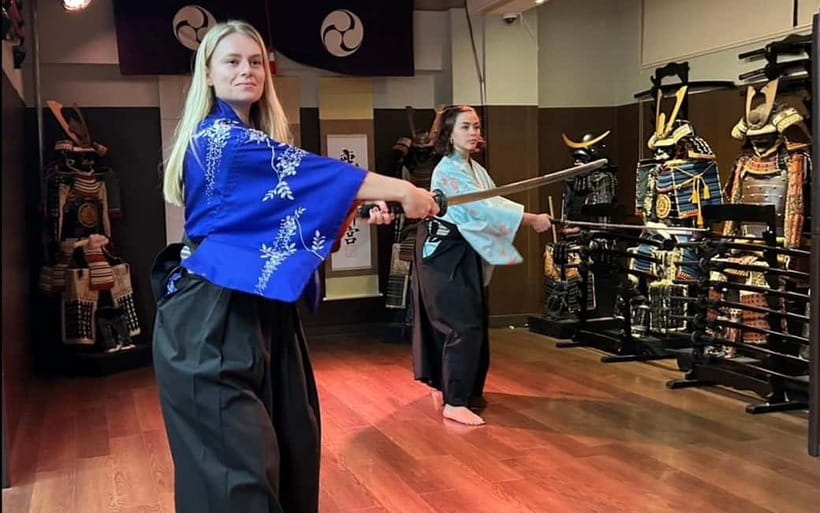
Once you have the basics, the session turns into a simple chanbara sword fight. Chanbara is basically the classic sword-fighting style many people associate with samurai play acting, and it is built for learning.
Here is what you should expect: you will practice a short mock fight with the group, following the instructor’s cues. It is interactive and energetic, and it is designed so you can participate even if you have never handled a sword before.
The best part is that you get both offense and defense movements during the session. Multiple people describe the instruction as patient and energetic, with instructors breaking down actions and then helping you execute them. In other words, you are not left to figure it out alone.
The Finale to Music: Your Mock Battle Comes Alive
After the practice fight, you get a more performance-heavy moment. Bad guys, music, and a final routine all come together. You are basically moving from classroom technique to stage presentation.
The session often includes a fuller show feel, with lights and soundtrack referenced in reviews. It is not just “train and leave.” You finish with a dramatic segment that makes the whole hour feel complete.
If you like martial-arts movies, this finale is where the fantasy part pays off. If you want skill-building only, you will still get a clear sense of motion, timing, and control.
Do You Get Photos and Video, or Just One Snapshot?
You get help creating memories the whole time. The included option is a photo with a samurai, but the bigger value is the way instructors and assistants support smartphone recording and picture taking during the activity.
People mention that assistants record and capture the action on their phones throughout. That means you are not trying to run your own camera while holding a sword. You can focus on the movements while someone else helps you preserve the moment.
Practical tip: if you care about video quality, bring your phone fully charged and consider bringing a small power bank. The session is active, so you do not want to stop mid-routine.
Inside the Dojo: Weapons and Armor You Can Actually See
A quiet bonus is the display area. The dojo has many weapons on show, including swords and spears, and there is armor on display. Even if you are focused on the training, seeing the gear up close helps your brain connect what you are doing to a real historical vibe.
There is an optional fee to wear the armor on display. If you want the full armored look for photos, that might be worth it. If you are short on time or prefer keeping the schedule simple, you can skip that part since it is optional.
Price and Value: Is $63 Worth It?
At about $63 per person for 1 hour, the value comes from three areas working together:
- Hands-on instruction with guided basics
- Costume dressing in kimono and hakama
- Photo and video support so you leave with real keepsakes
If you compare it to a ticketed show only, you are getting training and participation. If you compare it to private sword instruction, you are getting a structured, safe, beginner-friendly session in a group setting.
The small-group limit of up to 10 participants also improves value. You are not watching while others get taught. You are part of the action, and instruction can stay closer to you.
Who This Samurai Experience Fits Best
This is a great fit if you want something interactive, visual, and easy to understand. It suits:
- First-time sword learners
- People who love Japanese culture through costumes and performance
- Families who want a shared activity with lots of movement
It also seems to work well for solo travelers, since one person can join. And it is offered in English and Japanese, which helps a lot if you want clear instructions and not just gestures.
Not for everyone. It is not suitable for:
- Children under the listed age limits (including under 4 years)
- Pregnant women
- Wheelchair users
- Visually impaired people
- Babies under 1 year
- People over 95 years
- Children under 3 ft (90 cm)
If you are unsure, I would match your situation to that list first, then decide.
How to Prepare So You Enjoy It from Minute One
You cannot control the costume fitting pace, but you can control your readiness.
Here are smart, practical prep steps based on how the experience runs:
- Bring your smartphone with enough battery for video and photos
- Wear comfortable clothing under your layers, so dressing into a kimono and hakama feels easier
- Arrive on time, since changing and training happen within a tight hour
- If you are sensitive to physical activity, treat it like light to moderate movement and keep your expectations safe and controlled, since it is training with a fake sword
Also, because the sword cannot cut, do not expect a workout that involves contact. Expect technique, stances, and mock fighting.
Should You Book This Samurai Experience?
I think you should book it if you want a Tokyo activity that is both fun and structured. The biggest reasons to go are the costume-to-sword progression, the clear basics like draw and retract, and the way you are guided into a mock fight you can actually do, not just watch.
Skip it if you are looking for real combat training with sharp blades or intense sparring. This is safe, choreographed, and performance-ready. You will leave with photos, a sense of technique, and a story you can tell, but you will not leave bruised or practicing for competitions.
If you are traveling with family, or you want a memorable “Tokyo moment” that does not require language skills to enjoy, this one-hour samurai session is a strong choice.
FAQ
Where is the meeting point?
Meet at the location marked on Google Maps if you search for Samurai Theater Tokyo.
How long is the experience?
The experience lasts 1 hour.
How large is the group?
It is a small group limited to 10 participants.
What language is instruction available in?
Instructors teach in English and Japanese.
Do I get to wear kimono and hakama?
Yes. Changing into kimono and hakama is included.
Do I practice with a real sword?
No. You wield a fake sword that cannot be cut.
What sword skills will I learn?
You learn sword parts and basic handling, including drawing the sword, holding it, swinging it, and retracting it.
Is there a sword fight part of the session?
Yes. You practice a simple chanbara style sword fight with a samurai.
Are photos or videos included?
A photo with a samurai is included, and you can take videos and pictures with your smartphone during the experience with help from the staff.
Can I add armor or wear it during the session?
Armor on display is optional, and there is an optional fee to wear it.
Fresh options around Tokyo
- Private Harajuku Omotesando Architecture Tour★ 4.9 · 18 reviews
- Tokyo Shopping Street Hopping Private Tour with Government Licensed Guide★ 5.0 · 18 reviews
- Tokyo: Private Mount Fuji and Hakone Day Trip with Guide★ 4.5 · 18 reviews
- Small-Group Osaka-Style Okonomiyaki Cooking Class★ 5.0 · 18 reviews
- Hakone Private One Day Tour From Tokyo: Mt Fuji, Lake Ashi, Hakone National Park★ 5.0 · 18 reviews
- PERFECT 1 Day Tokyo Highlights Tour with a Private Car★ 5.0 · 19 reviews
- Shinto Shrine Tour: Explore Japanese Culture in Tokyo★ 5.0 · 18 reviews
- Tokyo: Shinjuku Bar Hopping & Karaoke Night Tour★ 4.9 · 19 reviews
Tokyo Tours, compared.

Mt Fuji and Hakone 1-Day Bus Tour Return by Bullet Train
Read our review →


teamLab Planets TOKYO Digital Art Museum Entry Ticket
Read our review →
Mt Fuji & Hakone Cruise, Drum Show Bullet Train 1 Day from Tokyo
Read our review →
Sumo Show Experience with Chicken Hot Pot and a Photo
Read our review →
Shinjuku Food Tour (13 Dishes at 4 Local Eateries)
Read our review →