Reviewed · TOKYO TOURS
Tokyo: Asakusa Sightseeing Tour by Rickshaw
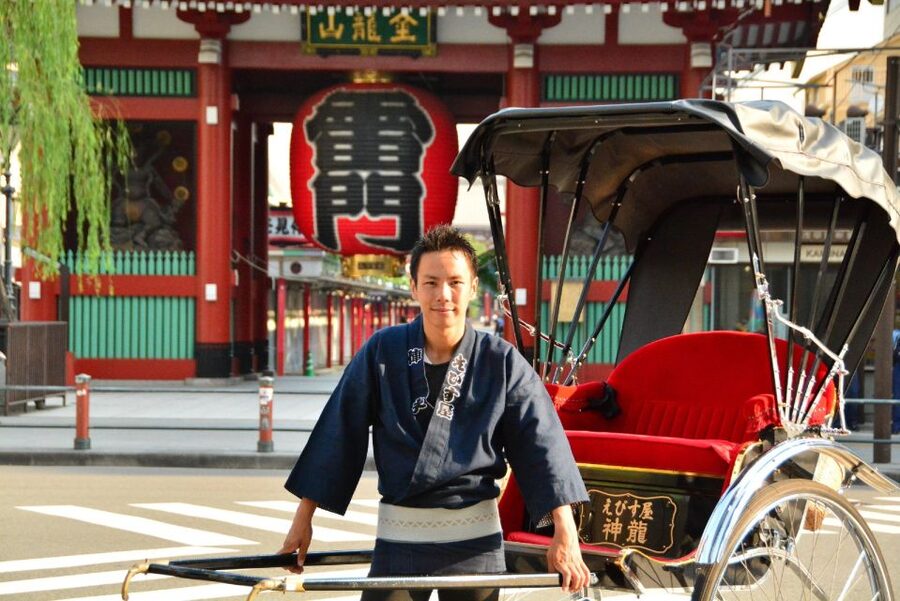
Riding a rickshaw beats crowded tours. This Asakusa sightseeing ride is a private street-level tour where a live guide helps you spot the stories behind Bentendo Hall and Asakusa Shrine, with friendly guides like Tashi and Taisei. You move at human pace, so you can actually take in the Asakusa district instead of just passing it.
I really like the way the guide explains small details, like ritual steps at quiet temples (one guide’s breakdown of hand washing, mouth rinsing, and incense made it click). The photo side is strong too, with guides like Shima and Masa stopping for angles and snapping shots so you do not have to juggle your camera. One drawback to plan for is comfort, because the rickshaw is only 29.1 inches (74 cm) wide, so couples may prefer booking individual rickshaws.
Key things to love about this Asakusa rickshaw ride
- A live guide who turns street scenes into clear stories, including temple rituals and local customs
- Photo-friendly pacing, with frequent stops and a guide who helps you frame shots
- Classic Asakusa landmarks and lesser-known streets in the same route
- Sumida Park in spring, when cherry blossoms can make the river views especially memorable
- Quirky streets like Tanuki-doori, plus local shopping areas such as Hanakawado
- Rokku Ward’s older entertainment vibe, including mention of adult theaters and historic character
Why Asakusa by rickshaw feels different than walking
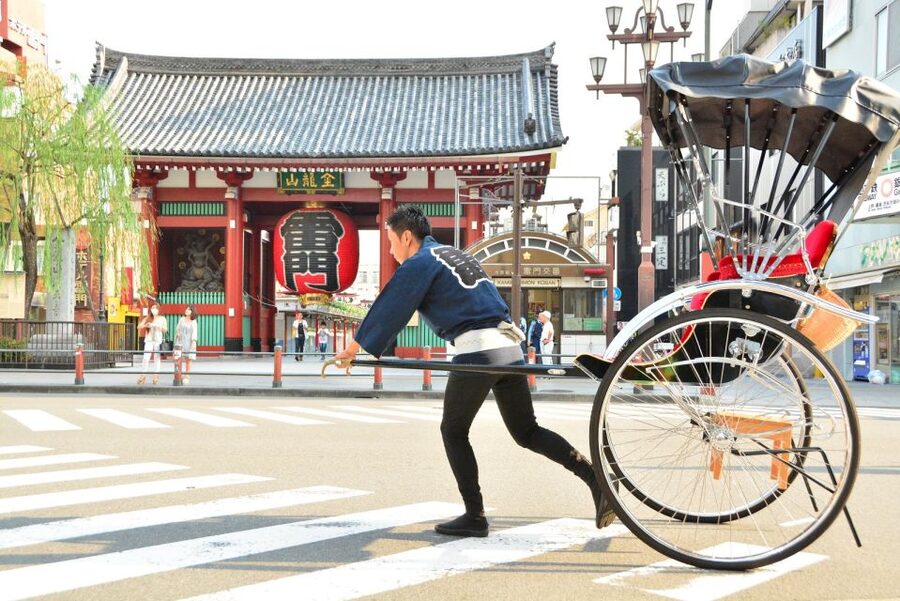
Asakusa is one of those Tokyo neighborhoods where you can spend hours just wandering and still not feel like you understood it. This tour changes the tempo. Instead of rushing from gate to gate, you ride through the area in a private chariot and get context as you go.
I like that you get both worlds: iconic sights near the big temples, plus side streets that help you see how people actually live and shop. Guides in this style are also known for bringing energy, and even light humor, so the ride does not feel like a lecture. If you end up with a guide like Tashi and Taisei, you get that mix of friendly chat and real explanations.
One more practical point: rickshaws let you cover more ground without the constant stop-start of train navigation. That matters when your feet are already tired from Tokyo’s long days.
A few more Tokyo days worth comparing
- Mt Fuji and Hakone 1-Day Bus Tour Return by Bullet Train
★ 5.0 · 26,383 reviews - 1-Day Tokyo Bus Tour
★ 5.0 · 14,250 reviews - Tokyo: TOKYO SKYTREE® Admission ticket
★ 4.5 · 11,192 reviews
Finding the rickshaw stand at Asakusa Station exit #1
Start with location clarity, because Asakusa Station is a naming trap. You need the rickshaw stand just outside exit #1 of Asakusa Station on the Tokyo Metro GINZA line. There are two stations with the same name on different subway lines, so double-check your map line label.
From exit #1, you still have to walk a few meters along the street to the stand. If you arrive early, use the extra time to confirm the exact exit number and direction before you wait. In one reported case, a guide helped someone who walked to the wrong exit, but you should not plan your timing around that kind of rescue.
When you show up, you are stepping into the local rhythm right away. The tour starts with the ride, not a long bus intro, so your first impression of Asakusa comes fast.
Bentendo Hall and Asakusa Shrine, where the tour finds its meaning
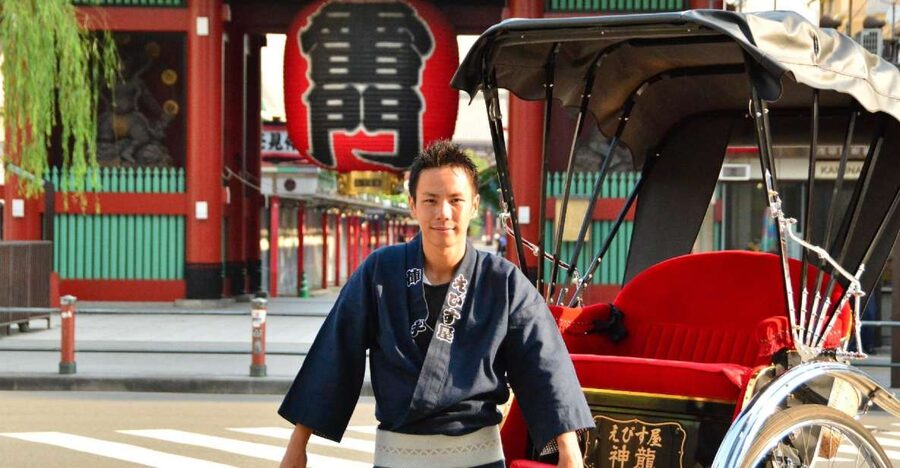
The heart of this experience is the temple and shrine area, where Asakusa’s spiritual core is right next to everyday street life. The tour is built to pass iconic sites such as Bentendo Hall and to admire the Asakusa Shrine near the area’s oldest temple.
Here is what makes this more than sightseeing:
- You do not just look at buildings, you learn what people are doing and why.
- You get a sense of the pacing of worship, like when visitors gather, wash, and light incense.
One guide’s explanation of temple ritual steps stood out because it broke down actions into purpose, not just instructions. That is exactly the kind of context that turns a quick photo into something you understand.
Possible drawback: if you want only large, famous monuments with zero time spent on rituals or etiquette, you might feel the focus is slightly more cultural than purely scenic. Still, that is also the point of Asakusa by rickshaw.
Sumida Park and the river approach, especially in cherry blossom season
A big selling point for this route is Sumida Park and the Sumida River views, especially in spring. The park is most resplendent when thousands of cherry trees bloom, which can make a short ride feel like a postcard scene.
Why the river matters on this tour:
- It gives your eyes a break from dense streets and shrine crowds.
- You get a different angle on the neighborhood, with sky and water in the frame.
- You experience the shift from ritual streets to calmer open space.
Timing note: even if you are not in spring, you can still get a pleasant change of pace from the streets. But if your trip overlaps cherry blossom season, this is one of the best times to book the longer options, because you have more time to enjoy that park stretch.
Same corner of Japan, a different kind of day:
- Tokyo: teamLab Planets TOKYO Digital Art Museum Entry Ticket
★ 4.6 · 9,779 reviews - Mt Fuji & Hakone Cruise, Drum Show Bullet Train 1 Day from Tokyo
★ 4.0 · 7,413 reviews - Tokyo: Sumo Show Experience with Chicken Hot Pot and a Photo
★ 4.8 · 6,678 reviews - Tokyo: Shinjuku Food Tour (13 Dishes at 4 Local Eateries)
★ 5.0 · 6,603 reviews
Hanakawado shoe shopping and the everyday Asakusa vibe
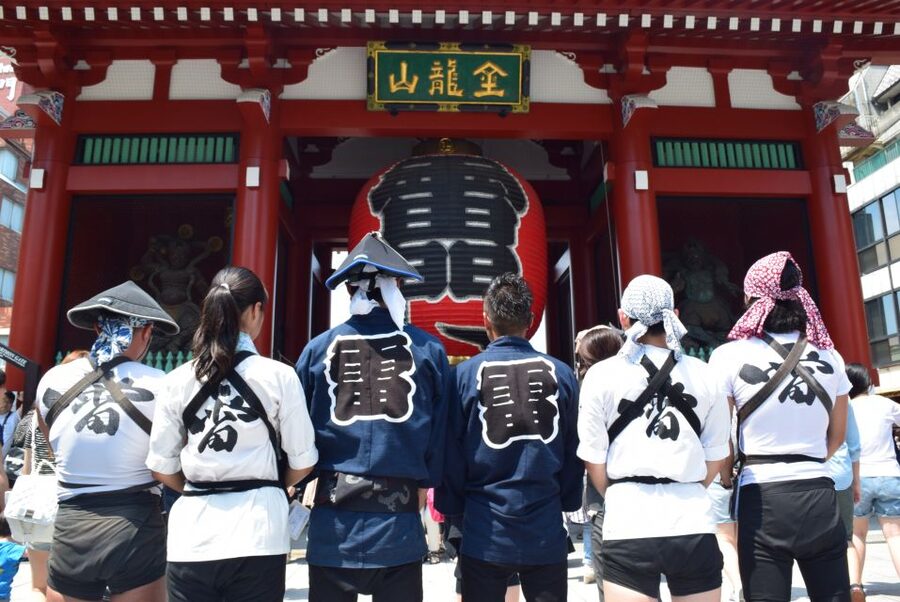
Asakusa is not only temples. It is also commerce, snacks, and the kind of small-scale shopping Tokyo does better than anywhere else. Your route includes the Hanakawado shoe shopping district, which is a fun contrast after all the sacred architecture.
If you like travel that mixes culture with daily life, this part is a win. You get a sense of what visitors might miss when they stick strictly to the main temple approaches. Also, you are moving through the streets slowly enough to notice storefront signs and how people carry on their day.
Practical expectation: the tour is a ride with stops and photos, not a full shopping spree. If you want time to browse a lot of stores, treat this as a taste, then plan your own return after the ride using what your guide tells you.
Tanuki-doori and the quirky street details that make Asakusa feel real
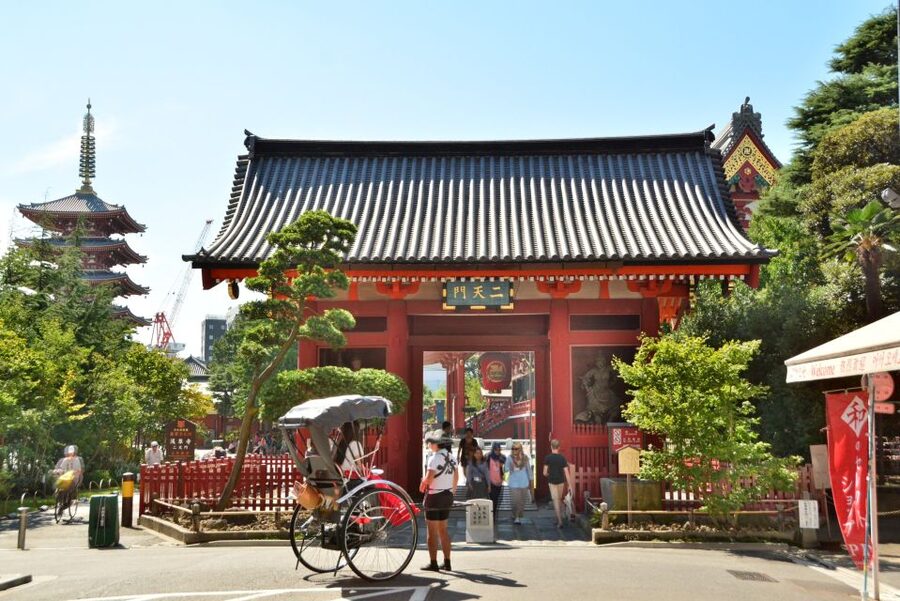
Then you hit the playful, slightly oddball side of Asakusa, including Tanuki-doori. Tanuki-related street scenes are one of those Tokyo things that look cute in photos but mean more once you know the cultural references.
This tour’s strength is that it does not force you to read a guidebook to understand what you are seeing. Your guide points out the details while you are right there, so nothing feels abstract.
If you are the type who likes “small stuff,” you will probably enjoy this portion a lot. It is the kind of street atmosphere that helps Asakusa stop feeling like a checklist and start feeling like a place.
Rokku Ward’s historic entertainment side, including adult theaters
One of the more distinctive mentions on this route is Rokku Ward, including adult theaters and historic character around that entertainment history. This is not the kind of Tokyo district that fits neatly into postcard tourism, and that is why it can be interesting.
What you can expect here:
- A different feel from the shrine lanes and shopping streets.
- An older layer of Tokyo’s entertainment culture visible in the streets.
- More “how this city really works” context.
Possible consideration: if you prefer a family-friendly vibe with zero adult-oriented context, you may want to consider whether this neighborhood focus fits your comfort level. The tour description includes adult theaters explicitly, so you should not be surprised if the guide refers to them.
Hanayashiki photo time and the classic amusement park vibe
You will also have time for souvenir photos around Hanayashiki, described as the oldest amusement park in Japan. This is a clever stop because it adds a joyful, slightly nostalgic mood to a day that already includes temples and old streets.
Instead of treating it as a quick glance, the guide-based format makes it more memorable. You are riding through the area, and then you pause for photos so you can capture the contrast between traditional Tokyo and long-running fun.
If you have kids, this type of stop is usually a crowd-pleaser. Even without kids, it breaks up the “serious sightseeing” tone and gives you something lighter to remember.
Denpoin Street and Nishi Shitamachi, where history shows up in daily form
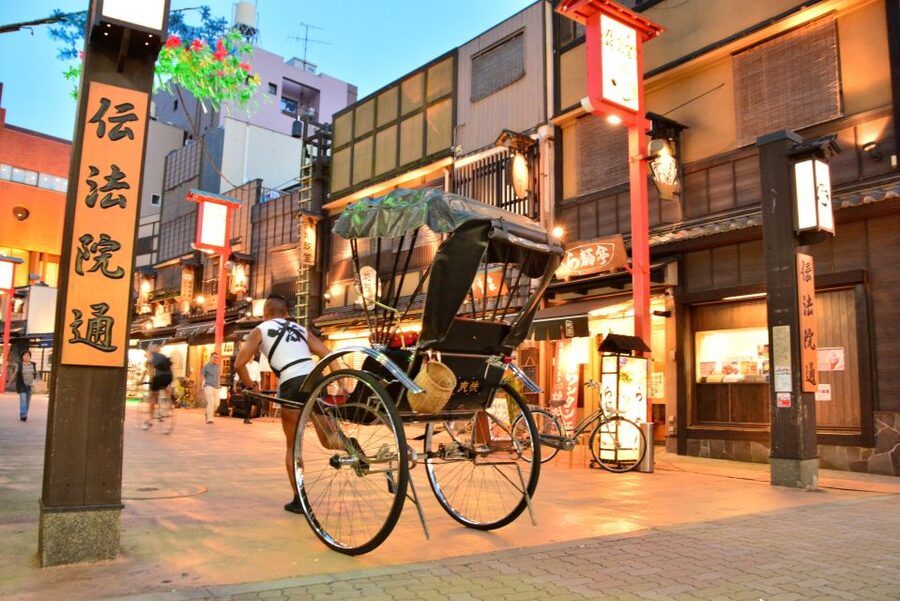
Toward the return, the route includes Denpoin Street, where the area is described as having changed little since World War II. It is also tied to the broader Nishi Shitamachi neighborhood feel.
This is one of the most valuable segments if you want Tokyo beyond the headline attractions. Seeing streets with continuity, rather than only redevelopment, gives you a sense of how time layers into the city.
What to watch for on this part:
- Smaller street details and storefront rhythms.
- A slower, more local tempo than the main tourist flows.
- Photo angles that show the street shape, not just signs.
A possible drawback: if you are expecting a polished, modern shopping district experience the whole time, Denpoin Street will feel different. That difference is part of the value. It helps you understand Asakusa as a working neighborhood, not only an attraction.
How long to book, 30 to 190 minutes, and what you gain
The tour comes in durations from 30 to 190 minutes, and you can check starting times based on availability. In general, shorter options are best as a “first contact” with Asakusa, while longer rides let you experience more variety and more photo stops.
If you book around 30 minutes, think of it like a focused highlight sweep. You will likely get the core feel and a few major points, but you will not have time for as many side streets.
A longer option is better if you care about contrasts: temples, river views, shopping streets, and quirky neighborhoods all in one ride. You will also likely feel less rushed at the stops.
There is also a special option for the 3-hour booking, where you choose a memorial gift, either a special Hello Kitty doll or an original T-shirt. That can be a nice souvenir if you like keeping trip memories tangible.
Comfort, rules, and who should book this
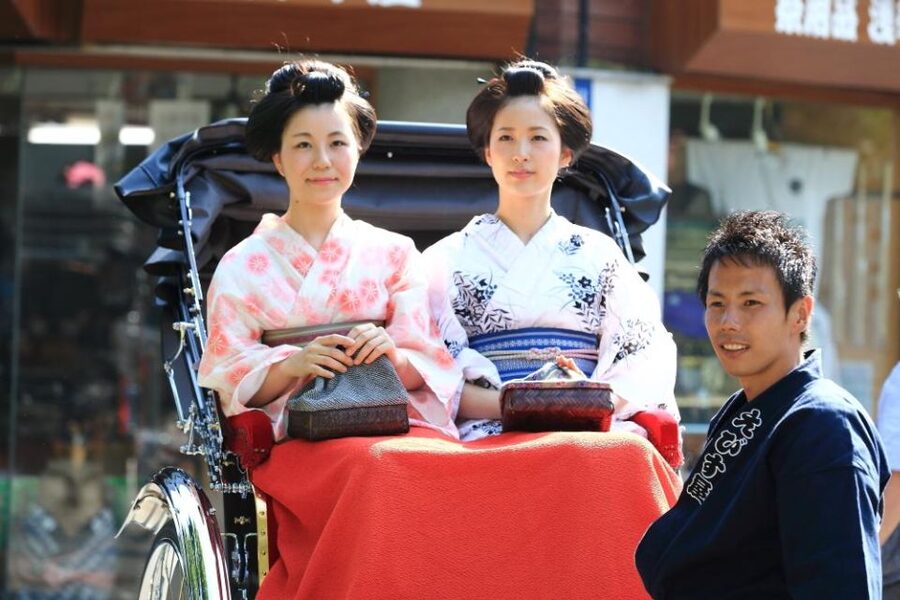
A rickshaw ride is fun, but you should plan smart. Each rickshaw is 29.1 inches (74 cm) wide, and a maximum of 2 adults is permitted per rickshaw. If you are riding as a couple and want extra space, booking individual rickshaws for each passenger could be more comfortable.
Kids policy is straightforward but worth noting:
- Adult pricing applies to those aged 6 and over
- Children 5 and under can ride for free if they sit on an adult’s lap, one child per adult
- If a child 5 and under wants their own seat, they must book as an adult
Also:
- Selfie sticks are not allowed
- Wheelchair accessible and stroller friendly (so it is built with mobility needs in mind)
- Pregnant women are not suitable, and it specifically says not recommended for people in their first 16 weeks of pregnancy
From the reviews, one consistent theme is how much energy strong guides bring, especially when the route includes little climbs. You will see why they need to be fit when they are maneuvering through busy pedestrian and street areas while keeping you comfortable.
One more comfort detail that can matter: on at least one cold-weather experience, people reported blankets and heated seat pads. If you are going in winter, it is worth dressing in layers anyway, but it is nice to know warmth support exists.
Value check: is it worth about $35 per person?
At around $35 per person, you are paying for three things at once:
- the rickshaw ride itself
- a live local guide
- the convenience of private pacing through a dense area
This is not just transport. In a normal day, you would spend time figuring out where to go, then reading about what you see. Here, your guide helps connect the dots as you ride. That time savings is real value, especially if you have limited Tokyo days.
It also helps that the guide format seems built for interaction. Many people mention guides who take strong photos and make the ride entertaining, not just informative. If you care about pictures, this is one of the easiest ways to get good memories without asking strangers to shoot for you.
The main “value tradeoff” is that this is not a free-roam walking tour. You follow the route and stops, so if you want hours of independent wandering, you will still want to plan extra time on your own.
Should you book this Asakusa rickshaw tour?
Book it if you want a fast, friendly way to understand Asakusa, with temples, shopping streets, and river views all mixed together. It is especially good for first-timers who feel overwhelmed by Tokyo’s scale and want local context without spending hours researching.
Skip it or rethink it if you need a strictly modern, shopping-only vibe, or if the idea of adult theaters in the route makes you uncomfortable. Also, if pregnancy is in the picture, this one is not recommended, and the notes specifically call out early pregnancy.
If you do book, one tip will make the experience smoother: head to exit #1 on the GINZA line and walk the few extra meters to the stand. That small check saves time, stress, and extra waiting.
If you want a single “Asakusa start” activity that turns the neighborhood from confusing to clear, this rickshaw tour is a strong choice.
Fresh options around Tokyo
- Private Harajuku Omotesando Architecture Tour★ 4.9 · 18 reviews
- Tokyo Shopping Street Hopping Private Tour with Government Licensed Guide★ 5.0 · 18 reviews
- Tokyo: Private Mount Fuji and Hakone Day Trip with Guide★ 4.5 · 18 reviews
- Small-Group Osaka-Style Okonomiyaki Cooking Class★ 5.0 · 18 reviews
- Hakone Private One Day Tour From Tokyo: Mt Fuji, Lake Ashi, Hakone National Park★ 5.0 · 18 reviews
- PERFECT 1 Day Tokyo Highlights Tour with a Private Car★ 5.0 · 19 reviews
- Shinto Shrine Tour: Explore Japanese Culture in Tokyo★ 5.0 · 18 reviews
- Tokyo: Shinjuku Bar Hopping & Karaoke Night Tour★ 4.9 · 19 reviews
Tokyo Tours, compared.
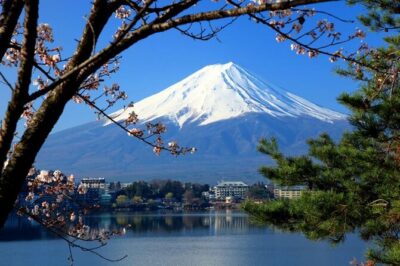
Mt Fuji and Hakone 1-Day Bus Tour Return by Bullet Train
Read our review →
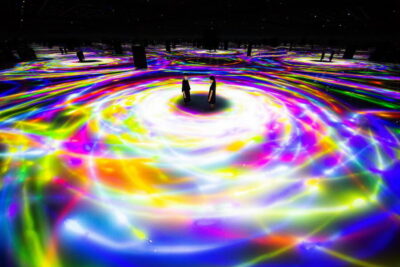
teamLab Planets TOKYO Digital Art Museum Entry Ticket
Read our review →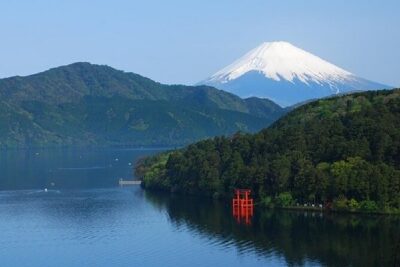
Mt Fuji & Hakone Cruise, Drum Show Bullet Train 1 Day from Tokyo
Read our review →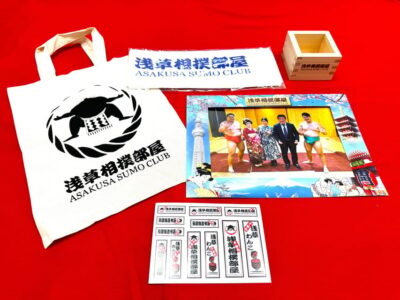
Sumo Show Experience with Chicken Hot Pot and a Photo
Read our review →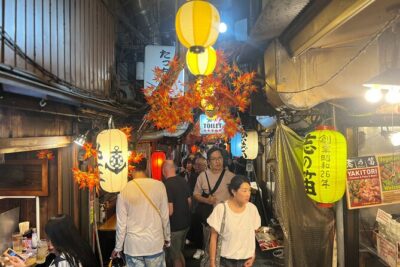
Shinjuku Food Tour (13 Dishes at 4 Local Eateries)
Read our review →