
Reviewed · JAPAN
Tokyo: Japanese Archery (Kyudo) Experience
Kyudo turns focus into motion.
This Tokyo experience is built around genuine Japanese Kyudo in an official hall, with a real range and real instruction, not a tourist setup.
I especially like two things: the official kyudo hall and competition-style shooting range, and the fact you get dozens of tries instead of a quick single shot. One thing to consider is that timing is strict, and your meeting spot is not Tokyo Station, so being late can cost you the whole session.
Key takeaways before you go
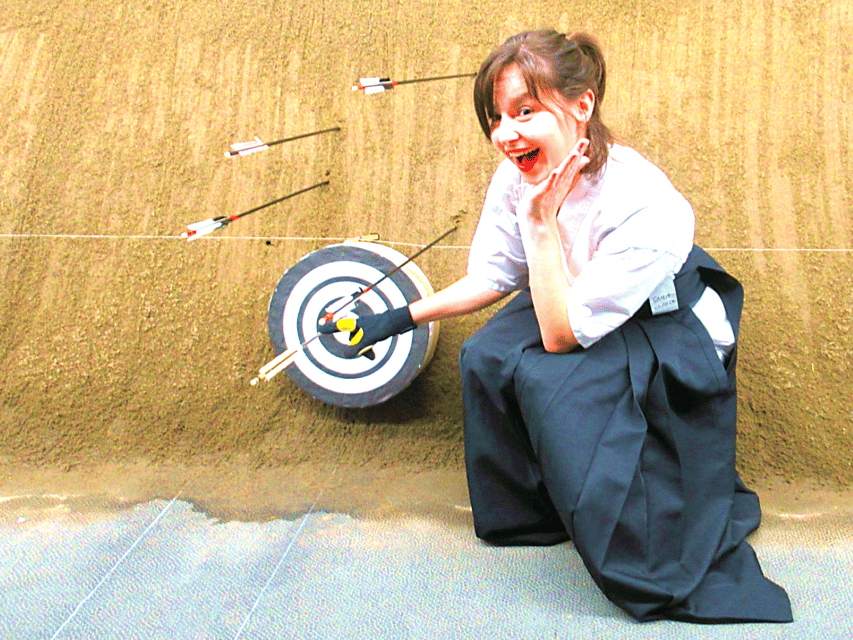
- Official Kyudo hall, real competition range: you practice where serious archers train.
- Dozens of shooting attempts: you get repetition, not just a demo.
- A DAN master explains the movement: technique is taught in a way you can actually use.
- True Kyudo uniform and bow fitting: you learn with the gear, not just around it.
- Small group of up to 5: more attention when your form needs tweaks.
Kyudo in Tokyo, the real deal in an official hall
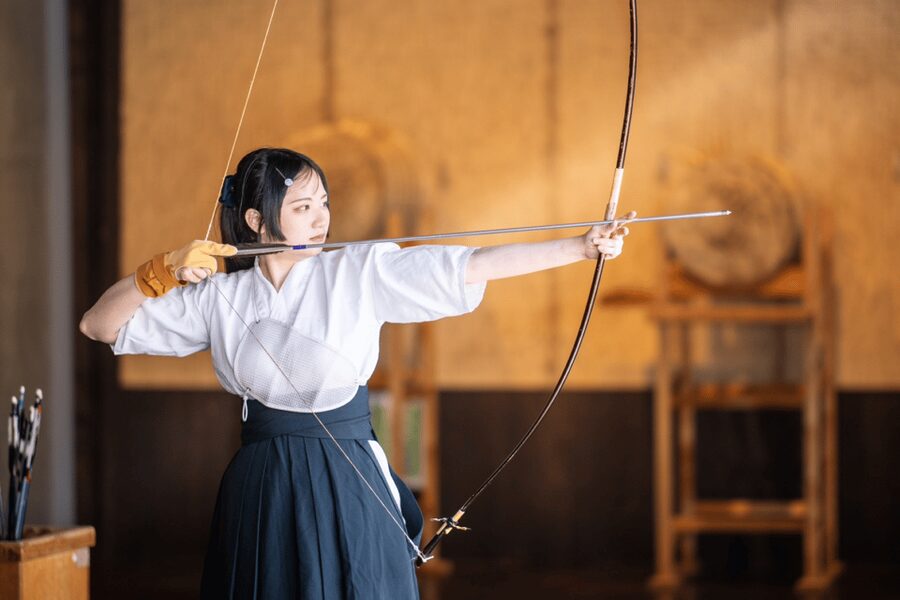
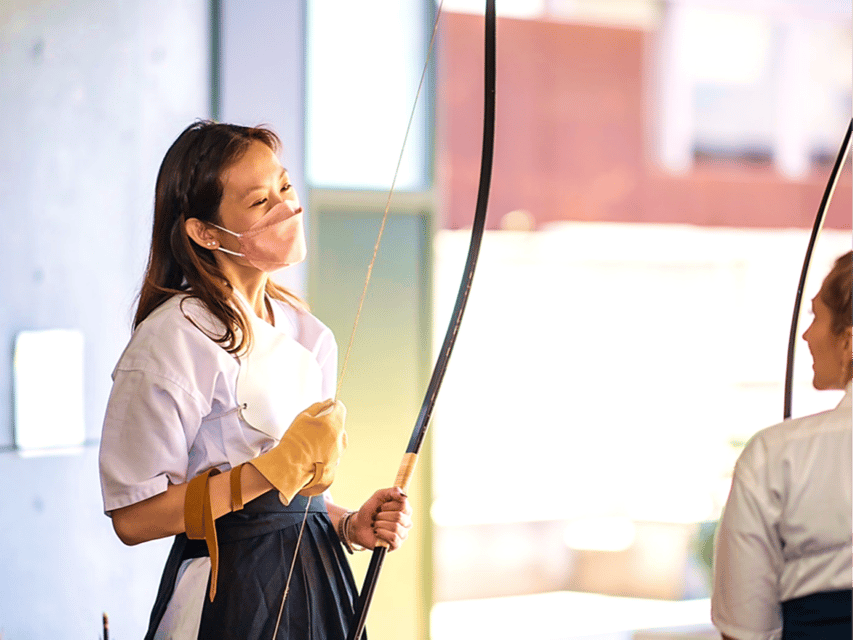
Kyudo is often described as art, discipline, and meditation all at once. In this program, that idea stays practical. You are not watching from the sidelines with a flimsy explanation. You step into a real Kyudo setting, get set up, and then you shoot.
What makes this feel authentic is the venue. The experience takes place in an official Kyudo hall, and the range is described as a real competition range, not a short prop setup. That matters because Kyudo is about controlled form and consistent shooting rhythm. When you practice at a real range, the whole session feels more serious and more respectful of the craft.
Another detail that adds credibility: sometimes regular archers are also there. Even if you are a beginner, that changes the atmosphere. You are learning inside a living practice culture, not behind a staged curtain for photos.
More of Tokyo worth an open tab:
- Mt Fuji and Hakone 1-Day Bus Tour Return by Bullet Train
★ 5.0 · 26,383 reviews - 1-Day Tokyo Bus Tour
★ 5.0 · 14,250 reviews - Tokyo: TOKYO SKYTREE® Admission ticket
★ 4.5 · 11,192 reviews
What happens during your 150-minute session
Your total time is 150 minutes, and the pace is designed around learning plus repetition. The program starts with getting you into the Kyudo gear. You then get matched with a bow and arrows for your body size, so the equipment supports what the instructor is teaching.
After that, expect careful movement instruction. The session emphasizes the shooting motion as something you can learn step-by-step. The instructor is a DAN master, and the teaching focus is on the mechanics of how you move, how you draw, and how you release.
Then comes the best part for most first-timers: you spend enough time to shoot dozens of times. That is not a promise that you will hit the center on day one, but it is a promise that you will improve through repetition. You get advice to adjust your movement between tries. The goal is simple: get your body doing the right sequence, then let the shot happen.
You are also encouraged to shoot at the middle of the target. That keeps the class goal clear. You are not just pulling a string, you are aiming at something specific and learning how small changes affect your outcome.
Uniform and bow fitting, what the dōgi experience feels like
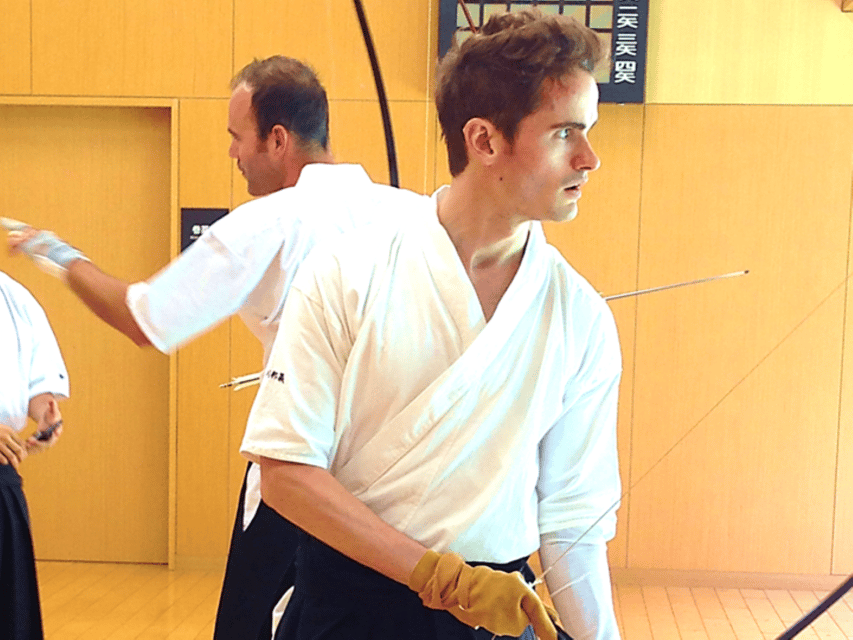
Kyudo uniforms are part of the experience for a reason. Wearing a proper dōgi (training uniform) changes your posture and your sense of form. This program includes donning a genuine traditional Kyudo uniform, not a rental outfit that feels like costume wear.
You are also matched with a bow and arrows that fit your body. That is a big deal in archery training. When equipment is fitted to you, your draw and your balance are less likely to fight your technique. You can focus on the movement lesson instead of compensating for awkward gear.
There is one practical consideration: the dōgi is designed for Japanese body types. If you have larger arms or weigh over 150 kg, the uniform may not fit. In that case, the program notes you might need to participate in regular clothing. If this is relevant for you, I’d treat the uniform fitting as a key reason to arrive on time and follow staff instructions closely.
Finally, there are rules about filming and photos inside the archery facility. Photography and video recording are restricted, so plan on leaving your camera put away unless the guide explicitly allows it.
The DAN master teaching style, including how you get feedback
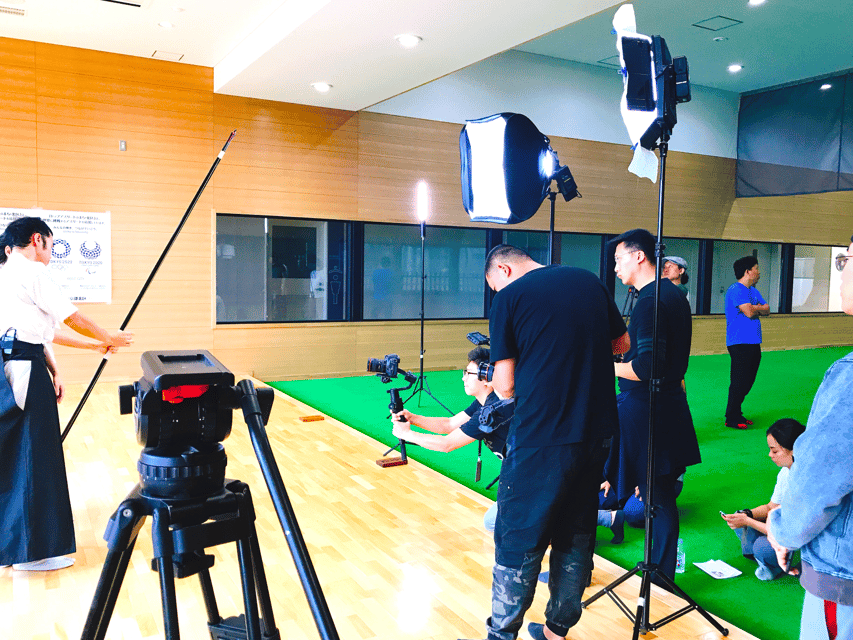
The instructor is described as a DAN master, and the key promise is that the shooting motion is explained carefully. For beginners, the danger in archery classes is vague advice. Kyudo is more exacting than many people expect, so clear coaching makes the difference between a fun try and a confusing mess.
You can also expect the instructor to explain more than just the shooting. The session includes guidance around the uniform and the sport itself, then transitions into actually shooting. In real experience like this, that matters because Kyudo has its own rhythm and etiquette. If you know what you are doing with your body, you also know what to do with your attention.
One named example from past sessions: Jun is described as attentive and engaged, and another write-up credited the instructor with motivating teaching energy. The common theme is that the instructor stays focused on helping you adjust. You are not left guessing why your shot went high or wide.
And yes, you may not hit the target on your first day. But you should leave with at least a couple of takeaways you can try again. The class is built so your next attempt can be better, not just louder.
Same corner of Japan, a different kind of day:
- Tokyo: teamLab Planets TOKYO Digital Art Museum Entry Ticket
★ 4.6 · 9,779 reviews - Mt Fuji & Hakone Cruise, Drum Show Bullet Train 1 Day from Tokyo
★ 4.0 · 7,413 reviews - Tokyo: Sumo Show Experience with Chicken Hot Pot and a Photo
★ 4.8 · 6,678 reviews - Tokyo: Shinjuku Food Tour (13 Dishes at 4 Local Eateries)
★ 5.0 · 6,603 reviews
Why dozens of shots at a real range changes everything
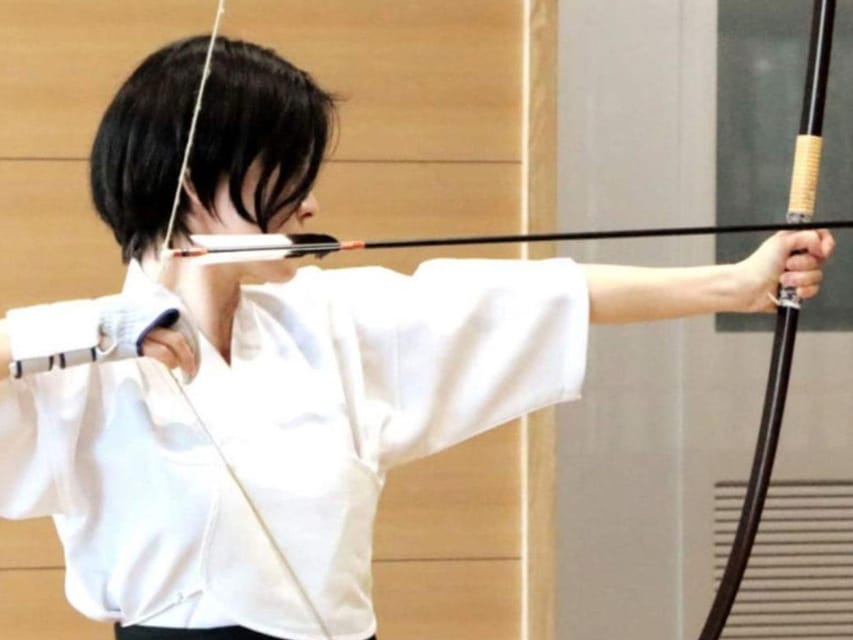
In many beginner activities, you get a single attempt, maybe two if you are lucky. Here, you get enough time for dozens of tries. That changes the learning curve fast.
First, repetition helps Kyudo timing. Kyudo is about sequence. When you only shoot once, you cannot feel whether your movement was consistent. When you shoot many times, you start noticing patterns in your own body, like where you hesitate during the draw or how your release affects direction.
Second, a competition-style range gives feedback that feels more honest. If the range is short or staged, results can feel misleading. At a real competition range, you get a clearer sense of how your form relates to where the arrow lands.
Third, group size makes feedback more personal. The class is limited to 5 participants, and that matters once you are actually shooting. If you are struggling, you need quick correction. A small group helps the instructor see what is happening in your movement.
Finally, there is room for mindset. The program frames Kyudo as a type of Dynamic ZEN Meditation. That is not a guarantee that you will instantly feel calm or that every arrow will drop into the center. But the class structure supports quiet focus: learn the movement, keep your mind steady, then shoot.
Price and value at $122 for a true Kyudo range
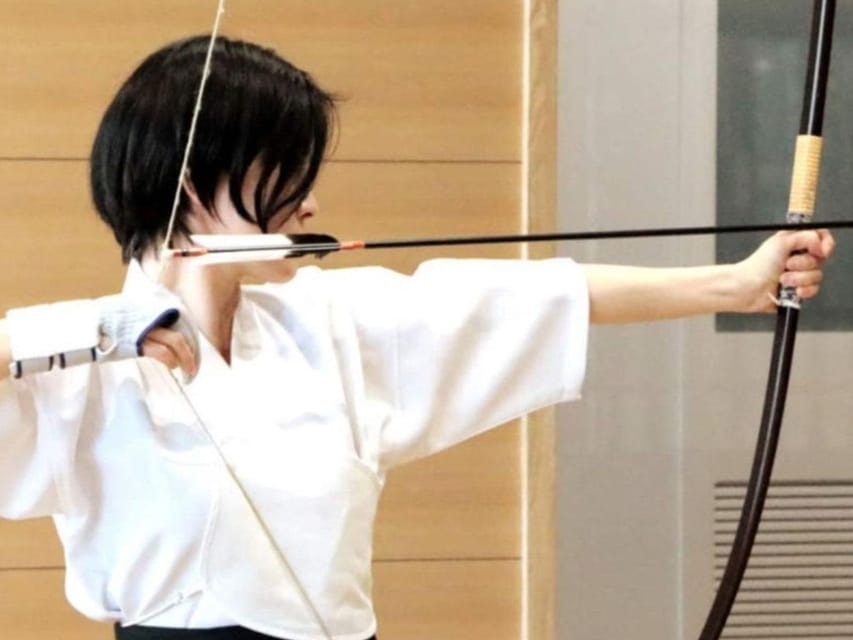
The price is listed at $122 per person for 150 minutes. On paper, that might sound like a lot compared with casual activities. The value comes from what is included and what you are paying for.
You are not only paying for instruction. The price includes experience fee, facility usage fee, and rental fee for a complete set of tools. That means you are getting access to a real Kyudo hall and range, plus the gear and uniform experience that Kyudo training depends on.
You also get time. 150 minutes gives room for coaching plus repetition. And repetition is expensive in time, because the instructor is working with you shot after shot.
Most importantly, this is described as not commercialized for foreign tourists. You are learning in a space where local Japanese people also participate, and sometimes regular archers are present. If authenticity is what you care about, the price starts to make sense.
Practical tips for arrival, photos, and staying comfortable
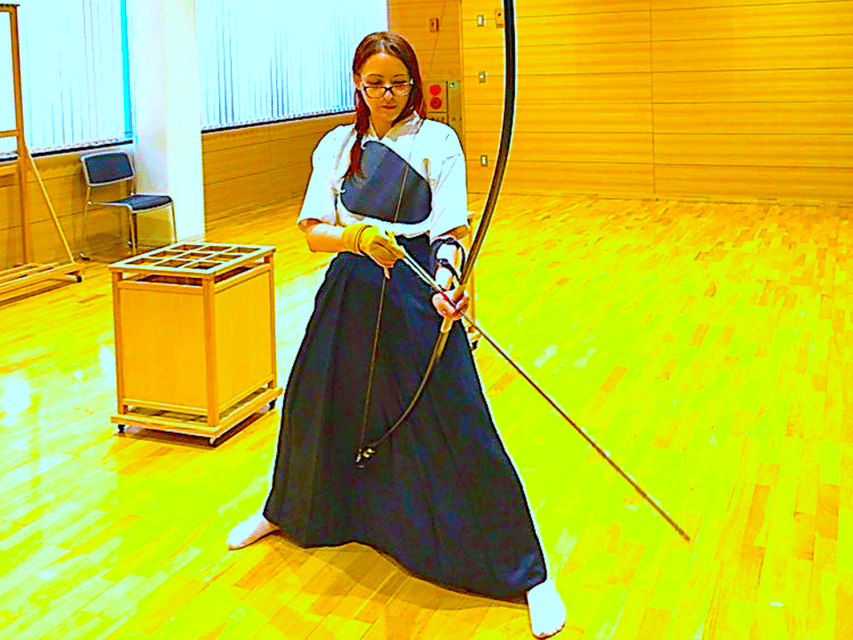
A few details can make or break your day.
Do not assume the meeting point is Tokyo Station. It is not. The program uses different facilities on different days, and after you reserve, the meeting place is shared a few days before the event. If you treat this like a standard Tokyo Station meetup, you will be late. Late arrival means you cannot join the experience.
Plan to arrive early and double-check the instructions you receive. This is a session that departs on time. You should treat it like an important appointment.
Bring a calm mindset and comfy clothing for after gear time. The class includes the uniform, and you might need to wear regular clothing if the dōgi does not fit.
Photography and video recording are restricted. Follow the guide’s instructions. If you want a keepsake, consider focusing on the experience rather than documentation.
Finally, the program is not suitable if you are unwell or have a cold. It is also not suitable for wheelchair users. Also, intoxication is not allowed, and if alcohol or illness is involved, you will not be permitted to participate and there is no refund.
Who this Kyudo experience is perfect for
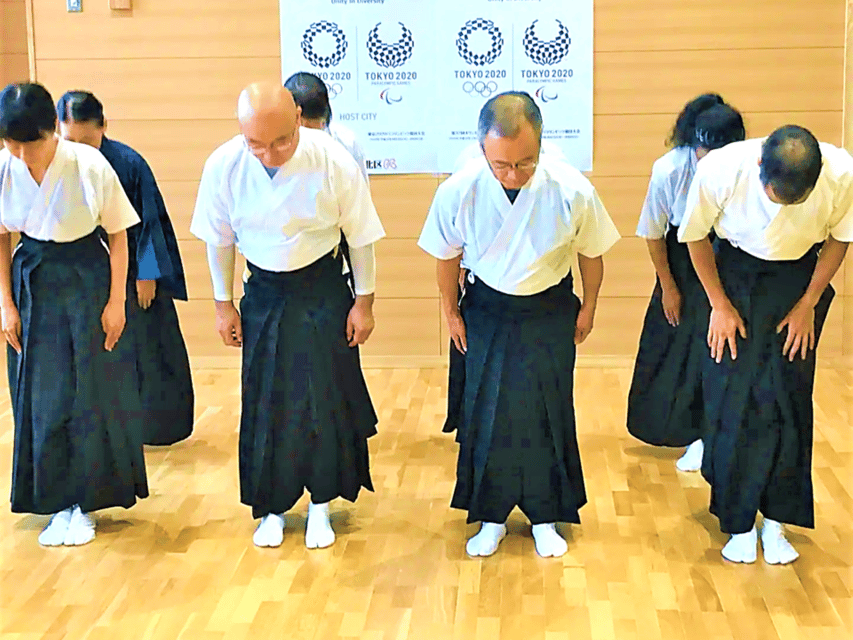
This experience is best for people who want something more grounded than a typical photo-and-try activity.
It fits you if:
- You want real Kyudo in an official hall and real range.
- You enjoy instruction and want repetition.
- You like structured movement practice where feedback matters.
- You want a small group format with up to 5 participants and English instruction.
It might not fit you if:
- You need wheelchair accessibility, because wheelchair users are not suitable.
- You are traveling with a cold or feel unwell.
- You want the session to be purely casual with no strict timing, because departures are on time and late arrivals are not admitted.
Age matters too. Participation requires you to be at least 13 years old.
Should you book this Kyudo experience in Tokyo?
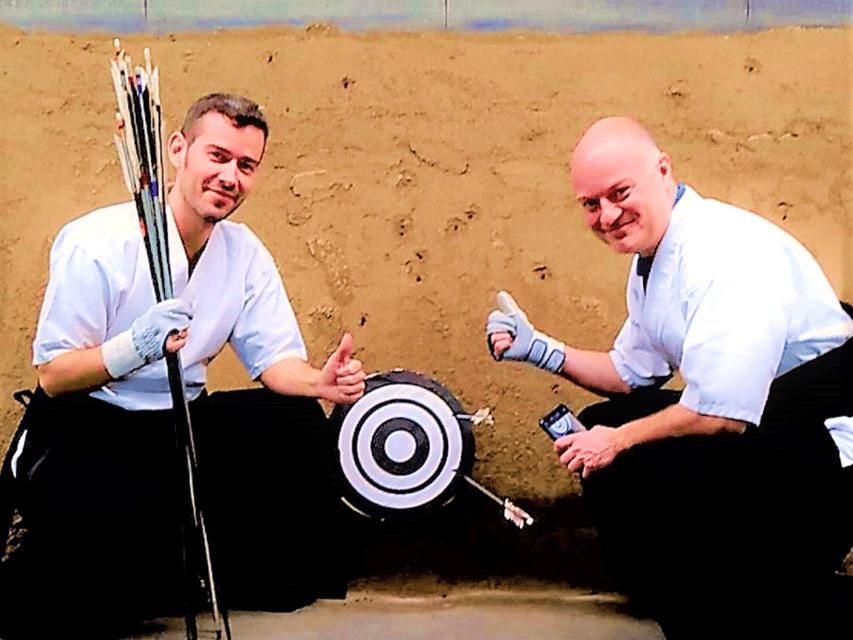
Yes, book it if you care about authenticity and real practice time. The combination of an official Kyudo hall, a real competition range, and dozens of shooting attempts is exactly what makes this feel worth your money. You also get a DAN master teaching in English, and the small group size helps you get corrections when you need them.
Skip or reconsider if strict timing, meeting-location uncertainty, or physical comfort with the dōgi might be an issue for you. The session is designed for people who will show up on time, follow facility rules, and participate fully, including uniform and shooting.
If you want one simple decision rule: if you want to actually learn Kyudo form and not just have a brief taste, this is the kind of class that can change how you think about archery.
FAQ
Where is the meeting point?
The meeting point is not at Tokyo Station. After you reserve, the operator will inform you of the meeting place a few days before the event, and you must arrive on time or you cannot join.
How long is the experience?
The experience duration is 150 minutes.
How many people are in the group?
The group is small, limited to 5 participants.
Is there an English-speaking instructor?
Yes, the instructor provides instruction in English.
Do I need previous Kyudo experience?
The experience is designed as an introduction that beginners can enjoy, with clear instruction and feedback during practice.
What age is the minimum for participation?
Participants must be at least 13 years old.
Is the uniform included?
Yes. You will don a traditional Kyudo uniform, and the rental fee for the complete set of tools is included.
What if the dōgi does not fit me?
The dōgi is designed for Japanese body types, so if you have larger arms or weigh over 150 kg, the uniform may not fit. In that case, you may need to participate in regular clothing.
Are photos or videos allowed inside the facility?
Photography and video recording in the archery facility are restricted. You need to follow the guide’s instructions.
What if I want to enter the venue but not participate?
If you want to enter the venue without participating in Kyudo, you must pay an additional fee at the time you request it. Those who have not paid will not be admitted to the venue.
Fresh options around Tokyo
- Tokyo City 1-Day Private Tour with Bilingual Driver★ 4.5 · 78 reviews
- Full Tokyo: Meiji Shrine, Imperial Palace, Asakusa & Skytree★ 5.0 · 78 reviews
- Tokyo: Classic Tsukiji Food Tour★ 4.9 · 78 reviews
- Daikoku Parking Tokyo Drift & APIT Car Meet JDM Culture Tour★ 5.0 · 79 reviews
- Tokyo Skytree: Admission Ticket with 24-Hour Subway Pass★ 4.5 · 79 reviews
- Tokyo Tsukiji Food & Culture 4hr Private Tour with Licensed Guide★ 5.0 · 79 reviews
- Kamakura 8 hr Private Walking Tour with Licensed Guide from Tokyo★ 5.0 · 80 reviews
- Tokyo: Calligraphy Workshop & Original T-Shirt Creation★ 5.0 · 80 reviews