
Reviewed · TEA CEREMONIES IN OSAKA
Osaka: Tea Ceremony Experience
Matcha goes from powder to ritual in 45 minutes. This Osaka tea ceremony turns the busy streets near Dotonbori into a calm tatami room moment, led by Japanese instructors who speak clear English. The main thing to plan for is the quiet rules and the fact this is a second-floor space you can miss if you arrive without checking the map.
What I like most is that you do real matcha making with traditional tools, not just watch. You also finish with seasonal sweets that are made to pair with the tea, so the experience feels complete instead of stop-and-start. One more note to consider is that kids under 5 are not allowed, and the session is built for a still, respectful setting.
Quick hits on this Osaka tea ceremony experience
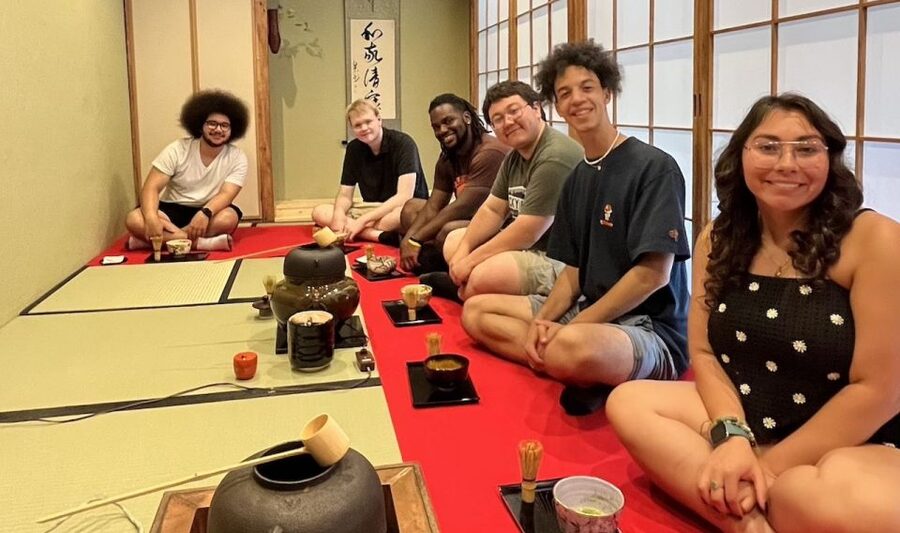
- Kimono-led instruction in English: Japanese instructors guide the ritual clearly, with an English audio component too.
- Hands-on matcha, 45 minutes: You get the tools, learn the flow, then make your own bowl.
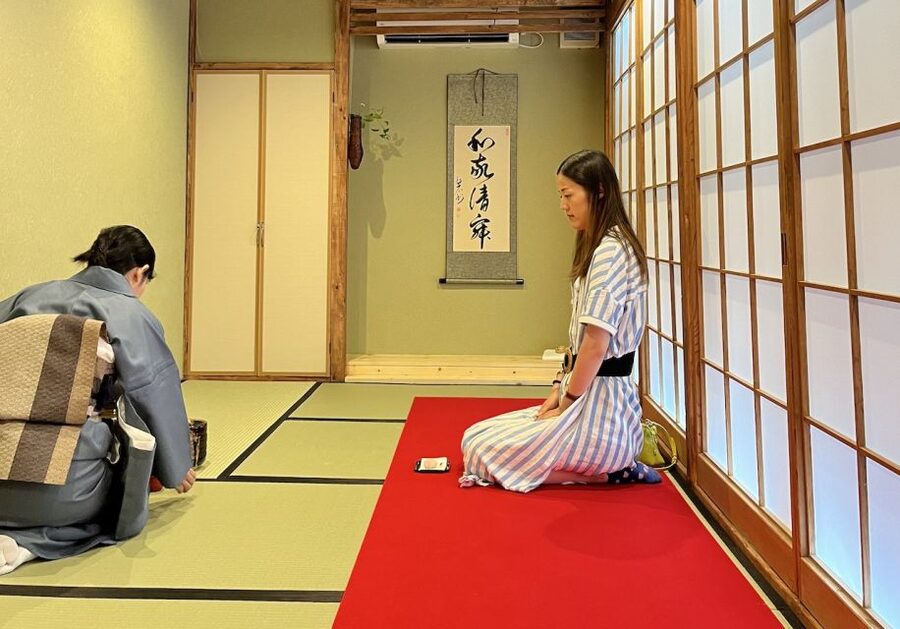
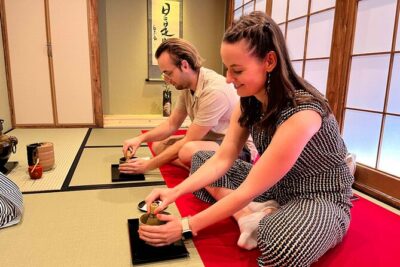
- Traditional setting on tatami: The room is part of the calm, not just a backdrop.
- Seasonal sweets paired with matcha: Small confections are served with your tea tasting.
- Experienced hosts: Many sessions are led by instructors with 10+ years of tea ceremony experience, with patient guidance.
- Rules keep it respectful: No food, no jumping, and you are expected to keep voices low.
A tatami pause in the middle of Osaka
This tea ceremony is designed to slow you down, fast. You start in a traditional room where the tone is set immediately: calm voices, careful movements, and a sense that nothing is rushed. If you have been speed-walking Osaka all day, this is a smart reset.
I also like the “guided but not overwhelming” feel. Even though tea ceremony has lots of symbolism, the lesson is delivered in plain, visitor-friendly English. In past sessions, instructors such as Yuki and Akiko have been praised for being patient and attentive, especially when people ask questions.
The one drawback is the practicality side. You are going to sit in a traditional tatami environment for most of the session, and the activity explicitly bans noise, jumping, and outside food. If you hate quiet rules or you need constant movement, this may feel like effort.
More Tea Ceremonies in Osaka
- Tea Ceremony Experience in Osaka Doutonbori
★ 5.0 · 754 reviews - Matcha Making Class in Osaka with Authentic Japanese Sweets Set
★ 5.0 · 509 reviews - Osaka: Matcha Making Experience with Japanese Sweets
★ 5.0 · 146 reviews
Welcome and etiquette: where the ritual really begins
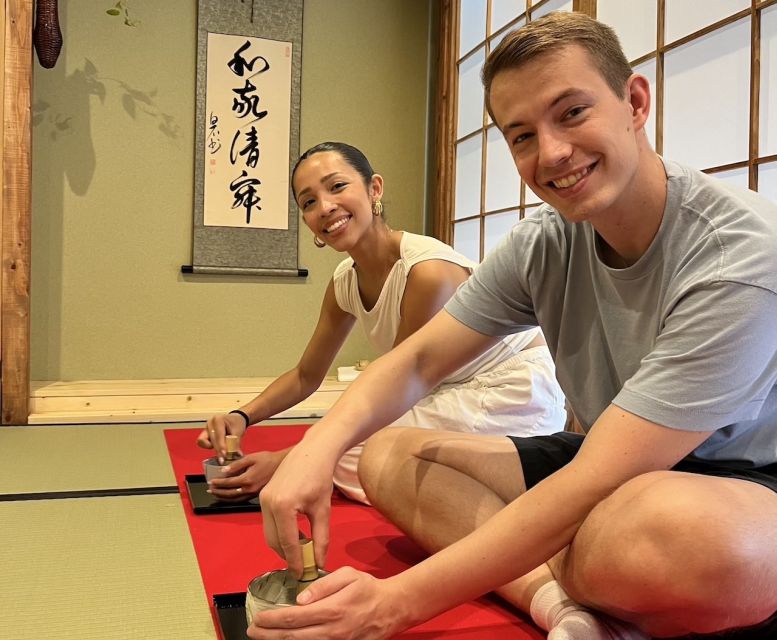
The experience starts with a warm welcome in the tea room. Your instructor explains what the tea ceremony is, including meaning and background, before you ever touch the tools. Think of this as the “why” section, because the steps make more sense once you know what the ritual is aiming for.
Then you get the manners side. You are taught basic etiquette for tea serving, which matters more than people expect. Tea ceremony is not only about flavor, it is about timing, respect, and how you handle the bowl and utensils. When that part clicks, the whole process feels less like a performance and more like a thoughtful practice.
Several hosts are noted for sharing this context with confidence in English. Names that come up in recent bookings include Mayumi, Ayaka, Kana, and Kazu, with the common thread being a calm explanation style that helps you follow along instead of getting lost.
Watch first, then learn by doing
After the introduction, you watch a live demonstration. Your instructor shows how to use the tools and how the flow of serving works. This is useful because tea ceremony is surprisingly “stepy” once you pay attention. Even small movements have purpose, and the demo helps you see the order before you attempt anything yourself.
Then the session moves into your hands-on part. This is where the experience becomes more than sightseeing. You make matcha using the set you were taught about, with your instructor guiding you as you go.
If you like doing things with your hands, you will probably love this format. If you prefer pure watching, it still works, because the demonstration gives you the ritual picture first. But you should know the design is built around participation.
Your turn with the matcha set, with guidance you can follow
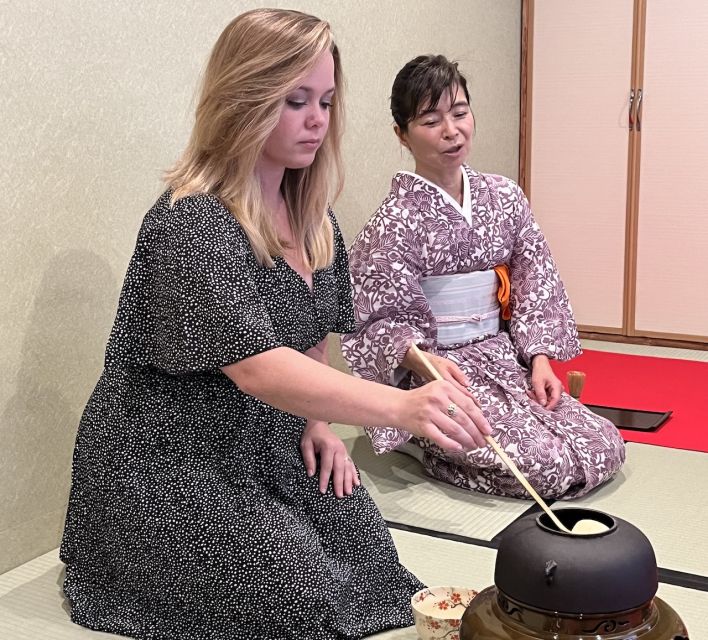
Making matcha is the centerpiece, and the session is structured so you get a clear path from tool to taste.
Here is what you can expect in the hands-on portion:
- You use traditional tea tools to prepare the matcha.
- You are coached through the right technique and the rhythm of the ceremony steps.
- After making your bowl, you taste what you made in the same peaceful room.
Traditional tools matter here because they change the texture and the experience. You are not just mixing a drink, you are preparing a bowl the way tea ceremony practice expects. In many sessions led by instructors like Akiko or Kazu, guests specifically praise the explanation of the tea bowl details, which usually means you are not just whisking, you are learning what you hold and why.
Practical note: the session rules include no jumping and no making noise. So if you tend to get excited and talk loudly, save that energy. Let the moment do the work.
Same corner of Japan, a different kind of day:
- Osaka Go Karting Tour with Funny Costume
★ 5.0 · 2,658 reviews - Osaka Castle: Museum and Tower Entry Ticket
★ 4.5 · 2,380 reviews - Osaka: Shinsekai Food Tour with 13-15 Dishes at 5 Eateries
★ 4.8 · 2,204 reviews - Osaka Food Tour: 13 Dishes at 5 Local Eateries
★ 5.0 · 2,149 reviews
Seasonal sweets and why the pairing makes sense
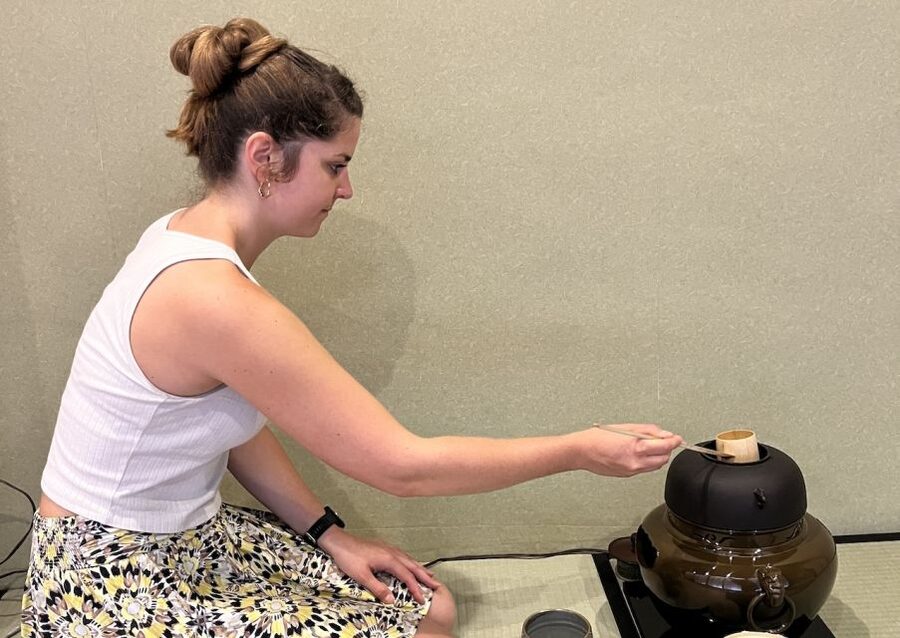
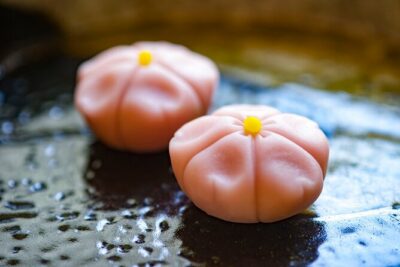
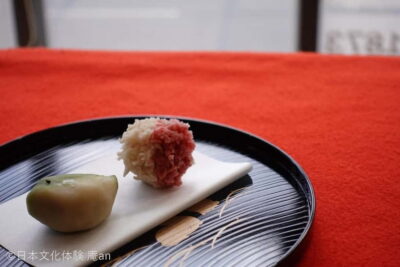
Tea ceremony sweets are not random snacks. In this experience, you taste seasonal Japanese confections served alongside matcha. The sweetness is small scale, delicate, and chosen to match the green tea flavor profile.
Matcha can be earthy and slightly bitter depending on how it is whisked and served. The confection gives you a gentle counterpoint, so the tea tastes clearer instead of harsh. That is why this part matters. It turns the session into a balanced experience rather than a one-bite stop.
People often mention how good the sweets were and how nicely they worked with the matcha. Instructors like Yuki and Mayumi are repeatedly described as offering sweets that feel considered, not thrown in at the last minute.
Meeting point in Dotonbori, finding the second-floor room
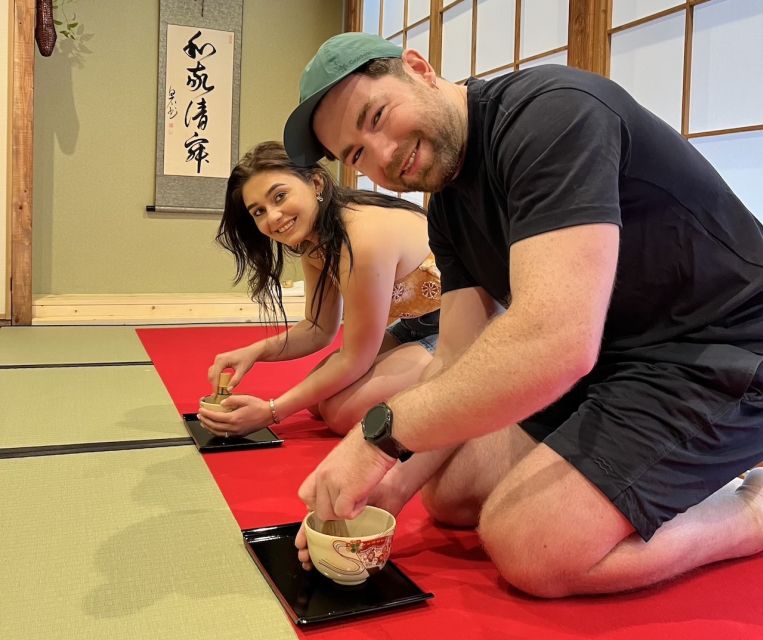
Location matters a lot with this one. The meeting point is listed at:
大阪市中央区道頓堀1丁目東5-26
It is on the second floor.
The provider also warns that you should use Google Maps and search for tea ceremony osaka the osaka for the correct address. That is good advice. This area is busy and addresses can be tricky when you are walking quickly.
Two timing tips from real-world experience with spots like this:
- Plan to arrive with enough time to settle, but do not show up extremely early. Some people find there is limited space to wait.
- Once you confirm the building, check the floor level. The second-floor detail is the kind of thing that causes easy stress if you guess.
If you want to be extra prepared, save the coordinates too: 34.66885079999999, 135.5063291. It is not necessary for everyone, but it helps when streets look similar.
Price and value: what $25 gets you in 45 minutes
At $25 per person for a 45-minute experience, the value is about what is included, not just the time.
What is covered:
- Entrance fee
- Matcha (powdered green tea)
- Confections
So you are paying for more than instruction. You are paying for the whole tea ceremony experience in a traditional setup, plus the ingredients and sweets. Many similar activities charge extra for tasting or for workshop components. Here, the core items are baked into the price, which makes the decision easier.
And because the session is only 45 minutes, it is a good fit on a day when you want culture but cannot afford a half-day detour. You get a structured activity that also gives you a mental break from Osaka’s constant movement.
Who this Osaka tea ceremony is best for
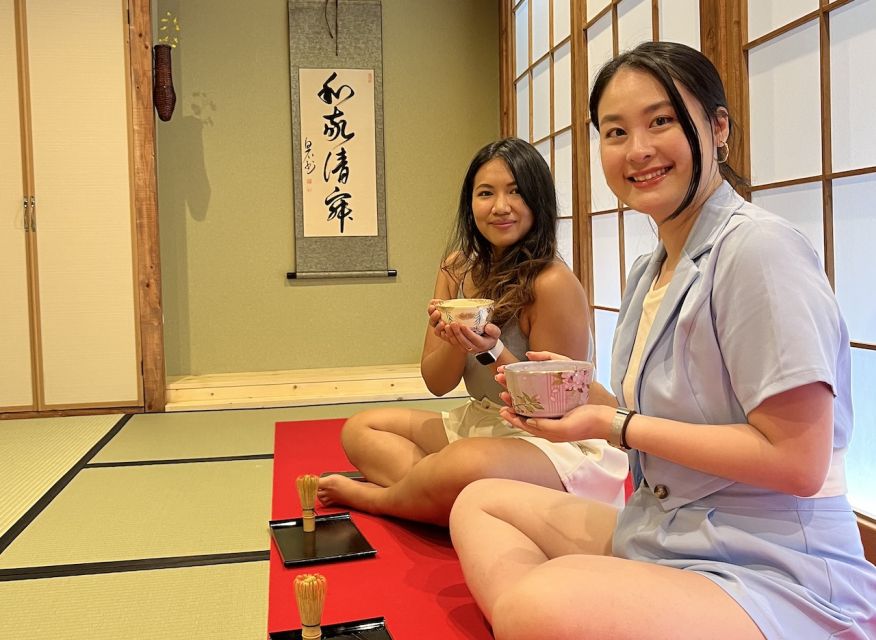
This is a strong pick for visitors who want a calm, cultural activity without needing Japanese fluency.
It is especially good if:
- You want a short, structured introduction to Japanese tea culture.
- You enjoy hands-on learning, not just a passive tour.
- You like quiet, respectful experiences and appreciate instructions in English.
- You want something authentic that you can feel in your body, not just read about.
You should think twice if:
- You dislike sitting on the floor for a portion of the session.
- You have trouble following strict quiet rules.
- You are traveling with very young children. The entry rules are clear that children under 5 cannot participate, and those 5 and up need their own ticket.
If you are traveling as a couple, this also works well because the format supports learning together and tasting together in the same calm room.
Should you book this Osaka tea ceremony?
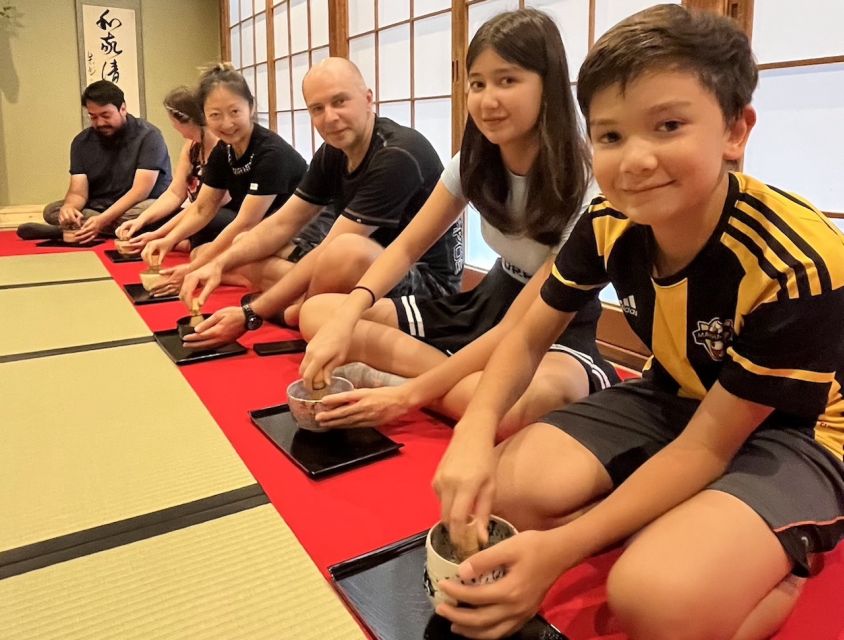
Book it if you want a mindful break, a real matcha-making lesson, and a structured cultural experience that fits into a busy Osaka schedule. The English instruction helps you understand what you are doing, and the traditional tatami setting gives the ritual credibility you cannot fake.
Skip it if your trip style is all motion and noise, or if you will struggle with the quiet, respectful rules and floor seating. Also, if you are traveling with children, double-check the age rules first so you are not dealing with an entry problem on arrival.
If you are deciding between a quick photo stop and an actual cultural moment, this is the better choice. It is only 45 minutes, but it gives you something you can remember each time you taste matcha later.
FAQ
How long is the Osaka tea ceremony experience?
The experience lasts 45 minutes.
What is included in the $25 per person price?
The price includes the entrance fee, matcha (powdered green tea), and confections (seasonal sweets).
Is the tea ceremony taught in English?
Yes. Japanese instructors guide the experience in clear English, and an English audio guide is also included.
Where do I meet, and how do I find it?
Use Google Maps and search for tea ceremony osaka the osaka. The address is 大阪市中央区道頓堀1丁目東5-26, and it is on the second floor.
Can children participate?
Children under 5 cannot participate. Children aged 5 and above need their own ticket. If you are traveling with a child under 4, you should contact the provider in advance.
Is food allowed during the experience?
No. Food is not allowed.
What are the rules for behavior inside?
You must not make noise, and jumping is not allowed.
Is there free cancellation?
Yes. You can cancel up to 24 hours in advance for a full refund.
Fresh options around Osaka
- Osaka Dotonbori Night Photoshoot – Private | Pro Photographer★ 5.0 · 19 reviews
- Osaka: Tennen Onsen Naniwa-no-Yu, the famous hot spring spa★ 4.7 · 19 reviews
- Osaka Private Walking Tour with a Local★ 4.5 · 19 reviews
- Osaka: HEP FIVE Ferris Wheel E-Ticket in Umeda★ 4.7 · 19 reviews
- Kansai/KIX Airport to or from Osaka/Kyoto Private Transfer★ 5.0 · 20 reviews
- Guided Photography Tour in Osaka: Capturing Memories★ 4.5 · 20 reviews
- Osaka: Food Tour at Night with Tastings★ 4.9 · 20 reviews
- Osaka Private Tour with Government-Licensed Guide★ 4.8 · 20 reviews
Tea Ceremonies in Osaka, compared.
Matcha Making Class in Osaka with Authentic Japanese Sweets Set
Read our review →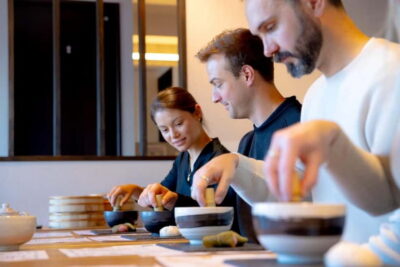
Japanese Traditional Sweets Making and Tea Ceremony
Read our review →
Osaka Temple Cool Foot Bath & Matcha Experience〈45min〉
Read our review →
Samurai Show, Tea Ceremony, Japanese Traditional Activities
Read our review →
Osaka; Japanese Tea ceremony experience, Macha and Sencha
Read our review →Browse the lists this tour appears in