Reviewed · TOKYO TOURS
Tameike: Exploring the Heart of Japanese Politics Tour
Politics feels human here. You get an English guided look at the National Diet Building, then a short walk brings you to Hie Shrine, known for career success and matchmaking. The mix works because it slows down big, intimidating ideas and shows you how people actually experience them in daily life.
What I like most is the clarity. You walk through the Diet Building with context for how Japan’s government functions, and you get time to ask questions, not just watch sights. Then Hie Shrine adds the fun, symbolic side, with monkey guardians and a layout that gives you something to point at and understand on the spot.
One thing to plan around: the Diet Building visit includes stairs, and you may want cash on hand since some shops do not accept cards.
Quick hits I’d plan around
- English tour of the National Diet Building, focused on how the system works, not just the architecture
- Small group (up to 5), which makes Q&A feel natural and personal
- Hie Shrine power vibes, tied to career success and matchmaking, plus monkey motifs throughout
- Monkey statues and shrine details, including guardian monkeys at the gate and main hall
- Dobashi-en matcha and sweets, finished with a souvenir tea gift
Starting at Kokkai-gijidōmae, with a guide you can actually talk to
This tour is built for people who feel a little overwhelmed by politics. The meeting point is simple: you look for a guide in a navy blue happi at Kokkai-gijidōmae Station, Exit 1. From the start, the tone is friendly and practical. You are not just herded from one photo spot to the next.
You move on foot between stops, with short stretches that keep the pace manageable. It is not a marathon, but it is not a sit-and-stare experience either. Expect you will be on your feet for much of the 3 hours.
A big reason this works is group size. It is limited to 5 participants, and that matters in a place like the Diet Building. In a small group, you can ask the question that is stuck in your head, instead of waiting your turn while everyone else listens politely.
A few more Tokyo days worth comparing
- Mt Fuji and Hakone 1-Day Bus Tour Return by Bullet Train
★ 5.0 · 26,383 reviews - 1-Day Tokyo Bus Tour
★ 5.0 · 14,250 reviews - Tokyo: TOKYO SKYTREE® Admission ticket
★ 4.5 · 11,192 reviews
National Diet Building, English guidance for Japan’s political core
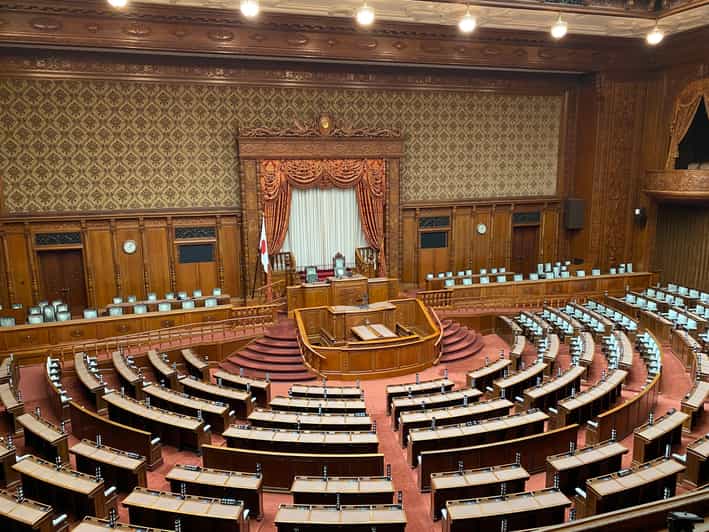
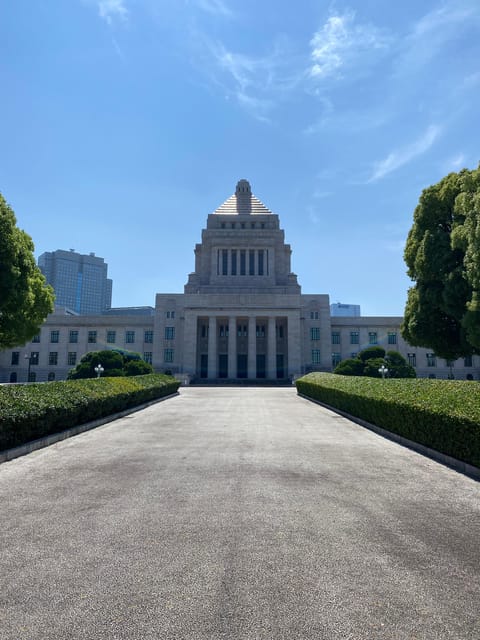
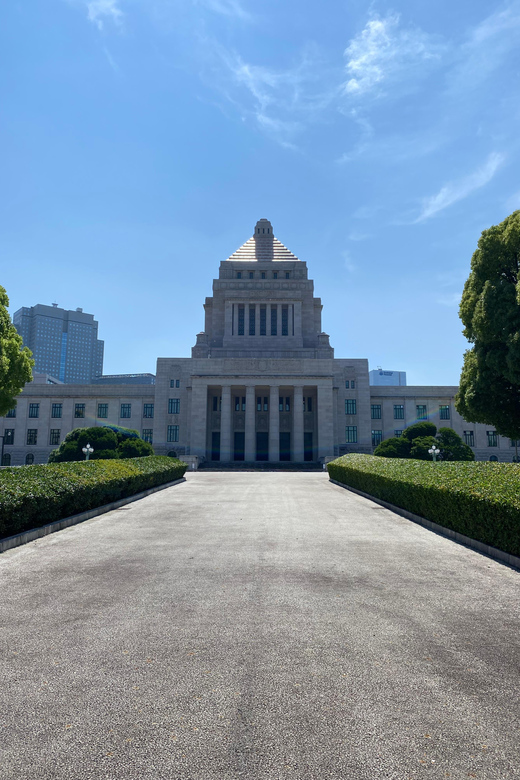
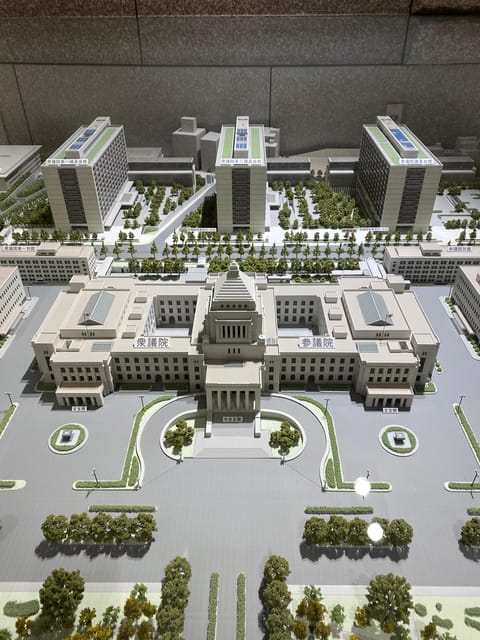
The first major stop is the National Diet Building, with about 1 hour of guided time. You start with the setting. The building’s scale and form can feel official in a very literal way, and your guide helps you read what you are seeing instead of treating it like a museum label.
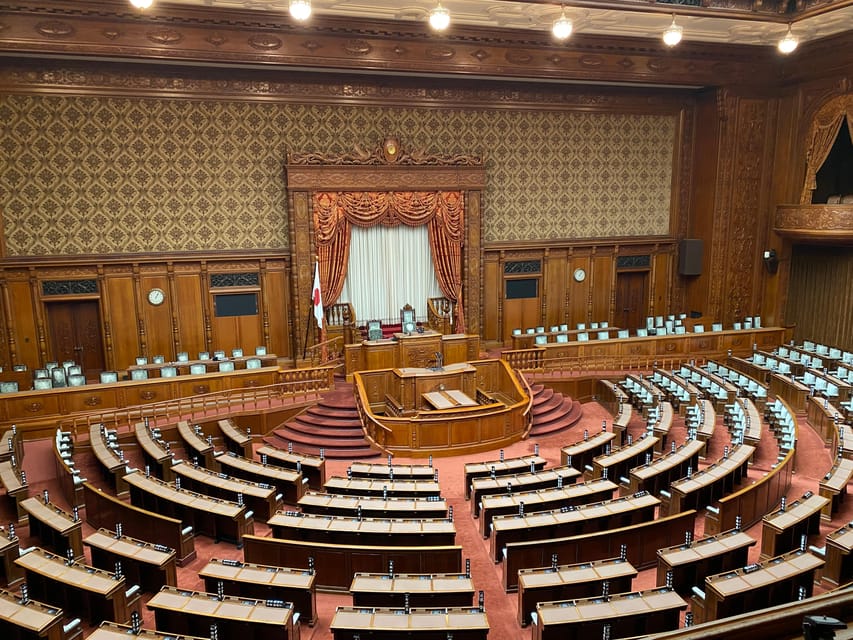
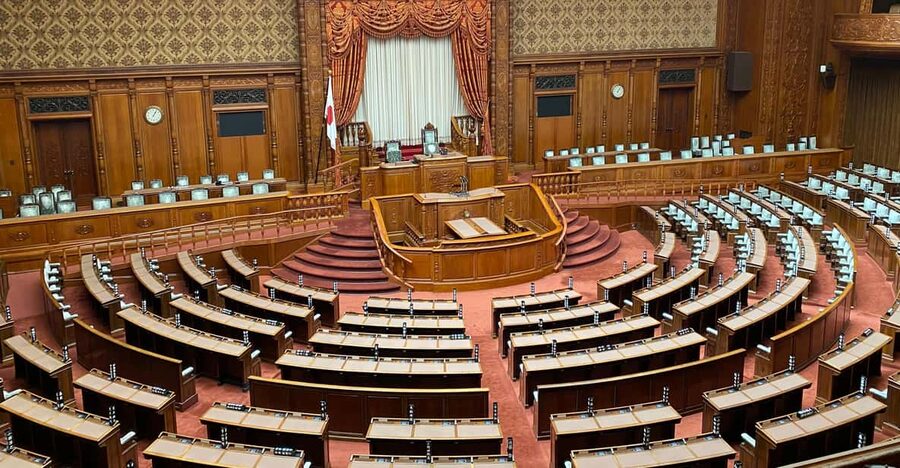
What you take away is the connection between the physical space and the political process. You get explanations of how Japan’s government works, plus context for major events associated with the Diet. One of the most useful parts is how the guide ties the day-to-day rules to what you see in the chambers. If you have ever wondered what people mean when they talk about elections, voting procedures, or political decision-making, this tour gives you a mental map.
There’s also a practical side. The visit includes stairs, so comfortable walking shoes are not optional. If you show up in slick soles or fancy sandals, you will feel it. I like planning for this kind of thing because it keeps you focused on the lesson instead of your feet.
Why Hie Shrine fits right after politics
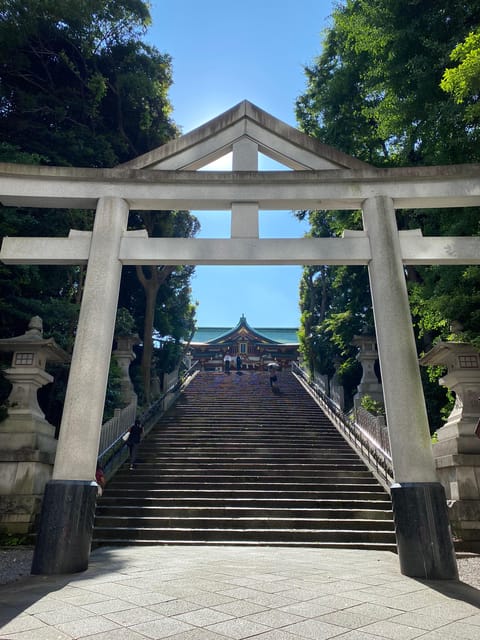
After the Diet Building, you walk roughly 15 minutes to Hie Shrine, where you get about 45 minutes of guided sightseeing and worship guidance. This stop is not just “cute Japan temple vibes.” It is connected to themes people care about: luck, relationships, and career momentum.
Hie Shrine is famous as a power spot for career success and matchmaking. You also get plenty of visual anchors, which helps the symbolism land. The gate and main hall feature guardian monkey statues, and monkey motifs appear on votive tablets and charms. If you are the type who likes to understand what you are looking at, you will appreciate the guide pointing out the specific details that make the shrine distinctive.
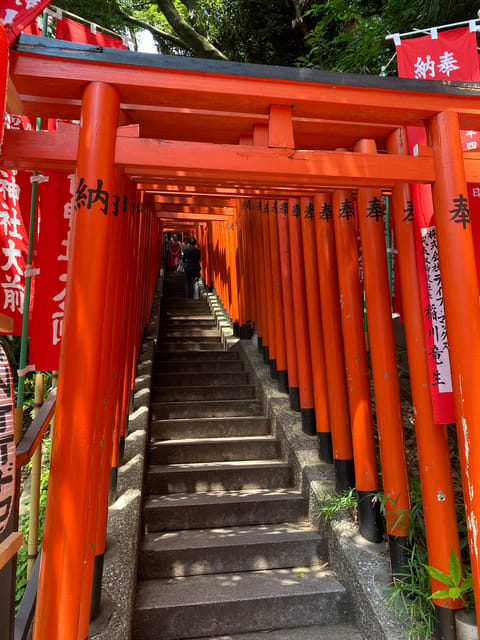
Then there is the torii element. You will see Thousand Torii Gates, which is reminiscent of Fushimi Inari Shrine. The point is not that it is identical. The point is that the torii creates a sense of progression, like you are walking through layers of faith and tradition. It makes the shrine feel more active and less static.
One more reason I like pairing these two stops is contrast. The Diet Building is about policy. Hie Shrine is about personal wishes and community ritual. Together, they show how big systems and personal hopes coexist in the same city.
The quiet etiquette moment that makes the shrine visit better
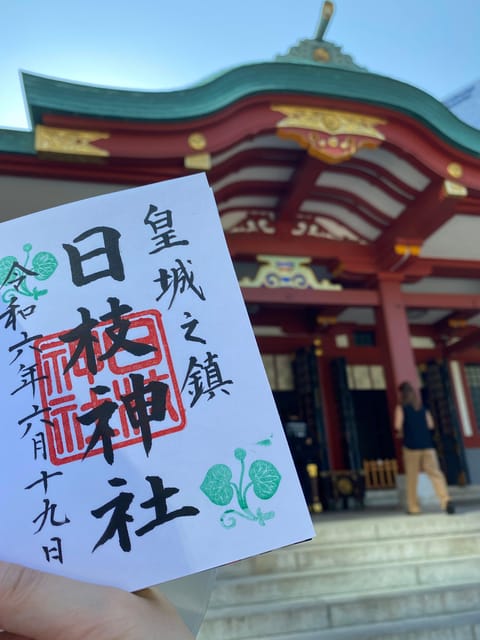
At Shinto sites like Hie Shrine, the difference between a rushed visit and a meaningful one is usually etiquette. This tour includes guidance on how to worship. That helps you avoid the common mistake of treating a shrine like a backdrop.
In practice, this means you are not just walking around looking for the best angle. You learn what you are doing and why. It turns your time there into something you can remember, not just something you photographed.
Also, the worship guidance pairs nicely with the shrine’s theme. When you understand the ritual steps, the ideas of career success and matchmaking stop feeling vague. They become specific, grounded, and tied to what people actually do when they pray.
Same corner of Japan, a different kind of day:
- Tokyo: teamLab Planets TOKYO Digital Art Museum Entry Ticket
★ 4.6 · 9,779 reviews - Mt Fuji & Hakone Cruise, Drum Show Bullet Train 1 Day from Tokyo
★ 4.0 · 7,413 reviews - Tokyo: Sumo Show Experience with Chicken Hot Pot and a Photo
★ 4.8 · 6,678 reviews - Tokyo: Shinjuku Food Tour (13 Dishes at 4 Local Eateries)
★ 5.0 · 6,603 reviews
Dobashi-en matcha and sweets, the reset you earn after walking
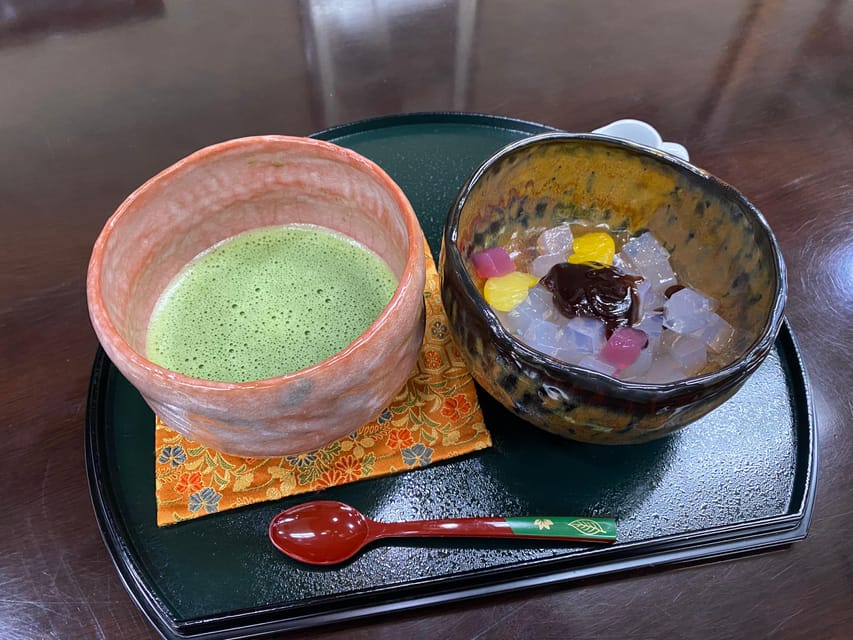
The last stop is Dobashi-en, where you spend about 45 minutes for matcha tea and local snacks. After politics and temple walking, this part feels like a breather. Your head stops working so hard, and your body gets a normal human reward: tea, sweets, and a moment to sit.
This is also where the experience becomes more Japanese in the practical sense. Matcha is not just a drink here. It is part of a longer tea tradition, and you get to enjoy it from a long-established green tea shop. That kind of calm ending makes the whole tour feel complete.
You also take home something small but tangible: a souvenir tea gift is included. I like that because it gives you an easy reminder when you are back home and craving a taste of the trip.
Price and value: what you get for $129
At $129 per person for about 3 hours, this is not a “grab any cheap sightseeing bus tour” price. But it is also not priced like a private driver-and-a-guide fantasy.
For your money, you get a live English guide, entry to the National Diet Building, tea and snack at Dobashi-en, and that souvenir tea gift. You also get something you cannot easily buy as a single ticket: time for Q&A and cultural exchange. Several people really emphasized how much extra conversation the guide adds, including everyday customs, not only politics.
For me, that is where value lives. In a place like the Diet Building, the ticket alone does not teach you much. The guide turns the setting into understanding. When the guide is effective and the group is small, you end up paying for direction, translation, and context.
How to plan your day around a 3-hour political walk
This tour is designed as a tight loop. It starts at Kokkai-gijidōmae Station and ends at Akasaka-Mitsuke Station. You do not have to solve complex logistics while you are traveling, which I always appreciate.
The walking time is spread out in manageable pieces. You get short transfers between the Diet Building, Hie Shrine, and Dobashi-en. Still, you should expect uneven pacing if you get engaged by the guide’s explanations. That is a good problem to have.
Two practical tips will make your day smoother:
- Wear comfortable walking shoes, because the Diet Building includes stairs.
- Bring cash if you want flexibility. Some shops may not accept cards, and you will not want to be stuck.
If you want to learn but you also like things to feel calm, this format hits the sweet spot. It is active enough to keep your attention, but not so long that you lose the thread.
Who should book, and who might skip it
I’d book this tour if you want something beyond the usual Tokyo-photo circuit. It is a strong choice if you like explanations and you enjoy asking questions. The small group format means you get real conversation, and the guide experience matters a lot here.
It is also a great fit if you care about how countries work internally. You get a guided walkthrough of the Diet Building with attention to how the government functions, and then you get a cultural counterpoint at Hie Shrine.
You might consider skipping if you are dealing with low energy that day. You will be on your feet, and the stairs at the Diet Building can be a deal-breaker if you have mobility limits. Also, if you only want broad “see it, then move on” sightseeing, the political focus may feel too purposeful.
Should you book this tour?
Yes, I think you should book it if your travel style includes learning with a guide and you want a story that connects politics with daily life. The combination of National Diet Building clarity, Hie Shrine symbolism, and a real matcha and sweets finish at Dobashi-en makes the whole 3 hours feel purposeful.
If you are the type who gets more out of a tour when you can talk back, this is especially worth it. With a group capped at 5, and with a guide who handles questions with energy, you can turn curiosity into actual understanding. Just bring comfy shoes, bring a little cash, and arrive ready to think.
FAQ
Where is the meeting point?
Meet your guide at Kokkai-gijidōmae Station, Exit 1. Look for a guide wearing a navy blue happi.
What language is the tour in?
The tour is guided in English.
How long is the tour?
The tour lasts about 3 hours.
How big is the group?
It is a small group limited to 5 participants.
What is included in the price?
Entry to the National Diet Building is included. You also get tea and snacks at Dobashi-en, plus a souvenir tea gift.
What should I wear for the National Diet Building part?
Wear comfortable walking shoes. There are stairs at the National Diet Building.
What will I see at Hie Shrine?
You will visit Hie Shrine with guided sightseeing. The shrine is known as a power spot for career success and matchmaking, and it features guardian monkey statues at the gate and main hall, plus monkey motifs on votive items. You will also see the Thousand Torii Gates.
Do I need cash?
Some shops may not accept cards, so it is smart to prepare cash in advance.
Fresh options around Tokyo
- Private Harajuku Omotesando Architecture Tour★ 4.9 · 18 reviews
- Tokyo Shopping Street Hopping Private Tour with Government Licensed Guide★ 5.0 · 18 reviews
- Tokyo: Private Mount Fuji and Hakone Day Trip with Guide★ 4.5 · 18 reviews
- Small-Group Osaka-Style Okonomiyaki Cooking Class★ 5.0 · 18 reviews
- Hakone Private One Day Tour From Tokyo: Mt Fuji, Lake Ashi, Hakone National Park★ 5.0 · 18 reviews
- PERFECT 1 Day Tokyo Highlights Tour with a Private Car★ 5.0 · 19 reviews
- Shinto Shrine Tour: Explore Japanese Culture in Tokyo★ 5.0 · 18 reviews
- Tokyo: Shinjuku Bar Hopping & Karaoke Night Tour★ 4.9 · 19 reviews
Tokyo Tours, compared.
Mt Fuji and Hakone 1-Day Bus Tour Return by Bullet Train
Read our review →
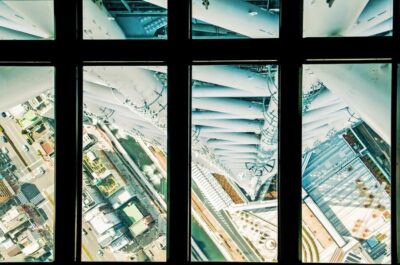

teamLab Planets TOKYO Digital Art Museum Entry Ticket
Read our review →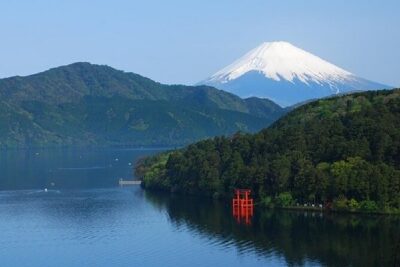
Mt Fuji & Hakone Cruise, Drum Show Bullet Train 1 Day from Tokyo
Read our review →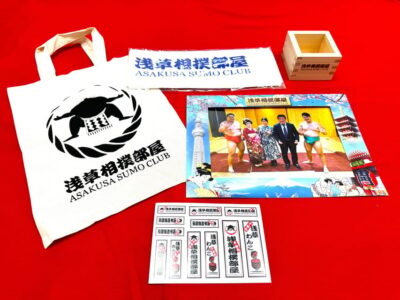
Sumo Show Experience with Chicken Hot Pot and a Photo
Read our review →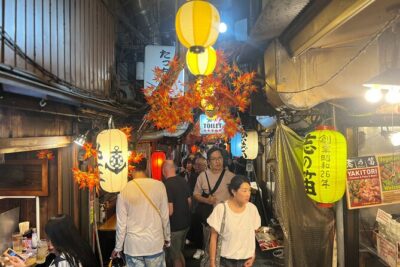
Shinjuku Food Tour (13 Dishes at 4 Local Eateries)
Read our review →