
Reviewed · FOOD & DRINK
Tokyo Tsukiji Food & Culture Private Tour Licensed Guide
Market mornings hit different with a pro. This private Tokyo food and culture tour pairs government-licensed English-speaking guidance with hands-on food stops, like what guides Katsu and Kenji Kasama delivered, including tastings and clear explanations as you move through Toyosu and Tsukiji areas. I also like the choose-your-stops flexibility, so you can steer the day toward what you actually want, from Kappabashi to Yanaka Ginza.
One thing to plan for: food, drinks, and transport costs are not included, so you’ll need to budget extra on the day, especially if you want multiple tastings across the markets and street-food streets.
Key things to know before you go
- Licensed, English-speaking guide (and you can run the day in the language you’re comfortable with)
- Toyosu + outer Tsukiji coverage, then street-food zones like Asakusa
- 6 hours usually means 3 to 4 stops, which feels efficient without being frantic
- You pick from a site list, so you can swap in Kappabashi, Monja Street, Tsukiji Old Fish Market, Yanaka Ginza, and more
- Rain or shine walking, so layers matter
- Private pacing for your group, which is a big deal in market crowds
Why Toyosu plus outer Tsukiji works better than doing one market
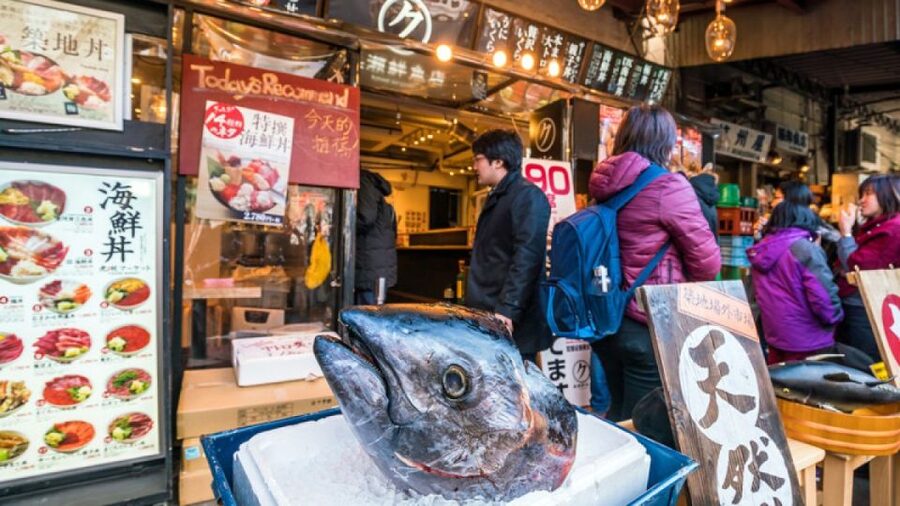
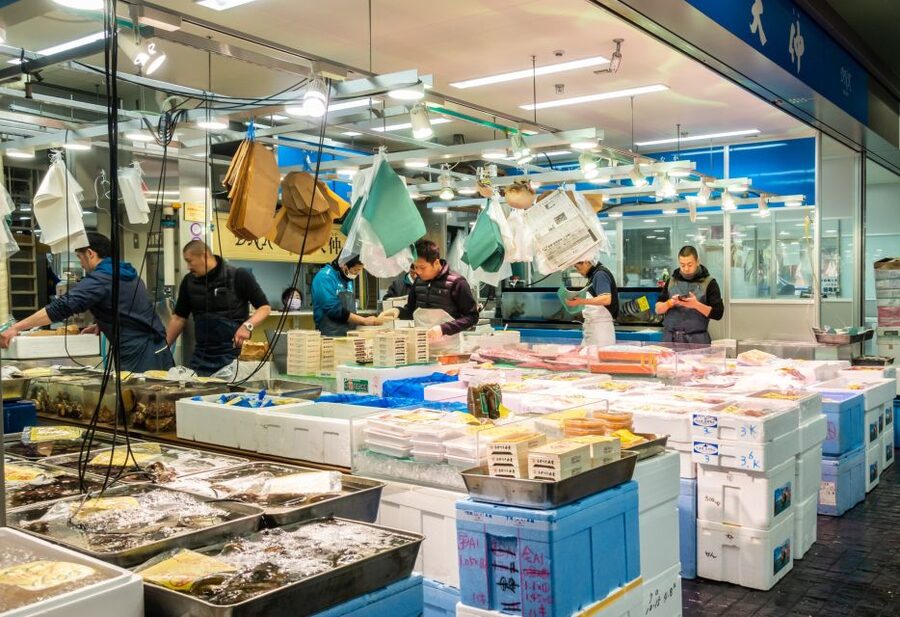
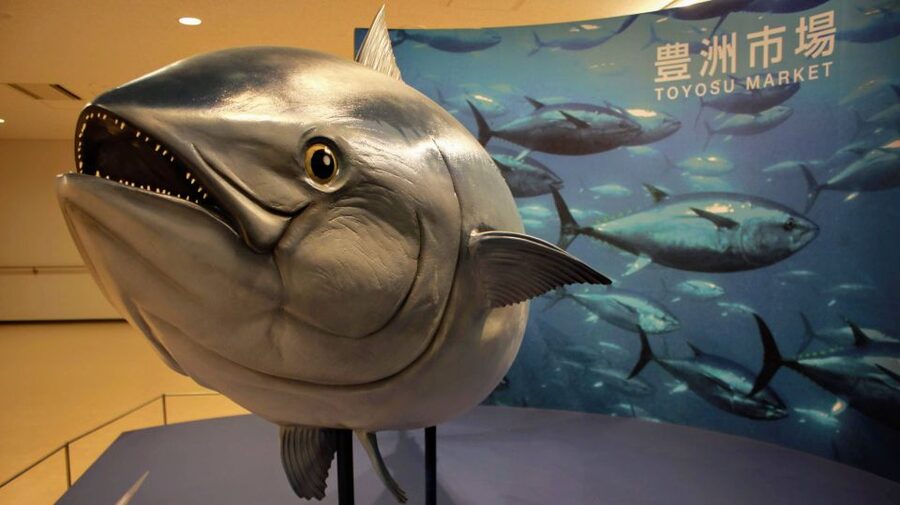
Tokyo’s fish-market story is scattered across places and time periods, and this tour gives you the stitched-together version. You start with Toyosu Market and then head to the outer Tsukiji fish market area, which is where you get that classic “food street” energy: shops, snack counters, and people hunting for the next bite. Even if you’ve seen market photos before, having a guide help you prioritize what to try changes the whole experience.
I like this setup because it’s not just sightseeing, it’s decision-making. A licensed guide helps you understand what you’re looking at, then turns that into a simple plan for tastings. In real-world terms, you spend less time guessing what’s worth your yen and more time eating things you’ll remember.
More Food Tours in Tokyo
- Tokyo: Shinjuku Food Tour (13 Dishes at 4 Local Eateries)
★ 5.0 · 6,603 reviews - Tokyo Tsukiji Fish Market Food and Culture Walking Tour
★ 5.0 · 3,184 reviews - Tokyo: Shinjuku Food Tour (15 Dishes and 4 Eateries)
★ 4.9 · 2,033 reviews
The price and what it really covers
At $141 per person for a 6-hour private tour, you’re paying for two things: a licensed local guide and a day plan that keeps you moving efficiently between key neighborhoods. What’s not included is important: food and drink, entrance fees, and public or private transportation during the tour are all extra.
So is it good value? If you want maximum food payoff with minimal planning headaches, it often is. You’re basically buying three services at once: someone who can navigate the areas, someone who can explain what matters, and someone who can tailor the route to your preferences from the start. If you already know you’re only going to eat one or two things and you don’t mind working out trains and crowds on your own, the added cost may not feel worth it.
How the meeting and walking format shapes your day
This is a private tour, and your guide meets you either at your hotel lobby or at a train station you request, then you set off on foot from there. You’re covered inside Tokyo’s 23 wards, which is a practical detail because it means your day is built around local movement rather than long, complicated transfers.
In a few guide accounts, you can see how much this matters. For example, Naomi helped her group use the railway system and even walk through the basics of buying a train card. That kind of support is exactly what turns “I’m in Tokyo, good luck” into “I get where I need to go, on time.”
Toyosu Market: a structured start before the crowds get loud
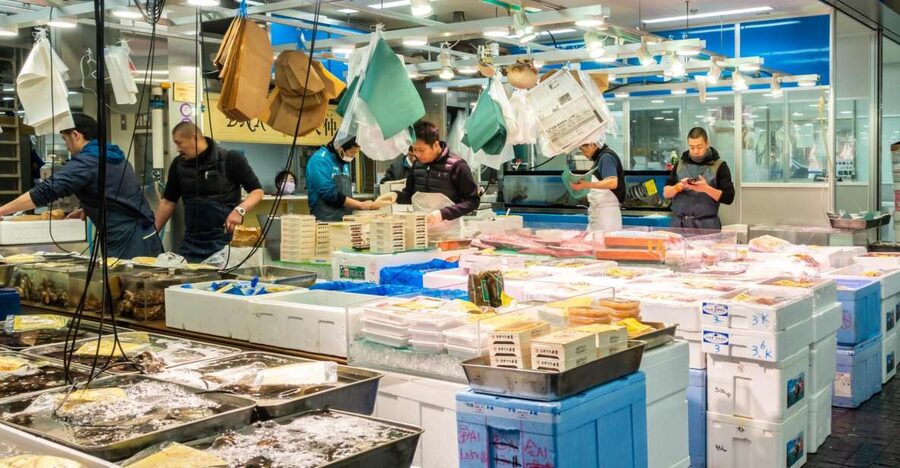
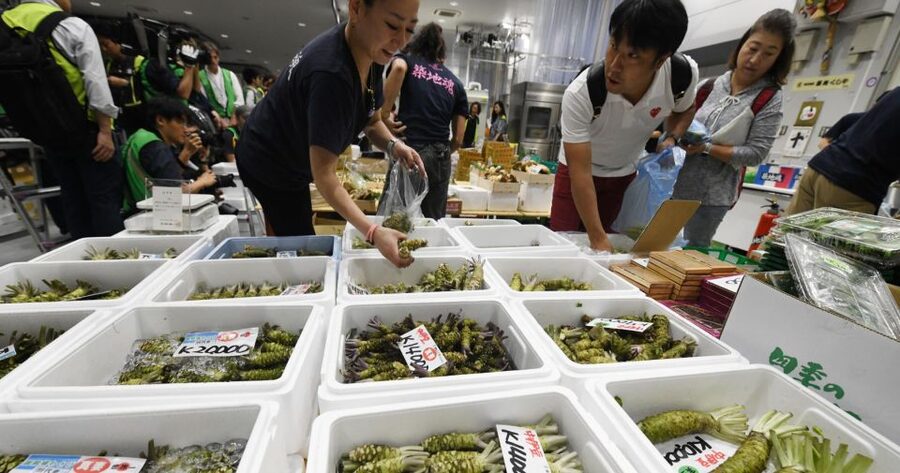
Toyosu Market is where the morning feels most purposeful. You’ll be in market territory, so expect dense activity and a lot to look at. The guide’s job here is to help you read the space quickly: what to notice, what to ignore, and how the food culture fits into Japan’s everyday rhythms.
What I’d watch for is comfort and timing. Markets can mean standing and slow walking while you sample. If you’re sensitive to cold, wear real layers. One review experience even noted rainy, cold conditions, and that’s a good reminder that you’ll want a warm outer layer no matter the forecast.
More Market Tours in Tokyo
- Tokyo: Tsukiji Fish Market Food and Walking tour
★ 5.0 · 1,724 reviews - Tokyo: Tsukiji Fish Market Guided Walking Tour
★ 4.9 · 1,397 reviews - Tokyo Sushi Making Class in Tsukiji with Professional Chef
★ 5.0 · 1,177 reviews - Tsukiji Fish Market Guided Tour and Sushi Making with Pro Chef
★ 5.0 · 775 reviews
Outer Tsukiji: street-food Tokyo at its easiest
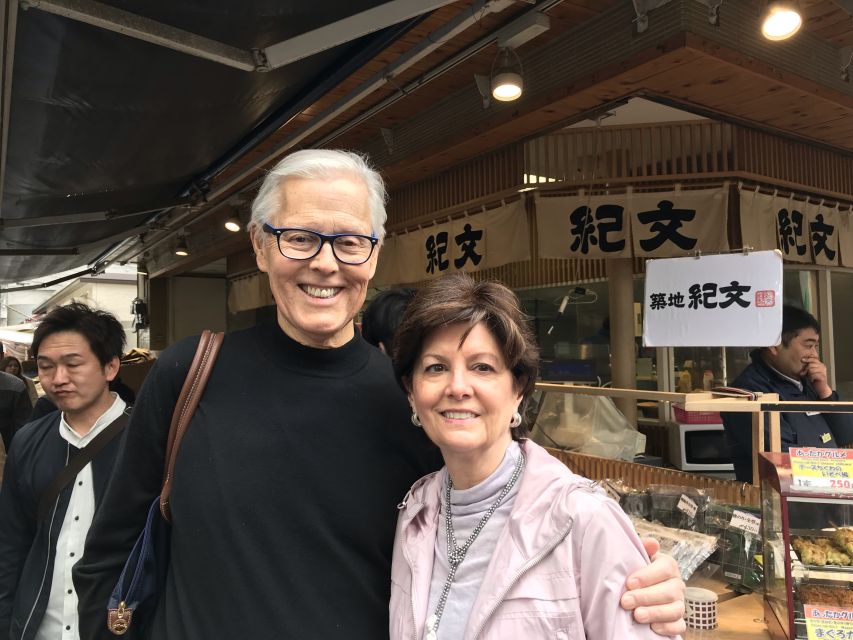
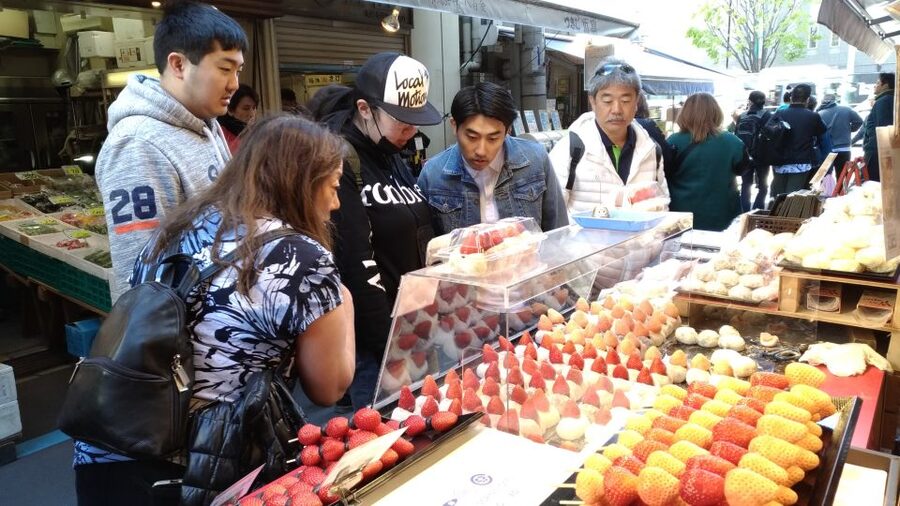
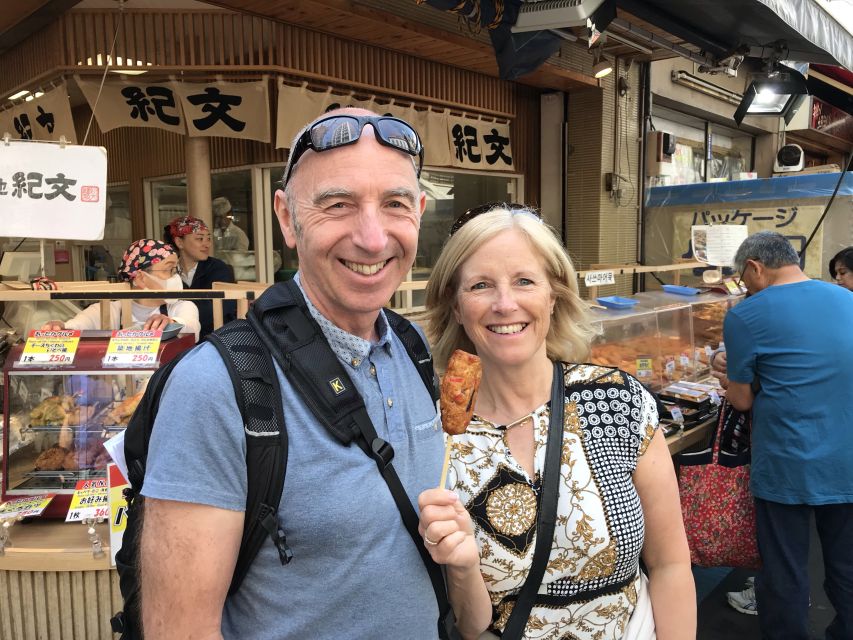
Outer Tsukiji is where the tour’s “food and culture shopping” theme clicks. This is the area built for snacks, small bites, and casual browsing. It’s also where having a private guide helps with etiquette and ordering, because you’re not just buying food, you’re learning how people move through the market world like it’s second nature.
If you’re the type who gets overwhelmed by choices, this is a strength of the tour. With a guide like Yoshii leading through busy streets, the day stays manageable instead of chaotic. You still get plenty of freedom, but you’re not left to figure out what’s best to try at every counter.
Asakusa shopping street: where you can taste the city’s everyday side
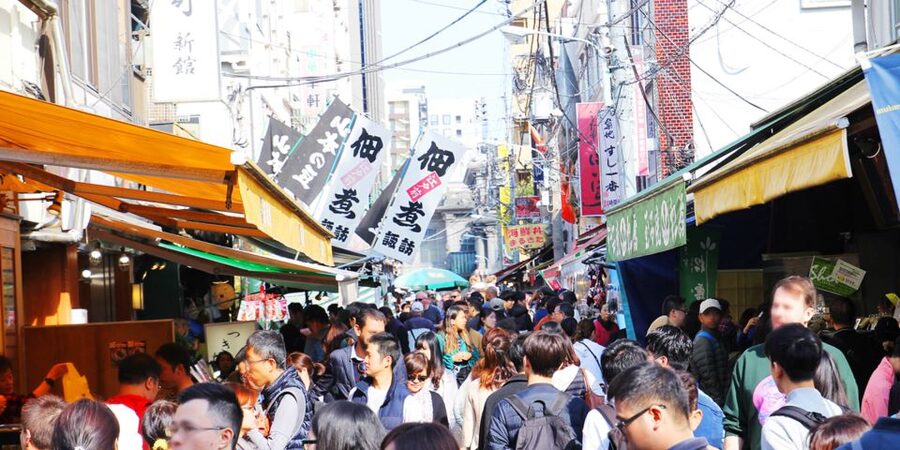
After the market portion, the tour shifts into classic Tokyo street-food territory with Asakusa shopping street. This part is valuable because it broadens the day beyond seafood. You get that street-side Japan feeling, where food is part of the stroll, not a separate attraction.
Think of it as the contrast moment. Markets can be about ingredients and systems. Asakusa is more about flavor in motion, the quick bite, the casual purchase, the “walk and eat” rhythm. If you want your photos and your meals to match the mood of Tokyo, this stop helps.
Ueno Ameyoko and Kappabashi: the food culture meets cooking gear
Ueno’s Ameyoko area adds energy, and it’s a great place to wander with purpose. Then Kappabashi brings in a different kind of food culture, the kitchenware side. If you’ve ever watched Japanese knives and gadgets and thought, I need to understand this, this is where you get context.
Here’s what makes this portion practical: you can shop with less confusion. Fake food samples, specialty shops, and the sheer variety can feel like sensory overload. A guide helps you move efficiently, and if you’re buying kitchen tools, it helps to have someone explain what makes things different rather than just pointing at signs.
Also, the route fits different travel styles. If you’re not a big shopper, you can still treat Kappabashi as a visual and culinary education stop, the place to see how seriously Japan takes everyday cooking.
Optional swaps that let you shape the day: Monja Street, Yanaka Ginza, and more
The big advantage of this tour is that you can tell the guide what you want from the site list. Depending on your timing, that can mean swapping in places like:
- Tsukishima’s Monja Street for a different Tokyo food identity than the central markets
- Yanaka Ginza for fried croquettes and a more local-feeling stroll
- Kappabashi Street if you want more focus on the kitchenware and sample culture
- Tsukiji Old Fish Market if you want extra emphasis on the older Tsukiji area feel
This flexibility is not just a nice bonus. It changes what you take home from the trip. Food tours can become repetitive if they all follow the same checklist. With customization, you can build a day that matches your interests, like mixing seafood culture with street-food culture and shopping for cooking tools.
Food tastings: how the guide turns browsing into eating
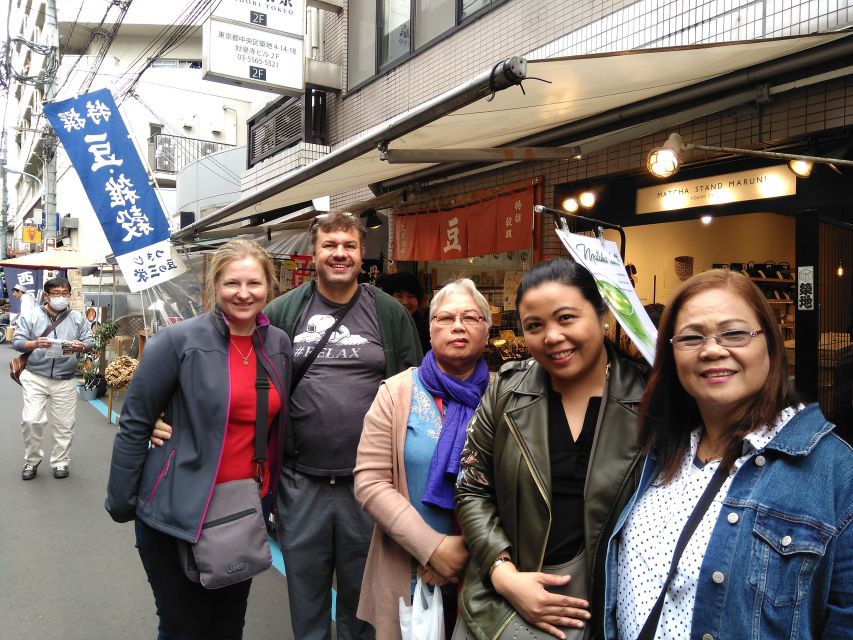
Food and drink are not included, but tasting is a core part of the experience, meaning the guide helps you plan what to try and where. In review highlights, guides such as Fumiko and others were praised for providing tastings and fitting the day “by the minute.” That’s exactly the point: you’re not just walking through places, you’re getting a sensible selection process.
A helpful mindset for you: treat this as a “buy the right bites” tour, not an all-you-can-eat event. If you go in expecting a set meal to be included, you may feel surprised when you’re paying for food separately. If you go in expecting to sample, compare, and choose, the whole structure makes sense.
Getting around: you’re on public transport or taxis, with extra costs
The guide uses public transportation or private taxis, but you pay those transport fees separately. This is common for private tours in Tokyo, and it’s also why the meeting method matters. Starting from your hotel or a station means you’re not losing time figuring out connections while hungry and cold.
If you’re not used to Tokyo transit, choose the 6-hour option with the mindset that your guide helps you keep momentum. One review specifically mentioned learning how to buy a train card through the guide’s instructions. That kind of support is more valuable than it sounds when you’re dealing with busy stations.
Weather, pace, and comfort: the real-life checklist
The tour runs rain or shine, and you’ll be walking through markets and shopping streets. That means comfort isn’t optional. I’d plan for:
- Warm layers and a rain layer (markets can feel cold fast)
- Comfortable shoes with good grip
- A light bag you can manage while tasting and browsing
- A flexible appetite, since market and street-food areas reward curiosity
Also remember the time math. With a 6-hour tour, the guide aims for 3 to 4 sites. That’s enough variety to feel like a real day, not a hit-and-run. Still, it’s a walking tour, so if you want long sit-down meals between stops, you may need to adjust expectations.
Who this tour is best for
This tour fits best if you want Tokyo food culture without turning your day into a map-reading puzzle. It’s especially good for:
- Food-first travelers who want tastings and context
- People who like shopping but want help navigating Kappabashi and market areas
- First-timers who want a local to guide the timing and the priorities
- Small groups or families who benefit from private pacing
If you already have a solid plan for markets, know exactly what you want to eat, and you don’t mind figuring out transport on your own, you might decide to do a more independent market day. But if you want the guide’s judgment to do the heavy lifting, this format is built for you.
Should you book Tokyo Tsukiji Food and Culture Private Tour?
Book it if your priority is to eat well while someone else handles the practical choices: where to go next, what to notice, and how to keep the day flowing across Toyosu, outer Tsukiji, and the street-food neighborhoods. The high rating score and repeated praise for guides like Katsu, Kenji Kasama, Fumiko, and Naomi points to a pattern: the best version of this tour is when your guide stays attentive, explains what you’re seeing, and keeps the pace optimized for your group.
Consider skipping or pairing it with extra planning if you’re trying to keep costs tight. Food, drinks, and transport fees are on you, and the value depends on your willingness to sample and shop with intention.
If you want a Tokyo day that feels specific to you, not generic, this is a strong pick.
FAQ
How long is the tour?
You can choose a private 4-hour or 6-hour option. The 4-hour tour typically covers 2 to 3 sites, while the 6-hour tour typically covers 3 to 4 sites.
Where does the tour take place?
This is in Tokyo’s 23 wards, in areas including Toyosu and outer Tsukiji, plus shopping streets like Asakusa, and neighborhoods such as Ueno’s Ameyoko and Kappabashi.
Can I choose which sites we visit?
Yes. After booking, you can inform your guide which sites you want to see from the provided list, such as Toyosu Market, Tsukiji Old Fish Market, Kappabashi Street, Tsukishima’s Monja Street, and Yanaka Ginza.
What’s included in the price?
Included items are the private 4 or 6-hour tour, the services of a licensed local guide, and meet up with your guide in Tokyo’s 23 wards.
What is not included?
Food and drink, entrance fees, and public or private transportation fees during the tour are not included.
What language is the guide?
The guide provides live interpretation in English and Japanese.
Does it run in bad weather?
The tour runs rain or shine.
Fresh options around Tokyo
- Tokyo: Nikko Kegon Falls Lake Chuzenji Toshogu Temple & More★ 4.9 · 12 reviews
- Tokyo: Samurai History Walking Tour★ 5.0 · 12 reviews
- Harajuku: Kawaii Fashion and Pop-Culture Tour★ 4.7 · 12 reviews
- Tokyo: Mt. Fuji & Lake Kawaguchi Instagram Full Day Trip★ 4.1 · 12 reviews
- Shibuya Tokyo: Modern Kintsugi Workshop in Shibuya★ 5.0 · 12 reviews
- Tokyo: GTR Guided Daikoku Experience at Night★ 5.0 · 12 reviews
- Tokyo: Daikoku JDM Car Culture Tour★ 4.6 · 12 reviews
- Mt Fuji Private Day Trip from Tokyo with English speaking driver★ 5.0 · 13 reviews
Food & Drink, compared.
Shinjuku Food Tour (13 Dishes at 4 Local Eateries)
Read our review →
Tokyo Tsukiji Fish Market Food and Culture Walking Tour
Read our review →
Shinsekai Food Tour with 13-15 Dishes at 5 Eateries
Read our review →
Osaka Food Tour: 13 Dishes at 5 Local Eateries
Read our review →
Shinjuku Food Tour (15 Dishes and 4 Eateries)
Read our review →
Best of Shinjuku: Izakaya Food Tour (4 Stops, 14+ Tastings)
Read our review →
Kyoto Night Foodie Tour in Gion (9+ dishes + 6 Sake tastings)
Read our review →
Hungry Osaka Street Food Tour:15 Tastings & 3 Drinks with a Local
Read our review →Browse the lists this tour appears in