
Reviewed · FOOD & DRINK
Tokyo Tsukiji Food & Culture 6hr Private Tour with Licensed Guide
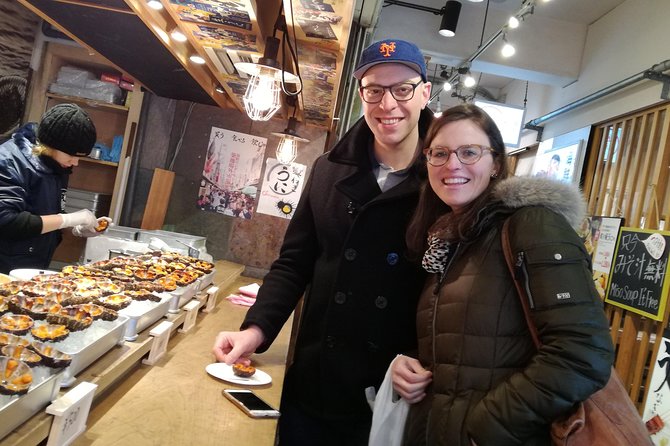
Tokyo eats fast, and this tour helps. I love that a licensed English guide leads you from Tsukiji to Asakusa without making you wrestle with a map, and I also like that you build a customizable itinerary from the day’s best food and shopping stops instead of following a rigid script.
The only real drawback is simple: this is a walking tour for around 6 hours, with pickup handled on foot, and you will cover transportation plus some market or snack-street admissions yourself.
Key points to know before you go
- Private, licensed guide who handles the route and keeps the day moving
- Pick 3 to 4 stops from a menu of markets, temples, and shopping streets
- Toyosu first, Tsukiji next for a smart market-day flow (plus different vibes)
- Some admissions cost extra (Toyosu Market and Tsukishima Monjya, while Tsukiji Fish Market is free)
- Asakusa shopping hits like Nakamise and Kappabashi, where you can actually buy the cool stuff
- Built for food culture, not just photos, with time to learn what you’re looking at
Why this Tsukiji and Asakusa private tour feels like having a local teammate
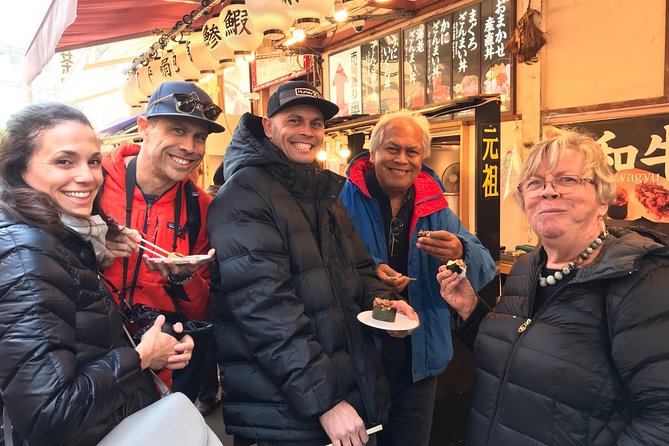
Tokyo market days can be overwhelming fast. You walk in, you see seafood everywhere, and you quickly realize you need someone to explain what matters and where to go next. This tour solves that problem with a licensed local English speaking guide who leads you through Tsukiji Market and the Asakusa area, plus nearby shopping streets that are famous for the things locals buy.
I also like the format. You get a private setup, so there is no pacing around other people’s schedules. And you choose a set of stops (typically 3 to 4 sites from the itinerary list), which is a great way to shape the day around your tastes. Want more food-focused stops? Lean that way. More shopping? You can do that too.
One more practical plus: the tour is flexible. You are not trapped in a one-size-fits-all walking loop, so if you hit a spot where you want extra time, your guide can usually adjust within the time window.
More Food Tours in Tokyo
- Tokyo: Shinjuku Food Tour (13 Dishes at 4 Local Eateries)
★ 5.0 · 6,603 reviews - Tokyo Tsukiji Fish Market Food and Culture Walking Tour
★ 5.0 · 3,184 reviews - Tokyo: Shinjuku Food Tour (15 Dishes and 4 Eateries)
★ 4.9 · 2,033 reviews
Price and logistics: what $154.84 buys, and what it does not
At about $154.84 per person for roughly 6 hours, you are paying mainly for the guide and the private routing, not for transportation or guaranteed meals. The included parts are clear: the licensed local English speaking guide, a customizable set of 3 to 4 sites, and meeting up in your designated area on foot.
What is not included:
- Transportation fees
- Entrance fees (unless a specific stop is listed as free)
- Lunch
- Personal expenses
- A private vehicle (this is walking)
Also, one detail that matters: guide entry fees are only covered for the sights listed under the itinerary. So if you try to add extra paid attractions on the spot, you may need to pay for those.
Is it worth it? For me, it tends to be, if you care about two things:
1) getting a guided route through markets and shopping streets where small details change what you enjoy, and
2) being able to tailor stops instead of committing to a fixed itinerary.
If you are a super independent planner who already knows exactly where you want to go, and you have your logistics nailed down, you might spend less on a self-guided day. But if you want the smoother experience, this private setup is the buy.
The 6-hour walking plan that keeps the day from collapsing
This is designed as a walk-first day with a smart progression across market areas and then into Asakusa. Total time is about 6 hours, with stop times that add up to a full morning and early afternoon.
Here is how the route works in practical terms:
- Start with a market area that sets the tone (Toyosu)
- Move into Tsukiji for seafood intensity and market culture
- Continue into shopping streets where you can browse and buy
- Finish with Asakusa highlights like Senso-ji and the classic souvenir approach streets
Because it is walking, the pacing is the whole point. You are not bouncing around with long transit gaps, and the guide can keep you oriented so you do not burn time figuring out what’s close by.
Toyosu Market: modern wholesale energy with a tourist-friendly angle
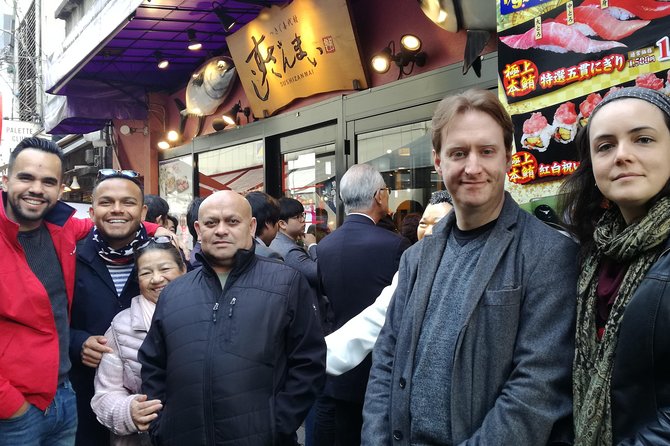
Toyosu Market is the modern wholesale hub in Tokyo’s bay area, opening on October 11, 2018 and taking over the wholesale business from the aging Tsukiji wholesale operation. That shift matters for your expectations. Toyosu feels more structured and purpose-built than the older era of Tsukiji.
On this tour, Toyosu is a 2-hour stop, and admission ticket is not included. That means you should budget for the entry cost. The time allocation also tells you the goal here is not to see every corner perfectly, but to get a clear sense of what Toyosu is, how it works, and what kind of seafood culture you’re stepping into.
What I like about starting here:
- You ease into market culture before you hit Tsukiji’s more chaotic-feeling lanes.
- Your guide can point out what to look for so you do not spend the first 30 minutes just trying to orient.
Possible consideration:
- Because the ticket is not included, you might want to confirm the exact purchase method and timing with your guide in advance, so you do not lose time on arrival.
More Market Tours in Tokyo
- Tokyo: Tsukiji Fish Market Food and Walking tour
★ 5.0 · 1,724 reviews - Tokyo: Tsukiji Fish Market Guided Walking Tour
★ 4.9 · 1,397 reviews - Tokyo Sushi Making Class in Tsukiji with Professional Chef
★ 5.0 · 1,177 reviews - Tsukiji Fish Market Guided Tour and Sushi Making with Pro Chef
★ 5.0 · 775 reviews
Tsukiji Fish Market: meet at Tsukiji Honganji Temple and follow the flow
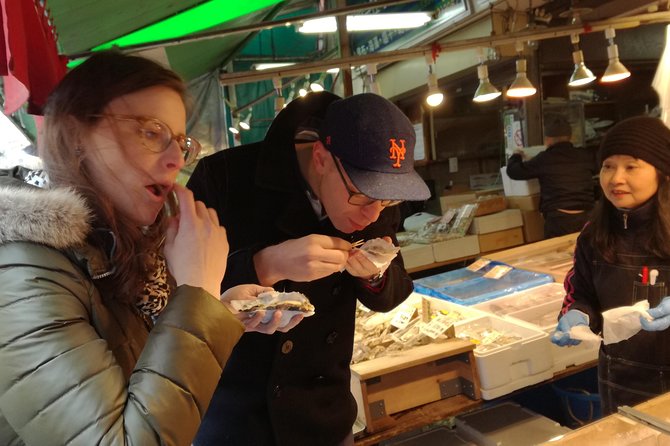
For Tsukiji, your meeting point is specific: Tsukiji Honganji Temple, just outside the market’s main gate, in the morning. This is a nice detail because it gives you a clear anchor. Markets in Tokyo can feel like a maze, so having a known starting point reduces stress.
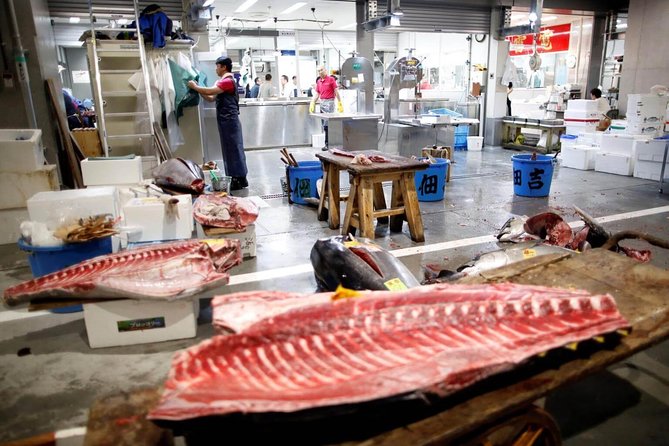
Tsukiji is about 1 hour, and admission is free on this tour. The best value here is not just seeing seafood, it’s understanding what you’re looking at. Your guide helps you navigate the layout and explains the market logic, including the meaning behind what’s on display and what kinds of stalls to pay attention to.
If you’re wondering what to do with 60 minutes: go with the guide’s route. Tsukiji rewards momentum. You will likely get more enjoyment from guided highlights than from trying to wander randomly.
A small practical note: this is a morning stop. Even if you are not an early bird, morning pace is part of why Tsukiji feels like Tsukiji.
Ameyoko Shopping Street: snack-and-bargain culture in 30 minutes
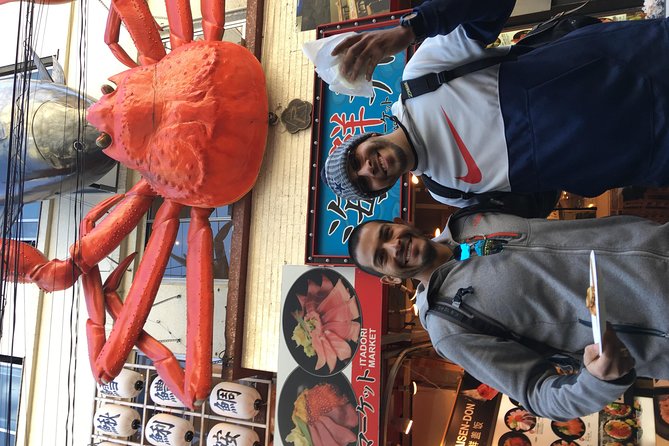
Ameyoko Shopping Street is a quick hit, about 30 minutes, and admission is free. This stop is there for a reason: it’s one of those places where Tokyo shopping feels like a street-level sport.
You are not just browsing luxury displays. You are moving through a dense area where you can find souvenirs, everyday goods, and the kind of casual food culture that fits with a food-focused day.
How to get more out of this part of the tour:
- Treat it like an orientation stop. Get a sense for what you like buying in Japan, then use Asakusa for the classic souvenir purchases.
- Ask your guide what the best buys are for your interests. Even small suggestions can save you from buying the wrong size or the wrong thing.
Senso-ji and Kaminarimon: temple time that also helps you shop smarter
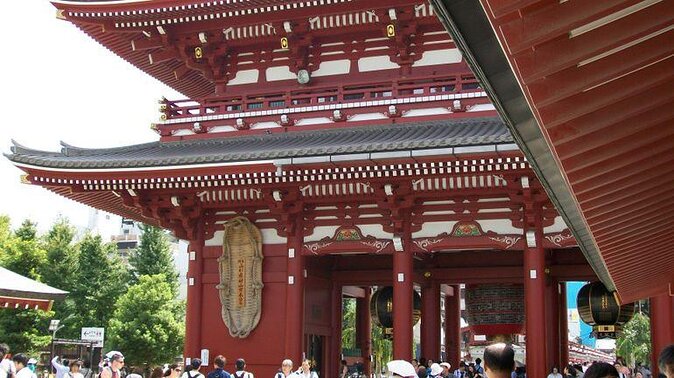
Senso-ji is one of Japan’s best-known temples, with a history that reaches back about 1,300 years. The headline sight is Kaminarimon, the huge red lantern at the entrance. The tour budgets about 30 minutes here, and entry is free.
This is a good stop to break up the food-and-shopping intensity. It gives you a pause in the day without killing your momentum.
Senso-ji also connects directly to the next shopping street. You get the temple experience and then you step into the approach where the souvenirs are built around the walk to the main hall.
Practical tip: wear shoes you trust. This area is full of pedestrians and uneven foot traffic. You will want to move comfortably.
Nakamise Shopping Street: the 250-meter souvenir runway
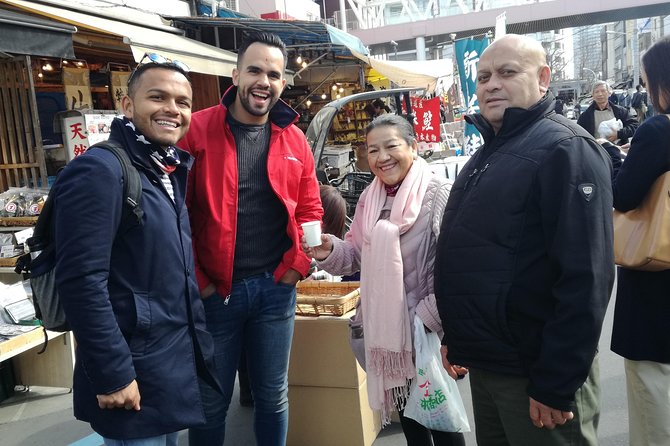
Nakamise Shopping Street is the big approach street for Senso-ji, running about 250 meters. It’s lined with shops selling traditional souvenirs, snacks, and other small food and gift items.
In this tour, Nakamise is another 30-minute stop, and admission is free.
This is where guided help can really pay off. Souvenir shopping can get expensive if you buy without checking value. Your guide can point out what tends to be the best choice for your budget and what makes sense to carry.
One detail I especially like: bamboo and chopstick culture is part of the Asakusa shopping vibe. In particular, it is a place where you can find chopsticks sold as sets, and it is also a spot where a guide can help you use chopsticks better at a food stop. When people feel confident eating in Japan, shopping gets more fun, not stressful.
Kappabashi Street: tools for cooks, plus fun collectible purchases
Kappabashi Street (often called Kappabashi Dōgugai) is one of the most practical shopping streets in Tokyo. It is lined with stores that sell what restaurants use, including utensils and food-related tools.
On this tour, it’s about 30 minutes, and entry is free.
If you cook, this is a great stop. You might find:
- kitchen tools
- serving items
- specialty shop supplies that feel like they belong in a real Japanese kitchen
If you do not cook, it can still be fun because it’s the opposite of typical tourist shopping. Instead of magnets, you get objects with purpose. That also means purchases are more likely to justify their weight in your suitcase.
Possible drawback: the time is short. If you love shopping, you may want your guide to prioritize a quick route through the best streets rather than letting you bounce between every store.
Tsukishima Monjya Street: monjayaki culture and the food street mindset
Tsukishima Monjya Street is a 30-minute stop, and admission is not included. That matters because this is more about eating and street food culture than browsing-only shopping.
Monjayaki is described as a liquid-like, hot dish. It may not win beauty contests, but the idea is that once you focus on the flavors and the eating experience, you forgive the looks.
This stop works best if:
- you want a food-focused end to the day, and
- you are open to trying something that feels different from standard Japanese dishes.
What to consider: because admission or a food cost may apply here, budget for that extra spend. Also, if you have picky boundaries around textures, monjayaki’s “liquid” style might not be your first pick.
Yanaka Ginza Shopping Street: Shitamachi nostalgia with an easy finish
Yanaka Ginza Shopping Street is a quieter, older-town feel with a Shitamachi atmosphere. This is a nice contrast after the market intensity and Asakusa crowds.
On the tour, it’s about 30 minutes, and entry is free.
Why it’s a good choice:
- It lets you end the day with a slower, more everyday Tokyo vibe.
- It’s a good place to look for small gifts and neighborhood-style snacks rather than only the big-ticket tourist buys.
The timing is also practical. After hours of walking and shopping, a calmer street can feel like a reward, not an extra chore.
Having a guide for markets and shopping streets is about more than facts
A licensed guide is useful because they save you from common Tokyo tourism headaches:
- knowing where to start
- spotting what’s worth your time
- figuring out which streets are worth crossing and which ones will waste walking energy
One of the highlights for this kind of tour is undivided attention. That matters most when you hit something you want to ask about, like what to order, what to buy, and how to navigate the flow without slowing everyone else down.
In one example linked to a similar experience run by a guide like Taka, the coaching went beyond pointing. The guide helped with chopstick technique at the start and then encouraged practice as the meal progressed. The practical takeaway for you is that a good guide can turn food anxiety into confidence fast, and that confidence often leads to better shopping choices too.
Who should book this private Tokyo Tsukiji and Asakusa tour
This tour is a strong fit if you:
- want a private, guide-led day with a flexible plan
- care about food culture, not just sightseeing screenshots
- like market energy but want help navigating it
- enjoy shopping streets where purchases make sense, not random souvenirs
It may be less ideal if you:
- want a mostly sit-down day with minimal walking
- hate markets and prefer quiet neighborhoods only
- already have a tightly planned self-guided route and no need for guidance
Also, the tour notes that it’s walking with pickup on foot, and that most travelers can participate. If you have mobility limits, you’ll want to think carefully about a long walk day.
Should you book this tour or plan it yourself?
Book it if you want the day to feel easier. The guide-led flow through Toyosu, Tsukiji, and then into Asakusa shopping streets saves time and stress, and the customizable stop selection helps you avoid wasting hours on parts you do not care about.
Skip booking if you are comfortable building your own route and you are mainly looking for one or two specific sights. In that case, you might do it cheaper with public transport and your own itinerary.
My advice: if this is your first Tokyo market visit, or if you want food culture plus shopping without the map anxiety, this is a good way to spend half a day. You get more than just places. You get a plan that makes sense hour by hour.
FAQ
What is the duration of the Tokyo Tsukiji Food & Culture private tour?
The tour is about 6 hours.
How much does it cost per person?
The price is listed at $154.84 per person.
Is this a private tour or a group tour?
It is a private tour. Only your group participates.
Can I customize which stops I visit?
Yes. You can choose a customized itinerary of 3 to 4 sites from the tour’s itinerary list.
Where do we meet the guide?
You meet the guide on foot within a designated area in Tokyo. For the Tsukiji Fish Market portion, the meeting point is Tsukiji Honganji Temple just outside the market’s main gate in the morning.
Is pickup included, and how does it work?
Pickup is offered, but this is a walking tour, so pickup is on foot rather than by private vehicle.
Do I need to pay entrance fees for all stops?
No. Tsukiji Fish Market is listed as free. Toyosu Market and Tsukishima Monjya Street list admission as not included. The other listed stops are shown as free.
What is not included in the tour price?
Transportation fees, entrance fees, lunch, and other personal expenses are not included. A private vehicle is also not included.
FAQ
Is free cancellation available?
Yes, you can cancel for a full refund up to 24 hours in advance of the experience’s start time.
Is the tour near public transportation?
Yes, the tour is near public transportation.
Are service animals allowed?
Yes, service animals are allowed.
Fresh options around Tokyo
- Tokyo: Nikko Kegon Falls Lake Chuzenji Toshogu Temple & More★ 4.9 · 12 reviews
- Tokyo: Samurai History Walking Tour★ 5.0 · 12 reviews
- Harajuku: Kawaii Fashion and Pop-Culture Tour★ 4.7 · 12 reviews
- Tokyo: Mt. Fuji & Lake Kawaguchi Instagram Full Day Trip★ 4.1 · 12 reviews
- Shibuya Tokyo: Modern Kintsugi Workshop in Shibuya★ 5.0 · 12 reviews
- Tokyo: GTR Guided Daikoku Experience at Night★ 5.0 · 12 reviews
- Tokyo: Daikoku JDM Car Culture Tour★ 4.6 · 12 reviews
- Mt Fuji Private Day Trip from Tokyo with English speaking driver★ 5.0 · 13 reviews
Food & Drink, compared.
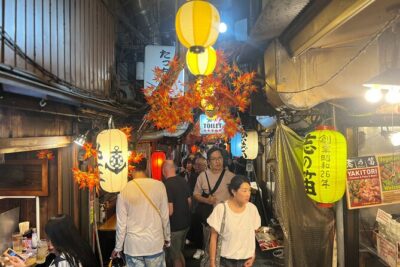
Shinjuku Food Tour (13 Dishes at 4 Local Eateries)
Read our review →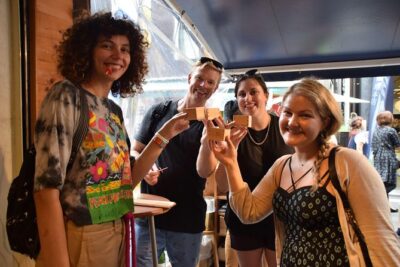
Tokyo Tsukiji Fish Market Food and Culture Walking Tour
Read our review →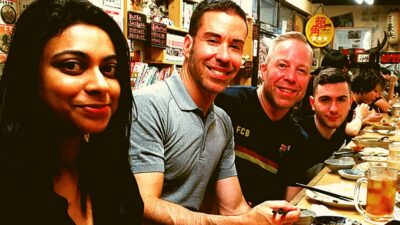
Shinsekai Food Tour with 13-15 Dishes at 5 Eateries
Read our review →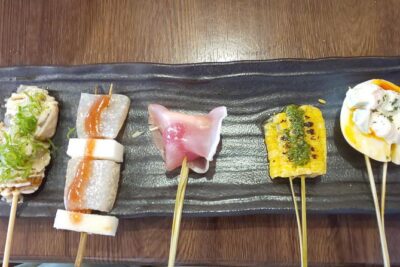
Osaka Food Tour: 13 Dishes at 5 Local Eateries
Read our review →
Shinjuku Food Tour (15 Dishes and 4 Eateries)
Read our review →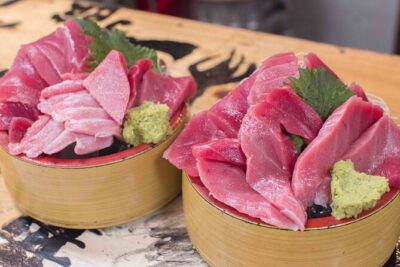
Best of Shinjuku: Izakaya Food Tour (4 Stops, 14+ Tastings)
Read our review →
Kyoto Night Foodie Tour in Gion (9+ dishes + 6 Sake tastings)
Read our review →
Hungry Osaka Street Food Tour:15 Tastings & 3 Drinks with a Local
Read our review →Browse the lists this tour appears in